
Take a nutritionist’s office, some years back. The nutritionist slid a printed handout across the table. It had a red circle with a line through it over a jar of coconut oil. “Heart attack in a jar,” she said. The client nodded, took notes, and went home to throw out the coconut oil he’d been cooking with for three years. He replaced it with a bottle of canola oil bought at the supermarket. The canola oil sat in a clear plastic bottle. It had already been sitting on a fluorescent-lit shelf for six months, slowly oxidizing. It would spend another six months in his cabinet before he finished it. Nobody put a red circle over that.
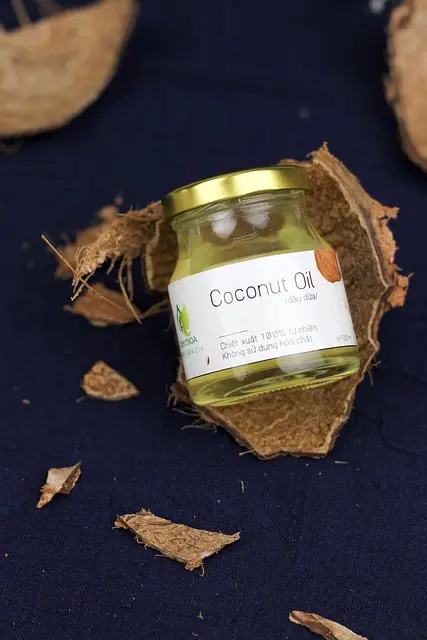
This article examines what the science actually shows: the biochemical mechanisms that distinguish coconut oil from dangerous fats, the peer-reviewed studies that demolished the saturated fat hypothesis, the protocol for integrating coconut oil intelligently, and the specific traps that turn a useful tool into a liability. The proprietary framework we’ll return to throughout is the Fat Source Audit — a method for evaluating any dietary fat by its complete metabolic profile, not its macronutrient category.
The Case Against Coconut Oil Saturated Fat — And Why It’s Wrong
In 1968, the Framingham Heart Study — arguably the most important cardiovascular research project ever conducted — was about thirty years into following 5,000 residents of a Massachusetts town and tracking their health outcomes. The study director at the time, Dr. William Castelli, would later say something that almost nobody remembers: “In Framingham, Mass., the more saturated fat one ate, the more cholesterol one ate, the more calories one ate, the lower the person’s serum cholesterol.” That quote appeared in the Archives of Internal Medicine in 1992. Castelli ran the study. He watched the data. The data didn’t say what the guidelines said.
The guidelines said something different because they were built on Ancel Keys’ 1958 Seven Countries Study, which found a correlation between saturated fat intake and heart disease mortality across seven nations. The study looked clean on paper. There was one problem that took decades to fully surface: Keys had data from twenty-two countries. He selected seven that supported his hypothesis and left fifteen in a drawer. When researchers later analyzed all twenty-two countries, the correlation collapsed. The relationship between saturated fat and heart disease was not just weak — it was statistically absent.
What made this worse was the infrastructure that built up around Keys’ hypothesis. By 1977, the U.S. Senate had adopted low-fat dietary guidelines. The USDA built a Food Pyramid around them. The American Heart Association made saturated fat reduction its primary prevention message. Careers, research programs, dietary industries, and institutional reputations were invested in the framework. Questioning it stopped being a scientific debate and became a professional risk. The sugar industry helped. Internal documents revealed in 2016 showed that the Sugar Research Foundation paid Harvard scientists in the 1960s to shift cardiovascular blame from sugar to fat. The scientists published.
The journal didn’t require disclosure. The narrative held for fifty years.
The consequences arrived on schedule. Since the low-fat guidelines took hold, Americans replaced butter with margarine, whole milk with skim, and lard with soybean oil. Obesity rates tripled. Type 2 diabetes went from affecting roughly 1% of the population to 11%. Metabolic syndrome — the cluster of conditions that actually predicts cardiovascular events — now affects one in three American adults. The intervention designed to protect hearts broke metabolisms at population scale.
That client’s canola oil is not an abstract concern. The Fat Source Audit — the framework applied throughout this article — asks a simple question about every fat consumed: what does this fat do inside the body, specifically, once it clears the gut? Applying that question to coconut oil yields a very different answer than institutional guidelines suggest.
How Coconut Oil Saturated Fat Actually Works: The MCT Mechanism
The anti-saturated-fat framework treats all saturated fat as a single class with a single mechanism. This is biochemically illiterate. Saturated fats range from 4 to 24 carbon atoms in chain length, and chain length determines metabolic fate more than any other variable. Coconut oil’s composition is dominated by medium-chain triglycerides (MCTs) — fatty acids with 6 to 12 carbon atoms. This is the single most important fact about coconut oil that standard dietary advice ignores, and applying the Fat Source Audit makes it impossible to overlook.
Long-chain triglycerides (LCTs), found in most animal fats and seed oils, require a complex absorption process. They must be emulsified by bile salts in the small intestine, broken down by pancreatic lipase, absorbed through intestinal enterocytes, packaged into chylomicrons, transported through the lymphatic system via the thoracic duct, and only then do they enter the bloodstream and eventually reach the liver. The whole process takes several hours and requires significant enzymatic infrastructure.
MCTs bypass most of that machinery entirely. They are absorbed directly from the gut into the portal vein — the same route glucose takes — and transported straight to the liver, where they undergo rapid beta-oxidation and are preferentially converted to acetyl-CoA and then to ketone bodies. The practical consequence is significant: MCTs are metabolized as fuel, not stored as adipose tissue, at much higher rates than LCTs. They raise thermogenesis — the body’s heat production from food metabolism — at approximately twice the rate of LCTs. A 1996 study by Scalfi et al. published in the European Journal of Clinical Nutrition found that MCT-rich meals produced a 12% greater increase in metabolic rate compared to LCT-rich meals of identical caloric content.
The dominant MCT in coconut oil is lauric acid (C12), comprising roughly 47-50% of its fatty acid content by weight. Lauric acid has a biochemical profile that should give the “coconut oil is dangerous” narrative serious pause. It is also the dominant fatty acid in human breast milk — the substance evolution optimized over millions of years to nourish and immunologically protect developing infants. Lauric acid is converted in the body to monolaurin, a monoglyceride that disrupts the lipid bilayers of enveloped viruses (including influenza and herpes simplex), gram-positive bacteria, and fungi. Research published in Antimicrobial Agents and Chemotherapy has documented monolaurin’s ability to disrupt bacterial cell membranes at concentrations achievable through dietary coconut oil intake. Calling a compound shared with breast milk a cardiovascular toxin, simultaneously, takes a level of cognitive contortion that should embarrass anyone making the claim.
Caprylic acid (C8) and capric acid (C10) — shorter-chain MCTs comprising another 10-15% of coconut oil by weight — are even more rapidly converted to ketones than lauric acid. C8 in particular is the most ketogenic MCT available, which is why isolated C8 MCT oil has become a staple in cognitive performance protocols. These shorter-chain acids cross the blood-brain barrier and serve as alternative fuel for neurons — a mechanism being actively researched as a therapeutic intervention for cognitive decline. Neurologist Mary Newport’s 2008 case report, published in Nutrition, documented meaningful cognitive improvement in an Alzheimer’s patient following dietary MCT supplementation, leading to larger trials and a clinical program. The brain runs on two fuels: glucose and ketones. Coconut oil produces ketones. When brain fog and cognitive sluggishness connect back to glucose metabolism problems — and in an era of widespread insulin resistance, they frequently do — providing an alternative fuel source is not a minor intervention.
Now, the cholesterol mechanism, because this is where the conventional argument lives. Saturated fat raises LDL cholesterol in some people. True. But “LDL cholesterol” reported on a standard blood panel is not a single thing — it is a composite number that aggregates at least two distinct particle populations with fundamentally different cardiovascular implications.
Large, buoyant LDL particles (Pattern A) are largely inert. They are too large to penetrate intact arterial endothelium, they oxidize slowly, and they do not trigger the macrophage-mediated inflammatory cascade that produces atherosclerotic plaque. Small, dense LDL particles (Pattern B) are the dangerous subtype. They are small enough to infiltrate damaged arterial walls, oxidize readily in the presence of free radicals, and stimulate foam cell formation — the cellular process that creates plaque. Research by Ronald Krauss at Children’s Hospital Oakland Research Institute has shown that it is possible to have a high LDL number composed almost entirely of Pattern A particles (benign) or a moderate LDL number with high Pattern B concentration (dangerous). Standard lipid panels cannot distinguish between them. They report a total that obscures the composition.
What raises Pattern B small dense LDL? Not saturated fat. The primary dietary drivers of small dense LDL are refined carbohydrates, excess fructose, and oxidized polyunsaturated oils — the exact foods the anti-saturated-fat guidelines directed people toward. Saturated fat from coconut oil raises Pattern A large buoyant LDL. Running a proper Fat Source Audit on coconut oil means tracking which particles it actually produces, not just the composite number that a forty-year-old blood test reports.
Beyond LDL, coconut oil consistently and reliably raises HDL cholesterol. HDL is the lipoprotein that performs reverse cholesterol transport — it picks up excess cholesterol from arterial walls and peripheral tissues and transports it back to the liver for metabolism and excretion. A higher HDL-to-LDL ratio and a higher HDL-to-total-cholesterol ratio are among the strongest predictors of reduced cardiovascular risk in the epidemiological literature. Coconut oil improves both. It raises the number that protects while producing mainly the harmless variant of the number that doesn’t.
Finally, virgin coconut oil contains a significant polyphenol load — the same antioxidant compounds found in extra virgin olive oil, green tea, and dark berries. These polyphenols, including gallic acid and ferulic acid, scavenge free radicals, reduce lipid oxidation, and lower markers of systemic inflammation including C-reactive protein. Since chronic systemic inflammation and oxidative stress are the actual upstream drivers of atherosclerosis — not cholesterol sitting passively in the blood — coconut oil addresses the root mechanism while institutional guidelines remain focused on the downstream marker. The Fat Source Audit captures this: coconut oil scores well on every relevant variable that actually predicts cardiovascular outcomes.
The Evidence: What the Studies Actually Show About Coconut Oil and Heart Disease

Siri-Tarino et al. (2010) — The Meta-Analysis That Ended the Argument
Published in the American Journal of Clinical Nutrition, this meta-analysis pooled data from 21 prospective cohort studies involving 347,747 participants followed for 5 to 23 years. The authors — from Children’s Hospital Oakland Research Institute — conducted the most comprehensive examination of dietary saturated fat and cardiovascular disease outcomes available at that time. Their conclusion: “There is no significant evidence for concluding that dietary saturated fat is associated with an increased risk of coronary heart disease or cardiovascular disease.” Not insufficient evidence. Not weak evidence. No significant evidence. This was the best available data, analyzed rigorously, and it found no association. The response from major dietary organizations was not to update their guidelines. Mostly, it was silence.
Chowdhury et al. (2014) — Confirming the Non-Association
Published in the Annals of Internal Medicine, this meta-analysis examined 76 observational studies and randomized trials involving over 600,000 participants from 18 nations. The authors found no significant association between saturated fat intake and cardiovascular risk. They did find that the type of fat mattered — specifically, industrial trans fats showed clear cardiovascular harm — but natural saturated fats showed no independent association with cardiovascular events. This study was covered briefly in mainstream media and then largely absorbed by the institutional inertia that had already committed to a different narrative. The inflammation-driven model of heart disease better fits the data from studies like this one than any lipid-centric hypothesis.
Khaw et al. (2018) — Coconut Oil vs. Butter vs. Olive Oil
Published in BMJ Open, this randomized controlled trial directly compared the effects of consuming 50 grams per day of coconut oil, butter, or extra virgin olive oil for four weeks in 94 healthy adults. This is the study that should have ended the “coconut oil raises dangerous cholesterol” argument. Butter significantly raised LDL cholesterol compared to olive oil. Coconut oil did not significantly raise LDL compared to either comparator. Instead, coconut oil raised HDL cholesterol significantly more than butter and more than olive oil — including 15% higher HDL than baseline. The trial demonstrated that grouping coconut oil with butter under the single umbrella of “saturated fat” is scientifically indefensible. The metabolic effects differ because the fatty acid compositions differ. Applying the Fat Source Audit — looking at what the fat actually does, not what category it belongs to — produces a fundamentally different recommendation than guidelines-based medicine.
Assunção et al. (2009) — Body Composition and Lipid Profile
Published in Lipids, this randomized double-blind trial enrolled 40 women with abdominal obesity, comparing virgin coconut oil supplementation (30 mL/day) against soybean oil supplementation over twelve weeks. Both groups followed calorie-controlled diets and walked for 50 minutes daily. Results: the soybean oil group saw increases in LDL and decreases in HDL — the pattern associated with cardiovascular risk. The coconut oil group saw no increase in LDL, significant increases in HDL, and greater reduction in waist circumference. The oil widely recommended as the heart-healthy alternative worsened the lipid profile. The oil demonized by guidelines improved it. Not a complicated finding.
Ravnskov et al. (2018) — The LDL Question Re-Examined
Published in Expert Review of Clinical Pharmacology, this paper by a consortium of seventeen researchers from institutions across Europe, the United States, and Japan examined the entire evidentiary basis for the LDL-cardiovascular disease hypothesis. Their finding: “LDL-C does not cause cardiovascular disease.” They documented selective reporting in statin trials, ignored contradictory evidence from large observational studies, and the consistent finding that older patients with low LDL have higher mortality than those with elevated LDL. The paper is methodologically rigorous and its conclusions are controversial in exactly the way correct-but-inconvenient findings tend to be controversial. If LDL cholesterol does not cause cardiovascular disease, the entire chain of reasoning linking coconut oil to heart attacks collapses at the second link.
The convergent picture from these studies: saturated fat as a macronutrient class is not causally linked to cardiovascular disease. LDL cholesterol as a biomarker is a poor predictor of cardiovascular events. Coconut oil specifically raises protective HDL, improves waist-to-hip ratios, and delivers a polyphenol load that supports vascular health. The evidence is not ambiguous. The gap between this evidence and official institutional positions is not a scientific disagreement — it is an institutional failure to update in response to data.
For broader context on what actually drives cardiovascular inflammation, the full inflammation framework covers the mechanisms the lipid hypothesis missed entirely.
The Coconut Oil Protocol: Daily Use, Dosage, and Selection
The Fat Source Audit produces a clear verdict on coconut oil. Now the question is how to use it intelligently — not as a miracle food, but as a functional component of a diet built on unprocessed whole foods and honest biochemistry.
Step 1: Run the Fat Source Audit on the Kitchen
Before adding anything, remove soybean oil, corn oil, canola oil, sunflower oil, and safflower oil entirely. These are the fats that actually threaten the cardiovascular system. They are extremely high in omega-6 linoleic acid — a polyunsaturated fat that in the quantities now typical in Western diets (20% of total calories, up from 2% in 1909) drives chronic systemic inflammation. More critically, their polyunsaturated structure makes them highly susceptible to oxidation during cooking. When heated, they produce aldehydes, acrolein, and 4-hydroxynonenal — compounds documented in the peer-reviewed literature as cytotoxic, genotoxic, and cardiovascular toxins. Check labels on everything: crackers, salad dressing, protein bars, frozen meals. Seed oils are in almost all packaged food. Replace them with coconut oil for medium-heat cooking, extra virgin olive oil for dressings and low-heat applications, ghee or avocado oil for high-heat searing.
Step 2: Choose Virgin, Cold-Pressed Only
Not all coconut oil is the same product. Refined, bleached, and deodorized (RBD) coconut oil has been processed with chemical solvents and high heat to remove flavor, aroma, and color. The process also removes most of the polyphenols that give virgin coconut oil its antioxidant and anti-inflammatory properties. The MCT content is roughly preserved, but the compounds that protect LDL from oxidation and reduce vascular inflammation are lost. For health applications, use only virgin, cold-pressed, organic coconut oil. If the label doesn’t say “virgin” and “cold-pressed,” the beneficial polyphenols are largely absent. Brands that meet this standard include Nutiva Organic Virgin, Viva Naturals, and Garden of Life. At $15-25 for 54 oz, it is not expensive relative to any alternative that actually works.
Step 3: Start at One Tablespoon Daily, Build Gradually
Medium-chain fatty acids cause digestive discomfort — cramping, loose stools, nausea — when introduced too rapidly, particularly for anyone whose diet has been low in saturated fat. Intestinal cells need several days to upregulate the enzymatic machinery for efficient MCT processing. Start with one tablespoon per day for the first seven to ten days. Increase to one and a half tablespoons at two weeks, and two tablespoons by week three or four. Most people tolerate two to three tablespoons daily without issue once adapted. Significant digestive symptoms at one tablespoon mean dropping to half a tablespoon and building more slowly — simply a rate-of-adaptation issue, not a sign the fat is harmful.
Step 4: Time It for Cognitive and Physical Performance
MCTs convert to ketones within 1-3 hours of consumption, providing a fuel source for the brain that is independent of glucose and insulin. This makes morning consumption particularly valuable. Add one tablespoon to coffee or tea (it dissolves well when blended, less so when simply stirred), incorporate it into a morning smoothie, or cook eggs in it. The cognitive clarity from morning MCT intake is noticeable within the first week for most people coming off carbohydrate-heavy breakfasts — an alternative fuel arrives for the brain right when overnight fasting has depleted liver glycogen. Pre-workout consumption (45-60 minutes before training) leverages MCT’s rapid oxidation for sustained energy output without the insulin spike and subsequent drop that comes from pre-workout carbohydrates. This also pairs well with improving sleep quality — better sleep improves glucose metabolism, which makes the MCT-to-ketone conversion more efficient during the day.
Step 5: Dose for Immune Support During High-Demand Periods
During cold and flu season, recovery from illness, periods of high training load, or times when chronic stress is compromising immune function, increase coconut oil to two to three tablespoons daily. At this dose, the monolaurin derived from lauric acid reaches concentrations measurable in the blood and has demonstrated antimicrobial activity against a range of pathogens in vitro. This is supportive, not curative — it does not replace sleep, adequate hydration per proper hydration protocols, or stress management. It supplements those fundamentals by providing a natural antimicrobial substrate the immune system can deploy.
Step 6: Build a Complete Fat Architecture
Coconut oil is one fat in a complete fat strategy. The Fat Source Audit applied to an entire diet should produce a profile that includes coconut oil for stable cooking fat and MCTs, extra virgin olive oil for its oleocanthal anti-inflammatory effects and oleic acid, wild-caught fatty fish or concentrated omega-3 supplements to balance the omega-6 load, avocado for potassium and monounsaturated fats, and grass-fed butter or ghee for fat-soluble vitamins A, D, E, and K2. This fat architecture also supports hormone production — proper macronutrient ratios including adequate dietary fat are required for testosterone synthesis, since testosterone is biosynthesized from cholesterol. Cutting fat cuts the raw material for the body’s most important anabolic hormone. The low-fat guidelines did not just harm hearts. They suppressed hormones at a population level.
Step 7: Fix the Foundations First
No fat optimization matters if the foundations are broken. Sleep quality and duration are the first variables. Chronic sleep restriction elevates inflammatory markers, impairs glucose metabolism, and drives insulin resistance — the metabolic dysfunction underlying most cardiovascular disease. Move daily, maintain strength through resistance training, and manage the chronic stress load that keeps cortisol elevated and inflammation burning. These interventions produce measurable improvements in cardiovascular biomarkers. Coconut oil within a broken lifestyle is nutritional rounding error. Coconut oil within a disciplined lifestyle is a meaningful contribution to a coherent strategy. Know which situation applies before optimizing the wrong variable.
What Replaced Coconut Oil Is the Actual Cardiovascular Threat

Soybean oil now accounts for roughly 9% of all calories consumed by Americans. In 1909, Americans consumed approximately 2% of total calories from all seed oils combined. The tenfold increase in linoleic acid — the dominant omega-6 fatty acid in soybean, corn, canola, and sunflower oils — over the last century represents the largest and fastest dietary fat shift in human evolutionary history. Every cell membrane in the body incorporates dietary fatty acids into its phospholipid bilayer. A diet high in polyunsaturated linoleic acid produces cell membranes that are highly susceptible to oxidative damage. A diet high in saturated fat produces more stable membranes. Basic biochemistry, with profound implications for cellular function, inflammation signaling, and cardiovascular risk.
When seed oils are heated during cooking, they produce a cascade of toxic compounds. Research published in the British Medical Journal in 2015 by Martin Grootveld at De Montfort University measured aldehyde production during standard household cooking with various oils. Sunflower oil and corn oil at standard frying temperature produced aldehydes at concentrations 20 times higher than the World Health Organization’s safe daily limit. Coconut oil, butter, and olive oil produced aldehydes at 2-10 times lower concentrations. The same study found 4-hydroxynonenal (4-HNE) — a compound linked to cardiovascular disease, Alzheimer’s, and cancer in the peer-reviewed literature — in significant quantities in heated polyunsaturated oils and not in heated saturated fats. The fat generating neurotoxic aldehydes in a pan every dinner is not coconut oil. It’s the oil the nutritionist recommended instead.
The same institutions that spent sixty years warning against coconut oil simultaneously approved partially hydrogenated vegetable oils — trans fats — as heart-healthy alternatives. The American Heart Association endorsed margarine made from hydrogenated vegetable oils through the 1990s. Trans fats turned out to cause cardiovascular damage so severe and well-documented that the FDA banned them in 2018 after forty years of approving them. The FDA’s own estimate put the annual death toll from trans fats at 20,000 Americans per year during the decades they were recommended. The organizations that gave trans fats the green light while demonizing coconut oil have not provided an adequate accounting of that failure. Mostly, they’ve moved on, updated a few guidelines, and continued issuing recommendations with the same institutional confidence that produced the original error.
None of this rehabilitates processed meat. The discussion of saturated fat has spawned an overcorrection worth addressing directly: bloggers and carnivore diet proponents claiming that processed meat is “safe again” because saturated fat is safe. The Fat Source Audit applied to processed meat produces a completely different result than applied to coconut oil. Processed red meat contains N-nitroso compounds formed during curing and high-heat processing — established carcinogens with independent cardiovascular toxicity. It contains trimethylamine N-oxide (TMAO), a metabolite produced by gut bacteria from carnitine, which promotes atherosclerosis through a cholesterol-independent mechanism. It contains heme iron at concentrations that promote oxidative stress beyond what the liver can buffer. The saturated fat in a hot dog is a minor concern. Everything else in a hot dog is not. The food quality framework matters: source, processing, and accompanying compounds determine what a fat does in the body more than its macronutrient classification.
The Traps: What the Wellness Industry Gets Wrong About Coconut Oil
Once coconut oil started getting rehabilitated in popular health media around 2010-2015, the wellness industry did what the wellness industry always does: took something real, stripped out the nuance, added some mysticism, and sold it at a significant markup while making claims that ranged from “plausibly true” to “physiologically impossible.”
Trap 1: “Coconut Oil Is a Weight Loss Supplement”
It is not. MCTs do increase thermogenesis and are preferentially oxidized rather than stored. Several small studies demonstrate that replacing LCT-dominant fats with MCT oil produces modest reductions in body fat over 8-12 weeks. The effect size is real and small — not transformative. Coconut oil is calorie-dense at approximately 120 calories per tablespoon. Three tablespoons added to morning coffee without adjusting anything else means 360 added calories a day. Those calories count. The fact that MCT calories are metabolized differently than LCT calories does not mean they’re metabolically invisible. Treating coconut oil as a free addition to an otherwise unchanged diet, then being surprised by weight gain, is falling for marketing language, not biochemistry. Apply the Fat Source Audit to the total caloric picture, not just the fat quality picture.
Trap 2: “Virgin and Refined Are Basically the Same”
This is wrong in ways that matter for the health outcomes being pursued. The polyphenol content of virgin, cold-pressed coconut oil — including gallic acid, caffeic acid, and ferulic acid — is largely absent in RBD refined coconut oil. A 2018 study published in Food Chemistry found that virgin coconut oil showed significantly greater antioxidant activity and higher polyphenol concentration than refined coconut oil, and demonstrated greater protective effects against LDL oxidation. The MCT content is similar between grades. The anti-inflammatory and antioxidant activity is not. Using coconut oil specifically for its cardiovascular and immune benefits means refined oil delivers a fraction of the mechanism. Using it purely as a heat-stable cooking medium without caring about the polyphenol effects makes refined acceptable. Know what’s being bought and why.
Trap 3: Treating Coconut Oil as a Substitution for the Fundamentals
This one is not funny because the opportunity cost is real. Optimizing a cooking fat while sleeping six hours a night, living on processed food, and managing chronic stress with Netflix is not a health strategy. It is the nutritional equivalent of putting premium fuel in a car with four flat tires. Coconut oil’s benefits — improved HDL, MCT-derived ketones for cognitive function, monolaurin for immune support, polyphenols for vascular protection — require a functional metabolic baseline to express themselves. Sleep quality drives glucose metabolism, which determines how efficiently MCTs convert to ketones. Chronic inflammation from poor nutritional habits overwhelms the polyphenol antioxidant effects. The Fat Source Audit is a useful tool within a complete health architecture. It is not a substitute for that architecture.
Trap 4: Ignoring the Omega-3 to Omega-6 Balance
Coconut oil has essentially zero omega-3 and zero omega-6 content — it is almost entirely medium and long-chain saturated fat. This means it does not directly damage the omega-3:omega-6 ratio, but it also does nothing to repair a ratio already wrecked by years of seed oil consumption. Adding coconut oil without simultaneously increasing omega-3 intake (wild-caught fatty fish, sardines, anchovies, or concentrated EPA/DHA supplements) and removing seed oils leaves the underlying inflammatory driver intact. The neurological and psychiatric consequences of chronic omega-6 excess are well-documented and serious. Coconut oil belongs in a comprehensive fat strategy that addresses the ratio, not just the saturated fat category.
Coconut Oil and Saturated Fat: FAQ
Does coconut oil raise LDL cholesterol and cause heart disease?
Coconut oil may slightly raise total LDL in some individuals, but the increase is predominantly in large, buoyant LDL particles (Pattern A) that are not associated with plaque formation. The 2018 Khaw et al. trial in BMJ Open found that coconut oil did not significantly raise LDL compared to olive oil, while significantly raising HDL — the protective lipoprotein. The Siri-Tarino meta-analysis (2010, 347,747 participants) found no significant association between saturated fat intake and cardiovascular disease. Standard lipid panels cannot distinguish between LDL particle types. An NMR lipoprofile or advanced lipid testing gives a clinically meaningful assessment rather than relying on a composite LDL number that cannot distinguish benign from dangerous particles.
How does coconut oil compare to olive oil for heart health?
They operate through different mechanisms and are not direct competitors. Extra virgin olive oil is rich in oleocanthal, an ibuprofen-like polyphenol that inhibits COX-1 and COX-2 enzymes, and oleic acid, a monounsaturated fat associated with blood pressure reduction. Coconut oil provides MCTs that produce ketones for brain fuel and raise HDL. In the Khaw et al. trial, coconut oil raised HDL more than olive oil did, while olive oil lowered LDL more than coconut oil. The intelligent strategy uses both: coconut oil for cooking stability and MCT function, olive oil for its specific anti-inflammatory polyphenol profile and dressings. Running the Fat Source Audit on total fat intake should include both.
What is the best amount of coconut oil per day?
Two tablespoons daily is a practical target for most adults seeking MCT and immune benefits. Starting with one tablespoon for the first week allows digestive adaptation, particularly for anyone transitioning from a low-fat diet. Each tablespoon contains approximately 120 calories and 14g of fat — account for this in total caloric intake rather than treating it as a free addition. For therapeutic MCT applications (cognitive support, pre-workout energy, active immune support during illness), three tablespoons daily is well-tolerated by most people once adapted. There is no established upper limit in the literature, but above four to five tablespoons daily, the caloric density becomes a significant factor for anyone monitoring body composition.
Is coconut oil safe with high cholesterol?
The available evidence suggests yes, with an important qualification: “high cholesterol” needs to be defined more precisely than total cholesterol alone. Total cholesterol elevated due to high HDL (common in metabolically healthy, physically active individuals) is not a cardiovascular risk factor — it is a protective marker. Total cholesterol elevated due to high small dense LDL Pattern B particles with low HDL warrants a different conversation. Coconut oil’s specific effect on lipids — raising HDL, primarily raising Pattern A LDL, improving the HDL-to-total-cholesterol ratio — is consistent with reduced cardiovascular risk in most studies. Advanced lipid testing discussed with a physician is worthwhile before making any changes to a medically supervised lipid management protocol.
Why does the American Heart Association say coconut oil is bad?
The AHA’s 2017 advisory on dietary fats maintained recommendations to limit saturated fat, including coconut oil. That position has not been updated to reflect the Siri-Tarino (2010), Chowdhury (2014), or Khaw (2018) findings. The AHA receives funding from food corporations whose product lines depend on the seed oil market — this is disclosed in public filings. Institutional positions change slowly, particularly when updating requires admitting decades of error. The scientific literature has moved substantially further than official guidelines have. Apply the Fat Source Audit to institutional recommendations with the same rigor applied to any other claim: who funded the research, what does the full evidence base show, and what are the incentive structures of the recommending organization?
Can coconut oil help with brain health and cognitive decline?
The mechanism is real and plausible: MCTs from coconut oil are converted to ketone bodies in the liver, and ketones cross the blood-brain barrier to serve as alternative fuel for neurons. In Alzheimer’s disease and other neurodegenerative conditions, glucose metabolism in neurons is impaired (sometimes called type 3 diabetes), creating an energy deficit that ketones can partially compensate for. Mary Newport’s 2008 case report documented cognitive improvement in an Alzheimer’s patient following MCT supplementation. Larger trials have followed. The evidence is promising rather than definitive for clinical neurodegenerative disease. For general cognitive function in healthy individuals — particularly those experiencing brain fog associated with poor glucose metabolism or chronic inflammation — dietary MCT supplementation shows consistent benefits in short-term cognitive performance in randomized trials.
Should statins be stopped if coconut oil and saturated fat are safe?
Never discontinue prescribed medication without consulting a physician. The evidence discussed here challenges the dietary theory underlying statin use for primary prevention — people with no history of cardiovascular disease who are medicated based on elevated LDL. It does not constitute individual medical advice, and statins serve specific functions for people with established cardiovascular disease, familial hypercholesterolemia, and other conditions. What the evidence does support is an informed conversation with a physician about advanced lipid testing, particle size analysis, inflammatory biomarkers (hsCRP, homocysteine), and whether a given risk profile justifies medication or dietary intervention. Bring the studies cited here. Ask for an NMR lipoprofile. Decisions grounded in comprehensive personal data beat decisions grounded in population-level guidelines built on a saturated fat hypothesis the peer-reviewed literature has substantially undermined.
Is coconut oil good for cooking compared to other fats?
Coconut oil’s saturated molecular structure makes it one of the most heat-stable cooking fats available, with a smoke point of approximately 350°F (175°C) for virgin and 400°F (204°C) for refined. Because saturated bonds are chemically stable, coconut oil produces far fewer toxic oxidation byproducts during cooking than polyunsaturated seed oils. Grootveld’s research at De Montfort University found aldehyde production from heated sunflower oil at 20x the WHO safe daily limit, while saturated fats remained orders of magnitude lower. For very high-heat applications (above 400°F), ghee (smoke point ~485°F) or avocado oil (~520°F) work better. For medium-heat cooking, baking, and sautéing, coconut oil is an excellent choice. The Fat Source Audit applied to any cooking fat should include its oxidative stability at the temperatures actually used — a factor standard dietary guidance has ignored almost entirely.
References
Editorial StandardsCorrectionsMedical DisclaimerAbout Our ContentAffiliate DisclosureSite Map