
Marcus had been sick four times in one winter. Not catastrophically sick — just the relentless parade of colds, sinus infections, and one nasty flu that cost him a week of work and two weeks of feeling like garbage on top of it. He was 38, reasonably fit, ate “pretty well” by American standards. His doctor ran bloodwork, found nothing alarming, and told him to wash his hands more. Marcus nodded, went home, and stayed up until 1:30 AM catching up on work emails.
What his doctor didn’t ask about: Marcus averaged 5.5 hours of sleep a night. Had for years. Wore it like a badge. “I function fine on six hours,” he’d say to anyone who’d listen — one of the most common lies people tell themselves and everyone around them. And it was destroying his health in a way no amount of vitamin C, hand sanitizer, or zinc lozenges could counteract.
Marcus wasn’t unlucky with genetics. He wasn’t making poor nutritional choices. He wasn’t neglecting exercise. He was systematically dismantling his immune system every single night, and he had no idea he was doing it. His weapon of self-destruction was a bedtime of 1:30 AM and a 6:15 AM alarm — he’d optimized everything else in his life except the one thing that might have saved him the most misery.
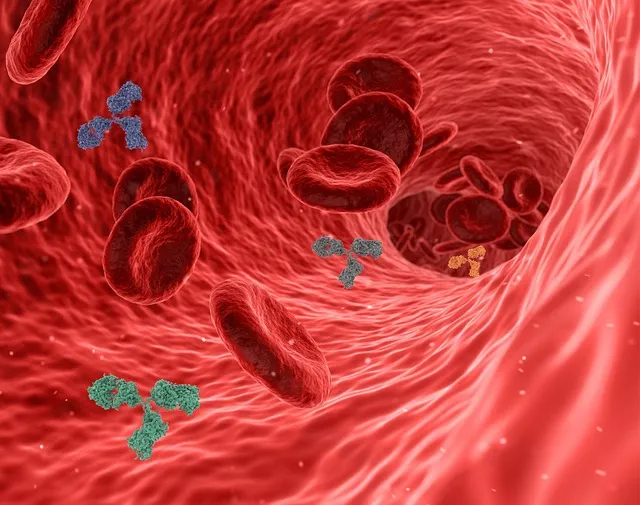
The Study That Should Have Changed Everything
In 2015, Aric Prather and colleagues at UC San Francisco published a study that deserves far more attention than it gets. They took 164 healthy adults, measured sleep duration and quality for a week using wrist actigraphs and daily diaries — objective data instead of the usual unreliable self-report — then deliberately exposed every participant to rhinovirus, the common cold virus, via nasal drops. Then they watched who got sick.
The results were stark to the point of being alarming. People who slept fewer than six hours a night were 4.2 times more likely to develop a cold than those sleeping seven or more. Not 10% more likely. Not twice as likely. Four times. Sleep under six hours and a man is playing immune roulette with loaded odds.
The dose-response relationship was linear and consistent: six hours showed intermediate risk, seven hours showed substantially reduced risk, eight or more showed the lowest risk of infection. No plateau effect — more sleep within the normal range consistently meant better protection, all the way up.
And this wasn’t a soft outcome like “they reported feeling worse.” These were objective measures: verified infection via nasal wash viral cultures, objective symptom scores, mucus production measurements. The people sleeping less were genuinely more susceptible to viral infection, in a dose-dependent, physiologically real relationship.
Sleep efficiency mattered too — not just duration. People with poor sleep quality (lots of waking, poor continuity, low efficiency percentages) were 5.5 times more likely to get sick compared to those sleeping seven-plus hours with good efficiency. Short duration stacked with poor quality was essentially immunosuppressive in a clinical sense. Not a metaphorical one.
Prather’s work built on a foundation that had been accumulating for years, with researchers like Besedovsky and colleagues documenting the basic biology back in 2012. But the 2015 rhinovirus challenge study was the clearest demonstration yet that sleep isn’t a lifestyle variable to optimize around at the margins — it’s a primary immune variable, as fundamental as any supplement or dietary intervention anyone could name.
Why Sleep Is Your Immune System’s Maintenance Window
Most people conceptualize sleep as passive. Just lying there, not doing much, maybe dreaming about weird stuff. The body resting. What the research confirms is radically different: sleep is the most metabolically active period for the immune system, and calling it “rest” in any simple sense misses what’s actually happening under the hood.
During slow-wave sleep — the deep stages, particularly N2 and N3 — the body dramatically increases production of cytokines, particularly interleukin-1 (IL-1), interleukin-6 (IL-6), and tumor necrosis factor-alpha (TNF-alpha). These are signaling proteins that coordinate immune responses. They tell immune cells where to go, what to attack, how aggressively to respond, when to stand down. They’re the command-and-control infrastructure of the immune system, full stop.
Besedovsky and colleagues published a landmark comprehensive review in 2012 in Physiological Reviews documenting the bidirectional relationship between sleep and immunity. Their analysis showed sleep doesn’t just allow immune function to occur — it actively drives and amplifies it. The cytokines produced during sleep have sleep-promoting properties themselves, creating a feedback loop evolution preserved for good reason: sleep promotes immunity, immune activity promotes deeper sleep, deeper sleep produces more immune signals. Round and round.
Cut sleep short and that maintenance cycle gets interrupted mid-process. Cytokine production is truncated. Immune cell migration and activation patterns are disrupted. The consolidation of immunological memory — the process by which the immune system gets better at recognizing past threats — is impaired. It’s like pulling the car out of the garage before the mechanics have finished their work. Every single night.
There’s a hormonal dimension too, one that doesn’t get enough attention. Growth hormone, which surges during deep slow-wave sleep, plays a real role in immune function — it stimulates thymocytes (precursors to T-cells) and carries anti-inflammatory properties. Cutting deep sleep reduces growth hormone release. Prolactin, another sleep-associated hormone, has immunostimulatory effects and also declines with sleep restriction. The hormonal environment of adequate sleep is deeply pro-immune. The hormonal environment of sleep restriction is measurably immunosuppressive.
The lymphatic system does critical work during sleep too. The glymphatic system — essentially the brain’s lymphatic network — clears metabolic waste products from brain tissue during sleep. Primarily relevant to neurological health and Alzheimer’s risk, sure, but it also affects immune function: inflammatory signals that accumulate in brain tissue during waking hours get cleared during sleep, reducing central nervous system inflammation. Another mechanism by which inadequate sleep promotes chronic low-grade inflammation throughout the body.
T-Cells and the Adhesion Mechanism That Explains Everything
T-cells are the specialized killers of the immune system. When they encounter a cell infected with a virus, a bacterium, or a cancerous mutation, they’re supposed to grab onto it — physically adhere — and destroy it. This adhesion runs through integrin proteins on the T-cell surface, and the degree of integrin activation determines how well those T-cells can actually do their job.
A 2019 study by Dimitrov and colleagues published in the Journal of Experimental Medicine showed that sleep dramatically increases the functional stickiness of T-cells through this exact mechanism. The mechanism is elegant: during sleep, concentrations of stress hormones and prostaglandins drop — particularly adrenaline, noradrenaline, and prostaglandin E2 — hormones that normally suppress integrin activation. Without those inhibitory signals, integrins activate fully, making T-cells dramatically better at adhering to their targets.
The researchers found T-cells from sleeping subjects had significantly higher integrin activation than T-cells from identically-aged, health-matched awake subjects. The sleeping T-cells were stickier, and therefore more effective at killing infected cells. Translation: immune cells are better at their fundamental job asleep than awake, by a physiologically meaningful margin.
Mechanistically elegant from an evolutionary standpoint, too. The body maximizes its immune killing capacity during the window when it’s least likely to need energy for movement, cognition, or stress response. Biological optimization — immune maintenance happens at night, when those resources aren’t needed elsewhere.
Deprive yourself of sleep and it’s not just tiredness. It’s sending less-sticky T-cells into battle, with less cytokine coordination, against more pathogens that got past first-line defenses because mucosal immunity was also impaired. Every system that should be working together to provide protection is running at reduced capacity simultaneously.
The mucosal immunity point deserves its own expansion. The respiratory mucosa — the lining of the nose, throat, and lungs — is the body’s first physical barrier against inhaled pathogens. It produces secretory IgA antibodies that trap and neutralize pathogens before they can infect cells. Sleep restriction measurably reduces secretory IgA production. Which is why sleep-deprived people don’t just have impaired T-cell responses — they also have worse physical barriers. A defense failure at multiple levels at once, from the physical barrier all the way through to the adaptive immune response.
Natural killer cells operate similarly to T-cells but don’t require prior exposure to a pathogen to act. They perform surveillance and kill virus-infected cells and cancer cells on recognition of stress signals. NK cell number and activity drop measurably within 24 hours of significant sleep restriction — one of the fastest-responding immune parameters to sleep loss, and one of the most consequential for both infection control and cancer surveillance.
Vaccine Response: The Most Controlled Evidence Available

Multiple studies have shown that sleep restriction in the days surrounding vaccination significantly blunts the antibody response. Spiegel and colleagues found that subjects who slept only four hours a night for six days following hepatitis A vaccination had less than half the antibody titers of subjects who slept normally — meaning the vaccine produced half the immune protection in sleep-deprived individuals. Not a small effect. The difference between meaningful protection and minimal protection.
The finding was replicated with influenza vaccines in multiple independent studies. Lange et al. found that sleep restriction after influenza vaccination reduced antibody titers, and that the reduction was still evident ten days later. Sleep-deprived subjects were consistently less likely to hit antibody levels considered clinically protective against infection.
Prather et al. — the same Prather from the 2015 cold study — published vaccine response data showing that shorter sleep duration predicted lower hepatitis B vaccine antibody levels even when controlling for age, BMI, alcohol use, and exercise, all the usual confounders. The sleep-immunity relationship wasn’t explained away by other lifestyle factors. Sleep was independently predictive of vaccine response, on its own.
What this means practically: for anyone getting vaccinated for anything important — flu, COVID boosters, travel vaccines, shingles — the most evidence-based move for maximizing that vaccine’s effectiveness is sleeping well for at least a week before and after. This should be standard medical advice. The evidence is clear enough that it ought to be part of pre-vaccination counseling. It isn’t yet. Which is a gap in preventive medicine worth naming.
More broadly, the vaccine data shows that sleep determines not just whether a person gets sick, but how robustly the immune system responds to challenges across the board. The difference between a brief, managed infection and a prolonged, debilitating one. Between developing lasting immunity and partial, fading protection. Vaccine response is a proxy for overall immune competence — and that competence is measurably driven by sleep quality and duration.
Chronic Sleep Restriction vs. Acute Sleep Deprivation
Most people intuitively understand that pulling an all-nighter is bad for them. They’re much less aware of the more insidious, more common threat: chronic mild restriction — sleeping six hours instead of eight, consistently, for months or years. The physiology here is particularly concerning because it doesn’t feel as bad as it actually is.
Matthew Walker and colleagues tracked natural killer cell activity after different sleep restriction protocols. A single night of four-hour sleep produced a 70% reduction in NK cell activity the following day. Natural killer cells are front-line immune defenders — they kill cancer cells and virus-infected cells on sight, without needing prior exposure or antibody coordination. The immune system’s rapid response force.
Seventy percent reduction. From one bad night. Immune surveillance against cancer and early viral infection was essentially taken offline by a single night of poor sleep. The magnitude of that effect should alarm anyone who regularly trades sleep for productivity, entertainment, or social convenience.
The more disturbing finding: this loss doesn’t compensate easily. Recovery sleep the following night doesn’t fully restore NK cell activity. Some immune debt, the data shows, isn’t fully repayable in the short term. Chronic restriction compounds this into a persistent, low-level immunosuppressed state — a baseline that might look “normal” because nothing else has ever been experienced, but that represents a real departure from actual immune potential.
Leproult et al. published data showing that metabolic and immune damage from a week of sleep restriction — five hours a night for a week — isn’t fully reversed by two nights of recovery sleep at eight hours. The sleep debt is real, the payback partial, and the only effective strategy is preventing the debt rather than trying to repay it after the fact.
The particularly insidious part of chronic restriction: it reduces the subjective sense of sleepiness over time. People adapt to feeling chronically underslept and stop recognizing how impaired they actually are. In experimental sleep restriction studies, subjects chronically sleeping six hours stop reporting high sleepiness after several days — they feel “used to it” — while actual performance on objective cognitive tests, and immune function measurements, keep deteriorating. The alarm system breaks while the damage continues undetected underneath it.
This adaptation is the core reason so many people confidently claim they function well on insufficient sleep. They’ve lost the ability to accurately assess their own state. Performance feels normal because the impaired state has been normalized. When these same subjects are given recovery sleep in controlled studies, they consistently report surprise at how much better they feel and perform — suggesting they had no accurate reference point for their own baseline impairment the whole time.
Sleep and Inflammation: The Underappreciated Long-Term Danger
Sleep deprivation doesn’t just reduce the ability to fight infection — it simultaneously activates inappropriate inflammation. The immune system’s off-switch failing, not just the on-switch weakening. And in the long run, this inflammatory activation may be the most dangerous consequence of chronic sleep restriction, more dangerous than the cold susceptibility, because it operates silently over years rather than acutely.
IL-6, TNF-alpha, and C-reactive protein — key inflammatory markers — all rise in a dose-dependent pattern with sleep restriction. In healthy adults. No underlying disease, no dietary triggers, no other obvious inflammatory lifestyle factor in the mix. Mullington and colleagues showed that 88 hours of total sleep deprivation raised IL-6 by 40-60% compared to baseline, and elevated CRP even in subjects who started the study in excellent health with no inflammatory baseline to begin with.
Why does this matter so much? Because chronic low-grade inflammation is the shared background condition behind cardiovascular disease, type 2 diabetes, autoimmune disorders, neurodegenerative disease, and cancer progression. Not a specific disease process itself — the terrain that makes those disease processes more likely and more aggressive. Sleeping five or six hours a night chronically, with health metrics drifting the wrong direction despite reasonable diet and exercise? Inflammation driven by sleep restriction may be the primary mechanism nobody’s addressed yet.
The cardiovascular implications are particularly well-documented. Sleep apnea, which produces fragmented, non-restorative sleep through repeated breathing interruptions, drives a persistent inflammatory state that damages arterial walls over years. Treatment with CPAP measurably reduces inflammatory markers — CRP, IL-6, TNF-alpha all decline — and this reduction is one likely mechanism behind the lower cardiovascular event rates seen in treated sleep apnea patients. The inflammation driven by poor sleep is real, measurable, and consequential.
For people managing autoimmune conditions, inflammatory bowel disease, psoriasis, rheumatoid arthritis, or any condition where inflammation directly drives symptoms, the practical implication is significant: sleep quality is not a peripheral lifestyle variable. It’s a primary determinant of daily inflammatory status. The anecdotal reports from autoimmune patients that bad sleep nights reliably cause symptom flares the next day are physiologically well-grounded. The inflammatory signaling genuinely runs higher after poor sleep. Not psychosomatic. Biology, measurable in blood.
The Circadian Dimension: Timing Your Immune System
Shift workers provide the unfortunate natural experiment here. Despite often hitting adequate total sleep hours across the 24-hour period, night shift workers show persistently elevated CRP, blunted vaccine responses, higher rates of recurrent infections, and higher rates of autoimmune conditions and certain cancers compared to day workers matched for other risk factors. The timing of sleep relative to the biological clock matters independently of duration.
The circadian timing of immune activity is biologically elegant. Inflammatory activity and T-cell mobilization peak in the early morning hours, during the final stages of sleep, right when most people begin transitioning toward waking. Makes evolutionary sense: transitioning from the relatively safe sleeping period — historically in a shelter or camp — to the active period when pathogen encounters would be most likely, during foraging, hunting, social contact. The immune system prepares for the day’s battles during the final hours of sleep.
For most people reading this, the circadian issue isn’t shift work — it’s social jet lag. Bed at midnight on weekdays, 1:30 AM on weekends, sleeping until 9 or 10 on Saturday and Sunday, then snapping back to a 6:30 AM alarm come Monday. This 90-180 minute circadian shift each weekend is functionally equivalent to flying two or three time zones twice a week — and the immune consequences accumulate similarly. Research by Roenneberg et al. found that social jet lag independently predicts health risks, including immune-related outcomes, even after controlling for total sleep duration. Regularity matters. Not just the total hours.
The practical solution is establishing consistent sleep and wake times aligned as closely as possible with natural light-dark cycles for one’s location — earlier in summer, slightly later in winter. For most adults that means a bedtime between 10 PM and midnight and a wake time between 6 and 8 AM. The specific times matter less than their consistency. The immune system doesn’t care about early bird versus night owl. It cares whether the pattern is predictable enough for circadian synchronization.
What Actually Works: Evidence-Ranked Interventions
Sleep hygiene advice is everywhere, and most of it is technically correct but delivered in a way that obscures which interventions actually matter and which are marginal. Ranked by effect size and reliability, here’s what to focus on.
Temperature — highest use, most underutilized. Core body temperature needs to drop 1-2 degrees Fahrenheit to initiate and maintain deep sleep. Not optional biology. A physiological requirement. A bedroom between 65-68 degrees Fahrenheit actively facilitates that drop. A room at 72-75 degrees means sleeping in a thermally suboptimal environment regardless of everything else done right. Get a programmable thermostat or a cooling mattress pad if serious about it. Hot showers or baths 90 minutes before bed paradoxically help — they dilate peripheral blood vessels, accelerate the core temperature drop post-bath, and measurably improve sleep quality across multiple studies.
Light exposure timing — often overlooked, high use. Morning light exposure within 30-60 minutes of waking sets the circadian clock by suppressing melatonin and signaling daytime mode to every cell in the body. This anchors natural melatonin release roughly 14-16 hours later, providing biological momentum toward sleep at the right time. Ten to fifteen minutes of outdoor sunlight in the morning — even overcast outdoor light at 1,000-10,000 lux runs orders of magnitude brighter than indoor lighting at 200-500 lux. Evening blue light from screens suppresses melatonin production and delays sleep onset. Blue-blocking glasses after 8-9 PM, or maximum night mode on every device in the evening hours.
Consistency — the single highest-use intervention there is. The circadian system is essentially a biological clock that expects predictability and performs best on consistent timing signals. Bed and wake at the same time daily — within 30-45 minutes, weekends included — dramatically improves sleep quality, depth, and duration over time. Wake time is actually more important than bedtime for anchoring the circadian rhythm. One thing off this list, make it consistent wake time. It does more than any supplement ever will.
Alcohol — commonly misunderstood, significant negative impact. Alcohol helps a person fall asleep but devastates sleep architecture in the second half of the night. It increases slow-wave sleep in the first half, then rebounds with fragmented sleep, elevated body temperature, REM disruption, and early morning awakening in the second. Net effect: less restorative sleep despite seemingly sleeping a full night. Even one or two drinks significantly impairs sleep quality. Dose-dependent, and there’s no safe amount that maintains full sleep quality — one of the areas where the research is remarkably consistent.
Caffeine timing — the cutoff is later than most people think. Caffeine has a half-life of 5-6 hours in average metabolizers, meaning half the caffeine from a 2 PM coffee is still in the system at 8 PM. It blocks adenosine receptors — adenosine being the sleep-pressure molecule that builds throughout the day — reducing sleep pressure and making deep sleep harder to reach. Most people struggling with sleep quality should cut off caffeine by noon or 1 PM. Slow CYP1A2 metabolizers may need to cut off even earlier than that.
The Sleep-Immune Protocol
A structured, sequenced approach to systematically building the sleep quality the immune system needs to function at its designed capacity. Not magic, and it won’t produce overnight transformation — the circadian system responds to consistent signals over days and weeks, not single nights. But applied consistently, this protocol addresses the primary drivers of sleep insufficiency for most people in practical sequence, rather than dumping every change at once.
- Week 1 — Audit and Anchor: Set a fixed wake time based on required morning schedule and maintain it every day, weekends included, within 30 minutes. Don’t touch bedtime yet — just anchor the wake time. Within 60 minutes of waking, get 10-15 minutes of outdoor light exposure. Track actual sleep duration and daytime functioning for seven days. Note frequency of illness, energy levels, and cognitive function to establish a baseline for comparison after four weeks of consistent change.
- Week 2 — Environment Optimization: Set room temperature to 65-68 degrees Fahrenheit. Sharing a room with a partner who prefers warmth? Try a dual-zone mattress pad or a fan on one side. Install blackout curtains or use a sleep mask — even small amounts of light from street lamps, devices, or clock displays can fragment sleep stages. Remove phones and tablets from the bedroom, or charge them outside it. The environmental inputs to sleep quality are the most tractable of all, because they require decisions once rather than daily discipline.
- Week 3 — Evening Wind-Down Protocol: Design a 60-90 minute pre-sleep wind-down sequence. Dim all lights in the home after 9 PM. Switch screens to maximum night mode or wear blue-blocking glasses. Stop alcohol at least 3-4 hours before bed. Eat the last substantial meal 2-3 hours before sleep — elevated core temperature from active digestion genuinely fragments sleep architecture. Avoid vigorous exercise within 2-3 hours of bed. A brief journaling or planning session helps offload tomorrow’s concerns from working memory — anxiety about unfinished tasks is one of the most common causes of sleep-onset trouble.
- Week 4 — Identify and Address the Specific Blocker: Most people have one or two specific issues dominating their sleep dysfunction. Racing thoughts and rumination respond to a dedicated worry journaling period earlier in the evening — write down concerns and planned responses before entering the wind-down zone. Partner snoring requires investigation: nasal strips, positional therapy, or a sleep study if severe. Waking to urinate: reduce fluid intake after 7 PM and limit alcohol. Waking between 2-4 AM: often a cortisol rebound tied to blood sugar dysregulation — try a small protein-and-fat snack before bed. Address the specific blocker rather than piling on more generic interventions.
- Ongoing Maintenance — Sleep as a Scheduled Priority: Start treating the sleep window the way important medical appointments get treated — non-negotiable. Schedule social events, work deadlines, and travel with sleep in mind. Given the choice between staying up 90 minutes later to finish a task or protecting sleep, recognize that the immune consequences of that choice are measurable and cumulative. The goal is protecting sleep 80-90% of the time — enough to maintain strong immune function without becoming socially impossible. Not perfection. Consistency.
“Sleep is the single most effective thing we can do to reset our brain and body health each day — Mother Nature’s best effort yet at contra-death.” — Matthew Walker, PhD. The immune data confirms this isn’t hyperbole. Every hour of consistent, quality sleep is scheduled maintenance on the most sophisticated defense system a person will ever own. Cutting it short isn’t hustle. It’s biological negligence.
When to Treat This as Urgent Rather Than Gradual
Specific situations exist where the sleep-immune connection becomes critical enough to warrant immediate attention rather than gradual optimization. These aren’t edge cases. They apply to large fractions of the population.
Getting vaccinated for anything — flu, COVID boosters, travel vaccines, shingles, HPV — optimize sleep for at least one week before and one week after. The antibody response data is clear, reproducible, and clinically meaningful. Inadequate sleep can reduce antibody response by 50% or more. This should be standard pre-vaccination counseling. It isn’t yet, but the evidence supports treating it as such.
Recovering from any illness, injury, surgery, or serious infection — sleep is the primary biological repair mechanism. Cutting sleep to “stay productive” during recovery is physiologically counterproductive; it slows the healing process to accomplish things that will still be there once recovery is done. Surgeons know post-operative sleep quality predicts healing outcomes. Athletes know sleep determines recovery speed. Everyone else tends to ignore this relationship until forced to reckon with it.
Any condition involving immune dysregulation — autoimmune disease, recurrent infections, chronic fatigue syndrome, inflammatory bowel disease, chronic skin conditions — sleep quality is not optional lifestyle advice there. It’s a primary therapeutic variable. In many cases its effect on symptom severity exceeds that of dietary interventions people focus on far more intensely. Which doesn’t mean other interventions don’t matter. It means sleep should be treated as a clinical priority, not an afterthought for when things calm down.
A period of high psychological stress should increase sleep-immune prioritization, not decrease it. Psychological stress is independently immunosuppressive through HPA axis activation, cortisol elevation, and sympathetic nervous system dominance. Combine psychological stress with sleep restriction and the immune impairment is multiplicative rather than merely additive. The people who most need sleep are consistently the ones most willing to sacrifice it — a physiological trap that makes stressful periods longer and more damaging than they need to be.
FAQ: Sleep and Immune Function
- Can I make up for lost sleep on weekends? Partially, not fully. Weekend recovery sleep reduces sleep debt and improves some subjective and objective measures, but research by Leproult et al. shows that metabolic and immune damage from a week of short sleep isn’t completely reversed by two nights of extended recovery sleep. Some markers return toward baseline; others stay elevated longer. The best approach is preventing the debt in the first place. Weekend catch-up doesn’t fully work and may just mask the problem.
- How quickly does sleep deprivation affect immunity? Measurably within 24 hours. After one night of four-hour sleep, natural killer cell activity drops roughly 70% and cytokine profiles shift toward immune suppression. After a week of six-hour sleep, antibody response capacity is significantly reduced and inflammatory markers are reliably elevated. The immune effects are acute — starting with the first night of restriction — not just long-term cumulative damage down the road.
- Does napping help compensate? Brief naps of 20-30 minutes reduce sleepiness and may partially restore some acute immune function. Studies on napping after nighttime restriction show partial NK cell activity recovery. But naps don’t replicate the full restorative immune cycle of uninterrupted overnight sleep, and naps taken after 3 PM can reduce nighttime sleep pressure and further disrupt the circadian pattern being stabilized.
- I function fine on 6 hours. Am I actually immune-suppressed? Almost certainly, yes, by objective measures. The feeling of functioning fine on six hours is largely cognitive adaptation — subjective sleepiness diminishes with chronic restriction even as performance and immune function continue to deteriorate. Well-documented: people stop reporting high sleepiness after days of restriction even as objective cognitive tests and immune measures keep declining. Adaptation happens to the feeling of impairment, not to the impairment itself.
- Does sleep quality matter more than quantity? Both matter independently, and they interact. The Prather 2015 study found sleep efficiency independently predicted cold risk after controlling for duration. Ideally, adequate duration of high-quality, continuous sleep. In practice, most adults are primarily short on duration, though the two often travel together — shorter sleep windows tend to truncate both slow-wave sleep and REM proportionally.
- What is the minimum sleep for adequate immune function? The evidence consistently places the threshold at seven hours for adults. Below seven hours, immune impairment becomes measurable and consistent. Below six hours, the fourfold increase in cold susceptibility from Prather’s work applies. True genetic short-sleepers who naturally function well on less exist, but represent perhaps one to three percent of the population. The vast majority claiming to be fine on six hours are chronically adapted but measurably impaired by objective testing.
- Are there supplements proven to support sleep for immune purposes? Magnesium glycinate at 200-400mg has reasonable evidence for improving sleep quality in deficient individuals and has direct immune-supportive properties. Low-dose melatonin at 0.5-1mg helps with circadian alignment in specific situations like jet lag and shift work. Ashwagandha may reduce cortisol and improve sleep quality in chronically stressed individuals. These are supportive tools, not substitutes for addressing environmental, behavioral, and circadian factors — the primary drivers of sleep insufficiency for most people.
- How do I know if I have sleep apnea and what should I do? Key indicators include loud snoring, witnessed breathing pauses, gasping awake, waking unrefreshed despite adequate time in bed, morning headaches, and daytime sleepiness disproportionate to sleep hours. A home sleep test, available through primary care or services like Lofta, can screen for obstructive sleep apnea without a laboratory visit. Untreated moderate-to-severe sleep apnea drives chronic inflammation, cardiovascular risk, and significant immune suppression. CPAP treatment is highly effective and produces far better outcomes than supplement regimens for people with this condition.
Marcus eventually came around to taking his sleep seriously. Not because of scientific papers — he stumbled across Prather’s research during one of his late-night internet sessions, which carried its own irony. He started protecting a 7.5-hour sleep window the way he protected his most important client meetings. The late-night email habit took two weeks to break. The morning sluggishness he’d normalized took about three weeks to noticeably improve.
Over the following winter, he got sick once. Briefly. Recovered in four days instead of the ten-plus he’d come to expect. His doctor called it luck. His wife called it the sleep thing. Marcus now calls it the only legitimate performance optimization he’s ever found that costs nothing and works every single time.
The immune system is working right now, running constant surveillance, maintaining defenses, cataloging past threats. But it does its best maintenance work at night, in the quiet, during the hours most tempted to trade for productivity or entertainment. Every hour of consistent, quality sleep is an investment in that system. Every hour cut short is a withdrawal from a biological account that doesn’t forgive perpetual overdraft. The only question is whether to find that out the hard way, or get ahead of it now.
References
Editorial StandardsCorrectionsMedical DisclaimerAbout Our ContentAffiliate DisclosureSite Map