
Laura Mendez spent fifteen years optimizing her mornings. She had it down to a science: 5:47 am wake, red light therapy, cold shower, meditation, journaling, high-protein breakfast, twenty minutes of zone-two cardio before her 8 am meeting. Every book read, every protocol followed. Genuinely excellent mornings. Efficient, energizing, consistent.
Her evenings were a disaster. She’d finish work at 7 pm, eat dinner while reviewing email, watch Netflix with a glass of wine (or two), scroll Instagram until 11, and wake up at 5:47 feeling like she hadn’t fully recovered from the previous day. She chalked this up to the natural cost of a demanding career. Some days you just don’t fully recover. That’s life.
Then a sleep scientist at a conference told her something that rearranged her thinking: “Your morning routine is downstream of your evening routine. Everything you do before sleep determines the quality of the sleep that determines how you feel tomorrow. Your evenings are eating your mornings.”
This is the most underappreciated truth in health optimization. The morning routine industrial complex generates millions of views, books, and podcast episodes about what to do when you wake up.
The evening routine — the set of behaviors that determine sleep quality and, therefore, next-day recovery — receives a fraction of the attention.
Yet in terms of health ROI, the evening may be more important than the morning, precisely because it governs the quality of the 7-8 hours of restoration that makes everything else possible.
The Physiology of Recovery: What Sleep Actually Does
Sleep is not a passive absence of wakefulness. It’s a highly active, organized biological process that performs essential maintenance operations that cannot be performed — or cannot be performed as efficiently — during waking. Understanding what sleep is doing, mechanistically, explains why the behaviors leading into it matter so much and why shortchanging it has such broad consequences.
The glymphatic system is perhaps the most striking discovery in sleep neuroscience of the past decade. In 2013, Maiken Nedergaard’s lab at the University of Rochester published research in Science showing that the glymphatic system — a network of channels surrounding blood vessels in the brain — expands by approximately 60 percent during sleep, dramatically increasing the flow of cerebrospinal fluid through brain tissue.
This increased flow serves as a clearance mechanism, flushing metabolic waste products — including beta-amyloid (associated with Alzheimer’s disease), tau protein, and other metabolites — from the brain. Beta-amyloid clearance specifically requires sleep: studies have found that a single night of sleep deprivation significantly increases beta-amyloid accumulation in the human brain, as measured by PET scanning.
The implications are profound. Chronic sleep insufficiency — even mild sleep restriction (6 hours nightly rather than 8) — may contribute to the long-term accumulation of neurotoxic proteins that drive Alzheimer’s pathology. A 2017 study in Nature Communications found that participants who reported sleeping less than six hours per night for 25 years had higher amyloid burden on PET scanning than those sleeping seven or more hours, independent of other risk factors.
Sleep, in this framing, is the brain’s nightly cleaning cycle. Insufficient sleep is running your body for decades without emptying the trash.
Beyond glymphatic clearance, sleep is the primary period for hormonal synthesis and restoration. The majority of growth hormone secretion occurs during slow-wave sleep (SWS), the deep sleep stage that predominates in the first half of the night. Growth hormone in adults drives tissue repair, muscle protein synthesis, fat metabolism, and immune function.
Testosterone peaks during sleep and is significantly reduced by even one week of sleep restriction — a 2011 study in JAMA found that testosterone levels in healthy young men dropped by 10-15 percent after just five nights of five hours of sleep per night. Leptin (satiety hormone) and ghrelin (hunger hormone) are oppositely regulated by sleep: sleep restriction raises ghrelin and reduces leptin, increasing hunger and caloric intake the following day.
Light Management After 6 PM: The Most Impactful Evening Change
The single most impactful evening behavior change, supported by the strongest and most consistent evidence, is reducing light exposure in the 2-3 hours before sleep. Not complicated. Not expensive. Deeply countercultural, though, in an era defined by screens, bright overhead lighting, and the implicit assumption that biological day can be extended indefinitely with electrical light.
The mechanism: the suprachiasmatic nucleus (master circadian clock) signals the pineal gland to begin secreting melatonin approximately 2 hours before habitual sleep time. This “dim light melatonin onset” (DLMO) is the physiological event that initiates the cascade of sleep-preparation processes — core body temperature begins declining, adenosine pressure reaches its daily peak, cognitive processing slows, and the body transitions toward restoration mode.
Artificial light exposure — particularly light in the 460-480 nm (blue-wavelength) range, which is the spectral peak for melanopsin-based circadian signaling — suppresses this melatonin rise in a dose- and duration-dependent manner.
A 1994 study by Charles Czeisler at Harvard Medical School found that even ordinary room light (approximately 200 lux) was sufficient to suppress melatonin secretion and delay circadian phase when exposure continued into the evening. A 2012 study in the Journal of Clinical Endocrinology and Metabolism found that electric light exposure before bed suppressed melatonin by approximately 72 percent and delayed DLMO by approximately 1.5 hours in healthy adults, compared to dim light conditions.
This suppression shortened the duration of biological night — the window of melatonin elevation and associated restorative processes — and increased morning alertness latency the following day.
Practical interventions: dim household lights after 7-8 pm (smart bulbs, lamp lighting, or simply avoiding ceiling lights); reduce screen brightness on phones, tablets, and computers in the evening; use blue-light filtering apps (Night Shift on iOS, Night Light on Android, f.lux on computers) after sunset; consider blue-light blocking glasses in the evening hours if full light dimming isn’t practical. All low-cost interventions with measurable effects on melatonin timing and sleep quality.
The critical caveat: blue-light blocking glasses are not a substitute for reducing total light intensity. Melatonin suppression from bright light is primarily a luminance effect, not purely a spectral effect. Orange-tinted glasses that block blue wavelengths without reducing total light intensity may partially address the circadian signaling issue while leaving the general luminance suppression issue unaddressed. Dimming lights plus blue light filtering beats either alone.
Temperature Manipulation for Sleep Onset and Quality
Core body temperature is one of the primary physiological levers for sleep onset and sleep architecture. The body needs to drop its core temperature by approximately 1-2°F (0.5-1°C) to initiate sleep onset, and this thermoregulatory process is facilitated by heat dissipation from the body’s shell (hands, feet, face) to the environment. Behaviors that promote this heat dissipation accelerate sleep onset; behaviors that trap body heat delay it.
The paradoxical effectiveness of warm baths before sleep is explained by this mechanism. A 2019 meta-analysis in Sleep Medicine Reviews examined 13 studies on warm water bathing (water temperature 40-42.5°C) before sleep and found that bathing 1-2 hours before sleep reduced sleep onset latency by an average of 10 minutes and improved slow-wave sleep quality. The mechanism: warm water vasodilates peripheral blood vessels, drawing blood flow to the skin and extremities, which facilitates core heat dissipation to the environment.
Exit the bath, and core temperature drops more rapidly than it would have without the bath, accelerating the physiological preparation for sleep. Ideal timing: 1-2 hours before intended sleep.
Sleep environment temperature has a similarly consistent evidence base. Multiple studies have identified the optimal sleep environment temperature range as 65-68°F (18-20°C) for most adults. A 2012 study in the journal Sleep identified that sleep efficiency (time asleep divided by time in bed) is highest at approximately 65°F and degrades at both higher and lower temperatures.
Hot sleep environments significantly reduce slow-wave sleep — one of the most restorative sleep stages — because the body cannot adequately dissipate core heat against a warm ambient temperature.
Cold feet specifically delay sleep onset. The hands and feet are the primary heat-dissipation zones — when feet are cold, the peripheral vessels are constricted, reducing heat flow from core to environment. Wearing socks to bed (warm but not constricting) counterintuitively improves sleep onset by increasing peripheral blood flow and facilitating heat dissipation.
A 1999 study in Nature found that subjects with higher distal-to-proximal skin temperature gradients (warmer hands and feet relative to core) had faster sleep onset — and that simply warming the feet increased this gradient and reduced sleep onset latency.
Alcohol: The Sleep Disruptor Disguised as a Sleep Aid

Alcohol is a GABA-A receptor agonist and an adenosine reuptake inhibitor. Both mechanisms produce sedation — suppressing neural activity (GABA) and amplifying sleep pressure (adenosine). This is why alcohol genuinely does facilitate sleep onset and feels sleep-inducing. The problem occurs in the second half of the night.
Alcohol is metabolized within 3-5 hours at typical doses. As blood alcohol concentration drops, the system rebounds — GABA inhibition lifts and the excitatory glutamate system activates. This rebound excitation fragments sleep in the second half of the night, reducing REM sleep (important for emotional processing, memory consolidation, and cognitive restoration) and increasing awakenings.
A 2018 meta-analysis in JMIR Mental Health found dose-dependent disruption of sleep quality from alcohol, with low doses reducing sleep quality by 9.3 percent, moderate doses by 24 percent, and high doses by 39 percent — measured as polysomnographic sleep quality, not just subjective assessment.
The timing of alcohol consumption matters substantially. Alcohol consumed 4-5 hours before sleep (two standard drinks before a 6 pm dinner, with sleep at 11 pm) has largely cleared before the second half of the night, producing less rebound disruption than alcohol consumed close to sleep. But even early-evening alcohol at high doses produces measurable next-day cognitive impairment from sleep architecture disruption.
The practical evening recommendation: anyone who drinks alcohol should finish earlier in the evening and limit to 1-2 standard drinks. Not a prohibition — information about the trade-off between the social pleasures of evening drinking and the quantifiable costs to sleep quality and next-day recovery that, compounded over time, have meaningful health consequences.
Eating Timing and the Gut-Sleep Connection
The timing of the last meal relative to sleep has physiological consequences most people are unaware of. Digestion is an active process that raises core body temperature (through the thermic effect of food), activates gut motility and digestive enzyme secretion, and triggers insulin release — all counterproductive to the physiological preparation for sleep, which requires decreasing core temperature, declining insulin levels, and transitioning to parasympathetic dominance.
A 2020 study in the Journal of Clinical Sleep Medicine found that higher fat intake in the evening was associated with reduced slow-wave sleep, and higher fiber intake with more SWS, suggesting that meal composition in the evening influences sleep architecture. A 2022 study in Nutrients found that eating a meal within 2 hours of sleep onset was associated with reduced melatonin secretion and impaired sleep efficiency compared to eating 4+ hours before sleep.
The general guidance of finishing eating 2-3 hours before sleep is supported by evidence across multiple mechanisms: it allows core temperature to return to the trajectory needed for sleep onset, allows insulin to clear reducing growth hormone suppression during early sleep, and reduces the likelihood of acid reflux (which disrupts sleep and is worsened by recumbent position after eating).
The exception — and an important one for anyone focused on muscle protein synthesis — is a small casein protein dose before sleep. A 2012 study in Medicine and Science in Sports and Exercise found that 40 grams of casein protein consumed before sleep significantly increased overnight muscle protein synthesis compared to placebo, without disrupting sleep architecture at that dose.
Subsequent research has confirmed that protein doses of 20-40 grams before sleep (particularly casein, from cottage cheese, Greek yogurt, or casein protein powder) support overnight recovery and muscle maintenance without the sleep-disrupting effects of larger mixed meals. A targeted exception to the “don’t eat before sleep” principle — small, protein-only pre-sleep nutrition can coexist with quality sleep and may enhance recovery.
The Psychological Wind-Down: Transitioning from Doing to Being
The modern brain doesn’t come with an off switch. A mind that has been generating, evaluating, planning, and problem-solving for 14 hours doesn’t stop doing these things simply because sleep is desired. The cognitive activation of the default mode network — the brain’s “background processing” system that generates mind-wandering, rumination, and automatic problem-solving — remains high until intentionally downshifted through a wind-down process.
Sleep researchers distinguish between sleep onset latency (how long it takes to fall asleep) and presleep cognitive arousal (the degree of thought activity and worry that precedes and often impairs sleep onset). Presleep cognitive arousal is one of the strongest predictors of insomnia severity and is directly addressed by wind-down practices that reduce cognitive activation before attempting sleep.
The evidence-based wind-down toolkit includes: cognitive offloading (writing tomorrow’s to-do list or a brief journal entry to externalize unfinished cognitive tasks, reducing the brain’s drive to keep processing them during sleep); structured worry time (scheduling a deliberate 10-15 minute “worry session” in the early evening, writing down concerns and possible responses, which reduces nighttime cognitive intrusion compared to suppressing worry entirely); progressive muscle relaxation (systematic tensing and releasing of muscle groups, producing somatic relaxation that reduces physiological arousal); and sleep-compatible entertainment (reading fiction, listening to music or podcasts without screen use, gentle stretching — activities that occupy attention lightly without stimulating emotional or intellectual arousal).
The consistency of wind-down cues is the neuroscience principle at work here. The brain learns associations between environmental and behavioral cues and physiological states through classical conditioning. Follow the same pre-sleep sequence consistently over weeks and months, and these behaviors become conditioned stimuli for the physiological state of sleep preparation — similar to how Pavlov’s dogs salivated to a bell.
The bedroom, the light dimming, the teeth brushing, the book — these become sleep onset cues through repetition, making each sleep onset faster and more reliable over time.
Supplements That Actually Help Sleep
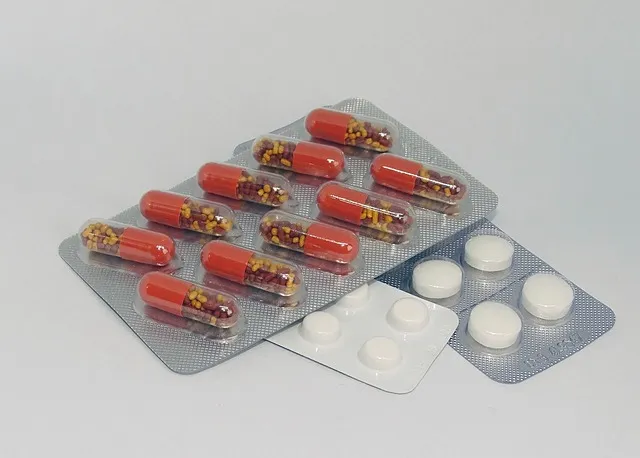
Magnesium glycinate or magnesium threonate (200-400 mg) taken 1-2 hours before sleep addresses what is often an underlying driver of sleep disruption: magnesium deficiency impairs GABA activity (reducing the brain’s ability to downregulate neural activity for sleep) and increases cortisol. Multiple studies have found that magnesium supplementation improves sleep quality, reduces sleep onset latency, and improves REM sleep quality in people with magnesium insufficiency.
Because magnesium insufficiency is extremely common (affecting approximately 48 percent of Americans), this intervention works not because magnesium is a sedative but because it corrects a nutritional deficit that impairs sleep physiology.
Low-dose melatonin (0.5-1 mg) taken 30-60 minutes before intended sleep is effective for advancing circadian phase — shifting the sleep schedule earlier — and for reducing sleep onset latency in circadian-delayed individuals (those who naturally feel awake until midnight or later). The critical detail is dosing: most commercial melatonin products are 3-10 mg, which is 3-20 times the dose at which melatonin is physiologically active for circadian purposes.
Higher doses produce some sedation via pharmacological mechanisms but blunt the normal morning cortisol rise and can produce grogginess. Lower doses (0.5-1 mg) work with rather than against normal melatonin physiology.
L-theanine (100-200 mg) is an amino acid found in tea that produces relaxation without sedation through GABA-A agonism and reduction of sympathetic nervous system activity. Multiple randomized controlled trials have found that L-theanine reduces subjective anxiety, improves sleep quality and relaxation, and reduces cortisol response to stressors. Safe, well-tolerated, non-habit forming, and effective within 30-60 minutes of ingestion.
Building the Evening Protocol: What the Evidence Supports
Two to three hours before sleep: finish the last significant meal. Begin dimming household lights to approximately 10-20 percent of daytime brightness. Switch to lamp lighting or candles if possible. Enable blue-light filtering on all screens.
One to two hours before sleep: take a warm shower or bath (40°C/104°F) for 10-20 minutes — the optimal timing for the sleep-onset temperature effect. Take any evening supplements (magnesium glycinate, L-theanine, low-dose melatonin if indicated). Write tomorrow’s task list and/or a brief journal entry (cognitive offloading). Transition to sleep-compatible activity — reading physical books, gentle stretching, light conversation.
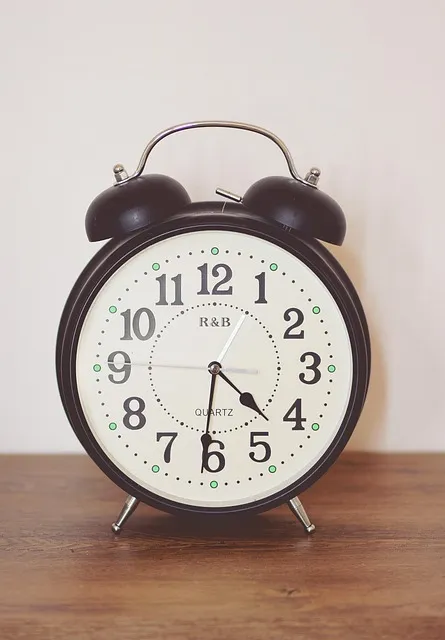
Thirty minutes before sleep: reduce room temperature to 65-68°F if possible. Ensure the room is dark (blackout curtains or a sleep mask if light is an issue). Put the phone in a different room, on silent, or at minimum face-down and notification-silent. The phone as alarm clock is a habit that costs quality sleep almost every time — there is always the implicit possibility of a notification, which keeps the threat-detection system slightly activated.
A separate alarm clock (even a $10 clock radio) solves this without requiring dramatic behavior change.
At sleep time: the wind-down protocol should produce genuine tiredness and physiological readiness to sleep. Not tired yet? Either it’s too early (circadian phase hasn’t arrived) or there’s physiological or psychological arousal that needs addressing. Don’t lie in bed awake for extended periods — this creates an association between the bed and wakefulness, the opposite of what’s wanted.
Awake for 20+ minutes? Get up and do something quiet in dim light until genuine sleepiness arrives.
What People Ask About Physiology Recovery Sleep
How early do I need to stop using screens before sleep?
The research is most consistent for the final 1-2 hours before sleep — this window is where melatonin suppression from screens is most consequential. Stopping all screen use 2 hours before sleep is ideal; 1 hour with aggressive blue light filtering is the practical minimum for most people. Using screens at full brightness up until the moment sleep is attempted is the worst option and reliably delays sleep onset and reduces sleep quality.
The content of what’s being watched also matters independently of light — emotionally activating, cognitively engaging, or anxiety-provoking content (news, social media, action movies, stressful emails) maintains cognitive arousal regardless of light management.
Does the evening routine matter if I’m naturally a short sleeper?
True short sleepers — people who genuinely function optimally on 6 hours of sleep without cumulative deficit — are estimated to represent approximately 1-3 percent of the population. The genetic variant involved (DEC2, ADRB1) has been identified by UC San Francisco researchers. The vast majority of people who believe they’re short sleepers are actually chronically sleep-deprived individuals who have adapted to the impaired cognitive state of sleep deprivation as their baseline.
Research by Hans Van Dongen found that people’s subjective sense of impairment from sleep deprivation plateaus after several days, meaning they stop feeling worse while their objective performance continues to decline. A true short sleeper’s evening routine still matters — the quality of compressed sleep still determines recovery, less of it is just needed.
Uncertain? Testing performance after a week of 8-hour sleep opportunities will usually clarify the question.
What’s the best way to manage stress that’s causing sleep problems?
Stress-induced sleep disruption is primarily a presleep cognitive arousal problem — the brain keeps processing stress content when it should be downregulating. The evidence-based approach addresses this at multiple levels. Structured worry time (a deliberate 15-20 minute session of writing down worries and possible responses in the early evening) reduces the drive to ruminate at night by satisfying the brain’s “unfinished business” processing needs at a designated time.
Progressive muscle relaxation (available as free audio guides on YouTube and meditation apps) reduces physiological arousal. Cognitive Behavioral Therapy for Insomnia (CBT-I) specifically addresses the thought patterns and behaviors that maintain chronic stress-related insomnia and has superior long-term outcomes compared to sleep medication. Severe or persistent stress-related sleep disruption warrants CBT-I with a trained therapist or through a validated digital platform (Sleepio, Somryst) — the most evidence-based intervention available.
Is it harmful to exercise in the evening?
The evidence on evening exercise and sleep is more detailed than the traditional “don’t exercise within 3 hours of sleep” advice suggests. A 2019 meta-analysis in Sports Medicine analyzed 23 studies on evening exercise and sleep and found that vigorous exercise ending 1 or more hours before sleep did not impair sleep quality or duration in most participants, and in some cases improved sleep.
The caveat is individual variation: some people are genuinely more sleep-disrupted by late vigorous exercise than others, likely related to differences in cortisol and core temperature sensitivity. High-intensity exercise within an hour of sleep can elevate sympathetic activity and core temperature sufficiently to delay sleep onset in sensitive individuals. The practical guidance: evening exercise plus good sleep means no reason to change anything.
Evening exercise plus noticeable sleep disruption means experimenting with earlier exercise timing or reducing evening session intensity.
How long does it take to see improvement from implementing an evening routine?
Some effects are immediate — a warm bath the first night it’s implemented genuinely accelerates sleep onset for most people; reducing alcohol the first night improves second-half sleep quality measurably. The deeper circadian and architectural improvements take longer. Circadian rhythm stabilization from consistent sleep-wake timing and consistent light-dark signaling typically shows measurable improvement over 1-2 weeks. Reduction in chronic sleep debt (for the chronically undersleeping) requires multiple weeks of extended sleep opportunity.
Cognitive and mood improvements that depend on restored sleep architecture (particularly REM sleep) may take several weeks to fully manifest. The compound effects of consistently good sleep — on body composition, metabolic health, cognitive function, immune resilience — accumulate over months and years and are among the most underappreciated contributions to long-term health trajectories.
HRV Monitoring as an Evening Recovery Tool
Heart Rate Variability (HRV) — the beat-to-beat variation in the timing of heartbeats — is one of the most informative physiological metrics available for real-time assessment of recovery status and nervous system balance. HRV reflects the balance between sympathetic (fight-or-flight) and parasympathetic (rest-and-digest) nervous system activity. High HRV indicates dominant parasympathetic tone and high physiological resilience. Low HRV indicates dominant sympathetic tone, physiological stress, or poor recovery.
Evening HRV measurement — taken before sleep with a wearable device or a 5-minute HRV assessment app using the phone camera — provides a daily readout of recovery status usable for informed evening decisions. A significantly lower-than-baseline HRV on a given evening indicates that the system is under elevated physiological stress — from training load, illness, emotional stress, alcohol, or poor previous sleep.
On such evenings, the protocol should emphasize parasympathetic activation: a warm bath rather than a vigorous workout, reduced alcohol or none, earlier bedtime, magnesium supplementation, and progressive relaxation rather than stimulating entertainment.
An at- or above-baseline HRV on an evening indicates good recovery status — the system has the capacity to handle moderate demands. On these evenings, a moderate evening workout is unlikely to impair sleep. Social activities that extend slightly past the usual bedtime won’t create the same deficit they would on a low-HRV evening. The HRV readout allows treating the recovery budget dynamically rather than following a rigid protocol regardless of physiological state.
Wearables that measure HRV continuously throughout the night — Oura Ring, WHOOP, Garmin with appropriate sensors, Polar chest straps — provide the most comprehensive HRV data including the overnight pattern, the morning readiness score, and the trend over weeks and months. Consumer-grade HRV monitoring has reached sufficient accuracy for population-level health trends even if it’s not clinical-grade for individual moment-to-moment accuracy.
The trend data — whether HRV is improving or declining over weeks — is more actionable than any individual daily reading, and evening monitoring adds a behavioral feedback loop that makes the abstract principle of recovery visible in real time.
The Role of Relationship Quality in Evening Recovery
Evening time is disproportionately the time when couples interact in sustained, non-task-oriented ways. The commute is over, the work email is theoretically paused, the children are either asleep or in their own activities, and the social energy that weekday interactions don’t support becomes available. This makes the quality of evening relationship time — whether with a partner, family members, or friends — a genuine recovery variable rather than merely a personal preference.
The physiological effects of positive social interaction overlap significantly with the physiological state required for quality sleep. Oxytocin released during positive social contact reduces cortisol and activates parasympathetic tone. A 2019 study in Psychoneuroendocrinology found that positive couple interactions (defined as cooperative, warm, and emotionally supportive) were associated with significantly lower evening cortisol levels than neutral or conflictual interactions in the same couples.
This creates a direct pathway from relationship quality to sleep quality — better evening relationship interactions produce a more favorable cortisol and autonomic balance at bedtime, which translates to faster sleep onset and better sleep architecture.
Conversely, conflictual evening interactions — arguments, unresolved tensions, critical or dismissive communication — activate the HPA axis and sympathetic nervous system in ways that directly impair sleep onset and architecture. A 2017 study in Journal of Family Psychology found that marital conflict in the evening was associated with longer sleep onset latency and more wake after sleep onset in both partners on the same night, with effects persisting into the following day’s mood and cognitive performance.
The evening relationship environment is not incidental to sleep quality — it’s causally connected to it through well-characterized neuroendocrine mechanisms.
The practical evening implication: invest in the quality of evening social time with people lived with. No grand gestures required — just the deliberate choice to be present (phone down), engaged (asking genuine questions rather than reporting at each other), and warm (expressing appreciation, affection, and genuine interest). These behaviors activate oxytocin and parasympathetic dominance simultaneously, creating the physiological state that transitions most smoothly into quality sleep.
Tracking Evening Habits: The Feedback Loop That Accelerates Learning
Most people who try to improve their sleep do so through trial and error without systematic tracking — changing multiple variables simultaneously, unable to determine which change produced the improvement or degradation observed, eventually giving up on understanding the relationship between evening behaviors and sleep quality. Deliberate tracking closes this feedback loop and dramatically accelerates the learning process.
The minimum viable tracking system requires three data points: last food/drink time, last alcohol, and bedtime screen use. Record these plus a subjective sleep quality rating (1-10) each morning for 30 days.
The patterns that emerge — alcohol the previous evening consistently producing 3-4 points lower sleep quality ratings, late-evening eating correlating with longer sleep onset times, nights when the phone goes away by 9 pm consistently producing higher ratings than nights using it until 11 — are personalized and actionable in ways generic advice cannot be.
Wearable sleep tracking adds objective metrics: total sleep time, sleep latency, time in each sleep stage, overnight HRV, and resting heart rate. Consumer wearables aren’t as accurate as clinical polysomnography, but they’re consistent enough to detect meaningful trends and correlations.
A month of data showing that deep sleep consistently drops on nights involving alcohol, or that sleep latency consistently shortens on nights when eating finished three hours before bed, provides the kind of personalized evidence that changes behavior more durably than general health advice.
The goal of evening routine design is not perfection — it’s systematic improvement over time. An evening routine that produces reliably better sleep in 80 percent of nights than the baseline before implementation is a success, even if 20 percent of nights don’t conform.
The compound effect of better sleep 80 percent of the time, applied over months and years, accumulates into meaningfully different cognitive function, metabolic health, immune resilience, and longevity risk — the unspectacular, invisible, profoundly important arithmetic of consistent good nights.
Sleep — real, deep, architecture-preserving sleep — is the most powerful recovery tool available to any human being. It costs nothing, requires no expertise to implement, and delivers returns that no pharmaceutical, supplement, or intervention can replicate. The evening routine is the access mechanism to that tool. Invest in it deliberately, protect it consistently, and watch the rest of health follow.
The Practical Framework: Applying Physiology Recovery Sleep Actually In Real Life
References