
What Would You Tell Him
Picture sitting across a table from the twenty-year-old version of yourself, the one with the uncalibrated confidence, the spectacular blind spots, the energy that hadn’t yet learned where to go. What would you actually say? Not the lottery numbers. Not the stock picks. From everything you’ve learned living through the years between then and now, what would genuinely change the direction of that young life, if he could actually hear it?
That question is the entire engine of this episode. Most men have never sat with it directly, and that’s a genuine loss, because the question deserves more than a passing thought on a drive home. You have decades of lived data about your own choices and their long-term consequences sitting in your own memory right now, mostly unorganized, mostly never converted into anything usable. This episode hands you the process for converting it.
The command carved above the temple at Delphi read simply: know thyself. Every serious tradition since has understood that this knowledge is not given at birth. It has to be built, deliberately, out of your own lived experience.
Try answering the opening question right now, before you read any further, even roughly. Don’t polish it. Just notice what comes up first, the very first thing your mind reaches for when you imagine your twenty-year-old self sitting across from you. That first answer is worth paying attention to, because it’s rarely random. It’s usually the thing closest to the surface of your own unprocessed experience, the lesson you already half know but have never said out loud to yourself in plain language. You’re going to spend this episode building the structure around that first answer. Keep it in mind as you go.
You don’t need to solve it right now, and you shouldn’t try to. The point of noticing that first answer isn’t to arrive at a finished conclusion in the next thirty seconds. It’s to give yourself a thread to hold onto as the rest of this episode builds the actual method around it. Most men who skip this small step end up doing the whole exercise later in a more abstract, less personal way. They work through the prompts as generic questions rather than as questions already anchored to something real in their own life.
You’ve just given yourself a head start most men never bother to take.
Why This Protocol Exists
This exercise, the Retrospective Wisdom Protocol, is one of the most generative tools available for producing honest self-knowledge. It identifies the patterns and beliefs that have quietly shaped your life, and extracts the usable wisdom from everything you’ve already lived through. If you’re over forty, this is squarely built for you, though the work is available to any man with enough experience behind him to look back on meaningfully. It produces insight about your current life that no amount of forward-planning can generate on its own, because the insight only becomes visible from the rear-view mirror.
Research on what’s been called retrospective wisdom, the specific self-knowledge only available to people who’ve lived long enough to see the long-term consequences of their own choices and beliefs, has tracked something specific. How people’s understanding of themselves changes from their twenties through their sixties. What men in their forties and fifties most consistently wish they’d known at twenty turns out to be both specific enough to act on and universal enough to matter to you directly. That holds true whatever your own particular history looks like.
You don’t need to have made dramatic mistakes for this to apply to you. You don’t need a divorce, a bankruptcy, a rock-bottom moment to justify doing this work. Every man who’s lived twenty or thirty years past his own twenties is carrying processed and unprocessed material in roughly equal measure, regardless of how smoothly his life has actually gone on the surface. The smoothness of your own outward story tells you almost nothing about how much of your own experience you’ve actually converted into usable self-knowledge. That conversion is a separate project entirely, one you have to choose to do deliberately, and this episode is your structure for finally doing it.
Consider how much of your own sense of who you are currently rests on stories you’ve told yourself so many times you’ve stopped checking whether they’re still accurate. Every man carries a handful of these, a version of himself formed at some earlier point and never seriously revisited since. Some of those stories have aged well. Some haven’t, and you likely already sense which is which without having named it directly yet. This protocol is the structure for finally checking, deliberately, rather than continuing to operate on the assumption that whatever you decided about yourself at twenty-five is still an accurate account of who you actually are now.
Marcus and His Son
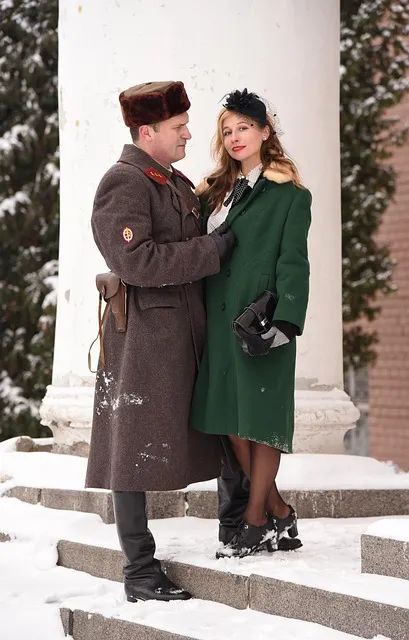
His son was being recruited by two schools. The smaller one offered a realistic path to real playing time. The larger one offered a distant shot at a starting role on a nationally ranked team. Marcus had faced the same fork at seventeen and chosen the larger stage. He sat on the bench for three years, transferred as a senior, graduated without the playing career he’d dreamed of, and carried that particular what-if for thirty years afterward.
Watching his son prepare to make the identical choice, Marcus realized he was sitting on thirty years of knowledge about what that decision actually meant. It was knowledge his son didn’t have, and knowledge Marcus himself had never organized into anything he could actually hand over. He had the data. He’d lived it. He had simply never done the work of converting lived experience into something transferable.
He spent a weekend writing what he called the letter he wished he’d received at seventeen. What came out wasn’t primarily about the college choice at all. It was about the patterns, the ways of thinking and relating and valuing that had shaped thirty years of his life. Those patterns had produced both his best decisions and his most painful regrets, and he could now see them with a clarity his twenty-year-old self never had access to.
He gave the letter to his son, and they spent three hours talking it through. His son chose the smaller school, became a starter by his sophomore year, and graduated with honors. Marcus says the letter was the most useful thing he ever gave his son. He also says writing it changed him more than he expected. The act of articulating what he’d learned forced him to actually learn it, converting a vague sense of hard-won experience into something specific enough to use.
You likely have your own version of Marcus’s cabinet of unused experience sitting somewhere in your own memory right now. A decision you watched someone younger face recently, a nephew, a junior colleague, your own kid, where you recognized the shape of the choice before they did. Think of that moment specifically. Notice whether you said anything useful in it, or whether you let the moment pass because you hadn’t yet organized what you actually knew into something you could hand over cleanly. That gap between what you know and what you’ve actually articulated is exactly what this protocol is built to close.
You don’t need a dramatic occasion, the way Marcus had with his son, to justify doing this work now rather than waiting for one. Waiting for a sufficiently dramatic trigger is itself a common way this work gets postponed indefinitely, because most men’s lives simply don’t hand them an obvious pivot-point moment on a convenient schedule. You can create the occasion yourself, this week, without needing your own version of watching a son face your old choice. The material is already there in your memory regardless of whether life has recently handed you a dramatic reason to go looking for it.
Why the Twenty-Year-Old Self Is the Right Target
- Your twenty-year-old self is the target because the twenties contain the most consequential identity and direction choices of your entire adult life.
- The gap between what you thought at twenty and what you know now reveals your most persistent patterns and blind spots, the ones still operating in you today.
- Putting retrospective wisdom into words converts vague hard-won experience into specific, usable knowledge that changes how you actually act in the present.
- The exercise produces insight about current decisions that no amount of forward-planning can produce, because that insight is only visible looking backward.
- Men over forty who complete this work consistently report changes in their behavior that persist a full year later, suggesting genuine updating rather than a passing mood of reflection.
This exercise specifically targets your twenty-year-old self, not your thirty-year-old self, not some abstract younger version. That choice is deliberate, and it’s worth understanding why before you begin.
At twenty, you were in what psychologists call emerging adulthood, a period of identity exploration, relative freedom from fixed commitments, and high receptivity to whatever inputs would go on to shape your later development. The identity work that happens in your early twenties, the choices about values, relationships, professional direction, and self-understanding, has an outsized influence on your life outcomes compared to similar decisions made at almost any other age. Your twenties were, in a very real sense, the most consequential decade for the development of the person you’ve spent the rest of your life being.
For you, at forty or beyond, targeting your twenty-year-old self accomplishes something no other age can. It encompasses the full arc of your adult experience, including the major formative decisions and their long-term consequences. You can now see what you couldn’t see at twenty. The difference between what you thought mattered and what actually did. The difference between what you thought would make you happy and what genuinely has. The difference between the man you thought you were becoming and the one you actually became.
Sit with that last one specifically for a moment, because it tends to carry the most weight of the three. The man you’re actually looking at right now, in the mirror this morning, is not the man your twenty-year-old self was picturing when he imagined forty. Some of that gap is disappointment. Some of it, if you’re honest, is relief, ways you turned out better than the anxious kid at twenty could have predicted. Both halves of that gap are data. Neither one is something to rush past on your way to the exercises ahead.
Experienced Experience Versus Processed Experience
There’s a useful distinction between two forms of life experience: experienced experience and processed experience. You almost certainly have experienced experience in abundance. You’ve lived through decades of choices and consequences, relationships and losses, wins and failures. What you very likely don’t have, in anything like the same abundance, is processed experience, the systematic extraction of usable wisdom from everything you’ve already lived through.
The difference matters more than it sounds like it should. Experienced experience is raw data. Processed experience is knowledge. A man who’s been through a painful divorce has experienced the breakdown of a long relationship. If he’s done the retrospective work, honestly examined what happened, what his own role was, what patterns he brought into it, what he’d do differently and why, he has processed experience. He’s converted raw data into wisdom that can actually inform the next relationship, and every one after it.
“We do not learn from experience. We learn from reflecting on experience.” — John Dewey
Consider how much of your own week is currently spent accumulating new experience versus reflecting on the experience you already have. For most men the ratio is badly lopsided toward accumulation, another meeting, another obligation, another day logged and filed away unexamined. You don’t need to reverse that ratio entirely to get real value from this protocol. You need to carve out a small, protected fraction of your time specifically for reflection, on purpose, rather than leaving it to whatever scraps of quiet happen to survive an otherwise packed schedule.
Notice, too, that this imbalance tends to get worse rather than better as your responsibilities grow. The men with the most experience worth reflecting on, the ones furthest into their careers, their marriages, their years of raising kids, are often the ones with the least unclaimed time to actually do the reflecting. That’s a genuine structural problem, not a personal failing, and it means the protected hour has to be defended deliberately rather than expected to simply appear once things calm down. Things calming down on their own is not a plan. A named hour on your calendar is.
You can start smaller than a full hour if that’s genuinely what your current week allows. Fifteen minutes of honest reflection, done consistently, will outperform an imagined two-hour block that never actually happens because the conditions for it never arrive. The goal is not to find the ideal amount of time. It’s to find the amount of time you will actually protect and use, week after week, until the habit itself becomes the thing carrying you forward rather than your own dwindling motivation.
Most men never do this processing. You move from one experience to the next carrying the residue of what happened without ever extracting the insight buried in it. The residue accumulates: unexamined patterns, repeated mistakes, the same relational dynamics showing up in different relationships, the same avoidance dressed up in different contexts. The pattern is present and actively shaping your outcomes, but it stays invisible because it’s never been made explicit through deliberate reflection. This exercise is a structured way of doing the processing work most men skip, not because they’re lazy, but because the processing is genuinely uncomfortable and the culture offers almost no ritual for it.
Think about the last time you actually sat down and processed something difficult from your own past on purpose, rather than having it surface uninvited during a sleepless night or a long drive. If you’re like most men, that kind of deliberate processing has happened rarely, if ever, in any structured way. You’ve relied instead on time simply passing, on the residue fading enough to stop bothering you day to day. Fading isn’t the same as processing. The residue that fades from conscious attention doesn’t disappear. It just moves somewhere you can’t see it operating from anymore, which makes it considerably harder to work with.
Think of one experience from your own past you genuinely believe you’ve fully processed and put behind you. Now ask yourself honestly whether you’ve actually examined it in writing, in detail, at any point, or whether you’ve simply stopped thinking about it as often as you used to. Those are two very different things, even though they can feel identical from the inside. The first is processed experience. The second is just experience that’s gone quiet, and quiet is not the same as resolved. It can still be shaping your choices from underneath your own awareness of it.
Phase One — The Foundational Beliefs Audit
- What did you believe at twenty about what kind of man you were, your strengths, your limitations, your potential? What turned out to be accurate, and what turned out to be a story you were telling yourself?
- What did you believe at twenty about what you needed to be happy? What did that belief drive you toward, and how has your actual understanding of happiness changed since then?
- What did you believe at twenty about relationships, what they were for, what made them work, what you needed from them? What has experience taught you that directly contradicts those beliefs?
- What did you believe at twenty about success, what it meant, what it required, how it would feel to achieve it? How has that belief held up against the reality you’ve actually lived?
- What did you believe at twenty about how the world worked, who had power and why, what was fair, what determined outcomes? How has that worldview been revised by experience since?
- What did you believe at twenty that you now know was false, but defended fiercely at the time? What protected that false belief, and what finally broke it open?
This first phase targets the beliefs you held at twenty about yourself, the world, and what a good life looked like. Not the beliefs you were consciously aware of holding, but the ones so embedded in your assumptions they didn’t feel like beliefs at all. Just facts. These are your most influential beliefs precisely because they operated unconsciously, shaping your choices and filtering your information without ever once being examined directly.
Give yourself at least twenty minutes on each of the following, in writing, not just in your head:
The purpose of this audit is to make your twenty-year-old operating assumptions visible, to see them as beliefs rather than facts. From there, you can start identifying which ones are still quietly running your current life despite being demonstrably wrong.
Before you sit down to actually write, do one thing first: pick the single prompt above that made you flinch slightly as you read it. That flinch is information. It usually means that particular question is sitting closer to something unresolved than the others, and unresolved material is exactly where the most useful writing tends to come from. Start there instead of starting at the top of the list out of habit. You’re allowed to work through these prompts out of order. The order matters far less than actually beginning with the one that’s already quietly asking for your attention.
Set a real timer for this, twenty minutes minimum per prompt, and resist the urge to stop the moment you’ve written a paragraph that feels complete. The most useful material in this kind of writing tends to arrive after the point where you thought you were finished. Once the obvious, socially acceptable answer has already been written down, your mind starts digging for something closer to the truth. The first five minutes usually produce what you already knew you’d say. The last ten minutes are where this exercise actually earns its keep.
Phase Two — The Pattern Recognition Exercise

Look across your adult life and identify the five most significant choices you’ve made, the ones whose consequences shaped your life most substantially. For each one, answer three questions. What did you believe about the situation that led you to that choice? What did you actually want, beneath the surface explanation you’d give someone else? And what was the consequence, both the one you intended and the one you didn’t.
Then look across all five and ask what they have in common. What pattern of belief, motivation, or decision-making shows up in more than one of them? That recurring theme across your most significant decisions is among the most important things this entire exercise will teach you about yourself.
When Marcus ran this exercise, his five most significant choices all pointed the same direction: toward the largest possible stage, the most prestigious context, the version of each opportunity that looked most impressive from the outside. The college choice was one instance. The career choice was another. Several relationship choices were others. Given a choice between the more authentic option and the more impressive one, he’d reliably chosen impressive. Seeing that pattern clearly at forty-eight gave him the first real explanation for why certain parts of his life hadn’t developed the way he’d hoped, and it gave him a specific thing to work on going forward.
As you go through your own five choices, resist the temptation to only include the ones that make a clean, coherent story. Include the choice that still confuses you, the one where you’re genuinely unsure why you did what you did. That confusing choice often carries more pattern information than the ones you can already explain to yourself easily, precisely because you haven’t yet folded it into a tidy narrative that smooths over the actual motivations at play.
The pattern hides best inside the story you already know how to tell about yourself.
You will very likely find your own version of this pattern once you actually run the exercise on your five choices, and it’s worth preparing yourself now for the possibility that it won’t be flattering. Most men’s dominant pattern isn’t a heroic one. It’s something closer to what Marcus found: a quiet, consistent bias toward whichever option protected his image, or avoided a hard conversation, or kept the peace at some cost to himself. Expect something similarly unglamorous from your own five choices. The value isn’t in the pattern being impressive. It’s in the pattern being accurate.
Phase Three — The Wisdom Extraction Exercise
- Relationships. What you now know about what makes them work and what quietly destroys them.
- Work. What you now know about what makes work meaningful versus merely remunerative.
- Your own character. What you now know about your specific patterns, your genuine strengths, and your reliable failure modes.
- Happiness. What you now know actually produces it, versus what you assumed at twenty would produce it.
Phase three converts what you generated in the first two phases into explicit, transferable wisdom. These are the specific lessons and principles your experience has actually earned you, the ones you can now put into words, apply, and potentially hand to someone else.
The exercise is to write the letter. Not to your actual twenty-year-old self, you know he can’t receive it, but to a twenty-year-old who’s like you were: same strengths, same blind spots, same patterns, same mistaken beliefs you held at that age. What would you actually tell him? Not platitudes. Not inspirational filler. Specific, honest, hard-won wisdom, the things you know now that would have made a genuine difference if you’d known them then.
Make the letter specific and honest. Name the actual mistakes and what they cost you. Name the things you got right and what they gave you. Write the letter your twenty-year-old self most needed to receive, not the one most comfortable to write or most flattering to how you’d like to see yourself now.
Give yourself permission for the first draft of this letter to be rough and disorganized, because most men freeze at exactly this step, trying to write something polished enough to be worth keeping. That instinct works against you here. Write the messy version first, the one full of half-finished sentences and things you’re not sure you should even say. You can always go back and sharpen it later, once the honest material is actually on the page. What you cannot do is sharpen a letter you were too intimidated to start writing in the first place.
If you find yourself stuck on the opening line, skip it entirely and start in the middle, with whatever specific piece of advice feels most urgent to you right now. You can write the opening last, once you know what the letter is actually about. Most men who abandon this exercise abandon it at the first sentence, trying to find the perfect way to begin something that doesn’t need a perfect beginning. It needs an honest middle. Start there and let the rest of the structure build itself around it.
Phase Four — The Current Implications Audit
Phase four is the most practically valuable part of the whole exercise, and the one most frequently skipped. Consider everything you’ve discovered in the first three phases: the foundational beliefs that turned out false, the patterns shaping your choices, the specific wisdom extracted from decades of experience. What does this actually mean for what you’re deciding right now?
Here’s the insight that makes this more than an interesting historical exercise. The patterns you identified in phase two aren’t past patterns. They’re current patterns. The false beliefs from phase one aren’t entirely obsolete. They’re still partially operating in you. The wisdom you extracted in phase three isn’t only applicable to a hypothetical twenty-year-old. It’s applicable to you, right now, in the actual situations you’re currently facing.
Identify three current situations, decisions, or relationships where the patterns and beliefs you’ve uncovered in the earlier phases are likely still operating, and apply the retrospective wisdom directly to them. Not as a guarantee of a better outcome, but as a specific, grounded input into your current decision-making that simply wasn’t available to you before, because it had never been made explicit.
Set a specific date, no more than a week out, to revisit these three situations and check what you actually did differently, if anything. Writing the insight down and never checking whether it changed a real decision is the single most common way this entire protocol quietly fails to produce lasting change. The checking date is what turns the exercise from an interesting afternoon of reflection into an actual behavioral intervention. Put it on your calendar now, before you move on to the next section, while the intention is still fresh.
Pick one of your three current situations right now, before you move on, and actually name it out loud or on paper. Vague awareness that a pattern is probably relevant somewhere in your life is not the same as pointing directly at the decision where it’s active this month. The specificity is what makes phase four actually useful rather than simply interesting. A general sense that you tend to avoid conflict helps you very little. Knowing that you’re avoiding one particular conversation with one particular person right now, because of that exact tendency, is something you can actually act on this week.
What Men Over Forty Most Consistently Wish They’d Known
Research spanning cohorts of more than eight hundred men between forty and sixty-five has produced a remarkably consistent body of retrospective wisdom. The specific content varies from man to man, but the categories that come up again and again are worth naming directly, because they point toward what actually matters most and what gets most reliably underestimated at twenty.
- The relationship wisdom. Almost universally, men over forty report underestimating the importance of relationships at twenty and overestimating professional achievement. They spent more energy on their careers and less on friendships, marriages, and family than a genuinely good life turns out to require. The single strongest predictor of life satisfaction at sixty is the quality of close relationships, not career success or income.
- The authenticity wisdom. A high proportion of men report spending significant energy in their twenties and thirties trying to become a version of themselves they thought others wanted, rather than the version that was genuinely them. The cost, the energy spent performing, the anxiety of maintaining a persona, the distance it created from real connection, is consistently underestimated at twenty and consistently named as one of the most significant avoidable costs in hindsight.
- The body wisdom. Men in their fifties and sixties almost universally report treating physical health as a secondary concern in their twenties and thirties, something to address once it became urgent rather than something to maintain as a priority. The compound consequences, injuries that became chronic, conditions that were preventable but weren’t prevented, are among the most commonly cited specific regrets.
- The presence wisdom. Men consistently report being somewhere else for significant stretches of their lives, mentally absent from their families, physically present at important moments but internally elsewhere, carried along by momentum rather than genuine choice. The wisdom they’d give their twenty-year-old selves almost always comes down to one instruction: be here. The things you’re rushing past are the things that will matter most when you finally look back.
Read back through these four categories once more and notice which one lands hardest for you personally, right now, today. Not which one sounds most universally true, but which one, specifically, describes something you recognize in your own current week. That’s the category most worth your attention as you move into the actual exercise. It’s telling you something about where your own unprocessed material is currently sitting closest to the surface, waiting for you to finally give it the structure it needs.
Marcus’s Letter to His Twenty-Year-Old Self
Marcus shared part of his letter. The thing he found most valuable in doing this work himself was reading letters other men had written. The specific, honest language of real retrospective wisdom is more useful to you than any summary of findings could be.
You are going to spend the next twenty years trying to be impressive. On the court, in your career, in your relationships. You are going to make choice after choice in the direction of the largest stage, the most prestigious context, the option that looks best from the outside. And you are going to be genuinely confused, around forty, about why the life you built, which looks exactly like the life you were aiming for, doesn’t feel like the life you actually wanted.
Read that passage once more, slowly, and notice which sentence lands hardest for you personally. Not which one is best written. Which one, specifically, describes something close to your own experience, whether or not your own circumstances match Marcus’s in any of the particulars. The letter works because it’s specific to him, not despite it. Your own letter will work the same way, for the person who eventually reads it, precisely because it’s built from your own particular life rather than smoothed into something generic enough to apply to anyone.
Notice, too, what the letter doesn’t do. It doesn’t apologize for who Marcus became, and it doesn’t perform false humility about his own achievements as a coach and a father. It simply tells the truth, plainly, about what cost him more than it needed to. That balance, honest about the cost without collapsing into either self-congratulation or self-flagellation, is worth aiming for in your own letter. You’re not writing a confession, and you’re not writing a highlight reel. You’re writing an accurate account, which is a considerably harder and more valuable thing to produce than either extreme.
The reason, in Marcus’s own words, was this: impressive and authentic are not the same thing. He’d confused them his entire life, and the confusion cost him a version of himself that was more honestly his own and less concerned with how it appeared from outside. The things he was proudest of, in his body, his life, his relationships, were the things that were most genuinely him. The things he regretted most were the things he’d done for an audience rather than for himself.
He wrote that the relationships that would matter most to him at forty-eight were the ones he was building right then, at seventeen, and that he wasn’t treating them with the care they deserved. His real friends, the ones who knew him and stayed anyway, were rare and irreplaceable, and he was taking them for granted in exactly the way that eventually costs people those friendships. His family was there and wouldn’t always be there, and he was assuming their permanence in a way that would eventually produce regrets he chose not to spell out in detail, because naming them wouldn’t help. Being present would.
If you’re writing your own version of this letter, you already have a rough sense of where your own confusion between impressive and authentic has cost you the most. Start there. That’s usually where the most useful material is waiting.
Notice, as you consider your own version, whether the word impressive is even the right word for your own particular pattern. For some men it’s impressive. For others it’s safe, or agreeable, or in control. Whatever your own word turns out to be, it’s the one to watch for as you write your letter. It’s very likely the single word that best explains the gap between the choices you made and the choices that would have actually served you. Find your word before you write another sentence. Everything else in the letter tends to organize itself around it once you have it named.
Say your word out loud once you’ve found it, in an empty room if you need to, before you write it down. There’s something about hearing your own pattern named in your own voice that lands differently than simply thinking it or writing it silently. Men who do this small step report that the word feels more real, more binding, once it’s actually been spoken. You’re not performing for anyone in that room. You’re simply giving yourself the chance to hear the truth you just found, in your own voice, maybe for the first time.
Write that word somewhere you’ll encounter it again after this week ends, not just inside the letter itself where it might get filed away and forgotten. A sticky note inside a drawer you open daily. A recurring note in your phone that surfaces on a schedule. The word is doing real work for you only as long as it stays visible enough to interrupt the old pattern in the moment the pattern is actually trying to run. Buried in a letter you wrote once, it becomes a nice piece of writing. Kept visible, it becomes the tool Marcus eventually built for himself.
The Protocol as a Gift to Others
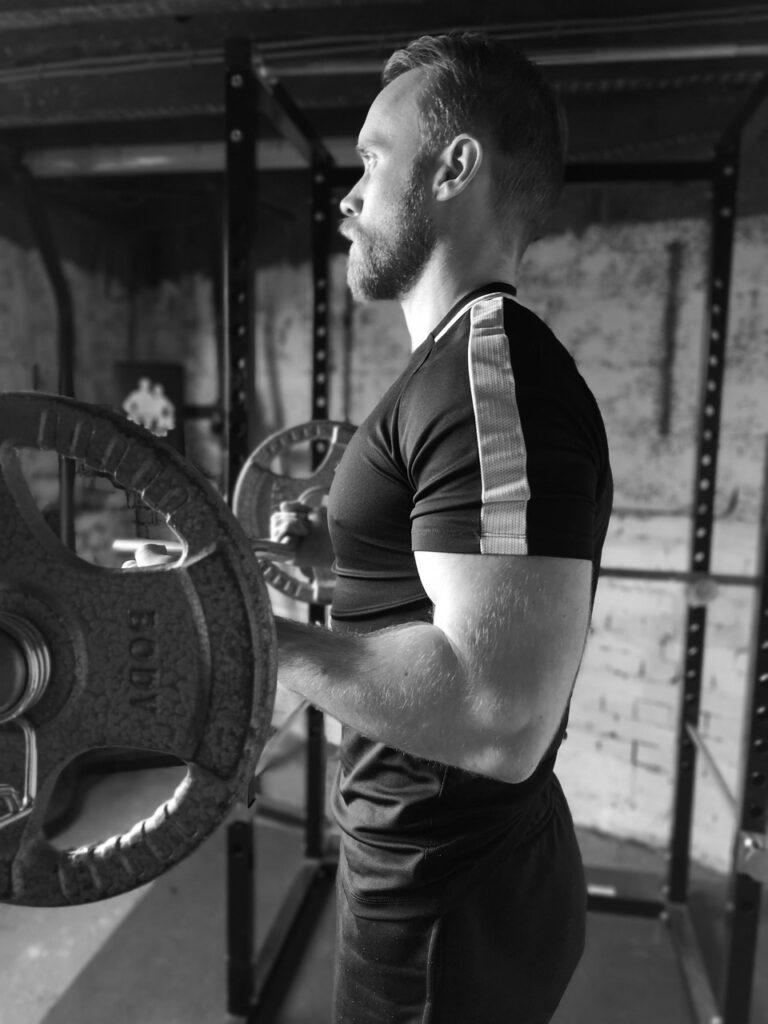 One of the more unexpected outcomes of this work is the value it creates for the people around the man doing it. Especially the younger people in his life facing the same choices and the same patterns he once faced.
Marcus gave his letter to his son. Other men have given versions of their own retrospective wisdom to younger siblings, new hires they’re mentoring, nieces and nephews facing significant decisions, friends going through transitions that mirror transitions they worked through twenty years earlier. In every case, the recipient reports that the specificity, the honest, first-person, this-is-what-I-actually-learned quality of it, is what makes it useful. Generic wisdom is everywhere. Specific, earned, honestly delivered wisdom from someone whose patterns you recognize in yourself is genuinely rare.
This is one of the most valuable contributions a man over forty can make to the people in his sphere: the honest transmission of what he’s actually learned, organized with the care that real wisdom deserves. It requires vulnerability, the willingness to name your failures and blind spots alongside your successes. It requires honesty, the willingness to distinguish between what you actually know from lived experience and what you merely believe or assume. And it requires the courage to say the useful things directly, even when they’re uncomfortable to say out loud.
Expect your first attempt at sharing this kind of wisdom to feel awkward, both for you and for whoever receives it. That awkwardness is not a sign you’re doing it wrong. Honest, specific transmission of hard-won experience is simply not a conversation most people have much practice giving or receiving, and the unfamiliarity itself produces some of the discomfort. Push through the awkward opening minutes anyway. Nearly every man who’s done this reports that the discomfort fades quickly once the actual content starts landing, and that the recipient’s gratitude, once it arrives, considerably outweighs whatever brief awkwardness came before it.
Choose the setting for this conversation with some care. A quiet dinner, a long drive, a walk with no particular destination, all tend to work better than a scheduled sit-down that announces its own seriousness before either of you has said anything. The best versions of this exchange tend to happen almost sideways, worked into an ordinary shared activity rather than staged as a formal event. You’re not delivering a speech. You’re handing someone something real, and real things usually land better when the moment doesn’t feel rehearsed.
Think of one younger person in your own life right now who’s approaching a decision that rhymes with one of your own significant choices. You likely already have someone specific in mind. Notice whether you’ve actually said anything useful to them yet, beyond generic encouragement, and notice what’s been holding you back if you haven’t. Very often it’s simply that you haven’t done the organizing work yet, the same work this protocol walks you through. You have more to offer that person than you currently realize. You just haven’t extracted it into a form you can actually hand over.
What Men Ask Before Starting This
You might wonder whether this exercise still applies to you if you don’t carry significant regrets. It does, with a slightly different orientation. This work isn’t primarily about regret. It’s about patterns and wisdom, both of which are present in your life regardless of whether your past choices have produced obvious regrets. Men who report few regrets typically still find the exercise produces real insight about their current operating patterns and the wisdom they’ve accumulated but never put into words. Even a genuinely satisfying life, examined honestly, contains self-knowledge that’s never been organized. The exercise extracts it either way.
You might wonder whether this is appropriate if you’ve lived through significant hardship or loss. This exercise engages your past in a reflective, analytical mode rather than a raw emotional one, and for most men that mode is accessible and productive even around difficult material. But if what surfaces starts feeling destabilizing rather than productively uncomfortable, that’s worth taking seriously as its own kind of information. Slow down. Don’t push through it alone by force. Bring in someone you trust, a steady friend, a partner, someone who can sit with you through what comes up, and give the material more time rather than more pressure. There’s no prize for doing this exercise in one sitting if what it surfaces needs longer.
Take a moment to honestly assess your own readiness before you begin, not to talk yourself out of the work, but to approach it with the right pacing for where you actually are. Most men are in a stable enough place to do this reflectively and productively, and for most men the discomfort that surfaces is exactly the useful kind, the kind that resolves into insight rather than into distress. Trust your own read on which category you’re in. You know your own baseline better than any generic guidance can tell you.
You might wonder how specific your own letter needs to be. As specific as you can manage. The most useful retrospective wisdom names actual choices, actual patterns, actual consequences. Generic wisdom, treat people well, work hard, be honest, is available from a thousand sources and largely ineffective precisely because of how general it is. The wisdom that actually changes behavior sounds more like: when you’re faced with the choice between the impressive option and the authentic one, you will reliably choose impressive, and it will consistently disappoint you. That level of specificity requires real honesty. It’s worth the discomfort.
And you might wonder what to do if you genuinely can’t identify a clear pattern in your own choices. Ask someone who’s known you a long time. The patterns invisible to you from the inside are almost always visible to people who’ve watched you across years. That’s not a comfortable suggestion. It requires real openness to hearing something you might not want to hear. But the people who know you well are often your most reliable source of pattern data your own self-examination produces imperfectly. Ask them directly what they see you doing consistently, across different situations, that you might not fully see yourself. Listen with genuine curiosity rather than defensiveness. The discomfort is the price of the insight.
Consider, right now, who that person actually is for you. Not hypothetically, specifically. A brother, an old friend, a former colleague who’s watched you operate across enough years and enough contexts to have real data on your patterns. Send them one honest message this week, even before you’ve finished the rest of this protocol, asking what they’ve noticed. You don’t need to explain the whole exercise to them. You just need the question, asked plainly, and the willingness to actually sit with whatever answer comes back.
Why You Avoid This Work
It’s worth understanding, briefly, what happens in your own mind when you engage in genuine retrospective reflection, because the mechanism explains both why the exercise works and why most men avoid it entirely.
Your brain has a network of interconnected regions that activates during self-referential thinking, mind-wandering, and the retrieval of your own autobiographical memory. It’s the neural substrate of retrospective reflection. When you think about your past choices, your past relationships, your past self, you’re activating this network directly. It’s also involved in your capacity for social understanding, future-planning, and the ongoing construction of the story you tell yourself about who you are.
Deep engagement with this network, the kind of reflective, meaning-making thinking this exercise requires, produces specific benefits that other forms of thinking simply don’t. It integrates information across time and context in a way that enables genuine wisdom to develop. It weaves disparate experiences into coherent patterns with real explanatory power. And it engages your capacity to understand yourself and others as beings with complex inner states, motivations, and histories, rather than as flat characters in a story you’re not really examining.
Most men avoid deep retrospective reflection because this network requires cognitive resources and sustained attention that the modern attention economy is specifically built to capture before you can direct it inward. Your phone, your feed, your entertainment stream, these are all external claims on exactly the attention this kind of reflection requires. This protocol creates the structural conditions, time, quiet, a specific exercise, that let this network actually do the integrative work it’s built to do. The insight it produces isn’t manufactured. It’s the natural output of a mind finally given the conditions it needs to process its own experience.
Notice, honestly, how much of your own week currently gets handed over to exactly the systems this section describes. Your phone, your feed, the stream of other people’s curated lives and opinions. None of that time is inherently wasted, but all of it is time your own mind isn’t spending on the integrative work only you can do for yourself. You don’t need to eliminate it entirely to make room for this protocol. You need one deliberate hour, protected from all of it, to give your own mind the conditions it’s been quietly asking for.
Pick that hour right now, specifically, rather than leaving it as a vague future intention. A Sunday morning before anyone else in the house is awake. A lunch break with your phone left at your desk. The particular hour matters less than the specificity of naming one. A protocol you intend to get to eventually competes with everything else in your week and reliably loses. A protocol scheduled for a named hour on a named day has an actual chance of happening the way you intend it to.
Passing It Down
There’s a dimension to this work that extends beyond you individually into your family and community, and it deserves to be named directly. It’s one of the most significant and most underused contributions an older man can make to the people around him.
Every generation of men faces the same fundamental questions, about identity, relationships, work, meaning, and courage, with only limited access to the processed wisdom of the generation before them. Not because older men lack wisdom. It’s because the conditions for passing it down have been steadily eroded by a culture that devalues experience and prioritizes novelty. That same culture has replaced the wisdom-bearing conversations that used to happen inside families and communities with the parallel monologues of social feeds.
A man who does this work and then shares what he finds, honestly and specifically, with the younger people in his life, is doing something both personally valuable and culturally significant. He’s restoring a form of transmission human communities have always depended on and that contemporary life has largely let go of. He’s making visible the patterns, the pitfalls, and the wisdom that would otherwise stay locked inside his own private experience, relearned at great cost by every generation that follows him.
You are, whether you’ve thought of yourself this way or not, already occupying that role for someone in your own life. There is very likely a younger person somewhere in your circle who already looks to you, quietly, as an example of how a grown man handles things. You don’t get to opt out of that role simply by not thinking about it. You only get to choose whether you fill it deliberately, with something honestly earned and organized, or leave it to whatever they happen to observe by accident.
This isn’t about prescribing paths or telling younger people what to do. Marcus didn’t tell his son to choose the smaller school. He told him the specific patterns that had shaped his own choices and the specific wisdom he’d extracted from the consequences. His son made his own decision, informed by that wisdom, and the relationship between them deepened through the honest, specific, vulnerable sharing the letter made possible.
That distinction matters more than it might first appear. The moment retrospective wisdom turns into instruction, telling the younger person exactly what to choose, it loses most of its value and a good deal of its credibility. Nobody wants to be handed a verdict dressed up as advice, especially from someone whose own life, however accomplished, obviously isn’t a template anyone else can simply copy. What you’re offering instead is raw material: here is what I actually believed, here is what happened, here is what I understand now that I didn’t then. What they do with it is genuinely theirs to decide, and that’s exactly what makes the gift land as respect rather than as pressure.
You may be quietly assuming that the younger people in your own life don’t actually want this kind of thing from you. Maybe you assume they’d rather figure it out themselves, or that your experience doesn’t translate to their situation. That assumption is worth questioning directly rather than simply accepting. Most younger people, asked honestly, want exactly this from the older men in their lives and rarely receive it. Not because the older men don’t have it to give, but because nobody ever handed those men a structure for producing it in a form worth sharing. You now have that structure.
The Protocol at Different Ages
While this work is aimed primarily at men over forty, it produces real value at any age where there’s enough experience to reflect on meaningfully. The exercise looks different depending on your age, and the wisdom it extracts is qualitatively different too, but the underlying structure stays the same.
If you’re in your thirties, the primary target is the choices of your twenties, and the patterns to look for are the ones established in that early formative period. Your thirties give you enough distance from your twenties to see those choices with some real perspective, without so much distance that the patterns have already gone invisible. This is actually an ideal window for a first attempt: early enough to use the wisdom for major decisions still ahead of you, late enough to have real data to work from.
If you’re reading this in your thirties, don’t wait for forty to arrive before you consider this work relevant to you. The decade you’re currently in is producing exactly the kind of formative material this exercise is designed to work with. Doing an early pass now gives you a considerable advantage. You get to actually use what you find while there’s still substantial life ahead of you to apply it to, rather than discovering the same pattern twenty years later, after it’s already shaped two more decades of choices you might have made differently.
If you’re in your fifties or sixties, the exercise carries additional richness, because your retrospective window is larger and your pattern recognition is more developed. Men at this stage often have the most valuable wisdom to extract and share, and the most urgency about actually doing it. Time’s finitude becomes more acute, and the awareness of what’s gone unsaid becomes harder to ignore.
If that’s you, don’t let the scale of the retrospective window intimidate you into never starting. Forty or fifty years of material can feel like too much to organize, and that feeling is exactly what keeps many older men from ever sitting down with the first prompt. You don’t need to process it all in one sitting, and you never will. Start with the five most significant choices, the way the protocol asks, and trust that the rest of the material will keep. It’s been waiting this long. It can wait through a first imperfect pass while you find your footing with the method.
If you’re in your late twenties or early thirties, the exercise carries less retrospective data but a different kind of value. It surfaces the foundational beliefs currently operating in you, often invisibly, and lets you examine them before they’ve shaped another full decade of choices. Asking what you believe right now that you might later discover was false is a genuinely useful, if unusual, thing to attempt before experience forces the examination on you.
Whatever your own age happens to be right now, resist the temptation to decide this doesn’t apply to you yet, or that you’ll do it properly once you’re older and have more material to work with. Every age has its own version of useful retrospective material, and waiting for a more impressive amount of it is itself often one of the patterns this protocol is designed to catch. The most valuable time to start this work is generally now, at whatever age you happen to be reading this, not at some more qualified future version of yourself.
Marcus at Fifty

He found a pattern across five of his most significant choices he hadn’t fully seen before: a consistent tendency to choose whatever option let him perform rather than whatever option required him to build. The impressive school over the developmental one. The high-visibility career move over the slower, more internally satisfying path. The leadership role that looked good over the teaching role that felt good. Performance versus building. Once he named it, the pattern was immediately recognizable in several choices he was actively working through.
Armed with that pattern, he ran his own phase four audit. He identified three current situations where he suspected the performance-versus-building pattern was active. A promotion that would raise his profile but cut his time with his players. A speaking slot at a national conference that would look impressive on a resume he wasn’t actually using. And a relationship with a difficult colleague he’d been managing through impressive-looking professionalism, instead of building through an honest, difficult conversation.
He turned down the promotion. He accepted the speaking slot but cut his preparation time in half, spending the recovered hours on the honest conversation with his colleague instead. That conversation was uncomfortable, and the colleague was initially defensive but ultimately receptive. By the end of it, the relationship had shifted in a way an entire preceding year of polished professionalism never managed to produce.
Notice what actually made that conversation possible for Marcus. It wasn’t a sudden burst of courage that arrived from nowhere. It was a specific, named pattern he could hold up against the situation and recognize clearly. This is the performance option, this is the building option, and I already know from thirty years of evidence which one actually works. That clarity is what the entire protocol is ultimately building toward for you. Not bravery manufactured in the moment, but a decision-making tool sharp enough that the right choice becomes considerably easier to see and considerably harder to avoid.
The pattern-recognition work gave Marcus a decision-making tool he now applies almost automatically. Facing a choice, he asks himself: is this the building option or the performing option? The question doesn’t always have an obvious answer. But asking it consistently has shifted the overall distribution of his choices. The cumulative effect, he says, is already visible in the quality of his relationships, his work, and his own sense of what his life is actually for.
Imagine having your own version of Marcus’s single question available to you the next time a significant choice comes up. A short, specific sentence built entirely from your own pattern, ready to consult in the moment rather than assembled from scratch under pressure. That’s the actual deliverable of this entire protocol, more than any single insight from any single phase. One durable question, built from decades of your own evidence, that you can actually carry forward and use for the rest of your life.
The Fear Wisdom, in Depth
The fear category tends to produce the most surprise in this kind of reflection, the widest gap between what you believed at twenty and what you understand now, once you’ve actually lived through it.
At twenty, fear feels like information. When you’re afraid of something, a conversation, a risk, a departure from the expected path, the fear feels like accurate data about genuine danger. It feels like your body’s sensible warning system telling you this particular risk should be avoided. Most men, at twenty, take that feeling at face value. They avoid what feels dangerous, choose the safer path, and call it prudence.
“We suffer more in imagination than in reality.” — Seneca
Read that line again and hold it against something specific you’re currently avoiding because of fear rather than because of any clear-eyed assessment of actual risk. Seneca wrote that observation roughly two thousand years ago, watching the same pattern in himself and the men around him that shows up in your own life today. The mechanism hasn’t changed in two millennia. Only the specific content of the fear has. That continuity is worth taking seriously. It means the wisdom available to you here isn’t a modern trend. It’s among the oldest, most consistently rediscovered observations about how a man’s own mind works against him.
Decades later, looking back at the choices you made from fear, the picture usually looks very different. The thing you feared almost never materialized with the force the fear predicted. The difficult conversation didn’t destroy the relationship. It clarified it. The risk of failure didn’t produce permanent failure. It produced a temporary setback you recovered from. The departure from the expected path didn’t produce permanent exclusion. It produced a different community, sometimes a considerably better one. Fear was wrong about the scale of the threat. It was a reliable signal that something mattered, and a wildly unreliable predictor of actual catastrophe.
Go back through your own five significant choices from earlier in this exercise and mark which ones were made primarily from fear, dressed up as caution or realism. You may find more of them than you expected. Most men, doing this honestly for the first time, discover that fear had a larger hand in their major life decisions than they’d have guessed before actually checking. That discovery isn’t meant to produce regret about decisions already made. It’s meant to change how much weight you give fear the next time it shows up, now that you have thirty years of evidence about how reliably it overstates the danger.
More importantly, the things fear protected most reliably were rarely the things that turned out to matter most. Fear protected the status quo, the approval of others, the comfort of the familiar. Those things matter, but they matter less than the authentic choices fear prevented, less than the genuine connections vulnerability would have opened up, less than the risks courage would have allowed you to take. Fear optimized for safety over meaning, approval over authenticity, comfort over growth, and most men only see that trade clearly decades after making it.
Think of one decision in front of you right now where fear is quietly doing more steering than you’d like to admit. You likely already know which one it is. Ask yourself, honestly, what specifically you’re afraid will happen if you choose the less safe option. Then ask whether that specific fear has ever actually materialized for you before, in any comparable situation, with anything like the force you’re currently imagining. Most of the time the honest answer is no. That answer doesn’t eliminate the fear. It just gives you better information to weigh against it.
What Fifty Knows That Twenty Couldn’t
There’s a form of wisdom only available through time, one that can’t be borrowed, taught, or acquired any way other than living long enough to see the long-term consequences of choices made in youth. This is what fifty knows that twenty simply couldn’t, no matter how intelligent or self-aware you were at twenty.
It includes the understanding that most things that feel urgent at twenty aren’t actually important, and most things that feel unimportant at twenty aren’t actually unimportant. The career emergency that feels like a catastrophe at twenty-three is forgotten by twenty-five. The friend who felt like a peripheral relationship at twenty-two becomes one of the most important people in your life at forty-five. The habits built in your twenties, physical, intellectual, relational, will determine more of your quality of life at fifty than any single achievement or failure from that same period.
It includes the understanding that character gets built slowly, through thousands of small choices that feel insignificant in the moment they’re made. The man you are at fifty is not the product of a few big decisions. He’s the accumulation of ten thousand small ones, and the direction of those small choices, averaged across years, is the most reliable predictor of where you end up.
You can test this against your own life right now. Think of a man you genuinely admire for his character, and try to name the single decisive moment that made him who he is. Most of the time you can’t, not really. What you can describe instead is a general pattern across years, a consistency you’ve observed rather than a headline event you witnessed. That’s the mechanism operating in full view. It’s also the mechanism you’re currently building in yourself, one small choice at a time, whether or not you’ve been paying attention to it.
And it includes, maybe most importantly, the understanding that your life matters. Not in some abstract inspirational sense, but concretely, specifically, in the way your presence in the lives around you has already shaped those lives, whether or not you’re aware of it. The friend who got through a hard stretch partly because you were there. The younger colleague who found his footing partly because of something you said and probably forgot saying. The showing up, done consistently across decades, is what fifty knows that twenty cannot yet know. It’s the most important thing you will ever do, and it happens in the most ordinary moments imaginable. Don’t miss them. They’re happening constantly, right now, whether you notice or not.
Notice one such moment from the last week of your own life, something small you nearly rushed past without registering it, a conversation, a look on someone’s face, an ordinary evening that could easily have gone unremarked. You don’t need to have handled it perfectly. You just need to notice that it happened, and that it mattered more than your schedule that day suggested it did. That noticing, practiced repeatedly, is most of what separates the men who arrive at fifty with real retrospective wisdom. The alternative is arriving with only a faster version of the same unexamined pace they had at twenty.
Begin
Some wisdom can’t be transferred. Some things can only be learned by living them. What a long-term commitment actually feels like from the inside, the weight of real responsibility, the specific joy of watching something you built grow across years, none of that arrives through instruction or reflection alone. It arrives through time. No letter to your twenty-year-old self can hand it to him directly. Only living it can.
This protocol doesn’t pretend otherwise. It doesn’t promise it can spare a younger man the necessary difficulty of his own formation. It promises something more modest and more true. Some of your most costly mistakes were avoidable. Some of your most important patterns can be recognized earlier than you recognized them. And a man who’s lived through his own history and done the honest reflective work can pass something genuinely useful forward. Not a shortcut. Not a guarantee. A useful input into the ongoing work of building a life that’s genuinely yours.
That’s what wisdom has always been, from the oldest human communities to right now: the organized, honestly transmitted experience of people who lived long enough to see what actually matters. Begin with the foundational beliefs audit. Give it a real week. See what surfaces. Everything else follows from that one beginning. The work is already yours. The wisdom is already in you, built from decades you already lived through. The only remaining question is whether you’re willing to sit down tonight, with a blank page, and finally start extracting it.
You already know, somewhere underneath the busyness of your ordinary week, that this is worth doing. You knew it in the first paragraph of this episode, when you tried to picture your twenty-year-old self sitting across the table and something in you responded to the question before you’d even finished reading it. That response was real. Trust it enough to follow through on it tonight, rather than letting it fade the way good intentions usually fade once the episode ends and the ordinary noise of your week closes back in around you. Pick up the page. Begin.
Editorial StandardsCorrectionsMedical DisclaimerAbout Our ContentAffiliate DisclosureSite Map