
The rheumatologist looked at the blood panel and said something that stuck with Dr. Terry Wahls for twenty years, though not for the reasons he intended. Anti-inflammatory foods didn’t come up. Her CRP — C-reactive protein, the standard marker for systemic inflammation — was so elevated it had basically stopped being a useful number. “We’ll start you on a stronger immunosuppressant,” he said. This was 2000. Wahls, a clinical professor of medicine at the University of Iowa, had secondary progressive multiple sclerosis. She was spending her days in a tilt-recline wheelchair. She’d read every clinical trial she could get her hands on, including ones that hadn’t hit the popular press yet, and she understood something her own doctor apparently hadn’t fully reckoned with: the pharmaceutical approach she was on — the one most neurologists would have recommended without blinking — managed the downstream effects of inflammation while leaving the source completely untouched. The fire kept burning. The drugs were writing reports on the smoke.
What she did next is the reason this article exists. Wahls turned to anti-inflammatory foods — not as a supplement to the pharmaceutical protocol, as the primary intervention — and brought the same methodological rigor to her own plate that she’d applied to her clinical research. She studied the mitochondrial requirements of nervous system tissue. She identified the specific micronutrients that support myelin repair. She mapped the dietary compounds that modulate the inflammatory pathways most implicated in neurodegeneration. Then she ate accordingly. Within a year she’d gone from a tilt-recline wheelchair to a standard one. Within a year and a half, she was walking. Three years after restructuring her diet, she completed an 18-mile bike ride. She published the recovery protocol as a peer-reviewed case study in 2011, and the clinical trial that followed — randomized, controlled, published in the journal Multiple Sclerosis and Related Disorders — showed statistically significant reductions in fatigue, inflammation biomarkers, and neurological symptoms across her patient cohort.
The Body on Fire: What Chronic Inflammation Actually Does to You
Inflammation is not a disease. It’s a biological process — a genuinely brilliant one when it’s working correctly. The immune system detects a threat: a pathogen, a wound, a toxin. It deploys cytokines, signaling molecules that recruit immune cells to the site. White blood cells flood in. The tissue swells, reddens, heats up. The invader gets neutralized. The process resolves. That’s acute inflammation, and it’s the only reason you’re alive to read this.
Chronic inflammation is what happens when that process forgets how to turn off. The fire that should burn hot for three days and go out instead stays lit at a low, persistent smolder for years. No wound to heal, no pathogen to kill — just continuous, low-grade immune activation the body can’t distinguish from a real threat. Over years and decades this smolder does something specific: it damages tissue at the molecular level through oxidative stress, where free radicals outnumber the antioxidant defenses meant to neutralize them, and the cellular and DNA damage accumulates quietly in the background.
The mechanism at the center of all this is a transcription factor called NF-κB (nuclear factor kappa-light-chain-enhancer of activated B cells). Think of it as the master switch for inflammatory gene expression. Activated, it ramps up production of pro-inflammatory cytokines — mainly TNF-α, IL-1β, and IL-6 — which then circulate through the bloodstream and trigger inflammation in whatever tissue they touch. This is the pathway that connects diet to disease risk, directly, no hand-waving required. Industrial seed oils, refined sugars, trans fats, and ultra-processed foods flip that switch on. The polyphenols, omega-3 fatty acids, and phytochemicals in anti-inflammatory foods flip it back off. Every meal tips it one way or the other, whether anyone’s paying attention or not.
In the cardiovascular system, IL-6 destabilizes arterial plaques and TNF-α promotes endothelial dysfunction — the precondition for heart attacks and strokes. In the brain, neuroinflammation activates microglia (the brain’s resident immune cells), producing the amyloid plaques and tau tangles tied to Alzheimer’s and the neuronal death tied to Parkinson’s. In adipose tissue, chronic inflammation disrupts insulin signaling, driving the insulin resistance that shows up a decade or more before type 2 diabetes gets diagnosed. In joint tissue, inflammatory cytokines degrade cartilage directly, which makes joint inflammation both a cause and an accelerant of the pain it produces.
The downstream effects of chronically activated NF-κB read like a catalogue of modern disease.
The scale here is not subtle. The World Health Organization ranks chronic inflammatory diseases as the leading cause of death worldwide — responsible for more than 50 percent of all mortality. Heart disease, stroke, cancer, diabetes, kidney disease, non-alcoholic fatty liver disease — all sharing a common inflammatory mechanism underneath the different diagnostic labels. How to suppress that mechanism isn’t an academic question. It’s arguably the single most important question in preventive medicine, and it has a largely dietary answer that most of the medical establishment still treats as a footnote. Which connects directly to what drives chronic inflammation in the first place — you can’t really separate understanding the mechanism from understanding how to reverse it.
The Science: How Anti-Inflammatory Foods Actually Work
The food-inflammation relationship runs through four distinct but interconnected pathways. Understanding each one explains why specific foods matter — not because a wellness influencer said so on a podcast, but because the mechanisms are traceable and the clinical evidence holds up.
Pathway 1: The Omega-3/Omega-6 Ratio. Both omega-3 and omega-6 fatty acids are essential — the body can’t synthesize either, so both have to come from food. But they compete for the same enzymatic pathways, and their downstream metabolites pull in opposite directions. Omega-6 fatty acids (especially arachidonic acid) get converted by cyclooxygenase (COX) and lipoxygenase (LOX) enzymes into pro-inflammatory eicosanoids: thromboxanes, leukotrienes, prostaglandins. Omega-3 fatty acids — specifically EPA (eicosapentaenoic acid) and DHA (docosahexaenoic acid) — get converted into resolvins, protectins, and maresins, specialized pro-resolving mediators that actively shut the inflammatory process down. In ancestral human populations, the omega-6 to omega-3 ratio ran roughly 1:1 to 4:1. In the contemporary Western diet, dominated by industrial seed oils (soybean, canola, corn, sunflower), that ratio has drifted out to somewhere between 15:1 and 25:1. At those ratios it isn’t even a fair fight — omega-6 dominates, arachidonic acid floods the system, and the downstream inflammatory cascade runs nearly nonstop. Omega-3 fatty acids from wild-caught fatty fish correct the imbalance right at the enzymatic level.
Pathway 2: Polyphenol-Mediated NF-κB Suppression. Polyphenols are a class of plant compounds — flavonoids, stilbenes, lignans, phenolic acids. More than 8,000 polyphenolic compounds have been identified in plant foods, and a large chunk of them share a common trick: they inhibit the phosphorylation of IκBα, the protein that normally keeps NF-κB pinned down in the cytoplasm. Leave IκBα unphosphorylated and NF-κB stays sequestered, unable to migrate to the nucleus and start activating pro-inflammatory gene transcription. Different polyphenols hit this pathway through slightly different routes — curcumin in turmeric mostly works by inhibiting IKKβ, the kinase that phosphorylates IκBα; resveratrol in red grapes activates SIRT1, which deacetylates and effectively switches off the p65 subunit of NF-κB; quercetin in onions and apples suppresses LPS-induced NF-κB activation in macrophages. Different roads, same destination: less inflammatory gene expression.
Pathway 3: The Gut Microbiome and Short-Chain Fatty Acids. The gut microbiome has emerged as a central regulator of systemic inflammation, and this is not a niche finding anymore. A diverse, fiber-rich microbiome produces short-chain fatty acids — mainly butyrate, propionate, and acetate — by fermenting dietary fiber. Butyrate is the most studied of the three: it activates the G-protein coupled receptor GPR109A on immune cells, which suppresses the NLRP3 inflammasome (a key driver of IL-1β production) and promotes regulatory T cells, the cells that keep immune tolerance in check. A disrupted microbiome — dysbiosis — does the opposite: less SCFA production, more intestinal permeability (the mechanism behind “leaky gut”), and bacterial lipopolysaccharide leaking into the bloodstream, where it triggers a systemic inflammatory response through TLR4 signaling. Fermented foods and high-fiber plant foods feed the bacteria that produce butyrate. Ultra-processed foods, refined sugars, and emulsifiers like carboxymethylcellulose starve them out. This gut-inflammation link is part of why diet changes affect mental health as powerfully as physical health — the gut-brain axis carries inflammatory signals in both directions via the vagus nerve, a fact conveniently absent from most psychiatric intake forms.
Pathway 4: Nrf2 and Antioxidant Defense Upregulation. Nrf2 (nuclear factor erythroid 2-related factor 2) is the master regulator of the cellular antioxidant response. Activated, it migrates to the nucleus and ramps up expression of over 200 cytoprotective genes, including heme oxygenase-1, NAD(P)H:quinone oxidoreductase 1, and glutamate-cysteine ligase — enzymes that neutralize free radicals, regenerate glutathione (the body’s primary intracellular antioxidant), and protect cells from oxidative damage. Sulforaphane, the compound generated when cruciferous vegetables get chewed or chopped, is the most potent known dietary activator of Nrf2. It modifies the Keap1 protein that normally holds Nrf2 hostage in the cytoplasm, letting it translocate to the nucleus and fire off its gene battery. EGCG from green tea, curcumin, and quercetin activate Nrf2 through overlapping routes. Which is why antioxidants in whole food form consistently beat isolated antioxidant supplements in clinical trials — the full signaling cascade matters, not just the molecule yanked out of context and stuffed into a capsule.
The Evidence: What Controlled Research Actually Shows
The PREDIMED Trial. The Prevención con Dieta Mediterránea trial is the largest and most rigorous dietary intervention study ever run on cardiovascular disease. Published in the New England Journal of Medicine in 2013 (Estruch et al., n=7,447), it randomized participants into three groups: Mediterranean diet supplemented with extra-virgin olive oil, Mediterranean diet supplemented with mixed nuts, or a low-fat control diet. The trial got stopped early — the interim analysis showed such a dramatic benefit in the two Mediterranean groups that continuing to run the control arm was considered unethical. Participants on the olive-oil Mediterranean diet had a 30 percent lower risk of major cardiovascular events (heart attack, stroke, cardiovascular death) than the control group. The nut-supplemented group saw a 28 percent reduction. Inflammatory biomarkers — CRP, IL-6, ICAM-1 — came in significantly lower in both Mediterranean groups. This wasn’t epidemiology dressed up as certainty. It was a randomized controlled trial with a hard primary endpoint, and the effect size beat most pharmaceutical interventions.
The SMILES Trial. Published in BMC Medicine in 2017 (Jacka et al., n=67), this was the first randomized controlled trial to test whether improving diet quality could treat major depression as a primary intervention — not an adjunct, the primary intervention. Participants with moderate-to-severe depression were randomized into either a Mediterranean-style dietary intervention or social support, the active control. The dietary group got coaching on more vegetables, legumes, whole grains, fish, olive oil, and fermented foods, less refined carbohydrates, processed meats, and sugar. At 12 weeks, 32 percent of the dietary group reached remission from depression, against 8 percent of the social support group. The dietary group also showed significantly greater drops on the Montgomery-Åsberg Depression Rating Scale. Inflammatory markers weren’t the primary outcome but tracked in the expected direction anyway. A single dietary intervention outperforming social support in depression remission by a factor of four is one of the more striking findings in recent psychiatry, and it’s exactly the kind of result the SSRI-first crowd has never had a good answer for. It directly implicates the food-brain-inflammation axis as a clinically meaningful treatment target — not a soft, feel-good add-on.
Omega-3 Supplementation and Inflammatory Biomarkers. A 2017 meta-analysis in the journal Nutrients (Calder et al.) pooled 68 randomized controlled trials on the effect of EPA and DHA supplementation on CRP, IL-6, and TNF-α. It found statistically significant reductions across all three, with the biggest effects showing up in people with elevated baseline inflammation (CRP above 1 mg/L). Effect sizes were dose-dependent — more EPA+DHA, bigger reductions. The key finding, and the one supplement companies would rather you skip: whole food sources (fatty fish) beat equivalent doses of fish oil capsules consistently, likely thanks to matrix effects — the phospholipid form of omega-3s in fish has higher bioavailability than the triglyceride form common in capsules, and the accompanying nutrients in fish tissue (vitamin D, selenium, coenzyme Q10) seem to work synergistically. This is the data that puts the omega-3 pathway at the center of any serious anti-inflammatory protocol.
The Gut Microbiome and Fermented Foods. A 2021 randomized controlled trial at Stanford University (Sonnenburg and Gardner, published in Cell) assigned 36 adults to either a high-fiber diet or a high-fermented-food diet for 10 weeks. Both approaches were expected to improve microbiome diversity and lower inflammation. The results were lopsided: the fermented food group showed significant increases in microbiome diversity and significant reductions in 19 inflammatory proteins, including IL-12, IL-6, and IL-10. The high-fiber group showed neither effect over the same window, though the researchers noted longer fiber interventions might be needed to move the needle on diversity. Which suggests fermented foods — kefir, kimchi, sauerkraut, live-culture yogurt, kombucha — may be the single most efficient dietary category for fast inflammatory reduction, working mostly through the gut-immune axis. Ties into the broader evidence on how neuroinflammation impairs cognition — gut dysbiosis is among the most fixable drivers of that whole process.
Sulforaphane and NF-κB Suppression. A 2012 study in the Journal of the Academy of Nutrition and Dietetics measured what daily broccoli sprout consumption (rich in sulforaphane) does to NF-κB activity in peripheral blood mononuclear cells. Participants eating 68 grams of broccoli sprouts daily for 14 days showed significant reductions in NF-κB p65 subunit expression and the downstream cytokine drop that comes with it. The key finding was dose-response: sulforaphane from whole broccoli sprouts produced four to eight times higher plasma isothiocyanate concentrations than the same amount of processed (steamed) broccoli, confirming that heat destroys the myrosinase enzyme needed to convert glucoraphanin to sulforaphane. So, for the benefit, cruciferous vegetables need to be chopped or chewed raw, or lightly steamed for no more than three minutes. Not five. Three.
The Inflammation Inversion Protocol
-
Eliminate the three accelerants — non-negotiably. Industrial seed oils (soybean, canola, corn, sunflower, safflower, cottonseed, grapeseed), refined sugars (sucrose, HFCS, glucose-fructose syrup, and anything ending in “-ose”), and ultra-processed foods (anything with an ingredient list longer than five single-ingredient items). These three categories account for most of the Western diet’s NF-κB activation. They don’t need to be reduced. They need to be gone. Swap seed oils for extra-virgin olive oil, avocado oil, butter, or ghee. Swap refined sugars for whole fruit. Swap ultra-processed snacks for single-ingredient foods. This one step, before anything else gets added, cuts inflammatory load more than any supplement on the shelf.
-
Hit the omega-3 threshold. Three to four servings of wild-caught fatty fish per week: salmon, sardines, mackerel, anchovies, herring. That delivers the EPA and DHA needed to push the omega-6:omega-3 ratio below 4:1, where the pro-resolving mediator pathway takes over. Can’t consistently hit that fish intake? A high-quality fish oil (minimum 2g combined EPA+DHA daily, third-party tested for oxidation and heavy metals) is an acceptable bridge. A bridge, not a destination — the matrix effects of whole fish are real and a capsule doesn’t replicate them. Add walnuts, flaxseed, and chia seeds for alpha-linolenic acid, the plant-based omega-3 precursor. ALA converts to EPA/DHA at low efficiency (5-15%), so it supplements but never replaces marine sources.
-
Build the polyphenol density with the Three-Color Rule. Every meal should carry at least three distinct plant colors, and each color is a different class of polyphenol.
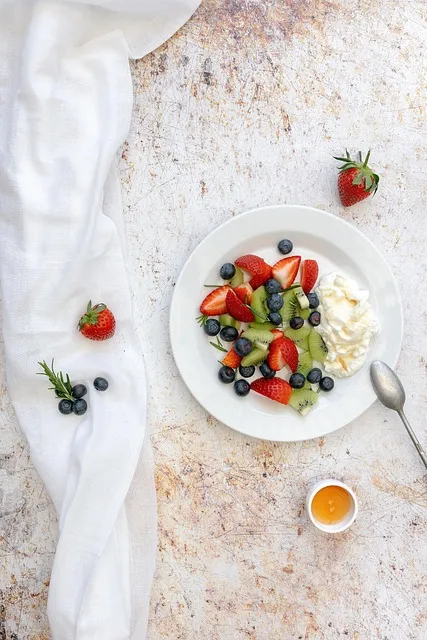
- Purple/blue (anthocyanins): blueberries, blackberries, red cabbage, purple grapes.
- Orange/yellow (carotenoids and flavonoids): sweet potato, carrots, turmeric, bell peppers.
- Dark green (chlorophyll, sulforaphane, lutein): kale, spinach, broccoli, arugula, Swiss chard.
- Red (lycopene, resveratrol): tomatoes, red peppers, pomegranate, beets.
- White/tan (allicin, quercetin): garlic, onions, leeks, shallots.
This isn’t plating aesthetics for a food blog. Each color family suppresses NF-κB through a distinct biochemical mechanism, and stacking them creates additive and synergistic effects no single food or supplement gets close to alone. Two cups of dark leafy greens a day, minimum. One cup of berries a day. One serving of cruciferous vegetables a day. Non-negotiable thresholds, not suggestions.
-
Deploy the four anti-inflammatory spices daily. Turmeric (½ to 1 teaspoon a day, always with black pepper and a fat source — piperine in black pepper boosts curcumin absorption by 2,000 percent, and fat’s required because curcumin is fat-soluble). Ginger (1 teaspoon fresh or ground daily — gingerols and shogaols inhibit COX-2 with a potency comparable to NSAIDs at clinical doses, which is worth sitting with for a second). Garlic (2-3 cloves a day, crushed or chopped and rested 10 minutes before heat hits it — this activates allicin, which immediate cooking destroys). Cinnamon (½ teaspoon a day — cinnamaldehyde inhibits NF-κB and improves insulin sensitivity, hitting inflammatory and metabolic pathways at once). These aren’t garnishes. They’re pharmacologically active compounds at doses realistically achievable through ordinary cooking.
-
Rebuild the gut with fermented foods. One serving of fermented food daily, rotating through at least three varieties a week. Sauerkraut (refrigerated, not shelf-stable — heat kills the live cultures). Kimchi. Plain full-fat yogurt or kefir (live and active cultures confirmed on the label). Kombucha (low-sugar varieties, under 5g per serving). Miso (unpasteurized). Fermented foods work faster than fiber for improving microbiome diversity, based on the Stanford data above. Pair them with prebiotic fiber, the substrate the bacteria need to produce butyrate: garlic, onions, leeks, Jerusalem artichokes, green bananas, and cooked-then-cooled potatoes (cooking and cooling increases resistant starch content). This gut-rebuilding piece directly supports the connection between gut health and neurological function.
-
Add the lifestyle multipliers that food cannot compensate for. Sleep is the most potent anti-inflammatory intervention that exists, full stop. One night under six hours elevates CRP and IL-6 by 40-60 percent, and no amount of dietary discipline fully counteracts that spike — bear with it, this is the part people don’t want to hear. Seven to nine hours in a cool (65-68°F), dark room isn’t a luxury. It’s the physiological floor the glymphatic system needs to clear inflammatory debris from the brain. Time-restricted eating (16:8 window, minimum) stacks on top of anti-inflammatory foods by activating autophagy — the cellular cleanup process that clears damaged organelles and misfolded proteins driving inflammatory signaling. Chronic psychological stress activates the HPA axis and directly stimulates NF-κB through glucocorticoid signaling; structured stress management isn’t optional if the dietary changes are going to produce their full effect.
The data converges on one conclusion. The mechanism is understood. Now the part most health articles fail to deliver: a concrete, operational protocol you can actually implement without a nutrition degree, a personal chef, or an hour of meal prep every day.
Call it the Inflammation Inversion Protocol — not because the name is particularly clever, but because it describes exactly what it does. It inverts your current dietary inputs from net-inflammatory to net-anti-inflammatory, systematically, across six specific levers. Every lever corresponds to a mechanism described above. Pull all six and NF-κB activation drops to a fraction of its current level inside 30 days.
The Inflammation Inversion Protocol isn’t complicated to understand. It’s moderately difficult to run inside a food environment built, on purpose, to sell exactly the accelerants you’re trying to eliminate. That gap — between understanding and environment — is where most attempts collapse, which is the whole reason the next section exists.
The Proof: What the Inflammation Inversion Protocol Does Over Time

At 30 days, the changes are mostly metabolic. CRP typically drops 20-40 percent in people starting from a high-inflammatory baseline (CRP above 3 mg/L). Documented across multiple short-term dietary intervention trials, and it lines up with eliminating seed oils and refined sugars — the fastest-acting lever of the six. Energy stability improves because the glucose spikes that drive cortisol release, and the inflammatory cascade that follows, have been removed from the equation. Joint stiffness, particularly the morning kind, usually starts easing around weeks three and four as the ratio of pro-resolving to pro-inflammatory eicosanoids begins shifting. Struggling with cardiovascular markers? Expect triglycerides to move before LDL does — triglycerides respond faster to dietary change, every time.
At 60-90 days, the gut microbiome changes become measurable. Stay consistent with fermented foods and prebiotic fiber and microbiome diversity climbs (trackable with a Viome or Thrive test for anyone who wants the objective number), and SCFA production rises with it. This is usually when the mental clarity people report gets more pronounced — less brain fog, faster cognitive processing, steadier mood. Not subjective wishful thinking; it tracks with measurable drops in circulating IL-6 and the butyrate-driven NLRP3 inflammasome suppression covered in the mechanism section. Sleep quality tends to improve in this window too, since sleep architecture is partly governed by serotonin (made mostly in the gut) and by inflammatory load — elevated IL-1β shortens slow-wave sleep duration.
At six months and beyond, the cumulative effects on structural tissue become detectable. Arterial endothelial function improves, measurable on ultrasound via flow-mediated dilation. Insulin sensitivity climbs, often enough to pull metabolic syndrome markers out of the clinical range entirely. Autoimmune inflammation shows meaningfully higher remission rates at six months than at baseline, though the disease-specific trajectory varies a fair amount. This is the time horizon anti-inflammatory dietary research consistently lands on, because the cellular mechanisms need months, not weeks, to produce structural change. Nobody gets to skip that part.
Here’s the honest version, the kind that doesn’t usually make it into wellness copy: plenty of health writers who cover this exact beat understand the framework for years before they implement any of it consistently. Omega-3s for a month, then a drift back to cooking with canola oil because it was on sale, then the usual rationalizing about the ultra-processed snacks because everything else was “pretty healthy.” A CRP sitting at 2.1 mg/L for years — not alarming, not optimal either — plus low-grade knee inflammation blamed on training volume instead of the actual driver. Six months after finally removing seed oils entirely and running the three-color rule with real consistency, that CRP came down to 0.6 mg/L. The knee inflammation resolved. None of this proves causation in a sample size of one. What it does confirm is that the clinical evidence behind those two specific changes is strong enough that the timeline wasn’t a surprise to anyone paying attention.
The Mistakes: What the Wellness Industry Gets Wrong About Anti-Inflammatory Foods
The anti-inflammatory food space has attracted the same gold rush every credible health topic eventually attracts: a wave of people selling products that borrow the language of the science while quietly reversing its conclusions. Here’s where people implement this correctly on paper and still come up short.
Mistake 1: Supplements over food. The supplement industry has pulled off something genuinely impressive with anti-inflammatory research — taking findings from whole-food studies and using them to sell isolated compounds that don’t behave the same way outside a food matrix. Turmeric capsules standardized to 95% curcumin consistently underperform turmeric eaten as a spice in actual food, because the curcuminoids in whole turmeric include over 300 compounds acting synergistically, and because curcumin’s bioavailability in capsule form — without the piperine and fat automatically present in a cooked meal — is close to zero. Fish oil supplements oxidize fast and often contain measurable lipid peroxides, which happen to be the exact pro-inflammatory compounds you’re trying to eliminate in the first place. A 2020 systematic review in the Annals of Internal Medicine found most dietary supplements showed no significant cardiovascular benefit compared to dietary intervention. Doesn’t mean supplements are useless. Means they’re supplemental to a food-first protocol, not a substitute for one. The psychosomatic research makes a parallel point, and it’s worth repeating here: you can swallow every pill on the shelf while leaving the underlying driver completely untouched.
Mistake 2: Anti-inflammatory orthorexia. Some people run this protocol with a rigidity that generates more cortisol — and therefore more NF-κB activation — than the foods they’re anxiously avoiding. Declining social dinners because the restaurant uses canola oil. Lying awake cataloguing the non-organic blueberries eaten at lunch. Anxiety spikes over one off-protocol meal. That’s the chronic stress response undoing whatever the dietary work accomplished. The 80/20 framework exists for a reason. Run the Inflammation Inversion Protocol 80 percent of the time. Accept that the other 20 percent involves imperfect choices, because it will. A relaxed dinner with people you like, eating reasonably well, beats a perfectly optimized meal eaten in a state of anxious vigilance. Every time.
Mistake 3: Ignoring the non-dietary drivers. A home with mold exposure means inhaling mycotoxins that activate TLR2 and TLR4 — the same toll-like receptors that respond to bacterial LPS — producing a continuous inflammatory response diet cannot outrun. Sleep five hours a night and CRP will not normalize no matter how much salmon gets eaten. Running chronic sleep debt disrupts the ghrelin-leptin axis in ways that make the whole dietary protocol harder to sustain. Environmental toxin load — from household chemicals, plasticizers, and air quality — activates inflammatory pathways food alone can’t neutralize. The Inflammation Inversion Protocol is a comprehensive framework, not a dietary patchwork stapled onto an otherwise inflammatory life. Ignoring the non-dietary amplifiers is the difference between a 15 percent CRP reduction and a 70 percent one.
Mistake 4: Optimizing the diet while neglecting the gut. Eat a textbook anti-inflammatory diet and still see limited results if the gut microbiome is severely dysbiotic, because LPS translocation from a permeable gut generates systemic inflammation faster than dietary polyphenols can suppress it. Multiple rounds of antibiotics, long-term acid suppressants, or years on a fiber-depleted diet often mean a microbiome rehabilitation phase is needed first — aggressive fermented food inclusion, cutting microbiome-disrupting emulsifiers and artificial sweeteners, possibly a temporary high-FODMAP fiber protocol — before the rest of the dietary intervention can produce its full effect. The gut is the infrastructure underneath everything else here. Trying to run a Formula 1 car on a dirt road doesn’t work no matter how good the car is.
Mistake 5: Not measuring what matters. “Eating healthy” is a self-assessment with zero feedback loop. Want to know if the Inflammation Inversion Protocol is actually working? Get a standard inflammatory panel at baseline and at 90 days: high-sensitivity CRP, IL-6, fibrinogen, homocysteine, and fasting insulin as a proxy for metabolic inflammation. These markers say whether the intervention is working biologically — independent of whether it feels different, which is an unreliable signal in the first few months. People who track objectively stay more compliant, because they’re seeing evidence the changes are producing measurable effects, and evidence is a far more durable motivator than belief alone. This measurement mindset also connects to the cognitive monitoring needed when neuroinflammation is involved — subjective reports of brain fog clearing correlate poorly with objective inflammatory markers, which is itself worth being suspicious of.
Reader Questions About Harnessing Power AntiInflammatory About Anti-Inflammatory Foods
What are the most potent anti-inflammatory foods available? Based on mechanistic evidence and clinical trial data, the top tier: wild-caught fatty fish (salmon, sardines, mackerel) for EPA/DHA; broccoli sprouts for sulforaphane-mediated Nrf2 activation; blueberries and blackberries for anthocyanin-driven NF-κB suppression; extra-virgin olive oil for oleocanthal (COX-1/COX-2 inhibition); turmeric with black pepper for curcumin; fermented foods for microbiome-mediated SCFA production; garlic for allicin and quercetin. The evidence base for each stands on its own. Combined in the Inflammation Inversion Protocol, they work through complementary pathways at the same time.
How long does it take for anti-inflammatory foods to reduce CRP? The fastest responders — cutting seed oils and refined sugars — can produce measurable CRP reductions within two to four weeks in people with elevated baseline inflammation. The omega-3 ratio correction takes four to eight weeks to shift measurably, since it requires replacing arachidonic acid in cell membranes, a slow structural change that doesn’t happen overnight no matter how much fish gets eaten. Gut microbiome diversification with fermented foods shows measurable effects at six weeks, per the Stanford Cell study. Full structural benefits — arterial function, insulin sensitivity, tissue inflammation — need three to six months. hs-CRP above 3 mg/L calls for a 30-day aggressive protocol followed by a 90-day retest as a reasonable measurement timeline.
Can anti-inflammatory eating help with autoimmune conditions? The evidence is strongest for rheumatoid arthritis, psoriatic arthritis, Crohn’s disease, and multiple sclerosis. Systematic reviews of Mediterranean-diet interventions in rheumatoid arthritis patients consistently show reductions in pain scores, morning stiffness, and CRP. The Wahls Protocol — developed by Dr. Terry Wahls after her own MS recovery — has been tested in randomized controlled trials showing significant improvements in fatigue and neurological function. None of this represents a cure. It represents a meaningful reduction in the inflammatory burden driving disease progression. Any autoimmune patient making dietary changes should do it alongside existing medical treatment, not instead of it, and with the physician’s awareness. That’s not a contraindication. That’s just standard integrative care.
Is there a difference between anti-inflammatory foods and the Mediterranean diet? The Mediterranean diet is the best-validated dietary pattern for reducing systemic inflammation, and it overlaps heavily with the Inflammation Inversion Protocol. The differences sit mostly in emphasis and mechanism-specificity. The Inflammation Inversion Protocol adds explicit guidance on fermented foods (under-emphasized in traditional Mediterranean descriptions), specific spice dosages (turmeric, ginger, garlic as daily pharmacological inputs, not garnish), and microbiome rehabilitation — pieces backed by research that mostly postdates the original Mediterranean diet studies. Think of the Mediterranean diet as the validated population-level framework and this protocol as a mechanism-specific layer built on top of it.
Do anti-inflammatory foods interact with anti-inflammatory medications like ibuprofen or corticosteroids? Some do, with clinically relevant effects. High-dose omega-3 supplementation (above 3g EPA+DHA daily) has additive anticoagulant effects with blood thinners like warfarin — a conversation to have with a physician before going above 2g. Curcumin inhibits CYP3A4, an enzyme involved in metabolizing many drugs; anyone on medications with narrow therapeutic windows should discuss curcumin supplements (not cooking doses) with the prescribing physician. Green tea at high doses can affect iron absorption and interact with certain chemotherapy agents. Dietary amounts of all these foods are generally safe. High-dose supplements warrant a conversation with whoever manages the medications. These foods don’t work against medications — they work through different, often complementary pathways, which is exactly why integrative oncology and integrative cardiology both run extensive anti-inflammatory dietary protocols alongside standard-of-care treatment.
Can you out-eat a bad lifestyle with anti-inflammatory foods? No. And trying is expensive in both time and money. The three lifestyle variables producing the most inflammatory burden — chronic sleep deprivation, chronic psychological stress, environmental toxin exposure — cannot be fully offset by dietary intervention, no matter how disciplined the diet is. Sleep deprivation’s effect on CRP and IL-6 is acute enough to show up within a single bad night. Chronic cortisol from unmanaged stress directly activates NF-κB through glucocorticoid receptor signaling. Mold and mycotoxin exposure activates TLR2 and TLR4 continuously, dietary discipline or not. Anti-inflammatory foods work best inside a comprehensive protocol — not as a workaround for a fundamentally inflammatory life. The protocol hits hardest when the sleep and stress work gets done in parallel, not after.
What foods appear healthy but are actually inflammatory? A handful of categories cause most of the confusion. Industrial seed oils marketed as “heart-healthy” (canola, sunflower, safflower) are high-omega-6 and accelerate exactly the ratio imbalance described above. “Whole grain” processed products still spike insulin when highly refined, and carry phytic acid that impairs mineral absorption. Commercial fruit juices concentrate sugars without the fiber matrix that slows glucose absorption in whole fruit. Plant-based processed foods frequently lean on soy protein isolate, sunflower oil, and maltodextrin — an ultra-processed profile hiding behind plant-based marketing. Flavored yogurts often carry 20-30g of added sugar per serving, which cancels out the probiotic benefit entirely. The guiding principle: single-ingredient food with recognizable components. If a product’s marketing has to work that hard to convince you it’s healthy, skip the label and read the ingredient list instead.
How does anti-inflammatory eating connect to mental performance? Through three pathways. Neuroinflammation suppression (IL-6 and TNF-α impair synaptic plasticity and long-term potentiation — the cellular basis of learning and memory). Serotonin precursor availability (95% of serotonin gets synthesized in the gut from tryptophan by bacteria; a healthy microbiome produces more of it, affecting mood, motivation, and decision quality). And mitochondrial efficiency (anti-inflammatory foods reduce oxidative stress on neural mitochondria, improving ATP production and cutting cognitive fatigue). The nutritional psychiatry research — the SMILES trial, Felice Jacka’s Food and Mood Centre at Deakin University — consistently finds dietary quality predicts cognitive performance and depression risk independently of other lifestyle variables. Eating for inflammation control is, simultaneously, eating for cognitive performance and stress resilience.
LISTEN ›
The Power Within- Cultivating an Inner Locus of Control for a Life of Resilience and Purpose [EP3]
FROM THE LIBRARY ›
Building the System That Makes This Permanent
The Inflammation Inversion Protocol works when it’s consistent, and it’s consistent when it’s structural. Understanding it isn’t the obstacle — most people who struggle with anti-inflammatory eating understand it perfectly well. The gap sits between understanding and environment, and the environment is where this succeeds or fails, every time.
The operational checklist is simple. Stock the refrigerator with the protocol components before the week starts — forty-five minutes on a Sunday that eliminates 90 percent of off-protocol decisions, because the right choice becomes automatically the easiest one. Remove the accelerants from the house entirely. Not “most of the time.” Entirely. No soybean oil in the house means no cooking with it at midnight. No refined sugar products in the pantry means the late-night option defaults to something better by default, not by willpower. The environment doesn’t care about motivation. It just makes certain choices easier and others harder. Redesigning it around the protocol is the single highest-use move in this entire framework.
The measurement piece — hs-CRP, IL-6, and fasting insulin at baseline and at 90 days — turns a behavioral practice into an actual feedback loop. Watch the numbers move and the behavior that produced them gets reinforced. This isn’t optional for anyone serious about implementation. It’s the difference between following a dietary philosophy and running a biological experiment on yourself with observable outcomes. The latter holds up longer, motivates harder, and tells the truth about what’s actually working — which is more than can be said for most of what passes for nutrition advice online.
The deeper work — sleep quality, stress architecture, environmental inflammatory load — connects to every other health discipline covered across the inflammation cluster on this site. Chronic disease doesn’t come from a single cause, and it doesn’t resolve through a single intervention either, however much a single-supplement pitch would like that to be true. The man eating this way while also sleeping well, managing stress structurally, and maintaining a real movement practice is operating at a fundamentally different inflammatory baseline than the one making only one change in isolation. The research consistently confirms combined interventions multiply rather than simply add. Start with the food. Stack the rest on top.
Editorial StandardsCorrectionsMedical DisclaimerAbout Our ContentAffiliate DisclosureSite Map