
In the summer of 2018, Frank Madeo received an unusual phone call. Madeo runs a laboratory at the University of Graz in Austria and had spent the previous decade studying spermidine — a naturally occurring polyamine found in virtually every living cell — and its remarkable effects on lifespan in organisms ranging from yeast to mice.
His research had shown that spermidine extended lifespan across multiple species, induced autophagy more potently than almost any other natural compound, and reduced inflammation and cardiovascular dysfunction in aged mice. The call was from a journalist at Nature who wanted to talk about what Madeo thought about spermidine for human longevity.
The conversation that followed was, by Madeo’s account, simultaneously exciting and frustrating — the mechanisms were so compelling and the animal evidence so consistent, but the human evidence was still catching up. Five years later, that situation has substantially improved.
Spermidine is not a household name in longevity circles the way resveratrol or NMN are, partly because it lacks a single compelling backstory and partly because the commercial ecosystem around it is still developing. But the science supporting it is, in many ways, more mechanistically coherent and cross-species consistent than either of those better-known compounds. Here’s why.
What Spermidine Is: Chemistry and Natural Sources
Spermidine is a polyamine — a molecule with multiple amine groups — with the chemical formula NH2(CH2)3NH(CH2)4NH2. It was first isolated from human seminal fluid in 1678 (hence the name, from the Latin “sperma”) and for centuries was known only as a component of semen. Its biology remained mysterious until the twentieth century, when biochemists recognized it as a ubiquitous cellular constituent with essential roles in nucleic acid structure and function.
The polyamine family includes three main members in mammals: putrescine (the simplest, also somewhat disgracefully named), spermidine (intermediate), and spermine (the largest). They are biosynthesized from the amino acid ornithine through a pathway involving several well-characterized enzymes. Spermidine synthase converts putrescine to spermidine; spermine synthase converts spermidine to spermine.
The entire pathway is tightly regulated at multiple levels because polyamine concentrations must be maintained within a fairly narrow range — too little impairs cell growth and function, too much is cytotoxic.
Dietary spermidine comes from a diverse range of whole foods. The richest sources are wheat germ (which contains approximately 243 micromoles of spermidine per gram, making it extraordinarily concentrated), followed by mature cheeses (particularly aged Gouda), mushrooms (especially shiitake and portobello), soybeans and other legumes, broccoli, cauliflower, green peas, and mangoes. Fermented foods — particularly fermented soy products like natto and tempeh, and fermented dairy products — are also excellent sources because fermentation bacteria actively produce polyamines.
Wheat germ is genuinely exceptional in this regard. Two tablespoons of wheat germ provides roughly the same spermidine as the typical daily intake from a Western diet. This may explain, in part, why traditional dietary patterns that include whole grain wheat products have epidemiological associations with longevity that are difficult to attribute solely to fiber, micronutrients, or glycemic index.
The Autophagy Mechanism: How Spermidine Extends Life
The discovery of spermidine’s life-extending properties, published by Eisenberg, Madeo, and colleagues in Nature Cell Biology in 2009, emerged from a systematic screen of metabolites that could induce autophagy in yeast. The researchers weren’t specifically looking for longevity compounds — they were trying to understand the biochemical triggers of autophagy.
Spermidine emerged as a potent autophagy inducer, and subsequent testing showed that this autophagy induction translated to lifespan extension — in yeast, in flies, and in worms — all confirmed in a single paper.
The mechanism they identified was initially surprising. Spermidine does not inhibit mTOR, the most intuitive way to induce autophagy. Instead, it inhibits a specific acetyltransferase enzyme — EP300 (E1A-binding protein, 300 kD), a histone acetyltransferase (HAT) that acetylates histones and multiple cytoplasmic autophagy proteins. By inhibiting EP300, spermidine prevents the acetylation of autophagy-initiating proteins including LC3, ATG5, ATG7, and ATG12, keeping them in their deacetylated, active state.
Deacetylated ATG proteins are required for autophagosome formation — the vesicle assembly that captures cellular cargo for lysosomal degradation.
Subsequent work clarified that spermidine’s autophagy-inducing effect operates through a pathway that is at least partially independent of mTOR. This independence is significant because it means spermidine can induce autophagy even in conditions (like the post-meal period with high insulin and amino acids) when mTOR is active and would normally suppress autophagy. The spermidine and mTOR pathways appear to act in an additive or synergistic manner — combining mTOR inhibition with spermidine produces greater autophagy induction than either alone.
This has implications for how to combine interventions: adding spermidine-rich foods to a fasting protocol (where mTOR inhibition is already occurring) likely produces more strong autophagy induction than either eating spermidine-rich foods in a fed state or fasting without spermidine.
The specific targeting of mitophagy — the selective autophagy of damaged mitochondria — by spermidine is worth highlighting. A 2019 study by Lautrup and colleagues showed that spermidine induces mitophagy specifically in mouse cardiac muscle through PINK1/Parkin pathway activation, and that this mitophagy induction is required for the cardioprotective effects of spermidine in aged mice. The PINK1/Parkin pathway is the primary quality-control system for identifying and targeting depolarized (damaged) mitochondria for mitophagic removal.
Spermidine appears to prime this system, improving the efficiency with which damaged mitochondria are cleared and replaced — maintaining a higher-quality mitochondrial pool in aged tissues.
Cardiovascular Effects: The Heart of the Evidence
The most compelling human evidence for spermidine’s longevity benefits comes from cardiovascular research, both epidemiological and clinical. Cardiovascular disease is the leading cause of death in most industrialized countries, and its prevention is therefore where longevity interventions have the clearest potential for measurable impact on lifespan.
A landmark 2018 study by Kiechl and colleagues, published in Nature Medicine, examined dietary spermidine intake and cardiovascular outcomes in the Bruneck cohort — a prospective study of adults in Bruneck, Italy, followed for twenty years. Higher dietary spermidine intake was associated with significantly lower all-cause mortality and significantly lower cardiovascular mortality in a dose-dependent fashion, after adjustment for multiple confounders including age, sex, smoking, physical activity, total caloric intake, and other dietary factors.
The magnitude of the association was substantial: individuals in the highest tertile of dietary spermidine intake had roughly 40% lower cardiovascular mortality than those in the lowest tertile over twenty years of follow-up.
The Kiechl study is observational and cannot establish causation, but several biological mechanisms plausibly link dietary spermidine to cardiovascular protection. Spermidine induces autophagy in cardiac myocytes and endothelial cells, maintaining the quality of mitochondria and contractile proteins in the heart. It reduces arterial stiffness — a major contributor to cardiovascular risk — through mechanisms involving improved endothelial function and reduced cross-linking of collagen in vessel walls. It suppresses platelet aggregation, reducing thrombotic risk.
It has direct anti-inflammatory effects through autophagy-mediated clearance of NLRP3 inflammasome components and through reduction of the mitochondrial ROS that activates NF-kB.
A small randomized controlled trial published in Cell Research in 2021 by Wirth and colleagues examined the cardiovascular effects of spermidine supplementation (1.2mg/day of spermidine-rich plant extract) in older adults at risk for cognitive decline. After three months, the treated group showed improvements in cognitive function AND reductions in several cardiovascular risk markers including blood pressure and platelet aggregation markers. This was primarily designed as a cognitive trial but documented cardiovascular signals consistent with the epidemiological evidence.
Cognitive Effects: Protecting the Aging Brain

A 2019 study by Metur and colleagues at Madeo’s lab showed that dietary spermidine supplementation in aged mice reduced hippocampal neuroinflammation, maintained hippocampal neurogenesis (the production of new neurons in the dentate gyrus), and improved memory performance in behavioral tests. The neuroinflammation reduction appeared to be mediated through autophagy-dependent clearance of inflammatory components including mitochondrial DAMPs (damage-associated molecular patterns) that are released by dysfunctional mitochondria and activate microglial inflammatory responses.
In humans, a pilot randomized controlled trial published in Cortex in 2018 by Wirth and colleagues enrolled older adults with subjective cognitive decline (a risk factor for Alzheimer’s disease, representing the early symptomatic stage before frank cognitive impairment) and supplemented them with spermidine-rich plant extract or placebo for three months.
The treated group showed significant improvements in memory performance — specifically in mnemonic discrimination tasks (the ability to distinguish between similar memories), one of the earliest cognitive functions to decline in aging. The effect size was moderate but statistically significant in a relatively small trial, providing proof-of-concept for spermidine’s cognitive benefits in aging humans.
“The evidence for spermidine’s effects on autophagy is mechanistically cleaner than almost any other natural compound we’ve studied. It’s not that it has one effect on one pathway — it hits multiple autophagy regulatory points simultaneously, producing more strong and consistent induction than compounds that work through a single mechanism.”
— Based on Frank Madeo’s published statements and research summaries on spermidine biology
Immune Function and Spermidine: The Rejuvenation Angle
One of the most fascinating directions in spermidine research involves its ability to rejuvenate aging immune function — a phenomenon that has direct practical implications given that immunosenescence (age-related immune decline) contributes to increased infection vulnerability, reduced vaccine responsiveness, reduced cancer immunosurveillance, and the chronic inflammation (inflammaging) that drives multiple age-related diseases.
Polyamines, particularly spermidine, are required for T cell proliferation. When T cells are activated by antigen exposure, they must rapidly expand their numbers through multiple rounds of cell division. This expansion requires strong polyamine synthesis — rapidly dividing cells need spermidine for the ribosomal biogenesis and translation machinery that supports the high protein synthetic demands of proliferation. In aged T cells, polyamine synthesis pathways are less efficient, and the proliferative response to antigen stimulation is consequently blunted.
A remarkable 2021 study by Alsaleh and colleagues, published in Nature Aging, demonstrated that spermidine supplementation specifically restored the proliferative capacity of aged naive T cells by supporting the translation of proteins required for T cell metabolism during activation. The mechanism involved spermidine’s activation of eIF5A — a translation elongation factor that requires hypusination (a post-translational modification that requires spermidine as a substrate) for its function.
Hypusinated eIF5A enhances the translation of mitochondrial proteins required for the metabolic reprogramming of T cells during activation. In aged T cells with reduced polyamine availability, eIF5A hypusination is impaired, the metabolic reprogramming of activation is blunted, and T cell expansion is reduced. Spermidine supplementation restored eIF5A hypusination in aged T cells and recovered their proliferative response to levels approaching young adult T cells.
This T cell rejuvenation mechanism is important not just for infection defense but for vaccine responsiveness. The failure of vaccines to produce strong immune responses in older adults — a well-recognized clinical problem with flu, pneumococcal, and COVID vaccines — is substantially attributable to impaired naive T cell expansion upon vaccination. If spermidine can restore naive T cell proliferative capacity, it may improve vaccine responsiveness in older adults, providing a practical clinical benefit that is both measurable and medically important.
Spermidine Levels Decline With Age (And Why That Matters)
One of the important features of spermidine’s longevity biology is that endogenous spermidine levels decline dramatically with age in multiple tissues and in blood. Studies across multiple species — including humans — have documented 30-60% reductions in tissue spermidine concentrations in elderly individuals compared to young adults.
This decline occurs for several reasons: reduced dietary intake of polyamine-rich foods in older adults, reduced intestinal absorption efficiency, reduced endogenous synthesis through decreased ornithine decarboxylase activity (the rate-limiting enzyme in polyamine synthesis), and reduced gut microbiome production of spermidine (since gut bacteria are a significant source of dietary spermidine).
The decline in endogenous spermidine production creates a situation where dietary spermidine becomes increasingly important as a proportion of total spermidine availability with advancing age. In young people, the combination of strong endogenous synthesis and dietary intake maintains adequate tissue spermidine concentrations.
In older people, the decline in endogenous synthesis means dietary intake must compensate more significantly, and supplementation with spermidine or spermidine-rich foods can produce meaningful absolute increases in tissue concentrations rather than simply adding to an already-adequate pool.
The gut microbiome dimension is particularly relevant here. Gut bacteria — including species in the Bifidobacterium, Lactobacillus, E. coli, and Prevotella genera — produce spermidine and other polyamines from dietary substrates. The luminal concentration of spermidine in the gut exceeds blood concentrations by a factor of 100-1000, and intestinal absorption of gut-derived spermidine contributes meaningfully to systemic spermidine availability.
Age-related dysbiosis — the shift toward less polyamine-producing bacterial species that accompanies aging — therefore reduces one of the major sources of systemic spermidine. Supporting a spermidine-producing microbiome through high-fiber, diverse plant-food intake thus contributes to spermidine status through a pathway distinct from direct dietary spermidine consumption.
Practical Dietary Strategies to Maximize Spermidine Intake
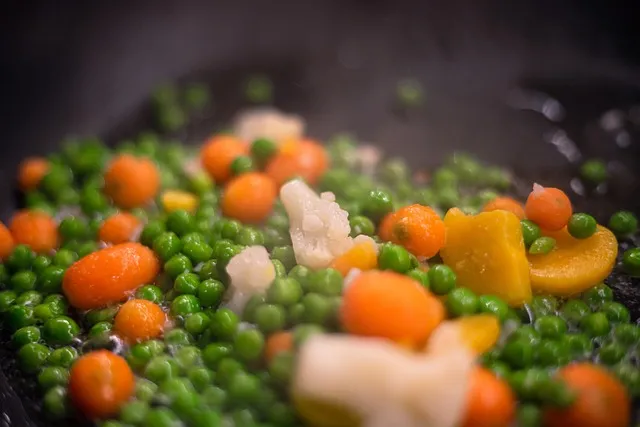
- Wheat germ: The clear leader in spermidine density. Two tablespoons sprinkled on yogurt or oatmeal provides approximately 30-60mg of spermidine — more than most people’s entire daily intake. Look for raw wheat germ (the heat-treated variety may have somewhat reduced polyamine content from enzymatic destruction during processing).
- Aged and fermented cheeses: Aged Gouda, cheddar, and Parmesan are particularly rich in spermidine. The aging process produces polyamines through bacterial activity. Fresh cheeses (ricotta, mozzarella) have much lower spermidine content than aged varieties.
- Mushrooms: Shiitake, portobello, and oyster mushrooms are excellent sources. Cooking preserves spermidine well — the compound is heat-stable under normal cooking conditions.
- Legumes: Soy-based products (particularly natto, tempeh, and miso), along with lentils, chickpeas, and peas, provide substantial spermidine. Fermented soy products (natto especially) have higher spermidine than unfermented soy.
- Cruciferous vegetables: Broccoli, cauliflower, Brussels sprouts, and kale provide moderate spermidine along with their other longevity-relevant compounds (sulforaphane, glucosinolates).
- Mangoes: Among fruits, mangoes have unusually high spermidine content. One cup of mango provides a meaningful portion of daily spermidine intake.
A dietary pattern that regularly includes wheat germ, aged cheese or fermented soy, mushrooms, legumes, and cruciferous vegetables would likely provide 5-10mg of dietary spermidine daily — substantially above the 3-4mg average intake in most Western populations. The Bruneck cohort data suggests that these levels of intake are in the range where cardiovascular mortality benefits become apparent.
Reader Questions About Spermidine Chemistry Natural About Spermidine
Q: How does spermidine compare to fasting for autophagy induction?
The mechanisms are distinct and largely complementary. Fasting induces autophagy primarily through mTOR inhibition and AMPK activation. Spermidine induces autophagy through EP300 acetyltransferase inhibition, maintaining autophagy protein deacetylation. The two pathways can be activated simultaneously, and research suggests the combination produces more strong autophagy than either alone. The practical advantage of spermidine is that it can enhance autophagy even during the fed state, when mTOR is active and would otherwise suppress autophagy.
This means consuming spermidine-rich foods with meals doesn’t require fasting to get autophagy benefits — an important practical advantage for people who find extended fasting difficult.
Q: Is it safe to take spermidine supplements?
Spermidine is a natural constituent of every food we eat and of our own cells. Commercial spermidine supplements derived from wheat germ have been used in clinical trials without safety concerns at doses of 1-1.5mg per day. Higher doses have not been tested in formal human safety trials, but polyamines are metabolized efficiently and no toxicity signals have emerged from the research using food-derived spermidine.
The main theoretical concern is that polyamines, as growth promoters, could support cancer cell proliferation in individuals with undetected cancers — a concern that applies at supraphysiological concentrations and is unlikely to be relevant at dietary and moderate supplemental doses.
Q: Does cooking destroy spermidine in food?
Spermidine is relatively heat-stable and is not significantly destroyed by normal cooking temperatures and times. Steaming, sautéing, and baking preserve most of the spermidine in vegetables and mushrooms. Prolonged boiling in water can leach spermidine into the cooking liquid, which is then discarded — suggesting that steaming or minimal-water cooking methods are preferable for preserving spermidine in vegetables. Fermented foods retain and typically accumulate spermidine during fermentation regardless of temperature considerations.
Q: Can spermidine supplementation actually extend human lifespan?
No human trial has yet measured longevity as a primary endpoint for spermidine — such a trial would require decades of follow-up. What the evidence shows is that spermidine activates autophagy in human cells and tissues, reduces cardiovascular disease markers, improves cognitive function in early aging, and improves immune function in specific measured endpoints. The epidemiological evidence from the Bruneck cohort shows a prospective association between spermidine intake and reduced cardiovascular mortality.
Whether these effects translate to meaningful extension of human lifespan or health span requires longer follow-up than currently available. The weight of mechanistic and short-term clinical evidence suggests it will, but honesty requires acknowledging what has and hasn’t been proven.
Q: How does spermidine relate to the gut microbiome?
The relationship runs both ways. Gut bacteria produce spermidine from dietary substrates including fiber and amino acids, contributing meaningfully to systemic spermidine availability — potentially 20-30% of circulating spermidine originates from microbial synthesis. Dietary patterns that support spermidine-producing gut bacteria (high fiber, diverse plant foods) therefore enhance spermidine status through this route.
Conversely, spermidine appears to support gut barrier integrity and the health of the intestinal epithelium, and may influence gut microbiome composition by supporting proliferating intestinal stem cells that maintain the epithelium. This two-way relationship means dietary patterns optimized for gut microbiome health are likely to produce higher spermidine status, and spermidine supplementation may also improve gut health — making the two interventions mutually reinforcing.
The phone call Frank Madeo received in 2018 was premature — the human evidence was still too preliminary to translate directly into clinical guidance. The situation today is meaningfully different. Multiple randomized trials, a large prospective cohort study, and a growing body of mechanistic evidence across multiple human cell types and age-related pathologies have built a case for spermidine that is, while not definitive, compelling in its consistency and its cross-system coherence.
What makes spermidine intellectually interesting beyond its specific effects is what it represents conceptually: an autophagy activator that is food-derived, present in the body naturally, increasingly deficient with age, and replaceable through diet. The story of its discovery — in a screen for metabolites that could induce autophagy — is a reminder that the body’s own biochemistry contains molecular tools for longevity that were there all along, waiting to be recognized.
The task of longevity science, in part, is to identify which of the body’s own molecules are declining with age and why, and to restore them through means as close to the original biology as possible. Spermidine is one of the cleaner examples of this approach working as intended.
Spermidine and the Epigenetic Dimension
The EP300 acetyltransferase inhibition mechanism through which spermidine induces autophagy has an additional implication that’s rarely discussed: EP300 also acetylates histones, and its inhibition alters chromatin structure in ways that go beyond autophagy regulation. EP300 is one of the primary histone acetyltransferases responsible for depositing H3K27ac — the mark associated with active enhancers.
Its inhibition by spermidine therefore alters the histone acetylation landscape across the genome, potentially shifting gene expression in ways that overlap with the epigenetic changes associated with fasting and caloric restriction.
A 2020 study by Eisenberg and colleagues directly examined this epigenetic dimension, measuring histone acetylation patterns in yeast treated with spermidine and finding systematic reductions in H3K9ac, H3K14ac, and H4K8ac — the specific histone acetylation marks targeted by EP300 and its yeast homolog. The pattern of histone deacetylation produced by spermidine treatment closely resembled the pattern observed during yeast fasting and caloric restriction, providing direct molecular evidence that spermidine mimics aspects of caloric restriction at the epigenetic level.
In mammals, the EP300 inhibition by spermidine may also affect DNA methylation indirectly. EP300 acetylates TET2 (the DNA demethylase discussed in the epigenetic reprogramming context), and EP300-mediated acetylation of TET2 regulates its activity and stability. Spermidine’s inhibition of EP300 might therefore alter TET2-mediated DNA demethylation patterns — though whether this produces net epigenetic aging retardation or other effects depends on context and has not been directly measured.
The intersection of spermidine with epigenetic regulation represents an understudied but potentially important dimension of its biology.
The broader principle here is that spermidine, by inhibiting EP300, functions not just as an autophagy inducer but as an epigenetic remodeler — shifting the balance of histone acetylation in directions that parallel the epigenetic changes associated with longevity-extending dietary and pharmacological interventions.
This epigenetic dimension may be one reason why spermidine’s effects span so many different biological systems and disease models: it’s not just clearing cellular garbage through autophagy but resetting the transcriptional programs of cells toward configurations associated with stress resistance and longevity.
Spermidine-Natto Synergy: The Fermented Food Connection
Natto — fermented soybeans produced through Bacillus subtilis fermentation — deserves special mention in the spermidine discussion because it represents one of the richest dietary sources of spermidine while simultaneously providing multiple other longevity-relevant compounds. The convergence of benefits in natto is striking enough that it may qualify as one of the most comprehensively beneficial longevity foods in the human diet.
Natto provides: high spermidine content (the fermentation process produces spermidine from soy substrates); vitamin K2 as menaquinone-7 (MK-7), the most bioavailable form of vitamin K2, which activates matrix Gla protein to prevent vascular calcification and activates osteocalcin for bone metabolism; nattokinase, an enzyme with direct fibrinolytic activity that reduces clot formation risk; probiotics from the live Bacillus subtilis cultures that contribute to gut microbiome health; and all the protein, fiber, and phytoestrogen benefits of soybeans themselves.
The combination of these factors may explain why natto consumption in Japan — where it is a staple food in many regions — is specifically associated with reduced cardiovascular mortality and longer lifespan compared to regions of Japan with lower natto consumption, even after controlling for other dietary and lifestyle factors.
From a spermidine-maximization standpoint, natto is uniquely valuable because the fermentation process both concentrates spermidine relative to raw soybeans and adds vitamin K2 that supports vascular health through mechanisms orthogonal to autophagy. Eating 50-100g of natto daily (the typical Japanese serving) would provide approximately 5-10mg of spermidine — a substantial dose by any comparison — along with the K2 and nattokinase benefits.
For those who can acquire and enjoy this strongly flavored food, it represents one of the most efficient longevity food choices from a nutrient density perspective.
For those who cannot tolerate natto’s distinctive smell and texture, aged cheese, wheat germ, and mushrooms remain excellent spermidine sources. Tempeh (fermented soybean cake) and miso (fermented soybean paste) provide the fermentation-associated spermidine boost of natto with more palatable flavors for Western tastes, though at somewhat lower spermidine concentrations than natto.
The fermented food category broadly is worth emphasizing here — the gut microbiome’s contribution to spermidine availability means that supporting gut bacteria with fermented foods enhances systemic spermidine status through the endogenous synthesis route as well as providing direct dietary spermidine.
The Hypusine-eIF5A Pathway: Spermidine’s Second Major Mechanism
The autophagy induction through EP300 inhibition is spermidine’s best-characterized mechanism, but a second distinct pathway — through hypusination of eIF5A — has emerged as equally important, particularly for immune function and cellular proteostasis.
Hypusine is an unusual amino acid found in only one known protein in the mammalian proteome: eIF5A (eukaryotic initiation factor 5A). Hypusine is synthesized post-translationally from a lysine residue in eIF5A using spermidine as the direct substrate — the aminobutyl group from spermidine is transferred to the lysine, and then hydroxylated, to form hypusine.
Hypusinated eIF5A is required for the translation of a specific subset of mRNAs — particularly those encoding proteins with difficult-to-translate sequences including stretches of consecutive proline residues. Many mitochondrial proteins, many proteins of the electron transport chain, and many proteins involved in cellular stress responses contain polyproline sequences and therefore depend on eIF5A-hypusine for efficient translation.
This makes spermidine availability a rate-limiting factor for the translation of mitochondrial proteins and stress response proteins — not just for autophagy, but for the maintenance and replenishment of the entire mitochondrial proteome. When spermidine levels decline with age, eIF5A hypusination becomes insufficient, the translation of mitochondrial proteins becomes bottlenecked at polyproline-containing sequences, mitochondrial complex assembly is impaired, and bioenergetic efficiency declines.
This is a completely distinct mechanism from antioxidant protection or autophagy induction, pointing to spermidine as a fundamental regulator of translational capacity for a critical subset of cellular maintenance proteins.
The Alsaleh study on T cell rejuvenation mentioned earlier found that the eIF5A-hypusine pathway specifically mediates the restoration of T cell metabolic reprogramming during activation. Aged T cells with impaired eIF5A hypusination cannot translate the electron transport chain proteins needed for the burst of oxidative phosphorylation that supports proliferating T cells — spermidine supplementation restored eIF5A hypusination and recovered this metabolic reprogramming capacity.
The same mechanism likely contributes to spermidine’s benefits in other highly proliferative and metabolically active cell types, including stem cells, activated immune cells, and neurons during periods of high activity.
Building a Spermidine-Optimized Lifestyle
Integrating the spermidine evidence into a practical lifestyle framework involves both dietary strategy and an understanding of how spermidine interacts with other longevity interventions.
- Maximize dietary spermidine: Build a dietary pattern around spermidine-rich foods — wheat germ as a daily add-in (2 tablespoons in yogurt or oatmeal), aged cheeses as a protein source, regular mushroom consumption, legumes as protein staples, and fermented soy products (natto, tempeh, miso) several times weekly. This dietary foundation can provide 6-10mg of daily spermidine — substantially above the Western average — without supplementation.
- Support gut spermidine production: High-fiber, diverse plant food intake feeds spermidine-producing gut bacteria. Include prebiotic-rich foods (onions, garlic, leeks, artichokes, asparagus, bananas) to support Bifidobacterium and other polyamine-producing species. This microbial route to spermidine represents a meaningful additional source that complements dietary spermidine.
- Consider spermidine supplementation: For people over 60 or those with diets low in spermidine-rich foods, commercial spermidine supplements (typically 1-1.5mg from standardized wheat germ extract) provide a convenient guaranteed dose. The dose used in human trials (1-1.2mg/day) is modest relative to what can be achieved through dietary optimization.
- Time spermidine-rich foods strategically: The combination of spermidine-induced autophagy (through EP300 inhibition) with fasting-induced autophagy (through mTOR inhibition) is likely synergistic. Consuming spermidine-rich foods in the first meal after a fasting period — when mTOR activation is occurring but spermidine-driven autophagy can maintain some autophagic flux — may produce a different and potentially more complete autophagic response than either fasting or spermidine-rich feeding alone.
- Maintain exercise: Exercise maintains the mitochondrial quality that gives spermidine-driven mitophagy appropriate targets to work on — dysfunctional mitochondria that need to be cleared. Without ongoing exercise to stress and partially damage mitochondria in ways that tag them for mitophagic removal, the mitophagy-enhancing effects of spermidine may have less to act on. The combination of exercise (creating mitochondrial stress and triggering PINK1/Parkin-mediated mitophagy signals) and spermidine (enhancing the efficiency of that mitophagy) is likely better for mitochondrial quality than either alone.
The convergence of spermidine’s multiple mechanisms — autophagy induction through EP300 inhibition, mitophagy enhancement through PINK1/Parkin support, T cell rejuvenation through eIF5A hypusination, epigenetic remodeling through histone acetylation changes, cardiovascular protection through multiple parallel pathways — makes it one of the most comprehensively beneficial natural compounds in the longevity biology landscape. It doesn’t have the marketing cachet of resveratrol or NMN, and the commercial ecosystem is still developing.
But the science supporting it is, in many ways, more mechanistically coherent and cross-species consistent than its better-known competitors. That will eventually translate into greater clinical recognition. In the meantime, the knowledge exists, the foods that provide it are available everywhere, and there is no good reason not to eat more of them.
Spermidine Across the Lifespan
Understanding how spermidine status changes across the lifespan helps calibrate when intervention is most needed and how the timing and magnitude of dietary or supplemental spermidine affect different age groups differently.
In childhood and adolescence, endogenous polyamine synthesis is strong and dietary spermidine intake from any reasonably varied diet is adequate. The cellular demand for spermidine is high (to support the rapid cell division of growth), and the biosynthetic machinery meets that demand without supplemental support. Rapidly dividing cells during development produce spermidine through ornithine decarboxylase at high rates, and the eIF5A hypusination pathway runs efficiently to support the translational demands of growth.
Dietary spermidine during this period supplements but doesn’t replace an already-adequate endogenous supply.
In early adulthood (20s and 30s), the decline in endogenous spermidine synthesis begins — gradually, with most individuals maintaining adequate levels through this period from a combination of reduced but still substantial synthesis and dietary intake. Exercise during this period activates spermidine synthesis pathways and supports the gut microbiome that contributes to spermidine availability.
This is the period when establishing dietary habits that include spermidine-rich foods provides the best long-term return — not because the deficit is yet significant but because the habits are easier to form before dietary patterns have calcified.
From middle age onward (50+), the decline in spermidine becomes clinically relevant. Tissue spermidine concentrations have typically fallen 20-40% from young adult levels by age 60. The eIF5A hypusination efficiency that supports T cell function and mitochondrial protein translation is measurably reduced. Autophagy flux in multiple tissues is impaired.
This is the window where dietary optimization and supplementation deliver the greatest absolute benefit, because the deficit is real, the downstream consequences are accumulating, and restoring spermidine availability to more youthful levels produces measurable functional improvements rather than merely maintaining an already-adequate system. The Bayer spermidine trial and the Bruneck epidemiological data both come from populations in this age range, where the intervention is most relevant.
In very late life (80+), spermidine levels are profoundly reduced, but the remaining autophagic capacity to respond to spermidine supplementation may also be reduced — aged lysosomes accumulate lipofuscin and other non-degradable material that impairs lysosomal fusion and cargo degradation. Spermidine may still induce autophagosome formation in very old cells, but if lysosomal function is severely compromised, the beneficial completion of autophagy (lysosomal cargo degradation) may be impaired.
This points to combining spermidine with lysosomal support approaches — maintaining lysosomal acidification through dietary acid load, ensuring adequate B12 for lysosomal enzyme activity, and possibly using TFEB-activating compounds to upregulate lysosomal biogenesis — to ensure the complete autophagic pathway remains functional in advanced age.
References