
What This Actually Is
Start with the boring definition, because everything after this depends on it. Hormone optimization, for a man in his twenties, thirties, or forties with no diagnosed pituitary or testicular condition, means one thing: getting the body’s own hormone-producing machinery to run at the level it is capable of, instead of running suppressed by inputs that are fixable. Not chasing a number on a lab printout. Not injecting a way to a magazine cover. Fixing the ordinary things quietly strangling natural production.
The marketing version says something else. It says testosterone is a light switch — flip it with a supplement stack, a tincture, a “natural test booster” with a bull or a tiger on the label, and watch the number climb by next month. It won’t. Most of what gets sold as a testosterone fix does close to nothing on its own, and the men who buy it rarely change the one or two things that were actually holding them back in the first place. Not a light switch. Never was.
Here is the mechanism, stripped down to the parts that matter. The hypothalamus releases a pulse of a hormone called GnRH. That tells the pituitary to release LH. LH travels through the bloodstream to the testes and tells the Leydig cells there to produce testosterone. That signaling chain is called the hypothalamic-pituitary-gonadal axis, and understanding how it actually operates matters more than any single number on a report, because nearly every lever available to a healthy man works by protecting or restoring some part of that chain — not by dumping hormone into the bloodstream from outside it.
Two more terms, thrown around wrong constantly enough that it’s worth stopping here. Total testosterone is everything circulating in the blood, most of it bound to a carrier protein called sex hormone-binding globulin, or SHBG, which renders it biologically inert — parked, essentially, doing nothing. A man can post a “normal” total testosterone and still feel like garbage if his SHBG runs high and his free fraction runs low. This is the single most common thing beginners get wrong reading their own labs, and it deserves sitting with before touching anything else on this page.
Free testosterone is the small unbound fraction, the part tissue can actually use.
There’s a whole corner of the internet built around the idea that testosterone was simply higher before — before modern food, before soy, before whatever the week’s villain happens to be — and that some ancestral protocol restores it. Mostly nonsense, dressed up with just enough biology to sound plausible. Anyway. Back to the mechanism, because the actual data tells a stranger and more specific story than the ancestral-decline myth does.
A 2007 analysis of the Massachusetts Male Aging Study (Travison et al., Journal of Clinical Endocrinology & Metabolism) found testosterone levels in American men had dropped across the population independent of age — meaning a 45-year-old measured in that later cohort ran lower, on average, than a 45-year-old measured a generation earlier, age held constant. Something in the environment, the food supply, the daily load, shifted. That’s not a personal failing showing up on a lab report. It’s also not solved by a bottle of pills with a wolf on the label.
What Matters Most

- Sleep, first and hardest to fake. A 2011 study in JAMA (Leproult and Van Cauter) restricted healthy young men to five hours of sleep a night for one week and measured daytime testosterone drop by 10 to 15 percent — the hormonal equivalent of aging roughly a decade in seven nights. Reverse the restriction and the number climbs back. There is no supplement stack that compensates for chronic five-hour nights. None.
- Body fat, specifically visceral fat. Fat tissue expresses an enzyme called aromatase that converts testosterone into estradiol. More visceral fat means more aromatase activity, meaning more testosterone getting converted away before it does anything useful. This is how a lean 45-year-old and an overweight 25-year-old can end up with wildly different free testosterone despite the age gap running the other direction entirely.
- Resistance training, heavy and compound. Squats, deadlifts, presses, rows — multi-joint lifts under real load produce a measurably larger acute hormonal response than isolation work or steady-state cardio alone (Kraemer and Ratamess, Sports Medicine, 2005). The acute spike matters less than what months of that training does to body composition and insulin sensitivity, but it isn’t nothing.
- Micronutrient status — vitamin D and zinc specifically. Both function as cofactors in steroid hormone production, and deficiency in either is common and correctable. A 2011 trial (Pilz et al., Hormone and Metabolic Research) gave vitamin D-deficient men roughly 3,300 IU of D3 daily for a year and found a meaningful rise in total testosterone versus placebo. Older data on zinc (Prasad et al., 1996) found the mirror pattern — restrict zinc in healthy men and testosterone falls within weeks. The vitamin D relationship specifically is worth understanding in more depth, because deficiency is far more common than most men assume, especially anyone working indoors through a northern winter.
- Chronic cortisol elevation. Testosterone and cortisol draw from a shared precursor pool and respond to opposing signals — one is a threat hormone, the other a building hormone, and the body does not fully fund both at once under sustained stress. The inverse relationship between the two is one of the more reliable findings in this entire field, and also the lever men skip most, because it doesn’t come in a bottle with a label.
- Alcohol, specifically chronic heavy use. An occasional drink is not the issue. Sustained heavy drinking is directly toxic to the testes — it damages Leydig cell function and disrupts the whole HPG signaling chain (Emanuele and Emanuele, Alcohol Health & Research World, 1998). A man trying to fix his testosterone while drinking five or six nights a week is working against himself at the level of the organ producing it.
- Gut health. Less obvious, under-discussed. Chronic gut inflammation and dysbiosis raise systemic inflammatory load, which suppresses the HPG axis upstream, and also affect how efficiently the body absorbs the zinc, magnesium, and fats steroid production depends on. Not a stretch. Mechanistically direct, just rarely mentioned outside specialist circles.
- Endocrine disruptors — plastics, receipts, fragranced everything. Lowest on this list, not because the mechanism is weak but because the per-exposure effect is small and the real cost accumulates over years rather than any single week. A number of everyday chemicals interfere with hormone signaling directly, and swapping the worst offenders out of daily contact is cheap insurance, not a cure.
Notice what’s missing. No specific supplement brand. No testosterone replacement therapy. Both exist, both do things to a man’s biology, and neither is where a beginner’s attention belongs in month one.
Your First 30 Days
Thirty days will not transform anyone’s hormone profile — most of the levers above take eight to twelve weeks minimum to register on a blood panel, and anyone promising faster is selling something. What thirty days can do is get the inputs right and build the habits that make the following ninety actually count.
Week 1: measure before touching anything. Get a baseline. A proper hormone panel for men covers more than a single testosterone number — total testosterone, free testosterone, SHBG, LH, and estradiol at minimum, drawn in the morning when levels peak. Without a baseline, nothing that happens over the following months means anything; there’s no way to know what moved if the starting point was never recorded. Alongside the blood draw: start tracking sleep, even with something as basic as a notebook — bedtime, wake time, number of times awake in the night. Cut alcohol to two drinks a week or fewer for the month. Swap the plastic water bottle for glass or steel. None of this is dramatic. That’s the point.
Week 2: add the training, and the two supplements with actual evidence behind them. Three resistance sessions, full body, compound-lift focused — a squat or leg press pattern, a horizontal push, a horizontal pull, a hinge. Forty-five minutes is enough. If vitamin D status is unknown or ran low on the week-1 panel, 3,000 to 5,000 IU of D3 daily is the range used in the research showing an effect, taken with a fat-containing meal. Zinc, 15 to 30 mg daily, ideally from food first — oysters, beef, pumpkin seeds — supplementing only when diet is inconsistent. Overall calorie adequacy matters more than any single supplement here; chronic under-eating suppresses the exact axis this whole page is trying to protect.
Somewhere in week two, most men hit a wall they didn’t see coming: motivation craters around day nine or ten, right as the novelty wears off and nothing has visibly changed yet. Normal. Expected. Push through it anyway — the body doesn’t know or care that the routine has gotten boring.
Weeks 3 and 4: consistency, and the harder lever. Keep the training and the sleep tracking running. Add a daily stress-down practice — ten minutes, nothing fancier than slow nasal breathing or a walk without a phone, done at the same time each day so it becomes a fixed point rather than one more task to remember. This is the lever men skip, and it’s the one sitting on top of the cortisol relationship covered earlier. By day twenty-five or so, a fair number of men report sleeping more soundly and wanting less sugar or alcohol — not proof of a hormonal shift yet, too early for that — but a real signal that the nervous system’s overall load is coming down.
Close the month by scheduling the retest, not by taking it. Eight weeks minimum from the baseline draw, twelve is better. Testing again at week four measures noise, not signal, and mostly just produces false discouragement.
Mistakes That Waste a Year
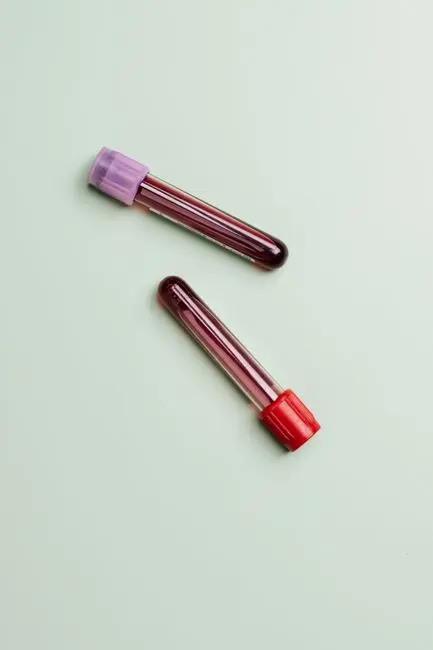
Take a guy we’ll call Marcus, 34, decent job, decent gym habits, who read three forum threads and decided his problem was testosterone before he’d ever had it tested. He ordered a fadogia agrestis extract off the internet because a podcast guest swore by it, ran it for two months, felt marginally more aggressive under the bar, and stopped there — no blood work before, none after, no way to know whether anything had actually changed hormonally or whether he’d just responded to novelty and expectation. The evidence behind that particular supplement is thin, mostly animal studies, with real open questions about liver load at the doses forum culture recommends. Marcus burned four months and some liver enzymes on a guess a twenty-dollar blood panel would have answered directly.
Mistake one, and the most expensive: reaching for a supplement or an intervention before establishing what’s actually low. Testosterone might be fine. SHBG might be the actual problem. Cortisol might be the actual problem. Guessing burns months that measuring would have saved in a week.
Mistake two: reading total testosterone and ignoring SHBG entirely, which is close to the most common error on this whole list. What SHBG actually does in the body is bind testosterone and render it biologically unavailable — a man with elevated SHBG can post a “normal” total number and still be functionally low, because most of it sits locked up and inert. Chronic dieting, low-fat diets sustained for years, and aging all tend to push SHBG upward. Understanding what actually drives that number up or down is not optional reading for anyone taking their own labs seriously. It’s the difference between reading a report correctly and getting a number that means nothing at all.
Mistake three: crash dieting to lose the fat that’s aromatizing testosterone into estrogen, then overshooting into a chronic, punishing deficit. This backfires directly. Severe sustained energy deficit is itself a suppressor of the same axis — it signals scarcity to the hypothalamus, and reproduction is not a priority under scarcity. Slow beats fast here, reliably. A man losing fat at half a pound to a pound a week is protecting the axis he’s trying to optimize; a man losing three pounds a week for twelve straight weeks is usually working against himself by week six.
Mistake four: overtraining without recovery, mistaking more volume for more stimulus. Six days a week of hard training stacked on poor sleep and inadequate food is a stress load on the body, not a hormonal tonic. Cortisol climbs, and given the inverse relationship covered earlier, that cost is not free.
Mistake five, smaller but frequent: retesting at four or six weeks, seeing no change or a small unfavorable shift, and concluding the whole approach failed. Most of these levers need eight to twelve weeks minimum to register on a panel. Testing early just measures ordinary week-to-week variance and torches confidence in a plan that was actually working fine.
Mistake six, the quiet one: writing off the environmental side entirely because it feels abstract next to a gym program. Plastic containers run through a microwave for a decade. Receipts handled bare-handed at every checkout. Fragranced everything, on everything. Small, individually. Not small over ten years.
How to Know It’s Working
Nothing here shows up overnight, and anyone claiming otherwise is selling something. Roughly, though, this is the order signals tend to appear in.
Week two: sleep quality shifts first, usually before anything else — falling asleep faster, fewer wake-ups, mornings that feel less like wading through mud. This is downstream of the routine and cortisol changes, not testosterone itself, but it’s real, and it’s the first honest signal that something is actually working.
Weeks four to six: subjective energy and mood tend to move next. Not dramatically. Nobody wakes up a different person. More like background irritability easing off a notch, workouts that stop feeling like a fight, libido noticeably more present than it was a month prior. Morning erections, crude as the marker is, are a genuinely useful self-report signal of nocturnal hormonal and vascular function — worth noting, not for anxiety, just as data.
Months two to three: body composition starts to show it, assuming training and diet held steady — modest recomposition, strength climbing faster than it had been, visible waist change if visceral fat was part of the picture to begin with. This is also the point to retest the panel from day one. Compare total testosterone, but weight free testosterone and SHBG more heavily than the total number alone; a total testosterone that barely moved but a free testosterone that rose meaningfully because SHBG dropped is a genuine win the total number by itself would hide completely.
What to actually track, concretely: sleep duration and a simple one-to-five quality rating, training log with load progression, waist circumference monthly, and the panel itself at baseline and again at week eight or twelve. Subjective mood and libido, rated weekly, sound soft but correlate with hormonal shifts more tightly than most men expect going in. Skip daily weighing — it adds noise without adding signal, and most men read far too much into a single morning’s number on the scale.
One caveat, because it matters: if none of this moves after twelve honest weeks — sleep fixed, training consistent, diet adequate, alcohol down, the stress practice actually done rather than skipped — that’s useful information too. It means whatever’s sitting underneath the numbers is bigger than lifestyle alone accounts for, and that’s a different conversation than the one this page is built to have.
Your Reading Path

Start here. Clear the myths and get the fundamentals of testing and diet in place before anything else.
- Testosterone Myths: 10 Things the Internet Gets Wrong — clears the noise before it costs any money or months.
- Testosterone After 40: What Every Man Needs to Know — the fuller picture once the basics above have landed, especially useful past the mid-thirties.
- Testosterone and Diet: What to Eat for Optimal Levels — turns the week-2 diet guidance into an actual weekly plan.
Go deeper. The mechanisms behind the levers that matter most — nutrient status, stress load, and gut function.
- Vitamin D and Testosterone: The Sunshine Hormone Link — the single most common correctable deficiency on this whole list.
- Gut Health for Men: The Testosterone Connection — the under-discussed lever most beginners skip entirely.
- Cortisol Is Eating Your Brain: The Measurable Damage Chronic Stress Does to Your Hardware — why the stress practice in week 3 isn’t optional busywork.
Advanced. For anyone with a panel back and actual questions about what the numbers mean.
- What SHBG Actually Does in the Body (Part 2) — for reading a “normal” total testosterone correctly instead of getting fooled by it.
- What SHBG Actually Does in the Body — the mechanics of what pushes that number up or down over years.
- Endocrine Disruptors: Chemicals Destroying Your Hormones — the long-horizon exposure most protocols never mention.
Questions Beginners Ask
If lifestyle levers work this well, why does testosterone replacement therapy exist, and should it be the first move? TRT works by replacing testosterone directly, usually by injection, gel, or pellet, and it raises serum testosterone more reliably than any lifestyle change because it bypasses the body’s own regulatory chain entirely. That’s also its tradeoff: exogenous testosterone suppresses the body’s own LH and GnRH release through negative feedback, which can shut down natural production and fertility for as long as it’s used, sometimes longer. It’s a medical intervention with real effects and real monitoring demands, not a supplement decision, and it answers a different question than “was the fixable stuff fixed first.” For a man who hasn’t run a panel or corrected sleep, body composition, and nutrient status, it isn’t a first move — it’s a decision made without the information that would say whether it was necessary at all.
Do over-the-counter “testosterone boosters” do anything? Almost all of them are proprietary blends of herbs like tribulus terrestris, fenugreek, or ashwagandha, dosed inconsistently and rarely tested independently. Fenugreek and ashwagandha have some legitimate small trials behind them showing modest effects in specific populations — ashwagandha in particular has reasonable data in stressed or subfertile men. Tribulus terrestris, despite being the most heavily marketed ingredient in the category, has consistently failed to raise testosterone in controlled trials on healthy men. The honest answer: a handful of ingredients have thin but real support, most of the category is marketing wrapped around a label, and none of it outperforms fixing sleep, body fat, and micronutrient status first.
At 24, is this something to worry about yet? Testosterone typically peaks in the late teens to mid-twenties and holds fairly steady into the early thirties, so at 24 the axis itself is rarely the issue. What’s worth attention at that age is behavior that suppresses an otherwise healthy system before it’s had a real chance to run at its peak: chronic sleep debt from a job that treats five hours as normal, heavy regular drinking, carrying meaningfully more body fat than typical, or crash-dieting for aesthetics. None of that requires panic or a lab draw at 24. It requires not spending the decade of highest natural output undermining it, because that decade doesn’t come back around.
Does frequent ejaculation lower testosterone? No, not meaningfully, despite how persistent the claim is in fitness circles. Short-term studies show a slight testosterone spike after roughly a week of abstinence, which then returns to baseline; there’s no evidence of sustained elevation from prolonged abstinence, and no controlled evidence that regular activity lowers baseline testosterone in any way that matters functionally. One of the cleaner examples of a plausible-sounding mechanism that didn’t hold up once it was actually measured. Worth dropping from the list of things to manage, because managing it produces zero return and usually adds stress — which, per the section above, is one of the few things reliably proven to work against the goal.
Is fasting good or bad for testosterone? Depends entirely on duration and method, and this is one of the genuinely mixed areas in the research. Time-restricted eating within a normal calorie range shows little consistent negative effect, and some data even shows improved insulin sensitivity, which helps the broader picture. Extended fasting or a sustained aggressive deficit is a different story — pushed far enough or long enough, it reads to the hypothalamus as scarcity, and the axis covered earlier throttles down in response. Particularly relevant for anyone stacking fasting with heavy training and short sleep, since that combination compounds all three risks at once rather than cancelling any of them out.
What actually causes low testosterone in a man under 40 with no medical diagnosis? Overwhelmingly, in men without a diagnosed pituitary or testicular condition, it’s the accumulation of ordinary modern inputs covered throughout this page: chronic short sleep, elevated body fat with its aromatase load, sustained stress keeping cortisol elevated, micronutrient shortfalls that are common and rarely tested for, and years of low-level exposure to hormone-disrupting chemicals in plastics and personal care products. Rarely is it one dramatic cause. Almost always it’s four or five ordinary things running at once, none alarming individually, adding up to a number that reads low on paper. Which is why the fix is rarely dramatic either — addressing four or five ordinary things at once, consistently, for longer than a month.
Can this be fixed without ever getting blood work done? Technically, yes — sleep, training, diet, and stress management all help regardless of whether a number ever gets measured. Practically, not well. Without a baseline panel, there’s no way to know whether the starting point was actually low, whether SHBG or estradiol was the real problem instead of testosterone itself, or whether three months of consistent effort produced a five percent change or a forty percent one. Skipping the baseline turns an evidence-based approach into a faith-based one. The draw itself costs less than a month of supplements and answers questions no amount of subjective “feeling better” can answer on its own.