
Dave Asprey spent twenty years and over a million dollars trying to upgrade his biology. By the time he published Super Human in 2019, he had biohacked his way from a 300-pound, cognitively foggy, risk-of-stroke Silicon Valley entrepreneur into what he presents as a living experimental platform for the science of longevity and peak performance. He is unambiguous about his goal: to live to at least 180 years old, and to age in a way that retains cognitive and physical function rather than merely adding years to a deteriorating system.
Super Human is the synthesis of his research into the mechanisms of biological aging and the interventions — dietary, supplemental, technological, and pharmaceutical — that he argues can meaningfully slow, halt, or partially reverse those mechanisms. It is more ambitious than his earlier work, extending beyond cognitive performance (the focus of The Bulletproof Diet and Head Strong) into the fundamental cellular processes of aging itself: mitochondrial dysfunction, epigenetic dysregulation, cellular senescence, telomere attrition, chronic inflammation, and the proteostasis failures that drive neurodegenerative disease.
The framework draws on serious science — the hallmarks of aging framework developed by Lopez-Otin and colleagues is the legitimate scientific foundation Asprey builds on — and on Asprey’s own experimental self-application of every intervention discussed. Some of those interventions are mainstream and well-evidenced. Some are experimental. Some are speculative extrapolations from preliminary data. Asprey is generally clear about which category each intervention falls into, which is more intellectual honesty than his critics typically acknowledge.
The Honest Verdict
Super Human is simultaneously one of the most scientifically informed and most ideologically problematic books in the longevity space. Asprey has done genuine research, has engaged with serious scientists, and synthesizes the hallmarks of aging framework more accessibly than most academic treatments. His personal experimental approach — testing interventions on himself, reporting results, adjusting based on biomarker feedback — is a legitimate if non-generalizable methodology.
The problems are significant. Asprey’s financial conflicts of interest are pervasive — he has commercial interests in many of the products and services he recommends, and the book often reads as advertisement rather than evidence review in the supplementation and technology sections. His willingness to extrapolate aggressively from preliminary data into confident dietary and pharmaceutical recommendations without adequate acknowledgment of the uncertainty involved can mislead readers into making expensive, unproven, and occasionally risky interventions.
The supplement list is extensive and the evidence base for specific dosing of specific compounds for longevity in humans is thin. The pharmaceutical interventions he discusses — including metformin, rapamycin, peptide therapies, and stem cell treatments — are being investigated by serious researchers but have not been established as safe and effective longevity interventions in healthy humans. Asprey’s enthusiasm for these approaches is understandable but his certainty is not justified by the evidence.
The verdict: read it for the framework on aging mechanisms and for the lifestyle interventions (diet, exercise, sleep, light) that have strong evidence supporting them. Apply aggressive skepticism to the supplementation and pharmaceutical sections. The core biology is sound. The commercial applications of that biology require independent evaluation.
The Hallmarks of Aging: The Biology Asprey Is Targeting
Asprey builds Super Human on the hallmarks of aging framework, first published in Cell in 2013 by Carlos Lopez-Otin and colleagues and updated in 2023 to include additional mechanisms. This framework organizes the cellular and molecular processes that drive biological aging into categories, each representing a distinct mechanism that could theoretically be targeted to slow aging. Understanding the hallmarks is essential context for evaluating both Asprey’s claims and the legitimate longevity research he draws on.
Mitochondrial dysfunction is Asprey’s primary focus throughout the book, consistent with his longstanding emphasis on mitochondrial performance. Mitochondrial DNA is uniquely vulnerable to oxidative damage — unlike nuclear DNA, it lacks histone protection and has less efficient repair mechanisms. Mitochondrial efficiency declines with age, producing increased reactive oxygen species as byproducts and reduced ATP output per unit of mitochondrial mass. This decline cascades into impaired cellular energy availability, which compromises every energy-intensive cellular process including protein synthesis, immune function, and the cellular maintenance activities that prevent the accumulation of other aging hallmarks.
Cellular senescence — the state in which a cell permanently stops dividing but remains metabolically active, secreting inflammatory cytokines through a pattern called the SASP (senescence-associated secretory phenotype) — is one of the more recently established hallmarks with the most direct clinical relevance. Senescent cells accumulate with age and in tissues damaged by radiation, chemotherapy, or metabolic stress. Their inflammatory secretome drives tissue dysfunction in surrounding cells, contributes to chronic inflammation, and has been shown in animal models to shorten healthspan dramatically. Clearing senescent cells through “senolytic” interventions — a field with genuine clinical promise — reverses multiple age-related conditions in mouse models and is now in early human clinical trials.
Epigenetic dysregulation — the progressive disruption of the epigenetic modifications that control which genes are expressed in which tissues at which times — is Asprey’s framework for why the biological clock runs on its own schedule. The epigenetic clock, developed by Steve Horvath at UCLA, measures biological age through DNA methylation patterns and can estimate true biological age independently of chronological age. People who are biologically older than their chronological age have higher risks of virtually all aging-associated conditions. The epigenetic clock is reversible — interventions including dietary restriction, exercise, and certain pharmaceutical approaches have been shown to shift the clock backward — and Asprey presents this reversibility as the scientific rationale for aggressive longevity interventions.
“You are not destined to age the way your parents aged. The biology of aging is a collection of mechanisms that can be studied, targeted, and in many cases, modified. The question is whether you choose to engage with that possibility.” — Dave Asprey
Mitochondrial Function: The Engine of Longevity
Asprey’s treatment of mitochondrial function as the central determinant of biological aging is more scientifically grounded than his critics usually acknowledge. The mitochondrial theory of aging has been debated for decades — it was proposed by Denham Harman in 1972 as an extension of the free radical theory of aging — and while the simple version (oxidative damage accumulates and causes aging) has been substantially revised by the finding that reactive oxygen species serve important signaling functions, the core relationship between mitochondrial efficiency and aging outcomes is well-supported.
The interventions Asprey emphasizes for mitochondrial support include several with solid evidence. Ketosis — the metabolic state in which the liver produces ketone bodies from fat oxidation — has documented mitochondrial protective effects: ketones produce less oxidative stress per unit of ATP generated than glucose, ketone metabolism stimulates mitochondrial biogenesis via PGC-1alpha, and ketones reduce the NLRP3 inflammasome activation that drives chronic inflammation. The evidence for cognitive and mitochondrial benefits of periodic ketosis is sufficient to justify its inclusion in a longevity framework even for people who do not pursue continuous ketosis.
Time-restricted eating and caloric restriction are the most well-evidenced interventions Asprey discusses for longevity. The mechanistic pathways — AMPK activation, mTOR inhibition, sirtuins activation, autophagy induction, mitochondrial biogenesis — are robustly established in preclinical models and increasingly supported in human studies. The CALERIE trial, the most rigorous caloric restriction study in healthy non-obese humans, showed that 25% caloric restriction produced significant improvements in metabolic biomarkers, inflammatory markers, and multiple aging-associated parameters over two years. Time-restricted eating (confining food intake to an 8-12 hour window) produces overlapping mechanistic benefits without requiring caloric restriction, and multiple randomized trials support its effectiveness for metabolic health improvement.
Cold thermogenesis — cold showers, ice baths, cryotherapy — is another area where Asprey’s enthusiasm converges with genuine research. Cold exposure activates brown adipose tissue (BAT), stimulates norepinephrine release, induces mitochondrial biogenesis in muscle and adipose tissue, and activates cold shock proteins including RBM3 that have documented neuroprotective effects in rodent models of neurodegenerative disease. The human evidence is less developed but consistent with the mechanistic predictions: regular cold exposure improves insulin sensitivity, reduces inflammatory markers, and has been associated with reduced mortality in epidemiological studies of Scandinavian populations practicing regular cold water immersion.
Senolytic Therapy: The Science of Clearing Zombie Cells
One of the most clinically exciting areas Asprey covers is senolytic therapy — interventions designed to selectively eliminate senescent cells, which accumulate with age and drive tissue inflammation through the SASP. The research in this area has advanced remarkably since Super Human was published, and Asprey was ahead of the popular understanding in highlighting it as a therapeutic frontier.
The animal model evidence for senolytics is dramatic. Clearing senescent cells in aged mice using genetic approaches (the INK-ATTAC model) extends median lifespan by 25-30%, delays age-related physical decline, reduces tumor burden, and reverses multiple organ-specific aging phenotypes. The pharmacological senolytics — navitoclax, dasatinib plus quercetin, fisetin — produce overlapping effects in multiple mouse models of aging and age-related disease, and the results are among the most reproducible in longevity biology.
The human evidence is preliminary but encouraging. A small clinical trial of dasatinib plus quercetin in patients with idiopathic pulmonary fibrosis showed reduced senescent cell markers and improvements in physical function. Trials in diabetic kidney disease, Alzheimer’s disease, and frailty are underway. Fisetin, a flavonoid found in strawberries and apples that has senolytic activity in mouse models, is in human trials. The field is moving fast, and the preclinical promise is substantial enough to justify the serious clinical research investment it is receiving.
 Asprey’s recommendation to take quercetin (one of the pharmacological senolytic agents) as a regular supplement is more speculative than the framework that motivates it. Quercetin’s bioavailability is low and highly variable; the senolytic doses used in animal studies are substantially higher than typical supplement doses; and the intermittent high-dose protocol (dasatinib plus quercetin for a few days every one to three months) used in clinical trials is not equivalent to daily low-dose supplementation. The science behind senolytic therapy is compelling; the consumer supplementation protocol Asprey derives from it requires more evidence.
The Sleep Architecture: Prioritizing Recovery as a Longevity Variable
Asprey’s treatment of sleep is one of the most actionable sections of Super Human, and it reflects both genuine research engagement and his characteristic willingness to adopt a quantified, engineering approach to a biological process that most people treat as fixed. His framework positions sleep not as passive rest but as active biology — the period in which growth hormone is released, the glymphatic system clears cerebral metabolic waste including amyloid, cellular repair processes that are suppressed during waking by mTOR activity are activated, and the brain consolidates the memories and removes the synaptic connections formed during the preceding day.
The growth hormone connection to sleep has direct longevity relevance. Approximately 70-80% of daily growth hormone secretion occurs during slow-wave sleep (SWS), the deep non-REM stage that dominates the first half of the night. Growth hormone stimulates tissue repair, muscle protein synthesis, lipolysis, and immune function. Its secretion declines dramatically with age — a 60-year-old secretes approximately 20-25% of the growth hormone a 20-year-old secretes — and this decline correlates with the sarcopenia, body composition changes, and impaired recovery that characterize normal aging. Interventions that increase sleep quality, particularly the proportion of SWS, can partially compensate for the age-related decline in growth hormone secretion.
Asprey’s sleep optimization protocol includes several well-evidenced recommendations: maintaining consistent sleep-wake timing (the circadian rhythm research supporting this is robust), blocking blue light in the evening (melatonin suppression by blue light at the 480nm wavelength is well-established), optimizing bedroom temperature (the thermoregulatory mechanisms that support SWS require a cooler environment, typically 65-68°F), and avoiding alcohol before bed (alcohol suppresses REM sleep and reduces sleep efficiency in the second half of the night). These recommendations reflect solid sleep science and improve sleep quality without controversy.
What the Research Says: Key Longevity Interventions and Their Evidence
The longevity research literature Asprey draws on is genuinely exciting but requires careful evidence calibration. The most robust evidence supports lifestyle interventions that are neither expensive nor controversial. The weakest evidence is for the more exotic pharmaceutical and technological interventions that receive disproportionate attention in the biohacking community.
Caloric restriction (CR) and intermittent fasting have the deepest evidence base of any longevity intervention. CR extends maximum lifespan in every organism where it has been tested, from yeast to flies to rodents. The CALERIE trial in humans demonstrated significant improvements in aging biomarkers from 25% CR over two years. The mechanisms — AMPK activation, mTOR inhibition, autophagy induction, NAD+ metabolism shifts, reduced oxidative stress — are well-characterized and multiply confirmed.
Exercise, particularly the combination of resistance training (for muscle mass preservation and anabolic signaling) and aerobic training (for mitochondrial biogenesis and cardiovascular adaptation), has the most robust evidence of any intervention for healthspan extension. The epidemiological literature is overwhelming: physical inactivity is associated with all-cause mortality risk comparable to smoking. Mechanistically, exercise activates essentially all the longevity pathways that caloric restriction activates, with the addition of direct anti-inflammatory effects, brain-derived neurotrophic factor release, and cardiac adaptation that are not fully replicated by dietary restriction.
NAD+ precursors (NMN and NR) have attracted enormous research attention as longevity supplements following David Sinclair’s work demonstrating NAD+ decline with age and its role in sirtuin function and DNA repair. The preclinical evidence is impressive; the human evidence is building but not yet definitive. Multiple trials have shown that NMN and NR supplementation effectively raise NAD+ levels in humans. Whether those elevated NAD+ levels translate into meaningful longevity or healthspan outcomes in healthy humans remains to be established.
The RW Framework: Actionable Longevity Interventions
- Build your longevity foundation on sleep, exercise, and diet before interventions. The interventions with the best human evidence for longevity — quality sleep, regular exercise combining resistance and cardiovascular training, dietary patterns emphasizing caloric moderation and whole foods — are unsexy and well-established. No pharmaceutical or technological intervention has evidence approaching these foundations. Build the foundation first; optimize secondarily.
- Incorporate time-restricted eating as a daily default. Confining food intake to an 8-10 hour window activates autophagy, improves insulin sensitivity, supports mitochondrial biogenesis, and reduces systemic inflammation through mechanisms independent of total caloric intake. It is free, safe, and increasingly well-evidenced. Start with a 12-hour overnight fast and extend gradually.
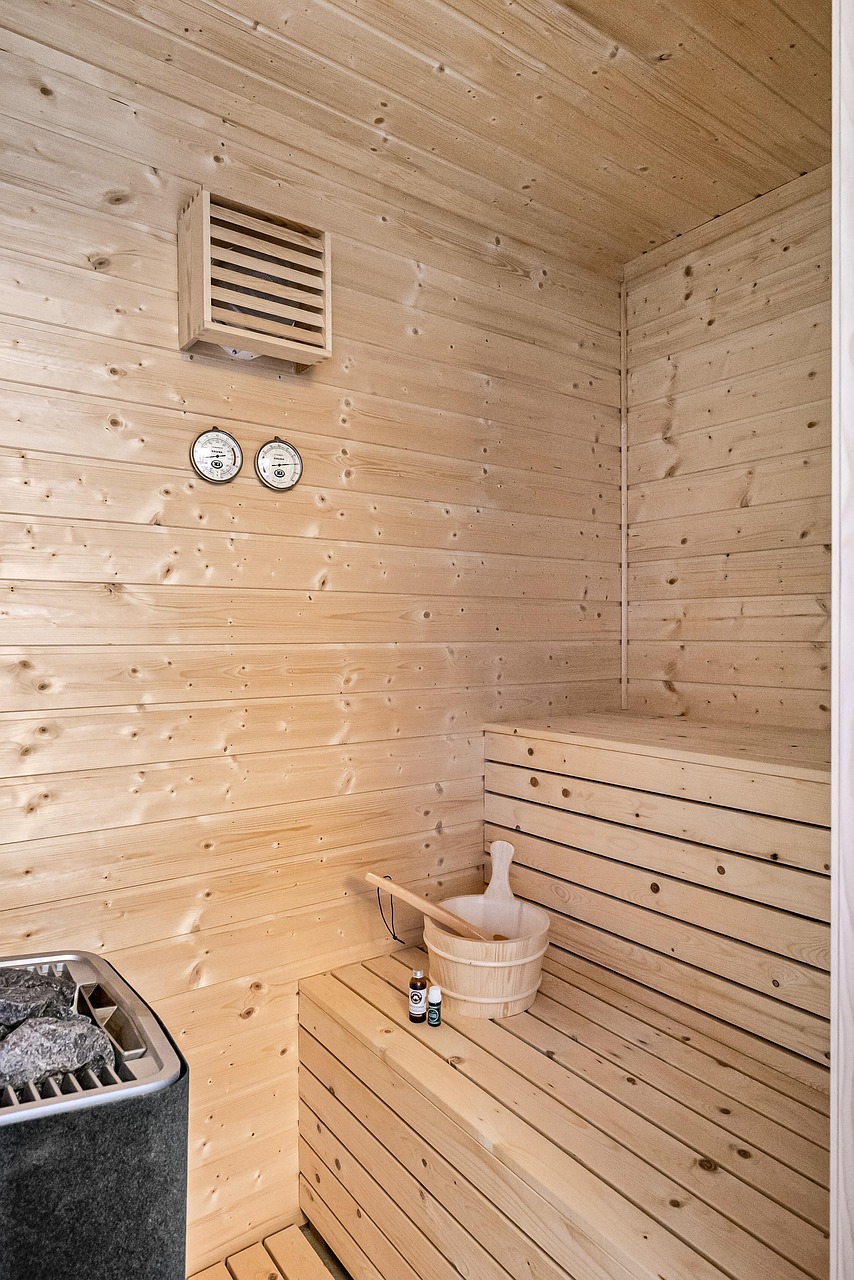
- Optimize mitochondrial function through cold and heat exposure. Cold showers (ending with cold), sauna sessions, or ideally alternating both — provide complementary mitochondrial stimuli. Sauna use specifically has extraordinary epidemiological evidence from Finnish population studies showing dramatic dose-response reductions in cardiovascular mortality, all-cause mortality, and dementia with frequency of use. Cold provides distinct mitochondrial and brown fat activation benefits. Both are accessible and inexpensive.
- Track your biological age with available biomarkers. Asprey’s quantified approach has genuine value: you cannot optimize what you do not measure. Biological age assessments (epigenetic clocks through services like TruDiagnostic), VO2 max testing, grip strength, DEXA body composition scans, and a comprehensive metabolic panel provide feedback on whether your interventions are producing the intended biological effects. Annual measurement allows course correction.
- Be a skeptical consumer of cutting-edge longevity interventions. The longevity space generates interventions faster than clinical evidence can evaluate them. For any intervention beyond the lifestyle foundations, ask: what is the evidence in humans (not just mice)? What are the known and unknown risks? Does the recommending source have commercial interests in the product? Apply the same evidence standards to longevity interventions that you would apply to any medical treatment.
Internal Links: Related Reading on This Site
Asprey’s mitochondrial function framework connects to Terry Wahls’s mitochondrial nutrition approach in our Wahls Protocol review. The epigenetic aging clock work he discusses connects to our epigenetics and biological age overview. The time-restricted eating and fasting protocols connect to our intermittent fasting evidence review. The sleep architecture section connects to our review of Matthew Walker’s Why We Sleep. And the broader longevity framework connects to our evidence-based longevity science overview.
Key Takeaways
- The hallmarks of aging — mitochondrial dysfunction, cellular senescence, epigenetic dysregulation, telomere attrition, chronic inflammation, proteostasis failure — are legitimate scientific targets for intervention, not inevitable biological destiny.
- The lifestyle interventions with the best evidence for longevity are free and available to everyone: quality sleep, regular exercise, dietary moderation, time-restricted eating, stress management. No supplement or pharmaceutical has evidence approaching these foundations.
- Senolytic therapy — clearing senescent “zombie cells” — represents the most exciting frontier in longevity biology, with dramatic preclinical evidence and early clinical trials underway. The consumer supplement applications of this research require better evidence than currently exists.
- NAD+ precursors (NMN, NR) effectively raise NAD+ levels in humans. Whether this translates to meaningful longevity benefits remains to be established in clinical trials. Asprey’s confidence in these compounds exceeds the current evidence.
- Asprey’s personal experimental approach provides useful real-world data but does not constitute clinical evidence. His n=1 results should be understood as hypothesis generation, not validation.
- Commercial conflicts of interest pervade the longevity supplement space, including Asprey’s own recommendations. Independent evaluation of evidence for specific products is essential before adoption.
Frequently Asked Questions
Is it actually possible to live to 180?
No rigorous scientific consensus supports a 180-year human lifespan as achievable with current or near-term technology. The validated record for human longevity is 122 years (Jeanne Calment). The longevity biology research suggests that the mechanisms of biological aging are potentially modifiable — the question of how far they can be modified in humans is genuinely open. Asprey’s 180-year goal is best understood as a motivational framework for aggressive health optimization rather than a scientific prediction.
How important is VO2 max for longevity?
Extremely important. Peter Attia, whose work Asprey references, has described VO2 max as the most powerful predictor of all-cause mortality in the epidemiological literature — individuals in the top 2.5% of VO2 max for their age and sex have five times lower mortality than those in the bottom 25%. This is not primarily a cardiorespiratory effect; it reflects the integrated metabolic health that is required to maintain high aerobic capacity and that the training to maintain it promotes. Building aerobic fitness is one of the highest-leverage investments in longevity available.
Should I take metformin for anti-aging?
This is a contested question in the longevity research community. Metformin activates AMPK, reduces inflammation, and is associated with reduced cancer incidence and all-cause mortality in observational studies of diabetic patients. However, observational data from diabetic patients may not generalize to healthy individuals, and research by Hamilton and colleagues suggests metformin may blunt the adaptive mitochondrial response to exercise — a potentially significant downside for people who train regularly. The TAME trial (Targeting Aging with Metformin) is the first prospective trial of metformin in non-diabetic individuals for aging outcomes; results are pending. Until those results exist, the use of metformin in non-diabetic individuals for anti-aging purposes should be discussed with a physician and considered experimental.
Is cold exposure beneficial for longevity?
The evidence is encouraging. The Finnish sauna epidemiology — longitudinal population data showing dose-response reductions in cardiovascular mortality and dementia with sauna frequency — is among the most dramatic observational data in preventive medicine. Cold water immersion research is less epidemiologically mature but mechanistically consistent with benefits for metabolic health and stress resilience. The combination of heat and cold (contrast therapy) has growing research support. For practical purposes, ending showers with cold water and adding sauna sessions (if accessible) are low-cost, low-risk interventions with reasonable evidence rationales.
What is the most important thing Asprey gets right?
The framing that biological aging is a collection of modifiable mechanisms rather than a fixed destiny. This is not Asprey’s invention — it is the consensus position of the geroscience research community — but he has communicated it more accessibly than most academic scientists. The implication that how you live determines your biological age trajectory, not just your disease risk, is both scientifically accurate and personally empowering. The specific interventions he derives from this framework require careful evidence evaluation; the framing itself is correct.
What should I read alongside this book?
Outlive by Peter Attia provides a more clinically rigorous and less commercially conflicted treatment of the longevity medicine framework, with particular depth on exercise, metabolic health, and the evidence evaluation of longevity interventions. Lifespan by David Sinclair provides the scientific case for NAD+, sirtuins, and the epigenetic aging clock with more academic rigor. The Telomere Effect by Elizabeth Blackburn provides the Nobel Prize-winning science behind telomere aging with practical lifestyle implications. And Younger by Sara Gottfried provides a comparable framework specifically calibrated to hormonal factors in aging for women.
Dave Asprey will not live to 180. No one alive today has access to the technologies that would be required to achieve that goal. But the question he is asking — what would it take to add meaningfully healthy years to a human lifespan, and what can we do with current knowledge to move in that direction — is the right question, and the biological research he has engaged with to answer it is substantive.
The honest reading of Super Human separates its two contributions. The first is a clear, accessible synthesis of the hallmarks of aging framework and the life science research targeting each hallmark. That synthesis is valuable, accurate in its broad strokes, and motivating in a way that academic treatments of the same material are not. The second is Asprey’s personal protocol for implementing the framework — the specific supplements, pharmaceuticals, devices, and dietary strategies he uses. That protocol reflects his individual experience, his particular biology, his financial interests, and his characteristic willingness to extrapolate from preliminary evidence to confident action.
 Use the first. Evaluate the second. The biology of aging is genuinely optimizable through the choices available to all of us — not at the level of adding decades, but at the level of maintaining function, resilience, and quality of life through the decades we have. That optimization starts with the interventions that have the most evidence — sleep, exercise, dietary quality, stress management — and extends into the more experimental territory that Asprey navigates only when you have built the foundation securely.
The Pharmaceutical Frontier: What is Being Tested and Why
Beyond the lifestyle interventions, Super Human covers a pharmaceutical frontier that is generating serious academic research alongside the biohacker experimentation Asprey represents. Rapamycin, an mTOR inhibitor originally developed as an immunosuppressant, has shown dramatic lifespan extension in mice at doses lower than those used clinically for immunosuppression — and it is currently the subject of serious debate about whether it should be prescribed off-label to healthy individuals for anti-aging purposes. Metformin, already discussed, is in the TAME trial. GLP-1 receptor agonists (semaglutide and related compounds) have dramatically outperformed expectations for metabolic and potentially anti-aging effects in clinical use. Peptide therapies including BPC-157 and TB-500 are being explored for tissue repair and anti-inflammatory effects.
These pharmaceutical approaches represent the legitimate cutting edge of geroscience applied to clinical practice, and Asprey’s coverage of them provides useful context for understanding where the research is heading. The critical caveat is that beneficial effects in mice do not reliably translate to humans — the graveyard of mouse model longevity research is full of interventions that extended mouse lifespan and failed human trials — and the risk profiles of experimental pharmaceutical use in healthy individuals are not fully characterized. This is a frontier where the potential benefits are large and the known unknowns are equally large. Proceed with exceptional caution and robust medical supervision.
Sauna Science: The Most Evidence-Backed Longevity Intervention You Are Not Using
Among all the interventions Asprey discusses, sauna use has arguably the strongest epidemiological evidence base for mortality reduction — evidence that is consistently underappreciated in the longevity discussion relative to the attention given to expensive pharmaceutical and supplement interventions. The Finnish sauna research, primarily from the KIHD (Kuopio Ischemic Heart Disease Risk Factor Study) cohort led by Jari Laukkanen and colleagues at the University of Eastern Finland, provides data on over 2,000 Finnish men followed for more than twenty years that shows remarkable dose-response relationships between sauna frequency and multiple mortality outcomes.
The findings: men using sauna 4-7 times per week had 40% lower all-cause mortality compared to once-weekly users, 50% lower cardiovascular mortality, and 66% lower risk of dementia and Alzheimer’s disease. These effect sizes are larger than most pharmaceutical interventions produce in controlled trials and are robust across multiple adjustment analyses. Duration matters: sessions of 19 minutes or longer produce greater benefit than shorter sessions. Temperature matters: higher temperature saunas (above 174°F / 79°C) produce greater benefit than lower-temperature ones. The dose-response relationship is clear, consistent, and remarkable in its magnitude.
The mechanisms are multiple and synergistic. Sauna induces heat shock protein production — molecular chaperones that repair misfolded proteins and protect against proteostasis failure, one of the hallmarks of aging. It produces cardiovascular adaptations similar to moderate aerobic exercise, including improved endothelial function, reduced arterial stiffness, and favorable changes in lipid profiles. It stimulates growth hormone release (a single sauna session can produce 2-5 fold increases in growth hormone, with longer and higher-temperature sessions producing greater responses). It activates Nrf2 and the cellular antioxidant defense response. And it induces the heat-shock response in brain cells that appears to protect against the protein aggregation pathologies of Alzheimer’s and Parkinson’s disease.
For anyone building a longevity practice, sauna access should be treated as a priority infrastructure investment. The evidence for cardiovascular protection, dementia risk reduction, and all-cause mortality reduction is among the strongest available for any single lifestyle intervention, the costs and risks are modest (adequate hydration and avoiding sauna when acutely ill are the primary considerations), and the practice integrates easily into health routines in the form of gym sauna access, home infrared sauna units, or dedicated sauna facilities.
Muscle Mass as a Longevity Organ: The Resistance Training Imperative
One of the most important and most actionable longevity recommendations Asprey makes — one that is supported by evidence that is more robust than the book’s treatment suggests — is the prioritization of muscle mass preservation and development as a direct longevity variable, not merely a fitness goal. The epidemiological relationship between muscle mass, muscle strength, and all-cause mortality is among the most consistent findings in the aging research literature, and the implications for training priorities across the lifespan are significant.
Sarcopenia — the progressive loss of muscle mass and function with age — begins in the third decade of life and accelerates after sixty. By eighty, the average person has lost approximately 40% of their peak muscle mass. This loss is not cosmetic. Muscle is the primary site of glucose disposal in the body — sarcopenia is a major driver of insulin resistance and type 2 diabetes independent of body fat. Muscle mass is the primary reserve of amino acids available for immune function and tissue repair during illness — people with greater muscle mass survive acute illness and surgical procedures significantly better than those without it. And grip strength — a proxy for overall muscle quality — is one of the single strongest predictors of all-cause mortality in every population studied, more predictive than most biomarkers measured in clinical panels.
The prescription that follows from this evidence is simple but demands consistency over years: resistance training, performed with sufficient intensity to maintain and build muscle mass, at minimum two to three sessions per week throughout adult life. The specific resistance training modality — free weights, machines, resistance bands, bodyweight — is less important than the mechanical loading stimulus and the progressive overload that signals muscle adaptation. Protein intake sufficient to support muscle protein synthesis — at minimum 0.7 grams per pound of body weight daily, with higher targets for older adults whose muscle protein synthesis response to dietary protein is blunted — is the nutritional complement that determines whether resistance training produces the intended muscle-building outcome.
The Asprey Self-Experiment: What We Can Learn From an N=1
Asprey’s personal experimental approach — testing interventions on himself, tracking biomarkers, adjusting based on results — is simultaneously the book’s most valuable and most problematic feature. It is valuable because it demonstrates that these interventions can be practically implemented, that the biomarker feedback loops he describes are achievable outside a clinical research setting, and that the experience of systematically experimenting with your own biology is itself informative in ways that reading the literature alone is not. It is problematic because a single individual’s response to a complex suite of simultaneous interventions is not interpretable as evidence about what those interventions would do to other people.
The most useful lesson from Asprey’s personal protocol is not any specific intervention but the orientation toward his own biology that makes the protocol coherent: he treats his health as a system to be optimized rather than a problem to be managed, he measures outcomes systematically rather than relying on subjective assessment, and he iterates based on data rather than dogma. This orientation — the quantified self approach applied to longevity rather than productivity — is independently valuable regardless of which specific interventions one adopts. The person who tracks their VO2 max, their grip strength, their sleep architecture, their fasting glucose, and their inflammatory markers annually and adjusts their behaviors based on the trends in those measurements is engaging in the kind of proactive biological management that Asprey advocates. The specific interventions are secondary to the measurement and iteration framework that makes them evaluable.
Asprey’s contribution is not the specific interventions, which will age as the science advances. It is the orientation: aggressive optimism about what is possible, systematic measurement rather than hope, and the willingness to act on current best evidence rather than wait for certainty that the pace of aging does not permit. That orientation, applied to the interventions that have the strongest current evidence — sleep, exercise, dietary quality, caloric moderation, sauna use — produces a longevity practice that the science consistently supports regardless of what the more experimental frontier eventually delivers.
Who Should Read Super Human
Anyone motivated to engage seriously with the biology of aging beyond general health advice should read this book for the hallmarks of aging framework and the synthesis of longevity science it provides. Readers who have already implemented robust lifestyle foundations — consistent exercise, quality sleep, whole food diet — and are looking for the next layer of evidence-based optimization will find the most actionable material in the sauna, time-restricted eating, and resistance training sections. Readers who are drawn to the experimental pharmaceutical and supplement frontier should read the book with heightened skepticism and pair it with more rigorous sources on the same topics, particularly Peter Attia’s Outlive and David Sinclair’s Lifespan, which provide more detailed evidence evaluation of the specific interventions Asprey covers.
FROM THE LIBRARY ›
The Light Environment: Circadian Biology and Longevity
One dimension of Asprey’s longevity framework that has received growing scientific validation since the book’s publication is the light environment — specifically the role of circadian biology in regulating the cellular repair and maintenance processes that determine the pace of biological aging. The circadian clock is not merely a sleep-wake regulator; it governs the timing of virtually every cellular process, including DNA repair, autophagy, mitochondrial biogenesis, hormone secretion, and immune function. Disruption of circadian rhythms — through irregular sleep-wake timing, night shift work, light exposure at night, or social jet lag (the common pattern of sleep timing that differs significantly between weekdays and weekends) — is associated with accelerated biological aging, increased cancer incidence, metabolic disease, and reduced longevity across multiple research traditions.
The practical implications Asprey draws from circadian biology — morning sunlight exposure to anchor circadian rhythms, blue light blocking in the evening to protect melatonin secretion, consistent sleep and wake timing — are grounded in solid chronobiology research. The circadian dimension of longevity is one of the most accessible and highest-leverage interventions available: it costs nothing, requires no supplements, and directly influences the timing of the cellular maintenance processes that determine biological age. The person who wakes at the same time every morning, gets outdoor light exposure within thirty minutes of waking, and eliminates blue light in the two hours before bed is making a significant investment in circadian health that the longevity research consistently supports.
Related: Self-Reliance Summary
Related: Leaders Eat Last Summary
Related: How to Talk to Anyone Summary