
Take a guy we’ll call Robert, third week of Hell Week, Navy SEAL candidate. His instructor said something that changed how he understood suffering. They’d been awake sixty-two hours. Water at forty-eight degrees. Every muscle in his body running some variation of hurt. The instructor looked at the group of them — shaking, hypothermic, miserable — and said: “The discomfort is the point.
Your nervous system is updating its model of what you can survive.” Robert didn’t fully understand that sentence until fifteen years later, reading research on stress inoculation training, when he realized his instructor had accidentally described, with military precision, the exact neuroscience of resilience building.
Stress inoculation training isn’t a new concept — the military’s used versions of it for decades — but it’s recently developed a rigorous scientific foundation explaining precisely why controlled exposure to stress makes a person more resilient rather than just more damaged. The distinction matters enormously, because not all stress exposure builds resilience. Some of it just builds pathology.
The difference between the two comes down to a specific set of conditions research has now identified with considerable precision.
This piece covers stress inoculation training comprehensively: its scientific foundations, the biological mechanisms through which controlled stress exposures build resilience, the conditions that determine whether a stressor is inoculating or traumatizing, the validated protocols used in military and clinical settings, and how to design a self-directed stress inoculation practice. Not about becoming numb to stress. Not about toughing it out through sheer willpower.
It’s about deliberately training the nervous system’s capacity to face adversity without being overwhelmed by it.
The Biology of Stress Inoculation: How Controlled Hardship Builds Resilience
The scientific foundation of stress inoculation starts with a basic property of biological systems: hormesis. The term, from Greek, means “to set in motion” — it refers to the phenomenon where low-to-moderate doses of a stressor produce adaptive, beneficial responses, while high doses of the same stressor produce harm.
This biphasic dose-response pattern — beneficial at low doses, harmful at high doses — is one of the most replicated findings in biological science, observed across organisms from bacteria to mammals, across stressors from radiation to cold to food restriction to exercise.
Hormesis runs through a specific cellular mechanism: the stressor activates stress response pathways (heat shock proteins, antioxidant enzymes, DNA repair mechanisms, autophagy) that don’t just repair the immediate damage but upregulate the cell’s overall stress resistance. The cell emerges from the stressor not merely recovered to its pre-stress baseline but stronger — with a higher capacity to withstand whatever comes next. This process is called preconditioning, and it’s the cellular basis of every form of training-induced resilience.
At the neural level, stress inoculation works through several complementary mechanisms. The locus coeruleus-norepinephrine system, which mediates the brain’s response to threat and novelty, becomes better calibrated through repeated controlled stress exposures.
Research by Jacinta Brink and Steven Southwick at Yale Medical School has shown that resilient individuals — people exposed to significant stress without developing PTSD — show more appropriate NE responses to subsequent stressors: a brisk, appropriately sized NE surge followed by rapid recovery to baseline, rather than the blunted or exaggerated responses seen in PTSD. This appropriate NE calibration appears trainable.
The HPA axis, which governs cortisol release, undergoes similar calibration through controlled stress experience. A 2015 study by Rosen and colleagues, examining Navy SEAL candidates before and after training, found that candidates who completed training successfully showed improved HPA axis regulation — appropriate cortisol responses to subsequent stressors and faster recovery to baseline — compared to both pre-training baselines and comparison groups without SEAL training. The training had literally recalibrated their stress response systems toward greater efficiency and resilience.
The prefrontal cortex — the region responsible for regulating fear, making decisions under stress, inhibiting impulsive responses — shows structural changes following controlled stress exposure that increase its capacity for stress-regulated functioning. A 2012 study by Bhagya and colleagues found that repeated moderate stress exposures in animal models increased dendritic arborization in the medial prefrontal cortex, suggesting stronger regulatory capacity. Uncontrollable, severe stress produces the opposite: prefrontal dendritic retraction and amygdala hyperactivation.
The distinction between stress that builds regulatory capacity and stress that erodes it hinges on the controllability, predictability, and magnitude of the stressor — the exact conditions stress inoculation training is designed to optimize.
The Controllability Principle: Why Some Stress Builds and Some Breaks
The single most important variable determining whether a stress exposure inoculates or traumatizes is controllability — whether the organism has any ability to influence the stressor’s onset, magnitude, or duration. This was established definitively by Martin Seligman’s classic learned helplessness experiments in the 1960s and 1970s, replicated and elaborated extensively in the decades since.
In the original experiments, dogs exposed to inescapable electric shocks (uncontrollable stress) developed passive, helpless behavior in subsequent situations where escape was genuinely possible — they’d “learned” their actions had no effect on outcomes, and failed to try escaping even when escape was available. Dogs who received the same total amount of shock but in a form they could terminate by pressing a lever (controllable stress) showed no such learned helplessness.
The total stress dose was identical. The controllability was entirely different. The outcomes were opposite.
The neural mechanism: controllable stress activates the medial prefrontal cortex (mPFC), which inhibits the amygdala’s fear response and the dorsal raphe nucleus’s serotonin-depletion response (which mediates the passive, helpless behavior of learned helplessness). Uncontrollable stress fails to activate mPFC inhibition, leaving the amygdala and DRN uninhibited — producing the exaggerated fear response, behavioral passivity, and neurochemical depletion that characterize learned helplessness and, in humans, depression.
This circuit — mPFC inhibiting DRN — is the neural basis of resilience, and it’s specifically trainable through experiences of successful coping with controllable stressors.
For stress inoculation design, this means every stressor exposure needs a way for the individual to exercise meaningful control — to end the stressor, reduce it, or affect its course through their own actions. Doesn’t mean the stressor has to be comfortable or the control has to be easy. SEAL training is brutally difficult, but the candidates have constant control over whether to continue: they can ring the bell and leave at any time.
That control — the ability to exit, however rarely it’s exercised — fundamentally changes the neurobiological nature of the stress exposure from traumatizing to inoculating.
Predictability, Framing, and the Cognitive Dimensions
Alongside controllability, predictability is the second major variable determining whether a stressor builds resilience. Predictable stressors — even severe ones — produce substantially less pathological neurobiological response than unpredictable stressors of equivalent magnitude. The brain’s stress response isn’t calibrated to objective threat magnitude alone but to the perceived mismatch between expected and actual events. A predictable threat can be mentally prepared for, which activates prefrontal regulatory systems and reduces the amygdala’s threat-detection overdrive.
A landmark 2009 study by Hartley and colleagues used fMRI to examine neural responses to predictable versus unpredictable threat in humans. Predictable shock threats produced amygdala activation followed by rapid prefrontal inhibition and recovery. Unpredictable threats produced sustained amygdala activation without effective prefrontal regulation — a pattern that, repeated, produces sensitization rather than adaptation.
The clinical implication: well-designed stress inoculation training always frames stressors in advance, giving participants information about what’s coming, how long it will last, and what the purpose is.
Framing research adds another layer. The same physiological stress response — elevated cortisol, increased heart rate, sympathetic activation — produces either beneficial or harmful outcomes depending on how the individual interprets what it means. A 2013 study by Jamieson and colleagues at the University of Rochester found that teaching students to interpret pre-examination arousal as excitement and performance enhancement rather than anxiety significantly improved their performance and reduced cortisol responses, with effects maintained at follow-up.
The physiological response was identical. The cognitive frame was different. The outcomes diverged.
Jeremy Jamieson’s stress reappraisal work has been replicated multiple times and extended to clinical populations, consistently finding that the “stress enhancing” frame (viewing the stress response as adaptive and functional) produces better cognitive and physiological outcomes than either the standard “stress is harmful” frame or anxiety suppression instructions.
Alia Crum at Stanford produced similar findings with a different paradigm, showing that hotel workers told their physical work constituted exercise showed physiological improvements (reduced BMI, blood pressure) not shown by a matched control group doing the same work without the framing. Beliefs about stress appear to create physiologically distinct stress responses, not just different subjective experiences of the same response.
Military Stress Inoculation: SERE, BUD/S, and Combat Preparation
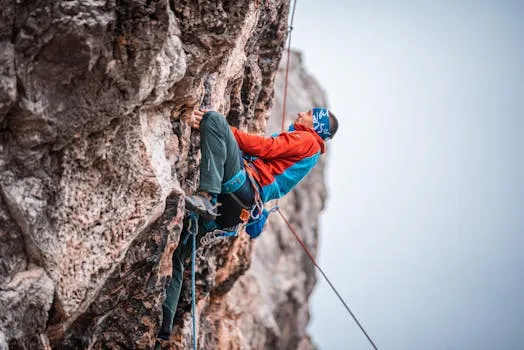
SERE training (Survival, Evasion, Resistance, and Escape) is the US military’s captivity-preparation program, designed to inoculate special operations personnel against the psychological effects of capture, interrogation, and torture. It involves a brief but intense simulated captivity experience exposing participants to controlled versions of the stressors they might face in actual captivity: sleep deprivation, cold exposure, food restriction, mock interrogation, isolation, physical discomfort.
A landmark study by Morgan and colleagues at Yale, examining SERE trainees before and after the program, found dramatic acute effects on multiple stress biomarkers (massive cortisol surges, testosterone drops, memory impairments during peak stress) followed by rapid recovery — and that prior SERE training significantly reduced the physiological stress response in subsequent challenging exercises. Direct evidence of inoculation at the hormonal level.
BUD/S (Basic Underwater Demolition/SEAL) training, including its famous Hell Week, operates on similar principles. The six-month program exposes candidates to progressively escalating physical and psychological demands within a framework that maintains controllability (candidates can voluntarily leave at any time by ringing a bell) and predictability (the program structure is known, even if specific event details aren’t). Research on BUD/S graduates consistently finds better HPA axis regulation, higher HRV, and greater cognitive performance under stress compared to non-SEAL military controls.
What makes these programs effective rather than traumatizing?
Several features. The stress exposures are graded — escalating over time rather than maximally intense from day one. The social context is cohesive — candidates experience the stress together, with peer support available throughout. The purpose is explicit — participants know why the training exists and understand its protective function. The controllability is maintained — exit is always available. And successful completion delivers a massive efficacy experience: a profound demonstration of what the individual can survive and recover from, one that updates their model of their own capabilities.
Clinical Stress Inoculation Training: The Meichenbaum Protocol
Parallel to the military applications, clinical psychologist Donald Meichenbaum developed a formal stress inoculation training (SIT) protocol in the 1970s and 1980s, applied in clinical settings to anxiety disorders, PTSD, anger management, and performance anxiety. Meichenbaum’s SIT is explicitly divided into three phases — conceptualization, skill acquisition and rehearsal, and application and follow-through — paralleling the three-stage structure of physiological inoculation (information, practice, exposure).
Phase 1, Conceptualization, educates the client about the nature of stress and their specific stress responses, establishing a shared framework for what the training is attempting to accomplish. The Socratic dialogue in this phase helps clients develop a more detailed, less catastrophizing understanding of their stress responses — the cognitive framing component the Jamieson and Crum research supports as causally important.
This isn’t just psychoeducation for its own sake. It’s the creation of the mental model that makes controlled stress exposure meaningful rather than merely aversive.
Phase 2, Skill Acquisition and Rehearsal, teaches specific coping skills to be applied during Phase 3 exposures: cognitive reappraisal, mindfulness-based emotional regulation, problem-solving, attention management, behavioral coping strategies. The goal isn’t to eliminate stress responses but to ensure the individual has a repertoire of effective responses to deploy when stressors hit.
This is where the cognitive-behavioral toolkit of stress management gets taught and practiced under non-stress conditions, building the neural circuitry that will activate during actual stress exposure.
Phase 3, Application and Follow-Through, involves graduated exposure to stressors of increasing intensity while applying the coping skills developed in Phase 2. The exposures progress from imaginal (visualizing stressful scenarios while applying coping skills) through role-play and behavioral rehearsal, to real-world graduated exposure. Each successful coping experience updates the individual’s efficacy beliefs and provides direct evidence that the stress response is manageable — the inoculation mechanism, in action.
Designing Your Own Stress Inoculation Practice
The principles of stress inoculation training translate into practical self-directed applications available to anyone without military training or clinical intervention. The key is to deliberately seek out controlled, progressive challenges that expand the range of tolerable stress, rather than avoiding all discomfort, which shrinks it. The following categories of self-directed stress inoculation have direct research support:
- Cold exposure: Progressive cold water exposure (beginning with 30-second cold showers and extending to longer durations and colder temperatures over weeks) is one of the most well-documented forms of physiological stress inoculation. Repeated cold stress trains the cold shock response to attenuate with adaptation, improves autonomic flexibility, reduces the norepinephrine response to cold stress while increasing baseline norepinephrine (associated with attention, mood, and focus), and appears to improve general stress tolerance through cross-adaptation mechanisms.
- High-intensity interval training: HIIT produces acute stress responses (HPA activation, sympathetic surge, inflammatory cytokine release) that, through hormetic adaptation, improve cardiovascular fitness, mitochondrial density, stress hormone regulation, and HRV. The intensity itself is the inoculating agent, which is why moderate steady-state exercise, while health-promoting, produces different (and in some respects lesser) neurobiological benefits than periodic maximal or near-maximal intensity training.
- Deliberate discomfort practice: Regular voluntary exposure to minor discomforts — sitting with hunger for a period before eating, staying in uncomfortable social situations rather than bailing, tolerating boredom without reaching for the phone — builds the general capacity for distress tolerance that transfers to larger challenges. This is the principle behind Buddhist ascetic practices, Stoic negative visualization, and Ryan Holiday’s concept of the obstacle as the way.
- Cognitive stress inoculation: Deliberately exposing yourself to challenging cognitive demands under mild stress conditions (learning new skills when slightly tired or anxious, public speaking practice in progressively larger settings, taking examinations under realistic conditions) builds the cognitive inoculation Jamieson and colleagues’ research documents, transferring to maintained performance under genuine stress conditions.
Biology Stress Inoculation Q&A About Stress Inoculation Training

The boundary between inoculating and traumatizing stress isn’t defined by objective intensity but by the combination of controllability, predictability, recovery opportunity, and the individual’s current regulatory capacity. The key practical heuristic: if full recovery happens — if HRV, sleep, cortisol, and subjective wellbeing return to baseline within 24–48 hours — the exposure is within the inoculating range.
If recovery takes longer, or if there’s progressive deterioration of baseline function over time (declining HRV trend, worsening sleep, increasing reactivity), the current capacity has been exceeded and intensity needs to come down. The goal is progressive overload with full recovery — identical to the principles of athletic training, applied to the stress-regulation system.
Can people with PTSD benefit from stress inoculation training?
This requires careful clinical judgment. People with active, undertreated PTSD have nervous systems already overloaded with unprocessed stress — adding deliberate stress exposures without first stabilizing the baseline can compound the trauma load rather than inoculate against it. The sequence matters: trauma processing (EMDR, somatic experiencing, PE) to reduce the existing stress load should come before deliberate stress inoculation.
Once the nervous system is better regulated, graduated stress inoculation is not only possible but potentially particularly valuable for PTSD survivors, who often have severely contracted windows of tolerance and avoidance patterns that block natural resilience-building experiences. A trauma-informed SIT approach that starts with very low-intensity, highly controllable exposures and progresses very slowly can be an important component of comprehensive PTSD treatment for people who’ve done the prerequisite stabilization work.
Is the “what doesn’t kill you makes you stronger” claim actually true?
Partially, conditionally, and importantly not universally. The research unambiguously supports that controlled, moderate, predictable, controllable stress exposures with adequate recovery opportunity build resilience along multiple dimensions. It equally unambiguously shows that severe, uncontrollable, unpredictable stress without recovery produces the opposite — sensitization, hyperreactivity, and lasting pathological changes in stress-response architecture. The popular aphorism is a dangerous simplification that can be used to justify insufficient care for people in genuinely traumatizing situations.
The more accurate formulation: what can be survived, processed, and recovered from, with meaningful control and adequate support, makes a person stronger. What overwhelms and cannot be escaped does not.
How does stress inoculation training differ from exposure therapy for anxiety?
They share the fundamental principle of graduated exposure to feared stimuli as a means of building tolerance and reducing avoidance. The differences are in purpose and mechanism. Exposure therapy targets a specific fear or anxiety pattern through systematic desensitization — extinguishing the conditioned fear response to specific stimuli. Stress inoculation training aims for broader resilience enhancement — increasing general stress tolerance, improving HPA axis regulation, training cognitive coping skills, and building efficacy beliefs that transfer across stress contexts.
Exposure therapy is more condition-specific and more targeted; SIT is more general and more preventive. For clinical anxiety disorders, exposure-based CBT is the standard evidence-based treatment. SIT fits better as a general resilience-building practice for healthy populations, or as an adjunct after primary symptom management.
What is the evidence for mental stress inoculation versus physical stress inoculation?
Both physical stressors (cold, exercise, heat) and psychological stressors (cognitive challenges, social evaluation, performance demands) produce inoculation effects through the same core mechanisms — HPA calibration, prefrontal-amygdala circuit strengthening, NE system regulation — but with somewhat different downstream profiles. Physical stress inoculation tends to produce stronger cardiovascular and HPA effects, while psychological stress inoculation produces stronger prefrontal regulatory and cognitive performance effects.
Cross-adaptation happens in both directions — physical stress inoculation improves psychological stress tolerance and vice versa — but the magnitude of cross-domain transfer is smaller than within-domain transfer. A comprehensive inoculation practice that includes both physical and psychological stressors appears to produce stronger resilience than either approach alone.
The Neuroscience of Post-Traumatic Growth
Post-traumatic growth — the phenomenon where people report positive psychological changes following highly challenging life experiences — is one of the most fascinating and most misunderstood findings in resilience research. Reported by 30–70% of people who experience significant trauma across various studies, PTG includes increases in personal strength, changes in relationships, new possibilities, appreciation of life, and spiritual or existential development.
Understanding the neuroscience of PTG matters for stress inoculation training because it illuminates the specific conditions and processes that transform adversity into adaptation.
Richard Tedeschi and Lawrence Calhoun, who coined the term PTG in the 1990s, emphasize that growth doesn’t come from the trauma itself but from the cognitive and emotional processing struggle that follows it. Their model describes PTG as arising when a traumatic event significantly challenges an individual’s core assumptive world — their fundamental beliefs about themselves, others, and the future — creating what Tedeschi calls “seismic disruption” that forces a complete rebuilding of the belief system.
This rebuilding process, when it goes well, produces a more sophisticated, realistic, and resilient set of core beliefs — better equipped for navigating adversity than the pre-trauma worldview.
The neural correlates of PTG are beginning to be mapped. A 2015 study by Cao and colleagues found that PTG was associated with greater connectivity between the medial prefrontal cortex and the default mode network — regions involved in narrative self-construction and autobiographical meaning-making. This suggests PTG involves integrating traumatic experience into an updated self-narrative rather than suppressing or avoiding it. The PTG brain is actively constructing meaning from adversity, not merely recovering from damage.
Critically, PTG is not the same as resilience and shouldn’t be conflated with it. Resilience is the ability to bounce back — to maintain function under adversity and recover quickly to baseline. PTG is the ability to bounce forward — to emerge from adversity with fundamentally expanded capacities.
Not everyone who experiences trauma shows PTG. Research suggests the experience of acute post-traumatic distress — processing the assumptive world disruption — is actually a prerequisite for PTG, while resilience in the sense of unaffected functioning is not. An important nuance: the path to growth sometimes runs through genuine struggle, not around it.
For stress inoculation training, the PTG literature suggests the most resilience-building experiences aren’t those merely difficult but those genuinely challenging enough to disrupt current assumptions and force their reconstruction. The challenge has to exceed current competence enough to require genuine adaptation, but not so far as to exceed the capacity for adaptation entirely. This is the Goldilocks zone of inoculating stress — challenging but survivable, disrupting but reconstructible.
Finding and staying in that zone, over time, is how deliberate resilience development works.
Respiratory Techniques for Acute Stress Regulation
A critical component of any stress inoculation training program is developing reliable techniques for regulating acute stress responses in real time — the ability to activate prefrontal regulatory circuits even under significant sympathetic activation. Without this capacity, stress exposures are just unmanaged flooding rather than inoculating training. The respiratory system is the most accessible and most powerful lever for real-time autonomic regulation.
The tactical breathing technique used across military and law enforcement training is the simplest and strongest option: inhale for 4 counts, hold for 4 counts, exhale for 4 counts, hold for 4 counts — box breathing. Chosen specifically for high-activation conditions because its structure is simple enough to execute under significant stress when more complex techniques fail.
The mechanism: the equal inhale and exhale with breath holds forces CO2 regulation, slows respiratory rate, and activates the parasympathetic component of autonomic control enough to partially interrupt the sympathetic cascade, without requiring the deeper relaxation of resonance breathing.
Research on box breathing in acute stress contexts is positive. A 2017 study by Zaccaro and colleagues documented significant effects on cortisol and subjective stress in a standard social stress paradigm. SEAL training programs explicitly teach tactical breathing as a performance tool for maintaining shooting accuracy, decision-making quality, and emotional regulation under operational stress — and the evidence from performance data (accuracy maintenance under simulated threat conditions) supports its effectiveness.
The advantage of a simple technique like box breathing over more elaborate approaches is that it’s rehearsable to automaticity — the same way soldiers rehearse weapons handling until it becomes automatic, tactical breathing can be rehearsed until it activates reliably even under the kind of high arousal that normally interferes with voluntary behavior.
The progressive nature of stress inoculation training means respiratory regulation techniques should be learned in low-stress conditions, practiced regularly until automatic, then deliberately practiced in increasingly stressful contexts before they’re needed in genuinely high-stakes situations. This mirrors military training precisely: skills are learned in garrison, practiced in training exercises, and deployed operationally only after they’ve been rehearsed to reliability. The person who first tries tactical breathing during a panic attack will find it difficult.
The person who’s practiced it daily for three months will find it activates nearly automatically when needed.
Social Support: The Non-Negotiable Resilience Factor
Understanding why social support matters neurobiologically — not just as a resource but as a direct biological factor in stress response regulation — is essential for designing effective stress inoculation programs.
Social support operates on the nervous system through multiple pathways. The ventral vagal pathway, as discussed in the polyvagal section, is specifically connected to the social engagement system — the face, voice, and gaze signals through which mammals communicate safety to each other. Being with a calm, attuned other directly activates ventral vagal pathways and reduces sympathetic activation, even without any verbal exchange.
This is the mechanism by which a supportive presence literally changes the physiological experience of a stressor — not merely the cognitive interpretation of it.
The oxytocin system provides a second pathway. Oxytocin, often characterized as the “bonding hormone,” directly suppresses the amygdala’s fear response, reduces cortisol reactivity, and promotes prosocial behavior. Social connection triggers oxytocin release, which in turn modulates the stress response in the direction of greater equanimity.
A 2012 study by Ditzen and colleagues found that couples who received oxytocin nasal spray before a conflict conversation showed reduced cortisol responses and more positive communication behavior compared to placebo — a finding that illuminates why strong intimate partnerships are among the most powerful predictors of stress resilience in longitudinal studies.
For stress inoculation training design, the social support finding translates into a concrete requirement: stress inoculation works best inside a cohesive social context. The remarkable stress-tolerance demonstrated by military special operations candidates isn’t just a product of individual training — it’s substantially produced by the unit cohesion that develops through shared adversity.
Civilian equivalents (sports teams, group fitness challenges, deliberate social adversity sharing like difficult workshops or challenging group retreats) produce similar resilience-enhancing effects through similar mechanisms. Attempting stress inoculation in social isolation, without the regulatory co-support others provide, is both less effective and more likely to produce pathological rather than inoculating outcomes.
Measuring Resilience: How to Know If Your Training Is Working
One of the practical challenges of stress inoculation training is figuring out whether it’s actually working — whether genuine resilience is being built or just habituation to routine stressors without meaningful neurobiological adaptation. Not merely an academic question. Training without measurement is training without feedback, and training without feedback is inefficient at best and counterproductive at worst.
The most objective measure of stress inoculation effectiveness is the trajectory of HRV under controlled stress conditions. As inoculation progresses, a well-calibrated stress response should show: adequate acute HRV suppression during the stressor (the sympathetic response still activates — that’s appropriate and necessary), followed by progressively faster HRV recovery after the stressor ends (the recovery system getting stronger), and a gradual increase in resting HRV baseline over weeks (the system’s overall regulatory capacity improving).
A common error is measuring only the acute stress response and concluding that declining acute arousal means increasing resilience. The key marker is recovery speed and baseline trajectory, not acute arousal magnitude.
Cortisol measures add another dimension. Resilient cortisol adaptation following inoculation training looks like: appropriate acute cortisol spikes to genuine challenges (the system still responsive), followed by faster cortisol recovery to baseline (improved negative feedback), and normalized diurnal rhythm (the regulatory architecture improving across the whole day). Blunted acute cortisol responses aren’t always signs of resilience — in burnout and PTSD, blunted cortisol reflects HPA suppression from overload, not healthy adaptation.
The target is appropriate responsiveness plus efficient recovery, not flat cortisol through all conditions.
Subjective measures also have value: tracking your window of tolerance (the range of activation states within which you can function effectively), your recovery time after significant stressors, your capacity to make good decisions under mild-to-moderate stress, and your general sense of efficacy and agency in challenging situations. These subjective markers, tracked systematically over months, reveal functional improvements in resilience that physiology alone doesn’t fully capture.
The goal, after all, isn’t just better biomarkers but a richer, more capable, more engaged experience of living — and that’s ultimately a subjective achievement that objective measures can support but not replace.
Resilience is not the absence of difficulty. It is the presence of adequate resources to meet difficulty with dignity — and the willingness to deliberately build those resources before adversity arrives to demand them.
The fundamental change stress inoculation training requires is moving from reactive crisis management to proactive capacity building. Most people think about stress resilience only once they’re already overwhelmed — at which point they’re trying to build the boat during the flood. The research is unambiguous that resilience is trainable, that the training works through specific biological mechanisms, and that the window for most effective resilience building is before it’s needed, not during the crisis.
This isn’t a counsel of perfectionism or hyperpreparation. It’s simply the recognition that biological systems, like physical ones, respond better to planned training than to emergency repair.
Integrating Stress Inoculation Into Daily Life
The gap between stress inoculation theory and daily practice is where most people get lost. The research is compelling. The mechanisms are clear. The protocols are established. And yet the actual implementation — maintaining a consistent, progressive, thoughtfully designed stress inoculation practice inside a busy, complex life — requires practical structure the academic literature rarely provides in operational detail.
A workable framework for daily integration starts with identifying current stress tolerance baseline. Before adding deliberate stress exposures, spend two weeks tracking existing stress load and recovery: morning HRV, sleep quality, and a brief daily log of major stressors and subjective recovery quality. This baseline reveals whether there’s the regulatory capacity to add deliberate stress exposures, or whether existing allostatic load needs reducing first, before intentional challenges get added on top.
The weekly structure of an effective stress inoculation practice: two to three deliberate physical stress inoculations per week (cold exposure, HIIT, or another high-intensity modality), with the remaining days devoted to lower-intensity exercise and recovery. One to two psychological stress inoculation exposures weekly — a difficult conversation that’s been avoided, a public speaking opportunity, a novel cognitively demanding challenge.
Daily respiratory regulation practice (10 minutes of box breathing or resonance frequency breathing) maintains the acute stress regulation skills that make intentional stress exposures productive rather than merely aversive.
Progressive overload applies: every 4–6 weeks, the stressor intensity, duration, or complexity should increase modestly — not dramatically — to keep driving adaptation. Without progression, the body habituates and no further adaptation occurs. With excessive progression, recovery capacity gets exceeded and stress load accumulates rather than resilience building. The art of the practice is finding the Goldilocks zone of progressive challenge within sustainable recovery, adjusted week by week based on the HRV and subjective data being collected.
This is the same science elite athletes use to structure their training — applied not to muscle development but to the stress-regulation systems that determine psychological and physiological resilience across everything a person does.
References