
Jonas was the kind of man who counted macros. He tracked his sleep. He knew his VO2 max. When he and his partner were diagnosed with male factor infertility — specifically, his poor motility and elevated DNA fragmentation — he assumed the problem was environmental. He’d read about phthalates and BPA and assumed the fix would come from eliminating plastics. He bought stainless steel containers, switched to glass storage, and ate only organic produce for four months.
His three-month semen analysis was essentially unchanged.
His integrative medicine doctor sat down with him and went through his three-day diet recall. Jonas was eating a “clean” diet by popular fitness standards. Chicken breast, brown rice, broccoli, protein shakes, egg whites. Virtually no fatty fish. Almost no organ meat. Low fat intake overall, since he’d been cutting for a competition. Zinc intake estimated at 60% of RDA. Vitamin C around 80% of RDA. Omega-3 intake essentially zero.
His antioxidant capacity was being provided by a polyphenol-light diet that looked healthy in the gym but was impoverished for the specific micronutrients the male reproductive system requires.
The doctor added cooked salmon three times per week, a handful of pumpkin seeds daily, a Brazil nut, a half cup of cooked tomatoes with olive oil, and a small supplementation stack. Six months later, Jonas’s motility had improved substantially, and his DNA fragmentation had dropped from 31% to 19%.
It wasn’t a straight line to get there, worth saying. Jonas skipped the salmon for most of the second month — travel, a work crunch, the usual excuses that derail a protocol before it’s had time to do anything — and showed up to his six-week check-in mildly annoyed that nothing had changed. Nothing had changed because six weeks isn’t long enough for anything to change, a point his doctor had to make twice. He locked back in after that conversation. The improvement showed up on schedule, just not on the schedule he’d hoped for.
The story illustrates a counterintuitive reality: the dietary patterns that optimize body composition and athletic performance are not automatically the same as those that optimize sperm quality. The reproductive system has its own specific nutritional requirements — requirements that involve fatty acid profiles, micronutrient concentrations, and antioxidant mechanisms that a calorie-controlled fitness diet frequently undersupplies.
WHY SPERM NUTRITION IS DIFFERENT FROM GENERAL HEALTH NUTRITION
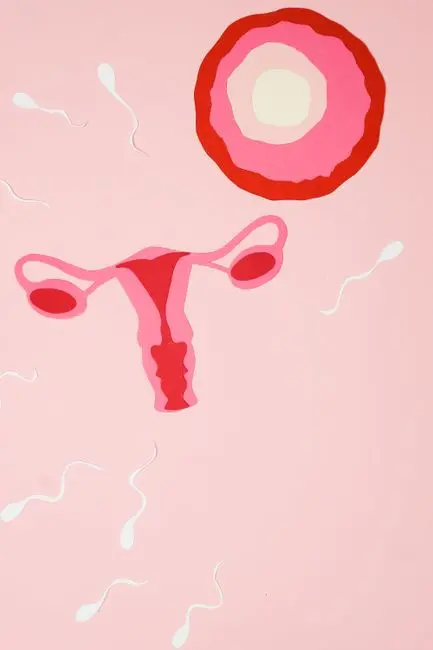
To achieve this design, sperm cells made a trade-off during development: they stripped away most of the cellular machinery (including the antioxidant enzyme systems that most cells use to protect themselves from oxidative damage). The result is a cell that is exquisitely streamlined but highly vulnerable to oxidative injury.
The sperm’s lipid-rich membrane — enriched with polyunsaturated fatty acids (PUFAs), particularly DHA — provides the fluid dynamics necessary for motility, but those same PUFAs are prime targets for lipid peroxidation by reactive oxygen species.
The seminal plasma (the fluid fraction of semen) is the sperm’s external protective environment. It is rich in antioxidants — vitamin C, vitamin E, glutathione, zinc, selenium, carnitine — that provide the chemical defense the sperm itself cannot mount. The quality and composition of seminal plasma antioxidants is directly influenced by dietary intake. When the diet is deficient in these protective compounds, the seminal plasma loses antioxidant capacity, oxidative stress rises, and sperm suffer measurable functional damage.
This is the first principle of sperm nutrition: the sperm themselves aren’t primarily what’s being fed — the protective environment they live in is. And that environment has a specific, identifiable nutritional requirement list.
Worth pausing on the scale of the manufacturing problem, because it changes how the whole topic should be approached. The testes produce something on the order of 1,500 sperm every second across a healthy adult male — call it 100 million or more a day. No other organ in the body runs a production line at that volume with that little room for material error. A factory building 100 million units a day on cheap raw material builds 100 million flawed units. That’s not a metaphor stretched too far. It’s a reasonably accurate description of what a nutrient-poor diet does to spermatogenesis, quietly, for months, before a semen analysis ever puts a number on it.
OMEGA-3 FATTY ACIDS: THE STRUCTURAL FOUNDATION
The mechanism is physical: DHA’s long carbon chain and multiple double bonds create a highly fluid, flexible membrane environment in the sperm tail. This fluidity is required for the rapid, coordinated flagellar beating that drives forward progression. When DHA is replaced by saturated fatty acids (as occurs in high saturated fat diets), membrane rigidity impairs motility mechanics.
DHA also plays a role in the acrosome reaction — the calcium-dependent fusion of the sperm’s acrosomal membrane that releases enzymes to penetrate the zona pellucida of the egg. Reduced membrane DHA impairs this process and reduces fertilizing capacity even in sperm that appear morphologically normal.
Clinical intervention data is compelling. A double-blind RCT by Safarinejad (2011) published in Andrologia randomized 238 infertile men with idiopathic asthenozoospermia to DHA (1.84g/day) or placebo for 16 weeks. The DHA group showed significant improvements in total sperm count (22% increase), motility (18% increase), and morphology (22% increase). Placebo showed no significant change.
A subsequent meta-analysis of omega-3 supplementation RCTs found consistent effects on motility improvement, with the greatest effects in men with the lowest baseline omega-3 status — reinforcing that these interventions correct a deficiency rather than pharmacologically enhance a system that’s already adequate.
Dietary sources and dose: Wild salmon provides approximately 1.5-2g EPA+DHA per 100g serving. Mackerel, sardines, and anchovies are even richer per calorie. Farmed salmon varies significantly depending on feed composition. Walnuts and flaxseed provide ALA (alpha-linolenic acid), which converts to EPA and DHA in the body — but conversion efficiency is poor (typically less than 10% for DHA), so these cannot reliably replace direct DHA sources for men trying to optimize sperm quality.
Supplementation at 1-2g DHA/day (as fish oil or algal oil) is appropriate for men with low baseline intake.
One quality note that gets skipped in most guides: rancid fish oil is worse than no fish oil. Oxidized PUFAs — the same lipid peroxidation process damaging sperm membranes in the first place — can occur in a fish oil bottle sitting on a shelf, and a supplement delivering pre-oxidized fatty acids is handing the reproductive tract more of the exact problem it’s trying to solve. Refrigerate liquid fish oil after opening, buy from brands that publish third-party oxidation testing (TOTOX values), and if a capsule tastes sharply fishy or metallic rather than neutral, it’s likely already turned.
ZINC: THE ESSENTIAL MINERAL OF MALE REPRODUCTION
No mineral is more important for male reproductive function than zinc. The testes concentrate zinc to levels 100 times higher than blood plasma.
Zinc is required at multiple critical points in the reproductive system: it is a cofactor for over 300 enzymes involved in DNA synthesis and cell division (directly relevant to spermatogenesis); it is essential for testosterone synthesis (as a cofactor in the CYP17A1 enzyme that converts pregnenolone to DHEA and ultimately testosterone); it is incorporated into the protamine proteins that compact DNA in the sperm head, protecting it from oxidative fragmentation; and it is a major antioxidant in seminal plasma, where seminal zinc concentrations are among the highest in any body fluid.
Zinc deficiency — even subclinical deficiency that doesn’t produce obvious systemic symptoms — is associated with measurably impaired semen parameters. A cross-sectional study in Nutrition Research found that seminal zinc concentration was significantly lower in infertile men than fertile controls and correlated positively with sperm concentration, progressive motility, and morphology.
A meta-analysis of 20 randomized controlled trials examining zinc supplementation effects on male fertility found significant improvements in sperm concentration, total motility, and morphology at doses of 25-50mg elemental zinc per day.
The relationship between zinc and testosterone was demonstrated directly by Prasad and colleagues in a controlled feeding study published in Nutrition, which put healthy young men on an experimentally zinc-restricted diet for 20 weeks. Serum testosterone dropped by roughly half over the course of the restriction, then recovered once zinc was reintroduced. It is one of the cleaner demonstrations in the nutrition literature that a single mineral deficiency, on its own, without any other change, is sufficient to collapse androgen output — and it did so at a level of dietary restriction that isn’t far from what a low-appetite, high-training-volume, plant-forward eater can land at by accident.
Zinc also plays an under-discussed role in chromatin packaging. Protamines — the small, highly basic proteins that replace histones during the final stage of sperm maturation, compacting the DNA into a volume roughly a twentieth the size of a normal somatic cell nucleus — depend on zinc-finger-like structures to complete this compaction correctly. Poor protamination leaves sperm DNA loosely packed and far more vulnerable to oxidative strand breaks, which is one of the mechanistic threads connecting zinc status directly to DNA fragmentation index, the same marker that mattered so much in Jonas’s case.
An important nuance: zinc and copper compete for intestinal absorption. Supplementing zinc above 40mg/day chronically without copper (1-2mg/day) risks copper deficiency. Most well-formulated fertility supplements account for this; men supplementing zinc standalone should include a copper source.
Dietary zinc sources: Oysters are by far the richest source (approximately 75mg per 100g — multiple times the RDA in a single serving). Beef (particularly red meat), lamb, pumpkin seeds, hemp seeds, and cashews are meaningful secondary sources. The phytate content of plant foods reduces zinc bioavailability by 15-65%, so men relying on plant-based diets need higher total zinc intake to achieve comparable absorption to omnivores.
Zinc is depleted by excessive sweating (athletes lose meaningful zinc through sweat), alcohol consumption (alcohol increases renal zinc excretion), and high phytate diets. Men who train heavily and eat plant-forward diets without deliberate zinc attention are the highest-risk group for subclinical deficiency.
FOLATE AND VITAMIN B12: DNA INTEGRITY NUTRITION

The landmark study by Wong et al. published in Fertility and Sterility in 2002 was a randomized, double-blind trial that gave 108 fertile and infertile men either folic acid (5mg/day), zinc (66mg/day), both, or placebo for 26 weeks. Fertile men receiving the combination showed a 74% increase in total normal sperm count. Infertile men receiving the combination showed a 74% increase in total normal sperm count as well.
Neither nutrient alone produced effects of this magnitude — the combination was synergistic. The authors proposed that zinc is required for folate metabolism (zinc is a cofactor for enzymes in the folate pathway), explaining the synergy.
More recent work has connected folate intake to sperm DNA methylation patterns. Paternal folate deficiency before conception is associated with altered methylation at imprinted gene regions in sperm — epigenetic marks that influence gene expression in offspring. A landmark mouse study by Lambrot et al. showed that paternal folate deficiency increased the incidence of birth defects in offspring by 30%.
Human epidemiological data from the Rotterdam study showed associations between paternal folate status and offspring neural tube defect risk, suggesting this mechanism operates in humans as well.
Vitamin B12 works synergistically with folate in one-carbon metabolism. B12 deficiency impairs the regeneration of active folate (5-methyltetrahydrofolate to tetrahydrofolate), effectively creating a functional folate deficiency even when dietary folate is adequate. Men with low B12 — a concern particularly for vegans, who have no reliable dietary B12 sources without supplementation — frequently show elevated homocysteine, which is itself associated with reduced sperm quality and increased DNA fragmentation.
One genetic wrinkle worth knowing about: the MTHFR C677T polymorphism, which reduces the efficiency of the enzyme that converts dietary folate into its active methylated form, is carried in homozygous form by roughly 10-15% of some populations and shows up more frequently still in heterozygous form. Men with this variant can eat what looks like adequate folate on paper and still run functionally low, because their conversion machinery is working at a fraction of normal capacity. Standard folic acid supplementation partially bypasses this bottleneck; methylfolate bypasses it entirely, which is why it’s worth specifying by name rather than grabbing whatever folic acid tablet is cheapest at the pharmacy.
Practical recommendations: dietary folate from dark leafy greens (spinach, romaine, asparagus, Brussels sprouts), legumes, and avocado. Supplemental folic acid at 400-800mcg/day is appropriate for most men during fertility optimization; men with MTHFR polymorphisms (which reduce folate activation efficiency) may benefit from methylfolate (the pre-activated form) at similar doses. B12: adequate from animal foods (meat, fish, eggs, dairy); vegans and vegetarians should supplement 500-1000mcg methylcobalamin daily.
VITAMIN C AND VITAMIN E: THE ANTIOXIDANT PARTNERSHIP
Vitamins C and E function as a pair in the body’s antioxidant network. Vitamin C (ascorbic acid) is the primary water-soluble antioxidant in seminal plasma, where its concentration is 10 times higher than in blood plasma. It neutralizes reactive oxygen species directly and regenerates oxidized vitamin E back to its active form.
Vitamin E (alpha-tocopherol and mixed tocopherols) is the primary fat-soluble antioxidant embedded in cell membranes, where it interrupts lipid peroxidation chain reactions before they can propagate through the sperm membrane.
Seminal vitamin C concentration correlates inversely with sperm DNA oxidative damage (measured as 8-OHdG, a marker of guanine oxidation in DNA). A classic double-blind RCT by Dawson et al. supplemented healthy male smokers with 200mg, 1000mg, or placebo vitamin C daily for 4 weeks. Sperm DNA damage decreased by 11% with 200mg and by 14% with 1000mg versus placebo.
Sperm agglutination (clumping) — which impairs motility by preventing individual sperm from swimming freely — was also significantly reduced.
Vitamin C prevents sperm agglutination by reducing oxidative cross-linking of seminal proteins.
Vitamin E’s effect on male fertility has been studied primarily in combination with other antioxidants. A well-designed RCT by Suleiman et al. found that 400 IU vitamin E daily for three months significantly improved sperm motility and reduced lipid peroxidation markers in seminal plasma in men with idiopathic asthenozoospermia. The combination of vitamins C and E together consistently outperforms either alone in human supplementation studies, consistent with their biochemical partnership in the antioxidant network.
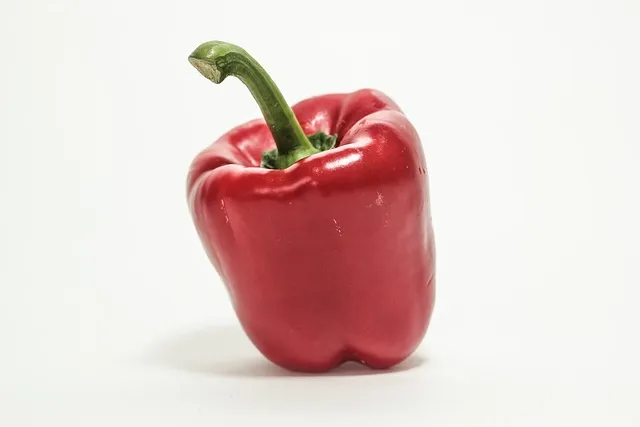
Dietary vitamin C: bell peppers (particularly red), citrus, strawberries, broccoli, and kiwi are the richest sources. Most men eating adequate fruits and vegetables are not dramatically deficient, but the optimal seminal plasma concentrations for sperm protection may require intake above typical dietary levels — supplementation at 500-1000mg/day provides benefit in multiple RCTs. Dietary vitamin E: nuts and seeds (particularly sunflower seeds, almonds, hazelnuts), vegetable oils (wheat germ oil is the richest source), and avocado.
Supplementation with mixed tocopherols at 200-400 IU/day is appropriate given the difficulty of reaching therapeutic doses through diet alone. More on the upper limits of this strategy later — antioxidants are not a “more is always better” category, and the reasons why matter enough to get their own section further down.
SELENIUM: THE TRACE MINERAL MOST MEN IGNORE
Selenium is incorporated into approximately 25 selenoproteins in the body. In the male reproductive tract, the most critical is phospholipid hydroperoxide glutathione peroxidase (GPx5/PHGPx) — a selenoprotein found in the sperm midpiece that specifically protects the mitochondrial sheath from lipid peroxidation. Selenium is also required for the structural integrity of the sperm flagellum — severe selenium deficiency produces morphologically abnormal sperm with coiled or short tails, as the flagellar cytoskeleton depends on selenoproteins for proper assembly.
A landmark Scottish RCT by Scott et al. published in the British Journal of Urology randomized 69 infertile men (with sperm motility <50%) to selenium (100mcg/day) alone, selenium plus vitamins A, C, and E, vitamins without selenium, or placebo for three months. Selenium-containing groups showed significant improvement in sperm motility (11% absolute improvement).
Selenium combined with antioxidant vitamins produced the greatest improvement and resulted in 11% of the selenium+vitamins group fathering a successful pregnancy during the trial versus 0% in the placebo group.
Selenium status varies dramatically by geography because it depends on soil selenium concentration, which varies 1,000-fold globally. Selenium-deficient soils are common in much of Europe, parts of China, and New Zealand. American soils are generally selenium-adequate due to geological factors, but local sourcing matters. Serum selenium testing is available and informative.
Margaret Rayman’s 2012 review in The Lancet remains the most complete single summary of why selenium status matters across so many organ systems at once — thyroid function, immune competence, and reproductive tissue all depend on the same selenoprotein family, which is part of why a low selenium status tends to show up as a cluster of vague complaints rather than one obvious symptom. Reproductive tissue happens to be one of the most selenium-hungry tissues in the body relative to its mass, which is why fertility parameters are often among the first measurable casualties of marginal selenium status, well before anything shows up on a standard thyroid panel.
The practical dietary strategy: 1-2 Brazil nuts per day provides 70-180mcg selenium (the RDA is 55mcg for adults, but for fertility optimization purposes, 100-200mcg/day appears optimal based on intervention data). Brazil nuts are highly variable in content, however — selenium concentration depends on where the nuts were grown. Supplemental selenium selenomethionine at 100-200mcg/day is more reliable. Important: selenium toxicity is real above 400mcg/day (selenosis).
Combining a Brazil nut habit with a high-selenium supplement without testing baseline levels first is a mistake worth avoiding.
CARNITINE AND COQ10: FUELING THE MITOCHONDRIAL ENGINE
The sperm midpiece — the short, densely packed segment sitting just behind the head — is essentially a mitochondrial battery pack, wrapped in a helical sheath of anywhere from 50 to 75 mitochondria arranged end to end. Every beat of the flagellum downstream of that midpiece runs on ATP generated there. Nothing else in the cell is close enough to the tail to supply energy fast enough for the motion required. Two nutrients matter more than any others for keeping that battery pack functioning: L-carnitine and coenzyme Q10.
L-carnitine’s job is transport. Fatty acids can’t cross the inner mitochondrial membrane on their own — they need to be shuttled across bound to carnitine, in a process called the carnitine shuttle, before beta-oxidation can extract their energy. Sperm cells carry unusually high concentrations of both carnitine and acetyl-L-carnitine relative to nearly any other cell type in the body, which is itself a clue about how central fatty acid oxidation is to flagellar function. Low seminal carnitine consistently correlates with reduced motility across multiple observational studies.
The interventional evidence backs the correlation. Lenzi and colleagues ran a placebo-controlled double-blind trial, published in Fertility and Sterility in 2004, giving men with asthenozoospermia a combination of L-carnitine and acetyl-L-carnitine for six months. Motility improved significantly against placebo. Balercia and colleagues followed with a similarly designed crossover trial in the same journal the following year, comparing L-carnitine alone, acetyl-L-carnitine alone, and the combination — the combination outperformed either compound given individually, suggesting the two forms serve at least partially distinct roles (acetyl-L-carnitine crosses cell membranes somewhat more readily and carries additional antioxidant activity of its own). A separate trial by Cavallini and colleagues, also in Fertility and Sterility, found the carnitine combination produced meaningful motility gains in men with idiopathic infertility over a comparably designed protocol period.
Coenzyme Q10 works one step downstream. It’s a required cofactor in Complex I and Complex II of the mitochondrial electron transport chain — the actual machinery generating ATP once carnitine has delivered the fuel — and in its reduced form (ubiquinol) it doubles as a membrane-based antioxidant protecting the same mitochondrial sheath it’s powering. Safarinejad’s randomized, placebo-controlled trial, published in The Journal of Urology in 2009, gave infertile men 300mg CoQ10 daily for 26 weeks and found significant improvements in sperm concentration, motility, and morphology, alongside measurable increases in seminal antioxidant capacity. A later meta-analysis by Lafuente and colleagues, published in the Journal of Assisted Reproduction and Genetics, pooled the available CoQ10 trials and confirmed consistent improvements in concentration and motility, though the effect on pregnancy rates specifically remained less certain given the smaller sample sizes available for that endpoint.
Practical dosing: L-carnitine 2-3g/day combined with acetyl-L-carnitine 500mg-1g/day reflects the doses used in the positive trials. CoQ10 at 200-400mg/day, in the ubiquinol form rather than standard ubiquinone for men over roughly 40 — the enzymatic conversion of ubiquinone to its active ubiquinol form becomes less efficient with age, and ubiquinol is absorbed several-fold better in head-to-head bioavailability comparisons. Both compounds take the full length of a spermatogenic cycle, and generally longer, to show their effect — nobody should expect a semen analysis at six weeks to reflect either intervention.
LYCOPENE: THE TOMATO ANTIOXIDANT WITH REMARKABLE FERTILITY EFFECTS
The human intervention data on lycopene and male fertility is surprisingly strong given how little attention this nutrient receives. A small but rigorously conducted crossover RCT by Gupta et al. published in Human Reproduction in 2002 treated 30 men with idiopathic infertility with lycopene (2mg twice daily) for three months. Sperm concentration doubled (from mean 8.4 million/mL to 16.5 million/mL), sperm motility improved by 36%, and morphology improved substantially. Six of the 30 men achieved pregnancy during the trial.
A more recent meta-analysis published in the European Journal of Nutrition confirmed these findings across multiple studies, concluding that lycopene supplementation significantly improves sperm concentration, motility, and morphology in infertile men with idiopathic causes.
The bioavailability note is critical: raw tomatoes provide relatively little bioavailable lycopene. Cooking breaks down cell walls and converts trans-lycopene to more bioavailable cis-isomers. Tomato paste, tomato sauce, sun-dried tomatoes, and cooked whole tomatoes — especially when prepared with olive oil (fat enhances lycopene absorption) — are dramatically superior sources to raw tomatoes. One cup of tomato sauce provides approximately 20mg lycopene; a tablespoon of tomato paste provides 15mg.
Ketchup, for what it’s worth, technically counts — it’s cooked, concentrated tomato with oil-friendly serving contexts — but the sugar load involved in eating enough of it to hit a therapeutic lycopene dose defeats the purpose several times over. Not a substitute for tomato sauce. Worth saying, because someone will ask.
Watermelon is the second-richest source at approximately 6-7mg per cup and is eaten raw. For therapeutic doses (4-8mg/day), regular cooked tomato consumption or supplementation is practical.
VITAMIN D: THE SUNLIGHT HORMONE SPERM ALSO NEED
Vitamin D shows up in the supplement stack throughout this article without much explanation of why it belongs there, so it’s worth being specific. The vitamin D receptor (VDR) and the enzymes that activate and metabolize vitamin D locally are expressed throughout the male reproductive tract — in the testes, the epididymis, and directly on the sperm cell itself. This isn’t a case of a general-health vitamin getting tacked onto a fertility supplement list for marketing reasons. Sperm are direct vitamin D targets.
Blomberg Jensen and colleagues at Copenhagen University Hospital mapped this system in detail across a series of papers in Human Reproduction, showing that active vitamin D (calcitriol) triggers calcium influx into the sperm cell — the same calcium signaling pathway that governs hyperactivated motility and the acrosome reaction. In their observational data, men with sufficient vitamin D status (above 50 nmol/L) showed better sperm motility than men who were deficient, and in a follow-up randomized, placebo-controlled trial, vitamin D3 supplementation over roughly five months improved sperm motility specifically in the subgroup of men who started out deficient. Men who were already vitamin D-replete at baseline saw essentially no additional benefit from supplementing further.
That last detail matters more than it might seem. This is not a nutrient where doubling or tripling the dose produces a doubled or tripled effect. It’s a correction mechanism — fix the deficiency, and the downstream calcium signaling machinery that depends on it starts working properly again. Push vitamin D well past sufficiency in a man who was never deficient, and there is no fertility upside on offer, only the accumulating risk of hypercalcemia at genuinely excessive doses.
Deficiency is common enough to warrant testing rather than assuming. Indoor-working men at higher latitudes, men with darker skin (which requires substantially more UVB exposure to synthesize equivalent vitamin D), and men who reflexively apply sunscreen before any outdoor activity are all at elevated risk of landing below the 30 ng/mL threshold most functional medicine practitioners consider the floor for reproductive optimization, let alone the government’s more conservative 20 ng/mL deficiency cutoff. A serum 25-hydroxyvitamin D test is inexpensive and removes the guesswork. Supplementation at 2000-4000 IU/day of D3, taken with a fat-containing meal, is generally sufficient to move a deficient man into the 40-60 ng/mL range considered optimal over eight to twelve weeks, with retesting the only reliable way to confirm the target has actually been hit.
THE DIETARY PATTERNS THAT ACTIVELY DAMAGE SPERM
Understanding what to eat for fertility is only half the equation. Understanding what dietary patterns impair sperm quality is equally important — and this is where the fitness culture’s blind spots are most dangerous.
High processed meat intake:
A landmark study from the Harvard School of Public Health (Afeiche et al., 2014) followed 364 men undergoing IVF and found that men in the highest quartile of processed meat intake had 23% lower normal morphology sperm compared to men in the lowest quartile. The proposed mechanisms include the advanced glycation end products (AGEs) formed during high-temperature meat processing, which induce oxidative stress, and the sodium nitrite used in cured meats, which generates reactive nitrogen species.
Unprocessed red meat in moderate amounts did not show the same negative effect.
High-fat dairy intake:
A Harvard study examining dairy intake and semen parameters in 189 healthy young men found that high-fat dairy (whole milk, cream, cheese) was associated with lower sperm motility (14% lower) and abnormal morphology. The proposed mechanism involves the endocrine-disrupting activity of steroid hormones naturally present in cow’s milk from pregnant cows, as well as IGF-1 content. Skim milk did not show the same associations.
Sugar-sweetened beverages and high glycemic diets:
The EARTH study cohort found that men in the highest tertile of sugar-sweetened beverage consumption had 30% lower sperm motility compared to non-consumers. High dietary glycemic load is associated with elevated insulin, which upregulates aromatase activity and increases estrogen conversion. Elevated estrogen relative to testosterone impairs spermatogenesis via HPG axis negative feedback.
Excessive alcohol:
Alcohol is a direct gonadotoxin at high doses. Acetaldehyde (the primary alcohol metabolite) inhibits steroidogenesis in Leydig cells, reducing testosterone. It also increases reactive oxygen species production, depletes folate and zinc, and disrupts sleep architecture — all of which impair spermatogenesis. A systematic review found dose-dependent negative effects on semen parameters beginning at moderate intake levels (7+ drinks/week). Light consumption (1-3 drinks/week) did not show consistent negative effects in most studies.
Low fat intake:
This is the counterintuitive one. Men following very low fat diets (below 20% of calories from fat) in pursuit of body composition goals frequently sacrifice DHA and fat-soluble vitamin (A, D, E, K) intake, all of which are critical for reproductive function. Fat is not the enemy of fertility — the type and adequacy of fat intake is the variable that matters. Steroidogenesis itself starts from cholesterol; testosterone, and everything downstream of it, is built from a fat-derived precursor. A man cutting fat aggressively enough to strip his diet below roughly 20% of calories is, whether he intends to or not, also restricting the raw material his own endocrine system needs to manufacture the hormone most directly responsible for the physique he’s cutting toward.
THE FERTILITY DIET: BUILDING THE OPTIMAL PLATE
- Breakfast: 2-3 whole eggs (yolk contains zinc, selenium, choline, and fat-soluble vitamins), vegetables (spinach or bell pepper for folate and vitamin C), and whole grain carbohydrates.
- Lunch or dinner (2-3x weekly): Fatty fish — wild salmon, mackerel, sardines, or herring — providing DHA and selenium. Cooked with tomato sauce or alongside cooked tomatoes for lycopene.
- Daily: Handful of mixed nuts (particularly walnuts for ALA, pumpkin seeds for zinc, Brazil nuts for selenium).
- Daily vegetables: Dark leafy greens (spinach, kale) for folate and vitamin K; orange/red vegetables (carrots, bell peppers) for carotenoids; cruciferous vegetables (broccoli, Brussels sprouts) for sulforaphane and folate.
- Daily: Olive oil as the primary cooking fat, providing oleic acid and polyphenols.
- Limit: Processed meats, high-fat dairy, sugar-sweetened beverages, and refined carbohydrates.
- Moderate: Red meat (2-3x weekly is generally safe by fertility outcomes data); alcohol (0-3 drinks/week during active fertility optimization).
Translating the nutrient-specific evidence into a coherent eating pattern requires integrating multiple streams of data.
The Mediterranean dietary pattern emerges consistently as the best overall framework, not because it perfectly optimizes every individual nutrient, but because its collective composition addresses most of the key mechanisms of sperm quality: high antioxidant load from vegetables and fruits, adequate zinc from nuts and legumes, DHA from fatty fish, folate from green vegetables and legumes, lycopene from cooked tomatoes, and moderate fat from olive oil and nuts that facilitates fat-soluble vitamin absorption and provides oleic acid that may independently support sperm membrane function.
A practical daily structure for male fertility nutrition:
Supplement stack to support dietary pattern: CoQ10 200-400mg/day, vitamin C 500-1000mg/day, vitamin E (mixed tocopherols) 200-400 IU/day, zinc 25-30mg/day, omega-3 (fish oil or algal oil providing 1-2g DHA) if fish intake is below 2 servings/week, vitamin D 2000-4000 IU/day (optimize to 40-60 ng/mL serum), folate/methylfolate 400-800mcg/day, selenium 100-200mcg/day from Brazil nuts or supplement.
FOOD AS MEDICINE: SPECIFIC FUNCTIONAL FOODS FOR SPERM HEALTH

Walnuts: A randomized crossover trial by Robbins et al. published in Biology of Reproduction added 75g of walnuts daily to the diets of healthy young men for 12 weeks. Walnut consumption was associated with significant improvements in sperm vitality, motility, and morphology compared to the control condition. Serum omega-3 fatty acids increased, and oxidative stress markers in sperm decreased.
Walnuts are uniquely rich in ALA (plant omega-3), polyphenols, and arginine — a precursor to nitric oxide that supports vascular function including testicular blood flow.
Dark chocolate:
High-quality dark chocolate (70%+ cacao) contains L-arginine, zinc, and polyphenols including flavanols with antioxidant activity. Observational data suggests modest positive associations with semen parameters; the evidence is less strong than for other foods but the direction is consistently positive.
- Asparagus: Rich in folate, vitamin C, and vitamin E, with notably high antioxidant density among commonly consumed vegetables. Animal empirical evidence reveals direct protective effects of asparagus extract on testicular oxidative damage.
- Pomegranate: Contains punicalagins and other polyphenols with potent antioxidant activity. An animal study found that pomegranate juice supplementation doubled sperm concentration and significantly improved motility and morphology. Human data are limited but the antioxidant density makes it a rational inclusion.
- Oysters: The single most zinc-dense food on earth (75mg per 100g), plus selenium, vitamin B12, and omega-3s. A serving of 6 oysters provides more than the RDA for zinc and meaningful amounts of nearly every micronutrient critical for male fertility. The joke about oysters and libido turns out to have a nutritional foundation.
THE ANTIOXIDANT PARADOX: WHY MORE ISN’T ALWAYS BETTER
Everything up to this point has built a case for antioxidants as unambiguously protective. That case is real, but it’s incomplete, and the missing piece matters enough to spell out directly: reactive oxygen species are not purely destructive to sperm. At low, physiologically regulated concentrations, ROS are required signaling molecules for capacitation (the final maturation step sperm undergo in the female reproductive tract), hyperactivated motility, and the acrosome reaction itself — the same acrosome reaction DHA and vitamin D were both described as supporting earlier. Strip out ROS entirely and sperm lose the ability to complete the very steps needed to fertilize an egg.
This is the antioxidant paradox, and the clinical literature reflects the tension directly. The Cochrane Collaboration’s most recent systematic review on the subject, led by Smits and colleagues and published in the Cochrane Database of Systematic Reviews in 2019, pooled dozens of randomized trials of antioxidant supplementation in subfertile men and found a modest but real association with improved live birth and clinical pregnancy rates — a genuinely encouraging result, and the primary evidence base underlying most of the nutrient sections above. But the review authors were explicit about the limitations: most individual trials were small, used heterogeneous antioxidant combinations at inconsistent doses, and carried a meaningful risk of bias. The overall certainty of evidence was rated low to moderate, not high.
Separately, researchers including Ralf Henkel have described a phenomenon sometimes called reductive stress — a state in which antioxidant concentrations are pushed so far past physiological range that they begin suppressing the ROS signaling sperm actually need, blunting capacitation and hyperactivated motility rather than protecting them. This isn’t a reason to abandon antioxidant strategy. It’s a reason to stay inside the dose ranges actually used in the positive trials cited throughout this article, rather than assuming that stacking five different high-dose antioxidant supplements from five different manufacturers, on top of an already antioxidant-dense diet, produces a proportionally larger benefit. It doesn’t. Past a certain point the curve bends the other direction.
The practical implication is simple, even if the biochemistry behind it isn’t: food-first, dose-matched-to-the-literature supplementation corrects a deficiency without overshooting into a system that never needed correcting in the first place. A man eating the fertility-optimized plate described above and adding the specific, studied doses listed in the supplement stack is working inside the range where the evidence is genuinely supportive. A man buying three different “male fertility mega-antioxidant” formulas and taking all three simultaneously, each stacking vitamin C, E, and assorted botanicals at unlabeled or unstudied doses, is running an uncontrolled experiment on a system that has a demonstrated upper limit.
Reader Questions About Sperm Nutrition Different
Q: How long does it take for dietary changes to improve sperm quality?
A: The spermatogenic cycle takes approximately 74 days. This means the sperm being produced today reflect the nutritional environment of 10 weeks ago. Meaningful improvements in semen parameters typically appear at the 90-day semen analysis after implementing dietary changes, with further improvements through the six-month mark as multiple cycles complete under the new conditions. The most measurable early changes are typically in motility and oxidative stress markers; morphology improvements take longer.
Patience and consistency are essential — a semen analysis at four weeks will show no change regardless of how perfect the diet has been, because those sperm were already in production before the changes started.
Q: Is a plant-based diet compatible with good sperm quality?
A: It requires deliberate attention to several specific nutrients that are deficient or poorly bioavailable in plant foods. The critical gaps are: DHA (no direct dietary source in plant foods; must supplement with algal oil), zinc (high phytate content reduces bioavailability; higher total intake required), vitamin B12 (absent in plant foods; must supplement), and vitamin D (limited plant sources; supplement required).
Vegans and vegetarians who address these gaps specifically — with algal DHA (2g/day), methylcobalamin supplementation (500-1000mcg/day), zinc at the higher end of the therapeutic range (30-40mg/day), and vitamin D supplementation to optimize serum levels — can achieve excellent semen parameters. Those who don’t address these gaps are at significant risk of nutritional deficits that impair fertility.
Q: Can coffee affect male fertility?
A: The evidence on caffeine and male fertility is mixed. Some epidemiological studies find inverse associations between high caffeine intake and sperm morphology and DNA integrity; others find no significant effect. A large Danish cohort study found no significant association between caffeine consumption up to 800mg/day and semen parameters. The weight of evidence suggests moderate coffee consumption (1-3 cups/day) is unlikely to significantly impair semen parameters in men without other risk factors.
High consumption (5+ cups/day) may increase DNA fragmentation in some studies. Energy drinks, which combine caffeine with high sugar loads and other stimulants, are a more meaningful concern.
Q: Does soy affect male fertility through estrogenic activity?
A: This concern is frequently overstated in popular health media. The isoflavones in soy (genistein, daidzein) do bind estrogen receptors, but with approximately 1/1000th the potency of endogenous estradiol. Population studies of Asian men who consume moderate amounts of soy throughout their lives show comparable fertility to non-soy-consuming populations. A specific crossover RCT found no effect of 40mg isoflavones daily (from soy protein) on semen parameters in healthy men over 60 days.
Extremely high soy intake (multiple servings daily, protein supplement levels) has produced individual case reports of hormone disruption, but typical dietary soy consumption in the range of 1-2 servings daily is not supported as fertility-damaging by the available evidence.
Q: What is the most impactful single dietary change for sperm health?
A: If forced to choose one intervention, the evidence most consistently points to adequate DHA intake. Sperm membrane DHA concentration is directly mechanistically linked to motility — the most commonly abnormal parameter in male infertility. DHA is chronically undersupplied in typical Western diets (average American intake approximately 80mg/day versus the 250-500mg/day associated with adequate health outcomes, and the 1000-2000mg/day used in fertility-specific intervention trials).
Eating fatty fish 2-3 times per week or supplementing with 1-2g DHA/day addresses this gap directly and has the most consistent efficacy data across multiple RCTs. One single change worth making: eat more fatty fish.
HYDRATION AND SEMINAL PLASMA VOLUME
Seminal plasma volume — the liquid fraction of semen produced primarily by the seminal vesicles and prostate — requires adequate systemic hydration for optimal production. Dehydration reduces ejaculate volume, increases seminal plasma viscosity, and may reduce sperm motility by impairing the fluid medium through which sperm swim.
While the research on hydration and semen parameters is less developed than the micronutrient literature, the physiological rationale is sound and the clinical observation is consistent: chronically dehydrated men frequently have low ejaculate volumes and viscous semen that impairs sperm dispersal and motility measurement.
Target intake: 2.5-3.5 liters of total fluid daily (from food and beverages), scaling with exercise intensity and climate. Urine should be pale yellow; dark yellow consistently across the day indicates inadequate hydration. Athletes in training lose 1-2 liters per hour in hot conditions — these losses must be replaced if reproductive outcomes are a priority.
ANTI-INFLAMMATORY NUTRITION: THE BROADER CONTEXT
Chronic systemic inflammation — characterized by persistently elevated markers like IL-6, TNF-alpha, and C-reactive protein — impairs spermatogenesis through multiple mechanisms. Inflammatory cytokines disrupt the blood-testis barrier (which normally protects developing sperm from immune attack), elevate intratesticular temperature, impair Leydig cell steroidogenesis, and increase reactive oxygen species production in testicular tissue.
The dietary patterns associated with chronic inflammation — the Western diet (high in refined carbohydrates, saturated and trans fats, omega-6 fatty acids, and processed foods) — overlap substantially with the dietary patterns associated with poor semen quality. This is not coincidental. The inflammatory pathway is one mechanism through which poor dietary quality damages reproductive function.
Dietary patterns that reduce systemic inflammation include: high omega-3 to omega-6 ratio (fatty fish plus limited industrial seed oils), high polyphenol intake (colorful vegetables and fruits, particularly berries, herbs, and spices), curcumin (the active component of turmeric — anti-inflammatory at doses above 500mg/day of a bioavailable formulation), ginger (contains gingerols with COX inhibitory activity), and adequate dietary fiber (feeds anti-inflammatory short-chain fatty acid-producing gut bacteria).
The intersection of gut microbiome research and male fertility is an emerging frontier. A 2019 study published in Andrologia found significant differences in seminal microbiome composition between fertile and infertile men — specifically, higher abundance of Lactobacillus species was associated with better semen parameters. Probiotic supplementation for male fertility is at an early evidence stage, but the plausibility of the gut-testis axis (through systemic immune modulation and hormone metabolism) is well-supported by mechanistic research.
Dietary fiber and fermented foods that support microbiome diversity are a rational inclusion in a fertility-optimized dietary pattern.
The nutritional foundation of male fertility optimization is neither exotic nor expensive. It is, at its core, the systematic application of whole food eating patterns that happen to converge with what a 300 million-year-old reproductive system evolved to need. Fatty fish, colorful vegetables, cooked tomatoes, nuts and seeds, olive oil, minimal processed food. Jonas’s mistake was assuming that because his diet looked clean by fitness metrics, it was automatically adequate for the specific metabolic requirements of spermatogenesis.
Those are different optimization targets. Now he knows the difference.
The supplement industry has made male fertility nutrition unnecessarily complicated and expensive. Walk into any supplement store and there’s a wall of proprietary blends with a dozen ingredients at unspecified doses, priced at sixty dollars a month, with claims that would require clinical trial evidence they don’t have. The actual evidence base is far simpler: five or six well-characterized nutrients at well-characterized doses, available as individual supplements or high-quality fertility-specific formulations at a fraction of the cost of most proprietary products.
Coenzyme Q10. Vitamin C. Vitamin E. Zinc. DHA. Vitamin D. Folate. This is the core stack. Everything else is secondary.
A man who consistently eats fatty fish three times a week, eats a handful of mixed nuts daily, prioritizes cooked tomatoes and dark green vegetables, and takes a modest supplementation stack covering the documented deficiencies of his demographic is doing more for his sperm quality than the man spending two hundred dollars monthly on proprietary “fertility elixirs” whose ingredients haven’t been individually tested at the doses included.
Nutrition for sperm health follows the same principle that applies to most of health science: the fundamentals, done consistently over time, outperform the sophisticated interventions that distract from the fundamentals. The sophisticated interventions are for the people who’ve already locked in the fundamentals and are looking for the marginal gains. Most men haven’t locked in the fundamentals yet. Start there.
Environmental Threats to Sperm Quality: The Hidden Variables
Nutrition is one lever in male fertility optimization, but it operates against a background of environmental exposures that can undermine the best dietary strategy if not addressed. The last fifty years have produced a measurable, consistent decline in average sperm counts across populations — a 50–60 percent reduction in sperm concentration in Western men documented across multiple large-scale meta-analyses, the most comprehensive of which was published in Human Reproduction Update in 2017 by Levine and colleagues. The nutritional factors discussed throughout this article cannot fully explain this trend. Environmental endocrine disruption is the strongest candidate for the population-level driver, and it is worth understanding at the individual level.
Endocrine-disrupting chemicals (EDCs) — compounds that interfere with the hormone signaling systems that regulate spermatogenesis — are ubiquitous in the modern environment. Phthalates, found in plastics, personal care products, and food packaging, have been shown in epidemiological studies to correlate with reduced sperm concentration and motility. Bisphenol A (BPA) and its replacements (BPS, BPF) in plastic food and drink containers are similarly implicated. Per- and polyfluoroalkyl substances (PFAS), often called “forever chemicals,” are found in non-stick cookware, stain-resistant fabrics, and the drinking water of communities near certain industrial sites, and have been associated with reduced sperm count and testosterone levels in multiple population studies.
The practical reduction of EDC exposure doesn’t require eliminating all modern convenience. It requires prioritizing the high-exposure pathways. Heat accelerates phthalate and BPA leaching from plastics — heating food in plastic containers or drinking from a plastic bottle that has been left in a hot car are among the highest-exposure scenarios. Glass, stainless steel, and ceramic storage and cooking vessels substantially reduce the dietary plastic exposure pathway. Personal care products — shampoos, body washes, lotions — frequently contain phthalates under the label “fragrance,” because the FDA doesn’t require fragrance ingredients to be individually listed. Choosing fragrance-free or products specifically labeled phthalate-free reduces this exposure pathway significantly.
The antioxidant nutrition discussed at length in this article is directly relevant to EDC protection: oxidative stress is the primary mechanism through which many EDCs damage sperm. A diet high in antioxidants — vitamins C and E, lycopene, CoQ10, the full spectrum of phytonutrients from varied vegetable and fruit consumption — provides some biological buffering against the oxidative damage that EDC exposure generates. This doesn’t neutralize the exposure. It reduces the biological impact of unavoidable exposures while the behavioral reduction strategies address the avoidable ones. Worth noting the overlap here with the antioxidant paradox discussed above — this is precisely the kind of correcting-a-real-deficit-and-a-real-exposure scenario where evidence-based antioxidant dosing earns its place, as distinct from indiscriminate megadosing on top of an already adequate diet.
Heat, Stress, and Lifestyle Factors Beyond Nutrition
Spermatogenesis is exquisitely temperature-sensitive. The testes are located outside the body cavity precisely because sperm production requires a temperature approximately 2–4 degrees Celsius below core body temperature. This temperature sensitivity creates several lifestyle exposure pathways that have measurable impacts on sperm quality that nutrition alone cannot counteract.
Prolonged sitting — particularly common in desk-based occupations and in men who drive long distances — elevates scrotal temperature through sustained compression and reduced airflow. Studies of taxi drivers and truck drivers, professions with extreme prolonged-sitting exposure, have documented elevated rates of sperm quality impairment. The intervention is low-tech: regular breaks from sitting to allow scrotal temperature normalization, and consideration of the boxers-versus-briefs question most men dismiss as folklore. A 2018 Harvard study published in Human Reproduction found that men who primarily wore boxer shorts had 25 percent higher sperm concentration and 17 percent higher total sperm count than men who primarily wore tighter-fitting underwear. The effect size is modest but real and the intervention cost is essentially zero.
Laptop use on the lap — yes, this matters — elevates scrotal temperature through both the device heat and the leg position required to balance a laptop, which compresses and insulates the scrotal area. The clinical significance for most men is modest, but for men actively trying to optimize fertility while working from home, the desk-on-a-table habit is a rational adjustment. Hot tubs and long hot baths have been studied as fertility risk factors since the 1980s, with studies demonstrating reversible sperm count reduction following regular hot tub use. The reversal occurs over three to six months following cessation, which corresponds to the approximately 74-day cycle of spermatogenesis.
Psychological stress deserves more attention in fertility discussions than it typically receives. The HPA axis stress response — cortisol, CRH, and downstream effects on the hypothalamic-pituitary-gonadal axis — has direct suppressive effects on testosterone and LH, with measurable downstream effects on sperm quality. The research on couples undergoing fertility treatment consistently shows that male psychological stress correlates with sperm quality measures during that period. The mechanism is not only indirect (stress-driven lifestyle behaviors like poor sleep, poor nutrition, and alcohol use) but direct: glucocorticoids have receptors in the testes, and cortisol directly inhibits Leydig cell testosterone production. Managing the physiological stress response — through exercise, adequate sleep, stress-reduction practices — is not peripheral to male fertility optimization. It’s central to it.
Testing, Tracking, and Knowing Where You Actually Stand
The majority of men who should investigate their sperm quality don’t — not because of cost, but because the investigation requires confronting a question most men are not eager to confront. Male fertility is caught up in sufficient identity and ego architecture that the prospect of a semen analysis produces avoidance in men who would have no hesitation ordering any other health lab. This avoidance is expensive: approximately 40–50 percent of fertility challenges in couples have a male-factor component, and in roughly 20 percent of couples with fertility challenges, the male factor is the sole or primary contributor. Men who avoid investigation for ego reasons are making their partners wait, making expensive female-focused treatments more likely, and delaying the identification of issues that are often straightforwardly addressable.
The standard semen analysis — measuring sperm concentration, total count, motility (percentage and quality of movement), and morphology (percentage of normal-shaped sperm) — is the starting point for any male fertility investigation. Reference ranges from the World Health Organization establish minimum thresholds: greater than 15 million sperm per milliliter, greater than 40 percent motility, greater than 4 percent normal morphology (strict Kruger criteria). These thresholds are the minimum for natural fertility possibility, not the targets for optimization. A man with values at the low end of “normal” has substantially lower per-cycle conception probability than a man with values well above the thresholds.
At-home semen analysis devices have improved substantially in the past five years. Products like Trak (a centrifuge-based concentration measurement) and YO (a smartphone-based motility assessment) provide meaningful data for men who want an initial screen before investing in a clinical semen analysis. These devices measure fewer parameters than a clinical analysis and have higher variability — sperm quality varies significantly day-to-day, and a single measurement is a snapshot rather than a profile — but they provide enough information to identify whether there’s likely to be a significant issue warranting clinical evaluation, and they dramatically lower the activation energy required to start the investigation.
Blood work adds important context to the semen analysis. Total and free testosterone, FSH, LH, prolactin, and estradiol collectively map the hormonal inputs to spermatogenesis. Elevated FSH with low sperm count suggests testicular failure (limited treatment options). Normal FSH with low count suggests possible obstruction or reversible impairment (broader treatment options). Elevated LH and low testosterone suggest primary hypogonadism. Each pattern implies different interventions. A man who invests in a comprehensive fertility lab panel — semen analysis plus hormonal bloodwork plus the nutritional markers discussed throughout this article — has a functional map of where his reproductive physiology currently stands and where the highest-use interventions are. This is the intelligence base that converts the nutritional and lifestyle recommendations from generalized advice into a targeted protocol calibrated to his specific situation.
Jonas eventually got a DNA fragmentation index test alongside his standard semen analysis — not something every clinic offers by default, and worth specifically requesting. It was the number that moved the most dramatically across his six months (31% down to 19%), and it was arguably the more clinically meaningful of his two improvements, since DNA fragmentation correlates with miscarriage risk independent of standard semen parameters. A man optimizing purely for concentration and motility while ignoring fragmentation is optimizing for half the picture.
References
Editorial StandardsCorrectionsMedical DisclaimerAbout Our ContentAffiliate DisclosureSite Map