
The night Marcus Aurelius wrote “You have power over your mind — not outside events,” he wasn’t sitting in a marble palace surrounded by comfort. He was in a military tent on the Danube frontier, managing a plague that had already killed five million people, a war he didn’t start, and a court full of men who wanted him dead. He wrote it to himself — not as inspiration, but as a reminder. The reminder was necessary because he kept forgetting.
That detail matters. Stoicism wasn’t created by people who had everything figured out. It was forged by people who were failing, suffering, losing, and still choosing to show up. Marcus Aurelius ruled the known world and still struggled to get out of bed. Epictetus had his leg deliberately broken by his master and went on to teach the most powerful men in Rome how to think about freedom. Seneca was exiled, nearly executed, and ultimately forced to end his own life — and wrote about all of it with a clarity that reads like it was written this morning.
These weren’t philosophers building abstract systems in comfortable libraries. They were practitioners under real pressure, and their words carry the weight of actual experience.
What follows isn’t a motivational list. It’s a working toolkit organized around a framework built on the Five Domains of Stoic Mastery — the five arenas where Stoic philosophy has the most direct application to modern life:
1. The Control Domain: Sorting what is yours from what is not — and releasing the latter without grief.
2. The Adversity Domain: Using suffering, failure, and loss as raw material for growth rather than evidence of defeat.
3. The Time Domain: Confronting mortality not with dread but with the urgency that makes a life meaningful.
4. The Character Domain: Building virtue, integrity, and the kind of mind that does not require external conditions to function at full capacity.
5. The Action Domain: Converting philosophy from something believed into something done — daily, specifically, without excuses.
The 175 quotes below are drawn from original Stoic texts and from modern practitioners who have carried the tradition forward. They’re organized into nine themed sections that map directly onto the five domains. Each section opens with a short editorial introduction on what to look for and how to use what follows.
Read slowly. Return to the quotes that hit hardest. And remember: the Stoics didn’t write to be quoted on Instagram. They wrote to change behavior. The only question is whether these words get to change yours.
On Control and What Is Yours

“Some things are within our power, while others are not. Within our power are opinion, motivation, desire, aversion, and, in a word, whatever is of our own doing. Not within our power are our body, our property, reputation, office, and, in a word, whatever is not of our own doing.” — Epictetus, Enchiridion
This is the foundation of Stoicism in a single paragraph. Everything else is commentary. Master this distinction and less energy gets wasted on things that were never yours to control.
“You have power over your mind — not outside events. Realize this, and you will find strength.” — Marcus Aurelius, Meditations
The shortest summary of Stoic power. The mind is the only territory fully governable. Trying to control anything else is a guaranteed path to frustration.
“Make the best use of what is in your power, and take the rest as it happens.” — Epictetus, Discourses
Not passive acceptance. Active optimization of what can actually be influenced, paired with radical acceptance of everything else. That combination is where freedom lives.
“We suffer more often in imagination than in reality.” — Seneca, Letters to Lucilius
Most of the pain being carried around hasn’t actually happened yet. It’s rehearsal for disasters that may never arrive. Seneca saw this two thousand years ago. Nothing has changed.
“It is not things that disturb us, but our judgments about things.” — Epictetus, Enchiridion
The event is neutral. Interpretation creates the suffering. Change the interpretation and the experience changes with it. Not denial — precision.
“The chief task in life is simply this: to identify and separate matters so that I can say clearly to myself which are externals not under my control, and which have to do with the choices I actually control.” — Epictetus, Discourses
Before responding wisely to anything, the category has to be known first. Controllable or uncontrollable. That sorting process is where Stoic practice begins every single day.
“How long are you going to wait before you demand the best for yourself?” — Epictetus, Discourses
This is Epictetus losing patience with his students. The question still lands. The right move is usually already obvious. The only question is when it starts.
“Man is not worried by real problems so much as by his imagined anxieties about real problems.” — Epictetus, Discourses
The actual crisis is usually manageable. The story built around it — the catastrophizing, the spiral of what-ifs — that’s what breaks people.
“No person has the power to have everything they want, but it is in their power not to want what they don’t have, and to cheerfully put to good use what they do have.” — Seneca, Letters to Lucilius
Wealth isn’t about accumulation. It’s about the gap between what’s had and what’s needed. Shrink that gap and the man is richer than most billionaires.
“Freedom is the only worthy goal in life. It is won by disregarding things that lie beyond our control.” — Epictetus, Discourses
Every obsession over someone else’s opinion, a political outcome, or a market fluctuation hands over a piece of freedom. Guard it jealously.
“If a person gave away your body to some passerby, you’d be furious. Yet you hand your mind to anyone who comes along, so they may abuse you, leaving it disturbed and troubled — have you no shame in that?” — Epictetus, Enchiridion
The wallet, the car, the house — all protected. But any random comment, news headline, or social media post gets to occupy the mind rent-free. Worth sitting with that.
“Wealth consists not in having great possessions, but in having few wants.” — Epictetus, Discourses
The man with ten million dollars who needs twenty million is poorer than the man with one thousand who needs nothing. Desire is a debt that compounds.
“Attach yourself to what is spiritually superior, regardless of what other people think or do. Hold to your true aspirations no matter what is going on around you.” — Epictetus, Enchiridion
Peer pressure doesn’t end in high school. It just gets more sophisticated. The Stoic solution is the same at every age: know the principles, and don’t negotiate them.
“The things you think about determine the quality of your mind. Your soul takes on the color of your thoughts.” — Marcus Aurelius, Meditations
A man becomes what he thinks about repeatedly. Not motivational fluff. A warning. Guard the mental diet as carefully as the physical one.
“Demand not that events should happen as you wish; but wish them to happen as they do happen, and you will go on well.” — Epictetus, Enchiridion
Not surrender. Strategic alignment with reality. Fighting what has already happened is the most futile battle available.
“Today I escaped anxiety. Or no, I discarded it, because it was within me, in my own perceptions — not outside.” — Marcus Aurelius, Meditations
Marcus didn’t escape the problems of running an empire. He escaped the mental noise being added on top of those problems. The distinction matters.
“When you are distressed by an external thing, it is not the thing itself that troubles you, but only your judgment of it. And you can wipe this out at a moment’s notice.” — Marcus Aurelius, Meditations
The power to reframe is instantaneous. No retreat, mentor, or new environment required. Just a different judgment. Right now.
“He who fears death will never do anything worthy of a man who is alive.” — Seneca, Letters to Lucilius
Fear of the ultimate external event — death — paralyzes action in the present. Accept mortality and the ability to actually live unlocks.
“Don’t explain your philosophy. Embody it.” — Epictetus, Discourses
Stop talking about what’s believed and start demonstrating it through action. The world doesn’t need the lecture. It needs the example.
“No man is free who is not master of himself.” — Epictetus, Discourses
External freedom means nothing while enslaved by appetites, fears, or reactions. Self-mastery is the prerequisite for every other kind of liberty.
On Suffering and Adversity
The Stoics didn’t run from suffering. They ran toward it — not out of masochism, but out of a clear-eyed understanding that hardship is the primary mechanism by which character is built. This is the section most relevant to men currently in the middle of something difficult: a business collapse, a relationship ending, a health crisis, a period of grinding uncertainty with no clear end. The Stoic message isn’t “cheer up.” It’s something more useful and more honest: the difficulty isn’t separate from the growth — it is the growth. These quotes won’t make the pain disappear. They’ll change the relationship to it, which is far more valuable.
“The obstacle is the way.” — Marcus Aurelius, Meditations (paraphrased)
The thing standing in the path isn’t separate from the path. It is the path. Every obstacle is an opportunity to practice the exact virtue needed most.
“Difficulties strengthen the mind, as labor does the body.” — Seneca, On Providence
Muscle doesn’t build from lifting nothing. Character doesn’t build from facing nothing. The resistance is the training. Stop wishing it away.
“A gem cannot be polished without friction, nor a man perfected without trials.” — Seneca, On Providence
Smooth seas produce weak sailors. Comfortable lives produce fragile people. Being tested right now means being refined right now.
“It is not because things are difficult that we do not dare; it is because we do not dare that things are difficult.” — Seneca, Letters to Lucilius
Most things seem harder than they actually are simply because they haven’t been started yet. The difficulty lives in the hesitation, not the task.
“The whole future lies in uncertainty: live immediately.” — Seneca, On the Shortness of Life
Tomorrow isn’t guaranteed. The rest of today isn’t either. The only moment available for action is this one. Use it or lose it permanently.
“If you are pained by external things, it is not they that disturb you, but your own judgment of them. And it is in your power to wipe out that judgment now.” — Marcus Aurelius, Meditations
Pain from circumstances is real. But the story told about that pain — that it’s unfair, that it shouldn’t be happening, that it will never end — that story is optional.
“Sometimes even to live is an act of courage.” — Seneca, Letters to Lucilius
For those in genuine despair, simply getting through the day is heroic. Seneca understood darkness in a way modern toxic positivity consistently misses.
“Fire tests gold, suffering tests brave men.” — Seneca, On Providence
Nobody knows what they’re made of until under pressure. The crisis reveals — it doesn’t create. It shows who was already there.
“He suffers more than necessary, who suffers before it is necessary.” — Seneca, Letters to Lucilius
Anticipatory suffering is real suffering with no real cause. The tax gets paid before the bill arrives — and often the bill never comes at all.
“What need is there to weep over parts of life? The whole of it calls for tears.” — Seneca, On the Shortness of Life
Dark humor from a man who lost everything multiple times. There’s strange freedom in acknowledging that life is fundamentally difficult. Accept that, and individual setbacks lose their sting.
“No man is more unhappy than he who never faces adversity. For he is not permitted to prove himself.” — Seneca, On Providence
A life without challenge is a life without proof. Strength may be assumed, but until it’s tested, it’s just theory.
“You want to live — but do you know how to live? You are scared of dying — and, tell me, is the kind of life you lead really any different from being dead?” — Seneca, Letters to Lucilius
A devastating question. Sleepwalking through the days, avoiding all risk, feeling nothing deeply — how is that functionally different from not being alive at all?
“If it is endurable, then endure it. Stop complaining.” — Marcus Aurelius, Meditations
Marcus wrote this to himself while managing a plague, a war, and a disloyal court. If he could tell himself to stop complaining under those conditions, the bar is set.
“I judge you unfortunate because you have never lived through misfortune. You have passed through life without an opponent — no one can ever know what you are capable of, not even you.” — Seneca, On Providence
Comfort is the enemy of self-knowledge. The man who has never struggled doesn’t know himself. Not a privilege. A deficit.
“To bear trials with a calm mind robs misfortune of its strength and burden.” — Seneca, Letters to Lucilius
The reaction determines the weight of the event. Meet adversity with panic and it crushes. Meet it with composure and it becomes manageable. Same event, different outcome.
“It does not matter what you bear, but how you bear it.” — Seneca, Letters to Lucilius
Two people can face the exact same loss. One is destroyed. The other is forged. The difference isn’t in the event. It’s in the response.
“We are more often frightened than hurt; and we suffer more in imagination than in reality.” — Seneca, Letters to Lucilius
Count the catastrophes imagined versus the ones that actually materialized. The ratio embarrasses everyone. Fear is almost always bigger than the thing feared.
“The impediment to action advances action. What stands in the way becomes the way.” — Marcus Aurelius, Meditations
The original passage that inspired an entire modern Stoic movement. The obstacle isn’t blocking the path — it’s creating it. Use it.
“Brave men rejoice in adversity, just as brave soldiers triumph in war.” — Seneca, On Providence
The word is rejoice — not tolerate, not endure, but rejoice. Because adversity is the arena where character is proven. Without it, it’s just practice.
“The greater the difficulty, the more glory in surmounting it.” — Epictetus, Discourses
Easy victories teach nothing and impress no one — including the man who won them. The accomplishments that define a man are the ones that almost broke him first.
On Death, Time, and Mortality
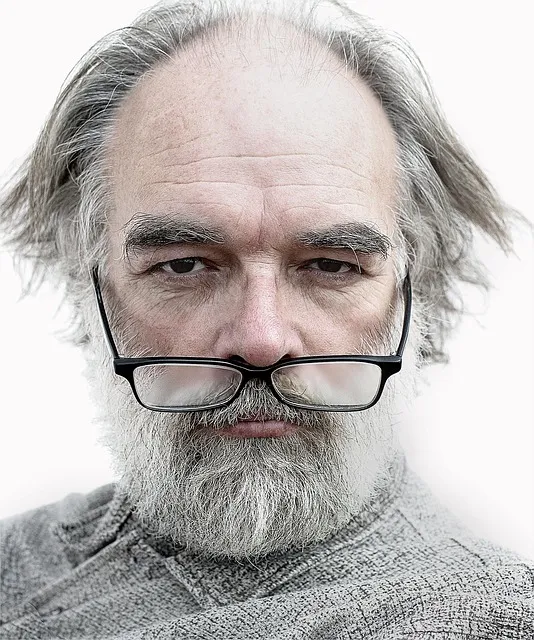
“It is not that we have a short time to live, but that we waste a great deal of it.” — Seneca, On the Shortness of Life
Life isn’t short — too much of it just gets spent on things that don’t matter. Seneca’s most famous observation, and it cuts deeper every year that passes.
“Let us prepare our minds as if we had come to the very end of life. Let us postpone nothing.” — Seneca, Letters to Lucilius
The urgency isn’t manufactured. Nobody genuinely knows how much time is left. Act accordingly.
“When you arise in the morning, think of what a precious privilege it is to be alive — to breathe, to think, to enjoy, to love.” — Marcus Aurelius, Meditations
Not saccharine gratitude. This is a man who watched plagues kill millions reminding himself that waking up at all isn’t guaranteed. Context makes this line devastating.
“Think of yourself as dead. You have lived your life. Now, take what’s left and live it properly.” — Marcus Aurelius, Meditations
A mental reset trick from an emperor. Pretend everything up to this moment was a previous life. Start fresh with whatever time remains. The weight of past failures lifts immediately.
“You could leave life right now. Let that determine what you do and say and think.” — Marcus Aurelius, Meditations
The ultimate filter for decision-making. If today were the last day, would this argument get the time? This grudge? This distraction? Probably not.
“While we wait for life, life passes.” — Seneca, On the Shortness of Life
Nobody’s preparing to live. Everybody’s living right now. Every day spent waiting for the right moment is a day permanently lost.
“Begin at once to live, and count each separate day as a separate life.” — Seneca, Letters to Lucilius
Don’t think in decades or years. Think in days. One good day. Then another. String enough of those together and there’s a life worth living.
“People are frugal in guarding their personal property; but as soon as it comes to squandering time, they are most wasteful of the one thing in which it is right to be stingy.” — Seneca, On the Shortness of Life
Nobody hands a stranger their wallet. But hours get handed over constantly — through pointless obligations, hollow entertainment, and conversations that drain more than they give.
“Putting things off is the biggest waste of life: it snatches away each day as it comes, and denies us the present by promising the future.” — Seneca, On the Shortness of Life
Procrastination isn’t lazy. It’s existentially dangerous. Every delay is a bet that tomorrow will arrive. That bet doesn’t always pay.
“The longest-lived and the shortest-lived man, when they come to die, lose one and the same thing.” — Marcus Aurelius, Meditations
Whether a man lives to thirty or ninety, at the moment of death he loses exactly the same thing: the present. That’s all anyone ever has.
“Do not act as if you had ten thousand years to throw away. Death stands at your elbow. Be good for something while you live and it is in your power.” — Marcus Aurelius, Meditations
Urgency isn’t anxiety. It’s clarity. Death isn’t a threat. It’s a deadline. And deadlines get things done.
“It is a rough road that leads to the heights of greatness.” — Seneca, Letters to Lucilius
There’s no escalator to meaning. The path that matters is steep, rocky, and uncomfortable. That’s how it’s recognized as the right one.
“Life is long, if you know how to use it.” — Seneca, On the Shortness of Life
The inverse of his famous opening line, and just as true. People who live with intention experience decades of richness. People who drift experience decades of blur.
“Let each thing you would do, say, or intend, be like that of a dying man.” — Marcus Aurelius, Meditations
Memento mori isn’t morbid. It’s clarifying. A dying man doesn’t care about petty grudges, status games, or other people’s opinions. That freedom is available now.
“Life, if well lived, is long enough.” — Seneca, On the Shortness of Life
Stop chasing longevity at the expense of depth. A short life lived fully outweighs a long life lived on autopilot every single time.
“Alexander the Great and his mule driver both died and the same thing happened to both.” — Marcus Aurelius, Meditations
Empire, fame, conquest — none of it followed Alexander past the grave. The great equalizer doesn’t care about a resume. Live well now.
“How soon, how soon will time cover all things.” — Marcus Aurelius, Meditations
Everything currently causing stress will be forgotten. Not in centuries. In years. Maybe months. Zoom out and the urgency of most problems dissolves.
On Virtue, Character, and the Good Life
For the Stoics, virtue wasn’t an abstract ideal or a list of rules handed down by authority. It was the practical application of reason to daily decisions — the consistent choice of what is right over what is convenient, what is true over what is comfortable, what builds character over what provides temporary relief. This section is about the inside game: the slow, invisible construction of a self that holds under pressure. The Stoics believed that virtue — the four pillars of wisdom, courage, justice, and temperance — was not just a means to a good life but the definition of one. These quotes challenge choices, company, mental habits, and commitments against a very high standard.
“Waste no more time arguing about what a good man should be. Be one.” — Marcus Aurelius, Meditations
The most efficient ethical advice ever written. Stop debating moral philosophy in the abstract and start living it in the specific. Today. Now.
“If it is not right, do not do it. If it is not true, do not say it.” — Marcus Aurelius, Meditations
A two-part filter that eliminates most of the complexity from ethical decision-making. Simple doesn’t mean easy — but it does mean clear.
“The best revenge is not to be like your enemy.” — Marcus Aurelius, Meditations
When someone does wrong, the temptation is to mirror the behavior. Resist it. Character is more valuable than their punishment.
“Associate with people who are likely to improve you.” — Seneca, Letters to Lucilius
A man is the average of the people he spends the most time with. Not motivational cliche. Social psychology confirmed by two millennia of observation.
“He who is brave is free.” — Seneca, Letters to Lucilius
Cowardice is a prison. Every avoided hard conversation, every dodged necessary risk, every silence where speech was owed — each locks the door a little tighter.
“Luck is what happens when preparation meets opportunity.” — Seneca, Letters to Lucilius
The people called lucky were usually working while everyone else wasn’t. Luck isn’t random. It’s the compound interest of discipline meeting the right moment.
“Character is fate.” — Heraclitus (frequently cited by Stoics)
Destiny isn’t written in the stars. It’s written in habits, responses, and daily choices. Build the character and the fate follows.
“The happiness of your life depends upon the quality of your thoughts.” — Marcus Aurelius, Meditations
Not the quality of circumstances, bank account, or relationships. Thoughts. Guard that inner territory above everything else.
“It is the power of the mind to be unconquerable.” — Seneca, Letters to Lucilius
Everything external can be taken away. Body, wealth, reputation. But the citadel of the mind — that falls only if it’s surrendered.
“True happiness is to enjoy the present, without anxious dependence upon the future.” — Seneca, Letters to Lucilius
Contentment isn’t about having everything figured out. It’s about being fully alive in this moment, regardless of what the next one holds.
“If a man knows not which port he sails, no wind is favorable.” — Seneca, Letters to Lucilius
Direction matters more than speed. The most disciplined man in the world accomplishes nothing moving fast toward the wrong destination.
“Virtue is nothing else than right reason.” — Seneca, Letters to Lucilius
For the Stoics, virtue wasn’t a vague spiritual concept. It was the practical application of clear thinking to daily decisions. Reason in action.
“Very little is needed to make a happy life; it is all within yourself, in your way of thinking.” — Marcus Aurelius, Meditations
The emperor of the most powerful civilization on earth concluded that happiness was an inside job. He had access to everything and still landed here.
“What is the first business of one who practices philosophy? To get rid of self-conceit. For it is impossible for anyone to begin to learn that which he thinks he already knows.” — Epictetus, Discourses
Intellectual humility is the prerequisite for growth. The man who thinks he knows everything has sealed himself in a prison of his own making.
“The soul becomes dyed with the color of its thoughts.” — Marcus Aurelius, Meditations
Think bitter thoughts, become bitter. Think grateful thoughts, become grateful. The dyeing is gradual, invisible, and permanent. Choose the colors carefully.
“He is a wise man who does not grieve for the things which he has not, but rejoices for those which he has.” — Epictetus, Discourses
The gap between what’s had and what’s wanted is the source of most suffering. Close that gap not by acquiring more, but by wanting less.
“You are a little soul carrying about a corpse.” — Epictetus, Discourses
A blunt reminder that the body is temporary. Invest in the soul — character, wisdom, integrity — because that’s the only part that matters while a man is here.
On Action, Discipline, and Daily Practice
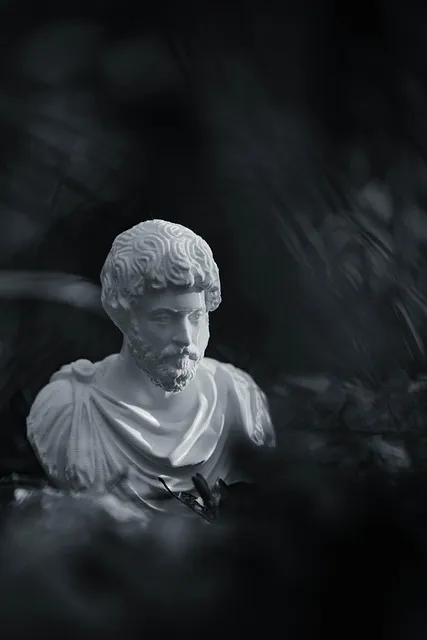
“First say to yourself what you would be; and then do what you have to do.” — Epictetus, Discourses
Identity precedes behavior. Decide who to be, then act accordingly. The order matters — action without identity is random motion.
“At dawn, when you have trouble getting out of bed, tell yourself: ‘I have to go to work — as a human being.'” — Marcus Aurelius, Meditations
Even the emperor of Rome struggled to get out of bed. The difference is he did it anyway, because duty outweighed comfort.
“We must undergo a hard winter training and not rush into things for which we haven’t prepared.” — Epictetus, Discourses
Nobody performs well in crisis without training in calm first. Discipline in the quiet seasons is what prepares for the storms.
“The willing are led by fate, the reluctant dragged.” — Cleanthes (preserved by Seneca)
Cooperate with reality or resist it. Either way, reality wins. The only question is whether the arrival is battered or intact.
“Caretake this moment. Immerse yourself in its particulars. Respond to this person, this challenge, this deed.” — Epictetus, Discourses
Stop planning and start doing. This moment has a specific demand. Meet it. Then meet the next one. That’s the entire practice.
“Well-being is realized by small steps, but is truly no small thing.” — Zeno of Citium
The founder of Stoicism understood that transformation is incremental. Nobody becomes unshakeable in a weekend. It happens one disciplined choice at a time.
“Progress is not achieved by luck or accident, but by working on yourself daily.” — Epictetus, Discourses
No shortcut. No hack. No secret. Just the daily work of examining, correcting course, and showing up again tomorrow. That’s the path.
“No great thing is created suddenly.” — Epictetus, Discourses
Overnight success is a myth. Every meaningful achievement is the result of hundreds of invisible days of consistent effort that nobody saw or applauded.
“Retire into yourself.” — Marcus Aurelius, Meditations
No vacation required. Five minutes of silence and honest self-examination. The retreat is always available — inside the mind itself.
“If you wish to be a writer, write.” — Epictetus, Discourses
Replace writer with anything: fighter, leader, builder, father. Same formula. Stop preparing to do the thing and start doing the thing.
“Be tolerant with others and strict with yourself.” — Marcus Aurelius, Meditations
Most people reverse this. Harsh judges of others, lenient with themselves. Flip it. Hold yourself to the highest standard and extend grace to everyone else.
“The mind that is anxious about future events is miserable.” — Seneca, Letters to Lucilius
Anxiety is the misuse of imagination. The most powerful mental faculty gets turned toward torturing yourself with scenarios that haven’t happened. Redirect it.
“Lay hold of today’s task, and you will not need to depend so much upon tomorrow’s.” — Seneca, Letters to Lucilius
Every task completed today is one less burden for tomorrow. The disciplined man carries a lighter pack because he refuses to let things accumulate.
“Apply yourself to thinking through difficulties — hard times can be softened, tight squeezes widened, and heavy loads made lighter for those who can apply the right pressure.” — Seneca, Letters to Lucilius
Problems don’t get fixed by worrying. They get fixed by thinking — deliberately, strategically, without panic. The right pressure applied to the right point moves everything.
“Day by day, what you choose, what you think, and what you do is who you become.” — Heraclitus (cited in Stoic traditions)
Identity isn’t declared. It’s constructed. Every single day, through choices most people make unconsciously, the person they’ll be next year gets built.
“Each night before going to sleep, we must ask ourselves: what weakness did I overcome today? What virtue did I acquire?” — Seneca, Letters to Lucilius
The Stoic evening review. Not journaling for content. Journaling for accountability. Improvement or drift? Answer honestly.
“Curb your desire — don’t set your heart on so many things and you will get what you need.” — Epictetus, Discourses
Focus is about subtraction, not addition. Chase ten goals, catch none. Commit to one, catch it, then move to the next.
On Anger, Emotion, and Inner Peace

“How much more grievous are the consequences of anger than the causes of it.” — Marcus Aurelius, Meditations
The insult lasted five seconds. The argument that followed lasted five hours. The relationship damage lasts five years. Anger is always more expensive than the provocation.
“Anger, if not restrained, is frequently more hurtful to us than the injury that provokes it.” — Seneca, On Anger
Seneca wrote an entire book on anger because he understood it as the most destructive human emotion — not because of what others do, but because of what it does to the man carrying it.
“The greatest remedy for anger is delay.” — Seneca, On Anger
Don’t respond immediately. Wait. The impulse passes. Clarity arrives. Most angry responses get regretted; most delayed responses don’t.
“Choose not to be harmed — and you won’t feel harmed. Don’t feel harmed — and you haven’t been.” — Marcus Aurelius, Meditations
Not denial of reality. A radical reclaiming of power. Refuse the role of victim, and the harm can’t reach the deepest part of you.
“Whenever you are about to find fault with someone, ask yourself the following question: What fault of mine most nearly resembles the one I am about to criticize?” — Marcus Aurelius, Meditations
The fastest way to dissolve judgment of others is honest self-examination. The same flaw — or worse — usually shows up somewhere in your own history.
“The best answer to anger is silence.” — Marcus Aurelius, Meditations
Nothing disarms an angry person faster than calm silence. It denies them the reaction they want and buys time to choose a response rather than react from impulse.
“He who angers you conquers you.” — Elizabeth Kenny (cited in Stoic circles)
Let someone provoke a loss of composure, and control of the emotional state has just changed hands. That’s a surrender, not a response.
“Keep this thought handy when you feel a fit of rage coming on — it isn’t manly to be enraged. Rather, gentleness and civility are more human, and therefore manlier.” — Marcus Aurelius, Meditations
The emperor of Rome — a man who commanded legions — believed composure was more masculine than rage. Strength isn’t volume. It’s control.
“Reject your sense of injury and the injury itself disappears.” — Marcus Aurelius, Meditations
The feeling of being wronged is a choice. Subtle, automatic — but a choice nonetheless. Change the interpretation and the wound closes.
“It is the mark of an educated mind to be able to entertain a thought without accepting it.” — Aristotle (widely adopted in Stoic practice)
Not every thought that enters the head has to be believed. Observe it, evaluate it, decide whether it deserves the energy. Most don’t.
“To be calm is the highest achievement of the self.” — Zen proverb (adopted by modern Stoics)
In a world that rewards reactivity, outrage, and constant noise, the ability to remain calm is a superpower. It takes more strength than any outburst.
“When someone is properly grounded in life, they shouldn’t have to look outside themselves for approval.” — Epictetus, Discourses
Needing external validation to feel confident isn’t confidence — it’s dependence. True grounding comes from within and doesn’t require an audience.
“You always own the option of having no opinion. There is never any need to get worked up or to trouble your soul about things you can’t control.” — Marcus Aurelius, Meditations
The most underused Stoic tool: choosing not to have an opinion. Not everything requires judgment. Some things are best left unprocessed and undiscussed.
“Anger is an acid that can do more harm to the vessel in which it is stored than to anything on which it is poured.” — Mark Twain (popular in Stoic reading lists)
The person on the receiving end of the anger is probably sleeping fine tonight. The one lying awake, corroded from the inside, is the one who held onto it. Anger punishes the host.
On Duty, Leadership, and Service
Marcus Aurelius ruled 50 million people while writing a private journal to himself about the need to be less reactive, more patient, and more focused on what he could actually control. Seneca advised emperors and managed one of history’s most treacherous courts. Epictetus taught some of the most powerful men in Rome from a position of zero institutional power. All three understood that Stoicism wasn’t a private practice. It was a leadership philosophy — a code for anyone who carried responsibility for others. This section is for men who lead: in their families, their businesses, their communities, their relationships. The quotes here aren’t about self-improvement in isolation. They’re about the kind of character that earns trust, commands respect, and holds together under the pressure of actual responsibility.
“Accept the things to which fate binds you, and love the people with whom fate brings you together, and do so with all your heart.” — Marcus Aurelius, Meditations
Not passive acceptance. Active commitment to the life given. Love the people around you fiercely — not because they’re perfect, but because they’re yours.
“What we do now echoes in eternity.” — Marcus Aurelius, Meditations
Every action has consequences that outlive the man who took it. Discipline, kindness, courage — these ripple forward through people never met.
“It never ceases to amaze me: we all love ourselves more than other people, but care more about their opinion than our own.” — Marcus Aurelius, Meditations
A perfect observation of human hypocrisy. Claiming to value yourself while letting strangers determine your self-worth with a glance or a comment.
“We all sorely complain of the shortness of time, and yet have much more than we know what to do with. Our lives are either spent in doing nothing at all, or in doing nothing to the purpose.” — Seneca, On the Shortness of Life
Not busy. Distracted. There’s a critical difference. Busy is a schedule problem. Distracted is a priority problem.
“As is a tale, so is life: not how long it is, but how good it is, is what matters.” — Seneca, Letters to Lucilius
Nobody remembers a long book that said nothing. They remember a short one that changed them. Life works the same way. Quality over duration, always.
“Man is affected not by events but by the view he takes of them.” — Epictetus, Enchiridion
A restatement of the core principle because it bears constant repetition. Experience is shaped by interpretation — and that interpretation is always within reach.
“Only the educated are free.” — Epictetus, Discourses
Not educated by institutions — educated by self-examination, wide reading, and honest reflection. Ignorance is a cage. Knowledge is the key. It still has to be turned by hand.
“Cling tooth and nail to the following rule: not to give in to adversity, never to trust prosperity, and always take full note of fortune’s habit of behaving just as she pleases.” — Seneca, Letters to Lucilius
Don’t collapse in bad times or relax in good times. Fortune is fickle. The wise man stays ready — not paranoid, not anxious, just ready.
“Every new beginning comes from some other beginning’s end.” — Seneca, Letters to Lucilius
Before something new can start, something old has to end. Let it. Clinging to finished chapters prevents the next one from opening.
“If anyone can refute me — show me I’m making a mistake or looking at things from the wrong perspective — I’ll gladly change. It’s the truth I’m after, and the truth never harmed anyone.” — Marcus Aurelius, Meditations
Intellectual humility from the most powerful man in the world. He actively invited correction. Most people defend their errors like territory. Better not to be most people.
“Nothing, to my way of thinking, is a better proof of a well-ordered mind than a man’s ability to stop just where he is and pass some time in his own company.” — Seneca, Letters to Lucilius
Sitting alone, in silence, without reaching for a phone — that’s the test. Discomfort with your own company means no amount of external stimulation will fix the underlying problem.
On Resilience and Mental Fortitude
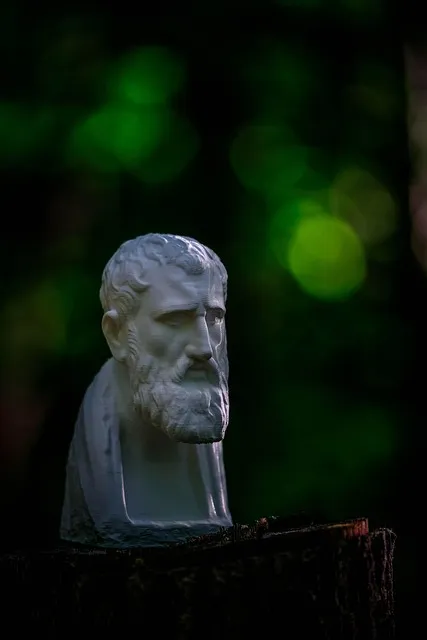
“You have passed through life without an opponent — no one can ever know what you are capable of, not even you.” — Seneca, On Providence
Comfort is the enemy of potential. Never pushed to the limit means no idea where that limit actually is. Go find out.
“It is not the weight of the future or the past that is pressing upon you, but ever that of the present alone.” — Marcus Aurelius, Meditations
Right now, in this exact moment, things are probably fine. The suffering comes from carrying yesterday’s regret and tomorrow’s fear simultaneously. Put them down.
“Never let the future disturb you. You will meet it, if you have to, with the same weapons of reason which today arm you against the present.” — Marcus Aurelius, Meditations
Everything that’s happened so far has been survived — a 100% success rate. The same resourcefulness carries forward to whatever comes next. Trust the track record.
“Just keep in mind: the more we value things outside our control, the less control we have.” — Epictetus, Discourses
Every external attachment is a vulnerability. The more something outside yourself is needed to feel complete, the more power gets handed to forces that don’t care about you.
“What is to give light must endure burning.” — Viktor Frankl (frequently paired with Stoic texts)
Frankl survived the Holocaust and emerged with insights that aligned perfectly with ancient Stoicism. Meaning is forged in suffering — not despite it, but because of it.
“Circumstances don’t make the man, they only reveal him to himself.” — Epictetus, Discourses
The man was already who he is before the crisis hit. The crisis just showed him. Whether what got revealed was impressive or disappointing — that’s on him.
“If anyone tells you that a certain person speaks ill of you, do not make excuses about what is said of you, but answer: ‘He does not know my other faults, else he would not have mentioned only these.'” — Epictetus, Enchiridion
Humor and humility combined into one devastating response. Laugh at your own flaws, and criticism loses all its power.
“Dwell on the beauty of life. Watch the stars, and see yourself running with them.” — Marcus Aurelius, Meditations
Even the most disciplined Stoic needs moments of awe. Beauty isn’t weakness. It’s a reminder that life contains more than problems to be solved.
“The mind adapted and converted to its purposes every obstacle to its activity into an aid, and an impediment to its action advanced action, and what blocked the path opened the path.” — Marcus Aurelius, Meditations
The full original passage that inspired the Stoic resurgence. The mind has the power to transform every barrier into a bridge. But only if it’s trained to do so.
“To be everywhere is to be nowhere.” — Seneca, Letters to Lucilius
Spread attention across everything and nothing gets accomplished. Focus isn’t a preference. It’s a requirement for anyone building something that matters.
“There are more things likely to frighten us than there are to crush us; we suffer more often in imagination than in reality.” — Seneca, Letters to Lucilius
Fear is almost always worse than the thing feared. Not optimism. A pattern that holds across two thousand years of human experience. Test it against your own.
“Receive without conceit, release without struggle.” — Marcus Aurelius, Meditations
Good things arriving shouldn’t inflate the ego. Good things leaving shouldn’t destroy the peace. This is the equanimity the Stoics practiced daily.
“Hang on to your youthful enthusiasms — you’ll be able to use them better when you’re older.” — Seneca, Letters to Lucilius
Cynicism isn’t a sign of maturity. The man who keeps his fire while gaining wisdom is far more dangerous than the one who lost his spark along the way.
On Perspective, Humility, and Wisdom
There’s a specific kind of suffering that comes from taking your own life too seriously — from treating your problems as uniquely tragic, your opinions as uniquely correct, and your moment in history as uniquely difficult. The Stoics had a remedy for this, and it was perspective. Marcus Aurelius called it the “view from above” — the practice of zooming out until the current crisis looks proportional against the backdrop of history, mortality, and the indifference of the universe. This section contains the quotes most useful for dissolving the kind of ego-driven suffering that comes not from real hardship, but from misplaced self-importance. Not diminishing. Liberating.
“How ridiculous and how strange to be surprised at anything which happens in life.” — Marcus Aurelius, Meditations
After two thousand years of recorded human behavior, nothing should be surprising anymore. People betray, fail, succeed, and die. It has always been this way. Adjust expectations accordingly.
“Look back over the past, with its changing empires that rose and fell, and you can foresee the future too.” — Marcus Aurelius, Meditations
History rhymes. The patterns of human ambition, decline, and renewal repeat endlessly. Study the past and the future becomes less mysterious.
“The universe is change; our life is what our thoughts make it.” — Marcus Aurelius, Meditations
Two truths in one sentence. First: everything changes — stop resisting it. Second: experience is shaped by inner narrative — start managing it.
“Everywhere, at each moment, you have the option of reverently accepting what is happening to you.” — Marcus Aurelius, Meditations
Reverent acceptance isn’t weakness. It’s the recognition that resisting what has already happened wastes energy that could go toward responding well.
“The object of life is not to be on the side of the majority, but to escape finding oneself in the ranks of the insane.” — Marcus Aurelius, Meditations
Popularity isn’t a measure of correctness. The crowd is often wrong, and following it because it’s comfortable leads to mediocrity at best and disaster at worst.
“The art of living is more like wrestling than dancing, in so far as it stands ready against the accidental and the unforeseen.” — Marcus Aurelius, Meditations
Life isn’t a choreographed performance. It’s a grapple with the unexpected. Train accordingly — with readiness, adaptability, and a willingness to get uncomfortable.
“All things are only for a day, both that which remembers and that which is remembered.” — Marcus Aurelius, Meditations
Both a man and his legacy are temporary. Not depressing. Liberating. If nothing lasts, the pressure to be perfect evaporates.
“The best revenge is to be unlike him who performed the injury.” — Marcus Aurelius, Meditations
When wronged, the Stoic doesn’t retaliate. He becomes a living contrast to the behavior that wounded him. The highest and most effective response.
“Dig within. Within is the wellspring of Good; and it is always ready to bubble up, if you just dig.” — Marcus Aurelius, Meditations
Goodness doesn’t need to be imported from outside. It’s already there, buried under layers of distraction, habit, and noise. The work is excavation, not acquisition.
“He has the most who is content with the least.” — Diogenes (commonly included in Stoic anthologies)
Contentment isn’t about scarcity. It’s about freedom from the tyranny of more. The man who needs little is rich by default.
“Loss is nothing else but change, and change is Nature’s delight.” — Marcus Aurelius, Meditations
What gets called loss, the universe calls transformation. The thing that’s gone hasn’t disappeared — it’s become something else. That’s the nature of existence itself.
“The tranquility that comes when you stop caring what they say. Or think, or do. Only what you do.” — Marcus Aurelius, Meditations
The moment monitoring other people’s opinions stops is the moment genuine peace begins. A switch. Flip it.
“It is a sign of great inner insecurity to be hostile to the unfamiliar.” — Nassim Nicholas Taleb
The man who reacts with aggression to new ideas is revealing his own fragility, not demonstrating strength. Confidence welcomes challenge. Insecurity attacks it.
“Don’t be ashamed to need help. Like a soldier storming a wall, you have a mission to accomplish.” — Marcus Aurelius, Meditations
Asking for help isn’t weakness. It’s tactical awareness. The soldier who refuses reinforcements out of pride isn’t brave. He’s foolish.
On Modern Stoicism and Applied Practice
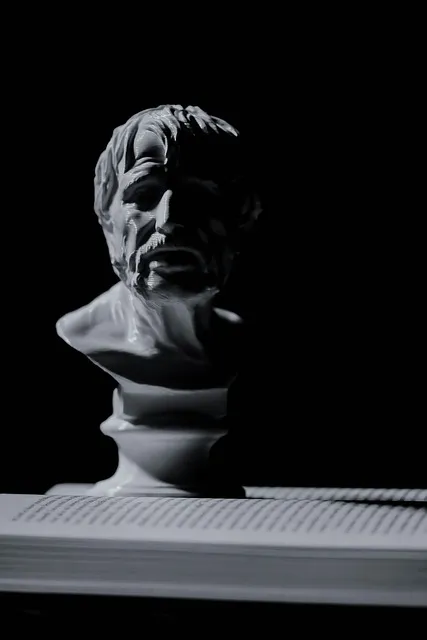
“The obstacle in the path becomes the path. Never forget, within every obstacle is an opportunity to improve our condition.” — Ryan Holiday, The Obstacle Is the Way
Holiday translated Marcus Aurelius for a generation that needed the same medicine in modern packaging. The principle is identical — only the language has changed.
“Stoicism is about the domestication of emotions, not their elimination.” — Nassim Nicholas Taleb, Antifragile
One of the most important corrections to the Stoicism-means-suppression myth. The goal was never feeling nothing. It’s feeling everything without being controlled by it.
“You are only as free as your self-discipline allows you to be.” — Jocko Willink, Discipline Equals Freedom
Modern warrior philosophy that echoes Epictetus word for word. Freedom isn’t the absence of rules. It’s the presence of self-imposed structure that eliminates chaos.
“Being a Stoic means much more than maintaining a stiff upper lip. It means understanding how the universe works and finding your place in it.” — Massimo Pigliucci, How to Be a Stoic
Pigliucci brought academic rigor to modern Stoicism. The point is essential: Stoicism is a comprehensive worldview, not just an emotional coping mechanism.
“Stillness is the key.” — Ryan Holiday, Stillness Is the Key
In a culture that worships busyness, the ability to be still — to think clearly, to pause before reacting, to find signal in noise — is the ultimate competitive advantage.
“The Stoic practices a daily routine of self-examination — and he doesn’t just ask ‘what went wrong?’ but ‘what can I do better?'” — Massimo Pigliucci, How to Be a Stoic
The evening review isn’t a guilt session. It’s an optimization session. What worked? What didn’t? How does tomorrow get better? That’s the entire protocol.
“Ego is the enemy.” — Ryan Holiday, Ego Is the Enemy
Three words that capture one of Stoicism’s central warnings. The ego convinces a man he already knows enough, that he doesn’t need help, that he’s above the basics. It’s lying.
“We don’t rise to the level of our expectations, we fall to the level of our training.” — Archilochus (adopted by modern Stoic practitioners)
Motivation fades. Plans crumble. Inspiration disappears. What remains is training — the habits built when no one was watching and nothing was on the line.
“Suffering ceases to be suffering at the moment it finds a meaning.” — Viktor Frankl, Man’s Search for Meaning
Frankl and the Stoics converge on this point: pain with purpose is endurable. Pain without purpose is hell. The meaning assigned to suffering determines whether it destroys or builds.
“Between stimulus and response there is a space. In that space is our freedom and our power to choose our response.” — Viktor Frankl (frequently paired with Stoic teaching)
That space — between what happens and what gets done about it — is where the entire Stoic project lives. Widen that space through practice and unshakeable becomes achievable.
“A Stoic is someone who transforms fear into prudence, pain into transformation, mistakes into initiation, and desire into undertaking.” — Nassim Nicholas Taleb
Taleb’s definition is the most actionable modern summary of Stoic philosophy. Every negative input becomes raw material for something useful. Antifragility in practice.
“Discipline equals freedom.” — Jocko Willink
Two words that sound paradoxical until they’re lived. The more discipline applied to time, body, and mind, the more genuine freedom follows.
“There is no better teacher of Stoicism than a difficult life lived well.” — Ryan Holiday, The Daily Stoic
Books teach concepts. Life teaches wisdom. The man who has read all the Stoic texts but faced no hardship understands less than the man who has faced hardship without any texts at all.
“Your mind is a garden, your thoughts are the seeds. You can grow flowers or you can grow weeds.” — attributed to various Stoic authors
An ancient metaphor that never stops being relevant. Every man is the gardener. What gets cultivated — through attention, habit, and daily choice — is what grows.
175 Stoic quotes, now read. That was the easy part.
The Stoics were brutally clear about what separates a man who has read philosophy from a man who has lived it: practice. Not understanding — practice. Not agreement — practice. The quotes above are raw material. What happens with that material in the next twenty-four hours is the only thing that matters.
Here’s a protocol drawn directly from the Five Domains of Stoic Mastery outlined in the introduction:
The Morning Sorting: Before the day starts, take three minutes and sort the agenda. Which items are within control? Which are not? Write them in two columns. Invest energy in the first column. Release the second one entirely — not reluctantly, but completely, because it was never yours.
The Adversity Reframe: Take the hardest thing currently being faced. Write down what it would look like if this obstacle weren’t blocking the path but building it. What virtue does it require? What capacity does it demand grow? The Stoics believed difficulty was not a detour from the meaningful life — it was the road itself.
The Mortality Reminder: Once a day — ideally in the morning — remind yourself that this day is finite and the total number of days remaining is unknown. Not to generate dread, but to generate clarity. What would get done with this specific day if it mattered? Then do that.
The Character Audit: At the end of each week, spend ten minutes reviewing behavior against one virtue: wisdom, courage, justice, or temperance. Not to punish — the Stoics had no room for self-flagellation — but to identify the gap between who you are and who you’re committed to becoming. The gap is data. Use it.
The Action Commitment: Pick one quote from this collection that hit hardest. Copy it by hand. Tape it somewhere visible every morning. Not as decoration — as an instruction. The job for the next thirty days is to live that single quote into actual behavior. One quote, thirty days, real behavior. That’s the entire Stoic method in miniature.
The philosophers quoted in these pages — Marcus Aurelius, Seneca, Epictetus, and the modern practitioners who carry their tradition forward — didn’t write to be admired. They wrote to change behavior. The words work. But only when put to work.
The Stoic tradition is not a museum exhibit. It’s a living operating system that has been tested by slavery, exile, war, plague, betrayal, and death. It survived all of them. It will survive whatever’s being faced now. But only if it actually gets used.
Start today. Start with one quote. Start with one minute of honest reflection. Start anywhere — just start. Because as Seneca put it with characteristic bluntness: while we wait for life, life passes.
For the practical application of these principles to emotional life, read Emotional Discipline: The Battle Within — a detailed analysis into turning emotional reactivity into controlled power.
To understand how Stoic frameworks apply to anger specifically, the most destructive emotion the Stoics identified, see Transforming Anger: The Stoic Approach to Your Most Dangerous Emotion.
For the Stoic approach to building genuine resilience — not just bouncing back but building something harder to break — see The Four-Step Process to Becoming Entirely Unbreakable.
If the section on suffering and adversity resonated most, read Post-Traumatic Growth: How the Stoics Understood What Psychology Confirmed — on how hardship becomes the raw material for significant development.
For men ready to move from reading philosophy to applying it to daily life in a structured way, the Inner Locus of Control article is the direct practical companion to everything covered here.
Sources & Further Reading
- Baumeister, R.F. (1998). Ego depletion. Journal of Personality and Social Psychology
- Lally, P. et al. (2010). How are habits formed. European Journal of Social Psychology
What People Ask About 175 Stoic Quotes
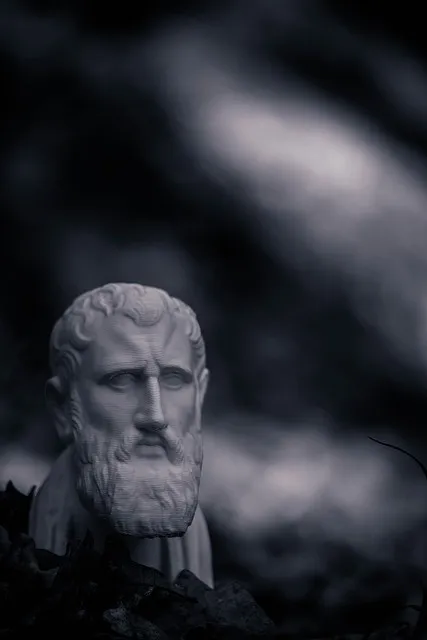
Marcus Aurelius’s “You have power over your mind — not outside events. Realize this, and you will find strength” is widely considered the single most famous Stoic quote. It captures the entire philosophical system — the dichotomy of control, the primacy of the inner life, the source of genuine strength — in two sentences. It has been cited in military training manuals, leadership curricula, and sports psychology programs for decades. That reach isn’t accidental. The quote works because it addresses the most universal human problem: the tendency to invest energy in things that can’t be changed while neglecting the one thing that can.
Are Stoics really emotionless? That seems impossible to actually live.
This is the most persistent and damaging misconception about Stoic philosophy. The Stoics weren’t advocating the suppression or elimination of emotion. They were advocating something far more detailed: the refusal to be controlled by emotion. Marcus Aurelius wrote about grief, frustration, loneliness, and the temptation toward anger with remarkable honesty throughout the Meditations. Seneca discussed fear, sorrow, and anxiety in extraordinary detail across his letters. The goal was never feeling nothing — it was feeling everything without losing the ability to act wisely. Stoicism taught that emotions are natural and often appropriate responses to reality. The problem arises when unexamined emotion hijacks decision-making. The practice isn’t suppression. It’s examination followed by choice.
Who are the three main Stoic philosophers and why do they matter now?
The three pillars of Roman Stoicism are Marcus Aurelius (121-180 AD), Seneca (4 BC-65 AD), and Epictetus (50-135 AD). What makes them uniquely credible is the contrast between their circumstances and their philosophy. Marcus Aurelius was the most powerful man in the world when he wrote his private reminders about patience and mortality — he had every reason to behave otherwise and chose not to. Seneca was exiled, recalled, condemned, and ultimately forced to kill himself under Nero’s order; he wrote about equanimity while living through political horror. Epictetus was born a slave, had his leg deliberately broken by his master, and went on to teach freedom. These weren’t theoretical philosophers. They were practitioners under genuine pressure, which is precisely why their words have survived two thousand years and remain immediately applicable today.
How do I start practicing Stoicism as a daily discipline?
The Stoics used three core daily practices that can be adopted immediately. First, the morning premeditation (premeditatio malorum): before the day begins, take three minutes to consider what difficulties might arise — not to catastrophize, but to prepare. Sort potential problems into within-control and outside-control, then commit to accepting the latter and acting on the former. Second, the dichotomy of control audit: throughout the day, when tension, frustration, or anxiety shows up, pause and ask one question — “Is this within my control?” If yes, act. If not, release it. The pause itself is the practice. Third, the evening review: before sleep, spend five minutes examining the day. Not a performance review of failures, but a navigator’s course correction. What went well? What would change? What happens differently tomorrow? These three practices, sustained over thirty days, change the relationship to pressure in ways that reading philosophy alone cannot.
Can Stoicism actually help with anxiety and low mood?
The relationship between Stoic philosophy and modern cognitive psychology is not coincidental — it’s direct. Aaron Beck, the founder of cognitive behavioral therapy, acknowledged that the Stoic framework of examining judgments about events rather than the events themselves was a primary intellectual precursor to CBT’s core technique: cognitive restructuring. Both systems work by identifying the interpretive layer between experience and reaction, then deliberately interrogating that layer rather than accepting it automatically. For anxiety specifically, the Stoic practice of distinguishing between what is and isn’t within control addresses the primary mechanism of anxiety: the attempt to control uncontrollable outcomes. For low mood, the Stoic emphasis on meaning — particularly the work of Viktor Frankl, who synthesized ancient Stoicism with his own wartime experience — provides one of the most durable philosophical frameworks for finding purpose in suffering.
What is the difference between Stoicism and just suppressing your feelings?
Suppression means refusing to acknowledge an emotion — pushing it down, ignoring it, pretending it isn’t there. This isn’t Stoicism; it’s avoidance, and it tends to produce the opposite of equanimity over time. Suppressed emotions accumulate pressure and eventually discharge in ways that cause far more damage than if they had been examined honestly in the first place. Stoicism is fundamentally different. The Stoic practice begins with full acknowledgment of what’s being felt, followed by examination: Where is this emotion coming from? What judgment triggered it? Is that judgment accurate? Is the thing being reacted to within control or not? The emotion isn’t denied — it’s interrogated. After interrogation comes the choice of how to respond rather than reacting automatically. That gap — between emotion and response — is where Stoic practice lives, and it requires more emotional honesty, not less.
Which Stoic book should I read first?
Start with Marcus Aurelius’s Meditations in the Gregory Hays translation (2002, Modern Library). Hays’s translation is the most readable and honest — it strips away the archaic language without losing any of the philosophical weight. The Meditations were written as private notes, never intended for publication, which gives them an intimacy and urgency that most philosophical texts lack. This is a man working out his own problems in real time — problems remarkably similar to the ones facing anyone reading them today. After the Meditations, move to Epictetus’s Enchiridion (a short, dense summary of his teachings) and then Seneca’s Letters to Lucilius (a collection of essays in letter form that address everything from managing anger to facing death). Ryan Holiday’s The Daily Stoic is a useful companion that pairs original Stoic passages with contemporary commentary for daily reading.
Is Stoicism only for men, or is it a universal philosophy?
Stoicism is a universal philosophy that addresses universal human problems: how to respond to adversity, how to manage emotion, how to build character, how to face mortality. The fact that its three most prominent practitioners were men reflects the historical period in which they lived — women had almost no access to formal philosophical education in ancient Rome — not any limitation in the philosophy itself. The Stoic framework applies with equal force to anyone who faces difficulty, loss, uncertainty, or the challenge of living with integrity under pressure. The specific application covered in this article is oriented toward men who are building resilience and character, but the underlying philosophy makes no gender distinction. A life worth living, according to the Stoics, looks the same regardless of who is living it: it is examined, disciplined, virtuous, and present.