
How This Is Ranked
Seven approaches, ranked by how well they hold up under actual testing — not by how often they show up in a supplement ad. The order below runs on three things: the size and quality of the human trial evidence, how reliably the effect shows up when someone else tries to reproduce it, and whether an ordinary person with a job and a kitchen can actually pull it off for months at a time. A protocol that works beautifully in a metabolic ward and falls apart in a real house with real groceries doesn’t rank high here, no matter how clean the mechanism looks on paper.
Popularity is not an input. Neither is how good something sounds in a headline, nor how many YouTube thumbnails have a shirtless guy pointing at it. Some of what ranks near the top is boring. Protein intake and a modest surplus are not exciting. They are, however, the two things every hypertrophy trial with a positive result has in common, so they sit at the top and stay there.
One more thing before the list: these are dietary approaches, not training methods. Lifting drives the adaptation; food supplies the raw material and the hormonal environment that lets the adaptation stick. Nothing below replaces a progressive training stimulus — see the section on what matters more, near the bottom, for why that’s not a throwaway line.
The Ranking
Adequate Daily Protein at 1.6–2.2 g/kg

The evidence here is about as solid as sports nutrition gets. A 2018 meta-analysis and meta-regression in the British Journal of Sports Medicine (Morton, Murphy, McKellar and colleagues), pooling dozens of resistance-training studies, found that muscle gains kept improving with higher protein intake up to roughly 1.6 grams per kilogram of bodyweight per day, with additional benefit tapering off after that. It didn’t disappear entirely — some subgroups still showed small gains up toward 2.2 g/kg, particularly leaner, more advanced trainees — it just got smaller per additional gram.
In practice: a 90 kg man targets 144 to 198 grams of protein daily. That’s not a number to hit exactly every day forever; it’s a range to live inside most of the time. The full breakdown of how protein needs shift with bodyweight, training status, and goal is worth reading before assuming higher is automatically better — it usually isn’t, past this range.
Who it suits: everyone trying to build muscle. Who should skip the upper end: anyone already eating 2.2 g/kg and stalling — calories or training volume are probably the actual problem. The caveat: gut discomfort and food boredom are the real barriers, not biology.
Creatine-Supported Eating
Creatine monohydrate increases the phosphocreatine pool in muscle, which speeds regeneration of ATP during short, hard efforts — meaning more reps, marginally, before the set falls apart. More reps over months compounds into more volume, and volume is one of the more consistent drivers of hypertrophy in the training literature.
This is the single most-researched supplement in the field, and the International Society of Sports Nutrition’s 2017 position stand (Kreider et al.) is about as unambiguous as sports nutrition documents get: creatine monohydrate is safe in healthy populations at standard doses and reliably improves strength and lean mass outcomes when paired with resistance training. It is not a maybe. Its effects extend well past the muscle tissue itself, into bone density and some cognitive measures, though those are secondary to the topic here.
Protocol: creatine monohydrate daily, taken with any meal, indefinitely. Front-loading — a much larger amount split across four servings for the first week — saturates muscle stores faster but isn’t necessary; skip it and you reach the same saturation point in three to four weeks instead of one.
- Who it suits: nearly everyone lifting with any consistency.
- Who shouldn’t bother: people expecting a dramatic transformation — the effect is real but modest, a few extra reps per session compounding slowly.
- The caveat: roughly 20 to 30 percent of people are non-responders, likely due to already-saturated stores from diet. A kilogram or two of water retention in the first weeks is normal, not fat gain, though it unnerves people every time.
A Modest Calorie Surplus
Muscle protein synthesis is an energetically expensive process. Run a large enough deficit and the body prioritizes survival functions over building new tissue, protein intake notwithstanding. A surplus removes that ceiling.
“Modest” is the operative word, and this is where a lot of well-intentioned lifters go wrong — dirty bulking their way to a year of fat gain they then have to spend another year undoing. A 2019 review by Iraki and colleagues on nutrition for bodybuilders in the off-season recommends a surplus of roughly 10 to 20 percent above maintenance, targeting a weight gain rate of about 0.25 to 0.5 percent of bodyweight per week. For a 90 kg man that’s somewhere around 225 to 450 grams a week — slow enough that most of it is muscle and water, not fat.
In practice: estimate maintenance calories, add 250 to 400 kcal, and adjust every two weeks based on the scale trend and the mirror, not on how the first three days felt. Trained lifters with a shorter runway of “easy gains” left need to lean toward the lower end of that range or accept a worse muscle-to-fat ratio.
Who it suits: lean individuals, beginners, and anyone who has been cutting or maintaining for a long stretch. Who should look elsewhere: people carrying more fat than they’d like already — building muscle while losing fat simultaneously is possible under the right conditions and might be the better call. The caveat: a surplus, by definition, means some fat gain. Anyone allergic to that idea is going to fight this approach the whole way.
Protein Distribution Across 3–5 Feedings
Muscle protein synthesis rises after a protein-containing meal, peaks, then returns to baseline within a few hours regardless of how much more protein sits in the stomach. Spreading intake across several meals creates several separate synthesis spikes across the day instead of one long plateau followed by a long trough.
Areta and colleagues (2013) tested this directly: after a leg workout, one group ate protein in eight small 10-gram pulses, another in four 20-gram doses, a third in two large 40-gram boluses — all matched for total protein. The moderate, evenly spaced pattern produced the highest myofibrillar protein synthesis over the twelve-hour window. It wasn’t a huge effect, and it wasn’t the difference between gaining muscle and not gaining any — the idea of a narrow post-workout “anabolic window” is mostly overstated — but distribution across the day does seem to matter more than exact timing around the workout.
In practice: three to five meals or snacks, each with 25 to 45 grams of protein, spaced roughly three to five hours apart. Who it suits: anyone who already eats multiple times a day and just needs to redistribute rather than eat more often. Who should skip it: people who function well and eat adequately on one or two large meals — the effect size here is small enough that adherence probably matters more than optimizing it.
Carbohydrate Availability Around Training
Carbohydrate isn’t structural — it doesn’t become muscle tissue — but it fuels the training that stimulates growth and spares protein from being burned for energy instead of used for repair. Depleted glycogen also blunts training intensity across a session, which over months means less total volume and less stimulus.
The direct hypertrophy evidence for carb timing specifically is thinner than for protein or creatine — worth saying plainly rather than dressing it up. What’s well established is the physiology underneath it: glycogen functions as the muscle’s primary fuel reserve, and training in a depleted state reduces output on subsequent sets, particularly past the first fifteen or twenty minutes of a session.
In practice: 3 to 5 grams of carbohydrate per kilogram of bodyweight daily for most lifters training four to six times a week, weighted somewhat toward the meals before and after training. No need for precision timing down to the minute. Who it suits: anyone training hard and often enough to notice flat, heavy-feeling sessions. Who can deprioritize it: lower-frequency trainees, or people doing well on a lower-carb pattern who aren’t seeing performance drop off.
Leucine-Threshold Meals
Leucine acts less like a building block here and more like a switch. It activates mTOR, the signaling pathway that initiates muscle protein synthesis, and there appears to be a minimum dose per meal below which the switch doesn’t fully flip, however much total protein sits on the plate. The mTOR pathway and its relationship to amino acid intake is a deeper rabbit hole than fits here, but the muscle-building piece of it is the relevant slice.
Research from Layman, Moore, and others puts the threshold in the neighborhood of 2.5 to 3 grams of leucine per meal to reliably trigger a maximal synthesis response — roughly what’s found in 25 to 40 grams of a high-quality complete protein like whey, eggs, or meat. Below that, the response is blunted even if total daily protein is high.
In practice: build meals around a leucine-rich protein source rather than assuming a scoop of peanut butter and some beans will do the same job. This is really a refinement of the protein-distribution point above, not a separate diet — hence it ranking below it rather than above. Who it suits: anyone eating protein sources that are naturally leucine-poor, largely plant-based eaters. Who can skip worrying about it: anyone already eating meat, eggs, dairy, or whey at most meals — they’re almost certainly clearing the threshold without trying.
Whole-Food-First With Whey as a Gap-Filler
This one is less a physiological mechanism and more a strategy for hitting the numbers above without wrecking digestion, budget, or sanity. Whole foods bring fiber, micronutrients, and satiety that isolated protein doesn’t; protein powder brings convenience and a cheap, fast way to close a 20-gram gap at 9pm when nothing else is defrosted.
The evidence for this one is more logic than trial data — there isn’t a randomized controlled trial proving “eat real food, use powder to fill gaps” beats any alternative, because it’s a practical heuristic, not a treatment. What the research does support: whey has one of the highest leucine contents per gram of any common protein source, digests fast, and compares favorably to plant-based alternatives on amino acid completeness, though plant sources can close most of that gap when combined. Among powder options specifically, not all products are equal on protein-per-scoop, additives, or mixability, and it’s worth checking before buying whatever had the loudest label.
In practice: aim for most protein — 70 to 80 percent — from whole food, use one or two shakes to cover the shortfall. Who it suits: nearly everyone; it’s hard to argue against. Who might deviate: people with dairy intolerance leaning fully plant-based, or those who genuinely prefer hitting every gram from food and have the time for it.
What to Skip
One meal a day. It has a following, mostly built on fasting’s other reputed benefits, but stuffing an entire day’s protein target into a single sitting works against the distribution effect described above — and doing it while also trying to run a calorie surplus is logistically brutal on the stomach. The tradeoffs of eating once a day are worth reading in full before adopting it for a muscle-building phase specifically; the appeal is real, the fit for this goal is poor.
Extended or aggressive fasting protocols more broadly deserve the same skepticism. Whether fasting protocols actually cost muscle is more nuanced than either camp on the internet wants it to be, but the honest summary is that longer fasts make hitting a calorie surplus and even protein distribution genuinely harder, for no clear upside toward this specific goal.
Very restrictive elimination-style diets — cutting out entire food groups without a clinical reason to — tend to fail here not because the remaining foods are bad, but because they shrink the number of convenient, cheap, high-protein options available right when someone needs to eat more often and more total food. Adherence beats purity.
A surplus built entirely around lean beef and eggs, every day, for four months, tends to end in quiet abandonment around week six.
Megadosing protein past 2.2 to 3 g/kg “just in case” also belongs on this list. It isn’t dangerous for someone with normal kidney function, but it crowds out the calories that would otherwise come from carbohydrate — the fuel that actually lets a person train hard enough to need the protein in the first place.
How to Actually Use This

Once protein and creatine are locked in as habits rather than something requiring a spreadsheet, layer in the surplus: add 250 to 400 kcal above maintenance and hold it there. Give it two full weeks before judging — daily weight swings from water and food volume are noise, not signal, and the trend line over fourteen days is the only number that means anything.
Distribution and leucine-threshold meals come next, not first, because they’re refinements on an already-working structure, not the structure itself. Take a lifter we’ll call Ruben — three years of training, decent numbers, stuck at the same bodyweight for four months. He’d read about the anabolic window obsessively and was timing a shake to the exact minute post-workout while eating one enormous dinner and skipping breakfast most days. The timing precision didn’t matter much; the fact that sixteen hours went by most days with no protein at all did. Fixing that — three meals instead of one big one, nothing exotic — moved the scale within three weeks. He also, for a while, convinced himself that eating six almonds counted as a leucine-threshold meal. It did not. Worth flagging because that kind of self-deception happens constantly.
Carb availability around training is worth checking last — it’s the easiest to notice going wrong, flat and heavy sessions are a loud signal, and easiest to fix once intake is actually tracked. Test each layer two to three weeks minimum. Most people quit a working protocol around day nine, convinced it’s failed, right before it would have shown up on the scale.
What Matters More Than Anything on This List
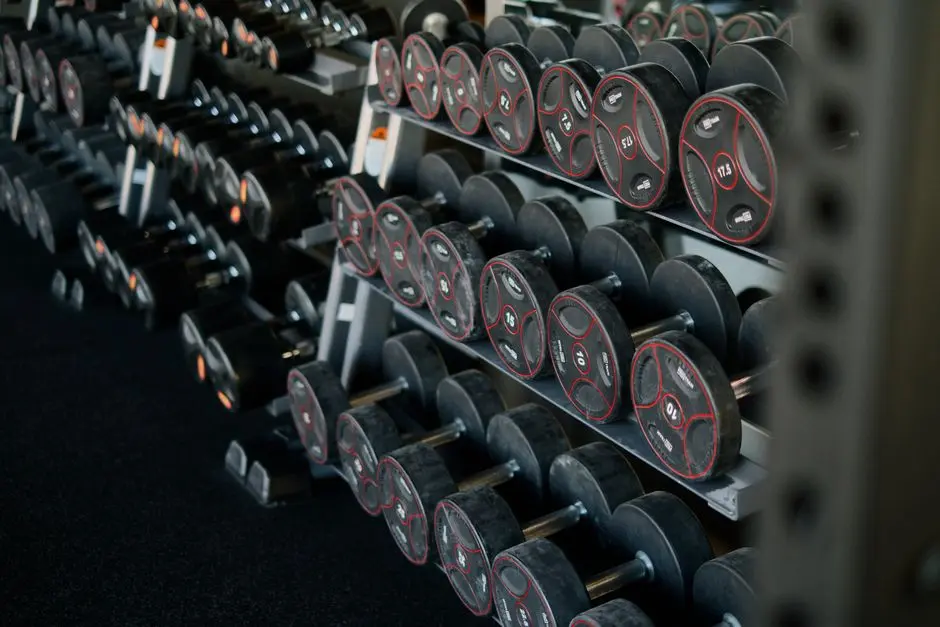
Sleep and recovery run a close second, and most lifters underrate both. The actual physiology of how muscle rebuilds between sessions matters more than which protein powder flavor gets picked. Five hours of sleep a night, chronically, blunts the hormonal environment a surplus is trying to take advantage of — undoing a chunk of the dietary effort before it starts.
None of this is a reason to ignore the list above. It’s a reason to get the training and sleep foundation solid first, then treat everything above as the refinement layer on top of that. A lifter with immaculate protein timing and a program that never changes is optimizing the wrong variable.
Common Questions
Is a surplus mandatory to build any muscle at all? No. Beginners, people returning after a long layoff, and those carrying extra body fat can build muscle at maintenance or even in a slight deficit — a phenomenon usually called body recomposition. It’s slower than a surplus-driven approach and works best for people with more “newbie” adaptation potential still on the table. Advanced lifters with years of training behind them generally do need the surplus.
Anyway. “Advanced” gets thrown around loosely online by people three months into training. Genuinely advanced, in the research sense, means years of consistent progressive training — and most people asking this question aren’t there yet, which is good news for them.
Does protein need to come from animal sources? No, though it takes more planning on a plant-based pattern to consistently hit the leucine threshold per meal. Combining sources — legumes with grains, soy protein isolate, pea-rice protein blends — closes most of the gap. It’s not that plant protein doesn’t work; it’s that it requires more attention to quantity and pairing than defaulting to meat, eggs, and dairy does.
How long before results show up on the scale or in the mirror? Meaningful, visible muscle gain typically takes eight to twelve weeks of consistent training and eating to become obvious to the person doing it, and longer for anyone else to notice. Strength gains usually show up faster than visible size, which is a useful signal that something is working before the mirror confirms it.
Is creatine safe to take indefinitely? The research base extends across years-long studies in healthy populations without evidence of kidney or liver harm at standard doses. People with pre-existing kidney disease are the group where more caution is warranted, simply because that population is under-studied for this specific supplement, not because of demonstrated harm.
What about intermittent fasting windows, like 16:8, for muscle building specifically? Workable, but harder than it needs to be. An eight-hour eating window makes hitting both a calorie surplus and even protein distribution across three to five meals genuinely difficult, purely on a logistics level — there just isn’t enough time in the window. Not impossible. Just an unnecessary handicap for this particular goal, where the more useful applications of fasting live elsewhere.
Does the type of carbohydrate matter — simple versus complex — around training? Less than total daily amount and timing relative to sessions. Both digest and refill glycogen effectively. Simple carbs closer to training can feel easier on the stomach for some people; complex carbs earlier in the day support steadier energy. Personal tolerance decides this one more than the research does.
Can someone over 40 still build meaningful muscle on this approach? Yes, though the rate is slower and the margin for error on protein and training consistency shrinks. Anabolic resistance — a reduced muscle-building response to a given protein dose — increases somewhat with age, which is part of why the upper end of the 1.6–2.2 g/kg range, rather than the lower end, tends to serve older lifters better.