
Marcus had been living with the pain for so long he’d forgotten what normal felt like. Not sharp, dramatic pain — the kind that sends you to the ER. Just a constant, low-grade ache in his joints. Brain fog that rolled in around 2pm like clockwork. A gut that seemed permanently unhappy. Energy that peaked at 9am and collapsed by noon. At 44, he figured this was just what getting older felt like. His doctor ran bloodwork, said everything was “in range,” and sent him home with a pamphlet about stress management. Marcus threw it in the trash on the way to the parking lot.
What nobody told Marcus — not his doctor, not his gym buddy, not the wellness bloggers selling him overpriced supplements — was that he was inflamed. Chronically, systemically, silently inflamed. And the foods on his plate were pouring gasoline on a fire that had been burning for years.
This is the story inflammation doesn’t tell you about itself. It doesn’t announce its presence with fireworks. It just quietly dismantles quality of life, one joint, one thought, one restless night at a time.

What Inflammation Actually Is (And Why the Biology Matters)
- NF-kB (Nuclear Factor kappa-light-chain-enhancer of activated B cells): This is the master inflammatory transcription factor — the gene switch that turns on production of inflammatory proteins. When chronically activated by poor diet, stress, toxins, and visceral fat, NF-kB keeps the immune system in a state of perpetual alert. Every processed meal, every can of seed oil, every cigarette activates NF-kB. The research here is unambiguous.
- COX-2 (Cyclooxygenase-2): The enzyme that produces prostaglandins and thromboxanes — inflammatory signaling molecules. This is the same pathway targeted by ibuprofen and aspirin. When diet chronically activates COX-2, pain, fever, and tissue damage follow even without an acute injury. Omega-6 fatty acids (linoleic acid) are the primary dietary substrate for COX-2 products.
- TNF-alpha (Tumor Necrosis Factor alpha): A cytokine produced primarily by macrophages that orchestrates the systemic inflammatory response. Elevated TNF-alpha is associated with every major chronic disease: cardiovascular disease, type 2 diabetes, rheumatoid arthritis, Alzheimer’s, and cancer. Visceral fat (the fat around the organs) is itself an endocrine organ that secretes TNF-alpha continuously.
Start with the biology. Skip the mechanism and the same mistakes keep happening — reaching for “anti-inflammatory” buzzwords on food labels without knowing what’s actually being fought.
Inflammation is not the enemy. Acute inflammation is one of the most sophisticated survival systems in the human body. Cut a finger, bacteria enter the wound, and within minutes the immune system launches a coordinated strike: blood vessels dilate, white blood cells flood the site, inflammatory mediators signal the repair crew to arrive. Within days, the wound closes. The inflammation resolves. System off.
That’s inflammation working exactly as designed. The problem is chronic inflammation — when the “off” switch never gets flipped.
At the molecular level, chronic systemic inflammation involves three primary pathways worth understanding:
There’s a fourth piece of machinery worth naming, because it explains why inflammation so often feels like it arrives out of nowhere: the NLRP3 inflammasome. This is a protein complex sitting inside immune cells that acts like a sensor — it detects danger signals (excess glucose, uric acid crystals, oxidized LDL, even the saturated fat overload from a fast-food binge) and, once triggered, assembles itself into a machine that cleaves pro-IL-1β into active interleukin-1β, one of the most potent inflammatory cytokines in the body. Tschopp and Schroder’s foundational 2010 review in Nature Reviews Immunology mapped how metabolic stressors — not just infections — activate NLRP3, which is part of why a diet heavy in sugar and refined starch can produce an inflammatory profile that looks, on bloodwork, disturbingly similar to a low-grade chronic infection. The inflammasome doesn’t care that the “threat” is a bag of chips. It responds the same way it would to a splinter.
The clinical case for taking silent inflammation seriously as a disease driver — not just a symptom — dates back further than most people assume. Paul Ridker’s Physicians’ Health Study, published in the New England Journal of Medicine in 1997, tracked hs-CRP in over 14,000 apparently healthy men and found that baseline CRP predicted future myocardial infarction and stroke independent of cholesterol levels. Men in the highest CRP quartile had roughly triple the cardiovascular risk of men in the lowest quartile, even when LDL looked identical between groups. That single study is a large part of why hs-CRP testing exists in routine practice today, and why “your cholesterol is fine” was never the whole story.
The landmark work of researcher Philip Calder at the University of Southampton established that dietary fatty acids directly modulate these inflammatory pathways. His 2013 review in the American Journal of Clinical Nutrition demonstrated that omega-3 polyunsaturated fatty acids reduce NF-kB activation and COX-2 expression through multiple mechanisms — shifting the body from an inflammatory to a resolving phenotype (Calder, 2013).
Meanwhile, Esposito and colleagues (2004) published a significant randomized controlled trial in JAMA showing that the Mediterranean diet — a dietary pattern high in olive oil, fish, vegetables, and legumes — significantly reduced markers of vascular inflammation including C-reactive protein (CRP), interleukin-6 (IL-6), and interleukin-7 (IL-7) compared to a control diet. Participants following the Mediterranean pattern also lost more weight and had better insulin sensitivity — benefits that compounded the anti-inflammatory effects (Esposito et al., 2004).
“Inflammation is the common thread connecting virtually every chronic disease we face in the Western world. You are not genetically fated to suffer. You are environmentally provoked.” — Based on Calder, 2013
Here’s the part most people miss: chronic low-grade inflammation doesn’t feel like inflammation. It feels like fatigue. It feels like weight that won’t come off. It feels like brain fog, joint stiffness, poor sleep, and a gut that never quite settles. It’s been normalized so thoroughly in modern culture that it’s stopped registering as pathology.
Marcus wasn’t “just getting older.” He was inflamed. And the first step to fixing it is understanding what’s lighting the match.
The Inflammation Trigger Hierarchy: What’s Actually Hurting You
- Industrial seed oils (highest priority): Soybean, corn, canola, sunflower, safflower, cottonseed oils. These are extraordinarily high in linoleic acid (omega-6), which is the precursor to arachidonic acid, which is the direct substrate for COX-2 inflammatory products. The modern diet contains 15-20x more omega-6 than omega-3 — the ancestral ratio was approximately 1:1. This is the single most underappreciated driver of chronic inflammation in the Western diet.
- Added sugar and refined fructose: High-fructose corn syrup and excess added sugar activate the inflammatory cascade through multiple mechanisms: uric acid production, advanced glycation end products (AGEs), insulin resistance, and gut dysbiosis. Research published by Stanhope et al. (2009) demonstrated that isocaloric replacement of glucose with fructose significantly increased visceral fat, triglycerides, and hepatic de novo lipogenesis — all drivers of systemic inflammation.
- Refined carbohydrates and ultra-processed foods: White flour, white rice (in large quantities), packaged snacks, fast food. These drive insulin spikes and AGE formation, feed inflammatory gut bacteria, and displace anti-inflammatory whole foods from the diet.
- Trans fats: Partially hydrogenated oils found in margarine, commercial baked goods, and some fried foods. Trans fats activate NF-kB directly and are among the most potent dietary inflammatory agents identified. Many countries have banned them; they still appear in processed food under “partially hydrogenated” labeling.
- Excess alcohol: Alcohol increases intestinal permeability (“leaky gut”), allows bacterial lipopolysaccharides (LPS) into circulation, and triggers hepatic inflammation. Moderate consumption (1-2 drinks/day) has complex effects; heavy drinking is unambiguously pro-inflammatory.
- Processed and cured meats: Hot dogs, deli meats, sausage, and other processed meats contain nitrates, advanced glycation end products from high-heat processing, and are associated with elevated inflammatory biomarkers in epidemiological research.
Not all inflammatory inputs are created equal. Some foods are napalm. Some are kindling. Some are just mildly unhelpful. Before building a protocol, the hierarchy of harm matters — try to fix everything at once and nothing gets fixed.
The primary dietary drivers of systemic inflammation, ranked by evidence strength:
Notice what’s not on this list: red meat (as a category), saturated fat (as a category), eggs, full-fat dairy, or whole grains. The internet has a chronic inflammation problem with accuracy, and following popular opinion rather than mechanistic evidence means chasing a lot of ghosts.
Quick digression, because it comes up constantly. AGEs — advanced glycation end products — deserve their own explanation rather than just an acronym drop. They form when sugar molecules bind irreversibly to proteins or fats, a process called glycation, and the resulting compounds are structurally warped in a way the immune system recognizes as foreign. High-heat, dry cooking (grilling, frying, broiling) dramatically accelerates AGE formation in food itself, which is then absorbed and adds to the body’s own AGE burden. Vlassara and colleagues at Mount Sinai demonstrated in a series of studies through the 2000s that dietary AGE restriction alone — without changing calories or macronutrients, just switching from high-heat to moist cooking methods like braising and steaming — measurably reduced circulating inflammatory markers within weeks. It’s a small lever. It’s also free. Anyway. Back to the hierarchy.
The Anti-Inflammatory Foods That Actually Work

Here are the evidence-backed heavy hitters:
Fatty fish (salmon, mackerel, sardines, herring, anchovies): The most potent anti-inflammatory food in the human diet. EPA (eicosapentaenoic acid) and DHA (docosahexaenoic acid) — the omega-3 fatty acids in fatty fish — directly compete with arachidonic acid for COX-2 enzyme binding, produce specialized pro-resolving mediators (SPMs including resolvins, protectins, and maresins), and suppress NF-kB activation. Aim for 2-3 servings per week minimum. Wild-caught is preferable (higher omega-3 content) but farmed Atlantic salmon still provides meaningful EPA/DHA.
The SPM research deserves a beat of its own, because it changes the mental model of what omega-3s actually do. For years the assumption was that fish oil worked purely by competing with omega-6 at the enzyme level — a kind of biochemical traffic-blocking. Charles Serhan’s group at Harvard Medical School overturned that in the 2000s by discovering that EPA and DHA are themselves converted into an entirely separate class of signaling molecules — resolvins, protectins, maresins — whose job isn’t to block inflammation but to actively terminate it, a process Serhan termed “resolution pharmacology” in his 2014 Nature review. Inflammation, in this model, doesn’t just fade away passively. It gets switched off by a specific set of molecules the body can only make if there’s enough EPA and DHA on hand as raw material. Run low on omega-3s and the resolution machinery runs low too — the fire keeps smoldering because nothing is actively putting it out.
Extra-virgin olive oil (EVOO): Oleocanthal — a phenolic compound in high-quality EVOO — inhibits COX-1 and COX-2 enzymes with similar mechanism to ibuprofen (at approximately 10% the potency per dose). Oleic acid (the primary monounsaturated fatty acid in olive oil) reduces oxidative stress and LDL oxidation. Use liberally: 2-4 tablespoons daily. The sharp, peppery sensation in the back of the throat when swallowing good EVOO is the oleocanthal working. No sensation? Low-quality oil.
Berries (blueberries, strawberries, raspberries, blackberries): Among the highest ORAC (Oxygen Radical Absorbance Capacity) values of any food. Anthocyanins in berries reduce NF-kB activation, decrease CRP, and improve endothelial function. A cup of mixed berries daily provides measurable benefit. Frozen berries retain most of their polyphenol content and are more economical than fresh.
Leafy greens (spinach, kale, arugula, Swiss chard, collards): Rich in vitamin K (which modulates inflammatory signaling), folate (which reduces homocysteine, an independent inflammatory marker), and multiple polyphenols. Aim for 2+ cups daily. Cooking spinach and kale reduces oxalate content and actually increases bioavailability of some nutrients.
Turmeric/curcumin: Curcumin is the active polyphenol in turmeric and one of the most studied natural NF-kB inhibitors in existence. The challenge is bioavailability — oral curcumin is poorly absorbed (2-3% without enhancement). Black pepper (piperine) increases absorption by 2000%. Fat increases absorption significantly. Meriva, Longvida, and BCM-95 are enhanced delivery forms with better clinical data. Whole turmeric in cooking provides modest benefit; therapeutic dosing requires supplemental curcumin.
Ginger: Contains gingerols and shogaols that inhibit COX-2 and 5-LOX (lipoxygenase) pathways simultaneously. This dual inhibition makes ginger clinically meaningful for pain management — a 2015 meta-analysis found ginger supplementation significantly reduced muscle soreness and osteoarthritis pain markers.
Walnuts and flaxseeds: The best plant-based sources of ALA (alpha-linolenic acid), the omega-3 precursor. ALA conversion to EPA/DHA in humans is inefficient (5-15%), but these foods also provide polyphenols, fiber, and magnesium that independently support anti-inflammatory pathways.
Cruciferous vegetables (broccoli, Brussels sprouts, cauliflower, cabbage): Sulforaphane — produced when cruciferous vegetables are chopped or chewed — activates the Nrf2 pathway, the body’s master antioxidant and anti-inflammatory regulatory system. Sulforaphane upregulates glutathione production and inhibits NF-kB with remarkable potency. Eat these 4-5 times per week. Chop or chew well; don’t microwave without first chopping.
Green tea: EGCG (epigallocatechin gallate) is among the most researched anti-inflammatory compounds. It inhibits NF-kB, reduces cytokine production, and has been shown to reduce CRP in meta-analyses of supplementation trials. 2-3 cups daily of brewed green tea (not bottled sweetened versions) provides therapeutic levels.
Dark chocolate (85%+ cacao): Flavanols in high-cacao chocolate reduce blood pressure, improve endothelial function, and lower inflammatory markers. This only applies to chocolate with minimal added sugar and high cacao content. A 1-oz serving of 85%+ dark chocolate daily fits within a therapeutic anti-inflammatory diet.
The Inflammation Elimination Protocol: A 4-Phase Framework
- Seed oils: Remove soybean, canola, corn, sunflower, safflower, cottonseed, and vegetable oil from the kitchen. Replace cooking fats with butter, ghee, coconut oil, tallow, or avocado oil. Check every restaurant order — most chain food is cooked in soybean oil. Check every packaged food label.
- Added sugar above 25g/day: Cut obvious sources first — sodas, juices, candy, desserts, sweetened coffee drinks. Read labels on sauces, dressings, and condiments. Ketchup, barbecue sauce, and “low-fat” dressings are often significant hidden sugar sources.
- Ultra-processed foods: If the ingredients list has more than 5 items and most of them are unidentifiable, it doesn’t enter the house. This single rule eliminates the majority of processed foods automatically.
- Trans fats: Check labels for “partially hydrogenated” in any form. Eliminate immediately.

Phase 1: The Hard Cuts (Weeks 1-2)
Eliminate the four highest-priority inflammatory inputs. Don’t negotiate. Don’t do it gradually. Cut them completely for 14 days and measure how you feel at the end:
Phase 2: The Foundation Build (Weeks 3-4)
Now the anti-inflammatory heavy hitters get added. No need to wait until Phase 1 is perfect — run Phase 2 concurrently after the first two weeks:
- Add fatty fish 2-3 times per week (salmon, sardines, mackerel, herring). Genuinely won’t eat fish? A quality fish oil supplement covers the same ground — the label figure to read is combined EPA+DHA, not total fish oil.
- Replace all cooking oils with EVOO for cold applications and butter/ghee/avocado oil for high-heat cooking.
- Add 1-2 cups of leafy greens daily. Easiest execution: a big handful of spinach added to morning eggs, or an arugula salad to start lunch.
- Add one cup of mixed berries daily. Frozen counts. Add to yogurt, oatmeal, or eat plain.
- Add cruciferous vegetables 4-5 times per week. Roasted broccoli with EVOO and garlic is the simplest execution.
Phase 3: The Optimization Layer (Weeks 5-8)
Phases 1 and 2 will produce measurable improvement in most people. Phase 3 is where individual inflammatory triggers get fine-tuned and addressed:
- Gut health optimization: Add fermented foods (kimchi, sauerkraut, plain yogurt, kefir) to support the gut microbiome. A diverse, healthy microbiome produces short-chain fatty acids that directly suppress intestinal inflammation and NF-kB activation.
- Targeted supplementation: curcumin paired with piperine, magnesium glycinate, and vitamin D3 where testing shows a deficiency are the three with the most support behind them here. These address common deficiencies that amplify inflammatory response.
- Alcohol audit: Regular drinkers should reduce to 1-2 drinks maximum on any given day, with at least 3-4 alcohol-free days per week. Track sleep quality correlations honestly.
- Protein optimization: the commonly cited range is 0.7-1g of protein per pound of body weight from quality sources (eggs, fish, lean meat, legumes). Adequate protein is required for tissue repair and immune function.
Phase 4: Long-Term AntiInflammatory Diet Plan Strategy (Month 3 and beyond)
The goal of Phase 4 is making the anti-inflammatory pattern the default — not a diet being “on,” but simply the way food gets eaten. This requires:
- Environment engineering: The kitchen contains only anti-inflammatory foods by default. Seed oils are gone. The default snack is nuts and berries, not chips. The default cooking fat is butter or EVOO. Not reliant on willpower — reliant on architecture.
- Social strategy: A clear protocol for eating out (default to fish or meat + vegetables, skip the bread basket, ask for olive oil instead of “vegetable oil” dressing). Not a public performance, but not abandoned for social comfort either.
- Biomarker tracking: Establish a baseline hs-CRP (high-sensitivity C-reactive protein) test through a doctor before starting the protocol. Retest at 3 months. Track joint pain, energy, sleep quality, and cognitive function subjectively. Data keeps things honest.
- Seasonal cycling: Winter eating naturally shifts toward more cooked foods, legumes, and root vegetables — all fine. Summer eating shifts toward raw vegetables, fresh berries, and grilled fish. The anti-inflammatory pattern accommodates natural seasonal variation.
The Mediterranean Diet Evidence Base
- High EVOO consumption replaces seed oils as primary fat source
- Abundant vegetables and legumes provide polyphenols, fiber, and micronutrients that feed anti-inflammatory gut bacteria
- Regular fatty fish consumption provides EPA/DHA
- Moderate wine consumption (if any) provides resveratrol, though the cardiovascular benefits of alcohol are contested in newer research
- Red meat consumed sparingly (1-2x/week) rather than daily
- Whole grains rather than refined grains, preserving fiber and polyphenols
The Mediterranean dietary pattern is the most studied anti-inflammatory diet in clinical research, and it consistently outperforms every other named dietary pattern on inflammatory biomarkers, cardiovascular outcomes, and all-cause mortality.
The PREDIMED trial (Prevención con Dieta Mediterránea) — the largest Mediterranean diet RCT ever conducted, with 7,447 participants followed for nearly 5 years — found that participants assigned to Mediterranean diets supplemented with extra-virgin olive oil or mixed nuts had a 30% relative reduction in major cardiovascular events compared to a low-fat control diet. The mechanisms included significant reductions in CRP, IL-6, and other inflammatory markers.
What makes the Mediterranean pattern work:

Gut Health and Inflammation: The Leaky Gut Connection
- Dysbiosis: Overgrowth of gram-negative bacteria that produce lipopolysaccharide (LPS) — a bacterial membrane component that is one of the most potent activators of NF-kB in existence. LPS leaked into circulation creates what researchers call “metabolic endotoxemia” — chronic low-grade inflammation driven by gut bacteria products in the bloodstream.
- Increased intestinal permeability (“leaky gut”): The tight junctions between intestinal epithelial cells loosen, allowing bacterial fragments, undigested food particles, and other antigens to cross into circulation. The immune system mounts a response to these antigens, creating chronic systemic inflammation.
- Reduced SCFA production: Fewer beneficial bacteria mean less butyrate production. Less butyrate means the intestinal epithelium — which uses butyrate as its primary fuel — becomes weaker and more permeable. A vicious cycle.
The gut is where inflammation often begins and where it can most effectively be interrupted. This is not alternative medicine speculation. This is well-established immunology.
Approximately 70-80% of the immune system lives in and around the gut. The gut microbiome — 100 trillion bacteria, fungi, and other microorganisms — directly regulates inflammatory signaling throughout the body. When the gut microbiome is healthy and diverse, it produces short-chain fatty acids (SCFAs) like butyrate, acetate, and propionate that suppress NF-kB activation, maintain intestinal barrier integrity, and signal immune cells to stay in “surveillance” rather than “attack” mode.
When the gut microbiome is disrupted — by poor diet, antibiotics, stress, or lack of dietary fiber — a different set of processes takes over:
The metabolic endotoxemia concept comes from a specific, oft-cited line of research: Patrice Cani’s group at the Université catholique de Louvain fed mice a high-fat diet and found circulating LPS levels rose two-to-three-fold within weeks, a state they termed “metabolic endotoxemia” in a 2007 Diabetes paper. When they infused LPS directly into lean mice at levels matching the high-fat-fed animals, the lean mice developed insulin resistance, weight gain, and inflammation identical to what diet alone had produced — direct evidence that the gut-derived endotoxin, not just the fat or calories, was driving the metabolic damage. Two bacterial species come up repeatedly in the follow-up human research as markers of a gut in good working order: Akkermansia muciniphila, which maintains the mucus layer that keeps LPS-producing bacteria away from the gut wall, and Faecalibacterium prausnitzii, one of the primary butyrate producers in the healthy colon and among the most depleted species in Crohn’s and ulcerative colitis patients. Both thrive on the same input: fermentable fiber from vegetables, legumes, and resistant starch. Neither thrives on the standard American diet’s near-total absence of it.
The anti-inflammatory diet supports gut health through multiple mechanisms: prebiotic fiber from vegetables feeds beneficial bacteria, fermented foods introduce beneficial strains directly, polyphenols from berries and EVOO have prebiotic effects, and removal of seed oils reduces oxidative damage to the gut lining.
Practical gut health additions to the protocol:
- Eat at least 30 different plant foods per week (vegetables, fruits, legumes, nuts, seeds, whole grains). Gut microbiome diversity is directly correlated with plant food diversity.
- Add one serving of fermented food daily: kimchi, sauerkraut, plain Greek yogurt, kefir, or water kefir for the dairy-free.
- Prioritize prebiotic fiber: Jerusalem artichokes, garlic, onions, leeks, asparagus, and oats feed beneficial Bifidobacterium and Lactobacillus species.
- Avoid unnecessary antibiotics: a single course of antibiotics significantly reduces gut diversity, with some studies showing partial recovery taking 1-2 years.
Lifestyle Factors That Multiply Dietary Benefits
Diet is the biggest lever, but it doesn’t operate in a vacuum. Several lifestyle factors either amplify or cancel out dietary anti-inflammatory efforts.
Sleep: Chronic sleep deprivation is one of the most potent drivers of systemic inflammation independent of diet. A single night of insufficient sleep (<6 hours) significantly elevates IL-6, TNF-alpha, and CRP. The mechanism involves disrupted cortisol regulation, increased sympathetic nervous system activity, and reduced immune surveillance. A bad sleep habit cannot be out-eaten. Prioritize 7-9 hours as a non-negotiable foundation.
Exercise: Regular moderate exercise is profoundly anti-inflammatory through what researchers call “exercise-induced inflammation resolution.” During exercise, muscles contract and release IL-6 (temporarily pro-inflammatory), which then triggers production of anti-inflammatory IL-10 and IL-1ra. Regular exercisers develop higher baseline levels of anti-inflammatory mediators and lower resting CRP. 150 minutes per week of moderate activity (walking, cycling, swimming) produces measurable anti-inflammatory effects. Strength training adds additional benefit through muscle mass maintenance — muscle is itself an anti-inflammatory endocrine organ.
Bente Pedersen’s group at the University of Copenhagen did much of the foundational work establishing skeletal muscle as an endocrine organ in its own right. Their research, synthesized in a widely cited 2008 Physiological Reviews paper, catalogued the “myokines” — signaling proteins released by contracting muscle — and showed that the IL-6 spike during exercise behaves completely differently from the IL-6 spike during chronic disease. Exercise-derived IL-6 is transient, resolves within hours, and actively triggers the anti-inflammatory cascade. Disease-driven IL-6, by contrast, stays elevated chronically and drives further inflammation. Same molecule, opposite biological meaning, entirely dependent on context and duration. It’s a good example of why “inflammation” as a single word obscures more than it explains — the question is never whether a marker is present, it’s whether it’s transient and resolving or chronic and stuck.
Chronic psychological stress: Sustained psychological stress activates the HPA (hypothalamic-pituitary-adrenal) axis and maintains elevated cortisol, which paradoxically creates glucocorticoid resistance — immune cells stop responding to cortisol’s anti-inflammatory signals. The result is unchecked inflammatory gene expression. Stress doesn’t “cause” inflammation through some mystical mind-body connection; it disrupts cortisol signaling at the cellular level. This is a real, measurable mechanism.
Smoking: Tobacco smoke activates NF-kB directly through oxidative stress mechanisms and causes systemic inflammation that dietary changes cannot fully overcome. For a smoker serious about reducing inflammation, quitting is the highest ROI single action available — more impactful than any dietary change.
Visceral adiposity (belly fat): Visceral fat — the fat depot around the organs, measured approximately by waist circumference — is itself an endocrine organ that continuously secretes TNF-alpha, IL-6, and other pro-inflammatory cytokines. This creates a self-reinforcing cycle: inflammation causes insulin resistance and fat gain, fat gain creates more inflammation. Reducing visceral fat through diet and exercise directly reduces resting inflammatory load.
What to Measure: Biomarkers Worth Tracking
What doesn’t get measured doesn’t get managed. These are the blood markers worth tracking when implementing an anti-inflammatory protocol:
- hs-CRP (high-sensitivity C-reactive protein): The gold standard clinical marker of systemic inflammation. Produced by the liver in response to inflammatory cytokines (particularly IL-6). Optimal: below 1.0 mg/L. Moderate risk: 1.0-3.0 mg/L. High risk: above 3.0 mg/L. Get baseline before starting the protocol and retest at 3 months. Most physicians will order this without resistance.
- Fasting insulin and HOMA-IR: Insulin resistance is both a cause and consequence of chronic inflammation. Fasting insulin above 10 μIU/mL suggests insulin resistance. HOMA-IR (Homeostatic Model Assessment of Insulin Resistance) above 2.0 is a reliable early marker. This is more sensitive than fasting glucose for catching metabolic dysfunction early.
- Ferritin: An iron storage protein that doubles as an acute-phase reactant — it rises in response to inflammation independent of iron status. Optimal ferritin: 30-150 ng/mL for men, 20-80 ng/mL for women. Elevated ferritin above 300 ng/mL in the absence of iron overload is a reliable inflammation indicator.
- Waist-to-height ratio: Divide waist circumference by height. Below 0.5 is optimal (e.g., 33-inch waist on a 5’10” person). This is more predictive of cardiometabolic risk than BMI and is a rough proxy for visceral fat burden.
- Omega-3 Index: The percentage of EPA + DHA in red blood cell membranes. Optimal: 8% or above. Below 4% indicates significant omega-3 insufficiency. Not available everywhere, but home testing kits exist (OmegaQuant is reliable). This is the most direct measure of dietary omega-3 status.
- HbA1c: Glycated hemoglobin reflects average blood glucose over 3 months. Optimal: below 5.3%. Anything above 5.7% is prediabetic range and indicates chronic glucose dysregulation — a significant inflammatory driver through AGE formation.
Not all of these are needed simultaneously. Start with hs-CRP and fasting insulin. hs-CRP below 1.0 and fasting insulin below 10 means good shape. Track these every 3-6 months while implementing the protocol.
The 7-Day Anti-Inflammatory Meal Pattern
Principles are useless without execution. Here’s a week-long meal pattern built entirely on the anti-inflammatory protocol. This is a template, not a prescription — adapt it to food preferences, budget, and schedule.
Breakfast options (rotate):
- 3 eggs scrambled in butter with spinach and smoked salmon, side of blueberries
- Plain Greek yogurt (full-fat) with mixed berries, walnuts, and a drizzle of honey
- Oatmeal with walnuts, blueberries, cinnamon, and a tablespoon of flaxseed
- 2 poached eggs over wilted spinach with sliced avocado and cherry tomatoes
Lunch options (rotate):
- Large salad with arugula, sardines (in olive oil), cucumber, cherry tomatoes, olives, EVOO + lemon dressing
- Leftover salmon or grilled chicken over roasted broccoli and sweet potato
- Lentil soup with turmeric, ginger, garlic, and leafy greens
- Tuna (packed in olive oil) with celery, Dijon, apple cider vinegar, served over romaine
Dinner options (rotate):
- Wild salmon with roasted asparagus and cauliflower rice with turmeric
- Grass-fed ground beef with zucchini, onion, garlic, canned tomatoes, over brown rice
- Sheet pan chicken thighs with Brussels sprouts, broccoli, and bell peppers in EVOO
- Sardine and white bean stew with kale, tomatoes, garlic, and EVOO
- Mackerel with a large green salad and roasted sweet potato
Snacks (keep these in the house):
- Walnuts, almonds, or macadamia nuts (single-ingredient, no added oils)
- Frozen berries thawed overnight
- Dark chocolate 85%+ (1-2 squares)
- Celery or cucumber with almond butter
- Hard-boiled eggs
Common Mistakes That Undermine the Protocol
The protocol can be followed faithfully at home and still get sabotaged in ways most people haven’t considered. Here are the most common errors:
Mistake 1: Replacing seed oils at home but ignoring restaurant meals. Eating out means the default cooking oil in virtually every restaurant kitchen — from fast food to upscale casual — is soybean or canola oil. A single restaurant meal can deliver 20-30g of linoleic acid. Eating out frequently without strategy makes therapeutic omega-6 reduction unachievable.
Mistake 2: Buying “olive oil” blends. Most “olive oil” sold at non-premium prices is blended with seed oils or is low-quality refined olive oil with negligible polyphenol content. Real EVOO should be cold-pressed, stored in dark glass, and have a harvest date (not just an expiration date) within the past 18 months. It should taste noticeably peppery. Brands like California Olive Ranch, Kasandrinos, and Kosterina meet these standards.
Mistake 3: Ignoring the omega-3 supplement quality gap. Fish oil oxidizes readily. Rancid fish oil is potentially pro-inflammatory. A fish oil supplement that tastes or smells strongly fishy after swallowing, not just opening the bottle, is oxidized. Store fish oil in the refrigerator, buy from brands that test for oxidation (IFOS-certified), and check the actual EPA+DHA content per serving — many brands advertise “fish oil” in high amounts while providing minimal actual EPA+DHA.
Mistake 4: Overcomplicating breakfast. Most people flame out on dietary changes because their “healthy” breakfast protocol requires 45 minutes of preparation. Three scrambled eggs with a handful of spinach cooked in butter takes 6 minutes. A bowl of Greek yogurt with frozen berries and walnuts takes 2 minutes. Keep breakfast ruthlessly simple.
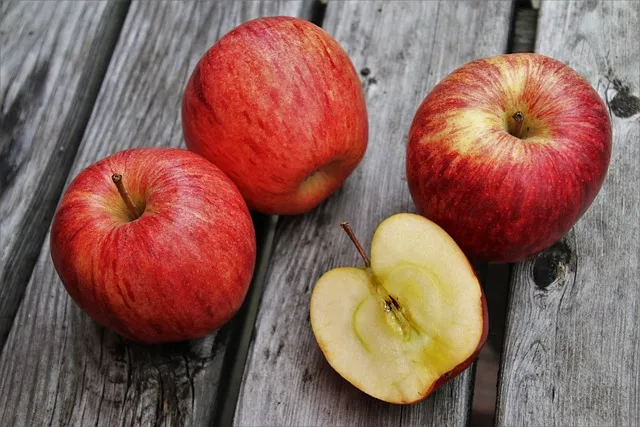
Mistake 6: Assuming more nuts and nut butter is automatically better. Not all “anti-inflammatory snacks” are equal. Peanut oil, and the peanut butters and mixed nut blends cut with it, carries a meaningfully worse omega-6 load than walnuts, macadamias, or almonds. And roasted nuts sold in bulk bins are frequently roasted in the exact seed oils Phase 1 eliminates. Read the ingredient list on nut butter the same way it gets read on salad dressing. “Peanuts. Salt.” is the correct ingredient list. Anything with “vegetable oil” or “palm oil” listed second defeats the purpose.
Special Cases: Autoimmune Conditions and Advanced Inflammation
For most people, the Inflammation Elimination Protocol will produce significant improvement in energy, joint comfort, cognitive function, and body composition within 4-8 weeks. But for a diagnosed autoimmune condition — rheumatoid arthritis, Hashimoto’s thyroiditis, lupus, psoriasis, inflammatory bowel disease — the standard anti-inflammatory diet may be insufficient on its own, and additional dietary strategies deserve consideration:
The Autoimmune Protocol (AIP): A more restrictive elimination protocol developed by Sarah Ballantyne (Dr. Sarah Ballantyne, Ph.D.) that removes all grains, legumes, nightshades, eggs, dairy, nuts, seeds, alcohol, and NSAIDs for 30-90 days, then systematically reintroduces foods to identify individual inflammatory triggers. AIP has reasonable pilot study data in Hashimoto’s and IBD specifically.
Low-lectin approaches: Certain plant compounds (lectins in legumes and grains, nightshade alkaloids) may exacerbate intestinal permeability in genetically susceptible individuals. The evidence for avoiding lectins in healthy people is weak; the evidence for sensitivity in autoimmune populations is more plausible, though still contested.
Carnivore or carnivore-adjacent patterns: In severe autoimmune cases where standard anti-inflammatory approaches have failed, some individuals report dramatic improvement on all-animal-food diets that eliminate all plant antigens. The mechanistic rationale is elimination of potential gut irritants; the long-term data is absent. This is not a first-line recommendation but may be worth considering under physician supervision for treatment-resistant cases.
“The most important thing is not finding the perfect diet. It’s removing the worst inputs and consistently providing the best inputs. Excellence compounds. Perfect is optional.” — Adapted from Esposito et al., 2004
Marcus at Month Three
Marcus didn’t do anything dramatic. He didn’t join a program or hire a coach. He cleaned out his pantry on a Sunday afternoon — threw out the canola oil, the “vegetable” oil, the soybean oil cooking spray. Replaced them with butter and a good bottle of EVOO. He stopped eating the granola bars he’d been calling “healthy” and started eating eggs in the morning. Added salmon twice a week. Started putting frozen berries on everything.
It wasn’t a straight line. Week three, a work trip to Chicago put him back in front of airport food and hotel breakfast buffets for four days, and he came home feeling like he’d erased two weeks of progress — the joint ache was back, the 2pm wall hit hard on day three. It hadn’t erased anything, not really, but it felt that way, and he almost didn’t bother restarting. He did anyway, mostly out of stubbornness. That’s worth saying plainly, because the version of this story where nothing goes wrong isn’t the real one.
At week four (post-restart), he noticed the 2pm brain fog had mostly stopped. At week six, the joint stiffness in his knees — which he’d attributed entirely to age — had improved enough that he could descend stairs without grabbing the railing. At month three, his hs-CRP had dropped from 3.2 mg/L to 0.9 mg/L.
He didn’t get a new doctor. He didn’t take any medications. He didn’t spend money on a supplement protocol or a meal delivery service. He changed what he cooked his food in and what he put on his plate. That was it.
The biology did the rest.
Reader Questions About AntiInflammatory Diet Plan
Q: How long before I notice results from an anti-inflammatory diet?
Most people notice subjective improvements in energy and joint comfort within 2-4 weeks. Blood markers like hs-CRP typically improve measurably by 8-12 weeks of consistent adherence. The speed of improvement correlates with how inflammatory the baseline diet was — the more that changes, the faster the feedback.
Q: Can I still eat red meat on an anti-inflammatory diet?
Yes, in moderation. Unprocessed red meat (beef, lamb, bison) is not strongly linked to inflammatory biomarkers in prospective studies when consumed 2-4 times per week. Grass-fed beef has a meaningfully better omega-6 to omega-3 ratio than grain-fed. The problematic forms are processed meats (hot dogs, deli meat, cured sausage) — these do elevate inflammatory markers and should be minimized.
Q: What about nightshades? Are tomatoes and peppers inflammatory?
For most people, no. The nightshade-inflammation connection is primarily relevant for a subset of individuals with autoimmune conditions — particularly rheumatoid arthritis — where nightshade alkaloids may exacerbate joint symptoms. For the general population, tomatoes, peppers, and eggplant are anti-inflammatory foods with good polyphenol content. Autoimmune arthritis makes an elimination trial worth testing.
Q: Is dairy inflammatory?
The research is mixed and highly individual. Full-fat dairy from grass-fed cows contains conjugated linoleic acid (CLA) and butyrate that are modestly anti-inflammatory. Dairy protein (particularly A1 casein) may trigger inflammatory responses in individuals with dairy sensitivity or lactose intolerance. Fermented dairy (yogurt, kefir, cheese) is generally better tolerated than fluid milk. Testing individual response works best: eliminate dairy completely for 30 days and reintroduce — the body will answer clearly.
Q: Do I need to go organic to reduce inflammation?
The priority hierarchy matters here. Switching from seed oils to butter is dramatically more impactful than switching from conventional to organic produce. The “Dirty Dozen” list from EWG identifies the highest-pesticide conventionally grown produce (strawberries, spinach, apples top the list) — budget allowing, buy organic for these. But don’t use organic vs. conventional as a reason to skip vegetables. Conventional broccoli is infinitely better than no broccoli.
Q: I have celiac disease. Does gluten cause inflammation in normal people too?
In celiac disease, gluten triggers a specific autoimmune inflammatory response in the intestinal lining — this is well-established. In non-celiac gluten sensitivity (NCGS), some people experience gastrointestinal and systemic symptoms from gluten without meeting the criteria for celiac disease. For the general population without celiac or NCGS, the evidence that wheat and gluten are independently inflammatory is weak. The problem with most wheat products in the modern diet is not the gluten per se — it’s the refined flour, seed oils, and sugar they’re packaged with.
Q: Should I take an omega-3 supplement even if I eat fish regularly?
Eating fatty fish (salmon, mackerel, sardines, herring) 3+ times per week likely makes a separate omega-3 supplement unnecessary. Eating fish once or twice a week, or relying on leaner fish like tilapia and cod, leaves a gap a supplement can close. Getting the Omega-3 Index tested clears up the guesswork entirely — it gives a direct reading of EPA+DHA status. Below 8%, supplementation is warranted regardless of dietary fish intake.
Q: Can the anti-inflammatory diet help with anxiety and depression?
Neuroinflammation is an active research area in psychiatric medicine. Elevated inflammatory markers (particularly CRP and IL-6) are found in a significant subset of people with depression and anxiety. The “inflammation hypothesis” of depression — that some cases of depression are driven or maintained by chronic neuroinflammation — has growing evidence behind it. Dietary anti-inflammatory interventions have shown positive effects on mood in several randomized trials, most notably the SMILES trial (2017), which found that a Mediterranean-style dietary intervention significantly reduced depressive symptoms compared to social support control. This is a real mechanism, not just wellness speculation.
Q: Does cooking method matter as much as food choice?
More than most people assume. The same piece of salmon, pan-seared at moderate heat versus blackened at high heat until charred, carries a meaningfully different AGE load — high, dry heat on protein accelerates glycation end product formation regardless of how “clean” the ingredient is. Braising, steaming, poaching, and gentle sautéing keep AGE formation low. Charring, deep-frying, and high-heat grilling push it up, independent of whether the underlying food is otherwise anti-inflammatory. Marinating meat in an acidic, polyphenol-rich marinade (lemon juice, vinegar, herbs) before high-heat cooking measurably reduces AGE formation in several small trials — a genuinely useful, low-effort habit for anyone who grills often.
For a deeper dive into the specific foods with the strongest evidence, see our complete ranked list of anti-inflammatory foods. For the gut health component specifically, see our gut health guide. And for the broader foundation of functional health, start with the functional health hub.
References: Calder PC. Omega-3 polyunsaturated fatty acids and inflammatory processes. Am J Clin Nutr. 2013. | Esposito K et al. Effect of a Mediterranean-style diet on endothelial dysfunction and markers of vascular inflammation in the metabolic syndrome. JAMA. 2004;292(12):1440-1446. | Stanhope KL et al. Consuming fructose-sweetened, not glucose-sweetened, beverages increases visceral adiposity. J Clin Invest. 2009. | PREDIMED Study Investigators. Primary prevention of cardiovascular disease with a Mediterranean diet. NEJM. 2013. | Ridker PM et al. Prospective study of C-reactive protein and risk of future cardiovascular events. NEJM. 1997. | Cani PD et al. Metabolic endotoxemia initiates obesity and insulin resistance. Diabetes. 2007. | Serhan CN. Pro-resolving lipid mediators are leads for resolution physiology. Nature. 2014.
The Mechanisms That Drive AntiInflammatory Diet Plan
Understanding the biological mechanisms underlying antiinflammatory diet plan transforms the approach from guesswork to precision. The surface-level advice — do this, avoid that — is useful as a starting point but insufficient for optimization. The men who achieve the best outcomes are the ones who understand why a protocol works, which allows them to troubleshoot when it doesn’t and adapt when circumstances change.
At the cellular level, the processes involved in antiinflammatory diet plan are governed by signaling cascades that respond to environmental inputs — what gets eaten, how the body moves, when sleep happens, and what stressors show up. These cascades are not static; they adapt over days to weeks based on the signals they receive. This is why a protocol that works for the first month may lose effectiveness: the biology has adapted to the stimulus, and the signal needs to change. Periodization — the systematic variation of stimulus over time — is not just a training concept. It applies to nutrition, supplementation, stress management, and virtually every other health intervention.
The inflammatory dimension deserves particular attention. Chronic low-grade inflammation — sometimes called inflammaging when it occurs in the context of biological aging — is implicated in virtually every chronic disease state relevant to antiinflammatory diet plan. The markers most clinicians track (CRP, ESR) capture only the most obvious systemic inflammation. More sensitive markers — including IL-6, TNF-alpha, and oxidized LDL — often reveal inflammatory activity that standard testing misses entirely. Standard labs reading normal while the person doesn’t feel normal is frequently where inflammatory markers explain the discrepancy.
How Anti-inflammatory Diet Reshapes Your Hormones
Hormones are not isolated actors — they operate in cascades where upstream changes propagate downstream through multiple systems simultaneously. When evaluating antiinflammatory diet plan, the hormonal context matters enormously. Cortisol dysregulation alone can explain symptoms ranging from fatigue and weight gain to poor sleep and cognitive decline — all of which may be attributed to other causes if cortisol is never measured.
The cortisol-testosterone relationship is particularly relevant for men. Chronic cortisol elevation suppresses testosterone production through the pregnenolone steal mechanism — the shared precursor is diverted toward cortisol at the expense of testosterone, DHEA, and progesterone. This means a man with low testosterone may not have a testicular problem at all. He may have a stress problem manifesting hormonally. Treating the testosterone without addressing the cortisol treats the effect while ignoring the cause.
Thyroid function adds another layer. The conversion of T4 to active T3 occurs primarily in the liver and gut — not in the thyroid itself. This means liver health, gut health, and nutrient status (particularly selenium, zinc, and iron) all influence effective thyroid function. A standard TSH test may read as normal while the patient is functionally hypothyroid because the conversion process is impaired. This is why comprehensive thyroid panels that include free T3, free T4, reverse T3, and TPO antibodies — not just TSH — are recommended. See our diagnostics hub for the complete testing framework.
Your Anti-inflammatory Diet Action Plan
A protocol for antiinflammatory diet plan should be built in phases, not implemented all at once. Phase one — typically weeks one through four — establishes the foundation: sleep optimization, dietary cleanup (removing processed foods and inflammatory seed oils), basic supplementation (vitamin D, magnesium, omega-3), and daily movement. Phase two — weeks five through eight — adds targeted interventions based on specific lab work and symptom profile. Phase three — weeks nine through twelve and beyond — introduces advanced protocols and fine-tuning based on response data.
The most common mistake seen in practice is attempting Phase three interventions without completing Phase one. Advanced protocols — whether they involve peptides, specialized supplementation, or intensive training programs — assume a functioning biological foundation. Without adequate sleep, basic nutrition, and stress management, these interventions either fail to produce expected results or produce paradoxical effects that create confusion and frustration.
For personalized guidance on where to start, use our interactive assessment tools to identify a specific baseline. For the complete evidence base, explore the topic directory. And for the conversational depth that written articles cannot fully capture, the podcast archive covers many of these topics across 395 episodes.
Editorial StandardsCorrectionsMedical DisclaimerAbout Our ContentAffiliate DisclosureSite Map