
Ask ten lifters what “core training” means and most will describe a plank, held until the arms shake. That’s not wrong exactly. It’s incomplete.
The spine’s job during real work — lifting a couch, catching a stumble, taking a hit in a scramble — isn’t to bend. It’s to stay still while everything around it moves. That’s the actual skill this page is ranking: not who can do the most reps of anything, but which named movements best teach the trunk to resist motion under load. Spinal-flexion crunches, the default most people reach for first, train close to the opposite of that skill. More on why below.
How This Is Ranked
The order below favors human research over gym folklore, starting with Stuart McGill’s decades of spine-biomechanics work at the University of Waterloo — published findings on which trunk exercises actually reduce injury recurrence, not just which ones burn. Where the trial evidence thins out, electromyography (EMG) studies on muscle activation fill the gap, with the honest label attached that activation amplitude is a proxy for effort, not a guarantee of long-term outcome.
Popularity is not an input. Neither is how a movement looks on a fitness app thumbnail. A pattern earns a spot here because it trains a specific stability demand — anti-extension, anti-rotation, or anti-lateral-flexion — with real evidence behind that demand, and because it can be regressed for a beginner and progressed for someone who already has a strong trunk.
One thing worth separating out before the list starts: the breath used to brace a trunk under a loaded carry is a mechanical skill — pressurizing the abdomen against a belt of muscle, not calming a nervous system. That’s a different project from the box-breathing routines that quietly fail to move the needle on a racing mind, or from why breathing drills in particular tend to fall short against chronic anxiety. Bracing breath and calming breath share a diaphragm and not much else.
The Ranking
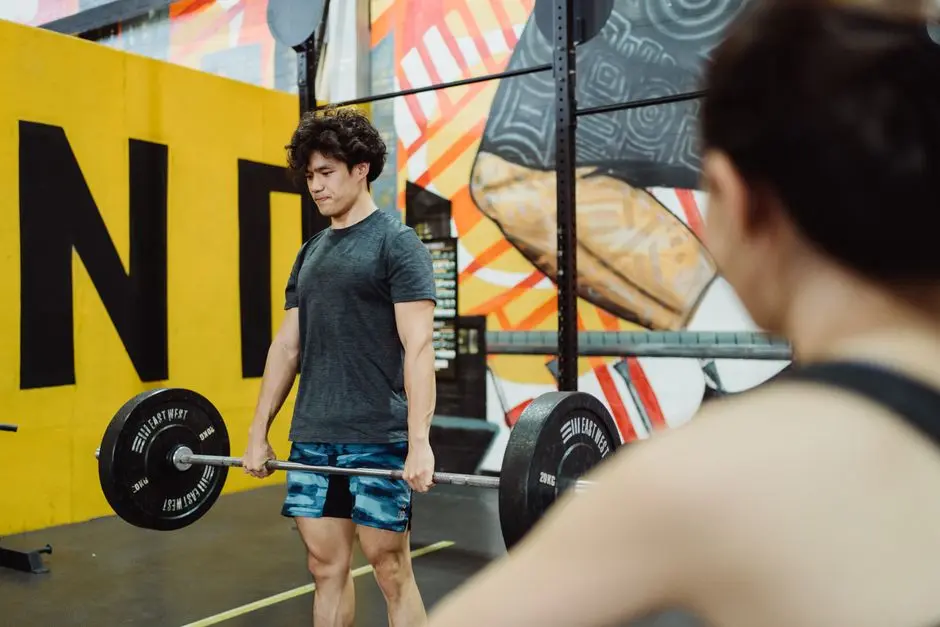
McGill Curl-Up
Lie on the back, one knee bent, one leg straight, hands tucked under the low back to hold its natural arch, and lift only the shoulder blades off the floor — no spinal flexion, no chin-to-chest crunch. Hold. That’s the whole movement. The point isn’t the height of the lift. The point is building isometric endurance in the trunk flexors while the lumbar spine stays in neutral, which is close to the opposite of what a crunch does.
McGill made the case for this over the standard crunch in a 1998 paper in Physical Therapy, arguing that repeated spinal flexion under load — which is exactly what a crunch is — matches the loading pattern most associated with disc injury, while an isometric hold in neutral trains the same musculature without it. It became the first of what he later called “the Big 3,” alongside the side plank and bird dog below.
Program it for time, not reps: three or four sets of eight-to-ten-second holds per side of setup, rest, repeat. It suits almost everyone, including someone rebuilding after a back tweak, since the load is bodyweight and the range of motion is tiny. The caveat: it looks like nothing is happening, and it will not by itself flatten a stomach carrying extra body fat. That’s a nutrition problem wearing a training costume.
Side Plank
Forearm on the floor, body in a straight line from ankle to shoulder, hips lifted and held. This is the anti-lateral-flexion movement on the list — the one that trains the trunk to resist being bent sideways, which matters every time someone carries a suitcase, a toddler, or a sandbag on one shoulder.
It’s the second of McGill’s Big 3, and the endurance-ratio work behind it is arguably the most interesting part of his research: he found that the balance between how long someone could hold a side plank on each side, weighed against their flexor and extensor endurance, tracked with back-injury history better than the raw hold time on any single test. A large left-right asymmetry showed up more often in people with a history of injury than a short hold time did on its own.
Start with the knees bent — the easier lever — if a straight-leg hold can’t be managed with clean form for twenty seconds. Progress to straight-leg, then to a raised top leg. Low risk for nearly everyone. The catch: most people only ever train the side they’re already good at, which defeats the point. Both sides, every session, and note the gap.
Bird Dog
On hands and knees, extend the opposite arm and leg at the same time, hold, keep the spine still while the limbs move. Third of the Big 3, and the one that trains anti-rotation and anti-extension together — resisting the twist and the sag that happen the moment one side of the body goes light.
The skill isn’t the extension. The skill is keeping the pelvis and low back from rotating or dropping while that happens, which is exactly the control that goes missing right before someone tweaks a back reaching for something loaded unevenly.
Almost anyone can stick an arm and a leg out.
Slow it down. A one-second hold at full extension, a controlled return, no momentum. Two or three sets of six-to-eight reps per side is plenty. Good as an early-session movement — a way to switch trunk control on before heavier work — and a poor choice for anyone chasing a pump, because there isn’t one.
Dead Bug
On the back, arms reaching toward the ceiling, knees bent to ninety degrees. Lower one arm and the opposite leg toward the floor without letting the low back arch off the mat, return, switch sides. Same anti-extension family as the curl-up, taught from a different angle — literally — and it tends to click for people who can’t feel what “don’t let your back arch” means in the curl-up position.
There’s no landmark trial specifically on the dead bug. It’s become a rehab and coaching staple mostly on the strength of its logic and its safety margin: near-zero spinal load, difficulty adjustable by how far the limbs travel, and a built-in feedback signal — the low back lifting off the floor means the set just ended, whether the lifter notices or not.
Three sets of six-to-eight slow reps per side. Good for someone timid about floor work after an injury, or who needs the anti-extension pattern taught slowly. Not much use once the Big 3 is already solid — it stops adding anything at that point.
Pallof Press
Stand side-on to a cable stack or anchored band, press the handle straight out from the chest, resist the pull trying to rotate the torso toward the anchor. Anti-rotation, done standing, loaded, and closer to how the trunk actually gets challenged in daily life and in sport than any floor exercise on this list.
The evidence here leans mechanistic rather than trial-heavy — activation studies show high oblique and rectus involvement during the hold, and the underlying logic (resist rotation, standing, under time pressure) matches how rotational injuries tend to happen in field sports. It hasn’t been through the kind of clinical-outcome research McGill ran on the Big 3, so call the confidence level strong logic on thinner data, not proven.
Three sets of eight-to-ten-second holds per side, or slow presses for reps, with tension moderate — heavy enough to challenge the hold, not so heavy the hips start rotating to compensate. Good for anyone in a rotational sport — golf, tennis, combat sports. Less essential for someone who just wants a stronger deadlift.
Ab Wheel Rollout
Kneeling, hands on the wheel, roll forward as far as control allows while keeping the lumbar spine from sagging into extension, then pull back. Looks simple. Isn’t. Rollouts load the anti-extension pattern with real external resistance instead of bodyweight alone, and activation comparisons of abdominal exercises have repeatedly put the rollout among the highest activators of the rectus abdominis of anything commonly done in a gym — well ahead of the standard crunch.
That’s exactly why it sits below the Big 3 rather than above them: high muscle activation isn’t the same evidence base as reduced injury recurrence, and a rollout performed with a sagging low back is just rehearsing, under load, the fault pattern the rest of this list exists to fix.
Regress hard before progressing — knees-only, partial range, a band assist, or a barbell rollout limited to a few inches of travel. Two or three sets of six-to-ten reps once the range is controlled. Suits someone who already owns the anti-extension pattern from the Big 3 and wants to load it. A poor first exercise for anyone who can’t yet hold a curl-up without the back arching; they’ll just practice the sag with weight added.
Loaded Carry
Pick up something heavy — a farmer’s-walk handle in each hand, a single heavy dumbbell (the “suitcase carry”), a sandbag across the chest — and walk. Sounds like nothing. Is, in practice, one of the more honest tests of whether trunk bracing actually holds up under fatigue, because there’s nowhere to hide by the fortieth step.
The suitcase variant is the clearest anti-lateral-flexion exercise on this list: one-sided load, trunk fighting to stay upright instead of tipping toward the heavy side. The two-handed farmer’s carry adds a grip-endurance and postural-stamina component none of the floor exercises above touch. Grip strength itself, separately, keeps showing up in population health research as one of the stronger simple markers of general physical resilience — not proof that carries alone extend anyone’s life, but a reasonable argument for training grip and trunk together instead of as an afterthought.
Start light and go by distance — forty to sixty feet per set, three or four sets — before adding weight. The temptation is to load it like a deadlift and shuffle ten feet with terrible posture, which trains nothing useful. Excellent as a session finisher. A poor choice for someone with an unrehabbed grip or shoulder issue, since both take real load here.
Hanging Leg Raise
Hang from a bar, legs straight or knees bent, raise them toward the chest without swinging, lower under control. It sits last on this list not because it’s weak, but because it demands more elsewhere first — grip endurance to hang that long, shoulder stability to stay still, and hip flexor strength that often gives out before the abs do, which means a lot of people doing hanging leg raises are training their hip flexors and calling it core work.
Done strictly, with no kipping, it produces high lower-rectus-abdominis and hip-flexor activation and doubles as a grip and shoulder-stability exercise. Done with momentum — the version most people default to in a commercial gym, swinging the legs up off the stretch of the shoulders — it turns into a dynamic swing that barely touches the trunk-stability pattern this whole list is organized around.
Regress to a bent-knee raise, or a raise from a supported captain’s-chair rig, before attempting the straight-leg version. Two or three sets of six-to-ten strict reps. Suits someone who already has grip and shoulder capacity from other training and wants a harder anti-swing challenge. A bad pick as a first core exercise for almost anyone — too many failure points stacked on top of each other.
What to Skip
Spinal-flexion crunches and full sit-ups top this list, and not by a small margin. Repeated spinal flexion under load is the loading pattern most consistently associated with disc injury in the biomechanics literature, and a crunch is, mechanically, exactly that — dozens or hundreds of repetitions of lumbar flexion, often with the feet anchored to increase hip-flexor involvement and disguise how little the abdominals are actually doing.
Take a guy we’ll call Dave — mid-forties, mortgage broker, roughly five hundred crunches a night for the better part of a year, chasing a flatter stomach. Herniated a disc reaching for a phone that had slid off the passenger seat. Not a car accident. Not a deadlift. A stationary bend-and-twist that a well-braced spine handles without noticing. Dave’s body fat percentage had nothing to do with it. Five hundred nightly reps of spinal flexion under a rounded back did.
- Weighted spinal-flexion machines — the seated crunch machine, the “ab coaster,” anything that adds resistance to the same forward-fold pattern — inherit the same problem and add load on top of it.
- Electric ab stimulators belong on this list too: they produce a contraction, not a trained stability pattern, and there’s no good evidence they build the kind of bracing endurance this whole ranking is organized around.
- And group “core” classes built entirely around timed max-rep sit-up circuits train volume and fatigue tolerance, which isn’t nothing, but isn’t what most people actually need when the goal is a spine that holds up under real-world load.
How to Combine These
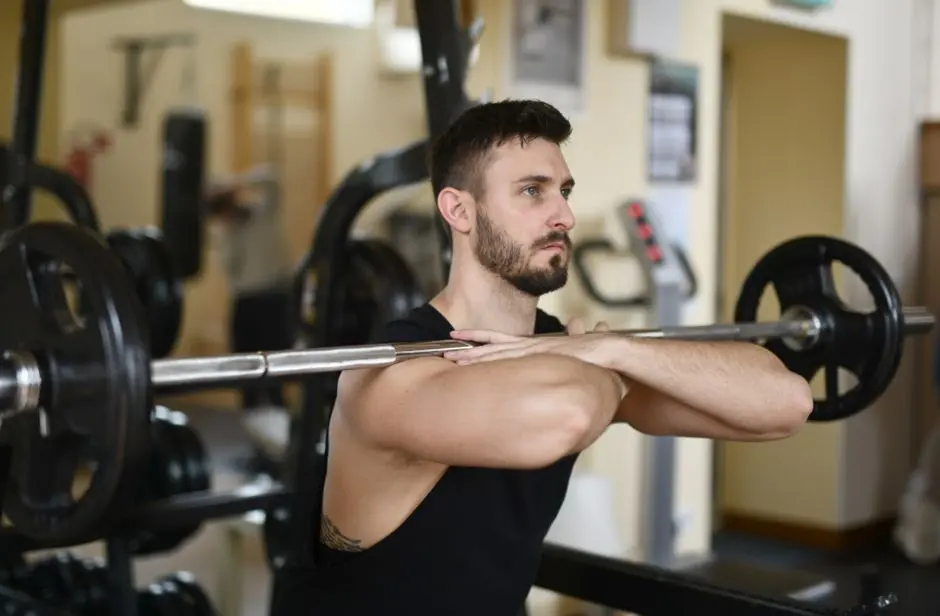
From there, layer in one loaded movement at a time: Pallof press for anti-rotation, then either the rollout or a loaded carry depending on what’s actually missing — rollout for someone who wants more anti-extension under real resistance, carry for someone whose trunk falls apart under fatigue rather than on a single hard rep. Give each addition two to three weeks before judging it. Hanging leg raise comes last, once grip and shoulder capacity exist to support it — if it ever gets added at all. Plenty of well-built trunks never need it.
None of this happens in a vacuum. Squats, deadlifts, and overhead presses already demand serious isometric trunk bracing on every working rep — the six-movement compound-lift framework covers exactly which lifts do that work and how — and for a lot of lifters, getting stronger at those does more for real-world trunk stability than adding another isolated core exercise ever will. The list above is meant to fill the specific gaps those lifts don’t cover, not replace them.
Timing matters less than most people assume, with one exception: heavy loaded carries and rollouts go early in a session, while the nervous system is fresh enough to brace properly, not tacked on as a finisher after a leg day has already fried the trunk’s capacity to hold position. The general absorption logic around when supplements are actually worth timing around training applies here too — useful at the margins, and no substitute for doing the sets.
What Matters More Than Anything on This List
Bracing under load is the actual skill, and it doesn’t live only inside a dedicated core session. It shows up in how someone picks a bag off the floor, how they get out of a low chair, how they carry a kid on one hip while unlocking a door with the other hand. Most of that is technique, not strength — knowing to brace before the load hits, instead of finding out mid-lift that nobody was bracing at all.
Sleep and general daily activity do more for how a trunk performs than most people give them credit for. A sedentary week with poor sleep shows up as a shaky bird dog and a side plank that gives out ten seconds early, regardless of how disciplined the training looked the week before. Fix the boring inputs first. The ranking above works better once they’re already in place — not instead of them.
Common Questions
Is a plank enough on its own?
A standard front plank trains anti-extension, roughly the same pattern as the McGill curl-up, but not anti-rotation or anti-lateral-flexion. Held past about sixty to ninety seconds it also stops adding much — a long hold mostly trains the ability to hold a long hold. Better to pair the Big 3 with a rotation-focused movement like the Pallof press than to keep pushing plank time past the two-minute mark for its own sake.
Will core training fix visible abs?
No amount of curl-ups or rollouts changes whether abdominal muscle is visible under a layer of body fat — that’s a body-composition question, not a training-pattern one. Core work builds the muscle and the stability pattern underneath; whether it shows depends on overall leanness, which is a separate nutrition and total-energy conversation entirely.
How sore should this actually feel?
Some soreness after the Big 3 or a first rollout session is normal, similar to soreness after starting any new resistance pattern, and it usually fades within a training block or two as the pattern becomes familiar. Sharp or radiating pain, as opposed to generalized muscle soreness, is a different signal and not something to train through. For general post-training soreness, real dosing and absorption evidence around curcumin is covered separately.
Does core training protect bone density?
Loaded carries and rollouts put real axial and compressive load through the spine and hips, and weight-bearing load is one of the known inputs bone responds to over time. It isn’t a substitute for whatever a scan and its T-score are actually measuring, but it’s a reasonable argument for including some loaded work rather than sticking to bodyweight holds indefinitely, especially past midlife.
What if the low back cramps during bird dog or dead bug?
Usually means the range of motion outran the trunk’s ability to hold neutral — the limb moved too far or too fast for the spine to stay still. Shorten the range, slow the tempo, rebuild from there. Cramping isn’t a sign to push through. It’s a sign the exercise just got regressed by the body’s own feedback, whether that was the plan or not.
Can these be done every day?
The Big 3, in most cases, yes — the load is low enough that short daily sessions are tolerated well, similar to daily mobility work. Loaded rollouts, heavy carries, and hanging leg raises need recovery between sessions like any other loaded resistance work; two to three times a week is a reasonable ceiling for those.
Which one should someone start with if only one is chosen?
The McGill curl-up. It requires no equipment, carries the lowest injury risk of anything on this list, and directly teaches the neutral-spine skill that every other movement here builds on. A month of curl-ups done correctly is a better use of time than a month of ab wheel rollouts done with a rounded back.