
Somewhere between “just stretch more” and “foam roll before you lift,” most guys lose the plot on what actually builds usable range of motion. Not flexibility — the two get treated as interchangeable and they are not, and the distinction covered in the piece on mobility versus flexibility is worth understanding before any of the seven drills below matter at all. A hamstring can lengthen on a table and still fail you at the bottom of a squat. Different system. Different training stimulus. Different result.
What follows is a ranked list, not a stretching routine. Several of these will feel more like light resistance training than anything a yoga class would recognize. That’s deliberate. Best-supported first, weakest last, with the honest caveat attached to every single one.
How This Is Ranked
Three inputs, in order of weight. First: whether the drill trains the joint under load near its end range, rather than just visiting that position passively. Loaded end-range work — moving a joint to its limit and then asking a muscle to produce force there — builds range that holds up under fatigue, under a heavy bar, under a sprint. Passive static holds mostly build tolerance to the stretch sensation itself, which is a real but much smaller thing. Second: how reliably a drill’s effect replicates across different bodies and different coaches, based on the biomechanical reasoning behind it and what practitioners report, since dedicated randomized trials on individual named drills are mostly thin to nonexistent. Third: practical cost — equipment, time, injury risk relative to payoff. The underlying logic isn’t unique to joints, either: controlled stress applied progressively is how tissue adapts in general, a principle explored from the psychological side in the piece on how controlled hardship builds resilience.
Popularity is not an input. Neither is how a drill looks on video. A few of the internet’s favorite mobility moves are absent from this list entirely, and they get named later, along with the reason.
One more thing worth saying up front: the loaded-versus-passive question isn’t really a debate anymore among people who train for a living. A 2020 review by exercise scientist James Nuzzo in Sports Medicine made the case that resistance training through a full range builds and maintains flexibility about as well as dedicated stretching does — and separately, a 2011 review by Behm and Chaouachi in the European Journal of Applied Physiology found that long static holds performed right before a lift can temporarily blunt force output. Put those two findings next to each other and the practical takeaway writes itself: stretch less, load the end range more.
The Ranking
Ankle Dorsiflexion Wall Drill
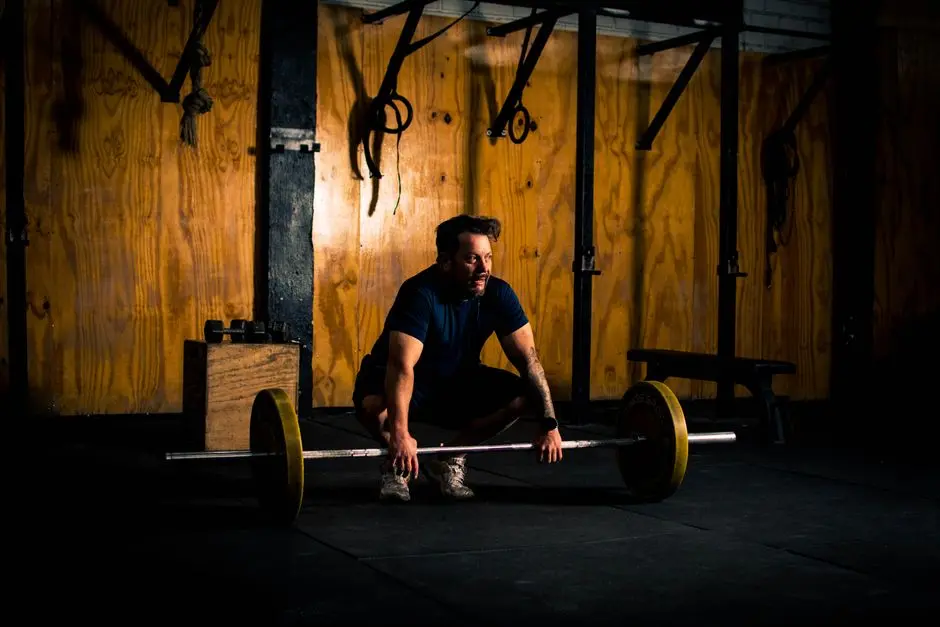
Test it first: stand facing a wall, toes a few inches back, try to touch the knee to the wall without the heel lifting. Move the foot back until it’s genuinely hard. That distance is the baseline. The drill itself is the same motion, done as reps — 3 sets of 8 to 10 per side, a two-to-three-second pause at the end range, most days of the week early on, tapering to three or four sessions once progress slows. A light resistance band looped around the shin adds load for anyone who’s plateaued on the bodyweight version.
This one suits almost everyone, honestly — desk workers, runners, lifters chasing squat depth, anyone who’s never once thought about their ankles. The caveat: range gained here needs to get used, or it drifts back. Pair it with actual loaded squatting and it holds. Do it in isolation for months with no loaded carryover and progress stalls, a pattern covered in more depth in the longer piece on ankle mobility as the foundation nobody trains.
90/90 Hip Switches
The restriction: internal and external hip rotation, which is the range most adults lose first and notice last. It doesn’t announce itself. It just quietly caps squat depth, limits how far a golf swing or a punch can rotate, and forces the low back to pick up rotation the hip won’t provide anymore.
Sit with both legs bent at roughly ninety degrees, one in front rotated in, one to the side rotated out, then switch without using the hands to push off the floor. Slow. Controlled. Five to eight switches per side is plenty if it’s done right — most people rush it and turn a mobility drill into a momentum drill, which trains nothing useful.
The loaded version adds a ten-to-twenty-second isometric hold at the end of each rotation before switching, three or four times a week.
Desk-bound guys and anyone who notices one side is noticeably worse than the other benefit most here — that asymmetry is common and usually resolves with a few weeks of consistent work on the tighter side specifically. The honest caveat: evidence for this exact exercise is almost entirely practitioner-reported rather than trial-based. The mechanism is sound. The specific numbers above are reasonable defaults, not the output of a controlled study.
Deep Squat Hold
The restriction: combined ankle, knee, and hip flexion at the same time, at the bottom of a squat. This is the one drill on the list that trains three joints simultaneously, which is either efficient or a way to mask which one is actually the problem, depending on how it’s used.
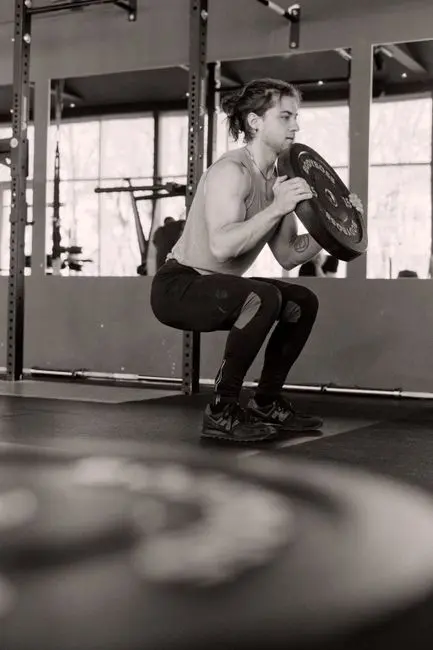
Start bodyweight. Sit in the bottom position, heels down, chest reasonably tall, and simply accumulate time — building toward two or three minutes total across a session, broken into chunks if needed. Once that’s comfortable, add external load: a light kettlebell or dumbbell held at the chest, thirty-to-sixty-second holds for three to five sets, a few times a week. This is the drill most associated with the “knees over toes” style of training popularized by trainer Ben Patrick — no landmark trial behind the specific protocol, but the logic of spending time under tension at a joint’s limit lines up with the loaded-stretching research above.
Suits lifters chasing squat depth and anyone who physically cannot sit in a deep squat without tipping backward. Mild knee discomfort in the first few weeks is common and usually fades with volume. Sharp, pinching pain is a different signal entirely — that means reduce the range and the load, not push through it.
Thoracic Rotations
The restriction: rotation through the mid-back, the twelve vertebrae between the neck and the low back that are supposed to handle most of the body’s twisting. When they don’t, rotation gets stolen from somewhere else — usually the lumbar spine, which isn’t built for repeated rotation and tends to complain about the assignment, or the shoulder, which ends up doing work it wasn’t designed to do either.
Kneeling or half-kneeling, one hand behind the head, rotate the torso to open the chest toward the ceiling, following the elbow with the eyes. Eight to ten reps per side, bodyweight to start, a light dumbbell (2 to 5 kilograms) held at the chest for the loaded progression once the pattern is clean. Three times a week is enough.
Digression, briefly: half the reason this joint gets so stiff is hours hunched over a keyboard with the ribs locked down and shallow breathing doing nothing to open them back up. A posture-and-disuse problem, not a breathing one. Anyway. Back to the rotation.
Anyone doing rotational sports, anyone lifting overhead, anyone who spends the day at a desk — all good candidates. The caveat here is the most honest one on the list: dedicated evidence for loaded thoracic rotation drills specifically is thin. The reasoning is solid biomechanics, not a stack of trials. A longer breakdown of why this segment gets neglected covers the mechanism in more depth for anyone who wants it.
Shoulder CARs
Controlled Articular Rotations — slow, full-range circles through every plane a joint can move in, a system built out by Dr. Andreo Spina’s Functional Range Conditioning work. The restriction addressed is total shoulder capsule range, and the reason it matters is that impingement often shows up as a range problem well before it shows up as a pain problem. By the time it hurts, the capsule has usually been quietly losing range for a while.
Standing, arm straight, trace the largest possible circle with the hand while keeping the torso still and the movement slow enough to feel every degree of it. Two sets of two to three circles each direction, most days, takes under two minutes. The loaded progression — pausing at end range and pressing gently into resistance, the PAILs/RAILs method from the same system — adds real strength at the limit of the range rather than just visiting it, done two times a week.
Best for overhead athletes and anyone with a shoulder that clunks or feels vaguely unreliable at the top of a press. The catch: speed ruins this drill completely. Fast circles are decoration, not training. If it can’t be done slow, it’s not doing what it’s supposed to do.
Couch Stretch
Rear knee bent against a wall or couch, shin vertical, hips driven forward — a hip flexor and quad position most people find genuinely uncomfortable within about twenty seconds. The restriction is hip flexor and quad length, and chronically short hip flexors tip the pelvis forward, which changes how and whether the glutes actually fire under load.
Ninety seconds to two minutes per side, squeezing the glute on the working side to add a posterior pelvic tilt and deepen the stretch without forcing it. This one’s closer to a traditional static stretch than anything else on the list, which is exactly why it’s ranked here and not higher.
Anyone who sits most of the day. Runners. Almost everyone, really. The honest caveat: on its own, this is the weakest drill on the list by the loaded-versus-passive standard laid out above — it’s a passive hold, full stop. The range it builds tends to hold up better when it’s paired with something that loads hip extension afterward, like a rear-foot-elevated split squat, rather than done in isolation as a five-minute end-of-day ritual and left at that.
Jefferson Curl
A slow, segmental rounding of the spine under light load — standing on a box or bench, rolling down vertebra by vertebra with a barbell, dumbbells, or even just a broomstick, then rolling back up the same way. The restriction: spinal flexion end-range and posterior chain length under load. Most lifters spend their whole training life avoiding spinal rounding, so the tissue never learns to tolerate flexion under any load — then it happens anyway, reaching for a dropped plate or picking a kid up at a bad angle, with no capacity built for it.
Very light to start. Five percent of bodyweight or less, sometimes nothing but the stick, five to eight slow reps, once or twice a week, adding load in small increments over months rather than weeks.
This one’s for lifters and gymnastics-adjacent trainees with an established strength base already — not a starting point for someone new to structured training. It’s also the most contested item on this list. Plenty of experienced coaches program it regularly; plenty of others avoid it entirely and consider the risk-to-reward math unfavorable for most people. Both positions are defensible. What isn’t defensible is loading it fast, loading it heavy early, or continuing through anything sharp or radiating rather than backing off the range and the load immediately.
What to Skip
Long static holds — thirty seconds or more, right before lifting. The Behm and Chaouachi review cited earlier found this can measurably reduce force output in the stretched muscle group for a period afterward. Save the long holds for after training, or a separate session entirely, not as a warm-up.
Foam rolling as a complete mobility fix. It has a place — mostly as a way to temporarily change how a tight area feels before training — but it doesn’t lengthen tissue or build lasting range on its own. Treating it as equivalent to loaded mobility work is a category error.
Ballistic bouncing stretches. Yanking a joint past its comfortable range with momentum instead of control — the injury math is worse than any drill on the ranked list above.
Templated “30-day flexibility challenge” programs sold through apps. Generic routines applied to a body with specific, individual restrictions. The couch stretch shows up constantly, but the programming logic behind most of these products has nothing to do with which joint is actually the bottleneck for the person doing them.
Assisted-stretch franchise sessions promising fast splits in a handful of visits. A stranger pushing a limb further than it would go alone produces a bigger number on a goniometer, not more usable range under load.
How to Actually Use This
Add thoracic rotation and shoulder CARs once the lower body work is established, not before. Couch stretch can run alongside any of it — it’s low-risk and cheap in terms of time, so there’s no real reason to sequence it carefully. Jefferson curl comes last, and only once a solid base of general strength training exists. It is not a beginner’s entry point into loaded mobility work, and treating it as one is where most of the injuries on this list actually happen.
Take a guy we’ll call Marcus, mid-thirties, three years of lifting behind him. He watched a video of someone loading a Jefferson curl with a heavy barbell, skipped the sequencing above, and went straight in with more weight than his tissue was ready for. Two weeks later, a stiff lower back that wouldn’t loosen. He backed off completely — dropped the curl, spent six weeks on ankle and hip work plus bodyweight good mornings — and came back eventually with a fraction of the original load, building up over months instead of days. Slower. Also the version that stuck.
Give any single drill four to six weeks of consistent practice — meaning most days for the cheap ones, two to three sessions a week for the loaded ones — before deciding whether it’s working. Re-test with the same measure used at the start: the wall distance, the depth of the squat hold, how far the switch goes without a hand touching the floor. None of this needs to be complicated. It needs to be done regularly, which is the part almost everyone underestimates.
What Matters More Than Anything on This List
A squat taken to genuine depth, a deadlift pulled from the floor, a press taken overhead to lockout — these movements, done regularly with real load, train range of motion as a byproduct of training strength. The guide to the core compound movements covers which lifts do this most efficiently, and the overlap with the mobility work above is not a coincidence. A deep squat hold is, functionally, a stripped-down piece of a real squat. The Jefferson curl is a stripped-down piece of what a well-executed deadlift’s lockout and setup already ask of the spine.
Which raises the obvious question: why bother with the isolated drills at all, if the compound lifts already do the work? Because most guys don’t do the compound lifts through a genuinely full range — they cut the squat short, skip the deep hip hinge, avoid overhead pressing because the shoulder feels off. The drills exist to restore range the big lifts then get to use. Skip the strength training and rely on the drills alone, and the range gained has nothing productive to do — it just leaks back to baseline. If the fundamentals aren’t in place, nothing on the ranked list above rescues the situation on its own.
Common Questions
Should this happen before or after lifting? The loaded, higher-effort drills — deep squat hold, Jefferson curl, thoracic rotation with added load — fit best as a dedicated short session, not bolted onto the start of a heavy training day when fatigue is already accumulating. Lower-effort items like ankle wall drills and shoulder CARs work fine as daily warm-up staples. Couch stretch is flexible either way.
How long before range of motion actually changes? Individually variable, and anyone promising a specific number in days is guessing. Most people doing one of these drills consistently — meaning close to daily for the cheap ones — notice a measurable shift on a simple re-test, like the wall distance or the squat depth, somewhere in the four-to-six-week range. Not overnight. Not never.
Is static stretching pointless, then? No. It still has a place — a slow, relaxed stretch before bed can help with general tension and isn’t going to hurt anything. It’s just not the tool that builds lasting, loadable range of motion on its own, which is the specific job this list is aimed at.
Do these drills replace a strength program? No, and treating them as one is a mistake covered in the section above. They’re preparation and maintenance work that makes a strength program more effective, not a substitute for one.
Is it normal for a joint to click or pop during these? Painless clicking or popping — often just a gas bubble in the joint or a tendon shifting slightly — is common and not, on its own, a reason for concern. Clicking that comes with actual pain is a different signal, and the response is to reduce the range and the load on that specific movement rather than push through it.
Can training stress affect how well this works? Yes, more than most people account for. A body that’s chronically under-recovered doesn’t adapt to new range of motion work as efficiently as one that’s getting adequate sleep and recovery between hard sessions, and the hormonal picture behind that — covered in the piece on the cortisol-testosterone relationship — is worth understanding for anyone stacking loaded mobility work onto an already demanding training block.
Can any of this be done every day? The cheap, low-load drills — ankle wall drill, shoulder CARs, couch stretch — hold up fine done daily. The loaded ones — deep squat hold with added weight, thoracic rotation with a dumbbell, and especially the Jefferson curl — are a training stimulus like any other resistance work, and they need the same two-to-four-times-a-week frequency and recovery windows a lifting program would get, not daily maximum effort.