
Typing “best supplements for ADHD” into a search bar tends to return a listicle of fourteen items, half of them proprietary blends with energy-drink names, none of them stating the actual dose used in an actual trial. This page does not do that. It ranks eight named nutritional inputs with human trial data behind them for attention and focus, best-evidenced first, with real doses and the honest weak spots left in.
None of what follows replaces anything else a reader already has going on. It’s a separate lever — nutrition and lifestyle inputs, ranked on evidence rather than marketing spend.
How This Is Ranked
Three things decide position on this list, in this order:
- Whether there is human randomized-controlled-trial data (animal studies and cell-culture mechanisms are interesting but they do not rank anything here).
- The size of the effect when the data does exist.
- And how well that effect has held up across more than one trial or research group.
A single small study from one lab is not the same thing as a finding that has been reproduced. Both get mentioned. They do not get ranked the same.
Sales volume is not an input. Neither is how loudly something is marketed, how many affiliate blogs push it, or how good the branding is. Some of what follows is unglamorous — magnesium, zinc, plain fish oil — because unglamorous things sometimes have the better trial record. That is the whole point of doing this as a ranking instead of a list.
One honesty note before the ranking starts: almost everything on this page is a modest effect, not a dramatic one. Effect sizes in this literature run small to moderate — nothing here behaves like a light switch. Anyone expecting a light switch should adjust that expectation now, because it will save disappointment three sections from now.
The Ranking
Omega-3 (EPA/DHA)
Zinc
Zinc is a cofactor in dopamine metabolism, and low zinc status has been tied to attention symptoms in several populations. A 2004 Turkish trial by Bilici and colleagues gave children 150 mg zinc sulfate daily (roughly 55 mg elemental zinc) for twelve weeks as monotherapy and found measurable improvement in hyperactivity, impulsivity, and social scores against placebo. A separate trial by Akhondzadeh’s group found zinc sulfate added to methylphenidate produced better response than methylphenidate alone — mentioned here only as a fact about the trial design, not as an endorsement of stacking a mineral with a stimulant. The catch, and it is a real one: these trials were run in populations with meaningfully lower baseline zinc status than the typical well-fed Western adult. Supplementing zinc when zinc status is already adequate has a much thinner case behind it. Practical dosing sits at 15-30 mg elemental zinc daily — not the 150 mg pharmacological dose used in the trial — because zinc at high, sustained doses depletes copper and can cause GI upset. Worth trying for anyone who eats little red meat or shellfish. Not worth much for anyone who already eats a lot of both.
Iron (where ferritin is low)
This one only belongs on the list conditionally, and that condition matters more than anything else said about it. Iron is a cofactor for tyrosine hydroxylase, the enzyme that makes dopamine. Konofal and colleagues found, in a 2004 paper in Archives of Pediatrics & Adolescent Medicine, that serum ferritin ran significantly lower in children with attention difficulties than in controls, and that lower ferritin tracked with more severe symptoms. A follow-up trial in 2008 gave 80 mg iron sulfate daily for twelve weeks specifically to children with ferritin below 30 ng/mL and found meaningful improvement on attention rating scales versus placebo. Take a guy we’ll call Marcus, mid-thirties, training hard, eating what looked like a reasonable diet, complaining that his focus at work had gone soft. Bloodwork put his ferritin at 18 ng/mL. Iron brought it up over three months and his focus did improve — but the first iron sulfate tablet he tried wrecked his stomach, and he had to switch to a gentler bisglycinate form before he could actually stay on it. That is the honest version, not the clean one. The rule here is non-negotiable: this is not something to take on a hunch. It requires an actual ferritin number below roughly 30 ng/mL, because supplementing iron with normal or high ferritin does nothing for attention and carries real overload risk, especially in men.
Saffron
Saffron extract, standardized for crocin and safranal, affects serotonin reuptake and has some dopaminergic activity as well. The headline trial here is Baziar and colleagues, 2019, published in the Journal of Child and Adolescent Psychopharmacology: a six-week randomized trial in 54 children comparing saffron capsules, roughly 20-30 mg daily, against methylphenidate, and finding the two arms statistically non-inferior on ADHD rating scales. That is named here as a fact about how the trial was designed, not as a claim that saffron and a stimulant are interchangeable — one small trial from one research group is not enough evidence to build that claim on, regardless of how the headline reads. Fifty-four subjects at a single site is promising, not proven. It has not been widely replicated yet. Saffron also is not cheap relative to something like magnesium, and quality control on standardized extracts varies a lot between brands. Worth watching. Worth trying for someone who wants to see the newer end of this literature. Not worth building an entire routine around until more labs have run the same trial.
L-theanine with caffeine
Caffeine sharpens alertness; L-theanine, an amino acid found in tea, takes the jitter and the attention-narrowing off the top of it without blunting the alertness. Haskell and colleagues, 2008, in Biological Psychology, gave healthy adults 97 mg L-theanine with 40 mg caffeine and found improved accuracy on attention-switching tasks and reduced susceptibility to distraction compared to either compound alone or placebo. Owen and colleagues found a similar pattern the same year. Here is the honest gap: almost all of that attention-specific data comes from healthy adults doing lab tasks, not from people diagnosed with attention difficulties. A separate small pediatric ADHD trial found L-theanine improved sleep quality and efficiency at night — useful, but a different outcome than daytime focus. For how caffeine dosing plays out when the goal is physical performance rather than cognition, see pre-workout supplements: what works. This pairing suits anyone who already drinks coffee and wants the same lift with less edge. It is fast — same-day, not a twelve-week build — which makes it easy to test and just as easy to dismiss if nothing happens.
Magnesium
Magnesium is a cofactor in hundreds of enzymatic reactions, including ones involved in neurotransmitter regulation, and low magnesium status correlates with attention symptom severity in observational work — a 2016 paper by El Baza and colleagues found lower serum magnesium in children with attention difficulties than in controls. A 2006 Russian trial by Nogovitsina and Levitina combined magnesium with vitamin B6 and reported symptom improvement in children over several weeks. Say this plainly: that trial is old, the methodology reporting is thin by current standards, and it has not been cleanly replicated with magnesium alone since. Most of the case for magnesium here is a deficiency-correction argument rather than a “boosts focus above baseline” argument — real, but a different and weaker kind of claim. Typical dosing runs 200-400 mg elemental magnesium daily, glycinate or citrate forms tend to sit better on the stomach than oxide. Reasonable for anyone with a diet low in leafy greens, nuts, and legumes. Skippable for anyone already eating those regularly.
Phosphatidylserine
Phosphatidylserine is a phospholipid that makes up part of neuronal cell membranes, and supplementation is thought to support membrane fluidity and receptor function relevant to memory and attention. Hirayama and colleagues, 2014, ran a small Japanese trial giving children a phosphatidylserine-DHA complex, roughly 200 mg daily, for two months, and found improved short-term auditory memory and reduced inattention and impulsivity ratings against placebo. Small sample. One trial. Sourced today mostly from sunflower lecithin rather than the bovine cortex extracts used decades ago, which changes absorption slightly and nobody has re-run the newer formulation at scale. It also costs more per dose than nearly everything else on this list, which matters when the evidence behind it is this thin. Reasonable for someone who has already tried the higher-ranked items above and wants one more thing to test. Not the place to start.
Creatine
This is the weakest link on the list to attention specifically, and it earns its spot mostly through general cognitive-performance data rather than anything ADHD-specific — worth being upfront about that. Creatine buffers ATP availability in tissue with high, fast energy demand, and the brain is one of those tissues. Rae and colleagues, 2003, in Proceedings of the Royal Society B, gave young vegetarian adults 5 g daily for six weeks and found improved working memory and processing speed. A 2018 meta-analysis by Avgerinos and colleagues found a similar modest benefit to short-term memory and reasoning, concentrated most in vegetarians and older adults — smaller in well-fed young omnivores, which is most of the ADHD trial population that matters here. There is no dedicated ADHD trial behind this one. It is included because the training crowd already using it for strength work may as well know the cognitive data exists — for a longer look at how creatine’s evidence holds up as a category, see the post-workout supplements evidence review. Standard dose is 3-5 g daily, no loading phase required. Worth it for someone already taking it for the gym. Not worth starting from scratch on attention grounds alone.
What to Skip
Ginkgo biloba shows up on every “natural nootropic” list going back twenty years, and the trial data for attention specifically has been inconsistent — some small studies show a mild effect against placebo, others show nothing distinguishable from placebo, and none of it compares well to the items ranked above. 5-HTP gets recommended on the logic that it raises serotonin, but the neurochemistry most implicated in attention regulation runs through dopamine and norepinephrine, not serotonin — the mechanism doesn’t line up, and there is no meaningful trial data in this population to override that.
GABA supplements are a common one to reach for, usually marketed under a “calm and focus” banner. The problem is structural: oral GABA does not cross the blood-brain barrier in any meaningful quantity, so a capsule of it is unlikely to be doing what the label implies, whatever else it might be doing. For a full look at what GABA supplementation can and can’t do, see GABA supplements: can you supplement calm? — it is a “calm” product, not a focus one, and even the calm claim is shakier than the marketing suggests.
Two more worth naming because readers ask about them constantly, not because they belong here. Collagen has become the supplement people reach for regarding everything now, joints, skin, gut, and yes, focus — largely on the strength of the glycine it contains. The actual trial evidence for collagen sits behind skin and joint outcomes, covered in collagen supplements for skin: oral evidence, not attention. Lutein and zeaxanthin have real research behind them too, but it runs toward macular pigment density and visual processing speed, a genuinely different mechanism and outcome — see lutein and zeaxanthin: eye supplements that work for that case. Both are worth taking for what they’re actually good for. Neither is an attention supplement.
Last one: proprietary “focus blend” products with a dozen ingredients and a trademarked name. If the label hides doses behind a blend total, there’s no way to know whether any single ingredient sits anywhere near a trial dose. Skip anything that won’t print its numbers.
How to Actually Use This
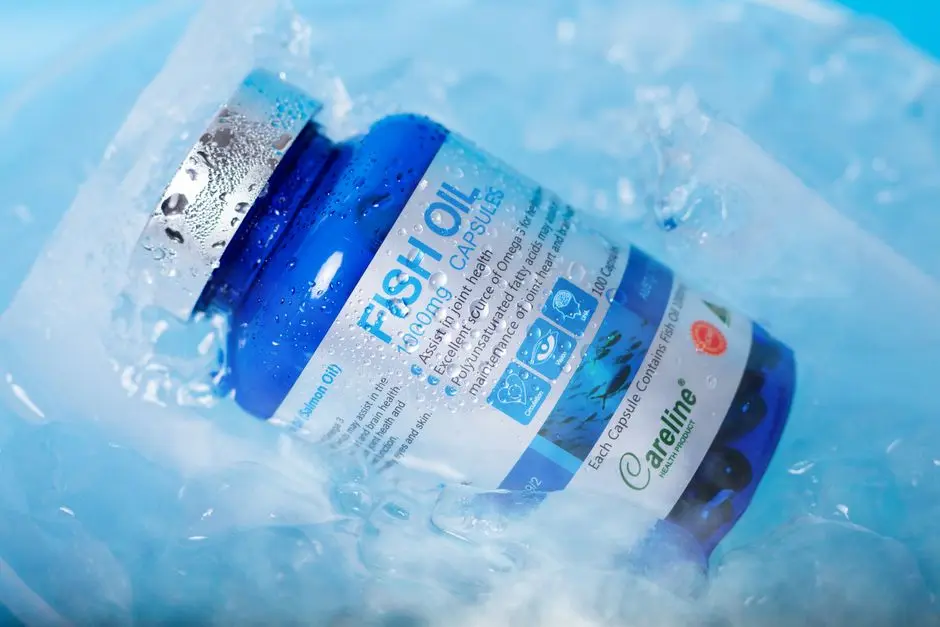
Order matters less than patience does. Omega-3 needs eight to twelve weeks before judging it fairly; the membrane changes it is working through are slow. Iron, if ferritin is actually low, needs a similar twelve-week window and a re-test, not a guess. Saffron’s trial ran six weeks.
L-theanine with caffeine is the outlier — same-day effect, easy to test in an afternoon, easy to rule out just as fast if nothing changes.
Only add a second item once the first has had its full window and been judged honestly — better, no different, or worse. If iron is genuinely needed and zinc status is also a question, both can run together; there’s no known interaction working against that combination. For a broader look at how these individual inputs sit inside a wider daily stack — what pairs well, what doesn’t, and what’s simply redundant — see the best supplements for men: evidence-based stack. Keep a simple log. Sleep, meals, and how focus actually felt that day, dated. Memory is a bad instrument for judging whether a supplement worked six weeks ago.
What Matters More Than Anything on This List
Blood sugar stability is the other big one, and it is the one nobody wants to hear because it sounds boring. A high-carbohydrate, low-protein breakfast produces a mid-morning glucose crash that reads, behaviorally, as an attention lapse — because it is one, just not the kind a supplement addresses. Protein at breakfast, real protein, not a granola bar with a health claim on it, flattens that curve.
Aerobic exercise has its own trial record here — a 2015 meta-analysis by Cerrillo-Urbina and colleagues found regular physical exercise produced measurable improvement on attention and executive function measures in children with attention difficulties, an effect size in the same range as some of the nutritional inputs ranked above, for the cost of a pair of running shoes. And environment does the rest of the work nothing else on this page can touch — a workspace stripped of notification pings, a task broken into a piece small enough to start without dread. For the behavioral and structural side of this, separate from anything nutritional, see discipline with ADHD: strategies that work with your brain, not against it. Nothing ranked on this page rescues a routine built on five hours of sleep, a bagel for breakfast, and a phone that buzzes every four minutes. Fix the foundation first. The list above is the accelerant, not the fire.
Common Questions
Can any of this replace what a person is already doing for attention? No, and that isn’t the claim being made here. This page covers nutritional and lifestyle inputs with trial data behind them — it takes no position on anything else a reader has going on and does not weigh in on that decision either direction. Treat it as a separate, additive lever, not a swap.
How long before any of this actually shows results? Depends on the item. L-theanine with caffeine is same-day. Saffron’s trial ran six weeks. Omega-3, iron, and magnesium all need eight to twelve weeks minimum before a fair judgment, because the mechanisms behind them — membrane composition, enzyme cofactor status — move slowly by nature. Testing any of them for two weeks and calling it a failure isn’t a fair test.
Does any of this apply to adults, or is it all pediatric data? Most of the strongest trials cited above — the iron work, the saffron trial, the zinc trials — were run in children, because that’s where most of the ADHD trial funding has historically gone. The omega-3 and L-theanine/caffeine data includes adult populations. Adult-specific data for the rest is thinner. Individual response varies more than the pediatric trial numbers suggest.
What if ferritin comes back in the normal range? Then iron supplementation isn’t indicated, full stop — skip it and move down the list. Supplementing iron without a measured deficiency does nothing for attention in the trial data and adds real risk, particularly for men, who are more prone to iron overload than women of reproductive age.
Could low energy and poor focus be something other than an attention issue? Worth ruling out before assuming any of the above is the fix. Thyroid dysfunction, for one, produces fatigue and mental fog that can look a great deal like an attention problem from the inside — see thyroid supplements: what evidence supports for what the data says there. A ferritin panel and a thyroid panel are cheap and worth having before assuming the answer lives in the supplement aisle at all.
Is more always better with these? No. Zinc at sustained high doses depletes copper. Magnesium above the gut’s tolerance produces loose stool before it produces any cognitive benefit. Omega-3 doesn’t show a clean linear dose response past a certain point in the trial data. More is not the lever here — correct dose, and enough time on it, is.
What about proprietary “brain” or “focus” supplement blends sold specifically for attention? Skip anything that won’t print individual ingredient doses on the label. A blend total tells nothing about whether any one ingredient inside it matches what was actually used in a trial, and most of these products are built on marketing budgets rather than the kind of research cited throughout this page.