
Low mood rarely announces its mechanism. Two people who feel equally flat by 10 a.m. might have entirely different biochemistry underneath it — one running low on omega-3s, one with a vitamin D level in the basement, one whose blood sugar swings hard enough to wreck his afternoon, every single day. None of that shows up on a mood questionnaire. For men specifically, the presentation often gets missed entirely, showing up as irritability and withdrawal rather than tears — a pattern covered in the male depression pattern nobody diagnoses.
This page ranks nutritional inputs with actual human trial data behind them, not the ones with the biggest marketing budgets. It leans on the growing evidence that depression correlates with measurable things in blood — inflammatory markers, nutrient deficiencies, metabolic signals — rather than existing only as a mood, a case laid out in the blood-marker evidence for depression. What follows is ranked by strength of evidence, graded honestly, weak spots stated plainly instead of glossed over.
How This Is Ranked
Ranking runs off three things: whether a compound has been tested against placebo in actual depressed humans — not rats, not healthy volunteers, not cell cultures — how large the effect was, and whether more than one research group found the same result. Three trials from different countries finding a similar signal is closer to a fact.
A single flashy trial from one lab is a hypothesis.
Popularity is not an input. Neither is how a product is marketed or how much shelf space it takes up at a supplement retailer. Several of the best-selling “mood support” ingredients on that shelf show up nowhere on this list, because the trial data on them is thin, contradictory, or simply does not exist.
Effect sizes get stated honestly rather than rounded up. Nutritional interventions for mood tend to produce moderate, not dramatic, improvements — closer to noticeably better than to life-changing. Anyone promising the second off a single capsule is selling something.
The Ranking
EPA-Dominant Omega-3
The trial data is unusually consistent for a nutritional intervention. A widely cited meta-analysis by Sublette and colleagues (Journal of Clinical Psychiatry, 2011) found that formulations with EPA content above roughly 60% of total omega-3 content separated from placebo, while DHA-dominant or balanced formulations largely did not. A follow-up meta-analysis in Translational Psychiatry in 2016 reached a similar conclusion. The effect size sits small-to-moderate — a nudge, not a replacement for anything, but a nudge that shows up again and again.
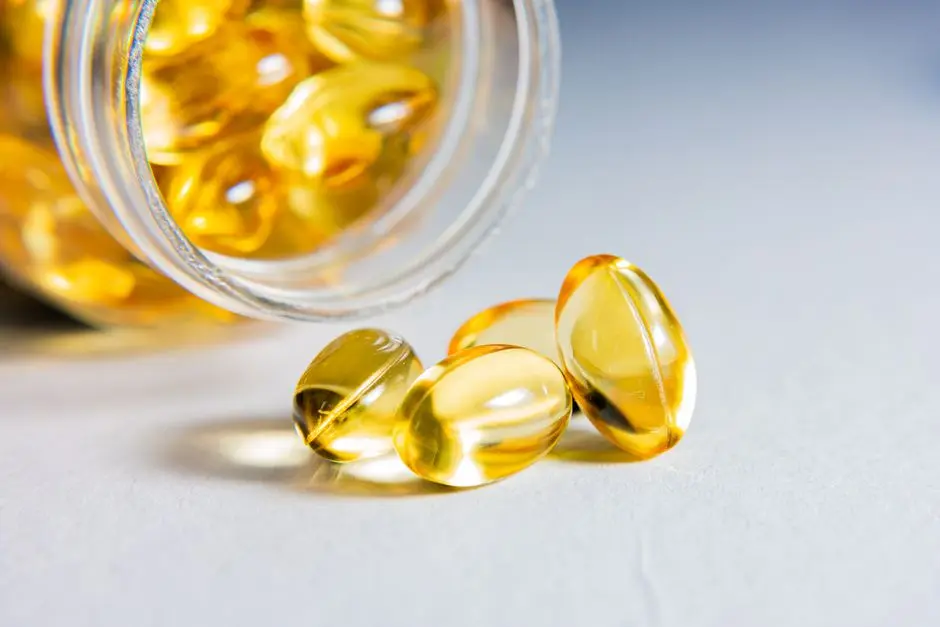
Most positive trials used 1,000 to 2,000 mg of EPA daily, taken as an add-on rather than alone, for six to twelve weeks. Checking the label matters more than usual here — most drugstore fish oil is DHA-heavy or roughly 50/50, not the formulation the trials used. Look for the EPA number specifically, not the total omega-3 number printed largest on the bottle.
Fits best for anyone whose diet is light on oily fish, or who has other inflammatory signs — joint pain, skin issues, a diet heavy in processed seed oils. Less compelling for someone already eating fatty fish three times a week. There is a ceiling.
Vitamin D — But Only If Deficient
Vitamin D gets a lot of enthusiasm and deserves a more careful look than it usually gets. The largest trial to test it directly, the VITAL study (Okereke et al., JAMA, 2020), gave 2,000 IU of vitamin D3 daily to over 18,000 older adults for more than five years and found no reduction in depression risk across the group as a whole. Large, well-run trial, null result. Anyone claiming vitamin D is a broad-spectrum mood fix is ignoring it.
The more interesting finding sits in the subgroups. A 2019 meta-analysis (Vellekkatt and Menon, Journal of Postgraduate Medicine) pooling trials that specifically enrolled people with low baseline vitamin D found a modest but real improvement in depressive symptom scores, an effect that mostly disappeared in trials enrolling people with normal levels to begin with. Translation: correcting a real deficiency may help mood somewhat. Adding more on top of an adequate level probably does nothing.
Typical corrective doses run 1,000 to 4,000 IU daily, adjusted against a 25-hydroxyvitamin D blood level rather than guessed at. Worth checking before spending money — deficiency is common in people who spend winters indoors, have darker skin at higher latitudes, or carry more body fat, but it is not universal, and it is a five-minute blood draw to find out either way.
Saffron Extract
Saffron — yes, the spice — has more randomized human trial data behind it for mood than almost anything else on this list that is not a fatty acid. Multiple small-to-moderate trials out of Iran, starting with a series by Akhondzadeh and colleagues in the mid-2000s, compared standardized saffron extract directly against low-dose antidepressants and found comparable symptom reduction over six to eight weeks. A 2019 meta-analysis pooling roughly a dozen randomized trials (Marx et al., Nutrition Reviews) confirmed the pattern: saffron outperformed placebo by a moderate margin.
The mechanism is not fully settled — crocin and safranal, saffron’s active compounds, appear to affect serotonin reuptake and show antioxidant effects in animal models, but the human mechanistic data lags behind the clinical data. Odd, but not unheard-of in nutrition research: the effect shows up before anyone has fully explained it. A longer breakdown of the mechanism and dosing history sits at saffron as a spice antidepressant.
Standard trial dose is 30 mg daily, usually split as 15 mg twice a day, of a standardized extract labeled as containing a set percentage of safranal or crocin, not just “saffron powder.” Fits people with mild-to-moderate symptoms looking for the best-evidenced herbal option. Less proven for severe presentations, where the trials mostly have not enrolled.
SAM-e (S-Adenosylmethionine)
SAM-e is a compound the body makes naturally and uses in methylation reactions throughout the brain, including ones involved in neurotransmitter synthesis. It has been studied as a mood intervention since the 1990s, mostly in Europe.
The clearest modern data point is a 2010 trial by Papakostas and colleagues (American Journal of Psychiatry) that tested SAM-e as an add-on in people who had not fully responded to existing treatment, at doses of 800 to 1,600 mg daily over six weeks, and found a meaningfully higher response rate than placebo add-on. Older trials, summarized in a 2002 Agency for Healthcare Research and Quality review, suggested SAM-e performed comparably to older-generation antidepressants — though those trials were smaller and less rigorously blinded by modern standards.
Doses in the research range from 400 mg up to 1,600 mg daily, usually split across the day since large single doses can cause stomach upset. It is one of the more expensive items on this list gram for gram, and people with bipolar-spectrum symptoms are generally steered away from it in the research literature, since methylation-boosting compounds have been linked to mood activation in that population.
Magnesium
Magnesium runs hundreds of enzymatic reactions, several tied to stress hormone regulation and neurotransmitter balance, and a meaningful share of adults run below optimal intake without knowing it — modern soil depletion and low vegetable intake both contribute. The interesting trial here is a 2017 study by Tarleton and colleagues (PLOS ONE) that gave 248 mg of elemental magnesium chloride daily to adults with mild-to-moderate depression and found rapid improvement within two weeks.
Here’s the honest caveat: that trial was small, unblinded, and had no placebo arm, meaning some of the improvement could simply be the effect of taking something and expecting it to help. A 2017 systematic review by Boyle and colleagues found the broader magnesium-depression literature thin on rigorous, blinded trials, even while cross-sectional data consistently links low magnesium intake to higher depression rates.
Glycinate and threonate forms are generally better tolerated than magnesium oxide, which mostly just causes loose stool at meaningful doses. Typical range is 200 to 400 mg of elemental magnesium daily. Fits almost anyone, given how common low intake is and how mild the downside risk is — this is one of the lower-stakes bets on the list even with the softer evidence behind it.
L-Methylfolate
Folate is required to make the active forms of serotonin, dopamine, and norepinephrine, and a minority of people carry a genetic variant (MTHFR) that makes them poor converters of ordinary folic acid into the usable form. L-methylfolate skips that conversion step.
The best data comes from two 2012 randomized trials by Papakostas and colleagues (American Journal of Psychiatry), which added 15 mg of L-methylfolate daily to existing treatment in non-responders and found a significantly higher response rate than placebo add-on. That is a considerably higher dose than the folate in a multivitamin — most contain 400 to 800 micrograms, roughly a twentieth of the trial dose.
Which is the whole caveat: the dose that worked is a specific, high amount, not what shows up in a standard supplement-aisle bottle. Lower-dose folic acid on its own has much weaker supporting data. Best suited to people who suspect or have tested positive for reduced folate metabolism; a poor fit for anyone expecting a standard multivitamin dose to do the same job.
Creatine Monohydrate
Creatine’s reputation is entirely in the gym, which makes its appearance here surprising to most people — but the brain uses the same phosphocreatine energy system muscle does, and depressed brains have shown altered energy metabolism on neuroimaging in several studies.
The signature trial is Lyoo and colleagues (American Journal of Psychiatry, 2012), which added 5 grams of creatine monohydrate daily to an existing antidepressant in women with major depression and found faster, greater symptom reduction than antidepressant plus placebo over eight weeks. A smaller follow-up by Kondo and colleagues in 2020 found a similar direction of effect — two trials, both small, both an add-on rather than standalone, both mostly in women, notable since most supplement research skews male.
Standard dose is 3 to 5 grams of creatine monohydrate daily; no loading phase is required. Cheap, extremely well studied for safety in the sports nutrition literature even if less so for mood specifically, and low risk. The honest limitation: the depression-specific evidence base is two studies deep, not twenty.
Zinc
Zinc deficiency shows up disproportionately in people with depression in observational data — a 2012 meta-analysis by Lai and colleagues (Journal of Affective Disorders) found blood zinc levels consistently lower in depressed populations, the gap widening in more severe cases. Correlational, not proof that low zinc causes low mood, but a consistent enough pattern to take seriously.
The interventional evidence is thinner and smaller. A frequently cited Polish trial (Siwek and colleagues, 2009) added 25 mg of elemental zinc daily to antidepressant treatment and found greater symptom reduction than antidepressant plus placebo, particularly in prior non-responders. It is one trial of modest size, not a body of literature — promising direction, not yet a settled case.
Typical range is 15 to 30 mg of elemental zinc daily; higher amounts taken long-term interfere with copper absorption, so this is not a more-is-better nutrient. Reasonable for anyone with a diet low in zinc-rich foods — red meat, shellfish, pumpkin seeds — and a low priority for anyone whose intake already covers it.
What to Skip
- 5-HTP. The theory is straightforward — 5-HTP is a direct precursor to serotonin, one step closer than tryptophan. The human trial data, though, is old, small, and mostly from the 1980s and 90s, using methodology that would not pass muster today. Combined with a real risk of serotonin-related side effects when stacked with other serotonergic supplements, this one does not make the cut.
- St. John’s Wort. There is actually reasonable European trial data on St. John’s Wort for mild depression. It gets left off this list anyway, for a practical reason rather than an evidence one: it induces liver enzymes that alter the metabolism of a long list of medications — oral contraceptives and blood thinners among them — making it one of the riskier things to add to a routine without knowing exactly what else is in play. That is not a knock on the herb’s mood data. It is a knock on stacking it blind.
- Ashwagandha, for this specific purpose. Ashwagandha has solid trial data for cortisol and perceived stress, and for anxiety specifically — a different target, covered in a separate look at whether calm can actually be supplemented. Reduces stress and treats low mood are not the same claim, and the depression-specific data on ashwagandha is thin next to its stress data.
- Proprietary “mood blend” formulas. Multi-ingredient blends sold under names like calm, uplift, or balance almost never disclose individual ingredient doses, which makes it impossible to know whether any single component is present at a dose ever tested in a human trial. If the label will not say how many milligrams of each thing is inside, assume the amount is too small to matter.
- DHEA and straight tryptophan. Both have a theoretical rationale and both have been tested; both have produced inconsistent, unimpressive results, DHEA in particular carrying hormonal side effects that make it a poor first choice without monitored bloodwork already in place.
How to Actually Use This
The practical order: get a blood panel first if one is available. Vitamin D and ferritin will show whether deficiency is actually part of the picture. Someone with a vitamin D level of 18 ng/mL is a different case than someone at 45 ng/mL, even if both describe identical symptoms. Correct anything that shows up as clearly low before adding anything else — that is the highest-certainty move on this page, because it treats a measured deficiency rather than a guess.
From there, EPA-dominant omega-3 is the reasonable default starting point for most people regardless of bloodwork. Give it six to eight weeks before judging — these are not fast-acting compounds, and judging at day ten is judging noise. Add saffron next if omega-3 alone is not enough. Magnesium can run alongside either from day one; it is cheap, low-risk, and does not meaningfully interact with anything else here.
Take a guy we’ll call Marcus — mid-30s, decent diet, flat mood for months with no obvious cause. He started EPA omega-3 and magnesium together, which made it hard to know which one mattered when things improved slightly around week five. He added saffron at week eight when the improvement plateaued, felt noticeably better through week twelve, then hit a rough patch in week fourteen that had nothing to do with any of it — a work deadline, bad sleep, the ordinary noise of being a person. The supplements did not fail him. They also were never going to be the whole answer.
SAM-e, L-methylfolate, and zinc are more targeted tools — worth reaching for if the broader approach stalls, or if bloodwork or history points specifically at methylation issues or a measured zinc deficiency, not as a first move for everyone. For how these fit alongside a general men’s supplement routine, see the evidence-based stack for men. Creatine is close to a free add — most people lifting weights already have a reason to take it, and the mood data is a bonus.
What Matters More Than Anything on This List
Diet quality generally beats any single nutrient pulled out of it. Whole foods carry combinations of anti-inflammatory compounds, fiber, and micronutrients that no stack of isolated capsules fully replicates — the fuller case sits in the food-first case for mood. A supplement corrects a gap. It does not compensate for a diet actively working against the goal.
Cold exposure deserves a mention too, oddly enough, since it sits outside the nutrition category entirely but has real trial data behind it for mood — a cold shower or brief cold-water immersion protocol is covered in a separate breakdown of cold exposure for mood, and for some people it does more in a week than anything on this list does in a month.
Movement, particularly resistance training, has an evidence base for depression that rivals or exceeds most single supplements individually. Sunlight exposure in the first hour after waking regulates the same circadian and hormonal systems that vitamin D touches, for free, without a blood test. None of this is glamorous advice. It is also the part doing most of the actual work, whether or not it gets credit for it.
Common Questions
How long before a supplement on this list should be judged as working or not? Six to eight weeks minimum, in line with how the actual trials were run. Magnesium is the exception — the Tarleton trial saw change within two weeks — but for omega-3, saffron, SAM-e, and folate, judging at two or three weeks is judging noise. Set a reminder for week six and reassess against a written baseline rather than memory.
Should bloodwork happen before starting any of this? Where it is available, yes, at least for vitamin D and ferritin — both are cheap to test and both change which item on this list is worth prioritizing first. Guessing at deficiency status wastes money on whichever nutrient turns out not to be the actual gap.
Could this be a thyroid problem instead of, or alongside, a nutrient gap? Worth ruling out. An underactive thyroid produces fatigue and low mood that looks a great deal like a nutrient deficiency from the outside, and the two can coexist. A separate breakdown covers what the evidence actually supports for thyroid-focused supplementation, a different list than this one.
Is it safe to combine several of these at once? Mostly, at the doses listed, with one pairing worth flagging: SAM-e and L-methylfolate both affect methylation and serotonergic activity, so stacking them together is worth doing cautiously and one at a time. Everything else here has a wide enough safety margin that combining two or three is low-risk, even if it makes the what-actually-helped question harder to answer later.
Do any of these interact with other supplements already in the routine? Zinc taken long-term at higher doses competes with copper absorption, so a standalone high-dose zinc protocol run for months is worth pairing with a small amount of copper or periodic bloodwork. Magnesium can reduce absorption of other minerals taken at the same time; spacing doses by a few hours handles it.
What if none of this moves the needle after a real trial period? Then the honest read is that whatever is driving the low mood is not a straightforward nutrient gap, and treating it as one will not work no matter how long it continues. That is useful information, not a failure — it means the flat mood has a different driver, and rotating endlessly through supplements is usually a worse use of the next few months than looking elsewhere.
Does age or sex change any of this? Somewhat. The creatine trials skew heavily female; the vitamin D deficiency-subgroup effect skews toward older adults and people with limited sun exposure. None of the doses above need adjustment by sex specifically, but the underlying likelihood of deficiency shifts with age, latitude, diet pattern, and body composition.