
Walk into any pharmacy in late October and the “immune support” shelf has tripled in size since September. Elderberry gummies. Zinc lozenges shaped like little orange wedges. A dozen proprietary blends with a shield icon and a list of eleven ingredients, each dosed too low to do anything. Almost none of it is ranked by evidence. It’s ranked by shelf space paid for by the manufacturer.
This list is not that. It ranks named supplements by what the human trial data actually shows, in order, with the weak stuff flagged as weak and the theater skipped entirely. A guy we’ll call Danny, forty-one, IT project manager, started taking nine different “immune” capsules every autumn after his kid started daycare and kept getting sick anyway — turns out he was skipping the one thing that mattered and doubling down on eight things that didn’t. He shows up again further down.
How this is ranked
Order here is set by three things, weighted in this sequence: whether the evidence comes from human randomized controlled trials rather than mouse studies or petri dishes; how large the measured effect is once the wide-confidence-interval trials get stripped out; and whether the finding has been reproduced by more than one research group, rather than resting on a single small trial nobody repeated. A modest, boring, repeatable effect outranks a dramatic effect in a single underpowered trial that nobody has replicated since.
Popularity is not an input. Neither is advertising spend, how many times “clinically proven” appears on the label, or how convincing the testimonials look. In several cases here the correlation runs backwards — the biggest marketing budgets sit behind some of the thinnest data.
One more thing, stated plainly before the list starts: nothing here prevents illness the way a functioning immune system built on sleep, food, and stress management does. These are marginal levers. Useful ones, some of them. None replace the fundamentals — the section near the bottom of this page says exactly why.
The ranking
Vitamin D3

The clinical evidence is the strongest on this entire list. A 2017 meta-analysis of individual participant data pooled from 25 randomized trials, published in BMJ by Martineau and colleagues, found vitamin D supplementation reduced acute respiratory tract infection risk overall — and the effect was considerably stronger in people who started out deficient, with those below 25 nmol/L seeing closer to a halving of risk. Separately, the VITAL trial’s follow-up analysis (Hahn et al., BMJ, 2022) found five years of daily vitamin D3 reduced autoimmune disease incidence by roughly a fifth in adults over 50 — worth knowing given how many items on the skip list below can push immune activity the wrong direction for someone with autoimmune susceptibility. For the deeper dive, see the full evidence review on vitamin D and immune function.
What the trials used: most that showed benefit gave 1,000–4,000 IU daily, taken consistently, not the occasional 50,000 IU “bolus” some prescribers favor — daily dosing outperformed infrequent bolus dosing in the Martineau meta-analysis, which showed no protective effect at all. Who it’s for: almost everyone at northern latitudes in winter, and specifically anyone who has never had their level checked. Who should skip it: people who already know their level runs high-normal, or who spend serious time outdoors shirtless in summer sun — the tolerable upper intake level sits at 4,000 IU a day, and the rare toxicity cases come from sustained intake well past it with nobody checking a blood level. The honest caveat: a blood test (25-hydroxyvitamin D) costs very little and removes the guesswork.
Zinc (as zinc acetate lozenges)
Zinc is a cofactor for dozens of enzymes involved in immune cell replication, and it also appears to interfere directly with rhinovirus replication at high enough local concentration — why the lozenge form matters more than a swallowed capsule. A capsule dissolves in the stomach. A lozenge bathes the throat in zinc ions the whole time it’s dissolving.
A Cochrane-affiliated analysis by Singh and Das (2013) pooled trials using zinc acetate or gluconate lozenges providing at least 75 mg elemental zinc per day, started within 24 hours of first symptoms, and found meaningfully shortened cold duration — on the order of cutting a week-long cold down by a couple of days. Below that dose threshold, most trials found nothing. A dose-dependent effect with a real floor, which is exactly why the “immune support” gummy with 5 mg of zinc buried in a fifteen-ingredient blend does nothing.
In the pooled trials: 75–90+ mg elemental zinc daily, split across lozenges dissolved slowly, started at the first scratchy-throat sign, continued for the duration of symptoms — not taken preventively year-round. Who it’s for: someone who already feels a cold coming on. Who should skip it: anyone considering daily long-term use — sustained high-dose zinc depletes copper and can cause nausea and a metallic taste. The caveat: this is a treatment-at-onset tool, not a prevention tool.
Vitamin C
Vitamin C supports several steps of immune cell function as an antioxidant cofactor, and neutrophils — the first responders — concentrate it at levels far above blood plasma. The theory has been around since Linus Pauling popularized megadosing in the 1970s. The data, once it arrived, was less dramatic than Pauling claimed but not zero.
The Cochrane review by Hemilä and Chalker (2013), pooling decades of trials, found regular vitamin C supplementation in the general population did not reduce how many colds people got — it modestly shortened how long they lasted, about 8% in adults. The interesting finding sits in a subgroup: under heavy short-term physical stress — marathon runners, skiers, soldiers on subarctic exercises — regular supplementation roughly halved cold incidence. A real, replicated effect, just a narrow one.
What worked in the research: 1–2 grams daily. Who it’s for: endurance athletes, anyone training hard outdoors in cold weather, anyone on a genuinely low-produce diet. Who should skip it: someone already eating fruit and vegetables daily. The caveat: past a gram or two most of it is excreted unused, and GI upset becomes the main thing you get for the extra — not a compound where more keeps helping.
Probiotics (specific strains)
A meaningful share of immune tissue sits in the gut lining, and specific probiotic strains — not “probiotics” as a category, the distinction matters — have been shown to modulate that tissue and reduce upper respiratory infection frequency in some populations.
A Cochrane review by Hao, Dong, and Wu (2015) pooled 12 trials and found probiotic supplementation reduced the number of people who experienced at least one acute upper respiratory infection, and reduced antibiotic use in that group — though the authors rated evidence quality low to moderate, with real trial-to-trial inconsistency in strains, doses, and populations tested. Real but soft. Not nothing, not a slam dunk.
In the trials that showed an effect: strains like Lactobacillus rhamnosus GG or Lactobacillus casei at 1–10 billion CFU daily, sustained for at least eight weeks — a slow-build intervention, not an acute one. Who it’s for: someone whose gut health is otherwise shaky — frequent antibiotic use, poor fiber intake. Who should skip it: someone expecting a fast effect on an active cold. The caveat: strain matters, and most consumer products don’t disclose CFU-verified, trial-matched strains.
Selenium
Selenium is incorporated into glutathione peroxidase and other selenoproteins that manage oxidative stress inside immune cells during an infection response. Deficiency — real in parts of the world with selenium-poor soil, and in a meaningful minority of people with restrictive diets — measurably impairs neutrophil and lymphocyte function.
The catch: almost all of the strongest selenium-and-immunity data comes from correcting frank deficiency, not from supplementing an already-adequate person. Outside deficient populations, the trial evidence is thin, worth saying plainly. Selenium earns a more confident recommendation for autoimmune thyroid disease — Hashimoto’s specifically — where several trials show it can reduce thyroid peroxidase antibody levels, a different mechanism than general immune “boosting.” See this review of thyroid supplement evidence for that distinction.
The reference numbers: the adult RDA is 55 mcg and the tolerable upper limit sits around 400 mcg — a far narrower window than anything else on this list, and toxicity (hair loss, brittle nails, garlic breath odor) is a real risk at sustained high intake. Who it’s for: anyone eating a genuinely restricted diet, or living somewhere selenium-poor soil is documented — two or three Brazil nuts a day usually covers it otherwise. Who should skip it: most people eating a varied diet with any nuts or seafood in it. The caveat: this is the easiest item on the list to overdose.
Elderberry (Sambucus nigra)
Elderberry extract contains anthocyanins that appear, in lab studies, to have some antiviral activity against influenza strains and to modestly stimulate cytokine production. Plausible mechanism. Messier human evidence than the marketing suggests.
A 2019 meta-analysis by Hawkins and colleagues, published in Complementary Therapies in Medicine, pooled a handful of small trials and found elderberry supplementation associated with shorter upper respiratory symptom duration. Worth flagging honestly: several underlying trials were small, industry-funded (often by Sambucol, a specific manufacturer), and not independently replicated at scale. Doesn’t mean the effect is fake — means the confidence interval stays wide until someone runs a larger, independent trial.
What the trials used: 300–1,200 mg of standardized extract daily, started at symptom onset, for the duration of illness. Who it’s for: someone who wants a reasonably low-risk option to try at the first sign of a cold. Who should skip it: anyone with an autoimmune condition where immune stimulation is the actual problem rather than the goal — see how immune dysregulation develops in the first place. The caveat: raw, uncooked elderberry is toxic — stick to commercial extracts, never raw berries or bark.
N-acetylcysteine (NAC)
NAC is a precursor to glutathione, the body’s primary intracellular antioxidant, and it also thins mucus by breaking disulfide bonds in mucin proteins — why it’s been used clinically as a mucolytic for decades, separate from any immune claim.
The most-cited trial here is older and narrower than the others on this list: De Flora and colleagues, European Respiratory Journal, 1997, gave 262 mostly elderly subjects either NAC (600 mg twice daily) or placebo for six months during flu season. Both groups got infected at similar rates — NAC didn’t prevent infection — but the NAC group reported far fewer symptomatic, influenza-like episodes, suggesting it blunted severity rather than blocking the virus. One trial, one aging population, a quarter-century old, never replicated at scale.
What was tested: 600 mg twice daily, in that single trial. Who it’s for: someone dealing with chest congestion or thick mucus during a respiratory illness, where the mucolytic effect has decades of separate clinical use behind it. Who should skip it: anyone looking for prevention. The caveat: one aging trial is a thin foundation, and this sits lower on the list for exactly that reason.
What to skip
Echinacea is the big one, mostly because it’s everywhere. A Cochrane review by Karsch-Völk and colleagues (2014) looked at dozens of trials across multiple Echinacea species and preparations and found the evidence inconsistent and, at best, weakly suggestive of a small preventive effect — not strong enough to recommend, and species/extraction variability makes it hard to know what “echinacea” even means bottle to bottle. Skip it, or don’t expect much.
Colloidal silver deserves a flat no. No credible human trial evidence it does anything for immune function, and a well-documented risk that doesn’t get discussed enough: sustained use causes argyria, permanent blue-grey skin discoloration. This one sits well past “weak evidence” and into “actively avoid.”
Oscillococcinum and other homeopathic flu remedies are diluted to the point of containing, functionally, none of the original substance. Trials generally show no effect beyond placebo — exactly what the underlying chemistry would predict.
Proprietary “immune blend” gummies — the fifteen-ingredient shield-logo products — are hardest to evaluate because each ingredient dose usually sits below the threshold shown to do anything in the trials cited above. A gummy with 5 mg of zinc and 10 mg of vitamin C is not a diluted version of the zinc or vitamin C protocols described earlier. A different product that happens to share ingredient names.
How to actually use this
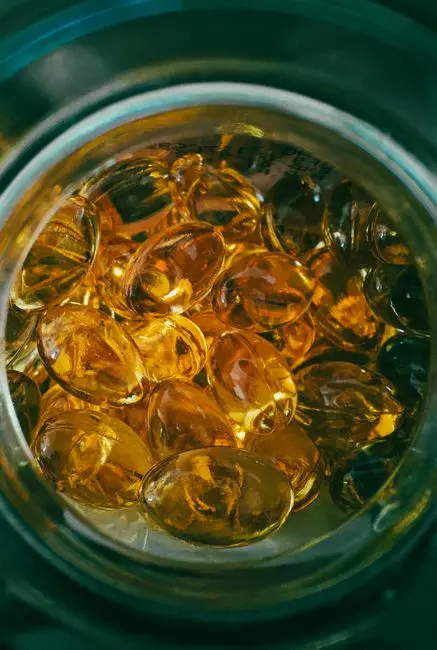
Sequence it like this: vitamin D3 daily, year-round or at minimum through the low-sun months, as the baseline layer — the only item here with meaningful preventive data rather than just symptom-shortening data. Then, held in reserve rather than taken daily, zinc lozenges and vitamin C at the first sign of symptoms, not before — starting zinc “just in case” every day burns through the copper-depletion risk for no benefit. Probiotics, if used, run as a background eight-week-plus commitment.
Selenium only gets added if diet is genuinely restrictive.
Give each addition a real trial window: eight to twelve weeks for vitamin D and probiotics, since both work on a slower timeline; a single illness cycle for zinc, vitamin C, elderberry, and NAC, since those are onset-timed and either they shorten the illness or they don’t. Anyone building a broader routine rather than an immune-specific one might find the evidence-based supplement stack for general health a useful reference point.
One flag worth repeating rather than burying: anyone with a diagnosed autoimmune condition — Hashimoto’s, vitiligo, lupus, rheumatoid arthritis — should treat the “immune stimulant” category (echinacea, elderberry, high-dose zinc) with more caution than the general population, because the failure mode in autoimmune disease is an immune system already overactive against the body’s own tissue. The mechanism behind vitiligo is a useful concrete example — melanocytes under sustained attack from the person’s own immune system, not a weak system that needs boosting. Nothing here should be read as a blanket “more immune activity is always better.”
What matters more than anything on this list

A single night of five hours of sleep measurably suppresses natural killer cell activity — the cells that identify and destroy virus-infected cells — within 24 hours, and the effect compounds across consecutive short-sleep nights rather than resetting each day. Nothing on the list above moves that needle anywhere close to what a consistent seven-to-nine-hour schedule does. The full breakdown of the sleep-immune connection covers the mechanism in more depth than fits here. Short version: skipping sleep for an extra hour of work, then popping zinc lozenges to compensate, has the intervention backwards.
Chronic stress runs a close second, and it’s the one people underestimate most, because the effect isn’t dramatic day to day — it’s cumulative. Sustained cortisol elevation suppresses lymphocyte function and shifts immune activity toward the kind of low-grade inflammation that makes a person more susceptible to getting sick, not less. Diet matters too, mostly through preventing deficiency rather than through some additive “superfood” effect. A guy eating garbage but hitting seven hours of consistent sleep and managing his stress load reasonably will likely out-perform a guy eating a pristine diet on five hours of sleep and constant work stress. A real, if slightly uncomfortable, ordering of priorities.
Remember Danny from the top of this page. Nine supplements, still catching everything his kid brought home from daycare. Turned out he was averaging five and a half hours of sleep, and his vitamin D — unchecked in four years — came back at 18 ng/mL, solidly deficient. He didn’t overhaul his life. Fixed the vitamin D, moved his bedtime up forty minutes, dropped six of the nine supplements down to two. Still got sick that winter, once. Down from four times the year before. Anyway — that’s the pattern: fix the two or three things that actually move the number, stop paying for the other nine. For the fuller year-round framework, the full immune optimization protocol lays out sleep, stress, training load, and nutrition together.
Common questions
Do supplements actually prevent colds, or just shorten them? Mostly the latter. Of everything on the ranked list, vitamin D has the clearest preventive signal, particularly in people who were deficient to begin with. Zinc, vitamin C, elderberry, and NAC are mainly symptom-duration and severity tools, taken at onset, not daily prevention. That distinction gets lost in most marketing copy, which implies a daily gummy stops illness before it starts.
Is it safe to take zinc and vitamin C together during a cold? Generally yes, at the onset-dosing levels described above, and it’s a common combination in the trials themselves. The bigger risk is sustaining either one at high dose for months rather than the duration of a single illness — that’s where zinc’s copper-depletion issue and vitamin C’s GI-upset ceiling actually show up.
How long before vitamin D supplementation shows an effect? Blood levels typically stabilize within eight to twelve weeks of consistent daily dosing — roughly the window the strongest trials used before measuring infection outcomes. Part of why daily low-dose supplementation outperformed infrequent high-dose bolusing: the body needs sustained, not spiky, exposure.
Can someone with an autoimmune condition take anything on this list? Vitamin D has trial evidence specifically supporting reduced autoimmune disease incidence, which makes it the one item here with a documented upside rather than just a neutral-or-caution profile for that population. The immune-stimulant category — echinacea, elderberry, high-dose zinc — is where more caution applies. Anyone managing an autoimmune condition through diet is likely already familiar with the elimination-and-reintroduction approach in the autoimmune protocol diet guide, which addresses the food side of immune regulation in more depth than a supplement list can.
Do kids need the same doses as adults? No. Every dose listed above is an adult dose from adult trials. Pediatric dosing for zinc, vitamin C, and vitamin D runs considerably lower and scales with body weight. This page isn’t a pediatric dosing reference.
What actually causes the immune dysregulation behind autoimmune disease in the first place? It’s a combination of genetic susceptibility and environmental triggers — infections, gut permeability, certain chemical exposures — interacting over time rather than any single cause. The fuller explanation of how genes and environment interact to produce immune dysregulation goes through the mechanism in the kind of detail this page doesn’t have room for. It’s relevant background for understanding why “boost the immune system” isn’t a universally good instruction.
Is there a single best immune supplement to just start with? If forced to pick one: vitamin D3, after a blood test confirms it’s actually low. It has the strongest, most reproducible evidence base on this entire list, works on a slow preventive timeline rather than needing to be caught at symptom onset, and carries the lowest real-world risk profile of anything ranked above. Everything else on the list is a smaller, more situational add.