
Marcus had been living with Type 1 diabetes for eleven years when his endocrinologist mentioned, almost as an afterthought, that he might want to consider an insulin pump. Marcus had heard about pumps before — his cousin used one — but he’d always figured his four-daily-injection regimen was “good enough.” His A1C hovered around 7.4%, he rarely had severe lows, and he’d built his entire daily routine around drawing up insulin, checking the dose, injecting, waiting.
The idea of changing felt overwhelming, maybe even unnecessary. “If it ain’t broke,” he told himself. Then he wore a continuous glucose monitor for two weeks and watched his blood sugar spike to 280 mg/dL every single morning at 6 AM, regardless of what he ate or when he took his nighttime insulin. His dawn phenomenon was quietly sabotaging him, and his injections had no mechanism to fight it. That’s when the pump conversation got real.
The insulin pump versus injection debate is one of the most consequential decisions a person with diabetes will make — and it’s also one of the most misunderstood. There’s no universal right answer. But there are definitive situations where one approach dramatically outperforms the other, and understanding the physiology, the evidence, and the practical realities can mean the difference between a life constrained by diabetes and one that integrates it almost invisibly.
How Insulin Delivery Actually Works: The Physiology You Need to Understand
Before evaluating pumps versus injections, it helps to understand what insulin is trying to do in the first place — and why replicating the pancreas is so extraordinarily difficult.
A healthy pancreas secretes insulin in two distinct patterns. The first is basal secretion: a continuous, low-level trickle of insulin that runs 24 hours a day, seven days a week, keeping blood glucose stable between meals by suppressing liver glucose output. The second is bolus secretion: a rapid, sharp spike of insulin released within minutes of eating, matching the incoming glucose load with extraordinary precision. The pancreas adjusts both patterns moment-to-moment based on real-time blood glucose signals.
Multiple daily injections (MDI) — typically the gold standard non-pump approach — use two types of insulin to approximate this. A long-acting basal insulin like glargine (Lantus), detemir (Levemir), or degludec (Tresiba) provides the background coverage. Rapid-acting insulin like lispro (Humalog), aspart (NovoLog), or glulisine (Apidra) covers meals. This is actually a remarkably effective system that has saved millions of lives. But it has fundamental limitations baked into the pharmacology.
Long-acting insulin, no matter how “flat” the profile, isn’t truly flat. Glargine has a mild peak at 4-6 hours. Detemir has a more pronounced peak. Even degludec, the flattest of the bunch, shows individual variation. More critically, a single injection of long-acting insulin is a fixed dose — it can’t dynamically adjust for an afternoon workout that suddenly needs less insulin, or for the onset of illness that needs more. The dose chosen that morning is the dose for the day.
Rapid-acting insulin injected subcutaneously also has a built-in delay. It takes 15-20 minutes to start working, 60-90 minutes to peak, and 3-5 hours to fully clear. Eat a fast-digesting meal, glucose spikes in 30 minutes, and the insulin is still ramping up. This mismatch is the source of countless post-meal spikes that no amount of “perfect” dosing can fully eliminate with injections alone.
A 2019 analysis published in Diabetes Care tracking over 25,000 adults with Type 1 diabetes found that the average time-in-range (blood glucose between 70-180 mg/dL) on MDI was approximately 52% — meaning adults on injections are outside their target range nearly half the time, even under real-world clinical care.
What an Insulin Pump Actually Does Differently
An insulin pump is, at its core, a miniature infusion device that delivers rapid-acting insulin continuously through a small catheter inserted under the skin. There is no long-acting insulin in a pump — the continuous drip of fast-acting insulin is what creates the basal effect. This single architectural difference unlocks capabilities injections simply cannot match.
First, programmable variable basal rates. A pump user can program different basal rates for every hour of the day. Need 0.6 units per hour from midnight to 6 AM but only 0.4 units per hour from 10 AM to 4 PM? Program exactly that. Set a reduced rate 90 minutes before exercise and a slightly elevated rate post-exercise when insulin sensitivity drops.
A “sick day” profile with higher rates for when illness drives glucose up is just as programmable. This granular control is physiologically impossible with once-daily injections.
Second, temporary basal rate adjustments. Insulin delivery can be suspended or dramatically reduced in real-time. Heading into a long hike? Reduce basal by 50% for three hours. Eating a high-fat meal that will digest slowly? Keep basal running while the bolus absorbs. This dynamic responsiveness is the closest approximation to pancreatic behavior achievable outside of automated insulin delivery systems.
Third, precision micro-dosing. A pump can deliver doses as small as 0.025 units — a precision that syringes and even insulin pens cannot approach. For children, small adults, or anyone highly insulin-sensitive, this precision matters enormously. The difference between 0.5 and 0.75 units at a meal can be the difference between staying in range and a hypoglycemic episode two hours later.
A landmark 2018 meta-analysis in The Lancet Diabetes & Endocrinology analyzing 40 randomized controlled trials found that pump therapy reduced A1C by an additional 0.3% compared to MDI in Type 1 diabetes, with a simultaneous 2.4-fold reduction in severe hypoglycemia rates. Those numbers sound modest until the realization sets in that a 0.3% A1C reduction corresponds to a clinically meaningful reduction in microvascular complications over time, and severe hypoglycemia is the leading cause of acute mortality in Type 1 diabetes.
Closed-Loop Systems: When the Pump Gets a Brain
The real major advantage in pump technology isn’t the pump itself — it’s what happens when a pump gets connected to a continuous glucose monitor and an algorithm. This is the closed-loop or “artificial pancreas” system, and it represents the most significant advance in diabetes management in decades.
Systems like the Medtronic MiniMed 780G, Tandem Control-IQ, Omnipod 5, and iLet Bionic Pancreas read glucose values every 5 minutes from a CGM sensor and automatically adjust insulin delivery — increasing it when glucose trends up, suspending it when glucose trends dangerously low, even predicting where glucose is headed and preemptively correcting. The algorithm does in real-time what a person with diabetes has to do manually hundreds of times per day.
The clinical results are striking. The COMPETE trial published in NEJM in 2023 showed that adults using the iLet Bionic Pancreas achieved a mean A1C of 7.3% compared to 7.7% on standard care, with time-in-range improving from 45% to 69% — an extraordinary 24 percentage point improvement. The CLOSED trial in adolescents showed similar magnitude effects in a population historically resistant to good glucose control.
Perhaps most importantly, closed-loop systems dramatically reduce the cognitive burden of diabetes management. Every calculation, every correction, every 3 AM alarm — the algorithm handles it. Studies consistently show reduced diabetes distress and improved quality of life scores in closed-loop users. This isn’t a soft outcome. Diabetes burnout is a real phenomenon that leads to deteriorating control and long-term complications. Removing the cognitive load matters.
Closed-loop systems are not perfect. They still require calibration and intervention for certain situations — high-fat meals that cause delayed glucose spikes, intense exercise, illness, site failures. The algorithm can be fooled by the same physiological quirks that fool any insulin delivery system. But they represent a qualitative shift in what automated management can achieve.
The Real Advantages of Injections: Don’t Write Them Off
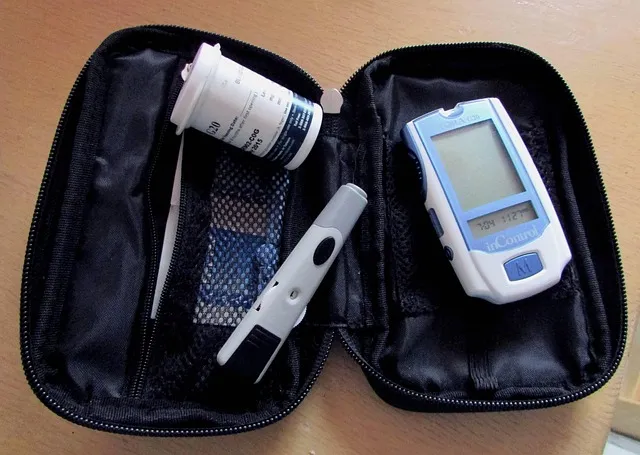
Injections are simple. No device to charge, no tubing to kink, no site to fail, no software to update, no insulin going bad from overheating in a pump reservoir. Traveling to a remote location, at a music festival in 95-degree heat, or simply valuing minimal medical device burden — injections offer a reliability technology cannot always match.
The modern long-acting insulin analogs — particularly insulin degludec (Tresiba) — have a pharmacokinetic profile so flat that the line between pump basal rates and well-designed injection regimens has narrowed considerably. A 2016 study in Diabetologia found that degludec’s day-to-day variability in insulin effect was approximately four times lower than glargine. For many adults with Type 1, degludec plus a rapid-acting insulin provides near-pump-quality basal coverage without the device overhead.
Injections also offer greater flexibility around the abdomen and body image. Some people find the psychological experience of having a device continuously attached to the body — with tubing, a site that needs changing every 2-3 days, and a visible lump under clothing — genuinely distressing. Body image concerns are clinically valid and should factor into treatment decisions. A regimen someone will actually follow consistently beats a theoretically superior regimen they’ll abandon.
Cost is a real factor. A pump with continuous glucose monitoring can cost $6,000-10,000 upfront and $2,000-4,000 per year in supplies — costs that insurance may partially but not always fully cover. MDI with a glucose meter can be managed on a fraction of that budget. For patients in healthcare systems with limited coverage or high out-of-pocket costs, the financial analysis is not trivial.
Finally, injection technique and regimen sophistication matter enormously. Clinical data indicates that the majority of MDI users are not practicing optimal injection technique — not rotating sites, not using appropriate needle lengths, not using the insulin-to-carb ratios and correction factors they should be. A perfectly executed MDI regimen with good CGM integration often outperforms a poorly managed pump. The device is only as good as the management system around it.
Type 2 Diabetes: A Different Calculation
Most of the pump versus injection literature focuses on Type 1 diabetes, where insulin is an absolute necessity from day one. Type 2 diabetes presents a fundamentally different calculus, and the role of pumps is more detailed and less established.
The majority of people with Type 2 diabetes who require insulin are managed with once-daily or twice-daily basal insulin, sometimes combined with GLP-1 receptor agonists. This relatively simple regimen is appropriate for many patients because Type 2 involves insulin resistance and residual beta cell function — the disease mechanism differs from the absolute insulin deficiency of Type 1. Adding a pump to this scenario typically adds complexity without proportional benefit.
However, there is a subset of Type 2 patients — those with long-standing disease, near-absent beta cell function, high insulin requirements, and significant glucose variability — who genuinely struggle with injection regimens. For these patients, pump therapy has shown benefit, though the evidence base is thinner than in Type 1.
A 2023 randomized trial in Diabetes, Obesity and Metabolism specifically studied Type 2 patients using U500 concentrated insulin (very high total daily doses) and found that pump delivery of U500 insulin significantly improved A1C versus injections, primarily because the pump’s precision dosing handled the enormous dose requirements more reliably.
The V-Go patch pump — a disposable, tubeless device that delivers preset basal insulin and meal boluses at fixed amounts — was specifically designed for Type 2 patients. Studies comparing V-Go to MDI in Type 2 showed A1C reductions of 1.2-1.5% with simultaneous reductions in total daily insulin dose, suggesting improved insulin efficiency with subcutaneous pump delivery. But the fixed dosing profile also means less flexibility than traditional programmable pumps.
Specific Clinical Scenarios Where Pumps Clearly Win
Certain clinical patterns are nearly diagnostic for pump therapy. Recognizing these in a patient history — or in one’s own experience — turns the injection-to-pump conversation from optional into imperative.
Unpredictable severe hypoglycemia is the clearest indication. Frequent severe low blood sugar episodes — events requiring assistance, causing loss of consciousness, or producing hypoglycemia unawareness — make the pump’s ability to suspend insulin delivery automatically (especially when connected to a CGM in a closed-loop system) potentially life-saving. The PROLOG trial showed that automated insulin suspension reduced severe hypoglycemia by 38% compared to sensor-augmented pump alone.
Pronounced dawn phenomenon — the early-morning glucose rise driven by cortisol and growth hormone — responds dramatically to pump therapy. A pump user can program a higher basal rate starting at 4-5 AM to preemptively counter the dawn rise. An injection user is stuck giving a fixed dose that either over-covers during the night or under-covers the morning, with no ability to split the difference.
Gastroparesis, the delayed gastric emptying that affects some long-standing diabetics, creates a particular injection nightmare. Food digests unpredictably, so insulin given at the meal may peak hours before the glucose does, causing first hypoglycemia and then hyperglycemia. A pump’s extended bolus feature — which spreads a meal dose over 1-3 hours — far more effectively matches the slow, erratic absorption of a gastroparetic meal.
Pregnancy with pre-existing Type 1 diabetes is a situation where pump therapy has the strongest evidence base. A 2010 Cochrane review and subsequent prospective studies consistently show lower A1C, fewer hypoglycemic episodes, and better neonatal outcomes in Type 1 women using pumps during pregnancy. The CONCEPTT trial (2017, NEJM) confirmed that CGM use in Type 1 pregnancy improved outcomes — and combined CGM plus pump represents the current gold standard of care for this population.
Children, especially young children, benefit disproportionately from pump micro-dosing precision. An 18-month-old who needs 0.05 units per meal simply cannot get that dose reliably from a syringe. Pumps also allow parents to remotely monitor and adjust doses via smartphone when children are at school, removing both safety risk and the logistical impossibility of in-school injection management.
Scenarios Where Injections May Be Preferable
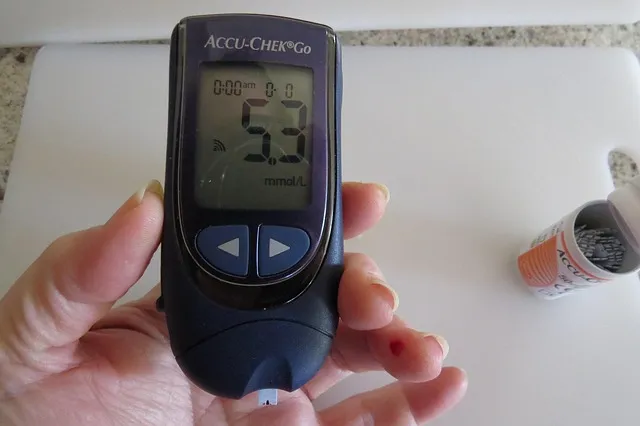
Patients who lack the technical aptitude or support system to manage pump complexity should not be pushed into pump therapy. A pump used incorrectly — failing to bolus at meals, ignoring site failures, not responding to error messages — will produce worse outcomes than well-executed injections. A 2017 audit of pump-related hospitalizations found that diabetic ketoacidosis due to pump site failure or user error accounted for a disproportionate share of DKA admissions in pump users. The pump requires engagement.
Swimmers, wrestlers, certain athletes, and others with high-contact physical activity may find pump wear genuinely incompatible with their sport. While most pumps are water-resistant and tubeless patch pumps like the Omnipod eliminate the tubing problem, contact sports where the pump could be torn off or damaged present a real practical limitation. Some athletes cycle between pump use during training periods and injections during competition.
Needle phobia or injection anxiety sometimes gets raised as a pump argument — “only a needle every few days for a site change.” But for some patients, skin insertion is the primary anxiety, not injection frequency. These patients find site changes equally distressing and may not experience the expected psychological benefit.
Newly diagnosed Type 1 patients, particularly adults, often benefit from starting with injections while learning insulin management fundamentals. Adding pump complexity before carb counting, correction factors, and the basic behavior of insulin are understood can obscure the learning process and create dependence on automation before the underlying concepts are internalized.
The Absorption Problem: Why Site Matters More Than Most People Realize
One underappreciated variable in the pump versus injection debate is subcutaneous insulin absorption variability — and it affects both delivery methods, just differently.
Subcutaneous insulin absorption is notoriously inconsistent. A 2012 study in Diabetes Technology & Therapeutics measured the coefficient of variation in insulin absorption and found day-to-day variability of 25-50% for subcutaneous injections at the same site. Exercise, temperature, lipohypertrophy (fatty lumps from repeated injections), and injection depth all affect absorption rate. This variability is a fundamental limitation of subcutaneous insulin delivery regardless of delivery method.
Pumps using a single infusion site for 2-3 days actually create a microinflammatory response at the site that progressively impairs absorption as the site ages. The literature confirms that insulin absorption decreases meaningfully on day 2-3 of a pump site compared to day 1, and sites that are overused develop fibrosis that permanently impairs absorption in that area. Proper site rotation isn’t optional — it’s essential for consistent pump performance.
Lipohypertrophy — those painless fatty lumps that develop from repeated injection into the same sites — is more common than most people realize. A large European multicenter study found lipohypertrophy in 64% of insulin-treated patients, and A1C was significantly higher in those with lipohypertrophy due to erratic insulin absorption.
Both injection users and pump users are at risk, but pump users who rotate sites vigilantly have a slight advantage because the physical device reminder to change sites every 2-3 days helps enforce rotation.
The next frontier in solving the absorption problem is intradermal and intramuscular delivery, as well as heated patches that accelerate absorption. Several companies are developing ultra-rapid insulin formulations and delivery systems designed to approach the speed of intravenous delivery while remaining subcutaneous — closing the gap between injection-mediated and physiologic insulin action time.
Cost, Access, and the Healthcare Reality
Any clinical discussion that ignores economics is incomplete. In the United States, insulin pump therapy with CGM integration represents a significant financial commitment that not all patients can access, and this shapes what “optimal care” actually means in practice.
A traditional tubed pump (Medtronic, Tandem) costs approximately $4,000-7,000 for the device, with consumables (infusion sets, reservoirs, CGM sensors) running $150-300 per month. The Omnipod tubeless system uses disposable pods that cost approximately $35-40 each, replaced every three days, plus separate CGM costs. Closed-loop systems require compatible CGM sensors that cost $70-100 per sensor lasting 7-14 days.
Medicare covers pumps for patients with Type 1 diabetes meeting specific clinical criteria. Most commercial insurance plans cover pumps as durable medical equipment, but prior authorization processes can take weeks to months, require documentation of failed attempts on MDI, and often require proof of “medical necessity” in ways that create real access barriers. For Type 2 patients, insurance coverage is substantially less reliable.
In countries with universal healthcare systems, the economics differ. The UK’s NHS has recently expanded CGM coverage for all Type 1 patients and provides pump funding through a structured referral process. Countries like Germany and Sweden have even broader coverage. Globally, however, pump therapy remains inaccessible to the majority of people with insulin-requiring diabetes — the International Diabetes Federation estimates that fewer than 10% of insulin users worldwide have access to insulin delivery technologies beyond basic syringes.
Generic insulin options have improved injection affordability. Biosimilar glargine (Basaglar, Semglee) now costs substantially less than brand-name versions. ReliOn brand insulin at Walmart provides affordable NPH and regular insulin options as backup. The financial argument for injections is real and not to be dismissed.
Making the Transition: What Actually Happens When You Switch

The first few weeks on a pump are not necessarily better than the last weeks on injections. A new system is being learned while basal rates are simultaneously being recalibrated — a process that requires systematic testing (fasting while monitoring glucose patterns across different times of day) to identify where rates need adjustment.
Most diabetes educators recommend a structured “basal testing” protocol: skipping breakfast and checking glucose every hour from waking to noon, then repeating for the afternoon, then the overnight period. This alone takes 1-2 weeks of deliberate effort.
Converting total daily insulin dose to pump therapy follows a rough formula: start with 75-80% of the total daily injection dose, split roughly 50% as basal and 50% as bolus distributed across typical meal times. This is a starting point, not a final answer. Individual variation in basal-to-bolus ratios is enormous, and finding the personal optimum requires multiple weeks of adjustment.
Site-related challenges are common initially. Finding where the body absorbs insulin most consistently, learning to insert sites without pain, and dealing with the occasional failed site (kinked cannula, air bubble, absorption failure) are all part of the learning curve. Most pump users experience 2-3 site failures per month — an inevitable fact of the technology that injection users never face.
Psychological adaptation is real and often underestimated. Some people feel liberated by the pump — fewer injections, more flexibility, better control. Others feel tethered, hyper-aware of their disease in a way injections allowed them to compartmentalize. There’s no right experience, and both responses are valid. The research on quality of life with pump therapy shows net improvement on group averages, but individual variation is substantial.
Advanced Bolus Features: Where Pumps Pull Far Ahead
Beyond basal rate programming, modern pumps offer bolus delivery sophistication that has no injection equivalent — and for people who eat complex meals, these features make a meaningful clinical difference.
The extended bolus (or “square wave” bolus) delivers a meal dose spread over a programmable timeframe of 30 minutes to 8 hours. Invaluable for high-fat, high-protein meals that slow gastric emptying and create prolonged glucose elevations. A pizza dinner, for example, might produce a glucose peak 4-6 hours after eating — a standard immediate bolus covers the early carbohydrate absorption but leaves the patient hyperglycemic hours later.
An extended bolus that delivers 40% immediately and 60% over 4 hours can closely match the actual absorption curve.
The combination bolus (“dual wave” in Medtronic terminology) allows splitting — giving part of the dose immediately and part extended. Buffet meals, restaurant dining with uncertain timing, or meals involving grazing over 2-3 hours all benefit from combination bolusing strategies that simply can’t be replicated by drawing up multiple injections.
Bolus calculators integrated into pump systems — or, in the case of closed-loop systems, fully automated correction boluses — incorporate current glucose, insulin on board (active insulin from previous doses), carbohydrate count, insulin-to-carb ratio, and correction factor into each dose calculation. This eliminates the mental arithmetic injection users must perform manually at every meal and reduces both underdosing (post-meal spikes) and stacking errors (giving correction boluses while a previous correction is still active, causing hypoglycemia).
A 2020 real-world study of over 8,000 Medtronic pump users found that meal dosing accuracy — measured by the percentage of boluses that fell within 10% of the calculator’s recommendation — was significantly higher in pump users with automated calculators than in injection users relying on manual calculation, and this dosing accuracy correlated directly with time-in-range outcomes.
The Future Landscape: Where Both Technologies Are Heading
The pump versus injection debate of 2024 will look quite different by 2030. Both sides of the technology are advancing rapidly, and the gap between them is both widening and narrowing in different dimensions simultaneously.
On the pump side, fully closed-loop systems are becoming more autonomous and more forgiving of user error. The iLet Bionic Pancreas, approved by the FDA in 2023, requires only the user’s body weight as input — no carb counting, no bolus calculation, no insulin-to-carb ratio. The system figures it out over time through an adaptive algorithm. This dramatically lowers the expertise barrier for pump therapy.
Smaller, more discreet patch pumps are coming to market. Devices the size of a large coin, worn directly on skin with no external display, controlled entirely via smartphone — these eliminate many of the body image and lifestyle objections that currently push patients toward injections. The Omnipod 5 is already in this category; future iterations will be even more miniaturized.
On the injection side, ultra-rapid insulin formulations are advancing. Fiasp (faster-acting insulin aspart) and Lyumjev (ultra-rapid lispro) are already available, with action profiles approaching 5 minutes to onset — substantially faster than conventional rapid analogs. Future formulations using hyaluronidase co-injection and chemical absorption enhancers may bring injection-based peak action times under 30 minutes, nearly matching physiologic response.
Smart insulin pens — connected devices that record dose, time, and temperature, integrate with CGM data, and provide bolus calculator recommendations via smartphone app — are increasingly bridging the intelligence gap between pumps and injections. The NovoPen 6 and InPen by Medtronic already offer these features. As these devices mature, the practical management advantage of pumps over well-equipped injection regimens will narrow further.
The most exciting frontier is glucose-responsive or “smart” insulin — formulations that remain inactive until blood glucose rises, then activate automatically. Research published in Science Translational Medicine in 2022 showed proof-of-concept for glucose-responsive insulin in mouse models. If this technology reaches clinical practice, it could render the entire pump versus injection debate partially moot — a single daily injection, with the insulin itself doing the rest.
Insulin Delivery Actually: Your Questions Answered
Can someone switch back to injections after using a pump?
Yes, absolutely. Many people cycle between pump and injection therapy depending on life circumstances — travel, cost, pregnancy, or simply personal preference changes. The transition back requires re-establishing a long-acting insulin regimen, typically starting with 80% of the pump’s total daily basal dose as the long-acting injection dose. Most people find the transition manageable within 1-2 weeks, though some experience a temporary adjustment period while subcutaneous tissue recovers from continuous infusion sites.
Do pumps hurt more than injections?
Pump site insertions use a larger cannula than injection needles and are inserted using an automated inserter often described as feeling like a quick pinch or snap. Most people find them comparable to or slightly more uncomfortable than a standard insulin injection, but this varies considerably by site location and individual pain tolerance. After the initial insertion, the site is typically painless for the 2-3 days it’s worn.
People who are very needle-sensitive often find the reduced frequency of insertions (every 2-3 days versus 4-6 times daily for MDI) a net win.
Will a pump improve A1C?
On average, pump therapy with CGM integration improves A1C by 0.3-0.5% compared to MDI in Type 1 diabetes. However, this average masks enormous individual variation. Some patients see dramatic improvements; others see little change — particularly if injection management was already optimized. The A1C benefit is largest in patients who start with poorer control (higher baseline A1C) and those using closed-loop systems. For Type 2 diabetes, the evidence for A1C improvement is more limited.
What’s the biggest risk of pump therapy?
Diabetic ketoacidosis (DKA) is the most serious pump-specific risk. Because pumps use only rapid-acting insulin, a site failure (kinked cannula, air bubble, infection) means insulin delivery stops entirely — there is no long-acting backup. Blood sugar can rise rapidly, and DKA can develop within 4-8 hours of unrecognized site failure. Pump users must check blood glucose regularly and know the symptoms of rising ketones, particularly when glucose is elevated and boluses don’t seem to be working.
Modern CGM integration with pump alarms has substantially reduced this risk but not eliminated it.
Does insurance cover insulin pumps?
In the United States, most commercial insurance plans and Medicare Part B cover insulin pumps for patients with Type 1 diabetes who meet specific criteria, typically including documentation of multiple daily injections, frequent glucose monitoring, and ongoing endocrinologist management. Coverage for Type 2 diabetes is more variable. Prior authorization is almost always required, and the process can take weeks. A knowledgeable diabetes educator or endocrinology office staff member is invaluable in navigating insurance appeals.
Out-of-pocket costs for those without coverage can be prohibitive, making injection therapy the more accessible option for many patients globally.
Is one specific pump brand significantly better than others?
The major players — Medtronic MiniMed 780G, Tandem Control-IQ with Dexcom G7, and Omnipod 5 with Dexcom G6/G7 — all offer competitive closed-loop performance with similar time-in-range outcomes in head-to-head studies. Differences in form factor (tubeless vs. tubed), CGM compatibility, mobile app experience, and customer support often drive the practical choice more than algorithm superiority. The iLet Bionic Pancreas is the simplest to use but less widely available.
Choice should be driven by individual lifestyle fit, insurance coverage, and a diabetes care team’s experience supporting the specific system.
Psychological Aspects of Device Use: Living With Diabetes Technology
The clinical literature on insulin pumps and injections focuses heavily on glycemic outcomes — A1C, time-in-range, hypoglycemia rates. It gives substantially less attention to the psychological experience of living with diabetes technology, which matters enormously for long-term adherence and quality of life. Both delivery systems impose psychological burdens that deserve acknowledgment and proactive management.
Diabetes distress — the emotional burden of managing a chronic condition that requires constant vigilance, offers no days off, and carries serious long-term consequences — affects approximately 20-40% of adults with type 1 or type 2 diabetes at any given time. This isn’t clinical depression (though depression rates are also higher in diabetes); it’s the specific exhaustion and frustration of a disease that never relents.
The American Diabetes Association’s Standards of Care now recommend routine screening for diabetes distress using validated tools like the Problem Areas in Diabetes (PAID) scale or the Diabetes Distress Scale (DDS) at each clinical encounter.
Pump therapy reduces some components of diabetes distress by automating certain management tasks and providing greater flexibility. The cognitive load reduction from automated dosing calculators, basal rate programming, and closed-loop algorithms is real and meaningful — having the device handle decisions that otherwise require conscious attention dozens of times daily frees cognitive resources for other aspects of life.
Studies consistently show that transitioning from injections to pump therapy reduces diabetes-specific distress scores, with the largest improvements in people who were most burdened by the decision-making aspects of injection management.
However, device-specific distress is a real phenomenon. Fear of device failure, anxiety about sensor readings, obsessive monitoring of CGM graphs, concern about site failures, and the social visibility of wearing medical devices all contribute to a distinct type of distress that injection users don’t experience in the same way.
The “closed-loop anxiety” phenomenon — users of automated insulin delivery systems who become anxious when the system overrides their expected response — reflects the psychological complexity of ceding control to an algorithm while remaining responsible for outcomes. Support groups, diabetes mental health specialists, and certified diabetes care and education specialists (CDCESs) are important resources for navigating these psychological dimensions.
Body image concerns deserve specific attention in device discussions. Roughly 25-30% of patients who decline pump therapy do so partly because of concerns about the visible medical device — tubing, pump bulk, sensor placement. These concerns are clinically valid and should inform device selection rather than being dismissed. For these patients, tubeless patch pump options (Omnipod) significantly reduce device visibility compared to tubed pumps, and the smallest CGM sensors are designed with discretion in mind.
Discussing body image concerns openly during shared decision-making leads to better long-term device acceptance than ignoring them in favor of purely glycemic arguments.
References
Editorial StandardsCorrectionsMedical DisclaimerAbout Our ContentAffiliate DisclosureSite Map