
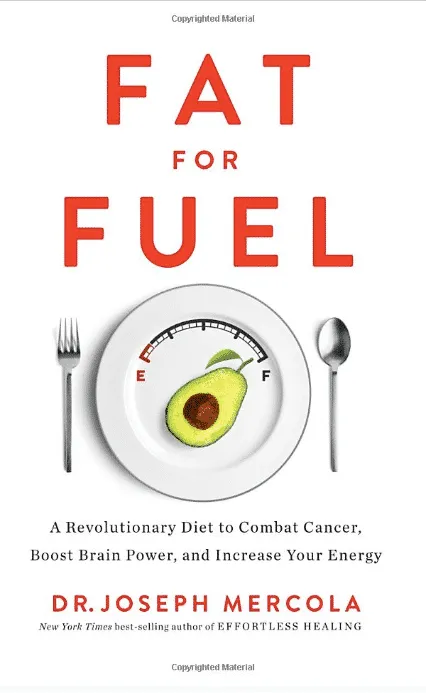
For over a century, we've accepted the scientific consensus that cancer results from genetic disease due to chromosomal damage in cell nuclei. But what if scientists are chasing a flawed paradigm? What if cancer isn't a disease of damaged DNA but rather of defective metabolism as a result of mitochondrial dysfunction? What if that startling truth could revolutionize our understanding of other diseases, too - and show us a radical new path to optimal health?
In this groundbreaking guide, the first of its kind, New York Times best-selling author and leading natural-health practitioner Joseph Mercola explains how nearly all disease is caused by defective metabolic processes. Then he reveals what's causing your metabolism to go haywire: damage and dysfunction in the mitochondria, thousands of which are at work in nearly every cell in your body, generating energy you need to stay alive and well. When mitochondria are damaged in large numbers, it is impossible to stay healthy.
Dr. Mercola shows that you can take control of your health simply by giving your body the proper fuel - and it's not what you've been led to believe. A ketogenic diet, very low in carbohydrates and high in healthy fats, is the way to optimize the biochemical pathways that suppress disease and support healing. And the benefits can be astonishing - not only in treating or preventing serious illness but in boosting your brainpower, increasing your energy, helping you lose weight and keep it off, and much more.
As you listen to this audiobook, you'll learn in clear, rational terms how your body works at a molecular level. You'll finally understand the type of fuel it's designed to burn in the most efficient way possible. You'll find detailed guidelines for starting a ketogenic eating plan. And you won't have to wait decades for metabolic mitochondrial therapy to make its way into the mainstream. You can build a healthier body and brain starting right now.
In 1994, a researcher named Stephen Cunnane published a paper in the journal Progress in Lipid Research proposing something that the mainstream medical establishment would spend the next thirty years unsuccessfully trying to ignore: that the human brain’s extraordinary size relative to body weight — and the cognitive leap that separates us from every other primate — was fueled not by carbohydrates, not by fruit, not by tubers, but by fat. Specifically, the marine-sourced long-chain omega-3 fats and the ketone-producing medium-chain saturated fats available along lakeshores and coastlines where our ancestors spent a critical period of evolutionary development.
The human brain is sixty percent fat by dry weight. It consumes twenty percent of your resting energy despite comprising only two percent of your body weight. It preferentially runs on a fuel called beta-hydroxybutyrate — a ketone body produced when carbohydrate availability is low and fatty acid metabolism increases. And yet for four decades, official dietary guidelines told Americans to minimize dietary fat, maximize carbohydrates, and treat any deviation from that template as dangerously fringe.
Joseph Mercola has been one of the most vocal and most controversial figures in the natural health space for more than twenty years. Whatever you think of his broader media presence, Fat for Fuel represents his most rigorously argued case — one grounded in the peer-reviewed literature on mitochondrial biology, metabolic health, and the emerging science of the ketogenic diet. It is a book that argues, with considerable scientific support, that the standard American diet is not merely suboptimal but actively pathogenic: that the combination of chronic high carbohydrate intake, industrial vegetable oils, and the resulting metabolic disruption is a primary driver of cancer, neurodegeneration, metabolic syndrome, and a cascade of modern diseases that barely existed a century ago.
Today we’re going deep on what Mercola teaches — the mitochondrial theory of disease, the metabolic case for dietary fat, the specific protocol he calls Mitochondrial Metabolic Therapy, and the natural health lens through which his approach to nutrition makes the most sense. This is not about following any single authority blindly. It’s about understanding the scientific and philosophical framework well enough to make genuinely informed decisions about what you put in your body — and why it matters far more than you may currently believe.
The Mitochondrial Theory: Why Your Energy Factories Are the Real Story
To understand Mercola’s argument, you need to understand mitochondria — and not in the cursory “powerhouse of the cell” way that high school biology covered them. Mitochondria are ancient bacterial organisms that were incorporated into eukaryotic cells roughly two billion years ago and have been our metabolic partners ever since. Your cells contain anywhere from a few hundred to several thousand mitochondria, depending on the metabolic demands of the tissue. Liver cells have around two thousand. Heart muscle cells have roughly five thousand. Neurons can have a million.
Mitochondria do far more than produce ATP. They regulate cell death (apoptosis), produce heat, generate cellular signaling molecules, manage calcium levels, and play critical roles in immune function and inflammation regulation. When they function well, your cells function well. When they don’t, the consequences cascade through every system in your body.
Mercola’s central argument is that the most important determinant of mitochondrial health is fuel quality — specifically, the ratio of carbohydrates to fat that your mitochondria are asked to burn. And his argument is that modern mitochondria, fed a constant high-carbohydrate diet in sedentary bodies, are operating in a state of chronic oxidative stress that directly generates the metabolic conditions underlying most modern chronic disease.
Here is the mechanism in accessible terms. When you burn glucose (carbohydrate) as your primary fuel, your mitochondria generate a significant amount of reactive oxygen species (ROS) — free radicals that, in small quantities, serve as cellular signaling molecules but in excess quantities damage mitochondrial DNA, cell membranes, and proteins. The more glucose you burn, the more ROS your mitochondria generate. A high-carbohydrate diet — particularly one featuring refined carbohydrates and sugar, which create blood glucose spikes that flood cells with fuel faster than mitochondria can cleanly process it — produces chronic, elevated ROS generation that constitutes a kind of ongoing cellular oxidative damage.
Fat metabolism, and particularly ketone metabolism, tells a different story. Ketones are produced in the liver from fatty acids when carbohydrate availability is low — during fasting, extended exercise, or a ketogenic diet. Ketones generate ATP with significantly lower ROS production than glucose. They also activate cellular pathways (including the SIRT3 pathway and Nrf2 transcription factor) that upregulate the body’s endogenous antioxidant defenses. Burning ketones doesn’t just produce less oxidative damage — it actually increases the cell’s capacity to handle whatever oxidative stress does occur.
This metabolic asymmetry, Mercola argues, has profound implications for chronic disease. Cancer cells, he notes, have severely impaired mitochondria and are overwhelmingly dependent on glucose fermentation (the Warburg effect) for energy production. They cannot effectively burn fat or ketones. A metabolic environment that reduces glucose availability and increases ketone availability is therefore theoretically hostile to cancer cell proliferation while remaining perfectly supportive of normal cell function. This is the basis of metabolic cancer therapies currently being investigated in clinical research at institutions including Johns Hopkins and MD Anderson.
“Mitochondrial health is the foundation of all health. Everything else — the diet, the exercise, the sleep — serves that foundation.” — Joseph Mercola, Fat for Fuel
Mercola is careful — or more careful than his critics sometimes acknowledge — to position this as a framework for understanding disease processes, not a guaranteed cure for cancer or any other condition. But the research he cites is real, the mechanisms are well-established, and the basic argument — that mitochondrial function is a central organizing principle of metabolic health — is not fringe. It is increasingly mainstream in functional and integrative medicine.
The Case Against Vegetable Oils — And What to Eat Instead
One of Mercola’s most important and most distinctive arguments concerns industrial seed oils — the canola, soybean, corn, sunflower, and safflower oils that have come to dominate the American food supply since the 1970s, when animal fats were demonized and vegetable oils were promoted as heart-healthy alternatives.
The argument against these oils, which Mercola makes with considerable scientific support, operates on multiple levels. The first is oxidative instability. Polyunsaturated fatty acids — the primary component of industrial seed oils — are structurally vulnerable to oxidation. They have multiple double bonds in their carbon chains that react readily with oxygen and heat. When you heat sunflower oil in a pan, or when you consume a product containing oxidized seed oils (as most ultra-processed foods do, since these oils are everywhere in the industrial food system), you’re consuming lipid peroxides and other oxidation products that directly damage cell membranes and mitochondrial structures.
The second level of the argument concerns linoleic acid — the primary omega-6 fat in most industrial seed oils. Linoleic acid is an essential fatty acid, meaning you need some of it, but the question is how much. In a traditional human diet, the omega-6 to omega-3 ratio was estimated to be somewhere between 1:1 and 4:1. In the modern American diet, it is estimated at 15:1 to 20:1, driven almost entirely by the massive increase in industrial seed oil consumption. This chronic omega-6 excess drives systemic inflammation — the sustained low-grade inflammatory state that underlies cardiovascular disease, metabolic syndrome, autoimmunity, and a range of other modern conditions.
Mercola’s recommended alternatives are the fats that dominated human diets throughout our evolutionary history: animal fats (lard, tallow, butter, ghee), coconut oil and MCT oil (medium-chain triglycerides that are rapidly converted to ketones), and olive oil used in low-heat applications. These fats are either saturated (and therefore highly stable against oxidation) or monounsaturated (relatively stable). They provide the cellular building blocks that the body actually needs — including the cholesterol that the brain requires for structural integrity and that the adrenal glands require for hormone synthesis.
The cholesterol story deserves particular attention because it sits at the center of one of the most contested and consequential debates in nutritional science. The conventional view — that dietary saturated fat raises LDL cholesterol, which causes cardiovascular disease — is facing increasing scientific challenge. The meta-analyses that this view rests upon have been revisited and found to be based on data that excluded contradictory studies. The distinction between large, buoyant LDL particles (which research increasingly suggests are not atherogenic) and small, dense LDL particles (which do appear to be problematic) was ignored in the standard model. And the role of chronically elevated blood glucose and insulin in producing the arterial damage that cholesterol then accumulates around — a causal story that the cholesterol hypothesis has always struggled to explain cleanly — is gaining traction in research and clinical contexts alike.
This does not mean dietary cholesterol and saturated fat are without any risk considerations. It means the conversation is significantly more complex than the guidelines produced by organizations that were, in some cases, substantially funded by the grain and vegetable oil industries suggested. Mercola’s position — eat real animal fats, avoid industrial seed oils, treat the standard cholesterol panel as a deeply incomplete picture of cardiovascular risk — aligns with a growing body of research and an increasing number of clinicians who have found that their patients’ metabolic health improves dramatically when they make this shift.
Mitochondrial Metabolic Therapy: The Protocol
The operational core of Fat for Fuel is what Mercola calls Mitochondrial Metabolic Therapy (MMT) — a structured dietary approach designed to shift the body from carbohydrate dependence to fat and ketone burning. Understanding the protocol in detail matters, because the difference between a therapeutic ketogenic diet and a sloppy “low-carb” approach can determine whether you achieve the metabolic benefits Mercola describes or simply follow a slightly modified version of the standard diet with some new labels attached.
The macronutrient framework of MMT calls for fat to comprise the majority of calories — typically seventy to eighty percent — with protein held at moderate levels (roughly one gram per kilogram of lean body mass) and net carbohydrates (total carbs minus fiber) kept below fifty grams per day, with many people needing to go lower to achieve reliable ketosis. These ratios are not arbitrary. They’re derived from the metabolic requirement for liver ketogenesis: your liver will produce significant ketones when blood glucose and insulin remain low enough, which requires carbohydrate restriction to the point where the body’s glucose-burning pathways downregulate and fat oxidation upregulates.
Protein moderation is a point Mercola emphasizes that many ketogenic diet advocates underemphasize. Excess protein activates mTOR (mechanistic target of rapamycin) — a cellular growth signaling pathway that, when chronically elevated, suppresses autophagy, inhibits the cellular cleanup processes that are critical for cancer prevention and healthy aging, and can actually be gluconeogenically converted to glucose in ways that prevent ketosis. A high-fat, moderate-protein, very-low-carbohydrate ratio is metabolically distinct from a high-fat, high-protein diet, and produces different outcomes.
Food quality within the macronutrient framework matters enormously. Mercola is explicit that a ketogenic diet built on processed meat, factory-farmed dairy, and industrial seed oils is not the same as one built on pasture-raised meat, wild-caught fish, organic vegetables, and grass-fed dairy. The micronutrient profiles differ. The fatty acid compositions differ. The presence or absence of agricultural chemicals differs. The natural health lens through which Mercola views nutrition consistently prioritizes food quality — meaning food produced in conditions that reflect how it evolved to be produced — over mere macronutrient ratios.
He also covers the critical importance of fiber from low-carbohydrate vegetables in supporting the gut microbiome — a point that separates nutritionally sophisticated ketogenic approaches from simplistic ones. Your gut bacteria do not disappear when you reduce carbohydrates; they shift composition based on the fermentable substrates available. Non-starchy vegetables provide the prebiotic fiber that feeds keystone bacterial species while maintaining the low net carbohydrate count necessary for ketosis. Stripping all plant foods in pursuit of lower carbs trades one problem for another.
The transition into nutritional ketosis typically takes two to four weeks, during which many people experience what has been called the “keto flu” — fatigue, brain fog, headaches, and general malaise as the body’s enzyme systems and transport proteins shift to accommodate the new fuel environment. Mercola addresses this directly: it’s primarily driven by electrolyte depletion (particularly sodium, potassium, and magnesium) as insulin levels fall and the kidneys excrete more minerals, compounded by the metabolic adjustment itself. The fix is straightforward — aggressive electrolyte replacement — and the symptoms resolve in most people within one to two weeks as metabolic adaptation progresses.
Fasting as a Metabolic Tool — And Why Your Eating Window Matters
Mercola’s treatment of fasting in Fat for Fuel goes significantly beyond the now-mainstream discussion of intermittent fasting to address the specific mechanisms by which periods of food restriction trigger cellular repair processes that are simply not accessible in the continuously-fed state that characterizes modern eating patterns.
The most important of these mechanisms is autophagy — the cellular “self-eating” process by which cells break down and recycle damaged proteins, dysfunctional organelles (including damaged mitochondria, cleared through a subprocess called mitophagy), and other cellular debris. Autophagy is activated by nutrient deprivation and suppressed by feeding — particularly by protein intake and glucose availability, both of which activate the mTOR pathway that inhibits it. A state of continuous feeding, with three meals plus snacks distributed throughout a twelve to sixteen hour daily eating window, means that autophagy is chronically suppressed. The cellular cleanup that should happen during fasted states is deferred indefinitely.
The implications of chronic autophagy suppression are significant. Damaged mitochondria that would normally be cleared through mitophagy accumulate and continue to produce excessive ROS. Damaged proteins that would normally be recycled accumulate and contribute to the protein aggregates associated with neurodegenerative diseases like Alzheimer’s and Parkinson’s. Cancer cells that would be cleared by immune surveillance and autophagic processes are given more time to establish themselves.
Mercola recommends a practical approach to fasting that doesn’t require extended water fasts — though he discusses those as well. For most people, the foundation is a compressed daily eating window of six to eight hours (sixteen to eighteen hours of daily fasting), which consistently activates autophagy during the fasted period and allows the body to access its fat stores as primary fuel. Combined with a ketogenic diet, which reduces the metabolic disruption of the fasting period by maintaining mitochondria in the fat-burning state even during feeding windows, this approach can produce profound metabolic improvements without the social disruption of more aggressive fasting protocols.
He also covers targeted longer fasts — three to five day water fasts — for specific purposes: cancer prevention, metabolic reset after a period of dietary deviation, and the more aggressive mitophagic clearing that shorter fasting periods may not reliably trigger. The research on multi-day fasting is increasingly robust, with work from Valter Longo at USC demonstrating that periodic prolonged fasting can essentially reboot the immune system, significantly reduce systemic inflammation, and produce measurable reductions in multiple metabolic risk factors.
The natural health perspective on fasting is particularly coherent: periods of food scarcity were a consistent feature of ancestral human environments. The metabolic machinery that responds to fasting — autophagy, ketogenesis, fat oxidation, immune modulation — is not a stress response to something abnormal. It’s a set of adaptive mechanisms that evolved to be regularly engaged, and that suffer from chronic underuse in modern humans who have access to unlimited calories at all hours. Fasting is not deprivation in any pathological sense. It’s restoration of a metabolic rhythm that human biology evolved to require.
The Cancer Connection — A Natural Health Perspective on Metabolic Disease
The most challenging and most important section of Fat for Fuel deals with cancer — and it’s here that Mercola’s argument is most substantive and most likely to create productive cognitive dissonance in readers who absorbed the standard model of cancer as primarily a genetic disease.
The genetic theory of cancer — that cancer results from accumulated mutations that cause cells to proliferate uncontrollably — has been the dominant paradigm in oncology for decades. It has produced extraordinary advances in targeted therapies and immunotherapy. It has also, Mercola argues, blinded the field to a metabolic dimension of cancer that may be at least as important as the genetic dimension.
The evidence for the metabolic dimension begins with Otto Warburg’s observations in the 1920s: cancer cells preferentially ferment glucose to lactic acid even in the presence of oxygen — the so-called Warburg effect or aerobic glycolysis. Normal cells switch to oxidative phosphorylation (the efficient, mitochondria-dependent pathway) when oxygen is available. Cancer cells don’t. They keep fermenting glucose. Warburg believed this was because cancer cells had fundamentally impaired mitochondria, and that the impairment was causal — that mitochondrial dysfunction was what drove malignant transformation.
This view fell out of fashion when the genetic revolution began in earnest and oncologists found actionable genetic mutations in cancer cells. But the mitochondrial hypothesis never went away. Researchers including Thomas Seyfried at Boston College have spent decades accumulating evidence that: cancer cell mitochondria are consistently dysfunctional; cancer cells cannot survive on ketones as a primary fuel because their mitochondria cannot process them efficiently; and metabolic therapies that reduce glucose availability (ketogenic diet plus caloric restriction) consistently suppress tumor growth in animal models and show promise in human clinical contexts.
Mercola’s treatment of this evidence is appropriately cautious. He does not claim that dietary fat eliminates cancer. He claims — and the claim is well-supported — that the metabolic environment created by a standard high-carbohydrate diet (chronically elevated blood glucose and insulin, chronic inflammatory signaling, suppressed autophagy) is systematically cancer-promoting in ways that a low-carbohydrate, fat-adapted metabolic state is not. Prevention and adjunctive therapy are different from cure, and Mercola is clear about that distinction even as he makes the strongest case he can for the metabolic approach.
The natural health lens adds a dimension that conventional oncology often misses: the importance of lifestyle factors beyond diet in creating or preventing the metabolic environment in which cancer thrives. Chronic sleep deprivation elevates blood glucose and insulin. Chronic psychological stress does the same through cortisol-mediated glucose mobilization. Environmental toxins, many of which are mitochondrial disruptors, are everywhere in the modern environment. A genuinely comprehensive approach to cancer prevention addresses all of these variables, not just the one that’s currently attracting research funding.
Light, Circadian Biology, and the Metabolic Clock
One of the more unusual and more interesting sections of Fat for Fuel concerns light — specifically, the role of natural light exposure and artificial light disruption in metabolic health. This is territory that most ketogenic diet books don’t enter, but it reflects Mercola’s broader concern with the full spectrum of environmental factors that influence mitochondrial function.
The circadian rhythm — the roughly twenty-four-hour biological clock that regulates virtually every physiological process in the human body — is calibrated primarily by light exposure, specifically by the ratio of different light wavelengths at different times of day. Morning sunlight, rich in red and near-infrared wavelengths, sets the circadian clock and primes mitochondria for efficient energy production through mechanisms being actively researched in the emerging field of photobiomodulation. Evening blue light — from phones, computer screens, LED lighting — suppresses melatonin, disrupts the circadian signal, and has been shown to impair mitochondrial function and insulin sensitivity in ways that persist the following day.
Mercola’s practical recommendations here are straightforward: maximize natural light exposure in the first hours of the day, minimize artificial blue light exposure in the two to three hours before sleep, and consider the evening light environment as an extension of the dietary intervention — a metabolic input that either supports or undermines the mitochondrial health you’re trying to build through food choices.
This integration of light, sleep, and dietary approaches into a unified metabolic framework is one of the things that distinguishes Fat for Fuel from simpler ketogenic diet books. The claim is not that cutting carbs is sufficient for metabolic health. It’s that mitochondrial health requires a comprehensive approach that addresses every significant input those mitochondria receive — and that modern environments disrupt mitochondrial function through multiple channels simultaneously, requiring a correspondingly broad intervention.
What This Means for You
The picture that emerges from Fat for Fuel is both sobering and empowering. Sobering, because the dietary template that most people in the modern world grew up following — low fat, high carbohydrate, frequent meals, industrial seed oils, constant availability of refined sugars — is genuinely damaging, and the damage it does is cumulative, largely invisible until it becomes symptomatic, and extremely common. Empowering, because the mitochondrial biology that underlies these problems is highly responsive to dietary and lifestyle interventions, and those interventions are available to anyone willing to make them.
The practical starting point Mercola recommends is not dramatic. Begin by identifying and eliminating industrial seed oils — this alone removes one of the most significant sources of dietary damage, and it requires reading ingredient labels on processed foods rather than eliminating all processed foods overnight. Compress your eating window, beginning with a twelve-hour fast and gradually extending toward sixteen hours as metabolic adaptation occurs. Shift the carbohydrate composition of your diet toward non-starchy vegetables and away from refined grains and sugar. Increase quality fat intake from animal sources and coconut oil. Get morning sunlight. Prioritize sleep.
These changes, made incrementally over weeks rather than all at once, produce measurable metabolic improvements that most people can feel before they measure them: more stable energy throughout the day (no post-meal crashes), clearer mental focus (particularly in the late morning, when fat-adapted people are producing ketones that their brains preferentially burn), better sleep quality, reduced inflammation markers, and a body composition that starts moving in the right direction without requiring caloric obsession.
The deeper point of Fat for Fuel is that metabolic health is not a cosmetic concern or a niche interest for biohackers. It is the foundation of cognitive function, emotional regulation, immune competence, cancer prevention, cardiovascular health, and longevity. The question of what you eat and when is not separate from the question of who you are and how you function. Your mitochondria are the machines that convert food into everything you are capable of. Treating them well is not optional for anyone who wants to operate at the level life actually demands.
That’s the case Mercola makes. Read it. Test the principles against your own biochemistry. Take what serves you and investigate the rest. The natural health framework insists on individual variation and personal experimentation rather than blind protocol adherence — and that insistence is itself one of the most scientifically sound positions in the book.
Insulin Resistance — The Hidden Driver Nobody Is Measuring Correctly
One of Mercola’s most important contributions in Fat for Fuel is his treatment of insulin resistance — a condition that is dramatically more prevalent than official statistics acknowledge, that creates the metabolic foundation for an enormous range of chronic conditions, and that is almost entirely driven by dietary choices that the standard American diet actively encourages.
Insulin is a hormone produced by the pancreatic beta cells in response to rising blood glucose. Its primary function is to facilitate glucose uptake by cells — signaling the liver, muscle, and fat tissue to absorb glucose from the bloodstream. When insulin signaling works correctly, cells respond robustly to modest insulin signals and blood glucose is cleared efficiently after meals. When cells become insulin resistant — when they require higher and higher insulin concentrations to produce the same glucose-clearing effect — the pancreas compensates by producing more insulin. Chronically elevated insulin is itself a problem: it drives fat storage, promotes inflammation, stimulates cellular proliferation (including potentially cancer cell growth), and eventually damages the beta cells that produce it.
The standard clinical marker for insulin resistance is fasting blood glucose, which is flagged as abnormal when it exceeds 100 mg/dL. The problem, Mercola notes, is that fasting blood glucose is one of the last markers to become abnormal as insulin resistance develops. Fasting insulin — which rises for years before fasting glucose does — is a far more sensitive indicator of developing insulin resistance and is almost never measured in routine clinical care. Many people with completely normal fasting glucose have significantly elevated fasting insulin, indicating that substantial insulin resistance has already developed, and they have no idea because the standard panel doesn’t measure it.
The dietary driver of insulin resistance is straightforward: chronic high carbohydrate intake, particularly refined carbohydrates and sugar that produce rapid and repeated blood glucose spikes, forces the pancreas to produce large insulin pulses regularly. Over time, cells downregulate their insulin receptor sensitivity as a form of self-protection against the constant signal — the same neurological mechanism that produces tolerance to drugs. The result is a self-amplifying cycle: more insulin required to clear glucose, which drives more insulin production, which accelerates cellular insulin resistance, which requires yet more insulin. The ketogenic diet interrupts this cycle at its source: by dramatically reducing carbohydrate intake, it eliminates the chronic insulin elevation, allows insulin sensitivity to recover, and shifts the metabolic system back toward fat oxidation as the primary fuel pathway.
The research on low-carbohydrate diets for reversing type 2 diabetes — which is fundamentally a disease of severe insulin resistance — has become compelling enough that major clinical institutions including Virta Health have built clinical programs around it, with published results showing that a majority of patients on well-formulated ketogenic diets can reduce or eliminate diabetes medications within one to two years. This is not a fringe outcome. It is documented in peer-reviewed literature, and it represents a meaningful challenge to the standard dietary advice given to diabetic patients, which has historically included “healthy whole grains” at every meal.
Protein Quality, Amino Acid Profiles, and the Muscle-Building Question
A common objection to ketogenic and high-fat diets concerns protein — specifically, whether the moderate protein intake Mercola recommends is sufficient for maintaining or building muscle mass, particularly in active individuals and athletes. This objection reflects a legitimate concern that Mercola addresses in some detail, and the answer illuminates some important nuances about protein quality that most nutritional conversations skip past.
The standard position in sports nutrition is that protein requirements for active individuals are substantially higher than the Recommended Daily Allowance (which was set to prevent deficiency, not optimize performance) and that more is generally better for muscle building within a broad range. Mercola’s position is more qualified: protein requirements do increase with activity level, but the relationship between protein quantity and muscle synthesis is nonlinear, and the quality of protein — its amino acid profile, digestibility, and source — matters as much as the quantity.
Complete proteins from animal sources — meat, fish, poultry, eggs, and dairy — provide the full spectrum of essential amino acids in proportions that closely match human tissue requirements. Leucine, the primary driver of mTOR-mediated muscle protein synthesis, is abundant in these sources. The practical implication is that moderate quantities of high-quality complete animal protein are more anabolically effective than larger quantities of lower-quality incomplete plant proteins, and that the threshold for adequate muscle protein synthesis is lower for individuals eating high-quality animal protein than for those relying on plant sources.
The mTOR consideration, which Mercola discusses in depth, adds complexity. mTOR activation by leucine and other amino acids is necessary for muscle protein synthesis. But chronic mTOR activation — the state produced by very high protein intake spread across many daily meals — also suppresses autophagy and may accelerate aging-related cellular deterioration. The protein timing pattern Mercola advocates — moderate protein concentrated within the eating window, with extended fasted periods during which mTOR is suppressed and autophagy is active — represents an attempt to capture the anabolic stimulus of protein feeding while preserving the cellular cleanup benefits of fasting. Whether this is optimal for everyone depends on training intensity, individual metabolic rate, age, and goals. But the principle — that protein timing and cycling may matter as much as total quantity — is increasingly supported by research on caloric restriction, longevity pathways, and the biology of aging.
Practical Meal Construction and the Foods That Matter Most
Translating the metabolic principles of Fat for Fuel into actual daily food choices requires understanding not just which macronutrients to emphasize but which specific foods deliver the best combination of macronutrient profile, micronutrient density, and absence of the inflammatory compounds that undermine the gains from dietary fat emphasis.
Mercola’s highest-priority foods are those that were staples of pre-agricultural human diets: fatty fish (particularly wild-caught salmon, sardines, mackerel, and herring, which provide the EPA and DHA long-chain omega-3s that are critical for brain function, cardiovascular health, and inflammation resolution); pasture-raised and grass-fed red meat (which differs substantially from feedlot meat in fatty acid profile, with much higher conjugated linoleic acid and omega-3 content); organ meats (particularly liver, which is one of the most nutrient-dense foods available and was consumed preferentially by traditional cultures); and eggs from pasture-raised hens (which provide choline, essential for neurological function and liver health, in quantities that are difficult to obtain from plant sources).
The vegetable landscape he recommends is built around non-starchy, fiber-rich options that provide prebiotic fiber, polyphenols, and micronutrients without significant carbohydrate load: cruciferous vegetables (broccoli, cauliflower, Brussels sprouts, kale), leafy greens, asparagus, avocado (which also provides substantial healthy fat), and fermented vegetables like sauerkraut and kimchi, which support gut microbiome diversity without the sugar content of most fermented foods.
The foods he most emphatically excludes go beyond just carbohydrates. Industrial seed oils — in every form, in every product that contains them — are the first and most important exclusion. Sugar in all its forms comes second. But he also addresses the subtler category of foods that are conventionally considered healthy but that are problematic in the context of his full metabolic framework: conventional (not organic) produce, which carries pesticide residues that are mitochondrial disruptors; farmed fish, which lack the omega-3 profile of wild-caught and may contain contaminants; and conventionally raised dairy, which has a less favorable fatty acid profile than grass-fed dairy and may contain hormones and antibiotics that affect gut microbiome composition.
The food quality emphasis throughout the book reflects the natural health philosophy that underlies Mercola’s broader perspective: food produced in conditions that reflect its evolutionary context — animals raised on their natural diet in appropriate living conditions, plants grown in living soil without synthetic inputs — is genuinely nutritionally different from food produced in industrial conditions that optimize for yield and shelf life without regard for the nutritional properties that make food health-promoting rather than merely calorie-delivering. This is not sentimental romanticism about traditional farming. It’s an evidence-based position on the relationship between agricultural methods and food composition, and the research supporting meaningful nutritional differences between conventionally and naturally produced foods is more substantial than most people realize.

