
Chen Wei, forty-seven, ran a construction crew. A minor crush injury at work opened a deep tissue wound on his right lower leg — nothing exotic, nothing that should have gone sideways. The urgent care clinic did everything right: clean wound, proper debridement, appropriate management. Four to six weeks, textbook healing time. Eight weeks in, it had stalled. Edges weren’t advancing. The base was pale, granulating poorly. His wound care nurse used the phrase “measured concern,” which in clinical language mostly means somebody is worried and doesn’t want to say so directly.
Nobody had reviewed his diet. Nobody had measured his albumin or prealbumin. Nobody had so much as checked his zinc or vitamin C levels. The dressings got attention. The offloading got attention. Every square centimeter of the wound got measured, tracked, charted. Meanwhile the actual bottleneck — the raw material his body needed to close a wound it was being asked to close — sat completely unexamined.
Wound healing nutrition happens to be one of the most evidence-dense corners of medicine and, somehow, one of the most ignored in daily practice. Negative pressure wound therapy. Bioengineered dressings. Growth factor therapies. Hyperbaric oxygen. Wound care has assembled an arsenal of genuinely sophisticated technology, deploys it routinely, and pays almost no attention to whether the patient underneath all that technology has the nutritional status required to make any of it work. Which is a strange thing to watch, honestly — this much engineering paired with this little curiosity about metabolism. A wound is a construction project. The dressings and devices are the management of the construction site.
Nutrition is the delivery of the building materials. Best project management in the world doesn’t matter if the lumber truck never shows.
What follows here is systematic: the macronutrients and micronutrients driving each phase of the healing cascade, the evidence behind specific supplemental interventions, what malnutrition and specific deficiencies actually do to healing outcomes, and the practical assessment tools clinicians and patients can use to fix nutritional status before it becomes the reason a wound won’t close.
Surgical incision, diabetic foot ulcer, pressure injury, traumatic wound, burn — doesn’t matter which. The nutritional principles underneath are the same, and the evidence for getting them right is compelling enough that ignoring it is, at this point, a choice.
The Wound Healing Cascade: What Nutrition Has to Supply
Four phases, sequential but overlapping: hemostasis, inflammation, proliferation, remodeling. Each one has its own nutritional shopping list, and running short on any item at any phase doesn’t just stall that phase — it drags down everything downstream of it. Understand what each phase actually requires and two things become obvious at once: why specific deficiencies cause specific failures, and when a given intervention needs to happen to matter.
Hemostasis happens fast — minutes. Platelet aggregation, the coagulation cascade, the wound sealed almost before anyone’s finished examining it. Platelet function drives this phase (needs an adequate omega-3:omega-6 balance, vitamin K for coagulation factor synthesis, calcium), along with vascular response. Nutritional deficiency rarely bottlenecks acute hemostasis. The exceptions: patients on warfarin, which directly antagonizes vitamin K, or patients with severe protein-energy malnutrition already underway.
Days one through four: the inflammatory phase. Neutrophils show up first, then macrophages, clearing debris, killing bacteria, secreting the growth factors that kick off the next phase. This entire phase runs on protein. Neutrophil and macrophage synthesis, antibody production, complement activity, cytokine signaling — all of it needs amino acids, and needs them now.
Arginine earns particular attention here. It’s the substrate immune cells use to produce nitric oxide, which does two jobs at once — kills microbes and dilates vessels, which keeps blood actually reaching the wound. Glutamine, meanwhile, is fuel. Primary fuel for rapidly dividing immune cells, and conditionally essential the moment the body enters real physiological stress.
Days four through twenty-one — the proliferative phase, and the most nutritionally expensive stretch of the entire cascade. Fibroblasts migrate into the wound bed and start synthesizing collagen, building the granulation tissue matrix. Endothelial cells proliferate, growing new blood vessels. Epithelial cells migrate across the surface, working to close it. Three jobs, running in parallel, all of them expensive.
Collagen synthesis needs vitamin C — the cofactor for prolyl and lysyl hydroxylase, the enzymes that crosslink collagen chains. Needs zinc, cofactor for the metalloenzymes running collagen maturation and cell division. Needs protein, obviously, since proline, glycine, and hydroxyproline are the primary amino acids collagen is built from. Angiogenesis has its own list: iron, so the new vessels have hemoglobin to actually perfuse them; copper, for ceruloplasmin and lysyl oxidase; vitamin A, which regulates the VEGF pathways that drive vessel growth in the first place.
Weeks three through roughly month two: remodeling. Type III collagen — the fast scaffolding version laid down during granulation — gets progressively swapped out for the stronger type I, and the fibers reorganize along actual stress lines. This phase needs protein sustained over the long haul, plus continuing zinc and copper for the metalloenzymes governing collagen turnover. Skimp here and the scar comes out weak. Brittle. The kind that reopens under load.
Protein: The Single Most Critical Macronutrient for Wound Healing
Of everything on this list, protein deficiency does the most damage, and the evidence backing that claim is the most consistent in the entire field. It’s not subtle. Protein depletion hits every phase of the cascade — neutrophil and macrophage function drops, fibroblast proliferation stalls, collagen synthesis falls off, epithelialization slows, wound tensile strength comes in weaker.
Casey et al., writing in the Journal of Wound, Ostomy and Continence Nursing, tracked 120 patients with chronic wounds and found that serum albumin below 3.5 g/dL — a protein status marker — predicted healing complications and non-healing better than anything else measured. Better than wound type. Better than wound size. Better than the patient’s underlying comorbidities.
The RDA for a healthy adult is 0.8 g/kg body weight daily, and wound healing blows straight past it. Most evidence-based guidelines put the wounded-patient target at 1.2-2.0 g/kg/day depending on severity. Moderate wound — a stage 3 pressure injury, say, or a surgical wound healing by secondary intention — target at minimum 1.25-1.5 g/kg/day.
Severe burns — more than 40% body surface area — or multiple traumatic wounds push that number to 2.0-2.5 g/kg/day or higher. Massive tissue destruction plus massive immune activation equals a catabolic demand that is, quite simply, extraordinary.
Standard hospital meals do not meet these targets. Not close. One study of hospitalized pressure injury patients found 72% consuming less than their calculated protein requirement, and 48% under 75% of it — nearly half the patients getting less than three-quarters of what their bodies needed to do the one job everyone in the building was supposedly there to help them do. The gap widens further in elderly patients, where anorexia, dysphagia, dentition problems, and plain reduced appetite stack on top of already-elevated requirements.
High-protein oral nutritional supplements, nasogastric tube feeding, parenteral nutrition when enteral isn’t feasible — none of this is optional add-on care in a wound healing context. Treat it as treatment. Because that’s what it is.
Source matters less than quantity and amino acid completeness. Complete protein sources — animal proteins, soy, well-planned plant combinations — deliver all the essential amino acids, including the branched-chain trio (leucine, isoleucine, valine) that stimulates muscle protein synthesis, plus the conditionally essential aminos (arginine, glutamine) that become non-negotiable under catabolic stress. Whey protein isolate is the practical supplemental pick: high leucine content, digests fast, scores well on biological value.
Arginine: The Conditionally Essential Amino Acid of Wound Healing
Arginine holds a strange dual role in wound healing nutrition — structural protein precursor and metabolic precursor to some genuinely critical bioactive molecules, both at once. Under normal physiology it’s non-essential; the body makes enough on its own. Under wound healing, surgery, burn, any real physiological stress — demand outstrips synthesis capacity, and arginine flips over to conditionally essential.
Macrophages and endothelial cells use arginine as the substrate for nitric oxide synthase, producing nitric oxide that does three things at once: kills wound pathogens directly, drives angiogenesis through VEGF pathway activation, and handles the vasodilation that keeps blood actually reaching the healing bed. Fibroblasts also convert arginine to proline — a major collagen amino acid — via the ornithine-proline pathway, feeding the structural substrate collagen deposition needs.
Multiple RCTs back this up — arginine supplementation accelerates healing, improves outcomes. The landmark one is Barbul et al., in the Journal of Parenteral and Enteral Nutrition: postoperative patients given 24.8 g/day of supplemental arginine for two weeks showed significantly higher wound hydroxyproline content (the marker for collagen deposition) and stronger wound breaking strength at suture removal, versus placebo.
Stechmiller et al.’s systematic review found the same pattern holding across studies: arginine-enriched oral supplements — usually delivered as formulas like Juven or Arginaid — consistently beat standard nutrition on healing outcomes in pressure injury patients.
Dosing: the studies showing benefit typically used 15-30 g/day of supplemental arginine, usually stacked alongside other wound-relevant nutrients. That’s well past what a standard diet delivers — typical dietary intake sits around 4-5 g/day, nowhere near therapeutic range. Commercial formulas (Juven, ProSure, Resource Arginaid) provide arginine at therapeutic doses bundled with the other relevant nutrients, which makes them the practical delivery format for most patients.
Isolated arginine — capsule or powder — is available too. Fine option, but it comes with a catch: the cofactors it depends on, vitamin C, zinc, copper, need to be adequate as well, because the collagen synthesis pathway doesn’t run on any single nutrient in isolation. It’s a chain. Weak link anywhere breaks the output.
Vitamin C: The Collagen Synthesis Gatekeeper
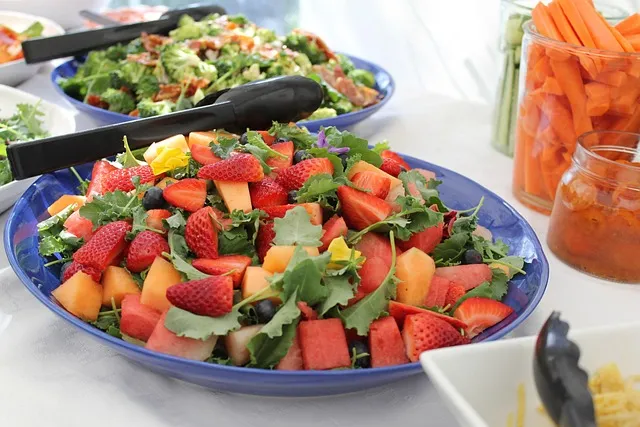
The clinical consequence of severe vitamin C deficiency — scurvy — is essentially pathognomonic for wound healing failure: poor wound healing, perifollicular hemorrhages, gingival bleeding, and reopening of previously healed wounds are classic signs.
It doesn’t take clinical scurvy to impair healing, though. Subclinical deficiency (serum ascorbate below 11 μmol/L) is associated with impaired wound healing, increased wound infection rates, and reduced collagen production across multiple clinical studies. A 2019 cross-sectional study found vitamin C deficiency present in 21% of hospitalized patients with non-healing wounds — far higher than the general population prevalence of subclinical deficiency, roughly 7-10%.
Hospitalization itself depletes vitamin C: stress hormones, inflammation, and tissue repair all consume ascorbate rapidly, and hospital food typically provides suboptimal vitamin C intake to begin with.
Vitamin C also functions as a potent antioxidant at the wound site, protecting newly synthesized collagen and proliferating cells from oxidative damage produced by activated neutrophils and macrophages. It reduces oxidative inactivation of the collagen-degrading metalloproteinases (which need tight regulation — too much MMP activity destroys the extracellular matrix, too little prevents remodeling), and it supports fibroblast proliferative capacity by protecting cells from oxidative-stress-induced apoptosis.
Dosing for wound healing: the standard RDA (75-90 mg/day for adults) is fine for maintenance, likely insufficient during active healing with real tissue demand behind it. Most wound care guidelines recommend 500-1000 mg/day during active healing in patients at nutritional risk. Higher doses — 1-2 g/day — may be appropriate for severe or chronic wounds, burns, or documented deficiency.
Vitamin C is water-soluble and rapidly excreted — doses above 1 g/day are largely wasted, urinary excretion climbs sharply above 500 mg/dose — so divided dosing, 500 mg twice daily, holds tissue saturation better than one large dose ever could.
Zinc: Metalloenzyme Master of Wound Repair

The clinical evidence for zinc’s importance spans five decades at this point. A landmark 1967 RCT by Pories et al., in the Lancet, found zinc sulfate supplementation significantly accelerated healing of leg ulcers compared to placebo — one of the earliest RCTs in the entire field of wound healing nutrition.
Meta-analyses of zinc supplementation in leg ulcers and pressure injuries consistently find benefit in patients with zinc deficiency, with more modest effects showing up in patients who were already zinc-sufficient — which fits the general pattern: correcting a real deficiency produces the largest gains, always.
Zinc deficiency is common in wound care populations: roughly 30-40% of elderly patients in wound care settings show biochemical zinc deficiency, and patients with gastrointestinal disease (Crohn’s, celiac, post-bariatric surgery), chronic kidney disease, and those on long-term diuretics carry particularly high risk.
Standard serum zinc testing is imprecise — it’s a poor proxy for total body zinc status, since serum levels get homeostatically maintained at the expense of tissue stores — but values below 70 μg/dL are clinically significant and warrant supplementation regardless of the test’s limitations.
Supplementation protocol: zinc sulfate 220 mg three times daily (roughly 150 mg elemental zinc) was the dose used in early wound healing trials and showed benefit. More recent practice tends toward zinc 40-80 mg elemental daily, less likely to cause the nausea and copper depletion associated with high-dose zinc — copper and zinc compete for intestinal absorption, and chronic high-dose zinc can produce copper deficiency on its own.
When supplementing zinc for wound healing, concurrent copper at 2-4 mg/day is appropriate if zinc doses exceed 40 mg elemental daily for more than four to eight weeks.
Vitamin A: The Forgotten Wound Healer
Vitamin A earns its keep here in more than one way. It regulates keratinocyte differentiation and proliferation through RAR nuclear receptors — that’s one mechanism. It also stimulates fibronectin production, the extracellular matrix glycoprotein that scaffolds the whole healing process. And underneath both of those, it supports the macrophage and T-cell function that drives the inflammatory phase in the first place. Take it away and the damage is broad: impaired epithelialization, reduced collagen synthesis, higher infection susceptibility, a weaker immune response right at the wound site.
Two patient populations make this clinically urgent rather than academic: anyone on long-term systemic corticosteroids, and anyone who’s had bariatric surgery or has a fat malabsorption syndrome. Corticosteroids impair wound healing directly — suppress the inflammatory phase, reduce collagen synthesis — and vitamin A supplementation substantially reverses those effects.
Hunt et al.’s classic study showed topical vitamin A applied to steroid-treated wounds normalized both macrophage function and collagen synthesis — evidence of a fairly direct antagonism between glucocorticoid and retinoid signaling in healing tissue. Oral vitamin A at 10,000-25,000 IU/day for corticosteroid-treated wound patients shows up across multiple case series. Worth flagging: that dose range needs toxicity monitoring if used for any length of time.
Fat malabsorption syndromes — bariatric surgery, Crohn’s disease, primary biliary cholangitis, exocrine pancreatic insufficiency — impair absorption of every fat-soluble vitamin, vitamin A included. A non-healing wound in a post-bariatric surgery patient should trigger comprehensive micronutrient assessment, vitamin A levels among them. Fat-soluble vitamin deficiencies after Roux-en-Y gastric bypass happen far more often than commonly recognized, and here’s the part that gets missed: post-bariatric wound healing problems are partly nutritional. Not purely vascular. Not purely infectious. Partly — often substantially — a matter of what the gut can no longer absorb.
Omega-3 Fatty Acids and the Inflammatory Phase

What omega-3s actually do is modulate inflammation, not suppress it — shifting the balance away from pro-inflammatory prostaglandin E2 (sourced from arachidonic acid, an omega-6) and toward less inflammatory eicosanoids, and toward the specialized pro-resolving mediators — resolvins, protectins, maresins — that actively push inflammation toward resolution without shutting it down before its job is finished.
Chronic non-healing wounds are usually stuck in exactly this state — an inflammatory phase that never resolved, with MMP activity running so high it degrades the extracellular matrix about as fast as the body lays it back down. That’s where omega-3’s pro-resolving properties become genuinely therapeutic rather than theoretical.
McDaniel et al., 2012, Wound Repair and Regeneration: 3 g/day EPA+DHA significantly reduced inflammatory markers in chronic wound exudate and improved time to closure in venous leg ulcer patients, against placebo.
Timing matters here, so don’t skip this part. Acute wound, first two to three days — the inflammatory phase is doing exactly what it should, and piling on anti-inflammatory intervention too early could theoretically get in its way. Chronic wound, stuck in inflammation for weeks — that’s when pro-resolving support is actually indicated.
Practically: maintain at least 1-2 g/day EPA+DHA, dietary or supplemental, across all wound care patients. Push to 3-4 g/day for patients with chronic inflammatory wounds. Adjust down for anticoagulant use — omega-3 above 3 g/day carries mild antiplatelet activity, worth knowing before stacking it on top of a blood thinner.
Glutamine: The Immune Fuel and Gut Barrier Protector
Glutamine is the most abundant amino acid in the human body, and it fuels rapidly dividing cells — lymphocytes, macrophages, neutrophils driving the inflammatory phase, and the intestinal enterocytes maintaining the gut barrier besides. Under significant physiological stress — surgery, severe burns, major trauma — the body burns through glutamine faster than it can synthesize it. Plasma and intracellular stores drop. Immune function and gut barrier integrity both take the hit.
Wischmeyer et al.’s meta-analysis of glutamine supplementation in surgical and critically ill patients found significantly reduced wound infection rates, shorter hospital stays, better overall outcomes versus controls. Burns, major abdominal surgery, critical illness — that’s where the benefit showed up strongest.
ESPEN and ASPEN — the major European and North American clinical nutrition bodies — recommend glutamine supplementation for severely injured and burn patients specifically. Routine supplementation across every wound care patient is a weaker case, evidence-wise, and the guidelines reflect that.
The gut barrier connection matters more than it sounds like it should. Major wounds create conditions — reduced enteral intake, antibiotic use, physiological stress — that favor gut dysbiosis and barrier disruption. Bacteria translocate across a disrupted barrier and add to a systemic inflammatory burden that, in turn, impairs the wound healing it has nothing directly to do with. Glutamine supports enterocyte integrity and gut barrier function, which can reduce that burden — a fix in one system paying off in another.
At 20-30 g/day for hospitalized wound patients under significant physiological stress, glutamine supplementation has both the mechanism and the outcome data behind it — at least in the higher-acuity contexts where it’s actually been studied.
Nutritional Assessment Tools for Wound Care Settings

The Mini Nutritional Assessment — MNA — is validated specifically for older adults: twelve questions covering food intake, weight loss, mobility, neuropsychological status, anthropometric measures. Its sensitivity for catching at-risk patients in long-term care settings, where pressure injury patients tend to live, is well established. The Malnutrition Universal Screening Tool — MUST — is a five-step tool that works across care settings, using BMI, unintentional weight loss, and acute illness assessment to classify risk.
For lab work, prealbumin — transthyretin, half-life of two to three days — responds to nutritional status changes far faster than albumin, which has a half-life of fourteen to twenty-one days and lags accordingly. Prealbumin drops with acute protein-energy malnutrition and recovers faster once nutrition improves. Below 15 mg/dL, in the absence of acute inflammation (which can also lower it independent of nutrition), that’s significant protein malnutrition.
Pair it with CRP and the picture sharpens. Low prealbumin plus low CRP — genuine nutritional depletion, probably. Low prealbumin plus high CRP — could just be inflammation suppressing the number, not nutrition.
Grey and Harding’s Wound Healing Index builds nutritional status assessment in as one of its core components — which reflects a genuine clinical consensus that nutrition can’t be separated from comprehensive wound assessment, whatever the daily practice in most clinics actually looks like. Every patient with a non-healing or complex wound deserves real nutritional assessment. Not a one-line dietary history question tacked onto intake paperwork. A validated tool, applied by someone who actually knows nutrition, followed by quantitative intake analysis and targeted supplementation wherever deficiency or inadequate intake turns up.
Diabetes and Wound Healing Nutrition: Special Considerations

For DFU patients the nutritional framework doesn’t really change from other wound care contexts — glycemic control just gets bolted on as an additional objective. Higher protein, 1.5-2.0 g/kg/day, fits the elevated catabolic state. But source matters more here than elsewhere: whey specifically stimulates insulin secretion, which can help postprandial glucose management in type 2 diabetics, while very high protein intake in patients with diabetic nephropathy needs renal function monitored alongside it.
Omega-3s at therapeutic dose — 2-4 g/day — are particularly beneficial for DFU, where that stuck chronic inflammatory phase runs even more entrenched than in non-diabetic wounds. Zinc has specific data behind it in DFU too: a 2013 study found zinc supplementation significantly improved healing rates in DFU patients with documented zinc deficiency.
Vitamin D matters specifically in diabetic wound care because low vitamin D independently impairs insulin sensitivity, immune function, and antimicrobial peptide (defensin) production right in the wound environment. A 2018 RCT found vitamin D supplementation improved DFU healing outcomes — specifically in the patients who were vitamin D-deficient to begin with.
Given that 60-70% of type 2 diabetics at northern latitudes show 25-OH-D below 30 ng/mL, vitamin D deficiency in this population isn’t the exception. It’s closer to the default. Routine supplementation to fix it is an important, and consistently overlooked, piece of DFU nutritional management.
Wound Healing Cascade: Your Questions Answered
How much protein do I actually need after surgery to heal properly?
Most adult surgical patients need 1.2-2.0 g/kg/day during the healing period, well above the standard 0.8 g/kg/day recommendation. For a 70 kg adult with a moderate surgical wound, that’s 84-140 grams of protein daily. Typical hospital diet: 60-70 grams. Do the subtraction — most surgical patients are running a deficit the entire time they’re supposedly recovering.
Actively supplementing — eggs, Greek yogurt, lean meats, legumes, or straight protein supplements like whey powder or commercial high-protein drinks — is appropriate for that four-to-six-week early healing window. This is one of the single most modifiable factors in the entire healing outcome, and here’s the part that should be more widely known than it is: most patients have no idea their protein intake counts as a medical variable at all.
Is there anything I should avoid eating while a wound heals?
Excess alcohol tops the list, and it’s the one with the strongest evidence behind it — impairs immune function, depletes zinc and B vitamins, raises infection risk, delays healing. Ultra-processed food is a secondary concern: it displaces nutrient-dense food without offering anything useful in return, and its omega-6-heavy fat profile relative to omega-3 feeds the pro-inflammatory prostaglandin pathways that can keep wound inflammation chronically switched on. High-glycemic food matters specifically for diabetic patients, where glycemic control has a direct line to healing outcomes.
Beyond that, the focus belongs on adequacy — getting enough of what actually heals the wound — rather than restriction for its own sake. In wound care patients, deficit is the far more common and far more clinically significant problem. Excess barely registers by comparison.
Should I take a multivitamin while healing from a wound?
A decent multivitamin is a reasonable baseline — it corrects multiple potential micronutrient shortfalls efficiently, without needing individual testing for each one. But it’s built for maintenance dosing, not wound healing optimization. Different job.
It won’t get near therapeutic zinc — 25-40 mg versus the 8-15 mg most multivitamins offer. Won’t get near therapeutic vitamin C either, 500-1000 mg versus the 60-100 mg typically included. And it certainly won’t provide the arginine, glutamine, or omega-3 doses that actually have wound healing evidence behind them. Treat a multivitamin as a floor against deficiency, not a healing protocol. Build targeted supplementation on top of it for the nutrients that carry the strong evidence.
How does hydration affect wound healing?
Adequate hydration matters because tissue oxygenation depends on it — the cardiovascular system needs sufficient circulating blood volume to actually perfuse the wound bed. Dehydrated patient, reduced circulating volume, reduced cardiac output, reduced tissue perfusion. The healing tissue gets less oxygen, fewer nutrients, and a slower cleanup of the inflammatory waste products it’s trying to clear.
Clinically, dehydration also cuts wound exudate production and leaves a drier wound environment that impairs cell migration — epithelial cell migration across the wound surface especially, right when epithelialization needs it most. Targeted hydration — enough fluid to keep urine pale yellow, roughly 30-35 mL/kg/day in adults without a fluid restriction contraindication — isn’t optional. It’s a non-negotiable piece of the whole protocol.
Can nutritional supplements alone heal a chronic wound?
No. Nutritional support is necessary. It is not sufficient on its own. Chronic wounds that refuse to heal usually have several contributing factors stacked together: inadequate wound care — wrong dressings, unaddressed biofilm — impaired perfusion from arterial or venous insufficiency, infection, mechanical offloading failure, and nutritional deficiency. Fix the nutrition and ignore the rest, and the best outcome available is partial.
The right frame: adequate nutrition is a prerequisite for healing. No amount of topical wound management succeeds if the body simply lacks the building materials to close the wound in the first place. But nutritional optimization unlocks what appropriate wound care can do — it doesn’t replace it. Both pieces are necessary. Neither one, by itself, is enough.
Burns and Catastrophic Wound Nutrition: The Extreme End of the Spectrum
Major burns are the most extreme nutritional challenge in wound care, full stop, and understanding what they demand throws every principle in this article into its starkest possible relief. A major burn — more than 20% body surface area — triggers a metabolic response that ranks among the most severe documented anywhere in human physiology. The hypermetabolic response alone can push resting energy expenditure up 100-200%, a number normal dietary intake simply cannot cover without deliberate, aggressive nutritional support behind it.
Protein requirements go extraordinary too — 2.5-3.5 g/kg/day in severe cases, roughly 175-245 grams a day for a 70 kg patient. The reasoning is straightforward: wound healing protein demand, collagen synthesis and immune cell production both, scales with wound area, and in a major burn that means protein loss running at several multiples of daily synthesis capacity, all at once.
Nitrogen balance data from major burn patients shows massive negative balance as the consistent finding, even under aggressive nutritional support. The realistic goal isn’t balance. It’s minimizing the deficit.
Enteral nutrition started within six hours of injury — early enteral nutrition — has shown up across multiple RCTs reducing gut mucosal atrophy, reducing bacterial translocation, reducing systemic infection risk, and improving survival, all against delayed or parenteral feeding. The gut-wound connection gets particularly dramatic in burns: the massive systemic inflammation and splanchnic hypoperfusion that comes with major burn injury compromises gut barrier integrity fast, which makes early enteral feeding a nutritional strategy and an anti-infection strategy at the same time.
Modern burn care guidelines treat early enteral nutrition as treatment in its own right, not a background support measure tacked onto the real interventions.
Micronutrient supplementation in major burns operates on a different scale entirely from typical wound care. Vitamin C at 60-80 mg/kg/day — roughly 4-5.6 grams for a 70 kg patient — during the first 24-48 hours post-burn has been shown to reduce resuscitation fluid requirements and improve outcomes through antioxidant protection of the endothelium. Zinc, copper, selenium — all three get depleted through wound exudate in major burns, and all three need replacement at doses well past the RDA.
Vitamin D deficiency is nearly universal in this population too, and it requires aggressive repletion. In a lot of ways, the burn unit is where wound healing nutrition has been most systematically studied — and the principles that come out of it, protein first and at high dose, therapeutic vitamin C and zinc, arginine and glutamine supplementation, scale down and apply across the entire rest of wound care.
Chen Wei’s case, at least, worked out reasonably. A wound care specialist reviewed him at week eight and did the thing nobody else had thought to do — ordered a comprehensive nutritional assessment. Serum prealbumin: 12 mg/dL, significantly low. Zinc: 65 μg/dL. His actual protein intake, once someone bothered to estimate it, came out to roughly 45 grams a day against a requirement of 100-120.
She prescribed a high-protein oral supplement twice daily. Zinc gluconate, 30 mg elemental, daily. Vitamin C, 500 mg twice daily. Dietary counseling to fix the overall intake picture. Six weeks later the wound was granulating actively, down 40% in size. Eight weeks after that, closed. The dressings had been there for months. So had the clinic visits, the diligent offloading. None of it moved the needle until the building materials showed up.
The body, given what it needed, built.
The wound healing nutrition story is ultimately a story about taking biology seriously. Collagen requires vitamin C — that’s known. Cell division requires zinc — known. Immune function requires protein — known. Arginine drives the nitric oxide production that perfuses healing tissue — also known, and also published, measured, studied, sitting in journals for anyone who wants to look.
And then patients get brought into wound care clinics where somebody carefully changes the dressing and never once asks what they ate for breakfast. This isn’t a knowledge gap. Everyone involved already knows the biology — it’s sitting in the same journals cited throughout this piece. What’s missing is priority. Attention. The plain administrative decision to treat a dietary history as part of wound care instead of an afterthought. Closing that gap — making nutritional assessment as routine as wound measurement, targeted supplementation as standard as dressing selection — sits entirely within the current capabilities of wound care practice already. Nobody needs new technology for this. Just a different set of habits.
It just requires deciding that it matters. It does.
Pressure Injury Prevention: Nutrition Before the Wound
Pressure injuries — the ulcers that form at bony prominences in immobile patients — flip the whole wound healing nutrition conversation into a preventive frame. A nutritionally replete patient resists pressure-driven tissue breakdown far better than a malnourished one does. Malnutrition, on its own, ranks among the strongest independent risk factors for pressure injury development in hospitalized and long-term care patients.
The mechanism: reduced subcutaneous tissue mass, meaning less padding over the bony prominences taking the pressure. Impaired skin integrity from deficiencies in the barrier maintenance nutrients — vitamin C, zinc, vitamin A. Reduced immune capacity to manage the micro-injuries that quietly accumulate under prolonged pressure, unnoticed, until they aren’t.
The Braden Scale, the most widely used pressure injury risk assessment tool in practice, includes a nutrition subscale that captures oral intake adequacy, tube feeding status, supplement use. A nutrition subscale score of 3 or below — poor oral intake — significantly raises the overall risk score, and should trigger an automatic dietitian referral. Should. Doesn’t always.
This integration — nutrition folded directly into systematic pressure injury risk assessment — represents genuine best practice. It treats nutrition as a primary determinant of skin integrity and wound resistance, which it is, rather than some background variable to note in passing.
Prevention nutrition for high-risk patients mirrors wound healing nutrition almost exactly in its requirements. Adequate protein — minimum 1.2-1.5 g/kg/day — maintains the subcutaneous tissue mass that cushions bony prominences. Adequate vitamin C maintains the collagen turnover keeping skin structurally sound. Adequate zinc maintains the metalloenzyme function governing skin cell renewal. And adequate hydration maintains skin turgor and tissue perfusion, full stop.
Same nutrients. Same doses. Same biological purpose, whether the goal is preventing the wound or healing one that’s already there. Prevention is just wound healing that starts before the injury happens — and it is, without question, easier than the version that starts after.
Practical implementation, across hospitals, nursing homes, home care alike, requires systematic identification of nutritionally at-risk patients before the wound ever develops. Not reactive nutrition tacked on after a wound has already formed and sat unhealed for weeks. Routine nutritional screening on admission, using MNA, MUST, or an equivalent validated tool. Automatic dietitian referral for at-risk patients. Proactive supplementation protocols for anyone at high pressure-injury risk. That’s the standard the evidence actually calls for, and the evidence for it is not ambiguous.
The implementation, as in so many corners of evidence-based medicine, remains inconsistently delivered. Which is its own kind of finding.
References
Editorial StandardsCorrectionsMedical DisclaimerAbout Our ContentAffiliate DisclosureSite Map