
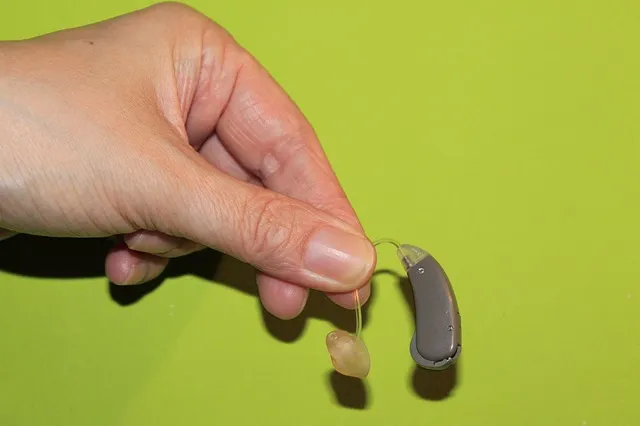
By fifty-two, she’d given up the phone because she couldn’t follow conversations over background noise. By fifty-five, she had her first hearing aids. The audiologist measured her hearing and called her high-frequency loss “typical for her age.” Rachel pointed out that she was fifty-five, not seventy-five. The audiologist nodded and changed nothing.
Nobody had ever told Rachel that the sound level in her teaching room — a piano played fortissimo in a hard-walled, reflective space — regularly exceeded 90 dB, that this was above the occupational exposure limit, or that her hearing loss was entirely preventable with simple foam earplugs. Twenty years of completely preventable damage. Nobody ever told her.
Hearing loss is the fourth leading cause of disability worldwide, affecting approximately 1.5 billion people globally. Unlike most major diseases, the most common form — sensorineural hearing loss from noise and aging — is largely preventable with straightforward, inexpensive interventions. The scale of the public health failure around hearing loss prevention is extraordinary: the cause is known, the prevention is known, and mostly, it doesn’t happen.
The consequence is an epidemic of acquired hearing impairment stripping quality of life, social connection, cognitive reserve, and economic productivity from hundreds of millions of people who didn’t need to lose any of it.
This piece covers the mechanisms of hearing loss, its cognitive and social consequences, the evidence-based prevention strategies that actually work, and what modern hearing rehabilitation offers when prevention comes too late.
Types of Hearing Loss: A Mechanistic Framework
Hearing loss is clinically classified by location in the auditory pathway: conductive hearing loss occurs when sound transmission through the outer or middle ear is impaired; sensorineural hearing loss (SNHL) occurs when the cochlea or auditory nerve is damaged; mixed hearing loss involves both. This classification matters because the causes, treatment approaches, and prognoses differ fundamentally between types.
Conductive hearing loss results from anything preventing sound waves from reaching the cochlea normally: cerumen impaction (the most common cause, and the easiest to reverse), otitis media with effusion (fluid in the middle ear, common in children), tympanic membrane perforation, otosclerosis (abnormal bone growth around the stapes that reduces its mobility), cholesteatoma (destructive keratinizing squamous tissue in the middle ear), and ossicular chain discontinuity from trauma or infection.
The defining feature of conductive hearing loss is that it’s an attenuation problem — sound is transmitted less efficiently — which means that when sounds are amplified sufficiently, by hearing aids or by raising environmental sound levels, speech discrimination is typically well preserved. Conductive hearing loss often responds to medical or surgical treatment: myringotomy and tube placement for otitis media, tympanoplasty for membrane perforation, stapedectomy for otosclerosis.
Sensorineural hearing loss is damage to the cochlear hair cells, spiral ganglion neurons, or the auditory nerve itself. Unlike conductive loss, SNHL isn’t simply an attenuation problem — the damaged cochlear hair cells and neurons don’t just make sounds quieter. They distort them.
Frequency selectivity (the ability to distinguish closely spaced frequencies) is impaired, temporal resolution (the ability to detect rapid changes in sound) is reduced, and the loudness recruitment phenomenon — where sounds become uncomfortably loud very rapidly above the raised threshold — limits the dynamic range available for hearing. These distortions make speech understanding particularly difficult in noise, where the listener has to simultaneously detect faint speech sounds and suppress irrelevant background noise — a task requiring high-fidelity cochlear processing.
Hearing aids amplify sound. They can’t restore the cochlear processing quality that’s already been lost.
Age-related hearing loss (presbycusis) is the most common form of SNHL, affecting more than a third of adults over 65 and more than two-thirds of those over 75.
Presbycusis results from the cumulative effects of aging on the cochlea: progressive loss of outer hair cells (underlying reduced frequency selectivity and sensitivity), loss of spiral ganglion neurons, strial atrophy in the lateral wall of the cochlea (affecting the endocochlear potential driving hair cell sensitivity), and age-related changes in the central auditory processing system.
The characteristic audiogram pattern shows high-frequency loss — affecting speech consonant intelligibility, which carries most of speech’s information content — often substantially worse than patients realize, because the gradual onset means the deficit only becomes apparent once situations get demanding.
Noise-Induced Hearing Loss: The Preventable Epidemic
Noise-induced hearing loss (NIHL) is the most important preventable cause of hearing impairment in developed countries, and its prevention represents one of public health’s most significant missed opportunities. The mechanism is well established: intense sound causes excessive mechanical stress on cochlear hair cells, generating reactive oxygen species (ROS) through mitochondrial overactivation, damaging cell membranes and DNA, and ultimately killing outer hair cells through apoptotic and necrotic pathways.
Inner hair cells and spiral ganglion neurons may be damaged by similar mechanisms at higher intensities.
The dose-response relationship between noise exposure and cochlear damage follows predictable rules. The key variables: intensity (in decibels), duration of exposure, and the frequency spectrum of the noise (high-frequency noise is more damaging than low-frequency noise at equivalent sound pressure levels).
The cochlear region responding to frequencies around 4,000 Hz (the “4 kHz notch” on audiogram) is characteristically the most vulnerable to noise damage, probably owing to its anatomical position in the cochlea — where reflected sound waves create standing wave patterns of amplified energy — plus biomechanical factors. The 4 kHz notch on audiogram — preserved hearing at lower and higher frequencies with a characteristic dip around 4 kHz — is pathognomonic for noise-induced hearing loss on audiological assessment.
Temporary threshold shift (TTS) — the temporary hearing loss and tinnitus following acute loud noise exposure — is the early warning sign that cochlear damage is underway. TTS reflects temporary dysfunction of outer hair cells: metabolically stressed, transiently unable to function normally, but not yet dead. Recovery from TTS within hours to days means no permanent damage has occurred.
However — and this is the part that changes the calculus — recent research has revealed that even apparently “recovered” TTS may leave permanent damage: cochlear synaptopathy, the loss of synaptic connections between inner hair cells and auditory nerve fibers, can occur before any hair cell loss is detectable on audiogram. This “hidden hearing loss” impairs speech understanding in noise without changing audiometric thresholds, explaining why some people with “normal” audiograms complain of difficulty hearing in noise. It appears to be a harbinger of more severe NIHL later on.
Occupational noise exposure remains a dominant cause of NIHL globally, despite regulatory frameworks that should be preventing it. Industries with highest exposure: construction, mining, military service, agriculture, manufacturing. Regulatory exposure limits (85 dB TWA for 8 hours in most jurisdictions) are set to protect most, but not all, workers — individual susceptibility to noise damage varies substantially due to genetic differences in antioxidant capacity, hair cell resilience, and other cochlear factors.
Many occupational settings exceed these limits without adequate enforcement, and recreational noise exposure — concerts, personal audio devices, motorsports, firearms — adds significantly to a cumulative lifetime noise dose the regulations simply don’t touch.
The Cognitive Consequence: Hearing Loss and Dementia
The most compelling recent argument for treating hearing loss aggressively isn’t audiological. It’s cognitive. Accumulating evidence over the past decade links untreated hearing loss to substantially elevated dementia risk, and the 2020 Lancet Commission on Dementia Prevention identified hearing loss as the single largest modifiable risk factor for dementia — potentially accounting for approximately 8 percent of all dementia cases globally.
The mechanistic hypotheses for how hearing loss drives cognitive decline are multiple and not mutually exclusive. The cognitive load hypothesis proposes that the effortful listening required to understand degraded auditory signals depletes cognitive resources — working memory, executive function, attention — that would otherwise go toward memory encoding and higher-level processing. Over years, this chronic resource depletion accelerates cognitive reserve exhaustion.
The sensory deprivation hypothesis proposes that reduced auditory input causes reduced auditory cortex stimulation, with secondary atrophy of auditory cortex and associated cognitive regions through disuse-related neurodegeneration. The social isolation hypothesis proposes that hearing loss reduces social engagement — because communication becomes effortful and embarrassing — and that social isolation is independently established as a dementia risk factor through multiple mechanisms, including reduced cognitive stimulation and increased inflammatory burden.
The most compelling evidence comes from the ACHIEVE randomized controlled trial, published in The Lancet in 2023. This landmark trial randomized older adults with mild to moderate hearing loss to immediate hearing aid fitting versus delayed fitting (best-practices aging education only). After three years, the hearing intervention group showed 48 percent lower cognitive decline compared to controls in the pre-specified primary analysis population — those at higher baseline dementia risk.
This is the first randomized evidence that treating hearing loss reduces cognitive decline — a finding with enormous implications for both individual hearing health decisions and population-level dementia prevention policy.
The social consequences compound the cognitive effects. Communication impairment from hearing loss consistently reduces social participation, increases isolation, and correlates strongly with depression in aging adults. The progressive withdrawal from social situations — avoiding restaurants, declining invitations, reducing phone use, pulling back from group activities — that characterizes untreated progressive hearing loss in older adults is a predictable, preventable quality-of-life tragedy.
Studies consistently show hearing aid use improves social engagement, reduces depression, and improves self-reported quality of life — benefits extending well past the acoustic improvement in speech understanding.
Prevention: The Straightforward Strategies That Work

Hearing protection devices (HPDs) are the foundational preventive intervention for noise-exposed individuals. Foam earplugs — the soft, rollable cylindrical plugs that compress for insertion and expand to fill the ear canal — provide 20-35 dB of sound attenuation worn correctly. The word doing the work there is “correctly”: studies consistently find real-world attenuation from foam earplugs averages 5-15 dB less than laboratory-rated noise reduction rating (NRR) values, because most users don’t insert them deeply enough.
Deep insertion is required for maximum effectiveness, and training significantly improves real-world performance. Earmuffs (the over-ear cup style) provide 25-35 dB attenuation and are more reliably worn correctly by untrained users, though less practical for sustained use in hot environments or with other head-worn equipment.
High-fidelity musician’s earplugs — custom-molded silicone shells with flat-response acoustic filters — solve a very real problem: hearing protection for people who need to hear accurately while reducing dangerous volume levels. Standard earplugs attenuate high frequencies more than low, distorting the frequency balance of music and speech, making them impractical for musicians, audio engineers, and concertgoers who need quality of sound, not just less of it.
High-fidelity plugs with well-designed filters attenuate across the frequency spectrum more uniformly (typically 10-25 dB depending on filter grade), preserving frequency balance while reducing total sound pressure. More expensive than foam earplugs, far cheaper than hearing aids, and they make hearing protection practical in situations where standard earplugs would otherwise be rejected outright.
Personal audio device guidelines have shifted substantially with the recognition that earphone-related hearing damage has become a significant population health issue. WHO data estimates over a billion young people (ages 12-35) are at risk of hearing damage from unsafe personal audio device use. The relevant parameter is the combination of volume and duration — a moderately elevated volume over many hours produces the same cumulative noise dose as a very high volume over a short period.
Volume limiting features (now on most smartphones and audio platforms) and basic awareness of personal listening habits are the primary interventions. Over-ear headphones are generally preferred over earbuds, since they don’t place the sound source directly in the canal, allowing lower amplifier settings for the same perceived volume.
Ototoxic Medications: The Hearing Threat from the Medicine Cabinet
Ototoxicity — drug-induced inner ear damage — is a clinically important, underrecognized cause of hearing loss and tinnitus. Multiple commonly used medications carry cochlear or vestibular toxicity, and awareness of these risks allows monitoring, dose optimization, and informed risk-benefit discussions with patients who require potentially ototoxic treatments.
Aminoglycoside antibiotics (gentamicin, tobramycin, amikacin, streptomycin, neomycin) cause cochleotoxicity through uptake of the drug into cochlear hair cells via mechanosensitive ion channels, generating reactive oxygen species that damage and kill outer hair cells. The cochleotoxicity is dose-dependent and cumulative, and tinnitus often precedes measurable audiometric threshold change — making tinnitus an important early warning sign during aminoglycoside therapy.
Genetic variants in the MTRNR1 gene (encoding mitochondrial 12S ribosomal RNA) dramatically increase aminoglycoside sensitivity, and patients with the m.1555A>G variant can develop profound hearing loss from a single dose. Monitoring serum drug levels to avoid toxic peak and trough concentrations reduces, though doesn’t eliminate, cochleotoxicity risk.
Cisplatin — a widely used platinum-based chemotherapy agent — causes cochleotoxicity in 40 to 80 percent of treated patients, with irreversible high-frequency sensorineural hearing loss beginning at the highest frequencies and progressing downward with cumulative dose. Cisplatin cochleotoxicity is dose-limiting in some cancer treatment protocols and a significant long-term quality-of-life concern for cancer survivors, particularly childhood cancer survivors who have decades ahead of them with treatment-induced hearing impairment.
Sodium thiosulfate, administered after cisplatin in a pharmacological “rescue” protocol, has shown promise in reducing cochleotoxicity in clinical trials without compromising antitumor efficacy, and amifostine as a chemoprotective agent has been studied for this indication with mixed results.
Loop diuretics (furosemide, ethacrynic acid) cause reversible ototoxicity primarily when administered intravenously at high doses, particularly with renal impairment (which reduces drug clearance and increases effective cochlear exposure). Ethacrynic acid carries the highest cochleotoxic risk of the loop diuretics. The mechanism involves interference with the stria vascularis ion transport system that maintains the endocochlear potential driving hair cell sensitivity.
Quinine and its analogs (chloroquine, hydroxychloroquine) cause dose-dependent tinnitus and hearing loss through effects on cochlear hair cells and the stria vascularis; high-dose quinine for falciparum malaria commonly causes reversible tinnitus and hearing loss, while chronic antimalarial use with chloroquine or hydroxychloroquine at therapeutic doses carries lower but real cochleotoxic risk.
Hearing Rehabilitation: Modern Options and Evidence
When hearing loss has already happened — whether from noise, aging, ototoxicity, or other causes — the goal shifts from prevention to rehabilitation. Modern hearing rehabilitation has advanced remarkably in the past two decades, with digital processing technology transforming hearing aid performance and cochlear implantation becoming increasingly standard care for severe-to-profound hearing loss.
The persistent underutilization of hearing rehabilitation — only about 20 percent of people who’d benefit from hearing aids actually use them — is a significant public health failure driven by stigma, cost, access barriers, and inadequate clinical guidance.
Modern digital hearing aids process sound through microphones, digital signal processors, and receivers (speakers) with a sophistication that was impossible with analog technology. Directional microphone systems improve the signal-to-noise ratio by reducing pickup from directions other than the primary listening direction. Digital noise reduction algorithms distinguish speech from steady-state noise and selectively amplify speech frequencies. Feedback cancellation algorithms eliminate the whistling that plagued older hearing aids.
Automatic program switching adjusts gain and processing across listening environments — quiet conversation, restaurant noise, music, telephone. Bluetooth connectivity enables direct audio streaming from smartphones, televisions, and computers.
Cochlear implants — surgically implanted devices that bypass the damaged cochlea and directly stimulate the auditory nerve with electrical signals — have transformed outcomes for patients with severe-to-profound hearing loss who get insufficient benefit from conventional hearing aids. Modern cochlear implants provide dramatically improved speech understanding in quiet, and for implants placed early in postlingually deafened adults, speech understanding in noise keeps improving with current multi-electrode array designs and signal processing.
The indication for cochlear implantation has progressively expanded as technology’s improved, with growing evidence supporting implantation in adults with less severe hearing loss than traditionally required, and in patients with significant residual low-frequency hearing (acoustic-electric hearing preservation implants that stimulate the high-frequency region electrically while preserving acoustic hearing in the low frequencies).
Over-the-counter hearing aids — available in the US since 2022 under FDA regulations creating a new OTC category for adults with mild to moderate hearing loss — represent a significant access expansion for the majority of the hearing-aid-eligible population that previously faced cost and access barriers. OTC hearing aids are self-fitted, require no audiological evaluation, and are priced substantially below prescription hearing aids.
The trade-off: they lack professional audiological fitting, particularly important for asymmetric hearing loss, complex audiological profiles, and patients who need help optimizing device settings for their specific needs. OTC hearing aids suit adults with symmetric mild to moderate sensorineural hearing loss who’ve been evaluated to exclude medical causes and can manage the self-fitting process — a meaningful population, but not a replacement for professionally managed hearing care for the more complex presentations.
Genetic Hearing Loss: When It Runs in the Family
Approximately 50 to 60 percent of congenital and early-onset hearing loss has a genetic basis, making it the most common sensory disability with a significant genetic component. Understanding the genetic architecture of hearing loss matters for counseling, for identifying treatable (or at least modifiable) aspects of specific genetic syndromes, and as the foundation for emerging gene therapy approaches.
Mutations in GJB2 (encoding connexin 26, a gap junction protein essential for potassium recycling in the cochlea) are the most common cause of autosomal recessive non-syndromic hearing loss, accounting for approximately 50 percent of recessive cases in most populations. Connexin 26 deficiency impairs the potassium recycling cycle maintaining the high endocochlear potential that drives hair cell sensitivity. The hearing loss is present at birth, typically moderate to severe, and affects high frequencies most prominently.
GJB2-associated hearing loss is an important diagnosis for genetic counseling because both parents of an affected child are typically carriers, and subsequent pregnancies carry a 25 percent risk of affected offspring — information relevant to family planning.
Syndromic hearing loss — hearing impairment as part of a recognizable syndrome — accounts for approximately 30 percent of genetic hearing loss. Usher syndrome (hearing loss plus retinitis pigmentosa causing progressive visual loss) is the most common cause of combined deaf-blindness. Waardenburg syndrome (hearing loss with pigmentation abnormalities of the hair, skin, and eyes) results from mutations in genes regulating melanocyte development.
Pendred syndrome (hearing loss with thyroid goiter) results from mutations in the pendrin transporter important for both cochlear endolymph composition and thyroid iodide transport. Alport syndrome (hearing loss with progressive nephritis and characteristic eye abnormalities) results from mutations in collagen type IV genes affecting the basement membranes of the kidney, cochlea, and lens.
Common Questions About Types Hearing Loss About Hearing Loss Prevention
Newborn hearing screening is now standard in most developed countries (universal neonatal hearing screening), identifying congenital hearing loss within days of birth, when early intervention — hearing aids, cochlear implantation, early auditory-verbal therapy — can dramatically improve language and developmental outcomes. For adults, baseline audiometry in early adulthood (20s to 30s) is valuable for establishing a comparison point before age-related and noise-related changes accumulate. Adults with significant noise exposure should have annual audiometric monitoring.
All adults over 50 should have hearing screening at minimum every three to five years; those with hearing concerns or conditions associated with hearing loss should be tested more frequently.
Can hearing loss be reversed?
Reversal potential depends entirely on the type and cause. Conductive hearing loss from cerumen impaction, otitis media with effusion, or correctable structural causes is often fully reversible with appropriate treatment. Sudden sensorineural hearing loss (unknown cause, presumed immune-mediated or vascular) has meaningful recovery potential, particularly with early corticosteroid treatment within 72 hours — approximately 30 to 60 percent of patients recover useful hearing, depending on severity.
Noise-induced or age-related sensorineural hearing loss from cochlear hair cell death is not currently reversible — mammalian cochlear hair cells don’t regenerate. However, regenerative medicine approaches (supporting hair cell regeneration through ATOH1 gene therapy, Wnt pathway activation, and Notch pathway inhibition to convert supporting cells to hair cells) are in active clinical trials, with potentially transformative implications for the future of SNHL treatment.
How loud is too loud?
The NIOSH-recommended exposure limit is 85 dB for an eight-hour workday, with a 3 dB exchange rate (safe duration halves with every 3 dB increase). As practical reference points: normal conversation is 60-65 dB (safe indefinitely); a busy restaurant is 75-85 dB (safe for hours); a concert or sporting event is 100-110 dB (safe for only minutes); a gunshot is 140-165 dB (potentially causing permanent damage from a single exposure without protection).
Smartphone apps (NIOSH’s SLM app, for one) can measure environmental sound levels, giving actionable information about exposure. The subjective test: if you have to shout to be heard by someone an arm’s length away, the ambient noise is probably damaging your hearing.
Do hearing aids prevent cognitive decline?
The 2023 ACHIEVE trial provided the first randomized controlled evidence that hearing intervention (hearing aids plus audiological care) reduces the rate of cognitive decline in older adults with mild to moderate hearing loss who are at higher dementia risk. The effect was substantial — 48 percent reduction in the rate of cognitive decline over three years in the primary analysis population.
That doesn’t mean hearing aids prevent dementia in all cases or reverse established cognitive impairment, but it does provide compelling evidence that treating hearing loss early and effectively reduces one of the most significant dementia risk factors. The mechanism likely involves reduced cognitive load from effortful listening, maintained auditory cortex stimulation, and preserved social engagement, all contributing to cognitive reserve maintenance.
What makes hearing loss in noisy restaurants worse than in quiet environments?
Difficulty hearing in noisy environments is often the first symptom of sensorineural hearing loss, long before quiet conversation becomes a problem — and it reflects the specific types of cochlear damage standard audiograms underdetect. SNHL impairs two capabilities critical for noisy environments: spectral resolution (distinguishing closely spaced frequencies, needed to separate speech from background noise of similar frequency) and temporal resolution (detecting rapid changes in sound, critical for following rapid speech over noise).
Additionally, cochlear synaptopathy — loss of auditory nerve synapses — appears to specifically impair the auditory system’s ability to track fine temporal detail needed to understand speech in noise. Hearing aids help but don’t fully restore these capabilities, because they amplify both speech and noise, and the fundamental processing deficit in the damaged cochlea remains.
Sudden Sensorineural Hearing Loss: A Medical Urgency
Sudden sensorineural hearing loss (SSNHL) — defined as hearing loss of at least 30 dB occurring over 72 hours or less across three consecutive audiometric frequencies — is one of the few otological emergencies where time-to-treatment directly affects outcome. Despite this, it’s frequently misdiagnosed as earwax, sinus congestion, or middle ear fluid, delaying treatment and worsening prognosis.
Recognizing sudden sensorineural hearing loss and understanding that it needs urgent evaluation and treatment is practical knowledge that could preserve hearing for thousands of people every year who currently get delayed or no treatment at all.
The incidence is approximately 5 to 27 per 100,000 population annually — more common than often appreciated. Patients describe waking with reduced hearing, hearing a “pop” before the loss, or noticing the loss while on the telephone. Tinnitus and aural fullness (the sensation of blockage) commonly accompany the hearing loss.
The natural history of untreated SSNHL is partial or complete recovery in approximately 30 to 65 percent of patients, but complete failure to recover happens in a substantial minority — particularly those with severe or profound loss, additional vertigo at onset, elderly patients, and those with delayed treatment.
The cause of SSNHL is idiopathic in the large majority of cases — no etiology identified despite thorough investigation. Proposed mechanisms include viral cochleitis (viral infection of the cochlea, analogous to the established relationship between mumps virus and SSNHL), autoimmune inner ear disease (immune-mediated attack on cochlear structures), and vascular events (cochlear ischemia from microvascular occlusion, analogous to how ischemia causes dysfunction in other organs).
The idiopathic designation doesn’t mean the cause is irrelevant — it drives the rationale for corticosteroid treatment (addressing possible immune-mediated mechanisms) as the primary evidence-based therapy.
Systemic oral corticosteroids — typically prednisone 1 mg/kg/day for 10-14 days with taper — are the standard first-line treatment, supported by evidence from multiple randomized trials and systematic reviews. A 2012 Cochrane review found corticosteroids improve hearing recovery in SSNHL compared to placebo or no treatment, with the greatest benefit for severe hearing loss.
Intratympanic (transtympanic) corticosteroid injection — delivering steroid directly through the tympanic membrane into the middle ear, where it diffuses into the perilymph and reaches the cochlea — achieves higher cochlear drug concentrations than systemic administration and is used both as a primary treatment and as salvage therapy for patients who fail or can’t tolerate systemic corticosteroids. The 2019 AAO-HNS clinical practice guideline recommends intratympanic corticosteroids as an option for initial treatment and as salvage therapy for SSNHL.
The Social and Economic Burden of Untreated Hearing Loss
The case for aggressive hearing loss prevention and treatment isn’t only medical — it’s economic and social. The WHO estimated in 2017 that the global annual cost of unaddressed hearing loss — healthcare costs, educational support, productivity losses, social costs — exceeds $750 billion. In developed countries, the per-person lifetime economic burden from reduced employment opportunities, reduced earnings, and increased healthcare utilization is substantial.
The return on investment for hearing loss prevention and early rehabilitation is strongly positive by any reasonable economic analysis.
Employment and productivity losses from hearing impairment are significant and often invisible in economic data. Adults with hearing loss have substantially higher rates of unemployment and underemployment compared to hearing peers with equivalent education and skills. Those who are employed earn less on average — the “hearing wage gap” has been documented across multiple countries.
The mechanisms include communication difficulty in workplaces, social isolation that reduces networking and mentorship opportunities, and the cognitive fatigue of effortful listening that reduces productive capacity across the working day. Hearing aids and cochlear implants significantly reduce these employment disadvantages, but only for the minority of affected individuals who actually access and use appropriate rehabilitation.
Children with untreated hearing loss face developmental and educational consequences that ripple through their entire lives. Language development, reading, academic achievement, and social-emotional development are all adversely affected by even mild hearing loss in children — effects that early intervention with hearing aids and auditory-verbal therapy can largely prevent.
The critical window for language development is the first three years of life; cochlear implantation before 18 months in children with profound hearing loss can support near-normal spoken language development in many cases. The economic argument for newborn hearing screening, early identification, and aggressive early intervention is overwhelming — the per-capita cost of early intervention is a fraction of the lifetime economic impact of untreated early-onset hearing loss on education, employment, and quality of life.
The stigma of hearing aids and hearing loss remains a significant barrier to treatment access and uptake, despite the cognitive and social evidence that treatment is urgently beneficial. Surveys consistently show many people with significant hearing impairment wait 7-10 years from first noticing the problem to seeking professional evaluation, and a majority never use hearing aids even when they’re recommended.
This stigma — the association of hearing aids with aging, frailty, and cognitive decline — runs directly contrary to what the evidence shows: hearing aids are cognitively protective, socially enabling, and associated with reduced dementia risk. Normalizing hearing health care — through public health messaging, celebrity and public figure hearing aid visibility, and accessible affordable technology — matters as much as the clinical interventions themselves.
Noise Pollution and Community Hearing Health
Beyond individual occupational and recreational noise exposure, environmental noise pollution at the community level represents a growing hearing health threat and a significant quality-of-life and cardiovascular health burden.
The WHO Environmental Noise Guidelines for the European Region (2018) established that traffic noise — road, rail, aviation — causes significant health effects at levels far below those associated with direct hearing damage: cardiovascular effects (hypertension, ischemic heart disease) at night-time noise levels above 45 dB Lnight, annoyance and sleep disruption at levels above 40 dB, and adverse effects on children’s cognitive development at noise levels common in many urban environments near major transportation infrastructure.
The cardiovascular pathway from noise to health effects is now well characterized. Chronic noise exposure activates the stress response — including HPA axis activation and sympathetic nervous system arousal — even during sleep, when the individual doesn’t consciously perceive the noise at all. This chronic stress response elevates cortisol, activates the renin-angiotensin-aldosterone system, raises blood pressure, and promotes endothelial dysfunction and atherosclerosis.
The epidemiological evidence from large European studies (particularly the HYENA study and analyses of populations near major airports) consistently shows elevated rates of hypertension and cardiovascular disease in noise-exposed populations independent of other confounders.
Policy approaches to community noise — urban planning that separates residential areas from major transportation corridors, quiet zones around schools and hospitals, regulations on construction and industrial noise, sound barriers along major highways — are public health interventions with well-documented cost-benefit ratios. Individual protective strategies in high-noise residential environments include acoustic double-pane windows, sound-absorbing materials inside the home, and using white noise or earplugs for sleep.
None of these fully substitutes for policy-level noise reduction, but they offer practical harm reduction while structural solutions play out over longer timescales.
The Practical Framework: Applying Types Hearing Loss Mechanistic In Real Life
References