
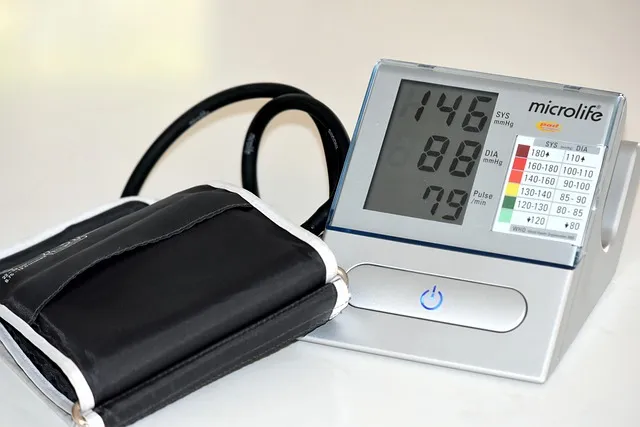
Kevin’s blood pressure was 148/94 at his doctor’s office. “You should probably start medication,” his internist said. Kevin wasn’t convinced — he’d always felt anxious at medical appointments, and he suspected the number was artificially high. So he bought a validated home blood pressure monitor, read the instructions carefully, and spent two weeks taking measurements every morning and evening with proper technique. His home average: 127/82. Not optimal. But dramatically different from the clinic reading. When he brought the spreadsheet to his follow-up, his internist paused, looked it over, and said: “White coat hypertension. Let’s hold off on medication and work the lifestyle factors first.”
Blood pressure management is one of the more consequential areas of preventive medicine — hypertension affects nearly half of American adults, is the leading modifiable risk factor for stroke, a major contributor to heart failure and kidney disease, and almost entirely asymptomatic until the damage is advanced. And yet the standard of care for measuring it — a single office reading, often taken in a high-anxiety environment after a wait in a waiting room — is one of the more error-prone measurements in all of medicine. Which is a strange place to leave things, given the stakes.
Home blood pressure monitoring (HBPM) is both simpler and more powerful than most people realize. Done correctly, it hands over the information that actually matters: typical blood pressure across the conditions and times of day that define an actual life, not the number generated by a single measurement in an unfamiliar clinical setting.
Why Office Blood Pressure Measurements Are Unreliable
More problematic diagnostically is masked hypertension — the reverse pattern, where blood pressure looks normal in the clinic but runs consistently elevated at home. Multiple studies have found masked hypertension in 10-15% of adults with apparently normal office readings, and it carries cardiovascular risk similar to sustained hypertension. Missed entirely by office-only measurement. Entirely.
Even without white coat effect or masked hypertension in the picture, single office readings carry high variability. Blood pressure fluctuates all day, responding to food, activity, stress, sleep, and dozens of other factors. A single reading captures one point in a continuous variable. Clinical guidelines actually recommend multiple readings across multiple visits before treatment decisions get made — but that guideline gets skipped constantly in practice, mostly for want of time.
The NICE (National Institute for Health and Care Excellence) guidelines in the UK mandate ambulatory blood pressure monitoring (ABPM — a device worn for 24 hours, taking readings every 15-30 minutes) or home blood pressure monitoring for diagnosing hypertension before starting medication. That reflects the overwhelming evidence that out-of-office measurement is more accurate for diagnosing true hypertension. US guidelines are moving the same direction, slower to make ABPM/HBPM an actual diagnostic requirement.
What “Validated” Means and Why It Matters
Not all blood pressure monitors are created equal — the accuracy gap between devices is substantial, and clinically significant. “Validated” has a specific meaning: the device has been tested against a reference standard (usually intra-arterial measurement, or simultaneous comparison against a calibrated auscultatory/stethoscope device) under established protocols, meeting accuracy criteria set by groups like the British Hypertension Society, the European Society of Hypertension, or the STRIDE-BP program.
Consumer blood pressure monitors aren’t required to pass validation testing before hitting shelves in the US or Europe. Manufacturers can sell devices with zero clinical validation, and plenty of cheaper devices on the market have never been tested, or have failed validation when someone finally tested them independently. STRIDE-BP maintains a database of clinically validated blood pressure devices — start there before buying anything.
Consistently validated and recommended devices include certain Omron models (Omron Platinum, Omron Gold 10, Omron EVOLV), certain Withings models (Withings BPM Connect), and other devices with STRIDE-BP or dabl-bp.org validation. Wrist monitors, convenient as they are, run generally less accurate than upper arm monitors — wrist position sensitivity and the smaller arterial diameter both work against them. Upper arm monitors, used correctly, are the more reliable choice.
Calibration drift is the lesser-known issue here: even validated devices can lose accuracy over years of use. Had the same device for more than 5 years? Get it checked against a calibrated standard (some pharmacies and medical offices do this) or just replace it. Cheap insurance.
Proper Technique — the Factors That Matter Most
Even the best device produces unreliable results without proper measurement technique. The factors most commonly wrecking accuracy:
- Posture: Sit quietly, both feet flat on the floor, back supported, for at least 5 minutes before measuring. Not standing. Not lying down — unless a physician specifically wants orthostatic assessment.
- Arm position: Cuff at heart level — typically the arm resting on a table with the cuff at mid-sternum height. Arm held up above heart level gives a falsely low reading; arm hanging below gives a falsely high one. The error runs about 2 mmHg per inch off from heart level.
- Cuff size: Critical, and constantly ignored. The bladder — the inflatable part inside the cuff — should encircle 80% of the arm’s circumference. Too small a cuff inflates readings artificially; too large deflates them. Standard adult cuffs fit 24-32cm arm circumference (roughly 9-12 inches). Bigger arm than that, a large adult or XL cuff is needed. Most validated monitors ship with a standard cuff and offer larger sizes — use the right one.
- Rest before measuring: At least 5 minutes of quiet sitting first. No coffee, smoking, or exercise in the 30 minutes prior. Empty bladder — a full one elevates readings 5-10 mmHg.
- Don’t talk or move during measurement: Talking alone can raise the reading up to 15 mmHg.
- Multiple readings: Take 2-3 readings, 1-2 minutes apart, and average them. The first tends to run high as the vascular system reacts to cuff inflation — later readings run lower and more representative.
“Most of the ‘hypertension’ we treat may not be true sustained hypertension, and most of the ‘normal blood pressure’ we leave untreated may include a substantial proportion of masked hypertension. Out-of-office measurement is the only way to distinguish these.” — Reflecting the consensus position in contemporary hypertension guidelines
When to Measure — Morning and Evening Protocols
For home blood pressure monitoring to produce clinically useful information, timing and frequency need to follow an actual protocol — not ad hoc spot-checking whenever the mood strikes.
The standard HBPM protocol used across most clinical guidelines:
- Measure twice in the morning (before medication if applicable, before coffee, within 1 hour of waking, after 5 minutes of quiet sitting) and twice in the evening (before the evening meal, after 5 minutes of quiet sitting).
- Do this for a minimum of 7 consecutive days before seeing a physician. Some guidelines push for 14 days for initial diagnosis.
- Discard the first day’s readings (people habituate to the monitoring and day-1 numbers run high), then average the rest for a home blood pressure estimate.
Home blood pressure targets sit slightly lower than office targets, since home readings skip the white coat effect. The generally accepted equivalence: a home BP of 135/85 mmHg corresponds roughly to a clinic BP of 140/90 mmHg. Optimal home blood pressure is below 130/80 mmHg; values consistently above 135/85 warrant a clinical conversation regardless of what the office reading says.
Morning blood pressure surges — the well-documented rise in the first hours after waking — are especially important to catch with morning measurements. Morning hypertension (morning home BP consistently above 135/85) is a cardiovascular risk factor that afternoon or evening readings alone can miss completely.
Logging and Tracking — Making the Data Useful
A single blood pressure reading is nearly meaningless. A properly logged series is a genuinely powerful clinical tool. A few approaches:
Device memory: Most quality HBPM devices store 60-120 readings, typically accessible through the device or a companion app. Omron Connect and Withings Health Mate both offer graphing and trend analysis. Exporting data for physician review is straightforward with modern Bluetooth-enabled devices.
Spreadsheet logging: For those who’d rather keep manual control — a simple spreadsheet with columns for date, time, SBP, DBP, pulse, and notes offers complete flexibility. Calculate the 7-day morning average and 7-day evening average before appointments.
What to note alongside readings: Significant stress events (job deadline, argument, a bad night’s sleep), exercise (time and intensity within 30 minutes of the reading), alcohol the prior evening, notable dietary sodium. These annotations turn a blood pressure log from a list of numbers into actionable information about what’s actually driving the variability.
One practical habit: measure at the same time of day, consistently — immediately after waking and before breakfast, and before the evening meal, say. Controls for circadian variation and makes trend tracking mean something, instead of a scatter of readings taken whenever.
Normal vs. Optimal — Understanding Blood Pressure Targets
- Below 120/80 mmHg: Normal. Continue monitoring annually, maintain lifestyle factors.
- 120-129/below 80 mmHg: Elevated. Lifestyle modification (sodium reduction, DASH diet, exercise, weight management). No medication indicated. Recheck in 3-6 months.
- 130-139/80-89 mmHg: Stage 1 hypertension. Lifestyle modification. Medication indicated only if 10-year cardiovascular risk exceeds 10% or other high-risk features are present. Recheck in 1-3 months.
- 140/90 mmHg or above: Stage 2 hypertension. Combination of lifestyle modification and medication discussion with a physician. Recheck within 1 month of any medication changes.
- 180/120 mmHg or above: Hypertensive crisis. Symptomatic (headache, chest pain, vision changes, shortness of breath) — immediate emergency care. Asymptomatic — repeat the measurement after 5 minutes; persistent, same-day physician evaluation.
The practical categories and what they mean for home monitoring:
Lifestyle Interventions That Actually Lower Blood Pressure
Before, alongside, or instead of medication, depending on severity, lifestyle interventions can produce meaningful blood pressure reductions with compound benefits across other health domains too:
- Sodium reduction: The most consistently evidence-supported dietary intervention there is. Reducing sodium from typical Western intake (~3500mg/day) to below 2300mg/day cuts systolic BP by 3-5 mmHg on average; salt-sensitive individuals (more common in older adults, African Americans, and diabetics) see 8-15 mmHg. This single change is comparable to one blood pressure medication in salt-sensitive people.
- DASH diet: The Dietary Approaches to Stop Hypertension diet — high vegetables, fruits, whole grains, low-fat dairy; low saturated fat, red meat, sodium — reduces SBP 8-14 mmHg in hypertensive individuals. Combined with sodium restriction, the DASH-Sodium trial showed reductions up to 12 mmHg systolic.
- Aerobic exercise: Regular aerobic exercise (150+ min/week moderate intensity) reduces SBP 5-8 mmHg. Resistance training adds another 3-5 mmHg. The effect holds only with continued exercise — not a one-time fix, ever.
- Weight loss: Roughly 1 mmHg per kilogram lost, consistently across studies. For someone carrying obesity and hypertension both, weight loss is one of the more potent tools available.
- Isometric exercise: Sustained isometric holds (wall squat, planks, handgrip) reduce blood pressure through mechanisms distinct from aerobic work. A 2023 systematic review found isometric training reduced SBP roughly 10 mmHg — among the more impressive exercise-based effects on record. See the dedicated isometric exercise article in this series.
- Alcohol reduction: More than 2 standard drinks daily raises blood pressure dose-dependently. Cutting from heavy drinking to moderate, or to none, reduces SBP 4-8 mmHg.
- Stress management: Meditation and MBSR show modest average reductions of 3-5 mmHg, with stronger responses in people whose hypertension is genuinely stress-driven.
The Home BP Protocol Framework
- Device Selection: Buy a validated upper arm blood pressure monitor (check STRIDE-BP.org for validation status). Make sure the cuff size matches arm circumference. Get it checked against a calibrated standard annually if clinical hypertension is already established.
- Establish Baseline: Before any intervention, take readings twice morning and twice evening for 7-14 days. Discard day 1. Average the rest. That’s the true baseline home blood pressure.
- Use Correct Technique Every Time: Quiet sitting 5 minutes before each reading, feet flat, back supported, arm at heart level, cuff applied correctly, no talking during measurement, average of 2-3 readings per session.
- Log Consistently: Record every reading with date, time, and relevant context (sleep, stress, sodium, exercise, alcohol). Bring logs to every physician appointment. Connected device — make sure readings are actually syncing.
- Interpret Against Home Targets: Normal home BP: below 130/80. Elevated: 130-135/80-85. Stage 1 (home): consistently above 135/85. Stage 2 (home): consistently above 145/90.
- Reassess After Each Intervention: After 4-6 weeks of any lifestyle or medication change, establish a new 7-day home BP average to gauge response. Direct, objective evidence of whether the intervention is actually working.
FAQ — Home Blood Pressure Monitoring
Q: My blood pressure is different every time I check it. Is something wrong?
A: Blood pressure is supposed to vary — a dynamic physiological parameter responding to activity, stress, posture, temperature, meals, and dozens of other inputs. Moment-to-moment variability of 10-15 mmHg is completely normal. What matters clinically is the average across multiple readings over multiple days, not any single number. High variability worth mentioning to a physician, though — beat-to-beat blood pressure variability itself is a cardiovascular risk factor independent of the mean.
Q: Should I measure on my left arm or right arm?
A: Check both arms initially. A difference of more than 10-15 mmHg between arms can indicate arterial disease and should get reported to a physician. Similar readings on both — use whichever arm is more convenient (non-dominant arm is traditional). Stick with the same arm for ongoing monitoring, to cut down on variability.
Q: Can I use a wrist blood pressure monitor?
A: Less reliable than upper arm monitors for most people — wrist position has to sit precisely at heart level, and the smaller radial artery is more prone to peripheral vasoconstriction. If upper arm monitoring is genuinely impractical (sleeve issues, lymphedema, extreme obesity), a validated wrist monitor used with meticulous technique is a reasonable compromise. But an upper arm monitor, used correctly, is consistently more accurate.
Q: My home readings are normal but my doctor’s office reads high. What do I do?
A: That’s the white coat hypertension pattern — common, and clinically significant, because it means office readings aren’t representative of the real number. Bring a comprehensive 14-day home log to the physician. Plenty of guidelines now recommend against starting antihypertensive medication for white coat hypertension without confirmation via 24-hour ABPM. Physician insisting on medication from office readings alone, dismissing the home log? A second opinion from a hypertension specialist is a reasonable next step.
Q: How often should I monitor if my blood pressure has been well-controlled?
A: Once stable and at goal, a brief monitoring stretch — 7 days of twice-daily readings — every 3-6 months is generally adequate for confirmed hypertension. More frequent monitoring after any medication change, after significant lifestyle changes, during high stress or illness, and with new cardiovascular symptoms. Normal range with no risk factors — annual monitoring at a checkup is enough.
Q: Can I stop my blood pressure medication if my home readings are normal?
A: Not without a physician’s input. Normal home readings on medication mean the medication is working — not that it’s no longer needed. Trialing a taper or discontinuation should happen under physician guidance with close monitoring, since blood pressure typically returns to pre-treatment levels fairly quickly. Some people managed primarily through lifestyle changes (significant weight loss, sodium reduction, exercise) can safely discontinue with careful supervision — but that’s a clinical call, not a self-management one.
Kevin’s home monitoring data saved him from starting an antihypertensive medication he didn’t need. More than that, it kicked off an actual conversation with his physician about his real blood pressure patterns, his stress physiology, the lifestyle factors that genuinely needed attention. That conversation — which never would have happened off a single office reading and a prescription pad — eventually led to a dietary intervention and exercise program that brought his true home blood pressure from 127/82 to 119/77 over six months. The monitor cost him $65. The information was worth considerably more.
The 24-Hour ABPM Alternative
Ambulatory blood pressure monitoring (ABPM) is the gold standard for out-of-office blood pressure assessment. A device worn on the non-dominant arm takes automatic readings every 15-30 minutes for 24 hours — through normal daily activities, work, exercise, sleep. The resulting dataset characterizes blood pressure across the full diurnal cycle, catching patterns HBPM misses entirely:
Nighttime dipping: Healthy individuals show a 10-20% drop in blood pressure during sleep — nocturnal dipping. Non-dippers, whose nighttime BP doesn’t fall appropriately, carry substantially higher cardiovascular risk than dippers with equivalent daytime readings. Non-dipping tracks with sleep apnea, autonomic dysfunction, kidney disease, and diabetes. HBPM can’t catch this pattern. ABPM can.
Morning surge: Precisely characterizing the morning BP rise — magnitude, timing — requires ABPM. Extreme morning surge (rapid, high-magnitude rise in the first hour after waking) is tied to stroke risk independent of average blood pressure.
24-hour load: The percentage of readings above a threshold (typically 135/85 mmHg during the day, 120/70 at night) gives a more complete risk picture than a single average ever could.
ABPM isn’t practical for routine self-monitoring — requires a prescription, equipment rental (typically $50-100), and comes with the discomfort of overnight cuff inflations. But for initial diagnosis of hypertension, evaluating resistant hypertension, suspected white coat or masked hypertension, and characterizing nighttime patterns, it delivers information HBPM simply can’t. Available and indicated for a given clinical situation? Worth pursuing.
Special Situations — Pregnancy, Elderly, and Diabetes
Pregnancy: Gestational hypertension and pre-eclampsia are serious pregnancy complications, and early detection matters enormously. Guidelines now recommend HBPM for pregnant women at elevated risk (prior pre-eclampsia, chronic hypertension, obesity, first pregnancy over 35, multiple gestation). Thresholds for concern differ from general adult hypertension — SBP above 135/85 mmHg in pregnancy warrants prompt physician evaluation regardless of gestational stage. HBPM in pregnancy should use devices specifically validated for this population, since some standard devices haven’t been validated in pregnancy (maternal circulation changes affect measurement accuracy).
Elderly (over 65): Older adults have a higher prevalence of isolated systolic hypertension (elevated SBP, normal DBP) and orthostatic hypotension (excessive BP drop on standing). HBPM here should include standing readings after 1 minute upright, screening for orthostatic hypotension — a significant fall risk. Treatment targets in the very elderly (over 80) run more conservative than in younger adults; aggressive BP lowering in this group can cause harmful hypotension. HBPM helps calibrate treatment to avoid overshooting.
Diabetes: Diabetic patients should have tighter BP targets (below 130/80, some guidelines say 120/80) given the additive cardiovascular and renal risk. HBPM is particularly important here because masked hypertension is more common in diabetics, and diabetic nephropathy can produce BP variability patterns office measurements won’t catch. More frequent monitoring — especially after dietary changes, weight fluctuations, or medication adjustments — is warranted.
Blood Pressure and Sleep — the Overlooked Connection
One of the more important determinants of blood pressure that home monitoring reveals, indirectly, through patterns over time, is sleep quality. The relationship between poor sleep and hypertension runs both directions, and it’s strong, and it’s frequently underappreciated in clinical management.
Obstructive sleep apnea (OSA) is a major cause of secondary hypertension — hypertension with a specific, treatable cause. Roughly 50-70% of patients with OSA have hypertension, and OSA is thought to cause it through chronic sympathetic nervous system activation, oxidative stress, and endothelial dysfunction produced by repeated hypoxic episodes during apnea events. CPAP treatment for OSA reduces blood pressure — typically 2-6 mmHg systolic, but up to 10 mmHg or more in patients with severe OSA and significant daytime sleepiness.
Unexplained hypertension, particularly with a non-dipping nocturnal pattern or morning surge on ABPM, plus any symptoms of sleep apnea (snoring, witnessed apneas, excessive daytime sleepiness, morning headaches) — sleep apnea evaluation is warranted before escalating antihypertensive therapy. Treating the OSA, rather than adding a third blood pressure medication, may be the more appropriate move entirely.
Chronic sleep restriction below 6-7 hours nightly independently elevates blood pressure through similar sympathetic activation mechanisms, separate from sleep apnea altogether. Home blood pressure monitoring provides the objective measure connecting self-reported sleep quality with its actual blood pressure impact — a feedback loop that often motivates sleep hygiene improvements more powerfully than any amount of abstract health advice.
Kevin’s blood pressure story ended well because he had the information to have an accurate conversation with his physician. That’s the entire value proposition of home monitoring — not to replace clinical care, but to make clinical care more accurate and more personally relevant. Blood pressure at home, at rest, in an actual life, measured correctly over time — that number is more true than anything a cuff in a medical office, taken once, will ever say. Know the real numbers.
Blood Pressure Medications — What to Know When Monitoring
- ACE inhibitors and ARBs: Generally once-daily. Substantial trough-to-peak ratios for some agents. Morning BP high despite medication? A physician may shift to evening dosing — HBPM makes this optimization visible.
- Calcium channel blockers (amlodipine): Amlodipine has a very long half-life (35-50 hours), providing excellent 24-hour coverage. Morning BP surge is generally well controlled. One of the better choices for patients with prominent morning hypertension.
- Beta-blockers: Variable half-lives. Metoprolol succinate (extended-release) is preferred over immediate-release for 24-hour coverage. Morning BP spikes can happen with inadequate coverage.
- Thiazide diuretics: Chlorthalidone has a much longer duration than hydrochlorothiazide — a clinically important difference that’s often not recognized. Chlorthalidone gives better 24-hour BP control based on ABPM studies.
On antihypertensive medication, home blood pressure monitoring takes on extra importance as a treatment response tool. Understanding the timing of a medication relative to its peak and trough blood pressure effect lets a patient and physician optimize dosing — a refinement office-only monitoring simply can’t provide.
Most antihypertensive medications follow a dosing-duration relationship: they cut blood pressure most in the hours after administration (peak effect), least in the hours before the next dose (trough). The ideal medication maintains control across the full 24-hour interval, minimizing the trough-to-peak ratio. ABPM is the standard tool for this assessment, though HBPM can capture meaningful information about whether morning readings (typical trough timing for once-daily medications) are adequately controlled.
Common blood pressure medication classes and their general timing considerations:
The practical takeaway: HBPM logs aren’t just for diagnosing hypertension — they’re an ongoing check on whether the medication regimen is covering the full 24-hour cycle adequately. Morning high readings despite medication suggest undertreated morning BP, potentially fixed by a timing change or a class switch. Evening high readings suggest inadequate duration of action. That kind of calibration is only possible with systematic home monitoring. Without it, a physician is optimizing medication off a single office reading that may not represent the patterns that actually matter for cardiovascular protection.
Advanced Monitoring — Connected Devices and Long-Term Tracking
The current generation of connected blood pressure monitors — Omron’s Bluetooth series, Withings BPM Connect, others — upload readings automatically to smartphone apps offering trend graphs, average calculations, exportable reports. This turns blood pressure monitoring from an occasional data point into a longitudinal health dataset.
Several platforms integrate blood pressure data with other health metrics — Apple Health, Google Health Connect, and dedicated cardiovascular tracking apps allow correlating BP readings with sleep data, activity data, heart rate, and other parameters. Patterns emerging from that integrated view can be remarkably informative: the relationship between poor sleep nights and next-morning elevated BP, the dose-response curve for exercise and BP reduction, the impact of a high-sodium dinner on the following 24-48 hours of readings.
For patients with cardiovascular disease or difficult-to-control hypertension, sharing this longitudinal data with a cardiologist or hypertension specialist transforms the management conversation — from “your BP was 148/90 today” to “your BP has averaged 132/84 over the past month, with notable elevations on days following poor sleep and high-sodium meals, and consistent reduction in the 3-5 days after longer workout sessions.” That’s the clinical conversation that produces optimal management. The technology enabling it costs $65 and takes three minutes to set up.
The gap between what cardiovascular medicine knows about blood pressure and what mainstream advice actually does with it is enormous. Most people in the hypertension stage 1 range don’t own a home monitor, have never documented their true typical blood pressure, and end up either over-treated (white coat effect) or under-treated (masked hypertension). Closing that gap is possible now, personally — a validated device, a proper protocol, and the understanding that home-generated information carries more clinical weight than anything a single office visit can tell anyone. Use it.
Kevin’s $65 investment in a validated blood pressure monitor, combined with two weeks of proper morning-and-evening monitoring, produced clinical information worth more than most expensive medical tests. That’s the economics of preventive monitoring: small investment in information, large return in appropriate management. The monitor sits on his bathroom shelf, taking measurements every morning while his coffee brews. Years of blood pressure history, organized and exportable, sitting ready to give context to any clinical conversation he needs to have. Not over-monitoring. Ownership of the single most important parameter in preventive cardiovascular medicine. Every adult carrying a cardiovascular risk factor should own one of these. No exceptions.
Home blood pressure monitoring is one of the highest-yield health investments available to any adult over 35. The device cost is trivial. The information density is substantial. The clinical decisions it enables, or prevents, can matter for decades. This isn’t about anxiety or obsessive tracking. It’s about knowing the actual state of the cardiovascular plumbing, rather than letting a single stressed reading in a waiting room — taken after thirty minutes stuck in traffic — set the treatment strategy for the next year. The real numbers. The ones that reflect a real life. Those are the ones worth measuring.
The gap between knowing a blood pressure number and understanding it is the gap between compliance with medical instructions and ownership of cardiovascular health. A validated device, a proper protocol, a consistent logging habit, and the interpretive framework to make sense of what’s on the page — these are the pieces of self-directed, evidence-based blood pressure management. Add them in. The arteries will show it in thirty years.
Start tonight. Set the monitor beside the bed. Tomorrow morning before coffee, sit quietly five minutes, take two readings a minute apart, write them down. Same before dinner. Do it for two weeks. What comes out the other end is more clinically useful than any single test run in the last five years. That’s the power of systematic self-monitoring with a validated device and proper technique — available right now, for less than the cost of dinner out. No good reason to keep flying blind on the most important cardiovascular number anyone owns.
Blood pressure is the critical sign that kills silently. No symptoms until organs are already damaged. And it can be managed well, with the right information and appropriate intervention. That information starts with a $65 device and two minutes, twice a day. Kevin’s wife knew this intuitively when she insisted on the HBPM before any medication decision got made. Her instinct was correct, and the data backed it up. Trust the data. Get the data. Do the simple, consistent work that makes the data mean something. That’s the entire practice — and it’s within reach for anyone reading this right now.
The Practical Framework: Applying Blood Pressure Monitoring Home In Real Life
References
Editorial StandardsCorrectionsMedical DisclaimerAbout Our ContentAffiliate DisclosureSite Map