
Sarah’s doctor told her she needed a vacation. Her therapist told her she needed better boundaries. Her husband told her she needed to stop working weekends. Everyone had advice. Nobody had a timeline.
She’d taken the vacation — ten days in Costa Rica, most of it spent checking email by the pool, and she came back exactly as depleted as when she left. She’d tried the better boundaries, which lasted until the first major project crisis arrived seventeen days later. She’d stopped working weekends for three weeks, until the accumulated backlog started generating its own anxiety.
Sarah was 41. Six years in a senior leadership role. Burning the candle at both ends since her early thirties. And now she couldn’t read a one-page document without losing the thread halfway through. She was forgetting words mid-sentence. Crying in her car on the way to meetings — not about anything specific, just crying, the way a car leaks oil once a gasket fails.
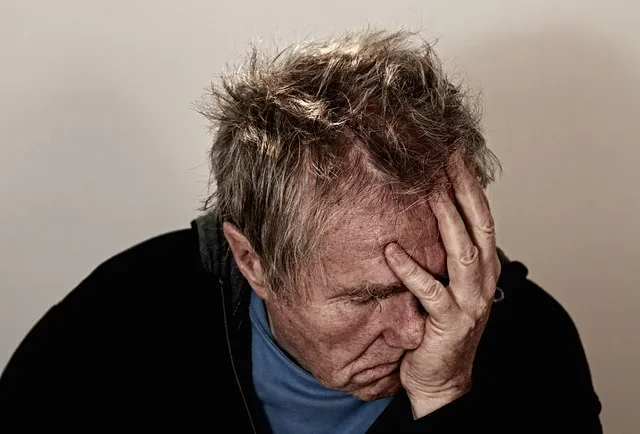
This article is that timeline. Not the soft, vague version — rest and be patient — but the specific, evidence-based sequence of what recovery actually requires, how long each phase takes, and the criteria for knowing when it’s safe to push hard again.
What Burnout Actually Is: Beyond the Buzzword
Burnout has become one of the most overused terms in workplace culture — applied to everything from a rough week to genuine physiological collapse. That dilution matters, because it causes people to undertreat what is, when it’s real, a serious condition requiring serious intervention.
Christina Maslach’s burnout framework, first developed in the 1970s and formalized in her 2001 paper in Annual Review of Psychology, remains the clinical gold standard. Maslach defined burnout as a syndrome with three components: emotional exhaustion (depleted emotional resources, feeling drained), depersonalization (cynicism, detachment, emotional distance from work and people), and reduced personal accomplishment (a sense of incompetence and failure). All three need to be present at significant levels for the diagnosis to apply.
The physiological substrate of burnout is distinct from ordinary stress. Burnout involves HPA axis dysregulation — but not necessarily in the direction of chronic elevation. The pattern seen in severe burnout is often HPA axis blunting: the adrenal glands lose the ability to produce adequate cortisol in response to demand, because chronic overstimulation has exhausted the system’s adaptive capacity. Morning cortisol levels, which should be high, go low. Stress reactivity goes flat. The person doesn’t feel wired and anxious — they feel profoundly flat, unmotivated, unable to generate the physiological response that any demanding situation actually requires.
This HPA blunting pattern — sometimes called adrenal fatigue in alternative medicine contexts, though the clinical term “HPA axis hyporesponsiveness” is more accurate — explains why burned-out people often feel worse than simply tired. Their bodies have lost the ability to produce the stress hormones actually necessary for motivation, alertness, and appropriate response to demand. They’re not just depleted of energy. They’re depleted of the biological machinery that produces energy responses in the first place.
The immune system also dysregulates in burnout. Chronic inflammation, suppressed lymphocyte function, increased susceptibility to illness — all consistent findings. Not coincidental: the same HPA axis managing the stress response also regulates immune function, and its dysregulation hits both at once. The burned-out person who gets sick constantly isn’t imagining it.
Burnout vs. Tired: The Diagnostic Distinction
- Has your cognitive function declined noticeably over weeks or months? Difficulty concentrating, forgetting words, inability to think clearly under low pressure? Tired produces acute cognitive impairment that clears with rest. Burnout produces a persistent cognitive decline that doesn’t fully clear even after good sleep.
- Have you lost interest in things that used to matter to you — both at work and outside it? Anhedonia that extends beyond the work domain into hobbies and relationships is a burnout signal rather than a fatigue signal.
- Are you experiencing physical symptoms without clear cause? Chronic headaches, gastrointestinal issues, persistent low-grade illness, joint pain, or systemic fatigue that doesn’t respond to ordinary rest suggests the autonomic and immune dysregulation of burnout rather than simple tiredness.
- Does the idea of returning to normal work intensity produce dread, not just reluctance? Tiredness makes rest appealing. Burnout makes resumption aversive at a deeper level — not the desire to sleep more, but a physiological resistance to re-engaging with demand at all.
The most important practical question about burnout is whether you actually have it, because the recovery protocol differs substantially from the protocol for ordinary fatigue — and deploying a burnout recovery timeline for ordinary fatigue is unnecessary overkill, while deploying an ordinary fatigue protocol for genuine burnout is dangerously insufficient.
Tired recovers with sleep. Rough week, three good nights, meaningfully better — the recovery timeline is days. Burnout doesn’t recover with sleep. Three good nights produces marginal improvement, then a return to baseline depletion the next time demands show up. Recovery here is measured in weeks and months.
Key diagnostic questions — not official clinical tools, but practical differentiators:
Three or more of these, sustained over weeks to months, and you’re likely looking at genuine burnout. The recovery timeline below applies.
Phase 1 — Stabilization: The First One to Four Weeks
Stabilization is the most critical and most poorly executed phase of burnout recovery. Its goal isn’t to feel better — it’s to stop getting worse. Not the same thing, and people who conflate the two consistently fail to stabilize, cycling back into depletion before real recovery can even begin.
The primary task is radical reduction of demand. Not “reducing workload” in the sense of ten projects instead of fourteen. Reducing demand to the operational minimum — the things that absolutely cannot be handed off or deferred, and nothing else. This requires the kind of triage most high-performing people find genuinely distressing, because it means acknowledging that current capacity is substantially reduced from peak, and that the triage isn’t temporary convenience management. It’s medical necessity.
Sleep is the most important stabilization variable. The burned-out person typically has significantly disrupted sleep architecture — either hypersomnia (sleeping 10–12+ hours and still waking unrestored) or insomnia (unable to fall or stay asleep despite exhaustion), or, most commonly, adequate hours with poor slow-wave and REM content because HPA dysregulation is disrupting sleep staging itself. Stabilizing sleep means the full sleep hygiene protocol: consistent wake time, temperature management, complete darkness, no alcohol, pre-sleep parasympathetic activation (breathwork, gentle stretching, warm bath), and nothing cognitively demanding or emotionally activating for 60+ minutes before bed.
Exercise during stabilization is a contentious point. Some burnout recovery frameworks recommend complete rest from physical exercise. The evidence says something more nuanced: complete rest increases deconditioning and can worsen mood and energy in people who derive real neurochemical benefit from exercise. The better approach is reducing volume and intensity, not eliminating it. Low-intensity movement — walking 20–30 minutes daily, light stretching, gentle yoga — supports circadian regulation, provides modest endorphin release, and prevents the additional HPA dysregulation of complete sedentary rest, without the recovery cost of high-intensity training. Vigorous exercise comes back in Phase 2.
Nutrition during stabilization: prioritize anti-inflammatory foods (omega-3 fatty acids, leafy greens, colorful vegetables), adequate protein (0.7–1g/lb body weight for tissue repair and neurotransmitter precursor supply), and elimination of the usual stabilization saboteurs — alcohol, caffeine dependency, ultra-processed food. Caffeine use often goes extreme during burnout, used to compensate for an HPA axis that can’t generate an adequate alerting response on its own. Which generates more HPA dysregulation. During stabilization, cutting caffeine back to one reasonable morning dose — not a string of emergency coffees throughout the day — is appropriate.
Phase 2 — Rebuild: Weeks Four Through Sixteen
The rebuild phase begins once stabilization criteria are met: sleep is consistently restorative, cognitive function has partially returned (you can read and follow a conversation without losing the thread), the worst of the physical symptoms have improved, and the global dread of engagement has reduced to manageable levels. For most people in genuine burnout, that’s four to six weeks into consistent stabilization — though the timeline varies widely with severity and how consistently Phase 1 was actually implemented.
Rebuild has two primary goals: gradually restoring physiological capacity, and identifying and beginning to address the structural causes of the burnout. Concurrent processes, but distinct ones.
Exercise re-escalation follows a specific protocol: begin at 50% of pre-burnout volume and intensity for two weeks, then increase by 10–15% per week, watching for signs of overreach — worsening fatigue, sleep disruption, mood deterioration. For many burned-out people this means starting with 20–30 minutes of moderate cardio 3 days a week and building from there. The temptation to “just get back in shape” as part of recovery is a trap. Overtraining, which exacerbates HPA dysregulation, is easy to stumble into during recovery, when the initial energy restoration from Phase 1 feels like full recovery but isn’t.
Cognitive work can gradually increase during rebuild, starting with the least demanding categories: simple decision-making, routine tasks, short meetings. Complex analytical work, creative work, and high-stakes decision-making should come back gradually in the latter half of this phase, watching for the cognitive fog and word-finding difficulties that signal insufficient recovery. Trying to return to full cognitive intensity early in Phase 2 is one of the most common causes of relapse back into Phase 1 territory.
Supplementation support during rebuild: ashwagandha, as KSM-66 extract, for cortisol regulation and HPA axis normalization. Rhodiola rosea, as a standardized extract, for stress adaptation and fatigue reduction — Rhodiola has the best evidence among adaptogenic herbs specifically for fatigue, with multiple RCTs showing significant improvements in mental and physical fatigue parameters. Magnesium glycinate in the evening for sleep quality and HPA axis support. Omega-3 fatty acids, as combined EPA+DHA, for neuroinflammation reduction.
Phase 3 — Optimize: Months Three Through Six

The return-to-intensity criteria are specific, and they need to be met before high-demand periods resume: consistent 7–9 hours of restorative sleep (waking rested, not just meeting an hour quota). Exercise training fully resumed at pre-burnout volume without fatigue accumulation or performance degradation. Cognitive function at or above pre-burnout baseline on whatever metrics matter to you — reading speed, decision quality, creative output, emotional stability under pressure. Physical symptoms (headaches, GI issues, chronic illness susceptibility) resolved.
The structural work is what separates Phase 3 from simply returning to Phase 1 in six months. Structural causes of burnout include: work demands that consistently exceed capacity without adequate recovery periods; organizational cultures that reward overwork and penalize recovery; personal identity structures that define worth by productivity; relationship and personal life patterns that fail to provide genuine restoration. None of these change automatically during recovery. They have to be actively redesigned — which requires the clearest thinking and the hardest decisions of the entire process.
Many people find the Phase 3 structural conversations the hardest part of burnout recovery — harder than the physical depletion, harder than the cognitive impairment, harder than the emotional flatness. Because those conversations require confronting the choices that led to burnout in the first place, which often surfaces uncomfortable truths about work identity, perfectionism, difficulty saying no, and how much of the overwork was actually a choice rather than something inflicted by circumstances beyond control.
Those conversations are outside the scope of a health article. What can be said: the people who recover from burnout and don’t return to it are the ones who use Phase 3 to build a different architecture, not just to rest up enough to repeat the same cycle.
The Burnout Recovery Ladder: A Systematic Framework
The Burnout Recovery Ladder organizes the recovery process into a sequenced ascent from physiological floor to sustainable performance, with specific rungs that must be reached before climbing higher.
“Recovery from burnout is not linear. You will have setbacks — days that feel like Phase 1 in the middle of Phase 3. The measure of recovery is not absence of bad days. It is the trend over weeks, the ratio of restorative to depleting days, and the rate at which bad days resolve back to baseline rather than cascading into collapse.”
Rung 1 — Crisis Containment: Stop the bleeding. Reduce demand to minimum. Protect sleep above all else. This rung is sometimes optional (moderate burnout) and sometimes mandatory (severe burnout requiring actual leave from work). Duration: as long as it takes to achieve basic sleep restoration and stop the active deterioration.
Rung 2 — Physical Stabilization: Restore sleep architecture (HRV improving, waking more rested). Resume gentle daily movement. Stabilize nutrition (eliminate alcohol, reduce caffeine, increase protein and anti-inflammatory foods). End-of-rung criteria: 7+ hours of sleep producing some feeling of restoration, physical symptoms stabilizing or improving.
Rung 3 — Cognitive Re-engagement: Gradually reintroduce reading, simple decision-making, routine work. Add moderate exercise 3 days/week. Begin adaptogens if not already on them. Watch for cognitive fog as a signal of overreach. End-of-rung criteria: ability to read and concentrate for 60+ minutes without losing the thread, working memory functioning adequately for routine tasks.
Rung 4 — Physical Rebuild: Return exercise to 70–80% of pre-burnout volume. Improve HRV toward pre-burnout baseline. Resume strength training if it had been a prior practice. End-of-rung criteria: exercise training without significant fatigue accumulation, HRV within 10% of personal baseline average.
Rung 5 — Full Cognitive Recovery: Return to full cognitive demands, including complex analysis, creative work, and high-stakes decisions. Monitor performance quality, not just effort. End-of-rung criteria: cognitive performance subjectively and objectively at or above pre-burnout baseline.
Rung 6 — Sustainable Architecture: Structural redesign of the conditions that produced burnout. New work rhythms, recovery practices embedded as permanent habits, personal identity adjustments around productivity. This rung is never completed. It’s maintained indefinitely as the operating system of a sustainable high-performance life.
The Vacation Fallacy: Why Holidays Don’t Fix Burnout
The vacation approach to burnout recovery fails for a specific physiological reason: HPA axis dysregulation does not recover on a 10-day timeline. The structural changes in adrenal responsiveness, HPA feedback sensitivity, and the neurological manifestations of prolonged chronic stress take weeks to months to normalize — regardless of whether you’re on a beach or at your desk.
What vacations can do: temporarily reduce acute demand load, produce some subjective relaxation through a novel environment and removal from work stimuli, and allow better sleep by eliminating work-related evening activation. These are real benefits. They explain why people often feel better at the start of a vacation than a week after returning — the vacation provided genuine temporary relief, just not the structural recovery burnout actually requires.
The vacation-as-burnout-fix is also a systemically convenient narrative: it tells individual workers that burnout is solved by individual rest rather than by organizational change, and it provides a socially acceptable recovery interval that happens to fit inside standard annual leave allocations rather than the 3–6 month timeline genuine burnout recovery actually requires. That’s not an accident.
The evidence is clear: for severe burnout, the minimum meaningful recovery duration is 3 months of significantly reduced demand with active recovery practices in place. For moderate burnout, meaningful recovery requires 6–12 weeks. No vacation within normal employment structures covers those timescales. Which is why burnout, left unaddressed, tends to become a chronic condition that recurs with progressively shorter remission periods — each cycle reaching a lower physiological floor before the next one starts.
Burnout Recovery Long Q&A
Q: Can I work through burnout recovery, or do I need to take leave?
A: Depends on severity. Mild-to-moderate burnout can often be recovered from while continuing to work, if demand is meaningfully reduced (not just marginally), sleep is protected, and the recovery practices are implemented consistently. Severe burnout — cognitive impairment interfering with basic function, inability to sleep, significant physical symptoms — often requires actual leave to allow the Phase 1 stabilization necessary before any recovery can begin. Trying to “work through” severe burnout while maintaining full demand is like trying to heal a broken bone while continuing to walk on it. The activity prevents the repair.
Q: What are the signs that I’m recovering?
A: Specific positive indicators: sleep becomes more restorative (waking rested rather than just less tired). Physical symptoms gradually reduce. Cognitive fog improves — reading comprehension returns, word-finding improves. Emotional reactivity decreases — less likely to cry or rage at minor provocations. Interest in activities outside work slowly returns. Morning motivation improves even modestly. HRV trend moves upward over weeks. None of it is dramatic. Recovery from burnout is a series of modest improvements over a long timeline, not a sudden moment of feeling better.
Q: Should I exercise during burnout recovery?
A: Yes, at appropriate intensity. The mistake is either complete rest (losing the neurochemical benefits of movement, worsening mood, losing the circadian regularity that helps sleep) or pushing hard (overtaxing an already-dysregulated HPA axis and worsening recovery). Walking 20–30 minutes daily is appropriate throughout recovery. Light resistance training at 50% intensity fits Phase 2. Full training returns in Phase 3. The key signal: if exercise consistently worsens fatigue with no improvement in the following 24 hours, the intensity is too high.
Q: Does burnout cause permanent damage?
A: For most people, no. The HPA axis dysregulation, hippocampal changes, and cognitive impairments of burnout are substantially reversible with adequate recovery time and the behavioral inputs described in this article. The timeline for full recovery is longer than most people want — months rather than weeks for moderate-to-severe cases. However, some longitudinal studies suggest repeated severe burnout cycles can produce cumulative hippocampal volume loss and sustained HPA sensitivity changes that don’t fully normalize. Which is the strongest argument for taking early and moderate burnout seriously rather than waiting until it turns severe — the physiological cost scales with severity and repetition.
Q: How do I know when I’m ready to return to high-intensity work?
A: Use the return-to-intensity criteria listed in Phase 3: consistent restorative sleep, exercise fully resumed without accumulated fatigue, cognitive function at baseline, physical symptoms resolved. Feeling ready isn’t sufficient — during Phase 2, many people feel ready before they actually are, and attempting full intensity prematurely is the most common cause of relapse. If uncertain, err toward a longer Phase 3 transition. Adding two more weeks to a careful return costs two weeks of slightly below-optimal performance. Forcing a premature return and relapsing costs another full Phase 1–2 cycle — potentially months.
Q: Is burnout different from depression?
A: They overlap significantly in symptom presentation (fatigue, anhedonia, cognitive impairment, sleep disruption) and in physiological mechanism (HPA axis dysregulation, neuroinflammation, reduced BDNF). Clinical differentiation matters for treatment selection: burnout is specifically tied to work context and typically improves substantially once work demand is removed; depression is more pervasive across life contexts and typically requires treatment beyond demand reduction. Many people with burnout develop a co-occurring depression, which requires concurrent treatment. If depression symptoms extend beyond the work-context symptoms of burnout, professional evaluation is appropriate.
Q: What role does nutrition play in burnout recovery?
A: A significant supporting role. HPA axis restoration requires adequate cortisol synthesis precursors (cholesterol — all steroid hormones are cholesterol-derived), adequate B vitamins (B5 specifically for adrenal function, B12 and folate for energy metabolism and neurotransmitter synthesis), vitamin C (concentrated in the adrenal glands and depleted by chronic stress), and adequate protein for tissue repair and neurotransmitter synthesis. Anti-inflammatory eating — omega-3 rich, low processed food, colorful vegetables — reduces the neuroinflammatory component of burnout. Magnesium, depleted by both stress and exercise, supports sleep quality and HPA axis function. None of this substitutes for the demand reduction and rest recovery requires, but deficiencies here can meaningfully slow it down.
Burnout and the Brain: What Changes Neurologically

The prefrontal cortex — seat of executive function, complex decision-making, emotional regulation, working memory — is demonstrably affected by chronic stress exposure. In both human neuroimaging studies and animal stress models, chronic unpredictable stress produces dendritic retraction in the PFC: the connections between neurons literally retract, reducing the functional connectivity of the circuits responsible for top-down emotional regulation. The cognitive impairment of burnout — the difficulty making decisions, the loss of creative capacity, the impaired concentration — isn’t purely subjective. It reflects measurable changes in the organ that performs these functions.
Simultaneously, chronic stress produces dendritic growth in the amygdala — the brain’s threat-detection and emotional reactivity center. The amygdala becomes both structurally enlarged and functionally overactive under chronic stress. This explains the burnout symptom of emotional hyperreactivity: disproportionate responses to minor frustrations, unusual irritability, tearfulness over small things. The regulatory apparatus (prefrontal cortex) has been partially dismantled while the reactivity generator (amygdala) has been amplified. The result: a nervous system running on hair trigger with impaired regulatory brakes.
The hippocampus — involved in memory consolidation, contextual learning, and regulation of the HPA axis — is sensitive to prolonged glucocorticoid exposure and shows volume reduction under chronic stress, depression, and burnout. The cognitive consequence is impaired declarative memory (the “I keep forgetting things” complaint), reduced capacity for contextual regulation of the stress response (the hippocampus normally suppresses HPA activity once a situation is recognized as safe — reduced hippocampal function impairs this suppression), and difficulty forming new memories. This hippocampal involvement explains why burnout recovery isn’t simply a matter of resting — the memory-consolidation organ that should be building the experience of successful recovery is itself compromised.
The clinically relevant point from the neuroimaging literature: these changes are substantially reversible with adequate recovery time and the correct inputs. Exercise at moderate intensity promotes BDNF production in the hippocampus, stimulating new neuron formation and dendritic growth that reverses hippocampal volume loss. Adequate sleep — specifically slow-wave sleep, where growth hormone release and neural repair processes are most active — supports prefrontal cortex structural restoration. The neurological recovery from burnout parallels the hormonal recovery timeline: meaningful change at 6–8 weeks of consistent inputs, substantial recovery at 3–4 months.
The Burnout-Depression Continuum: Understanding the Overlap
Distinguishing burnout from depression is clinically important but practically complicated, because they share substantial symptom overlap, similar physiological mechanisms, and burnout frequently transitions into clinical depression if left unaddressed. Where one ends and the other begins has real implications for treatment selection and for how seriously the condition is taken.
The classic theoretical distinction is contextual: burnout arises in the context of chronic work overload, while depression is a pervasive condition affecting all life domains independently of work. The burned-out person is depleted specifically in relation to work demands; on vacation, they may feel substantially better. The depressed person carries the symptom burden across all contexts, even with external demands removed. Useful as a starting framework — but it breaks down in practice, because severe burnout produces neurological changes (HPA dysregulation, prefrontal impairment, hippocampal volume changes) indistinguishable from those of major depression, and those changes affect all domains of life, not just the work domain.
Several specific features tilt toward depression rather than burnout: persistent anhedonia (inability to experience pleasure from previously enjoyable activities, extending to all life domains, not just work), passive suicidal ideation (recurrent thoughts of death or wishes not to exist, even without an active plan), significant changes in appetite and weight (more characteristic of depression than burnout), psychomotor changes (observable slowing of movement and speech), and symptoms that persist substantially unchanged across weeks or months of reduced demand. Any of these warrants formal clinical evaluation by a mental health professional.
For people in the gray zone — burnout that’s progressed to the point where depression-like features show up across life domains — the treatment approach is additive rather than either/or. Burnout recovery practices (demand reduction, sleep protection, exercise, adaptogen support) address the HPA dysregulation driving both conditions. Professional mental health support addresses the cognitive and behavioral patterns contributing to both. Medication evaluation, whether SSRI or another intervention, is appropriate if depressive features are significantly impairing function. The mistake is treating the burnout component and ignoring the depression component, or vice versa. When they’re co-present, both need addressing.
The relationship between burnout and anxiety disorders deserves equal mention: burnout frequently co-occurs with anxiety, and the distinction between burnout-generated anxiety (secondary to HPA dysregulation and cognitive impairment) and primary anxiety disorders (which then contribute to burnout through chronic hyperarousal and overwork) matters for treatment sequencing. In many burned-out individuals, the anxiety resolves substantially as burnout recovers — suggesting it was secondary to the physiological state rather than an independent condition. In others, the anxiety has an independent structural component that persists and requires targeted treatment. This can only be assessed by watching what happens to anxiety as burnout recovery proceeds.
Re-Entry: How to Return to Work After Burnout Without Repeating the Pattern
For the significant number of people who take formal or informal leave to recover from severe burnout, the re-entry process is as high-stakes as the recovery itself. The same patterns that produced the burnout are waiting exactly where they were left. Without structural changes — in work expectations, personal boundaries, identity, work habits — the return to work is a return to the conditions that caused the burnout, with a body now further sensitized by the experience.
The evidence on preventing burnout recurrence is clear about one thing above all else: people who return to the same work environment with the same work habits and the same identity structure relapse. The physiological recovery achieved during leave is real. It’s not a permanent reset that neutralizes future overload. If anything, the HPA axis is more sensitized to chronic stress after burnout than before it — the threshold for the next cycle may be lower than the threshold that produced the first one. This is the cumulative damage mechanism experienced burnout clinicians describe: repeated cycles reaching progressively lower physiological floors, with progressively shorter intervals between them.
Structural work changes the research supports as protective: reducing total work hours by 10–20% below pre-burnout levels permanently (not just during the initial re-entry phase), implementing non-negotiable recovery practices (evening work boundaries, mandatory lunch breaks, regular exercise) as work-equivalent obligations rather than optional self-care, delegating categories of work that are particularly high-cortisol relative to their output value, and creating explicit “think time” — unstructured time for the reflective, low-demand cognitive work that lets the prefrontal cortex operate in its default mode network, where much of its maintenance and integration work actually happens.
The identity work is often the hardest part. Many people who burn out have work identities that equate professional worth with volume of output and hours invested. Returning to work with that identity intact means returning with the core value system that justified the overwork in the first place. The question the research asks but can’t answer for any individual: is your work identity something you chose consciously as an adult, or a conclusion you drew from an early environment where love and safety were conditional on performance? The former can be revised through deliberate choice. The latter requires something deeper — an examination of whether the performance mandate is serving you or running you. That examination is the work of a therapist, not a burnout recovery article. But the article can point you toward it.
Tracking Recovery: Objective Metrics That Guide the Process
Burnout recovery without measurement is navigating without instruments. The subjective sense of how you’re doing is notoriously unreliable during burnout recovery for several reasons: the HPA dysfunction that burnout produces impairs interoception (accurate perception of your own bodily state), the hedonic baseline shifts so “feeling better” is relative to a very low starting point, and the premature optimism of early recovery — the brief energy returns of Phase 2 — frequently leads to overestimating readiness, which triggers relapse. Objective metrics correct for these perceptual biases.
Heart rate variability (HRV): The single most useful daily metric for tracking burnout recovery. HRV reflects the activity of the parasympathetic nervous system and HPA axis regulation in a single number — higher is generally better, and the trend over weeks tells you more than any single measurement. Wearable devices (Oura Ring, Whoop, Garmin, Polar chest strap) measure morning HRV during the first minutes of waking, before the day’s demands activate the sympathetic system. During active burnout, HRV typically sits significantly below personal baseline. Recovery is marked by a trend of increasing HRV over weeks, with a return to personal baseline representing a meaningful biological marker of HPA normalization. The reverse is also informative: a sudden drop in HRV (more than 10–15% below the recent average) is an early warning of overreach — often days before subjective fatigue becomes apparent.
Resting heart rate: Chronically elevated resting heart rate (more than 5–7 beats per minute above personal baseline, consistently) reflects sustained sympathetic activation. As burnout recovers and parasympathetic tone restores, resting heart rate gradually returns to baseline. Like HRV, the trend over weeks matters more than any individual reading. Most wearables track this automatically. Resting heart rate elevation and HRV depression typically correlate strongly — they’re measuring different expressions of the same underlying autonomic imbalance.
Sleep quality metrics: Beyond hours in bed, wearables now track sleep stage distribution (light, deep, REM proportions), sleep onset latency, and nighttime heart rate. During burnout, deep sleep (slow-wave sleep, N3) is typically reduced — this is the stage where HPA axis restoration, growth hormone release, and neurological repair are most active. Recovery is marked by progressive normalization of deep sleep proportion and reduction in nighttime heart rate, reflecting reduced nighttime sympathetic activation. These metrics show whether the sleep inputs — timing, temperature, alcohol elimination, pre-sleep breathwork — are producing the architectural improvements physiological recovery requires.
Cognitive performance testing: For people who want objective cognitive recovery data beyond subjective assessment, simple standardized cognitive tests — reaction time, working memory span, verbal fluency — can be tracked at weekly intervals. Apps like Cambridge Brain Sciences provide validated cognitive assessments that take 10–15 minutes and produce quantified performance scores comparable to their own historical baseline. Cognitive recovery follows physiological recovery with a lag — cognitive function typically lags HRV recovery by 2–4 weeks, since the neurological restoration processes rebuilding prefrontal capacity require the physiological recovery to be well established first. Cognitive performance returning to pre-burnout baseline is a reliable indicator that recovery is genuinely complete at the neurological level.
NOT JUST READING ABOUT IT ›
Join the Wolf Pack — mentorship and accountability for men who are done thinking about change
References
Editorial StandardsCorrectionsMedical DisclaimerAbout Our ContentAffiliate DisclosureSite Map