

He put college students in a room and had them write about their deepest thoughts and feelings on their most traumatic experiences, 15-20 minutes a day, three or four consecutive days. Then he tracked them for months. What happened surprised even him: they got healthier. Fewer doctor visits. Better immune function. Better grades. Real, reproducible, and mechanistically puzzling enough to spawn a research program still producing significant findings four decades later.
Expressive writing — and the broader practice of personal journaling — has become one of the better-studied self-administered psychological interventions there is. The evidence isn’t uniformly positive, the mechanisms are debated, and the practice doesn’t play out the same across every context and population. But the core finding — that deliberate, emotionally honest written self-reflection produces measurable neurobiological and health benefits — has held up across hundreds of studies and multiple decades of replication attempts.
Understanding why it works turns it from a lifestyle suggestion into a targeted intervention.
The Pennebaker Paradigm: What Expressivie Writing Does
James Pennebaker’s original 1986 study in the Journal of Personality and Social Psychology assigned 46 college students to write either about a trivial topic or about their most traumatic experience, 15-20 minutes on four consecutive days. The emotional disclosure group reported more distress immediately after writing — which tracks, given what they were writing about. But at 6-week follow-up, that group had visited the student health center significantly fewer times than the control group.
At 6 months, they showed better immune function as measured by mitogen-stimulated lymphocyte proliferation.
The finding was counterintuitive enough — writing briefly about painful experiences, improving physical health — that it took multiple independent replications before the research community accepted it as solid. Over the following decade, replications in hospital patients, crime victims, job loss victims, arthritis patients, medical students, and prison inmates all confirmed the basic effect, with varying specificity.
A 1994 meta-analysis by Smyth examining 13 studies found significant positive effects of expressive writing on psychological well-being, physiological measures, general health, and functioning, with medium effect sizes (d = 0.47). A 2018 meta-analysis of 42 studies confirmed the effects and found them larger when writing included both emotional and cognitive processing — not just venting, but making sense of events.
The mechanism debate has been a productive one. Pennebaker’s initial hypothesis was that the benefits came from “putting words to experience” — translating diffuse emotional states into linguistic form, thought to reduce the physiological arousal carried by unprocessed emotional memories.
This inhibitory processing model got partial support from the finding that people showing the highest physiological stress responses during writing showed the greatest long-term health benefits — consistent with a model where they were the ones most actively processing previously inhibited material.
Subsequent research has complicated the picture. Pure emotional venting without cognitive organization doesn’t produce the same benefits. Pure cognitive analysis without emotional content doesn’t either. The most consistent predictor of benefit in linguistic analysis studies — where Pennebaker and colleagues computationally analyzed writing samples — was an increase in causal and insight words (because, reason, understand, realize) combined with a moderate level of negative emotion words and a rising trend of positive emotion words over time.
The writing that heals appears to be writing that moves from raw emotional experience toward organized narrative and meaning. Not simply the expression of distress.
Neural Mechanisms of Written Self-Reflection
The neurobiological mechanisms behind expressive writing’s effects have been illuminated by a combination of neuroimaging studies, biomarker research, and increasingly sophisticated linguistic analysis mapping specific writing features to specific neural processes.
A 2017 fMRI study in PNAS looked at what happens in the brain when people write about emotional experiences versus neutral events. Emotional writing selectively activated the right ventrolateral prefrontal cortex — a region specifically implicated in inhibitory control over emotional responses, the same region active during deliberate emotion regulation strategies including reappraisal and suppression.
Critically, the degree of activation in this region predicted the size of the subsequent reduction in amygdala reactivity to emotional cues on separate fear conditioning tasks run days later. The writing was producing measurable changes in prefrontal regulation of emotional responses, with downstream consequences for amygdala sensitivity that outlasted the writing session itself.
This connects expressive writing to the broader neuroscience of affect labeling — the phenomenon, documented by Matthew Lieberman and colleagues at UCLA, where naming an emotion in words reduces amygdala activation to the emotional stimulus. VLPFC activation during affect labeling appears to reflect the engagement of the brain’s verbal/conceptual processing systems, layering cortical-level processing on top of, and modulating, the subcortical emotional response.
Writing about emotional experiences extends this affect labeling mechanism: it demands sustained, organized verbal processing of emotional content that repeatedly engages the VLPFC-amygdala regulatory pathway, potentially strengthening it through use-dependent plasticity in a way brief in-session affect labeling can’t match.
The default mode network is also implicated in journaling’s therapeutic mechanisms. As covered elsewhere in this series, the DMN is the neural substrate for autobiographical memory consolidation, self-referential processing, and narrative self-understanding. Research by Christian Hasson and colleagues at Princeton has shown the DMN synchronizes strongly between writer and reader when a narrative is shared — storyteller and listener brain activity syncing, the listener’s DMN mirroring the storyteller’s.
Writing about personal experience appears to engage the DMN in ways consistent with active narrative construction and self-model updating — not simply passive emotional expression. The therapeutic power of journaling may substantially come down to building more coherent, better-organized self-narratives that provide the psychological structure for making sense of experience over time.
Journaling and the Immune System
The most unexpectedly strong finding in the expressive writing literature is immunological — the consistent finding that writing about emotional experiences improves objectively measured immune function in ways that can’t be explained by improved health behaviors alone.
A 1994 study by Pennebaker and colleagues measured antibody responses to hepatitis B vaccination in participants randomly assigned to emotional versus control writing before receiving the vaccine. The emotional writing group showed significantly higher antibody levels at 4 and 6 months post-vaccination — a more robust immune response to the vaccine. And critically, the effect held up after controlling for health behaviors. The writers weren’t eating better or sleeping more.
The writing itself appeared to be modulating immune function directly.
Research by Joshua Smyth in 1999 took the question into a clinical population: patients with asthma or rheumatoid arthritis who wrote about stressful life experiences showed clinically significant improvements in objective disease severity at 4-month follow-up, compared to control writing groups. Asthma patients showed improved lung function on spirometry. RA patients showed reduced disease activity on joint counts and physician global assessment.
Not subjective improvements. Measurable biological changes in established inflammatory disease severity, from 20 minutes of writing three times a week.
The immunological mechanism most consistent with the evidence involves the HPA-immune axis. Chronic psychological stress keeps HPA activation elevated, producing glucocorticoid receptor resistance in immune cells and impairing cortisol’s normal anti-inflammatory function.
Expressive writing reduces chronic cortisol burden — lower cortisol awakening response, lower daily cortisol in writers versus controls across several studies — and may restore glucocorticoid receptor sensitivity, improving immune regulation and lowering the chronic inflammatory tone that impairs both immune function and mental health. The VLPFC-mediated strengthening of emotional regulation may reduce the frequency and intensity of stress responses that keep the HPA axis overactive, progressively reducing immune burden.
Journaling Modalities: Evidence for Different Formats
Expressive writing — the Pennebaker paradigm of writing deeply and emotionally about stressful or traumatic experiences — has the strongest evidence base for health outcomes: immune function, physical symptoms, psychological processing of difficult events. It works best in people with high emotional suppression and a lot of unprocessed stressful experience.
Somewhat paradoxically, it’s less effective in people who are already highly emotionally expressive (less inhibition to release in the first place) and in people with very recent acute trauma (where the emotional intensity can overwhelm the organizing, sense-making processes that produce benefit).
Structured journaling formats — gratitude journaling (covered in the previous article in this series), values clarification writing, prospective journaling (writing about one’s best possible self) — have evidence bases for more targeted outcomes. Best possible self journaling, where participants write in detail about their ideal future across personal, professional, and relational domains, has been shown in randomized trials to increase positive affect, optimism, and self-efficacy while lowering depression scores over 4-week periods.
The mechanism appears to run through activation of positive future simulation via the hippocampal-vmPFC circuit, combined with the value clarification and goal setting that comes from articulating specific positive futures in detail.
Cognitive restructuring journaling — writing explicitly structured around identifying cognitive distortions and generating more balanced alternative interpretations — draws from cognitive behavioral therapy and has been shown to reduce anxiety and depression scores in non-clinical populations, with effect sizes comparable to brief CBT interventions.
Delivered through structured journal prompts guiding the user through thought records, this format essentially delivers guided CBT between sessions, extending the therapeutic process into daily life in a way unguided free writing can’t.
The newer field of “writing therapy” delivered through digital platforms has produced mixed but generally positive results. Digital journaling apps built around evidence-based prompts — guided reflection questions, mood tracking with feedback, structured cognitive reframing exercises — show better outcomes than free-text digital journaling, which tracks with the general research advantage of structured over unstructured expressive writing. But the distraction potential of digital platforms — notifications, app-switching — cuts into the depth of reflective engagement that produces therapeutic benefit.
For most people, paper-based journaling in a distraction-free environment produces deeper engagement and greater benefit than digital equivalents, despite the convenience of the latter.
Journaling, Rumination, and the Distinction That Matters
One of the most clinically important nuances in the journaling research is the distinction between adaptive emotional processing and maladaptive rumination. Both involve dwelling on emotionally significant events. They’re associated with dramatically different neurobiological processes and outcomes. Getting this distinction right determines whether a journaling practice is therapeutic or counterproductive.
Rumination — the repetitive, passive focus on negative feelings and their causes — is one of the most robustly identified cognitive risk factors for depression and anxiety. People who ruminate show chronically elevated cortisol, impaired problem-solving, longer depression episodes, and stronger activation of the subgenual prefrontal cortex specifically tied to depressive thinking.
Rumination involves the default mode network too, but in a mode dominated by self-critical, problem-focused, uncertain content that cycles without resolution or new understanding.
Adaptive processing covers the same general territory — attention to emotionally significant events — but with fundamentally different characteristics: exploratory rather than evaluative, moving toward new understanding rather than circling fixed interpretations, integrating cognitive and emotional content, progressing toward organized narrative rather than repetitive fragments.
Research by Kathleen Nolen-Hoeksema and Laura King found the written form of processing specifically promotes adaptive over ruminative modes: writing produces a structured, temporally organized account that forces narrative coherence, and that coherence is what separates processing from rumination.
Which has practical implications for how you design a journaling prompt. Prompts asking “how do you feel about X?” promote rumination more than prompts asking “what have you learned from X?” or “how has this experience changed how you understand yourself?” The question structure matters enormously. Journaling prompts that direct attention toward resolution, understanding, growth, and meaning — call it therapeutic-factor-rich content — consistently show better outcomes than prompts that simply invite emotional expression without direction.
Which is why purely “vent” journaling — writing to express emotion with no cognitive organizing structure — shows inconsistent results in the research. It provides emotional expression without the cognitive-integration piece that drives the neurobiological benefits.
Narrative Coherence and Psychological Health
The neuroscience of journaling converges with the broader field of narrative psychology in suggesting that constructing coherent, temporally organized, causally structured narratives about one’s experience isn’t just a communication skill. It’s a fundamental component of psychological health.
Dan McAdams’ research at Northwestern has documented that people who construct their life narratives with higher “narrative coherence” — temporal organization, causal attributions, integration of difficult events into an overall self-understanding — show significantly better psychological well-being and resilience to subsequent adversity than those with more fragmented, disorganized, contradiction-ridden self-narratives.
The coherent narrative isn’t necessarily happier — it can fully incorporate adversity and loss — but it carries an organizational structure that makes experience navigable rather than overwhelming.
Traumatic memories specifically are characterized by incoherence: fragmented sensory elements, compressed or distorted time sequences, inability to access causal structure, disconnection from the broader autobiographical context. Trauma disrupts exactly the narrative organization that supports psychological health. Writing about traumatic experiences in ways that impose temporal structure, develop causal understanding, and integrate the event into the broader self-narrative appears to literally rebuild the narrative coherence that trauma tears apart. The benefit isn’t cathartic. It’s cognitive-organizational.
Research from the Memory and Trauma Laboratory at the University of New South Wales, comparing narrative characteristics of traumatic memory accounts in people with PTSD against trauma-exposed controls without it, found PTSD associated with significantly less temporal coherence, less causal structuring, more sensory-perceptual fragmentation, and less thematic integration in trauma narratives compared to controls.
Therapeutic approaches that explicitly target narrative coherence — narrative exposure therapy, some variants of EMDR — show evidence of reorganizing these narrative properties, with narrative coherence improvements tracking PTSD symptom severity improvements. Journaling that similarly promotes narrative coherence — with explicit attention to sequencing, causation, meaning — may engage the same narrative-reorganization mechanisms at lower intensity, with the advantage of daily accessibility and self-administration.
A Practical Journaling Protocol
- Use physical paper when possible — research suggests greater depth of reflection without the switching temptations of digital environments
- Write without self-censorship — the audience is you, not a therapist or posterity
- Include body sensations alongside emotions — “I felt tense in my shoulders when…” anchors emotional content in somatic reality
- When writing about difficult events, use past tense consistently — present tense maintains immersion; past tense promotes narrative distance and organization
- Date every entry — temporal organization supports the narrative coherence that drives benefit
- Review periodically — re-reading older entries activates the narrative-integration and progress-recognition mechanisms that pure present-focused writing doesn’t engage

Morning journaling (10-15 minutes): Begin with a brief values clarification — one or two sentences on what matters most today and why. Follow with a prospective orientation — what specific outcome would make today meaningful? This activates the vmPFC’s prospective simulation capacity and the goal-setting circuits supporting directed behavior, setting the day’s frame instead of reacting to whatever comes without prior orientation.
Cognitive research suggests morning values clarification specifically reduces the automatic priority-drift that happens when the day’s demands override morning intentions — a person is more likely to act on what matters if they’ve explicitly named what matters before the day gets going.
Evening journaling (15-20 minutes): The more therapeutically significant session. Begin with a factual account — what happened today worth reflecting on? Then emotional acknowledgment — what did I feel about it? Then cognitive organization — what does this tell me, what did I learn, what did I misunderstand? Finally, prospective integration — how does this connect to the larger picture?
This structure moves from raw experience to organized narrative to meaning-making — the sequence the research consistently identifies as producing psychological benefit.
Writing about your life does not make it more complicated. It makes it more navigable. The difference between drowning in experience and swimming through it is often just the capacity to see it from a perspective slightly outside yourself — and writing is one of the oldest technologies for creating exactly that perspective.
Pennebaker Paradigm Expressivie Q&A
Q: How long do I need to journal to see mental health benefits?
The Pennebaker paradigm shows significant effects from as few as 3-4 consecutive days of 20-minute expressive writing sessions — an extremely brief intervention with disproportionately large effects. For more durable changes in mood, cognitive patterns, and biomarkers, 6-8 weeks of regular journaling shows consistent effects across the randomized trial literature. Structural brain changes likely need months of consistent practice, though that’s harder to study than functional outcomes.
The key variable seems to be quality of engagement over duration. 15 minutes of genuine, exploratory emotional writing beats 45 minutes of surface-level reporting on daily events.
Q: Is journaling useful for anxiety specifically, or primarily for depression?
The evidence supports benefit for both, through somewhat different mechanisms. For depression, journaling’s benefits mostly seem to operate through narrative coherence building, cognitive integration of negative experiences, and a gradual shift toward meaning-making that cuts into the chronic ruminative cycling that maintains depression.
For anxiety, the primary mechanisms appear to be affect labeling (naming worries in writing reduces their physiological intensity), cognitive restructuring (writing creates distance that helps identify catastrophic thinking patterns), and the worry-containment function of scheduled journaling (knowing there’s a dedicated time to process worries reduces the all-day intrusive worry cycling that characterizes GAD). A 2015 meta-analysis found expressive writing produced comparable effect sizes for depression and anxiety outcomes, suggesting both are equally relevant targets.
Q: Can journaling be harmful? Are there circumstances where it makes things worse?
Yes, in specific circumstances. Very recent acute trauma — days to weeks out from a traumatic event — is a context where expressive writing can increase distress without the cognitive organization payoff, because the emotional material is too intense and unintegrated for the narrative-building process to function. The research suggests a minimum distance of 2-6 weeks from acute traumatic events before expressive writing about those events produces net benefit.
People doing purely venting-style writing with no cognitive organizing component may increase rather than decrease rumination and distress. And people with severe dissociation — where contact with traumatic material triggers decompensation — should undertake trauma-focused writing only within a therapeutic context with clinical support, not as a self-administered practice.
Q: Does the type of pen or medium matter — digital versus handwriting?
Research from educational neuroscience finds handwriting engages different and more extensive neural circuits than typing, including motor regions involved in letter formation that appear to support deeper encoding of the written content. Several small studies comparing handwritten versus digital journaling found better psychological outcomes for handwriting, attributed to slower pace (forcing more elaboration), reduced distraction potential, and a greater sense of privacy and permanence.
That said, this evidence is preliminary, and the accessibility advantage of digital journaling for people who find handwriting effortful should be weighed against the modest evidence for handwriting’s edge. The most important variable is consistent engagement, not medium — the best journaling medium is whichever one gets used regularly.
Q: Should I keep my journal private or share it?
The evidence suggests the depth of emotional honesty in journaling — which requires safety from judgment and social performance effects — runs greatest when the journal is strictly private. Several studies found people who anticipate their journals being read show more self-censorship, more socially acceptable narrative construction, and smaller psychological benefits from writing. The emotional and cognitive honesty that drives the therapeutic mechanism needs a genuinely private space where the normal social regulation of self-presentation doesn’t apply.
The morning pages practice from Julia Cameron’s Artist’s Way tradition explicitly instructs that pages should never be read by others, for exactly this reason — a social audience suppresses authentic self-expression. Consistent with the mechanistic research: write for yourself alone, and the writing is more likely to do what the research shows writing can do.
The Linguistic Analysis Approach: How Your Words Reveal Your Psychology
One of the more remarkable methodological contributions to come out of the expressive writing research program is computerized linguistic analysis, which lets researchers extract meaningful psychological information from the patterns of words people use in their writing, independent of the surface content. This approach, exemplified by Pennebaker’s Linguistic Inquiry and Word Count (LIWC) software, has produced findings that illuminate journaling’s mechanism with considerable precision.
Pennebaker’s group discovered, analyzing thousands of expressive writing samples, that the best predictor of psychological benefit from writing wasn’t the topics written about or the emotional intensity expressed. It was specific patterns in word category usage across multiple sessions.
Writers who showed increasing use of causal reasoning words (because, reason, therefore, since) and insight words (understand, realize, think, know) across sessions showed significantly better health outcomes than those whose word category profiles stayed static or moved in other directions. The linguistic shift from raw emotional description toward causal and insight-oriented language appeared to be the surface manifestation of the cognitive-integration process — the movement from unprocessed experience toward organized narrative and meaning.
Equally interesting was the finding about perspective-taking markers. Writers who used more first-person singular pronouns early in writing — indicating a focus on personal emotional experience — showed less benefit than writers who shifted toward greater use of other perspectives across sessions, indicating a broadening of the narrative from self-focused to more contextual and interpersonal.
That shift in linguistic perspective appears to both reflect and facilitate the cognitive movement from immersed emotional experience toward the narrative distance that supports meaning-making and integration.
Story coherence markers — narrative structure indicators including temporal words (before, after, then), connector words (although, but, because), and story-ending words — correlated positively with benefit, while trauma-characteristic fragmentation (isolated emotional words without connective tissue, present-tense replay fragments, repetitive word sequences) correlated negatively. The linguistic analysis essentially operationalized the distinction between adaptive processing and rumination, and confirmed that the ratio of these two modes in the writing predicted health outcomes months later with meaningful accuracy.
For the individual journaler, that translates into practical guidance. Watching your own writing for these patterns — noticing whether you’re explaining and understanding versus just expressing and repeating, whether your perspective is broadening over time or staying narrowly self-focused, whether you’re reaching narrative resolution or cycling through the same material — gives a self-assessment tool for whether your journaling is functioning as adaptive processing or as structured rumination.
The goal isn’t linguistic performance. It’s genuine cognitive movement from experience toward understanding, and the word patterns are a proxy for that movement you can observe in your own writing.
Journaling and Chronic Pain: An Unexpected Application
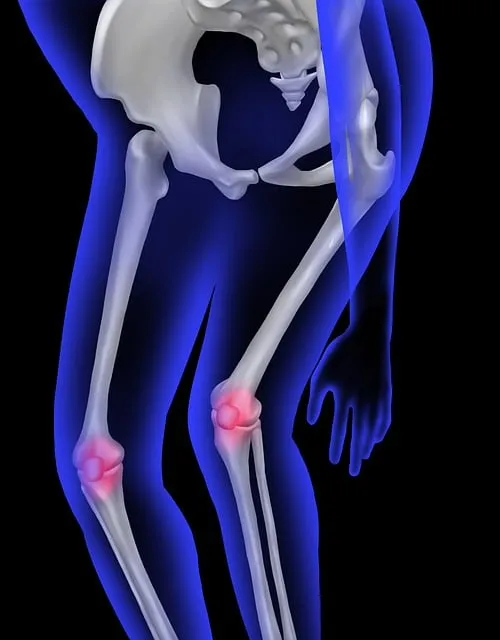
Chronic pain is now understood to be substantially a central sensitization phenomenon rather than simply a peripheral tissue-damage phenomenon. In chronic pain conditions the brain and spinal cord become sensitized to pain signals — generating and amplifying pain that no longer requires ongoing peripheral tissue damage. Psychological factors including stress, emotional suppression, catastrophizing, and trauma history have well-established roles in developing and maintaining central sensitization.
Interventions that reduce psychological stress and improve emotional processing therefore have a direct mechanistic basis for reducing chronic pain — not through distraction or positive thinking, but by reducing the central sensitization that chronic psychological stress maintains.
A 2021 randomized controlled trial on expressive writing for fibromyalgia found that 20 minutes of emotional disclosure writing three times a week for 4 weeks produced significantly greater reductions in pain intensity, pain interference with daily life, and fatigue than a control writing condition. Inflammatory biomarkers (CRP and IL-6) were also significantly lower in the expressive writing group at 8-week follow-up — a potential mechanistic link between the psychological intervention and pain reduction, running through the HPA-immune-inflammatory pathway.
A 2022 meta-analysis of expressive writing for chronic pain across 23 studies found small-to-moderate effect sizes for pain reduction and somewhat larger effects for quality of life and emotional functioning in pain patients. The effects held consistent across pain conditions — fibromyalgia, chronic low back pain, arthritis, cancer-related pain — suggesting a mechanism operating through common central sensitization pathways rather than something specific to any one pain pathophysiology.
For chronic pain populations, where pharmacological management is often inadequate and high-risk, a zero-cost self-administered intervention with moderate benefit and no adverse effects is a clinically meaningful addition to the treatment arsenal.
The Writing Cure in the Digital Era: Apps, Prompts, and the Evidence Base
The commercial landscape for journaling apps has expanded dramatically, hundreds of products promising mental health benefits through digital writing. The evidence for these products varies, and understanding what separates the ones likely to produce genuine psychological benefit from the ones providing a pleasant but largely cosmetic service helps in navigating a crowded marketplace.
The critical differentiator appears to be the quality of the prompting structure. Apps built on evidence-based prompts drawing from cognitive behavioral therapy, acceptance and commitment therapy, or the Pennebaker expressive writing paradigm show better outcomes in the limited research available than apps that mostly just offer a digital notebook with no structured guidance.
The prompting structure matters because unguided free writing shows more variable results in the literature than structured writing does — the cognitive organization that drives benefit gets achieved more reliably when prompts explicitly guide the writer toward the causal, insight-oriented, meaning-making modes that correlate with outcome.
Mood tracking combined with journaling — an approach several apps use — has shown benefit beyond journaling alone in a number of studies, by creating metacognitive awareness of mood patterns over time. Recognizing that mood reliably drops on Sunday evenings, or consistently improves on days following aerobic exercise, provides actionable self-knowledge that pure journaling doesn’t generate as efficiently on its own.
The temporal pattern recognition enabled by tracked data over months supplements the within-session processing journaling provides with a longer-view perspective on what conditions support and undermine psychological well-being.
Whatever medium gets used — paper journal with self-generated prompts, structured paper journal format, dedicated journaling app, voice-to-text — the non-negotiable element is genuine engagement. Pennebaker has observed after decades of research that the people who benefit least from expressive writing are the ones who write mechanically, as a habit to check off rather than a reflection genuinely undertaken.
The people who benefit most are the ones genuinely surprised, at least occasionally, by what shows up when they write. That quality of genuine engagement with one’s own inner life is the irreducible active ingredient no prompt, app, or format can manufacture on its own. The technology is the frame. The honesty is the painting.
Sleep, Memory Consolidation, and Evening Journaling
The timing of journaling within the daily cycle carries specific neurobiological relevance that standard recommendations often miss. The interaction between evening reflective writing and the memory consolidation processes that run during sleep creates a particularly powerful window for both immediate cognitive benefit and longer-term neuroplastic change.
Memory consolidation during sleep involves two primary processes: slow-wave sleep (SWS) in the first half of the night, critical for declarative memory consolidation (facts, events, autobiographical memories), and REM sleep in the second half, critical for emotional memory processing and procedural learning. Research by Matthew Walker and colleagues at UC Berkeley has shown that REM sleep specifically processes the emotional tone of memories — essentially re-encoding memories with reduced emotional charge while preserving the informational content.
This “emotional stripping” of memories during REM is thought to be a primary mechanism of psychological recovery from distressing experiences, and its impairment (common in PTSD, depression, and stress conditions) is associated with sustained emotional intensity of distressing memories and chronic psychological distress.
Evening journaling appears to create optimal conditions for this sleep-based emotional processing. By organizing the day’s emotionally significant experiences into coherent narrative form before sleep — moving from raw experience to organized understanding — the journaler may hand the memory consolidation system more coherently structured material, which gets processed more efficiently during SWS and REM. The cognitive-emotional organization that happens during writing may function as a preparatory step that boosts the efficiency of the sleep-based consolidation that follows.
Research on pre-sleep writing specifically has found that people who write about unfinished tasks and concerns before sleep fall asleep faster and sleep more soundly than those who write about completed tasks, or who don’t write at all. The “to-do list” before sleep finding, from a 2018 Baylor University study, suggests externalizing mental content onto paper reduces the cognitive load that would otherwise occupy working memory during the pre-sleep period, letting the brain’s arousal systems downregulate more efficiently.
For journalers who combine reflective writing on the day’s events with a brief forward-oriented task or intention list, both the emotional processing and the cognitive offloading functions get served — a comprehensive pre-sleep ritual addressing multiple mechanisms of sleep quality improvement at once.
The Practical Framework: Applying Pennebaker Paradigm Expressivie Writing In Real Life
References
Editorial StandardsCorrectionsMedical DisclaimerAbout Our ContentAffiliate DisclosureSite Map