
When Anil’s doctor measured his grip strength during a routine checkup at age fifty-three, he did it with the casual efficiency of checking blood pressure — a quick squeeze of a handheld dynamometer, a number recorded in a chart, a brief note about how it compared to age-matched norms. Anil barely noticed. It seemed like an odd thing to measure at a routine physical — oddly old-fashioned, like testing reflexes with a rubber hammer. He was there about his cholesterol, which seemed like the real issue. His grip felt fine to him. He opened jars without help. What could his hand strength possibly indicate about his cardiovascular risk?
Quite a lot, it turns out. More than he expected. More than many cardiologists expect, given that blood pressure remains the dominant cardiovascular measurement while grip strength — with equivalent or superior predictive validity in some studies — barely registers in routine care outside academic centers.
What his doctor didn’t mention — though the research supporting the test was well-established — is that grip strength is one of the most powerful predictors of all-cause mortality in middle-aged and older adults. More predictive than blood pressure. More predictive than many conventional cardiovascular risk markers. The 2015 Leong et al. study in The Lancet — one of the most influential papers on the subject — followed 139,691 adults across seventeen countries for an average of four years and found that every 5kg decrease in grip strength was associated with a 17% increase in cardiovascular mortality and a 16% increase in all-cause mortality. The study found grip strength to be a stronger predictor of cardiovascular death than systolic blood pressure.
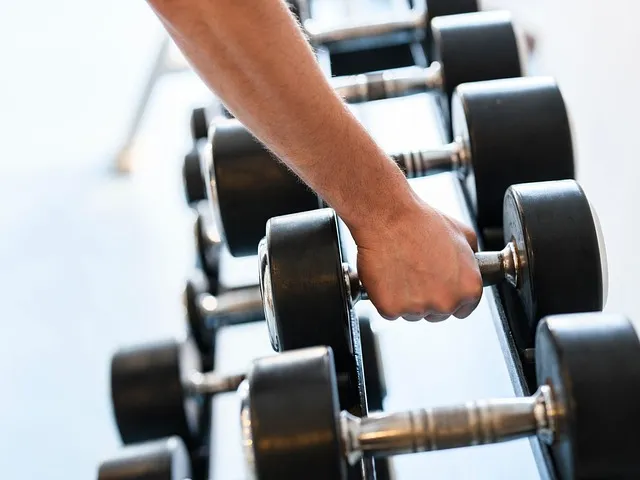
The practical implication isn’t subtle: if you care about longevity, grip strength belongs in your training program and your health monitoring. This is the complete evidence-based breakdown of why grip strength matters, what optimal numbers look like, and how to systematically develop it through specific training that produces both the functional strength and the health outcomes the epidemiology predicts.
Why Grip Strength Predicts Mortality: The Mechanisms
The association between grip strength and mortality is robust across multiple studies, populations, and age groups. But correlation doesn’t establish mechanism, and understanding why grip strength predicts survival changes how you think about its significance.
Grip strength as a proxy for total muscle mass and quality. The forearm and hand contain a dense concentration of intrinsic and extrinsic muscles that, because they’re measured with a dynamometer in a standardized way, provide a reliable snapshot of overall neuromuscular function. Research shows that grip strength correlates highly with total lean body mass, leg strength, and overall muscle quality. It’s not that the hand muscles specifically protect against cardiovascular disease — it’s that grip strength serves as an accessible index of the body’s total muscular health, which does profoundly affect cardiovascular risk through metabolic, mechanical, and inflammatory mechanisms.
Skeletal muscle as a metabolic organ. Muscle tissue is not passive structural mass. It’s a highly metabolically active organ that consumes glucose, secretes cytokines (myokines) with anti-inflammatory and metabolic signaling functions, and plays the central role in glucose disposal. People with greater muscle mass and quality have better insulin sensitivity, better glucose regulation, and lower systemic inflammation — all direct cardiovascular risk factors. Low grip strength reflects low muscle quality, which reflects impaired metabolic function, which produces the cardiovascular disease associations the epidemiology captures.
Sarcopenia — age-related muscle loss — is the underlying condition that grip strength decline signals. After approximately age thirty, muscle mass begins declining at roughly 1% per year without targeted resistance training, accelerating to 2-3% per year after age sixty. This muscle loss (sarcopenia) is associated with metabolic dysfunction, falls, fractures, hospitalization, and mortality — the very outcomes predicted by low grip strength. Grip strength decline tracks sarcopenia closely because the muscles tested are subject to the same systemic influences (hormonal environment, protein intake, physical activity, inflammatory status) as total body muscle mass. The critical insight: sarcopenia is not a disease of old age — it’s a disease of long-term physical inactivity that becomes clinically apparent in old age. The preventive intervention — consistent resistance training throughout adult life — is most effective when started early and maintained, not when started at seventy as a reactive measure. Athletes who build and maintain strength throughout their thirties, forties, and fifties enter the decades of accelerated sarcopenia with dramatically more muscle reserve than sedentary counterparts, slowing the functional decline trajectory significantly.
Nutritional status is reflected in grip strength. Malnutrition — including protein deficiency, which is far more common in elderly populations than widely recognized — impairs muscle protein synthesis and produces rapid strength decline. Hospital studies show that grip strength is one of the most reliable bedside indicators of malnutrition risk, predicting prolonged hospital stay, complications, and mortality in surgical and medical patients. In community-dwelling older adults, low grip strength reflects inadequate dietary protein as reliably as it reflects inadequate exercise.
The Leong 2015 Lancet study’s specific strength is its scale and geographic diversity. By demonstrating the grip-mortality association across high-, middle-, and low-income countries across four continents, it established that the relationship isn’t a statistical artifact of specific populations or healthcare systems. It’s a biologically fundamental signal that transcends cultural and environmental context.
What Good Grip Strength Looks Like: The Numbers
Understanding what grip strength values are associated with lower versus higher mortality risk requires reference to normative data and the specific thresholds identified in major studies.
Grip strength is measured with a handheld dynamometer — a device that measures the force generated by squeezing. Standard measurements are taken with the arm at the side, elbow at 90°, and wrist in neutral position. Typically three measurements per hand are taken, and the maximum or dominant hand value is used in most research.
Normative ranges vary by age and sex. Approximate reference ranges for dominant hand grip strength:
Males: Age 20-34: 46-56kg. Age 35-44: 45-55kg. Age 45-54: 43-53kg. Age 55-64: 40-50kg. Age 65+: 32-45kg. Values below the lower end of each range suggest meaningful deficit.
Females: Age 20-34: 26-33kg. Age 35-44: 25-32kg. Age 45-54: 24-31kg. Age 55-64: 22-29kg. Age 65+: 18-26kg. Similar interpretive framework applies.
The Leong 2015 study specifically identified low grip strength cutoffs (below approximately 26kg for males and 17kg for females) as predictors of significantly elevated mortality risk. The Fien et al. and Celis-Morales et al. studies using UK Biobank data have further specified that the relationship is continuous — each kilogram of additional grip strength is associated with measurable reductions in disease risk, not just a binary above/below threshold relationship.
For practical purpose: if you’re a 45-year-old male with grip strength below 40kg, there’s a meaningful health signal worth acting on. If you’re 65 and below 32kg, the signal is urgent. Conversely, if you’re building toward the upper end of your age-sex normative range through targeted training, you’re investing in one of the most evidence-supported longevity interventions available.
The Research Trajectory: How a Simple Test Became a Biomarker of Aging
Grip dynamometry has been used in clinical settings since at least the early twentieth century, originally as a tool for assessing hand function after injury or surgery. The pivot toward using grip strength as a systemic health biomarker rather than a local functional assessment accelerated significantly in the 1990s and 2000s as longitudinal aging cohort studies accumulated data showing the unexpected predictive power of the simple squeeze test.
The key research trajectory: early studies in surgical populations showed that low preoperative grip strength predicted postoperative complications, longer hospital stays, and worse outcomes — suggesting it captured something about physiological reserve beyond simple hand function. This led researchers to examine grip strength in community-dwelling older adults, where similar associations with adverse health outcomes emerged. The connections to cardiovascular disease, cancer survival, and overall mortality then prompted the large-scale epidemiological studies that established the associations rigorously.
What the research has consistently shown is that grip strength is a better proxy for biological age than chronological age. Two seventy-year-olds can have vastly different grip strengths depending on their lifetime physical activity patterns, nutritional history, and health conditions — and the one with higher grip strength has measurably better health outcomes across almost every studied endpoint. This is the concept of “functional age” made concrete: biological systems age at different rates, and muscle quality — of which grip strength is a convenient proxy — is one of the systems where lifestyle choices have the most leverage over the aging trajectory.
The European Working Group on Sarcopenia in Older People (EWGSOP) now includes grip strength measurement as a standard component of sarcopenia diagnosis, alongside muscle mass and physical performance. This clinical adoption reflects the research consensus: grip strength is not a curiosity but a validated, standardized, cost-effective biomarker of musculoskeletal health with direct clinical utility.
Grip Strength Across Sports: Why It Matters for Athletic Performance
Beyond longevity, grip strength is directly performance-relevant across a remarkable range of athletic contexts. Its significance often goes unrecognized in training programs that prioritize the “big” muscle groups while neglecting the terminal point of force application.
In pulling movements (deadlifts, rows, pull-ups, cleans), grip strength is often the first limiting factor. Athletes who can row or deadlift heavy loads in theory find that the barbell slips from their hands before the targeted muscles fail. This grip limitation caps total training volume and intensity in pulling movements, indirectly limiting the development of the back, biceps, and posterior chain muscles. Training grip specifically removes this ceiling.
In contact sports (wrestling, judo, grappling, football), grip strength is a primary determinant of performance. Grip endurance — the ability to maintain force under sustained load — determines who controls the clinch, who completes the tackle, who maintains their position through sixty minutes of grappling. Research in judo specifically shows grip strength as one of the strongest predictors of competitive performance among athletes at similar overall fitness levels. Judo’s kumi-kata (gripping contest at the start of each engagement) is essentially a grip strength battle that determines positional advantage for the entire subsequent exchange. Elite judoka spend dedicated time on grip strength and grip-breaking technique for this reason.
In racket sports (tennis, squash, badminton), grip strength affects both control and power. The transfer of force from the body through the racket arm into the ball depends on the wrist and hand maintaining a stable, powerful connection. Weak grip allows handle rotation at impact, reducing both power and directional control.
In rock climbing, grip strength is arguably the most fundamental athletic quality. The specific demands of finger flexor strength and endurance in climbing have produced a dedicated training culture around grip development that has much to teach other sports.
For general fitness athletes, grip strength governs the ability to progress in all loaded carries (farmer carries, waiter’s walks), hanging exercises (pull-ups, dead hangs, monkey bars), and serves as a general indicator of training quality and consistency. Athletes with strong grips have usually built them through years of consistent pulling work — they’re not born with them. The calluses, the thick forearms, the hands that close with authority — these are built, not given. And the investment pays dividends not just in the gym but in the epidemiological data tracking where those bodies end up forty years later.
The Grip Strength Training Protocol
- Dead hangs: Hang from a pull-up bar with an overhand grip. Build from 20-second holds to 60-second continuous hangs. This builds both crushing grip strength and forearm endurance simultaneously. Progress to towel hangs or thick-bar hangs for increased difficulty.
- Barbell deadlifts without straps: Pull deadlifts with a double overhand grip as long as possible before switching to hook grip or adding straps. The controlled loading of the fingers under heavy barbell weight develops crushing strength in the most functional pattern.
- Gripper training: Hand gripper devices (Captains of Crush, Heavy Sport grippers) provide progressive resistance specifically for the crush pattern. Work from 60-70% of maximum rated resistance for high reps (15-20) down to near-maximum rated resistance for 2-5 reps. Include timed closes (holding closed for 30-60 seconds at moderate resistance) for endurance.
This framework — the Grip Strength Training Protocol — organizes grip training across four categories of grip strength: crushing grip (closing the hand against resistance), supporting grip (maintaining a hold under prolonged load), pinching grip (finger-thumb opposition), and wrist and forearm strength (extension and rotation).
Category 1: Crushing Grip (2x/week)
Category 2: Supporting Grip / Carrying (2x/week)
- Farmer carries: Hold heavy dumbbells or kettlebells at your sides and walk for distance or time. 3 sets × 30-50 meters at 50-70% of your maximum carrying capacity. This builds loaded grip endurance under full-body fatigue — the most functionally relevant grip pattern.
- Suitcase carries (single arm): As above but unilateral, adding an anti-lateral-flexion challenge that also develops core and hip stability alongside grip.
- Pull-up holds: At the top of a pull-up, pause for 3-5 seconds. The supinated grip of a chin-up or the pronated grip of a pull-up both develop supporting grip strength in compound pulling movements.
Category 3: Pinching Grip (1-2x/week)
- Plate pinches: Pinch one or two weight plates between thumb and fingers (plates held vertically). Hold for 30-60 seconds per hand. Progress by adding weight or extending duration. Develops the thumb-opposition strength critical for many grip-dependent tasks.
- Hub lifts: Lift a weight plate by gripping only the center hub (the raised circular lip). Extremely demanding pinch strength exercise for advanced athletes.
Category 4: Wrist Strength and Extensors (1-2x/week)
- Wrist roller: Roll a weight up using a wrist-roller device, alternating between flexion (rolling weight toward you) and extension (rolling weight away). This strengthens the entire wrist and forearm through full range of motion.
- Wrist curls and reverse wrist curls: Seated on a bench with forearms supported, perform wrist curls (palms up) and reverse curls (palms down) with light-to-moderate dumbbell weights. The extensors (reverse curls) are commonly neglected relative to the flexors — imbalance contributes to lateral epicondylitis (tennis elbow).
- Towel pull-ups: Loop a towel over a pull-up bar and grip the ends rather than the bar. The unstable, thick grip of the towel dramatically increases forearm and grip demand compared to bar pull-ups.
Your grip is your connection to every pulling movement, every carry, every climb, every handshake. It’s also, according to the evidence, a reliable window into how your body is aging at the biological level. Train it like it matters — because it does, in ways that extend far beyond what you can lift or how you perform in the gym, reaching into the decades of life and the quality of the living you do in them.
Grip Strength and Aging: The Sarcopenia Connection
Grip strength decline with age is not inevitable. It’s the predictable consequence of progressive muscle disuse — specifically, the combination of reduced physical activity, inadequate protein intake, and hormonal changes that occur with aging but are not fully determined by aging alone.
The research on resistance training in older adults is unambiguous: adults in their sixties, seventies, and eighties who begin resistance training programs show meaningful increases in muscle mass and strength, including grip strength. The body’s capacity for muscular adaptation doesn’t disappear with age — it diminishes somewhat in magnitude but remains functional. A seventy-year-old who begins deadlifting and farmer carrying will see grip strength improvements within weeks.
Protein intake is the nutritional variable most directly linked to grip strength maintenance in older adults. Studies show that older adults consuming less than 1g of protein per kilogram of body weight daily show faster rates of muscle mass and strength decline than those meeting or exceeding 1.2-1.6g/kg. Given that the typical protein intake of older adults falls significantly below even the lower threshold, this represents a readily modifiable and highly impactful intervention. The underappreciated reality: adequate protein plus consistent resistance training is one of the most powerful interventions available for maintaining functional capacity with aging — more impactful than most pharmaceuticals for outcomes like grip strength, walking speed, and independence. The combination of the two is synergistic: protein provides the substrate for muscle protein synthesis, resistance training provides the mechanical stimulus that directs that synthesis to functional muscle tissue. Neither alone is as effective as both together. The connection to overall longevity performance is developed further in the longevity protocol guide, and the foundational role of resistance training is covered in strength training for longevity.
Sex hormones significantly influence muscle maintenance. Testosterone decline in males and estrogen decline in females both reduce anabolic signaling for muscle protein synthesis, contributing to sarcopenia. This is partly why grip strength declines more rapidly after age fifty in both sexes — accelerating around menopause in females and with the andropause-associated testosterone decline in males. Addressing these hormonal changes through appropriate medical management where indicated, combined with resistance training that provides mechanical anabolic stimulation independent of hormone levels, supports better grip strength and muscle mass maintenance than either approach alone.
Measuring Your Grip Strength: Practical Assessment
Handheld dynamometers are available for under $50 from multiple manufacturers and provide sufficiently accurate measurements for personal monitoring. The Jamar and similar medical-grade dynamometers are the research standard; consumer versions in the $20-40 range are adequate for tracking personal progress, though not directly comparable to clinical norms without calibration verification.
Standardized measurement protocol: sit in a chair with feet flat on floor. Hold the dynamometer with the elbow bent approximately 90° and the wrist in neutral position (neither fully flexed nor extended). Squeeze maximally for 3 seconds. Record three measurements per hand with 30-second rest between attempts. Use the maximum value from the dominant hand for comparison against norms. Measure at the same time of day (morning baseline, pre-exercise) for consistency in tracking over time.
Without a dynamometer, several proxy measures track grip strength progress: maximum dead hang time (from seconds toward 60+ seconds), maximum weight carried in farmer carries for a set distance, maximum pull-up reps, and plate pinch hold duration. These functional measures capture grip strength and endurance in application-relevant ways and provide useful training targets even without equipment-based assessment.
Measuring grip strength every 4-6 weeks during a focused grip training phase provides feedback on whether the training stimulus is producing the intended adaptation. Like any strength quality, grip strength responds to progressive overload over weeks and months — not days. Consistent measurement with appropriate progression in training load is the formula. Athletes who combine regular measurement with progressive overload in the training protocol typically see 20-40% grip strength improvements over the first 12-16 weeks of focused training, with continued slower gains thereafter. Track the numbers, adjust the load, and stay patient with the timeline.
Grip Strength Training for Different Populations
The training approach to grip strength differs meaningfully across populations. Understanding these differences helps design a program that’s appropriately targeted.
Beginners and de-conditioned adults should start with dead hangs, bodyweight pulling work, and simple carries. The connective tissue of the hands, wrists, and elbows requires gradual conditioning before heavy specific grip loading is appropriate. The tendons and ligaments of the hand adapt more slowly than the muscles — a common mistake is progressing to heavy gripper work or thick bar deadlifts before the connective tissue has caught up, resulting in finger or wrist tendon issues. Four to six weeks of dead hangs, bodyweight rows, and light farmer carries precede more demanding specific grip training.
Strength athletes (powerlifters, Olympic lifters, bodybuilders) most commonly need to develop grip endurance rather than peak grip strength — the ability to maintain a strong grip through multiple heavy sets of pulling movements under fatigue. For these athletes, deadlift work without straps for as long as possible before moving to hook grip, combined with timed farmer carry protocols, typically produces the most relevant grip development. High-volume barbell work already provides significant grip stimulus; supplement with carries and hangs rather than adding extensive gripper work on top of heavy pulling.
Climbers have the most specific grip strength requirements of any sport: finger flexor strength and endurance in crimping and open-hand positions, contact strength (the ability to rapidly generate maximal force on contact with a hold), and finger tendon resilience. Rock climbing-specific training (hangboard protocols, campus board work, specific core body tension) is outside the scope of this article, but the Grip Strength Training Protocol’s dead hangs and plate pinches provide relevant supplementary work for climbers who want general grip strength alongside their climbing-specific training.
Older adults benefit from a simplified protocol that is still challenging relative to their capacity. Dead hangs modified to supported holds (standing on a stool, removing 20-30% of body weight), light farmer carries, and hand squeezers at appropriate resistance provide adequate stimulus without the joint stress risks of very heavy loading. The evidence for grip strength training benefits in older adults is robust — even 70+ year old populations show meaningful strength gains from consistent training. Don’t underestimate what’s achievable with appropriate, progressive loading regardless of starting age.
Rehabilitation from hand, wrist, or elbow injuries requires specific medical guidance, but the general principle applies: once healing allows controlled loading, progressive resistance training of the grip muscles restores strength more effectively than rest alone. Hand therapists and physical therapists often incorporate grip strengthening into rehabilitation programs as the primary functional outcome measure — because grip strength is both a treatment target and a functional indicator of successful recovery.
The Systemic Health Connection: Beyond the Biomarker
The grip strength-mortality association is often discussed in terms of what grip strength predicts, but there’s a more actionable interpretation: building and maintaining grip strength isn’t just about having good numbers on a test — it’s about maintaining the whole-body physiological conditions that strong grip represents.
Maintaining muscle mass through consistent resistance training throughout the lifespan is the single most evidence-supported intervention for functional longevity. The mortality benefits associated with high grip strength almost certainly reflect this broader muscular health, not the grip strength itself. Training specifically to maintain grip strength as part of a comprehensive resistance training program is one expression of the same investment in muscular health that all the longevity literature converges on.
The metabolic benefits are substantial. Research using DEXA-measured lean mass shows that each kilogram of additional lean mass is associated with measurable reductions in cardiovascular disease risk, type 2 diabetes incidence, and all-cause mortality. The mechanisms include improved insulin sensitivity (muscle is the primary site of glucose disposal during and after exercise), reduced systemic inflammation (muscle tissue produces anti-inflammatory myokines like IL-6 in the exercise context), and better metabolic reserve during illness or physiological stress.
The fall prevention dimension specifically implicates grip strength. Falls are the leading cause of injury-related death in adults over 65, and the consequences — hip fractures, traumatic brain injuries — are life-altering. Both the muscular strength to catch yourself and the reflexive neuromuscular reactions to recover balance depend on functional grip and lower limb strength. Studies in older adult populations consistently show that strength training programs including upper body work reduce fall risk by 30-50% — through improvements in both balance and the reflexive catch mechanisms that grip strength supports.
The independence dimension: maintaining functional grip strength is directly tied to the ability to perform the activities of daily living that define independent living in older age. Opening jars, carrying groceries, managing tools and home maintenance, gripping handrails, dressing and self-care — all require adequate grip strength. Studies in long-term care populations show that grip strength below functional thresholds predicts inability to perform these activities, predicts need for institutional care, and predicts mortality. These aren’t abstract epidemiological associations — they’re functional realities with direct quality-of-life implications.
FAQ
Can grip strength actually be improved significantly, or is it mostly genetic?
Grip strength responds robustly to training and is among the most trainable physical qualities across the lifespan. Studies show 20-50% improvements in grip strength over 8-16 week targeted training programs in previously untrained individuals. Baseline level has some genetic component (hand size, muscle fiber type distribution), but training response is highly trainable regardless of starting point. Athletes who train grip consistently for years commonly achieve grip strength values well above age-sex norms. Genetics determine the potential ceiling; consistent, progressive training determines where between the floor and ceiling you actually operate.
How often should I train grip?
Two to three dedicated, purposeful grip training sessions per week is optimal for most athletes. The forearm muscles recover relatively quickly compared to large muscle groups — 48-72 hours is typically more than adequate. If you’re doing significant pulling work in your strength training (deadlifts, rows, pull-ups), much of your grip training is occurring incidentally. Supplement with 10-15 minutes of specific grip work 2x/week on top of compound pulling movements for accelerated grip development.
Is grip strength the same as forearm strength?
Related but not identical. Grip strength primarily reflects the force-producing capacity of the finger flexors — the forearm muscles that close the hand. Forearm strength more broadly includes wrist flexors and extensors, pronators and supinators, and the intrinsic hand muscles. A complete grip development program addresses all of these, not just the crush pattern measured by dynamometry. The Grip Strength Training Protocol covers the full spectrum.
Will grip training make my hands or forearms look bigger?
Forearm hypertrophy from grip training is real but modest compared to the strength gains. The forearm muscles are predominantly composed of slow-twitch muscle fibers, which have lower hypertrophic potential than the fast-twitch fibers dominating large limb muscles. However, athletes who do significant grip and pulling work consistently do develop noticeably thicker forearms over time. This is a secondary benefit — the functional and health benefits of grip training far outweigh aesthetic considerations, but the hypertrophy is real.
How does grip strength relate to bone density?
Grip strength and bone density are positively correlated. The mechanical loading that muscles apply to bone during exercise stimulates osteoblast activity and bone mineralization. Stronger grip correlates with higher distal radius bone density — the wrist bone most commonly fractured in falls. This mechanobiological connection means that grip training contributes to bone health at the wrist, while overall resistance training contributes to bone health throughout the skeleton. For older adults at risk for osteoporosis and fractures, this functional relationship makes grip training doubly valuable.
What happened when Anil’s doctor told him about the mortality data?
He didn’t — the cholesterol was the concern that day, and the grip strength measurement was filed without comment. Anil found the research himself three months later while reading a health longevity article, went back to check his chart notes, and discovered he’d measured at 34kg — below the average for his age, consistent with years of office work and minimal upper body training. He started doing dead hangs and farmer carries twice a week, added deadlifts to his gym program, and began tracking his grip monthly. In six months, he was at 41kg. More importantly, he understood why the number mattered — not because grip strength itself is magical, but because what it represents is the accumulated state of his musculoskeletal health, and that is one of the things most worth investing in for the long haul.
Are there diminishing returns to grip strength beyond a certain point?
Yes, but the floor of meaningful benefit is higher than most people think. The mortality benefits associated with grip strength appear to be continuous throughout the normal range, with each additional kilogram associated with reduced risk. Very high grip strength (above the 90th percentile for age and sex) does not appear to confer dramatically greater benefits than upper-normal range strength. The practical implication: getting your grip strength to the upper half of the normal range for your age and sex is the highest-value target. Pursuing competitive-level grip strength beyond that for longevity purposes has diminishing returns, though it remains valuable for athletic performance.
Does hand dominance significantly affect grip strength measurements?
Dominant hand grip strength is typically 10-15% higher than non-dominant in right-handed individuals and roughly equal in left-handed individuals. Most normative tables and research use the dominant hand measurement, so compare your dominant hand to the appropriate reference. Training typically should include both hands — unilateral exercises (single-arm farmer carries, single-arm hangs, unilateral gripper work) address asymmetries, while bilateral exercises (barbell deadlifts, two-arm hangs) build both simultaneously.
Can grip strength serve as a replacement for a full functional fitness assessment?
No — it’s a useful biomarker, not a complete functional assessment. A comprehensive functional fitness profile for longevity includes grip strength, lower body strength (standing from a chair without arm assistance, or specific leg strength tests), balance and gait speed, and aerobic capacity. Grip strength is one of the most accessible and predictive single measurements, but it doesn’t capture lower body function, cardiovascular fitness, or flexibility — all of which have independent contributions to longevity outcomes. Think of grip strength as a convenient, low-barrier check-in that provides real information, not as a substitute for comprehensive fitness monitoring.
Editorial StandardsCorrectionsMedical DisclaimerAbout Our ContentAffiliate DisclosureSite Map