
Tom had perfect teeth. He was religious about his dental care — an electric toothbrush, floss every night, dentist every six months. When his cardiologist mentioned at his annual physical that his CRP was elevated and his LDL pattern was concerning, Tom assumed it was dietary. He tightened his diet, started exercising more, cut red meat. The CRP barely moved. What nobody thought to mention was that Tom had a 5mm periodontal pocket on his lower left molar — a finding from his last dental visit that was treated as a routine dental matter rather than a cardiovascular signal. Two healthcare silos, same patient, entirely separate conversations.
The gum disease-heart disease connection is not a hypothesis. It is supported by decades of epidemiological evidence, direct microbiological detection of oral pathogens in arterial plaques, documented inflammatory mechanisms, and interventional studies showing improved cardiovascular function after periodontal treatment. The reason most people don’t know about it is that cardiology and dentistry exist in separate professional universes, billed separately, staffed separately, and thinking about the body as if the neck were a complete barrier between them.
This article documents the link, explains the mechanisms, and provides a prevention protocol that bridges both disciplines.
The Epidemiology: What the Numbers Show
A 2014 meta-analysis in the Journal of the American Heart Association pooled data from 14 prospective cohort studies with over 300,000 participants and found that periodontal disease was associated with a 24% increased risk of incident cardiovascular disease, independent of traditional risk factors including smoking, diabetes, and socioeconomic status. The association was strongest for coronary artery disease and cerebrovascular events (stroke).
The dose-response relationship strengthens the causal inference: more severe periodontitis correlates with higher cardiovascular risk. Patients with fewer teeth — a proxy for lifetime periodontal disease burden — have consistently elevated cardiovascular mortality in prospective studies. Edentulous (toothless) individuals have particularly elevated risk, suggesting that tooth loss as the endpoint of untreated periodontal disease carries its own cardiovascular penalty.
The association holds across populations: it has been documented in European, American, Asian, and Latin American cohort studies. It persists after adjustment for the shared risk factors — smoking, diabetes, age, obesity — that might explain the overlap between two conditions common in middle-aged and older adults. The independence from these confounders suggests the association is not merely coincidental.
P. gingivalis in Atherosclerotic Plaques: The Microbiological Evidence
The discovery that oral bacteria can be found in arterial plaques was a pivotal moment in establishing biological plausibility for the periodontal-cardiovascular link.
Haraszthy and colleagues (2000) examined human coronary and carotid atherectomy specimens using PCR (polymerase chain reaction) to detect periodontal pathogen DNA. They found periodontal pathogen DNA in 44% of specimens, with P. gingivalis and B. forsythus (now T. forsythia) being the most common. This wasn’t a contamination artifact — these were bacteria found inside arterial plaque tissue, not on the arterial surface.
Subsequent studies have extended this finding. P. gingivalis has been detected in atherosclerotic plaques from multiple vascular territories: coronary arteries, carotid arteries, and aorta. Viable P. gingivalis has been cultured from atheromatous plaques, not just DNA detected — confirming the presence of live bacteria, not just remnants. P. gingivalis has been shown in animal models to accelerate atherosclerosis when administered by multiple routes, including oral infection, providing experimental evidence for a causal contribution to plaque formation.
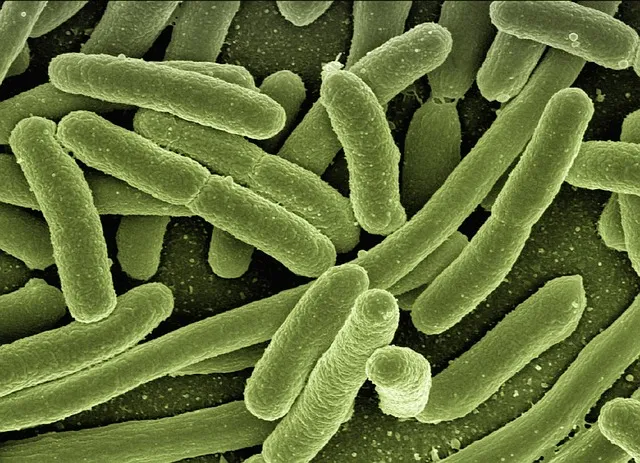
The mechanism by which P. gingivalis reaches the coronary arteries: it enters the bloodstream (bacteremia) through inflamed and ulcerated gingival tissue. Even routine dental procedures — and aggressive tooth brushing in someone with gingival inflammation — can produce transient bacteremia. In people with chronic periodontitis, the chronically inflamed gingival epithelium allows continuous low-grade bacterial translocation into systemic circulation. P. gingivalis has evolved specific strategies for evading the immune response, including fimbriae that allow it to invade endothelial cells and macrophages, and gingipain proteases that degrade complement proteins and immunoglobulins.
The Inflammatory Cascade: How Bacteria in Your Mouth Inflame Your Arteries
The inflammatory pathway from periodontal infection to arterial disease operates through mechanisms that parallel the pathways driving atherosclerosis from all other chronic inflammatory sources — but with specific amplification from oral-specific bacterial virulence factors.
Systemic inflammatory marker elevation. CRP is produced in the liver in response to cytokine signals — particularly IL-6 — from sites of inflammation throughout the body. Chronic periodontal infection is one of the most significant sources of sustained IL-6 production available in the body. CRP directly promotes endothelial dysfunction by stimulating adhesion molecule expression, promotes LDL oxidation, and activates complement. Multiple studies have found CRP reduced by 0.3-0.5 mg/L following successful periodontal treatment — a clinically meaningful reduction in cardiovascular risk.
Endothelial dysfunction. The endothelium — the single-cell lining of blood vessels — responds to inflammatory signals by increasing permeability, expressing adhesion molecules that recruit immune cells, and reducing nitric oxide production. All of these changes promote atherogenesis. P. gingivalis LPS directly activates toll-like receptor 4 on endothelial cells, triggering exactly this response. Importantly, Tonetti 2013 demonstrated that intensive periodontal treatment reversed endothelial dysfunction measurable by flow-mediated dilation — providing direct evidence that removing the periodontal inflammatory source improves arterial function.
Foam cell formation. Macrophages recruited to sites of endothelial activation engulf oxidized LDL, becoming foam cells — the cellular basis of atherosclerotic plaque. P. gingivalis promotes foam cell formation through multiple mechanisms: it can invade macrophages, it stimulates IL-1β production which promotes LDL oxidation, and its LPS activates macrophages toward an atherosclerosis-promoting phenotype. In animal studies, P. gingivalis infection directly accelerates foam cell accumulation in aortic walls.
Platelet activation. P. gingivalis can directly activate platelets through interaction with fibrinogen and platelet receptors. Platelet activation promotes thrombosis — the clot formation that converts a stable atherosclerotic plaque into an acute myocardial infarction or stroke. This mechanism links periodontal disease not just to plaque buildup but to the acute cardiovascular events that cause most deaths.
Molecular mimicry. P. gingivalis heat shock proteins (particularly GroEL) share structural similarity with human heat shock proteins expressed by stressed endothelial cells. Immune responses generated against P. gingivalis GroEL may cross-react with endothelial cells, generating autoimmune-type endothelial attack that accelerates arterial damage.
The Tonetti 2013 Study: Treating Gums Improves Arterial Function
The Tonetti 2013 study deserves extended discussion because it represents the strongest interventional evidence for the clinical significance of the periodontal-cardiovascular link.
The study design: 120 patients with severe periodontitis and no history of cardiovascular disease were randomized to either intensive periodontal treatment (full-mouth scaling, root planing, and tooth extraction of non-salvageable teeth, plus systemic antibiotics) or conservative treatment (supragingival cleaning only — the oral hygiene standard, not treating the underlying disease). The primary outcome was brachial artery flow-mediated dilation (FMD) — a validated measure of endothelial function that is one of the best non-invasive predictors of cardiovascular risk available.
At 24 hours after intensive treatment, FMD was paradoxically reduced — a finding consistent with the acute bacteremia and inflammatory response of aggressive treatment. This is important: intensive periodontal treatment causes a temporary inflammatory surge as bacteria are disrupted and enter circulation. For someone with established cardiovascular disease, this timing is clinically significant.
At 1 month, FMD had recovered to baseline in both groups. At 6 months, the intensive treatment group showed significantly better FMD than the conservative treatment group. At 12 months, the benefit was sustained and accompanied by significant reductions in systemic inflammatory markers (CRP, IL-6) in the intensive treatment group.
The clinical translation: treating periodontal disease properly — not just cleaning the teeth surfaces but treating the infected periodontal pockets and eliminating the bacterial reservoirs — produces measurable, lasting improvement in the cardiovascular function of the arteries. This is not a theoretical benefit. It’s a measurable physiological change in a validated cardiovascular endpoint.
Periodontal Disease and Stroke: A Separate Pathway
The gum-heart connection extends to cerebrovascular events. Multiple studies have found that periodontal disease is an independent risk factor for ischemic stroke — the type caused by arterial blockage rather than hemorrhage. A large prospective study (the Atherosclerosis Risk in Communities study) found tooth loss and dental caries to be independently associated with stroke risk. Japanese cohort studies specifically have documented strong associations between periodontal disease and ischemic stroke across large populations.
The mechanisms are largely the same as for coronary disease: systemic inflammation, endothelial dysfunction, and platelet hyperactivation. For stroke specifically, the carotid artery connection is particularly relevant — P. gingivalis has been found in carotid artery plaques, and carotid plaque instability is a direct embolic source for ischemic stroke. The bacteremia from periodontal disease may seed carotid plaques and promote the inflammatory instability that causes plaques to rupture and embolize to the cerebral circulation.
An important nuance: the association between periodontal disease and stroke is strongest for cortical strokes (from larger vessel disease) rather than lacunar infarcts (which are more strongly associated with hypertension). This specificity is consistent with a large-vessel atherothrombotic mechanism — the same mechanism by which periodontal bacteria promote coronary artery disease — rather than a small-vessel hypertensive mechanism.
Who Is at Highest Risk: Identifying the Vulnerable Population
Not all periodontal disease creates equal cardiovascular risk. The highest-risk profile combines several factors:
- Severe periodontal disease: Pocket depths greater than 5mm, bone loss visible on dental X-rays, multiple affected teeth. Mild gingivitis without attachment loss is much lower risk than established periodontitis.
- Existing cardiovascular risk factors: Smoking, hypertension, dyslipidemia, diabetes, family history, male sex, and age. Periodontal disease is an additive risk factor — it’s more dangerous in someone who already has a loaded cardiovascular risk profile.
- Elevated CRP or other inflammatory markers: If periodontal disease is contributing significantly to systemic inflammation, this will show up in labs. Elevated hs-CRP without an obvious explanation should prompt evaluation of periodontal health.
- Diabetes: The bidirectional diabetes-periodontal relationship means diabetics with periodontitis are at compounded cardiovascular risk through both poor glycemic control and direct periodontal-cardiovascular pathways.
- Untreated for years: Cumulative periodontal disease burden, not just current severity, drives long-term cardiovascular risk. Someone who has had periodontitis for 20 years with minimal treatment has had decades of chronic bacterial translocation into their circulation.
The Oral-Cardiac Prevention Protocol: Bridging Dental and Cardiovascular Care
The Oral-Cardiac Prevention Protocol operates on the premise that periodontal health is a cardiovascular variable deserving the same systematic attention as cholesterol, blood pressure, and blood sugar.
Assessment phase: Get a full periodontal assessment — including pocket depth measurements at 6 points around each tooth, bleeding on probing score, and periapical X-rays — if you’ve never had one or haven’t had one in the past year. This is different from a standard cleaning; it’s a diagnostic evaluation. If your dental practice doesn’t routinely include periodontal charting, specifically request it. Simultaneously, get a cardiovascular inflammatory panel: hs-CRP, fibrinogen, and if not recently tested, a lipid panel with LDL particle number (apoB or LDL-P, which is more predictive than standard LDL cholesterol).
Treatment phase: If periodontitis is identified, pursue definitive treatment — not just a standard cleaning. Scaling and root planing (deep cleaning) under local anesthetic, targeting infected pockets, should be completed before any elective cardiovascular procedures (due to the acute inflammatory response from aggressive treatment). For patients with established cardiovascular disease scheduled for cardiac procedures, periodontal treatment timing matters: treat periodontal disease at least 4-6 weeks before cardiac procedures to allow the acute inflammatory response to resolve.
Maintenance phase: After active periodontal disease treatment, maintenance cleaning every 3 months (not 6) is standard of care for periodontitis patients — this is the clinical frequency needed to maintain the bacterial reduction achieved by active treatment. Annual periodontal re-charting to monitor for recurrence. Continue systemic inflammatory monitoring: recheck hs-CRP at 6 months post-treatment to document the cardiovascular benefit of periodontal control.
Lifestyle integration: The lifestyle factors that improve periodontal health also improve cardiovascular health directly: smoking cessation (the single most impactful intervention for both), dietary improvement (reduced sugar, increased anti-inflammatory nutrients), blood sugar optimization, and stress reduction. This convergence is not coincidental — chronic inflammation is the shared mechanism, and lifestyle interventions that reduce inflammation benefit both pathways simultaneously.
Special Considerations: Periodontal Disease in Patients with Existing Heart Conditions
For patients with established cardiovascular disease — coronary artery disease, heart failure, history of myocardial infarction or stroke — periodontal disease management requires coordination between the cardiologist and dentist. Several specific considerations apply.
Infective endocarditis risk: Patients with certain cardiac conditions (prosthetic valves, previous endocarditis, specific congenital heart defects) require antibiotic prophylaxis before dental procedures that cause significant bacteremia. This is a standard protocol that your cardiologist and dentist should be coordinating. If you have a high-risk cardiac condition and haven’t discussed this with your dentist, raise it at your next appointment.
Anticoagulation management: Patients on warfarin, NOACs (apixaban, rivaroxaban, etc.), or dual antiplatelet therapy need pre-procedure assessment before invasive dental procedures. Tooth extractions and deep cleanings can cause significant bleeding in anticoagulated patients. The standard approach — temporarily stopping anticoagulants for dental procedures — carries thrombotic risk and requires careful risk-benefit assessment in consultation with the prescribing cardiologist.
Timing of dental treatment post-cardiac events: After myocardial infarction or coronary stenting, elective dental procedures are typically deferred for 30-90 days to allow cardiac healing and for antiplatelet therapy to be established. The clinical guideline varies based on the specific cardiac event and procedure risk — your cardiologist and dentist need to communicate directly about timing.
FAQ
Does treating gum disease actually prevent heart attacks?
The honest answer is: we have strong association data and convincing mechanistic evidence, but no completed randomized controlled trial has proven that treating periodontal disease prevents cardiovascular events. The Tonetti 2013 study showed improved surrogate outcomes (endothelial function, inflammatory markers) — not cardiovascular event reduction. Large prevention trials are ongoing. What we can say: treating periodontal disease improves measurable cardiovascular function, reduces systemic inflammation, and has no downside. Given the risk profile of untreated periodontitis, treatment is warranted regardless of whether the ultimate causal trial is complete.
How significant is the gum disease-heart disease association compared to other risk factors?
In magnitude, the associated increased risk (approximately 20-25%) is comparable to modest elevations in LDL cholesterol or blood pressure. It’s smaller than the risk from smoking or uncontrolled diabetes, but it’s on the same order of magnitude as the risk from marginally elevated blood pressure — a condition treated aggressively with medication. Periodontal disease should be treated with equal clinical urgency.
Should I tell my cardiologist about my gum disease?
Yes, explicitly. Most cardiologists don’t ask about oral health as part of cardiovascular risk assessment — and most dentists don’t calculate their patients’ Framingham risk score. You may need to bridge this gap yourself. Mention periodontal disease, recent dental procedures, or dental symptoms to your cardiologist. Share your dental charting results with your cardiologist if they include elevated pocket depths. Request that both providers note this on your medical record and communicate with each other if your case warrants it.
Is gum bleeding always a sign of periodontal disease?
Bleeding on brushing or flossing is almost always a sign of gingival inflammation — either gingivitis (reversible gum inflammation without bone loss) or periodontitis (irreversible bone and attachment loss). Healthy gums do not bleed with normal brushing force. Bleeding is an early warning signal that should prompt dental evaluation, not normalization. The common response of “I need to floss more” is correct but insufficient — you also need to understand whether the inflammation is purely gingivitis (which resolves with improved hygiene) or periodontitis (which requires professional treatment).
Can periodontitis be reversed?
Gingivitis (inflammation without attachment loss) is fully reversible with improved hygiene and professional cleaning. Periodontitis — once bone and periodontal attachment are lost — is not fully reversible. The lost bone doesn’t regenerate with standard treatment. What’s achievable: halting active disease (stopping further bone loss), reducing pocket depths (through treatment and the body’s healing response), and controlling the bacterial load to prevent ongoing damage. Some surgical regenerative procedures (bone grafts, guided tissue regeneration) can partially rebuild lost support in select cases. Early intervention is dramatically more effective than treating advanced disease.
How much does periodontal treatment cost?
Scaling and root planing is typically performed in quadrants (one quarter of the mouth per visit) under local anesthetic. Cost ranges from $200-400 per quadrant ($800-1,600 total for full-mouth treatment) in most US markets. This is often partially covered by dental insurance. Ongoing periodontal maintenance cleaning (every 3 months) typically costs $100-200 per visit. These costs, while significant, are substantially less than the cardiovascular treatment costs they may help avoid — and are directly tax-deductible as medical expenses in many jurisdictions.
What’s the single most important thing I can do today for oral-cardiac health?
If you haven’t had a comprehensive periodontal assessment with full pocket depth charting in the last 12 months, schedule one. If you have cardiovascular risk factors — elevated CRP, hypertension, dyslipidemia, family history, diabetes — make this appointment more urgent, not less. The assessment is the starting point for understanding whether oral-cardiovascular care is a relevant optimization for your specific risk profile. For most people reading this, it is.
The Shared Inflammatory Pathway: Why Treating Your Mouth Is Heart Medicine
The most important conceptual shift in understanding the gum-heart connection is recognizing that they are not two separate diseases with an unexplained association. They are two manifestations of the same underlying problem: chronic systemic inflammation sustained by a persistent bacterial infection.
Atherosclerosis is fundamentally an inflammatory disease of the arterial wall. The dominant model of coronary artery disease has evolved from a simple “pipe clogging” view (cholesterol = blockage) to a sophisticated understanding of arterial wall inflammation driving plaque formation, instability, and rupture. LDL cholesterol is a substrate in this process, but the driver is inflammatory activation of the endothelium and arterial macrophages. That’s why statins work through both LDL reduction and anti-inflammatory mechanisms, and why elevated CRP is an independent predictor of cardiac events even when LDL is normal.
Into this inflammatory model, periodontal disease inserts itself as a quantitatively significant source of persistent inflammatory signaling. Every day that a patient has untreated periodontitis with pockets harboring gram-negative bacteria, LPS is entering their bloodstream through inflamed gingival vasculature, activating toll-like receptors, stimulating cytokine production, driving endothelial dysfunction, and adding to the inflammatory burden already straining their arterial walls.
This is why treating periodontal disease is, mechanistically, heart medicine. It’s not an analogy. It’s a direct removal of one of the most accessible inflammatory drivers of cardiovascular disease. The treatment requires no prescription, has no systemic drug side effects, and costs less than a year’s supply of most cardiovascular medications. The barrier isn’t pharmacology. It’s the siloed structure of medicine that prevents dentists and cardiologists from having the conversation that their shared patient needs them to have.
Practical Integration: Making the Oral-Cardiac Connection Work in Real Life
The Oral-Cardiac Prevention Protocol sounds straightforward in principle, but implementing it in real-world healthcare requires navigating a system that wasn’t designed for this kind of cross-specialty coordination. Some practical guidance:
Become your own care coordinator. Until medical and dental systems are better integrated, you are the only person who knows what both your dentist and cardiologist have told you. Create a simple document that records your periodontal health metrics (pocket depths, bleeding score), your cardiovascular inflammatory markers (hs-CRP, lipid panel), and the date of each assessment. Bring this document to both appointments. Share relevant findings across disciplines explicitly — don’t assume your providers are communicating with each other.
Treat periodontal disease with urgency, not dental appointment routine. If your dentist mentions early periodontitis, “we’ll keep an eye on it” is not the appropriate clinical response. Active periodontitis should be treated with scaling and root planing, not just monitored during regular cleanings. If your dentist is taking a passive approach to active periodontal disease, ask for a referral to a periodontist — a specialist with specific training in periodontal diagnosis and treatment.
Optimize the lifestyle factors that benefit both. Smoking cessation is the highest-priority intervention for both periodontal health and cardiovascular health — the benefits flow in both directions simultaneously. Blood sugar optimization reduces the periodontal-cardiovascular amplification loop. A diet high in leafy greens supports both the nitric oxide-blood pressure pathway and the anti-inflammatory foundation needed for periodontal healing. Stress reduction improves immune response to periodontal bacteria and reduces cardiovascular reactivity. These lifestyle levers don’t require a prescription or specialist appointment — they’re available now, and their effects compound over time.
Monitor, don’t assume. Getting periodontal treatment and checking it off a list is insufficient. Periodontal disease recurs when daily home care is inadequate or when systemic factors (uncontrolled diabetes, smoking, stress) maintain a pro-inflammatory environment that allows pathogenic bacterial populations to re-establish. The maintenance schedule — every 3 months for treated periodontitis — exists because 3 months is approximately the time for bacteria to recolonize treated pockets to a density that begins causing tissue damage. Skip a maintenance appointment and you’re giving the pathogens a head start. That head start eventually shows up in your CRP, your pocket depths, and your arterial function.
Tom eventually made the connection. A periodontist he saw after a referral explained the cardiovascular implications directly and put them in his chart. His cardiologist, reading the periodontist’s notes at his next visit, remarked that this was exactly the kind of systemic connection that often gets missed. Six months after completing scaling and root planing, Tom’s hs-CRP was at 1.1 — down from 2.8. His cardiologist considered adding a statin based on the initial CRP. After periodontal treatment, the decision was deferred. The gum disease was the intervention that was needed.
The evidence is there. The mechanism is established. The intervention is available. The gap is communication — between disciplines, between providers, and between patients and the understanding they need to make informed decisions about their own health. You now have the understanding. Use it to close the gap in your own care, and encourage the people you know who have both cardiovascular risk factors and untreated periodontal disease to do the same. The mouth is not separate from the heart. The distance between them, anatomically and physiologically, is shorter than most people realize.
The Role of Oral Hygiene Habits in Cardiovascular Risk Reduction
Given the documented oral-cardiovascular connection, the question becomes actionable: what specific daily habits have evidence for reducing cardiovascular risk through their oral health effects?
A study published in the British Medical Journal (Desvarieux 2010, the Oral Infections and Vascular Disease Epidemiology Study, INVEST) followed 657 adults and measured both subgingival microbial burden and subclinical atherosclerosis using carotid intima-media thickness (CIMT) — a direct measure of early arterial disease. Higher levels of periodontal pathogens — particularly P. gingivalis, T. denticola, and T. forsythia — were associated with greater CIMT progression over 3 years. More importantly: individuals who had lower levels of tooth-friendly bacteria (particularly Streptococcus sanguinis) showed greater atherosclerosis progression. This suggests that promoting a healthy oral microbiome — not just eliminating pathogens — is the cardiovascular-protective goal.
The daily habits that support a cardiovascular-protective oral microbiome:
Flossing before bed: Removes interproximal plaque before the low-saliva overnight period, during which periodontal pathogens can proliferate undisturbed. Nightly flossing is specifically more important than morning flossing for this reason. An analysis of the NHANES I Epidemiologic Follow-up Study found that non-flosses had 23% higher risk of cardiovascular disease mortality than those who flossed regularly — a striking population-level finding that reflects the aggregate benefit of consistent interproximal hygiene.
Electric toothbrush over manual: Oscillating-rotating electric toothbrushes remove 21% more plaque and reduce gingivitis 11% more than manual brushing in systematic reviews. For someone with cardiovascular risk factors, the marginal improvement in plaque removal from an electric toothbrush — accumulated over years of daily use — translates to meaningfully lower periodontal bacterial burden. The upfront cost is minimal relative to the long-term benefit.
Avoiding antiseptic mouthwash (for those without active infection): As discussed in the prior chapter, habitual antiseptic mouthwash use disrupts the nitric oxide-producing oral bacteria needed for dietary nitrate conversion. Nitric oxide deficiency impairs vascular function and elevates blood pressure. For cardiovascular risk reduction, this is a counterintuitive finding: using antiseptic mouthwash to make your mouth “cleaner” may actually be making your arteries function worse. Use antiseptic mouthwash therapeutically for active infection, not preventively for breath.
Dietary nitrate loading: Eating 150-200g of nitrate-rich vegetables daily (arugula, spinach, beets, radishes) loads the oral-systemic nitric oxide pathway. The oral bacteria convert dietary nitrate to nitrite; the body converts nitrite to nitric oxide; nitric oxide dilates blood vessels and reduces blood pressure. This is a validated, pharmaceutical-grade pathway — beet root juice has been formally studied as a blood pressure intervention and shown effects comparable to drug therapy in mild hypertension. The oral microbiome is the required intermediary for this entire cardiovascular benefit.
Periodontal Disease and Atrial Fibrillation: An Emerging Connection
Beyond the well-established coronary artery disease and stroke connections, emerging research suggests periodontal disease may also contribute to atrial fibrillation (AF) — the most common cardiac arrhythmia and a major risk factor for stroke.
Multiple studies have found elevated rates of periodontal disease in AF patients compared to matched controls. A large Korean health database study found that regular dental scaling was associated with significantly reduced AF incidence — a preventive effect that remained statistically significant after adjustment for confounders. The mechanism is hypothesized to involve periodontal inflammation driving cardiac atrial fibrosis through chronic cytokine exposure (particularly IL-6 and TNF-alpha), creating the substrate for arrhythmia development.
This connection is less mature than the coronary-periodontal association — it’s currently in the category of compelling hypothesis rather than established link. But it adds to the already substantial case for periodontal health as a cardiac health variable, and it suggests the cardiovascular cost of neglected oral health may be even broader than the established coronary and cerebrovascular data indicate.
For patients with existing atrial fibrillation who have untreated periodontal disease: the conversation with both cardiologist and dentist about addressing oral infection is warranted. The risk-benefit calculation — reducing a potential source of cardiac inflammation that may be contributing to arrhythmia substrate — clearly favors treatment. And for anyone with a family history of AF or multiple arrhythmia risk factors, periodontal health is a modifiable variable worth optimizing.
Building a Cardiovascular-Protective Oral Health Routine
Translating the science into a daily routine is simpler than the complexity of the mechanisms might suggest. The foundation is established oral health practice, elevated with the cardiovascular context in mind.
Morning routine (10 minutes): Oil pulling with coconut oil (15-20 minutes 3-4x/week for additional bacterial load reduction); tongue scraping; brushing with an electric toothbrush for 2 minutes using hydroxyapatite or fluoride toothpaste; no antiseptic mouthwash. High-nitrate breakfast component — arugula in eggs, beet juice, spinach — to load the oral nitrate-nitric oxide pathway.
Evening routine (5 minutes): Floss before brushing (removes debris so brushing can contact tooth surfaces better); 2-minute electric toothbrush brushing; tongue scraping if not done in the morning. No eating or drinking (except water) after this routine — overnight is when the mouth’s low-saliva environment creates highest caries and periodontal risk.
Weekly: Xylitol gum after meals when flossing isn’t convenient — 2 pieces for 5 minutes minimum to achieve S. mutans suppression.
Quarterly: Professional periodontal maintenance cleaning (for those with treated periodontitis) or standard cleaning with periodontal charting (for those with healthy periodontium). Discuss with your dentist if the current visit frequency matches your actual periodontal risk profile.
Annually: Full periodontal charting with pocket depth measurements, bleeding on probing score, and review of radiographic bone levels. Share results with your primary care physician and, if relevant, your cardiologist. Get hs-CRP tested — both as a baseline cardiovascular risk indicator and as a way to monitor whether oral and lifestyle interventions are reducing systemic inflammation over time.
This routine takes a total of 15 minutes per day. In exchange, it may reduce your cardiovascular risk more meaningfully than the supplement stack most health-conscious people are maintaining, cost more in dentistry but less in cardiology, and protect the arteries that were running quietly toward disease in the space between your dental appointments. The science makes the case clearly. The routine makes it practical. All that’s required is the decision to take the mouth-heart connection seriously enough to act on it consistently.
You will spend more money on coffee this year than on the dental care that may be quietly influencing your cardiovascular trajectory. The math on this is not close. Get the periodontal assessment. Treat what’s there. Monitor the systemic markers. The mouth and heart have been in conversation for decades. It’s time the rest of medicine caught up — and time you stopped waiting for them to.
The gum disease-heart disease link is one of the most practically actionable findings in preventive medicine. Unlike genetic cardiovascular risk, which you can’t modify, periodontal disease is both treatable and preventable. The bacteria in your periodontal pockets are a manageable variable, not a fixed one. And managing them has documented downstream effects on the inflammatory milieu that drives arterial disease, clot formation, and cardiac events. That’s not a small thing. That’s a large thing in a small place — your mouth — that most people have never been told to take seriously as cardiovascular medicine. Now you know. Act accordingly.
Editorial StandardsCorrectionsMedical DisclaimerAbout Our ContentAffiliate DisclosureSite Map