
Daniel was a scientist — a chemist, specifically — which meant he approached his mineral water obsession with the kind of rigor most people reserve for major life decisions. He’d compared mineral content labels. He’d calculated cost per milligram of magnesium. He’d read the WHO guidelines on mineral water and health and had thoughts about the methodology. His friends thought this was absurd. His friends were also buying nine-dollar bottles of water whose primary selling point was that it had been filtered through lava in Iceland — water with a total dissolved solids count so low it was barely distinguishable from tap water in a clean municipality. Daniel was drinking Gerolsteiner at a fraction of the cost and getting more minerals than all of them combined. In this particular case, the obsessive analysis had arrived at the correct answer.
What Makes Mineral Water Different: TDS as the Starting Point
All water from natural sources contains dissolved minerals — the specific composition depends on what geology the water has passed through, how long it spent underground, and the pH of the source rock. Water filtered through granite picks up different minerals than water flowing through limestone. Water from deep volcanic aquifers has different composition than shallow spring water.
Total dissolved solids (TDS) is the most common summary metric for mineral water quality — it measures the total concentration of all dissolved minerals, salts, and organic matter. TDS is measured in parts per million (ppm) or mg/L (equivalent units). Higher TDS means more dissolved minerals. This is the starting point for evaluating mineral water, though TDS alone doesn’t tell the whole story — the specific mineral composition matters more than the total.
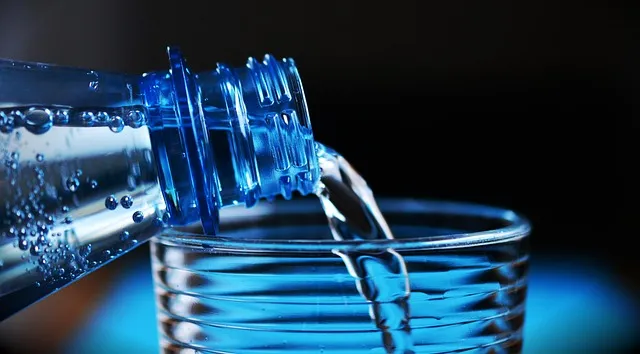
The premium water brands selling on the basis of “purity” or filtration through exotic geology are often selling very low TDS water — which is aesthetically neutral or slightly pleasant (no mineral taste) but offers essentially zero mineral contribution to health. Paying premium prices for water that’s been stripped of minerals is paying for an absence of what makes water nutritionally relevant.
The premium water industry has perfected a particular trick: taking a characteristic that’s neutral or slightly negative (very low mineral content) and reframing it as a premium attribute (“ultra-pure,” “clean taste,” “filtered through ancient lava”). The result is that people pay more for water that does less, convinced they’re getting something special.
Calcium and Magnesium: The Two Minerals That Matter Most
While mineral water contains a range of trace minerals, the health-relevant elements — the ones with meaningful clinical evidence behind them — are primarily calcium and magnesium. Understanding what the research says about these minerals in water helps evaluate which products are actually worth drinking.
Calcium from water: The bioavailability of calcium from mineral water is surprisingly high. A study by Heaney (2006, published in Nutrition Reviews) found that calcium from mineral water was bioavailable at rates comparable to calcium from dairy — approximately 30-35% absorption. This is significantly better than calcium from many supplements (calcium carbonate absorption is lower and varies with food intake). A high-calcium mineral water like Gerolsteiner (348mg calcium per liter) provides a meaningful fraction of the 1,000-1,200mg daily recommended intake from a daily liter of water alone.
A Swedish study (Artnik et al. and multiple Nordic epidemiological cohorts) found correlations between water hardness (calcium and magnesium content) and reduced cardiovascular mortality. Areas with harder water tended to have lower rates of heart disease and stroke — an association that has been observed across multiple countries and methodologies, though causation remains debated (other confounding geographic factors exist).
Magnesium from water: Magnesium from water appears to be highly bioavailable — more bioavailable than magnesium from some food sources, according to multiple absorption studies. The Kozisek 2005 WHO review specifically highlighted magnesium in drinking water as potentially important because of widespread dietary magnesium deficiency (estimated at 45-68% of Americans) and the difficulty of reliably meeting magnesium needs through diet alone in modern food environments.
A study by Rubenowitz et al. (2000) in Sweden found an inverse relationship between magnesium content of drinking water and acute myocardial infarction (heart attack) mortality — areas with higher magnesium in water had lower heart attack death rates, even after adjustment for other dietary and lifestyle variables. This is a single observational study and doesn’t prove causation, but it adds to a consistent pattern in the water mineral research.
Gerolsteiner: The Benchmark Product
Gerolsteiner Sparkling Mineral Water from Germany consistently ranks first in comparative mineral content analyses among widely available premium mineral waters. Per liter: 348mg calcium, 108mg magnesium, 118mg sodium, and 1,816mg sulfate. TDS is approximately 2,500mg/L — one of the highest among commonly available products, putting it in the “very high mineral” category.
The calcium and magnesium content are the defining characteristics. One liter of Gerolsteiner provides 35% of the daily calcium requirement and 27% of the daily magnesium requirement for adult men. For people who struggle to meet magnesium needs through diet alone — which, as established, is most people — daily Gerolsteiner consumption is a meaningful, palatable way to increase intake without supplements.
The carbonation level is moderate to high — the CO2 that gives it its characteristic bubble also means it tastes slightly acidic (carbonic acid). The mineral taste is present and distinctive — a slight mineral complexity that polarizes people. Those who prefer flat, neutral water often find Gerolsteiner’s taste strong. Those who appreciate mineral complexity often prefer it significantly to both flat water and lower-mineral sparkling options.
Cost: at major retailers in the US, Gerolsteiner typically runs $1.50-2.50 per 750ml bottle or $1.00-1.50 per liter in larger formats. Considering the calcium and magnesium delivered, the cost per milligram of mineral content is competitive with or better than most supplement forms — and you’re getting them in their naturally occurring, highly bioavailable form rather than isolated compounds.
San Pellegrino: The Middle Tier
San Pellegrino is the most globally distributed premium sparkling mineral water, sourced from the Italian Alps and owned by Nestlé. Per liter: 174mg calcium, 55mg magnesium, 43mg sodium. TDS approximately 1,109mg/L. Solidly in the “high mineral” category but at roughly half Gerolsteiner’s mineral concentration.
San Pellegrino provides meaningful mineral content — a daily liter contributes 17% of calcium RDA and 14% of magnesium RDA — but less than Gerolsteiner per dollar spent. It’s generally more expensive than Gerolsteiner in the US market, despite lower mineral content, which is purely a brand and distribution premium.
The taste profile is milder than Gerolsteiner — lower mineral concentration means less distinctive mineral taste. The carbonation is gentle compared to many sparkling waters. It’s a pleasant, versatile mineral water that pairs well with food. From a pure value-per-mineral standpoint, it underperforms Gerolsteiner. From a taste and availability standpoint, it’s excellent.
An important note: San Pellegrino is sold as both plain sparkling water and as the flavored “San Pellegrino” sodas (blood orange, limonata, etc.). The flavored versions are essentially sodas with sugar and represent a completely different product from the mineral water. Don’t confuse the two when looking for hydration value.
Topo Chico: The Cult Favorite
Topo Chico, originally from Monterrey, Mexico (now produced by Coca-Cola after a 2017 acquisition), has an intensely loyal following despite having one of the lower mineral profiles among premium mineral waters. Per liter: approximately 30mg calcium, 10mg magnesium, 12mg sodium. TDS roughly 700mg/L — in the low-to-medium mineral category, depending on the source (TDS can vary somewhat by production year).
Topo Chico’s reputation is based almost entirely on carbonation intensity and taste, not mineral content. The CO2 level is very high — producing a distinctive aggressive bubble that gives it a satisfying effervescence with a clean, crisp taste profile. The low mineral content means minimal mineral taste. People who love Topo Chico love the texture and sensation; they’re not drinking it for the mineral content.
From a health perspective, Topo Chico offers minimal mineral contribution. If you’re drinking sparkling water primarily for the carbonation experience and getting your minerals elsewhere, it’s a fine choice. If you’re trying to use mineral water as a meaningful mineral source, the mineral content is too low to make a difference. It’s the sparkling water equivalent of choosing style over function — which is a legitimate choice, as long as you understand what you’re choosing.
Vichy Catalan and Other High-Mineral European Waters
Vichy Catalan from Spain deserves mention as a high-sodium mineral water with distinctive properties. Per liter: 1,100mg sodium, 50mg calcium, 35mg magnesium. TDS approximately 3,600mg/L. The very high sodium content makes it suitable for athletes replacing significant sweat sodium losses, but inappropriate for people on sodium-restricted diets or those who don’t have elevated sodium needs.
Vichy Catalan’s sodium content is comparable to a light electrolyte drink. A half-liter provides roughly 550mg sodium — meaningful replacement for moderate exercise sweat losses without any of the additives or sugar in commercial electrolyte products. In Spain, it’s commonly consumed at meal time for both flavor and electrolyte content. For active people with high sodium needs, it’s an excellent but niche option.
Contrex from France deserves mention as an exceptionally high-calcium flat mineral water. Per liter: 486mg calcium, 84mg magnesium, 9mg sodium. TDS approximately 2,100mg/L. Almost no sodium means it tastes genuinely different from other mineral waters — very hard, almost bitter-mineral. Not for everyone. But from a calcium-delivery perspective, it’s competitive with Gerolsteiner while offering lower sodium for those monitoring sodium intake.
Evian, often marketed as premium, has low mineral content — about 80mg calcium, 26mg magnesium per liter (TDS roughly 309mg/L). It’s a pleasant, clean-tasting water but offers minimal mineral contribution. The premium price reflects brand status and packaging, not mineral value. It falls squarely in the category of paying more for less.
The Mineral Water Value Index Framework
The Mineral Water Value Index ranks products on the metrics that actually matter for health optimization: mineral content per dollar spent, specifically calcium and magnesium delivery. Here’s the calculation and resulting rankings for major products:
Metric: Milligrams of (calcium + magnesium) per dollar spent
This index gives you a practical way to compare how much mineral nutrition you’re getting relative to what you’re paying. Secondary considerations: TDS as a quality indicator, sodium content (relevant for athletes, important to flag for hypertension), and taste profile (a product you won’t drink is worthless regardless of mineral content).
Tier 1 — Highest Value: Gerolsteiner is the consistent winner on this metric. At $1.00-1.50/liter, it delivers 456mg of calcium + magnesium combined. Cost per 100mg of combined mineral content: roughly $0.25-0.35. For mineral density per dollar, nothing available in mainstream retail comes close.
Tier 2 — Good Value: San Pellegrino and Contrex deliver meaningful mineral content at prices that are reasonable for their category — $0.50-0.70 per 100mg combined. A regular daily liter provides real mineral contribution. These are strong choices if Gerolsteiner’s taste or availability is a barrier.
Tier 3 — Moderate Value: Topo Chico and similar mid-mineral products deliver some mineral content but at lower density. If you’re drinking them anyway for other reasons, fine — but don’t mistake them for meaningful mineral sources. Pedialyte and some electrolyte waters fall here as well.
Tier 4 — Poor Value as Mineral Source: Evian, Volvic, Fiji, and similar low-TDS premium waters. You’re paying premium prices for water that provides minimal mineral contribution. If taste or brand preference drives the choice, understand you’re not getting meaningful health value from the mineral perspective.
Flat vs. Sparkling: Does Carbonation Affect Health?
The common concern about sparkling water — that the carbonic acid erodes tooth enamel — has some basis but is vastly overstated in most discussions. A 2016 review by Moynihan and Petersen in the British Dental Journal found that sparkling water is 100 times less erosive than sodas, and that plain sparkling water does not cause clinically significant enamel erosion in people with normal saliva flow. The concern is more relevant for people with dry mouth, those who sip sparkling water constantly throughout the day, or those who also consume acidic foods and beverages regularly.
Carbonation does affect mineral absorption marginally — the slightly acidic pH (typically 4.5-6.0 for sparkling mineral water) can affect calcium absorption rates. However, the effect is small and likely outweighed by the higher mineral concentrations in carbonated mineral waters compared to flat water options. The research on cardiovascular and metabolic benefits of mineral water in epidemiological studies includes populations drinking both flat and sparkling versions.
From a practical standpoint: the carbonation in mineral water doesn’t meaningfully affect the health value relative to the mineral content differences between products. Choose based on your taste preference — the mineral content is what matters for health outcomes.
Practical Integration: Making Mineral Water Work
Mineral water doesn’t need to replace all your fluid intake — that would be expensive and unnecessary. A rational integration looks like this:
Use high-mineral water (Gerolsteiner or equivalent) as part of your hydration strategy, not all of it. One liter of Gerolsteiner daily adds 348mg calcium and 108mg magnesium to your intake. If your diet is already calcium-adequate (dairy-heavy or very vegetable-heavy diets), this may be more than you need. If you’re deficient in either — which is common, especially for magnesium — it’s a pleasant, high-bioavailability supplementation pathway.
Consider mineral water specifically as a supplement delivery vehicle for people who struggle with pill-form supplements. Magnesium supplements are notorious for causing digestive upset (magnesium oxide in particular). Magnesium from mineral water is naturally buffered and generally well-tolerated. People who have GI issues with magnesium supplements often tolerate Gerolsteiner fine.
Daniel’s mineral water obsession turned out to be one of his better investments. One liter of Gerolsteiner daily provided more magnesium than most people get from their diet, contributed meaningfully to calcium intake, and tasted better than the alternatives. The chemist’s approach — look at the actual mineral content, compare per-unit value, ignore brand prestige — is exactly the framework for navigating this market correctly.
FAQ
- Is Gerolsteiner actually the best mineral water for health?
By the metric of calcium + magnesium content per dollar spent, yes — it’s the consistent leader among widely available products. Its 348mg calcium and 108mg magnesium per liter are among the highest of any mainstream mineral water. The WHO review by Kozisek and epidemiological research on water hardness and cardiovascular health support the value of high-calcium, high-magnesium water. The main caveat is its relatively high sodium content (118mg/L), which is not a concern for most people but worth noting for those on strict sodium restrictions. - Is expensive premium water like Fiji or Evian worth it?
For mineral content: no. Both have TDS levels under 350mg/L and provide minimal calcium and magnesium. You’re paying for taste, brand prestige, packaging, and in Fiji’s case, the story of ancient aquifer filtration. If those attributes matter to you, the premium is justified for those reasons — but don’t mistake it for health value from the mineral content perspective. There are dramatically better options for mineral contribution. - Does sparkling water harm teeth?
The evidence suggests minimal risk for plain sparkling water in people with normal oral health. Sparkling mineral water has a pH of approximately 4.5-6.0, which is mildly acidic, but is 100 times less erosive than sodas. The concern is more relevant if you’re sipping sparkling water constantly throughout the day (prolonged acid contact) or have dry mouth or enamel already compromised by other factors. Standard practice of drinking rather than sipping continuously essentially eliminates the risk for most people. - What’s TDS and why does it matter?
Total dissolved solids is the total concentration of all dissolved minerals in water, measured in mg/L or ppm. Higher TDS generally means more minerals, though the specific composition matters more than the total. Very low TDS water (under 50mg/L) — the “ultra-pure” premium brands — provides essentially zero mineral contribution. Medium to high TDS water (500-2,500+ mg/L) is where meaningful mineral delivery occurs. TDS is a quick screening metric: low TDS is a red flag for mineral water marketed on health claims. - Can I get enough calcium and magnesium from mineral water alone?
You can make meaningful contributions to daily targets, not replace them entirely. A daily liter of Gerolsteiner provides 35% of calcium RDA and 27% of magnesium RDA. Combined with dietary sources, this can get most people to adequate intake. For magnesium specifically — where dietary deficiency is extremely common — regular Gerolsteiner consumption can close the gap that diet alone often leaves. It’s not a replacement for a mineral-adequate diet but it’s a pleasant and bioavailable supplement pathway. - Which mineral water has the most magnesium?
Among widely available products, Gerolsteiner is typically at the top at 108mg/L. Contrex (84mg/L) and some other hard European mineral waters also have high magnesium. The key comparison point: most flat drinking water and low-TDS premium waters have under 10mg/L of magnesium — effectively zero contribution to daily intake. - Is mineral water better than tap water?
Depends on your tap water quality and composition. In areas with hard water (high calcium and magnesium tap water), the mineral content of tap water may be comparable to mid-tier mineral waters. In areas with soft water (common in many US cities), mineral water delivers substantially more mineral benefit. Testing your local tap water’s mineral content (your water utility is required to publish this data) gives you the reference point for comparison.
Mineral water is one of the cleaner cases in health optimization: the evidence base is solid (WHO review, cardiovascular epidemiology, absorption studies), the product differences are objective and measurable (read the label), and the best value option is actually one of the most available. The Mineral Water Value Index — calcium + magnesium per dollar — cuts through the premium brand noise to identify what’s actually delivering health value. Gerolsteiner wins. The nine-dollar Icelandic lava water loses. Your water utility’s hardness data tells you whether tap water is a reasonable alternative. Everything else is just marketing.
Related reading: Hydration Guide: Water, Electrolytes, and Minerals
Editorial StandardsCorrectionsMedical DisclaimerAbout Our ContentAffiliate DisclosureSite Map