
Richard was 47 when his cardiologist told him his hs-CRP was elevated — a marker of systemic inflammation his cardiologist wanted to track because of his family history of heart disease. What the cardiologist didn’t ask, and what Richard didn’t connect, was the bleeding when he brushed his teeth every single morning. Had been happening for three years. Richard had mentioned it to his dentist, who told him to floss more. Nobody mentioned that chronic periodontal inflammation is one of the most significant sources of systemic inflammatory signaling in the human body. Nobody mentioned that treating his gum disease might lower his hs-CRP more reliably than any medication he’d been offered.
The mouth is the beginning of everything. Every breath, every meal, every social interaction mediated by speech or smile. Yet it gets treated as if it exists in a sealed compartment, separate from the rest of the body. Dental professionals and medical professionals rarely talk to each other. The result is a massive blind spot in healthcare — one with documented consequences for cardiovascular disease, diabetes control, Alzheimer’s risk, and pregnancy outcomes.
This article makes the case for treating oral health as systemic health — and provides a functional protocol for optimizing both simultaneously.
The Oral Microbiome: Your Mouth’s Ecosystem and Why It Matters
The oral microbiome is shaped by diet, oral hygiene practices, salivary composition, systemic health status, and genetics. In a balanced state, oral bacteria form organized biofilms (dental plaque) that occupy defined ecological niches, prevent colonization by more pathogenic species, and contribute to functions including nitric oxide production (relevant to blood pressure regulation — more on this shortly) and immune modulation of the oral mucosa.
Dysbiosis — microbial imbalance — occurs when this equilibrium is disrupted. The primary drivers of oral dysbiosis are: high sugar and refined carbohydrate intake (fermented by acidogenic bacteria that lower oral pH and create an environment favoring pathogenic species), inadequate saliva flow (saliva is the mouth’s primary immune defense and buffering system), poor oral hygiene (allowing excessive biofilm accumulation), antibiotic use (disrupts the oral microbiome similarly to the gut microbiome), and systemic inflammation (which creates a pro-inflammatory oral environment favoring pathogenic species).
The pathogenic species that dominate in dysbiotic oral conditions are well-characterized: Streptococcus mutans for dental caries, Porphyromonas gingivalis, Treponema denticola, and Tannerella forsythia (the “red complex”) for periodontal disease. These species don’t just cause local damage. They enter the bloodstream through inflamed gum tissue and travel to distant organs, which is where the systemic health story begins.
Periodontal Disease and Cardiovascular Risk: The Evidence Chain
The association between periodontal disease and cardiovascular disease is one of the most robustly documented links in all of medicine between oral and systemic health. Multiple lines of evidence support it.
Epidemiological: Multiple large studies have found periodontal disease associated with a 20-25% increased risk of cardiovascular disease, independent of traditional risk factors. The association is dose-dependent — more severe periodontitis correlates with higher cardiovascular risk.
Microbiological: P. gingivalis DNA has been found in atherosclerotic plaques. Haraszthy and colleagues (2000) identified periodontal pathogens in human coronary artery atherosclerotic plaque samples, providing direct evidence for bacterial translocation from the oral cavity to coronary vessels. Subsequent studies have confirmed P. gingivalis in atherosclerotic lesions from multiple vascular territories.
Mechanistic: The pathway from gum inflammation to cardiovascular disease operates through multiple mechanisms. Chronic periodontal infection elevates circulating inflammatory markers — particularly CRP, interleukin-6, and fibrinogen — that independently promote atherogenesis and thrombogenicity. Lipopolysaccharide from gram-negative periodontal bacteria (including P. gingivalis) activates toll-like receptor 4 on endothelial cells and macrophages, triggering foam cell formation and arterial wall inflammation. Molecular mimicry between P. gingivalis heat shock proteins and human heat shock proteins may trigger autoimmune-type arterial inflammation.
Interventional: Tonetti and colleagues (2013) published landmark research demonstrating that intensive periodontal treatment (scaling, root planing, and tooth extraction as needed) significantly improved endothelial function — measured by flow-mediated dilation of the brachial artery — compared to conservative treatment. The benefit was measurable at 6 months and sustained at 12 months. This study provided the most direct evidence to date that treating periodontal disease improves cardiovascular function, not just oral health.
The clinical implication is straightforward: periodontal disease management should be integrated into cardiovascular risk reduction strategies. A cardiologist managing CRP without asking about gum health is running an incomplete assessment.
The Mouth-Brain Connection: Periodontitis and Alzheimer’s Disease
The association between periodontal disease and Alzheimer’s disease is more recent and more controversial — but the evidence is accumulating in ways serious researchers are paying attention to.
P. gingivalis DNA and its toxic virulence factors (gingipains) have been found in the brains of Alzheimer’s patients at higher levels than in age-matched controls. A 2019 Science Advances study found gingipain proteins in the hippocampus and cerebral cortex of Alzheimer’s patients, and demonstrated that P. gingivalis could infect and damage mouse hippocampal neurons and increase amyloid beta production — a hallmark of Alzheimer’s pathology.
This doesn’t prove P. gingivalis causes Alzheimer’s. The causal arrow isn’t yet established, and it’s possible Alzheimer’s pathology creates an oral environment that allows P. gingivalis to flourish rather than the reverse. The longitudinal evidence suggests the relationship is at least partially causal: multiple population studies show tooth loss (a proxy for lifetime periodontal disease burden) correlating with higher dementia incidence after controlling for other variables.
The neuroinflammatory mechanism is biologically plausible: chronic systemic low-grade inflammation from periodontal disease promotes neuroinflammation through blood-brain barrier activation of peripheral immune signals, and neuroinflammation is a key driver of neurodegenerative pathology. Whether P. gingivalis specifically enters the brain or primarily drives neuroinflammation through peripheral signaling, the endpoint for oral health is the same either way. Keep the mouth’s bacterial ecosystem in check, particularly with age.
Oral Health and Diabetes: A Bidirectional Relationship
The oral health-diabetes relationship is bidirectional and well-established. Diabetics are 2-3 times more likely to have periodontal disease than non-diabetics. And periodontal disease worsens glycemic control in diabetics — creating a reinforcing cycle that’s difficult to break from either direction alone.
The mechanism from diabetes to periodontitis: elevated blood glucose impairs neutrophil function (the primary immune defense against periodontal bacteria), promotes advanced glycation end-products (AGEs) that damage periodontal tissue vasculature, and creates an oral environment with altered microbial balance. Diabetic patients also have reduced salivary flow and altered salivary composition, further compromising oral immune defense.
The mechanism from periodontitis to glycemic dysfunction: systemic inflammation from chronic periodontal infection promotes insulin resistance through TNF-alpha and IL-6 mediated interference with insulin receptor signaling. Multiple studies have found successful periodontal treatment improving HbA1c in diabetic patients — the most meaningful measure of glycemic control. A meta-analysis found an average HbA1c reduction of approximately 0.4% following periodontal treatment, comparable to the effect of adding a second oral hypoglycemic agent.
For anyone managing blood sugar — whether established type 2 diabetes, prediabetes, or metabolic syndrome — oral health is a clinical variable that deserves the same attention as diet, exercise, and medication. Not a secondary concern. A primary metabolic lever most practitioners never mention.
The Nitrate-Nitric Oxide Pathway: How Your Oral Bacteria Regulate Blood Pressure
Here is something about oral bacteria almost never discussed outside specialist research circles: certain oral bacteria are essential intermediaries in the production of nitric oxide — the molecule responsible for blood vessel dilation and healthy blood pressure regulation.
The pathway works like this: dietary nitrate (abundant in leafy green vegetables, particularly spinach, arugula, and beets) is absorbed in the small intestine and concentrated in saliva. Saliva is swallowed, delivering nitrate to the oral cavity, where commensal bacteria (particularly Neisseria and Rothia species, residing in crypts at the back of the tongue) reduce nitrate to nitrite via a bacterial enzyme (nitrate reductase). Nitrite is swallowed, absorbed in the stomach, and converted to nitric oxide in the acidic gastric environment. Nitric oxide then signals smooth muscle in blood vessel walls to relax, reducing peripheral resistance and blood pressure.
The implication: antibacterial mouthwash kills the oral bacteria responsible for this conversion, eliminating the systemic benefit of dietary nitrate. A 2015 study in Free Radical Biology and Medicine demonstrated that using chlorhexidine mouthwash twice daily significantly elevated blood pressure and eliminated the blood pressure-lowering benefit of nitrate consumption. The effect reversed when mouthwash use stopped and the oral microbiome recovered.
This doesn’t mean mouthwash is harmful in all contexts — antibacterial mouthwash is appropriate for treating active periodontal infections. But habitual, daily mouthwash use for cosmetic reasons (fresh breath) is disrupting a physiologically important bacterial function that directly affects cardiovascular health. Dental floss is a better daily investment than antiseptic mouthwash for most people without active infection.
Oil Pulling: Evidence Review for an Ancient Practice
Oil pulling — the practice of swishing oil in the mouth for 15-20 minutes — is a traditional Ayurvedic practice that has attracted serious research attention in recent years. The evidence is more interesting than either the enthusiastic proponents or the dismissive skeptics acknowledge.
The most studied oil for pulling is coconut oil, primarily due to its lauric acid content. Peedikayil and colleagues (2015) conducted a randomized controlled trial comparing coconut oil pulling to chlorhexidine mouthwash in children with plaque-induced gingivitis. Both interventions significantly reduced Streptococcus mutans counts in plaque and saliva, and improved gingivitis scores. The coconut oil showed comparable efficacy to chlorhexidine — without the adverse effects of chlorhexidine (staining, altered taste, oral dysbiosis from broad-spectrum antibacterial effects).
The mechanism is likely mechanical emulsification (oil surrounds bacterial cells, causing them to clump and be removed during spitting) combined with the antimicrobial properties of lauric acid (saponification of bacterial cell membranes). The 15-20 minute duration matters — shorter duration appears substantially less effective.
What oil pulling is not: a substitute for brushing or flossing. It doesn’t remove calculus (hardened plaque), doesn’t penetrate subgingival pockets (where periodontal disease lives), and doesn’t replace professional cleaning. The appropriate framing is as an adjunct — potentially useful for reducing bacterial load in accessible oral surfaces — rather than a replacement for mechanical oral hygiene.
For people who want to incorporate oil pulling: 1-2 teaspoons of unrefined coconut oil, swished gently (not aggressively — forceful swishing can cause jaw fatigue) for 15-20 minutes, first thing in the morning before eating or drinking, then spit (into a trash can, not the sink — coconut oil solidifies and can clog drains). Brush afterward to remove any residual bacteria mobilized by the pulling. Twice weekly is a reasonable starting frequency.
Hydroxyapatite Toothpaste: The Science Behind the Alternative to Fluoride
Fluoride toothpaste became the standard of care for cavity prevention in the mid-20th century, and the evidence for its effectiveness is strong. But in the past decade, nano-hydroxyapatite (nHAP) toothpaste has emerged as a scientifically credible alternative with some potential advantages.
Hydroxyapatite is the primary mineral component of tooth enamel — approximately 97% of enamel is hydroxyapatite. Nano-sized hydroxyapatite particles in toothpaste can remineralize early enamel lesions (the precursors to cavities) by directly depositing the same mineral that composes enamel. Multiple randomized controlled trials have found nHAP toothpaste comparable to fluoride toothpaste for preventing caries and remineralizing early lesions. A 2022 meta-analysis in the Journal of Dentistry found no statistically significant difference in caries prevention between hydroxyapatite and fluoride toothpastes.
The potential advantages of nHAP: it’s non-toxic if ingested in large quantities (making it preferable for young children and pregnant women), it doesn’t disrupt the oral microbiome the way high fluoride concentrations can, and it may have additional benefits for enamel whitening (the deposited hydroxyapatite fills micro-pores in the enamel surface) and dentin sensitivity reduction.
The honest assessment: for adults with low-to-moderate caries risk, nHAP is a legitimate alternative to fluoride. For high-risk individuals (multiple previous cavities, poor saliva production, high sugar diet), fluoride’s preventive efficacy is better established, and the proven choice should be prioritized. The two can also be used together — nHAP toothpaste for twice-daily brushing combined with fluoride gel for high-risk patients is an emerging clinical protocol.
The Complete Oral Health Protocol: A Systematic Framework
The Complete Oral Health Protocol addresses oral health as a system — combining daily mechanical hygiene, microbiome support, nutritional optimization, and systemic health integration into a coherent daily practice.
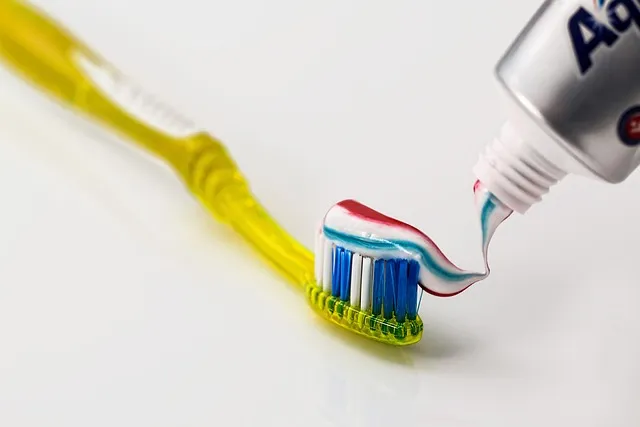
Daily mechanical hygiene foundation: Brush twice daily (morning and night) for a minimum of two minutes with a soft-bristle toothbrush or electric toothbrush. Electric toothbrushes (oscillating-rotating type, specifically) consistently outperform manual brushing in plaque removal and gingivitis reduction in clinical trials. Floss once daily — ideally at night to remove food debris before the mouth’s lowest-saliva overnight period. Water flossers (Waterpik) are excellent adjuncts, particularly for periodontal disease patients and those with braces or bridges, but don’t replace flossing for subgingival plaque removal.
Tongue scraping: The tongue, particularly the posterior dorsum, harbors a significant proportion of the mouth’s volatile sulfur compound-producing bacteria responsible for bad breath — and a meaningful portion of the oral bacterial load. A metal tongue scraper used once daily (morning) removes the bacterial film that accumulates during sleep. Evidence: reduces volatile sulfur compound levels (halitosis) more effectively than brushing the tongue.
Dietary optimization for oral health: Reduce sugar and refined carbohydrate frequency (cariogenic exposure is about frequency, not just total amount — sipping sugary drinks throughout the day is worse than consuming sugar in a single sitting). Increase dietary nitrates (leafy greens, beets) for the nitric oxide-blood pressure pathway. Increase calcium and phosphate intake (dairy, leafy greens, almonds) for enamel remineralization. Avoid habitual consumption of acidic beverages (carbonated drinks, acidic fruit juices) that demineralize enamel — the problem is frequency and contact time, not occasional consumption.
Professional care: Professional dental cleaning every 6 months for healthy mouths; every 3-4 months for active periodontal disease. Periodontal probing (measuring pocket depths around each tooth) annually — this is the essential diagnostic to identify subclinical periodontal disease before it becomes clinically significant. Dental X-rays every 1-2 years as appropriate for individual risk profile. Most people don’t get adequate periodontal assessment in standard dental cleanings — specifically ask for pocket depth measurements.
Systemic monitoring: Active periodontal disease warrants a baseline hs-CRP and fasting glucose/HbA1c. These quantify the systemic inflammatory burden from periodontal disease and demonstrate the systemic benefit of successful treatment. If hs-CRP is elevated without obvious cause, periodontal disease is a major suspect to investigate.
Saliva: The Overlooked Systemic Defense System
Saliva is one of the most sophisticated and underappreciated fluids in the body. Not just a lubricant for swallowing — it’s the primary immune defense of the oral cavity, a medium for enamel remineralization, a digestive initiator, and a vehicle for the nitrate-nitric oxide pathway.
Salivary components with direct antimicrobial function include: immunoglobulin A (IgA — the dominant antibody in mucosal secretions), lysozyme (cleaves bacterial cell walls), lactoferrin (sequesters iron away from bacteria), peroxidase enzymes, and histatins (proteins with antifungal activity against Candida). The buffering capacity of saliva neutralizes the acid produced by cariogenic bacteria, protecting enamel from dissolution.
Reduced salivary flow (xerostomia) dramatically increases oral health risks: caries rates increase significantly, oral Candida colonization becomes common, periodontal disease worsens, and swallowing difficulties emerge. Common causes of reduced salivary flow include: medications (antihistamines, antidepressants, antihypertensives, diuretics — over 400 medications list dry mouth as a side effect), radiation therapy to the head and neck, Sjögren’s syndrome, dehydration, and habitual mouth breathing.
For people with medication-induced xerostomia: discuss alternatives with a physician when possible, use sugar-free xylitol-containing gum or lozenges to stimulate saliva production, use alcohol-free oral moisturizing products (Biotène), stay well-hydrated, and increase the frequency of dental visits to every 3-4 months. Saliva isn’t replaceable with a spray, but its effects on enamel and microbiome can be partially compensated through these measures.
FAQ
Is there really a proven link between gum disease and heart disease?
Yes, and it’s documented at multiple levels: epidemiological associations, detection of periodontal pathogens in arterial plaques, plausible inflammatory mechanisms, and the Tonetti 2013 interventional study showing improved endothelial function after periodontal treatment. The relationship isn’t causal in a simple one-to-one sense — periodontal disease is one of several inflammatory inputs to cardiovascular risk — but it’s substantial and clinically actionable.
How do I know if I have periodontal disease?
Symptoms: bleeding gums when brushing or flossing, persistent bad breath not resolved by brushing, red or swollen gums, tooth sensitivity, gum recession (teeth appearing longer), and loose teeth in advanced disease. However, early-to-moderate periodontal disease is often asymptomatic — the absence of pain doesn’t mean the absence of disease. A periodontal probing examination (measuring the depth of pockets around each tooth) by a dentist or hygienist is the only reliable way to assess periodontal health. Ask for this specifically if it’s not being done routinely.
Is fluoride toothpaste safe?
At the concentrations used in over-the-counter toothpaste (typically 1,000-1,500 ppm), fluoride is safe for adults when used as directed (don’t swallow significant quantities). The concern about fluoride primarily relates to fluorosis in children, which occurs with excessive fluoride ingestion during tooth development — hence the recommendation for pea-sized amounts and supervised brushing in young children. For adults, the caries-preventive benefit of fluoride toothpaste is well-established and the risk profile at standard doses is minimal. Hydroxyapatite is a legitimate alternative if preferred, not a necessary switch.
How often should I actually floss?
Daily. The plaque that drives both caries and periodontal disease accumulates in the interproximal spaces (between teeth) that toothbrush bristles can’t reach. 24 hours is approximately the time it takes for plaque to mature into a state that promotes gum inflammation. Daily disruption — before it matures — is necessary for adequate interproximal hygiene. Once a week is better than never, but not sufficient to prevent interproximal disease in susceptible individuals.
Does diet really affect oral health that much?
Profoundly. The frequency of fermentable carbohydrate exposure is the primary driver of caries risk — the acid cycle from bacterial fermentation demineralizes enamel, and the more often acid is produced, the faster demineralization outpaces remineralization. Dietary sugar elimination studies consistently show dramatic reductions in Streptococcus mutans counts. On the other side, dietary calcium and phosphate support enamel remineralization. A whole-food diet with infrequent sugar exposure is the most powerful caries-prevention tool available — more powerful than any toothpaste.
What’s the connection between oral health and pregnancy?
Periodontal disease during pregnancy is associated with preterm birth and low birth weight — two of the most significant neonatal complications. The mechanism appears to be prostaglandin production from periodontal inflammation stimulating uterine contractions. Multiple studies have found preterm birth rates reduced in pregnant women who received periodontal treatment during pregnancy. Dental care during pregnancy is safe and recommended; many women avoid the dentist during pregnancy out of misplaced concern, missing the opportunity for an intervention with documented fetal benefit.
The Gut-Oral Microbiome Axis: Bidirectional Health Signals

This connection has significant implications for conditions historically thought of as purely gastrointestinal. Porphyromonas gingivalis — the key periodontal pathogen — has been detected in fecal samples and gut mucosal biopsies. Its presence in the gut is associated with increased intestinal permeability and dysbiotic gut microbiome composition. For people with inflammatory bowel disease (Crohn’s, ulcerative colitis), oral health is increasingly recognized as a relevant variable — both because IBD patients have higher rates of oral manifestations (aphthous ulcers, periodontitis) and because oral-to-gut bacterial translocation may contribute to intestinal inflammation.
Conversely, gut dysbiosis appears to affect the oral microbiome through systemic immune dysregulation — the same immune pathway disruption that allows periodontal pathogens to overgrow in the gut may allow similar overgrowth in the mouth. This bidirectional relationship means an optimal oral health protocol for someone with gut dysbiosis includes both gut restoration and oral microbiome support, not either alone.
Practical implication: running a gut health protocol (probiotics, dietary fiber, fermented foods, gut barrier support) while ignoring oral health means seeding the gut through every swallow with whatever microbial population is being maintained in the mouth. Optimizing the source improves the destination.
Breathing Pattern and Oral Health: The Mouth Breathing Problem
Chronic mouth breathing — breathing through the mouth rather than the nose — has consequences for oral health that are consistently underappreciated and underaddressed in clinical practice.
The mouth is not designed for continuous airflow. Nasal breathing filters, humidifies, and conditions incoming air through anatomical structures (turbinates, nasal hair, mucous membranes) optimized for this function. Mouth breathing bypasses all of this. For oral health specifically: continuous airflow through the mouth causes evaporation of the salivary film that covers oral surfaces, reducing the salivary antimicrobial and buffering functions. The anterior portion of the mouth dries first — which is why mouth breathers typically develop more caries and gingivitis in the front teeth than in the back.
Chronic mouth breathing in children is associated with altered facial development (elongated face, narrowed palate, crowded teeth) that requires orthodontic or orthopedic intervention. In adults, it’s associated with higher rates of caries, periodontitis, xerostomia, sleep-disordered breathing, and morning sore throats.
Common causes of habitual mouth breathing: chronic nasal congestion (allergic or structural), deviated septum, enlarged adenoids or tonsils (particularly in children), and habituated breathing pattern developed during periods of congestion. Assessment and treatment should target the cause: allergen management, nasal steroid sprays for allergic congestion, septoplasty for obstructive septal deviation, or myofunctional therapy to retrain the breathing pattern. Mouth tape at night (a piece of gentle paper tape across closed lips) can help retrain nighttime mouth breathing in people without obstructive nasal pathology — controversial but low-risk when airway obstruction has been ruled out.
Oral Health Across the Lifespan: Age-Specific Considerations
Oral health challenges shift across the lifespan, and the protocol needs to account for where someone stands.
20s and 30s: Prevention is the dominant strategy. Establish excellent daily habits (brush, floss, tongue scrape). Avoid excessive sugary drink consumption and acidic beverages. Regular dental visits every 6 months. Address any gingivitis aggressively — gingivitis is fully reversible; periodontitis is not. If wisdom teeth haven’t been addressed, don’t wait for pain to motivate treatment.
40s and 50s: Systemic connections become increasingly relevant. Assess periodontal health and treat it as a cardiovascular risk factor. Metabolic syndrome, prediabetes, or cardiovascular risk should be communicated to the dentist — medical and dental treatment plans should be coordinated. Dry mouth from medications may be emerging — address it proactively. Gum recession often appears in this decade; address underlying causes (brushing technique, bite issues) before it progresses.
60s and beyond: Root exposure from gum recession creates new caries vulnerability (root dentin is significantly more susceptible to decay than enamel). Salivary flow may decrease. Medication burden increases, bringing more xerostomia risk. Cognitive decline considerations make maintaining oral hygiene habits increasingly important — and for anyone with Alzheimer’s risk factors, the oral bacteria-neuroinflammation connection makes professional dental care a non-negotiable preventive investment.
Richard, the patient from the opening, ultimately got a full periodontal assessment after his wife read this kind of article and insisted he mention the bleeding to his primary care physician rather than just his dentist. He had moderate periodontitis — 4-6mm pockets in multiple quadrants. After three deep cleaning sessions (scaling and root planing) spaced over two months, and improving his daily flossing adherence from “sometimes” to “nightly,” his hs-CRP dropped from 3.2 to 1.8 mg/L over the following six months. His cardiologist noted the improvement. The two events — periodontal treatment and CRP reduction — were discussed at his next cardiology appointment for the first time. Both doctors agreed: they should have been talking about this years ago.
The mouth is not a separate system. It is the beginning of the body’s interface with the world — with food, air, and the microbial environment. Managing it well doesn’t just protect teeth. It protects the heart, the brain, the metabolic system, and potentially unborn children. That’s a return on investment no dental hygienist appointment can fully convey in a 30-minute session. But the information exists now. Act on it accordingly.
Xylitol: The Sugar Alcohol That Protects Teeth
Xylitol is a naturally occurring sugar alcohol found in small amounts in fruits, vegetables, and hardwood trees. It tastes sweet — approximately 100% the sweetness of sucrose — but has a fundamentally different interaction with oral bacteria than regular sugar, which makes it uniquely useful as a dental health intervention.
Streptococcus mutans, the primary cariogenic (cavity-causing) bacterium, transports xylitol into its cells expecting it to be fermented for energy. Instead, xylitol creates a futile energy cycle — it cannot be metabolized and is exported back out, consuming bacterial ATP in the process. This doesn’t kill S. mutans immediately, but it disrupts its energy metabolism, reduces its virulence, and with regular exposure, selects against xylitol-sensitive strains over time. Multiple studies have documented 40-75% reductions in S. mutans counts with regular xylitol use.
The form matters: xylitol gum or lozenges, used 3-5 times daily after meals, is the evidence-supported delivery method. Simply using xylitol-containing products occasionally won’t achieve the frequency of oral exposure needed for meaningful bacterial suppression. The dose threshold appears to be approximately 6-10 grams of xylitol daily. Xylitol toothpaste provides some benefit but a lower xylitol dose per application than gum or lozenges.
Caution: xylitol is toxic to dogs (causes severe hypoglycemia and liver failure) — keep products containing xylitol away from pets. In humans at the doses used for dental purposes, xylitol is safe, though very high doses (>40g/day) can cause osmotic diarrhea.
The Financial Case for Preventive Oral Health
Dental care is expensive. In the United States, it’s often inadequately covered by insurance, and major restorative work — root canals, crowns, implants — can run into thousands of dollars per tooth. The financial argument for preventive oral health is straightforward and compelling: an electric toothbrush costs $30-100 and lasts several years. Dental floss costs $3-5 per month. Regular professional cleaning costs $100-200 per visit. A single root canal and crown costs $2,000-4,000. An implant to replace a lost tooth costs $3,000-5,000.
The return on investment in daily oral hygiene — two minutes of brushing, one minute of flossing, daily — is among the highest in all of preventive health. The marginal cost of doing it properly versus doing it sloppily is essentially zero. The downstream cost difference is enormous. And this calculation doesn’t include the systemic health costs of poorly managed oral disease: the cardiovascular risk, the diabetes management complications, the cognitive decline associations.
Framing oral health as a systemic health investment — not just cosmetic maintenance — is the mindset shift that drives consistent behavior. Flossing isn’t just cleaning teeth. It’s reducing systemic inflammation. Protecting arteries. Doing something that might, over a lifetime of consistent practice, meaningfully reduce the risk of cardiovascular disease and cognitive decline. That’s a compelling reason to take two minutes before bed more seriously than most people currently do.
The Complete Oral Health Protocol isn’t complicated. It’s daily, consistent, and mechanistically grounded in the actual biology of oral disease. Brush properly twice daily with an evidence-backed toothpaste. Floss every night. Scrape the tongue. Eat in a way that doesn’t chronically acidify the oral environment. Get professional care and periodontal assessment every 6 months. Stop using antiseptic mouthwash habitually. Stay aware of the systemic connections — particularly with cardiovascular risk, metabolic dysfunction, or blood sugar management already in play. See these practices not as cosmetic maintenance but as systemic health management.
The mouth is the gateway to health. The evidence is unambiguous about what happens when that gateway is poorly maintained — and equally unambiguous about what becomes possible when it’s properly managed. The choice belongs to the individual. Made daily, twice daily, it does more for long-term health than most expensive supplements, most boutique wellness trends, most additions to an existing healthcare routine. The humblest tools — a toothbrush, a piece of floss — turn out to be among the most powerful available. Use them accordingly.
The mouth is not a dental problem. It is a systemic health environment that happens to have a dedicated specialist — one who is often not talking to the rest of your healthcare team. Bridging that gap is not your dentist’s job or your cardiologist’s job. It is yours. And now you have the knowledge to do it intelligently.
Chronic diseases — the ones killing people in their 60s, 70s, and 80s after decades of quiet progression — are not random. They have inputs. They have drivers. They have amplifiers that most people never address because nobody connects the dots for them. Periodontal disease is one of those underappreciated amplifiers. Treat it as such. The heart, the brain, and the metabolic system will benefit from the attention.
The Practical Framework: Applying Oral Health MouthBody Connection In Real Life
References
Editorial StandardsCorrectionsMedical DisclaimerAbout Our ContentAffiliate DisclosureSite Map