
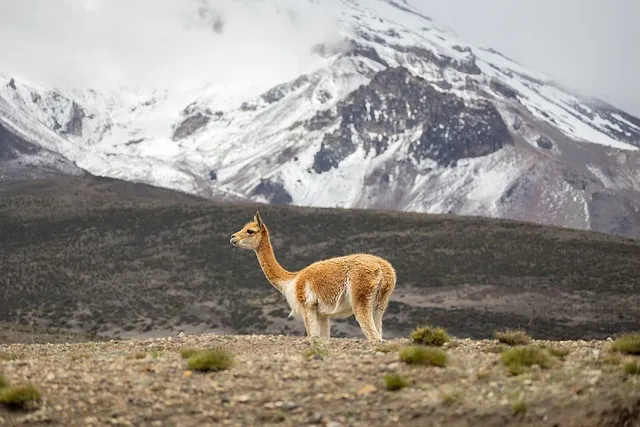
Altitude training has been a staple of elite endurance sport since Kenya and Ethiopia’s dominance in distance running made the world notice that athletes living and training at high elevation seemed to carry an inexplicable physiological advantage. What looked like geographic coincidence turned out to be biology: the low-oxygen environment of altitude triggers a cascade of physiological adaptations that, properly managed, produce measurable improvements in endurance performance and cardiovascular health persisting for weeks after returning to sea level.
Understanding altitude physiology — not just the athletic applications but the underlying oxygen-sensing biology that drives it — illuminates one of the more fascinating regulatory systems in human physiology, one with implications well beyond sports. The same molecular machinery driving altitude adaptation is involved in cancer biology, anemia treatment, iron metabolism, and emerging longevity research. The 2019 Nobel Prize in Physiology or Medicine was awarded for discoveries about how cells sense and respond to oxygen availability — recognition of how central this biology is to health and disease.
The Physiology of Oxygen at Altitude: What Changes and Why
Air at sea level contains roughly 20.9% oxygen — that percentage stays constant regardless of altitude. What changes with altitude is barometric pressure: at 2,500 meters, barometric pressure runs about 75% of sea level pressure, meaning the partial pressure of oxygen — the actual driving force for oxygen movement from air to blood to tissues — drops proportionally. At 2,500 meters, oxygen partial pressure sits around 75% of sea level, so effectively every breath delivers 25% less oxygen to the alveoli than it would at sea level.
This reduction in oxygen availability — hypoxia — triggers a coordinated multi-system response designed to compensate for the reduced delivery. The responses run on different timescales:
Immediate responses (minutes to hours):
Increased respiratory rate and depth (hyperventilation) to maximize oxygen extraction from each breath. Increased heart rate to compensate for reduced oxygen per unit of blood. Acute vasodilation in the pulmonary vasculature. These responses are largely sufficient to maintain adequate oxygen delivery for moderate activity, but they’re metabolically expensive and unsustainable — hence the fatigue of the first days at altitude.
Early acclimatization (days to weeks):
Plasma volume contracts — kidneys excrete bicarbonate to compensate for the alkalosis produced by hyperventilation, and water follows. This raises hematocrit (the proportion of blood that’s red blood cells) without actually increasing red blood cell count — a pseudopolycythemia that improves oxygen-carrying capacity per unit of blood volume. At the same time, the kidneys start producing erythropoietin (EPO) in response to hypoxia, which drives new red blood cell production over the following weeks.
Full acclimatization (weeks to months):
Red blood cell mass increases from EPO-driven erythropoiesis in the bone marrow. Hemoglobin concentration rises. Muscle mitochondrial density increases. Capillary density in skeletal muscle increases. Buffering capacity (handling lactate and H+) improves. These adaptations together enhance the oxygen delivery and utilization capacity of the acclimatized individual — the biological basis of altitude training’s advantage.
The HIF-1 Alpha System: The Master Oxygen Sensor
- EPO gene activation (in kidneys and liver) — driving erythropoiesis
- VEGF (vascular endothelial growth factor) activation — driving new blood vessel formation (angiogenesis)
- Glucose transporter (GLUT1, GLUT3) upregulation — increasing glucose uptake
- Glycolytic enzyme upregulation — shifting cells toward anaerobic energy production
- PDK1 activation — reducing pyruvate entry into mitochondria, reducing oxygen demand
- Autophagy induction — clearing damaged mitochondria that consume oxygen inefficiently
The molecular master switch of altitude adaptation is HIF-1alpha (hypoxia-inducible factor 1-alpha) — the transcription factor whose discovery earned the 2019 Nobel Prize. HIF-1alpha is the central oxygen sensor in virtually every cell in the body, and its mechanism explains both altitude physiology and why oxygen-sensing biology matters far beyond altitude adaptation.
HIF-1alpha gets produced constitutively in cells — always being synthesized. Under normal oxygen (normoxia), it’s immediately hydroxylated by PHD enzymes (prolyl hydroxylase domain proteins), which require oxygen to function. Hydroxylated HIF-1alpha is then recognized by the VHL protein (Von Hippel-Lindau protein), ubiquitinated, and rapidly degraded by the proteasome. Net result: in normal oxygen, HIF-1alpha gets continuously produced and continuously destroyed before it can activate target genes. Its nuclear concentration is negligible.
Under hypoxic conditions, the PHD enzymes can’t function without oxygen. HIF-1alpha hydroxylation stops, VHL can’t recognize it, ubiquitination and degradation don’t happen. HIF-1alpha accumulates, moves to the nucleus, dimerizes with HIF-1beta, and activates transcription of hundreds of target genes. The transcriptional hypoxia response, coordinated by HIF-1alpha, includes:
This HIF-1alpha response isn’t unique to high altitude — it activates under any condition that reduces cellular oxygen availability, including local tissue hypoxia from intense exercise, chronic inflammation (which raises oxygen demand), anemia, and chronic lung disease. Cancer cells constitutively activate HIF-1alpha, through VHL mutations in renal cell carcinoma for example, to support their aerobic glycolysis and angiogenesis needs. The PHD inhibitors now used to treat anemia (roxadustat, daprodustat) work by pharmacologically mimicking hypoxia — inhibiting PHD enzymes to stabilize HIF-1alpha and drive EPO production without any actual altitude exposure required.
The Live High, Train Low Model: Why It Produces the Best Results
The classical altitude training model used by elite endurance athletes — live and sleep at altitude, train at altitude — carries a significant limitation: at altitude, lower oxygen availability means training must happen at slower speeds and lower intensities than at sea level. That produces altitude acclimatization, but at the cost of reduced training quality — the high-intensity sessions that build neuromuscular power and specific race fitness can’t be done at full quality above 2,000-2,500 meters.
The Live High, Train Low (LHTL) model, developed by researchers including Ben Levine and Jack Stray-Gundersen in the 1990s, resolved this by separating the acclimatization stimulus from the training quality stimulus. Athletes live and sleep at altitude (2,000-3,000 meters) to maximize the hypoxic acclimatization response — EPO, red blood cell production, peripheral adaptations — and travel to lower altitude, sea level or close, for high-intensity training sessions to preserve training quality.
The original LHTL paper (Levine and Stray-Gundersen, 1997, Journal of Applied Physiology) showed LHTL produced significantly greater improvements in VO2 max and running performance than live-high-train-high or live-low-train-low (sea level) control groups. The LHTL group improved 5,000-meter run time by roughly 1% — a margin that separates medalists from also-rans at elite competition levels. Subsequent research has replicated and refined these findings across multiple endurance sports.
The minimum altitude for meaningful erythropoietic response is roughly 2,000-2,100 meters, with optimal altitude for red blood cell mass increases in the 2,400-3,000 meter range. Optimal duration for meaningful adaptation is 3-4 weeks minimum, with 4-6 weeks producing more complete responses. Under 3 weeks, the erythropoietic response — the primary performance-relevant adaptation — doesn’t have enough time to fully manifest as red blood cell mass increases.
Intermittent Hypoxic Exposure: Altitude in a Tent
Because access to high-altitude training locations is limited for most athletes, the market has produced hypoxic tents (altitude tents) and hypoxic rooms allowing simulated altitude exposure — sleeping in a normobaric hypoxic environment (normal pressure, reduced oxygen concentration, typically 14-16% O2 simulating 2,500-3,500 meters) without leaving home.
Evidence for altitude tent efficacy is mixed but generally positive when protocols get followed properly. Key parameters: sleeping 8-10 hours a night at simulated altitude produces meaningful HIF-1alpha activation and EPO increase. After 3-4 weeks of consistent tent sleeping, studies typically show 2-5% increases in red blood cell mass, VO2 max improvements of 2-5%, and enhanced sea-level performance. The adaptations run smaller than true altitude LHTL, but they’re still meaningful from a performance standpoint.
The practical challenges with altitude tents: sleep disruption from the hypoxic environment (some people sleep poorly in the tent, undermining sleep’s recovery benefit and potentially offsetting the altitude stimulus), the ongoing commitment required (missing nights reduces the accumulated hypoxic dose), and equipment cost ($2,000-8,000 for quality systems). For serious competitive endurance athletes without access to mountain training camps, altitude tents are the most accessible form of meaningful altitude training available.
Altitude and Health Beyond Athletic Performance
The altitude physiology story extends well beyond sports performance. Epidemiological data from populations living permanently at high altitude reveals interesting longevity and disease risk patterns suggesting altitude adaptation carries health implications beyond red blood cell production:
Cardiovascular disease:
Multiple studies of high-altitude populations — Tibetans, Andean populations, populations living at 1,500-3,000 meters in the US — show lower cardiovascular mortality and risk factors than sea-level populations, even after adjusting for confounders. Proposed mechanisms include EPO’s direct cardioprotective effects (EPO receptors sit in cardiac muscle), chronic mild HIF-1alpha activation driving beneficial vascular adaptations, and lower metabolic syndrome rates in physically active mountain populations.
Cancer rates:
Epidemiological studies show reduced cancer incidence in high-altitude populations, particularly for certain cancer types. Biologically plausible — chronic mild hypoxia through HIF-1alpha activation drives autophagy and cellular quality control, while creating a more challenging environment for rapidly proliferating cancer cells that need high oxygen consumption. High altitude also increases UV radiation exposure, though, a cancer risk factor, which makes the net effect on cancer a complex balance that varies by cancer type.
Obesity and metabolic disease:
Mountain populations in many parts of the world show lower obesity rates and better metabolic profiles than comparable sea-level populations. Chronic mild hypoxia appears to reduce appetite, raise basal metabolic rate, and improve insulin sensitivity through HIF-1alpha-mediated metabolic shifts. Brief altitude visits — even 1-2 weeks — in obese individuals have produced improvements in metabolic markers persisting for weeks after return to sea level.
Mental health: The relationship between altitude and mental health is complex and bidirectional. Some high-altitude areas show elevated suicide rates, potentially related to altitude-induced hypoxia’s effect on serotonin metabolism, while other research shows lower depression rates in regularly active mountain populations. This area needs more research before clear conclusions.
Acute Mountain Sickness: When Altitude Goes Wrong
Understanding altitude’s risks matters as much as understanding its benefits. Acute mountain sickness (AMS) is a syndrome of symptoms occurring within 6-24 hours of ascent above 2,500 meters, characterized by headache plus at least one of: nausea, fatigue, dizziness, or trouble sleeping. AMS isn’t rare — at 3,000 meters, roughly 25-30% of unacclimatized people develop it; at 4,500 meters, 50-80%. Ascent rate, absolute altitude, individual susceptibility, and prior acclimatization history all shape AMS risk.
AMS is generally self-limiting and resolves with acclimatization over 2-4 days at stable altitude. The mechanisms involve cerebral edema from changes in blood-brain barrier permeability in response to hypoxia, plus the alkalosis of hyperventilation. Management: stop ascending, rest at current altitude, hydrate adequately, use analgesics for headache (ibuprofen has evidence for both AMS prevention and treatment).
Descent is the definitive treatment if symptoms don’t improve or high-altitude cerebral edema (HACE) develops.
High-altitude pulmonary edema (HAPE) and high-altitude cerebral edema (HACE) are rare but potentially fatal escalations of altitude illness. HAPE (fluid in the lungs) and HACE (brain swelling with severe neurological symptoms) require immediate descent and emergency treatment. Recognizing early symptoms and using conservative ascent rates (no more than 300-500 meters per day of sleeping altitude gain above 3,000 meters) are the primary prevention strategies.
Acetazolamide (Diamox) is the most evidence-based pharmacological prevention for AMS. It works by inhibiting carbonic anhydrase, increasing bicarbonate excretion and creating a mild metabolic acidosis that stimulates deeper breathing, partially compensating for altitude-related hypoxia. Taken prophylactically — started a day or two ahead of the ascent rather than after symptoms appear — it significantly reduces AMS incidence in susceptible people planning rapid climbs. The amount is a prescribing decision; the timing relative to ascent is what decides whether it does anything at all.
Practical Applications: Who Benefits from Altitude Training
Altitude training produces the most meaningful performance benefits for aerobic endurance sports: distance running (800m and up), cycling, cross-country skiing, swimming, rowing, triathlon, and team sports with high aerobic demands. The red blood cell mass increases, improved oxygen delivery, and peripheral mitochondrial adaptations translate directly into improved sustained aerobic power output at sea level.
For strength and power athletes, the benefits are more limited. The primary altitude adaptation — increased red blood cell mass — doesn’t meaningfully affect maximal strength or power output. The peripheral muscle adaptations (increased mitochondrial density, improved buffering) may benefit athletes in events with a significant aerobic energy contribution — wrestling, judo, boxing, CrossFit — but the evidence is less compelling than for pure endurance athletes.
For general health and longevity purposes, not competitive performance, the relevant question is whether periodic altitude exposure — vacation in mountain environments, hiking at altitude, altitude tent use — produces meaningful cardiovascular and metabolic health benefits. Emerging evidence suggests it does, particularly for adults with metabolic syndrome or obesity (altitude improves insulin sensitivity and metabolic rate), adults with cardiovascular risk factors (EPO and HIF-1alpha may have cardioprotective effects), and anyone interested in the hormetic stress model of health (altitude is a well-characterized example of beneficial stress that activates adaptation pathways).
A practical protocol for non-competitive people interested in altitude’s health effects: 1-2 vacations a year in mountain environments at 2,000-3,500 meters (national parks in the western US, Alpine destinations in Europe, Andean destinations in South America all offer accessible high-altitude environments), including aerobic activity during these trips (hiking, cycling), and allowing 2-3 days for basic acclimatization before pushing intensity. Even brief altitude exposure activates HIF-1alpha and EPO responses that produce measurable physiological adaptations — not at the magnitude of a 4-week elite altitude camp, but meaningful from a health-optimization standpoint.
FAQ: Altitude Physiology
Q: Does altitude training actually work for non-elite athletes?
Yes, though with smaller absolute performance gains than in elite athletes. Studies in recreational and sub-elite athletes show similar relative improvements to elite athletes — roughly 2-5% improvement in endurance performance after 3-4 weeks of appropriately designed altitude training. For recreational athletes whose performance gap from elite is large, a 2-5% improvement from altitude may not feel dramatic next to improvements achievable from more basic training optimization. Altitude training gets more valuable as an athlete approaches the ceiling of what standard training can achieve.
Q: How long do altitude training benefits last after returning to sea level?
Red blood cell mass increases from altitude training persist roughly 3-4 weeks after return to sea level, as the elevated EPO stimulus gradually fades and excess red blood cells get naturally cleared by the spleen. The performance benefit peaks roughly 2-3 weeks after return to sea level — the initial days back can actually show performance impairment as the body readjusts — then gradually diminishes. Which is why elite athletes strategically time altitude camps so the peak benefit window coincides with major competitions.
Q: Is altitude training safe for people with heart conditions?
High altitude exposure increases cardiac workload through increased heart rate and changes in blood viscosity from elevated hematocrit. For people with known cardiac disease — particularly heart failure, significant coronary disease, or unstable arrhythmias — altitude exposure above 2,000 meters should be discussed with a cardiologist. For healthy adults with no known cardiac disease, moderate altitudes (2,000-3,500 meters) with appropriate acclimatization are generally safe. Very high altitudes (above 4,000-5,000 meters) represent a more significant cardiac stress warranting medical evaluation regardless of prior cardiac history.
Q: Does living at moderate altitude permanently improve health?
The epidemiological data suggesting health benefits of permanent altitude residence is interesting but confounded — mountain populations typically also carry more physical activity, different dietary patterns, and different socioeconomic factors than sea-level comparison populations. The physiological mechanisms for permanent benefit are plausible (chronic mild HIF-1alpha activation, chronic mild EPO elevation, cardiovascular adaptations), but isolating altitude itself from the broader lifestyle factors correlating with altitude residence is methodologically hard. The most honest answer: probably yes for cardiovascular and metabolic health, based on the mechanistic biology and epidemiological signals — but definitive causal evidence is limited.
EPO: The Hormone at the Heart of Altitude Adaptation
Erythropoietin (EPO) is the hormone that made altitude physiology famous — both for its legitimate role in athletic adaptation and for its dark history as a doping agent. Understanding EPO’s physiology explains why altitude training works, and why synthetic EPO became the most prevalent doping substance in professional cycling and distance running through the 1990s and 2000s.
EPO comes mostly from the kidneys (roughly 90%) and liver (roughly 10%) in response to hypoxia detected by oxygen-sensing cells in the renal interstitium. It circulates to the bone marrow, binds EPO receptors on erythroid progenitor cells, and drives their proliferation and differentiation into mature red blood cells. The process from EPO stimulation to new red blood cells entering circulation takes roughly 10-14 days — which is why the erythropoietic benefits of altitude training need at least 3 weeks to fully manifest.
The HIF-1alpha connection is direct: hypoxia stabilizes HIF-1alpha in renal cells, HIF-1alpha activates the EPO gene promoter, EPO production rises dramatically. Which is why the PHD enzyme inhibitors now approved to treat anemia in chronic kidney disease (roxadustat, daprodustat) work so effectively — blocking PHD activity stabilizes HIF-1alpha even at normal oxygen levels, driving EPO production pharmacologically.
The doping history of synthetic EPO (recombinant human EPO, rhEPO) shows just how powerful the erythropoietic adaptation to altitude can be. Providing the same stimulus as altitude — EPO elevation — without the altitude exposure, rhEPO use drove hematocrit increases of 10-15% in cyclists and runners, producing performance improvements of 5-10%: transformative margins in elite sport. The deaths of numerous professional cyclists in the late 1980s and early 1990s from probable cardiac complications of extreme hematocrit elevation (which dramatically raises blood viscosity) showed the risks of uncontrolled erythropoietic stimulation.
The physiological lesson from the doping era: the red blood cell adaptation altitude training naturally produces over 3-4 weeks at 2,000-3,000 meters — typically 2-5% increases in red blood cell mass — is fundamentally different from the pharmacological extreme of chronic rhEPO use. Natural altitude adaptation is self-limiting (the kidney’s EPO response diminishes as acclimatization proceeds and oxygen delivery improves), safe, and reversible. Natural erythropoietic adaptation is a beneficial hormetic response; synthetic EPO-induced extreme polycythemia was a pharmacological exploitation that dramatically exceeded the range the cardiovascular system is built to tolerate.
Iron: The Altitude Training Limiting Factor Most Athletes Ignore
The red blood cell production altitude training stimulates requires iron — a lot of it. Hemoglobin, the oxygen-carrying protein in red blood cells, holds iron at its core (the heme group), and each new red blood cell needs substantial iron to build its hemoglobin complement. When EPO drives accelerated erythropoiesis without adequate iron on hand, the bone marrow can’t respond optimally — it may produce smaller, iron-deficient red blood cells that carry less oxygen than normal, or the erythropoietic response may simply get blunted by iron-restricted erythropoiesis.
Iron deficiency is extraordinarily common in endurance athletes, particularly female athletes (menstrual iron losses) and athletes with high training volumes (foot-strike hemolysis in runners, sweat iron losses, inadequate dietary intake). Studies of elite distance runners find iron deficiency in 20-40% of female athletes and 10-20% of male athletes, and many more carry suboptimal iron stores (ferritin below 30-40 mcg/L) that impair the erythropoietic response to altitude even without meeting the clinical definition of deficiency.
For anyone planning altitude training aimed at maximizing erythropoietic adaptation, iron status assessment (serum ferritin, hemoglobin, ideally soluble transferrin receptor) before camp is essential. Target ferritin levels before altitude training: at minimum 30-40 mcg/L, ideally above 60-80 mcg/L to provide sufficient iron stores for the accelerated erythropoiesis altitude drives. Athletes with suboptimal ferritin should start oral iron supplementation 4-8 weeks before the altitude camp; those with true iron deficiency may need IV iron repletion for faster restoration of stores.
Dietary iron strategy during altitude training: increase heme iron intake (red meat, organ meats, dark poultry meat) around altitude camps, pair non-heme iron sources (legumes, leafy greens, fortified grains) with vitamin C to enhance absorption, and avoid coffee, tea, and calcium-rich foods alongside iron-rich meals (all impair absorption). Some altitude camps now run altitude-period nutrition protocols specifically targeting iron intake to support the erythropoietic response — athletes who manage iron well during altitude training show significantly greater red blood cell mass responses than those who don’t.
Altitude, Hormesis, and the Broader Stress-Adaptation Principle
Altitude training is one of the clearest examples of hormesis in human physiology — the principle that moderate stress, followed by adequate recovery, produces adaptations leaving the system stronger and more resilient than before the stress. This principle underlies exercise science, fasting biology, and heat and cold adaptation, but altitude offers one of the most mechanistically transparent examples because the molecular machinery — HIF-1alpha, EPO, erythropoiesis — is so well characterized.
The altitude adaptation cascade illustrates something fundamental about how biological systems respond to environmental challenge: they don’t just suffer the deficit and compensate back to baseline. They overshoot — responding to the oxygen deficit with adaptations (more red blood cells, more capillaries, more mitochondria) that, once the stress is removed and conditions return to normal, provide a performance and resilience surplus relative to the pre-stress state. That overshoot is the physiological definition of adaptation, and it’s the mechanism that makes altitude training a genuine performance enhancer rather than merely a training location.
The same overshoot principle operates in exercise physiology (post-workout supercompensation of muscle glycogen, mitochondrial content, contractile proteins), cold adaptation (post-cold-exposure brown adipose tissue upregulation), fasting biology (post-fast upregulation of autophagy and metabolic flexibility), and psychological stress adaptation (post-challenge improvements in stress-hormone regulation and emotional resilience). In each case, the stress creates a deficit; the biological system responds by building more capacity than baseline; the result is net improvement in function.
Altitude training’s lessons apply even to people who’ll never set foot above 2,000 meters. The biology teaches that controlled physiological stress — the right kind, at the right dose, with adequate recovery — isn’t damaging. It’s generative. The body isn’t a machine that wears out with use; it’s a biological system that adapts upward in response to appropriate challenge. Every type of productive physiological stress — exercise, altitude, heat, cold, fasting — activates the same fundamental principle of stress-adaptation-supercompensation. Altitude physiology makes that principle visible at the molecular level, transparent in a way that explains why anyone trains at all, and why recovery isn’t the absence of progress but the mechanism of it.
The Tibetan and Andean Adaptation: Genetic Variants and Evolutionary Biology
One of the more fascinating dimensions of altitude physiology is the genetic adaptation of populations who’ve lived at high altitude for thousands of generations. Tibetans have lived above 3,000-4,500 meters on the Tibetan Plateau for roughly 9,000 years; Andean populations have lived at similar altitudes for roughly 11,000 years. The physiological strategies these populations use to cope with chronic high-altitude hypoxia differ completely from each other — and both differ from the response of sea-level individuals acutely exposed to altitude.
Sea-level individuals acutely exposed to high altitude respond primarily by increasing red blood cell mass (erythrocytosis) — the EPO-driven hematocrit increase described above. Effective short-term, but it creates risk at extreme elevations: very high hematocrit raises blood viscosity and cardiac workload in ways that can turn dangerous.
Tibetans evolved a fundamentally different strategy. They do NOT show the erythrocytosis response — their hemoglobin concentrations at high altitude aren’t dramatically higher than sea-level values. Instead, they maintain blood flow and oxygen delivery through enhanced cardiac output, more efficient hemoglobin oxygen binding (facilitating oxygen release to tissues), and dramatically expanded capillary density in working muscles. The genetic variants driving this response sit primarily in the EPAS1 gene (encoding HIF-2alpha) and EGLN1 (encoding PHD2, the enzyme that normally degrades HIF) — variants that tune the HIF system to function differently in the Tibetan context.
The EPAS1 variant in Tibetans carries one of the strongest selection signatures in the human genome — allele frequency rose from essentially zero to 90%+ in roughly 3,000 years, an extraordinarily rapid evolutionary change reflecting intense selection pressure. Tibetan high-altitude adaptation is one of the best-documented examples of recent human evolution, visible not just in population genetics but in measurable physiological differences from sea-level populations.
Andean populations show an intermediate strategy — some erythrocytosis, but less than sea-level populations acutely exposed, combined with peripheral adaptations similar to Tibetans. The evolutionary path to high-altitude adaptation appears to have run differently in the Andes than on the Tibetan Plateau, producing different genetic solutions to the same physiological challenge.
These evolutionary adaptations illuminate the biology: the HIF system is genuinely tunable, the red blood cell response to hypoxia isn’t the only or necessarily the best response, and peripheral (muscle and vascular) adaptations may matter more for long-term altitude performance than the hematological adaptations emphasized in athletic training programs. The Tibetan example suggests the most evolutionarily proven altitude adaptation strategy isn’t maximum erythrocytosis but efficient oxygen delivery and utilization in the tissues that need it most.
For athletes and health-conscious individuals, the Tibetan biology offers an important lesson: the goal isn’t to maximize red blood cell count but to optimize the entire oxygen delivery and utilization chain — lungs to blood to capillaries to mitochondria. Altitude training supports this by activating multiple nodes of the chain simultaneously. The most powerful altitude training protocols address all these nodes rather than focusing exclusively on the hematological response — which is why combining altitude exposure with well-designed aerobic training (driving peripheral mitochondrial and capillary adaptations) produces better outcomes than altitude rest alone.
The broader lesson of altitude physiology is ultimately about the fundamental adaptability of human biology to environmental challenge. The same oxygen-sensing machinery that lets Tibetans thrive at 4,500 meters, that produces meaningful performance adaptations in athletes training at 2,500 meters for three weeks, and that drives EPO production in someone sleeping in an altitude tent — is available to every human on the planet. Ancient evolutionary machinery, conserved because oxygen sensing is so fundamental to life that every complex organism on earth carries some version of it. Understanding it offers a scientific appreciation for the adaptability of the human body, and a practical toolkit for activating adaptive responses through controlled exposure to the physiological stresses evolution has already prepared the body to handle.
The Future of Altitude Physiology Research
The next decade of altitude physiology research is likely to produce important insights in several areas. Pharmacological mimicry of altitude — using PHD inhibitors to activate HIF-1alpha without actual oxygen restriction — will generate clinical data on whether the systemic effects of HIF activation produce the same cardiovascular and metabolic benefits as altitude exposure. The PHD inhibitors already approved for anemia treatment provide an existing research platform; studies evaluating their effects on cardiovascular and metabolic outcomes in non-anemic populations will clarify how much of altitude’s health benefit is HIF-mediated versus rooted in the specific physiology of low barometric pressure and temperature exposure that altitude entails.
Intermittent hypoxic training research will keep refining optimal protocols — the dose, timing, and intensity of hypoxic exposure that produces maximal adaptation with minimal acute hypoxia risk. Emerging protocols combining brief high-altitude intervals (HIIT at altitude) with sea-level training have shown promise for producing rapid erythropoietic and peripheral adaptations in compressed timeframes, addressing the practical challenge that most athletes can’t spend 4-6 weeks at altitude camp multiple times a year.
The longevity applications of altitude physiology are potentially the most transformative area of future research. If chronic mild HIF-1alpha activation — through moderate altitude residence, altitude tent sleeping, or pharmacological PHD inhibition — produces genuine reductions in cardiovascular disease, metabolic disease, and biological aging rate, the implications for preventive medicine would be substantial. Still a speculative frontier, but grounded in solid mechanistic biology. The epidemiological signals from high-altitude populations, the known biology of HIF-1alpha and its downstream targets, and the emerging pharmacological tools for activating this pathway all point in the same direction. This is a space worth watching over the next decade — the altitude biology that began with distance runners training in thin air may prove to have implications for healthy human longevity that nobody in the original sports science community imagined.
The Practical Framework: Applying Physiology Altitude Happens When In Real Life
FROM THE LIBRARY ›
References
Editorial StandardsCorrectionsMedical DisclaimerAbout Our ContentAffiliate DisclosureSite Map