

His sports medicine doctor called it “autonomic dysregulation,” diplomatically. Marcus called it something closer to a car idling at redline in a parking lot. Then, on a whim after reading a blog post — the kind of thing that changes nothing for most people who read it — he started taking his morning coffee outside and standing barefoot on the grass for twenty minutes. Expected nothing from it.
What he got, over the following eight weeks: a resting heart rate down fourteen beats per minute, sleep scores climbing out of the red zone into green, and an inflammatory marker panel that made his cardiologist call him personally to ask what changed. The answer embarrassed him a little to say out loud. He’d been taking off his shoes.
This is a story about electrons. About the electrical nature of the human body — about what happens when the most sophisticated bioelectrical system ever assembled, your nervous system, your cardiovascular apparatus, your immune network, gets plugged back into the largest electrical reservoir on the planet.
It’s also a story about why mainstream medicine ignored this for decades, why the physics is more interesting than the mysticism wrapped around it, and what the growing pile of peer-reviewed research actually says versus what wellness influencers claim it says. Those are not the same thing. Worth separating them early.
The Electrical Body: Why This Isn’t Pseudoscience
The body is not, underneath everything, a chemical system. It’s electrochemical. Every heartbeat is an electrical impulse. Every nerve signal, every muscle contraction, every cellular handshake involves charged particles — ions — moving across membranes. The EEG that maps brain states, the EKG that reads heart rhythm, the EMG that tracks muscle activity: these tools exist because the body throws off measurable electrical fields. That’s not fringe. That’s just what a body is.
So the question of whether the body’s electrical environment matters for health isn’t a fringe question. It’s basic physics applied to biology. The more interesting question is what that electrical environment actually consists of, and what happens when it changes.
The Earth’s surface carries a net negative charge. Known since the eighteenth century, when Benjamin Franklin and others began systematically studying atmospheric electricity. The planet gets hit by roughly 40 to 50 lightning strikes per second, globally, continuously, pumping negative charge into the ground. The Earth’s surface is therefore a nearly inexhaustible reservoir of free electrons. Not contested physics. It’s in every undergraduate geophysics textbook.
Before rubber-soled shoes and elevated buildings, the human body sat in constant conductive contact with that reservoir. Every step on soil, sand, grass, or stone was a pathway for electron exchange between body and ground. Leather soles, the norm for most of human history, are modestly conductive too.
The shift to synthetic rubber and plastic soles — which took hold in earnest by the mid-twentieth century — created, for the first time in evolutionary history, chronic electrical isolation between the human body and the Earth’s surface.
Grounding researchers — primarily Gaetan Chevalier, James Oschman, and Stephen Sinatra, among others — have proposed that this isolation is not biologically trivial. Their hypothesis, now backed by a growing pile of experimental evidence, holds that free electrons from the Earth’s surface act as antioxidants inside the body, neutralizing reactive oxygen species (free radicals) that drive inflammation, cellular damage, and accelerated aging.
The Free Radical Connection: Electrons as Medicine
Reactive oxygen species — the umbrella term for free radicals and similar unstable molecules — are the molecular villains in most modern theories of chronic disease. Normal metabolism generates them. Stress, pollution, poor diet, and injury amplify them. They cause damage by stealing electrons from nearby molecules, kicking off chain reactions of oxidative destruction at the cellular level.
Nutrition science’s standard answer to this is antioxidants: molecules that donate electrons to free radicals, neutralizing them without becoming unstable in the process.
Here’s the elegant part of what grounding researchers have articulated. The Earth’s surface is an unlimited source of exactly these electron donors. If the body maintains conductive contact with the ground, free electrons can flow from the Earth into tissue, quenching reactive oxygen species throughout the body in real time. No supplement required. Just a completed circuit.
James Oschman, a biophysicist with a Ph.D. from the University of Pittsburgh, has written extensively on how ground electrons might travel through living tissue. His work, published in the Journal of Alternative and Complementary Medicine, describes the body’s connective tissue — fascia, tendons, extracellular matrix — as a liquid crystalline semiconductor network capable of conducting electrons throughout the organism. Not fringe speculation, that part.
The semiconducting properties of biological collagen have been described in peer-reviewed biophysics literature since the 1960s.
The immune system connection is where it gets interesting. When the immune system mounts an inflammatory response to injury or infection, it deploys neutrophils — white blood cells that kill pathogens by flooding them with reactive oxygen species. Intentional oxidative damage, by design. The problem shows up when those neutrophils, mission complete, keep firing anyway. Bystander oxidative damage spreads into healthy tissue, and chronic inflammation follows.
Oschman and Chevalier have proposed that free electrons from the Earth help terminate this runaway inflammatory response by supplying the electron donors needed to quench the excess reactive oxygen species. The inflammatory response gets a better off-switch.
What the Clinical Trials Actually Show
The grounding literature is still young, and often underpowered by the standards of pharmaceutical research. But the trials that exist are more rigorous than critics generally give them credit for, and the results are consistently intriguing across very different outcome measures.
EVIDENCE: A landmark study published in the Journal of Alternative and Complementary Medicine in 2004, authored by Gaetan Chevalier and colleagues, used a double-blind crossover design to test grounded versus ungrounded sleep on sixty participants. Subjects slept on conductive mattress pads connected either to a ground wire or a sham connection. The grounded group showed significant improvements in sleep quality, reductions in cortisol awakening response, and normalization of diurnal cortisol profiles compared to controls.
The cortisol normalization finding stood out in particular — participants whose cortisol curves had been shifted or flattened moved toward the healthy steep-morning-peak, gradual-decline pattern that marks optimal HPA axis function.
EVIDENCE: A 2010 study by Chevalier, Sinatra, and Oschman, published in the same journal, examined grounding’s effect on blood viscosity — the thickness and stickiness of blood — in ten subjects. Using dark-field microscopy to visualize red blood cell aggregation, they found that grounding for two hours increased the zeta potential of red blood cells (the electrical charge on their surface that keeps them from clumping) and significantly reduced blood viscosity.
Proposed mechanism: electrons from the ground increase the negative charge on red blood cell surfaces, making them repel each other and flow more freely. The cardiovascular implications are not small — thick, sluggish blood is associated with heart disease, stroke, and deep vein thrombosis.
EVIDENCE: A 2015 randomized controlled trial by Chevalier, published in Health, looked at grounding’s effects on inflammation, immunity, wound healing, and stress. Using thermographic imaging to measure inflammation from delayed onset muscle damage, the grounded group showed significantly faster resolution of inflammation than the sham-grounded control group. The thermographic images were striking — the red patches of inflammation visibly cleared faster in the grounded subjects.
Perhaps the most physiologically convincing evidence comes from heart rate variability (HRV) studies — a measure of the nervous system’s adaptive flexibility that’s become one of the strongest predictors of cardiovascular health and stress resilience going. A 2011 paper by Chevalier in the European Biology and Bioelectromagnetics journal found that just forty minutes of grounding produced measurable HRV improvements, specifically increasing parasympathetic (rest-and-digest) tone relative to sympathetic (fight-or-flight) activity.
For anyone working on nervous system recovery — athletes, trauma survivors, chronically stressed professionals — that finding matters.
The Inflammation Studies: Hard Numbers

The most direct evidence comes from a case series published in the Journal of Inflammation Research in 2015 by Oschman, Chevalier, and Brown. They examined white blood cell counts and inflammatory cytokine levels in patients with chronic inflammatory conditions who took up regular grounding. Multiple subjects showed reductions in neutrophil counts, C-reactive protein (a primary marker of systemic inflammation), and inflammatory cytokines including interleukin-6 and tumor necrosis factor-alpha after grounding protocols.
A controlled trial by Brown, Chevalier, and Hill, published in the Journal of Alternative and Complementary Medicine in 2010, examined grounding’s effects on post-exercise muscle damage and inflammation in sixteen athletes using a randomized crossover design. Athletes who slept grounded after an intense workout showed significantly lower creatine kinase levels (a marker of muscle fiber breakdown), lower white blood cell counts, and faster return to baseline than the ungrounded control condition.
Crucially — and this is the part that matters if you care about whether any of this translates into how someone actually feels — subjective soreness scores were also significantly lower in the grounded condition.
Sinatra, a cardiologist at the University of Connecticut School of Medicine, has been among the most prominent conventional medical voices advocating for grounding research. His review article in the Journal of Alternative and Complementary Medicine ties the cardiovascular implications together: reduced blood viscosity, normalized cortisol, improved HRV, and reduced inflammatory markers all converging on a profile consistent with meaningfully reduced cardiovascular risk.
He’s described grounding as potentially “the most important health discovery ever” — a claim that’s easy to wave off as hyperbole and harder to dismiss once the mechanistic plausibility and the consistency of the findings are actually sitting in front of you.
Sleep, Cortisol, and the Nervous System
One of the most replicable findings in the grounding literature is the normalization of cortisol secretion patterns. Cortisol is the primary stress hormone — the molecule that mobilizes energy, suppresses immune function, and keeps you alert when threat appears. In a healthy circadian rhythm, cortisol peaks sharply in the morning (the cortisol awakening response), then declines gradually through the day, bottoming out around midnight.
This rhythm is driven by the suprachiasmatic nucleus in the hypothalamus and tightly coupled to the circadian clock.
In chronically stressed or sleep-disrupted people, the rhythm flattens. Morning peaks blunt. Afternoon cortisol stays elevated. The whole curve shifts or inverts. This pattern shows up alongside depression, metabolic dysfunction, immune dysregulation, accelerated aging — one of the physiological signatures of chronic stress, and a stubborn one, remarkably resistant to conventional intervention.
The 2004 Chevalier study mentioned earlier found that grounded sleep moved dysregulated cortisol curves toward the healthy pattern — steeper morning peak, lower nocturnal trough. The proposed mechanism involves the Earth’s natural electromagnetic field, which oscillates at extremely low frequencies (the Schumann resonances, centered around 7.83 Hz). Some researchers have proposed these frequencies serve as a biological timing signal, helping entrain circadian rhythms.
Since the hypothalamus contains magnetite crystals — confirmed by multiple independent research groups — there are plausible physical mechanisms by which extremely low frequency electromagnetic signals could influence hypothalamic function.
This connects grounding to sleep quality through more than one pathway. Cortisol normalization would directly improve sleep architecture, since elevated nocturnal cortisol is one of the most consistent causes of fragmented sleep. And the parasympathetic activation shown in the HRV studies would independently deepen sleep by reducing the hypervigilant sympathetic tone that characterizes insomnia.
Pain, Wound Healing, and Autonomic Balance
Chronic pain is tangled up with inflammation. Nociceptors — the pain-sensing neurons that generate pain signals — get sensitized by inflammatory cytokines, which lower their firing threshold and amplify what gets transmitted as pain. If grounding reduces inflammatory cytokines, it should, in principle, reduce chronic pain. And the experimental evidence suggests that’s roughly what happens.
A pilot study by Ober, Sinatra, and Zucker examined grounding’s effects on chronic pain in twelve subjects with self-reported chronic pain conditions — back pain, arthritis, fibromyalgia-like symptoms. After four weeks of nightly grounded sleep, eleven of twelve subjects reported significant pain reduction, and six reported complete or near-complete resolution. A case series, not an RCT — read it accordingly. But the magnitude of reported benefit isn’t trivial either.
Wound healing evidence comes mostly from animal studies and case observations. Chevalier and colleagues have documented accelerated wound closure in grounded versus ungrounded conditions, with proposed mechanisms including reduced inflammatory overshoot, improved blood flow from reduced viscosity, and enhanced cellular proliferation signals.
The autonomic nervous system data may matter most practically for most readers. The autonomic nervous system — the branch operating outside conscious control — regulates heart rate, blood pressure, digestion, immune function, and nearly every other organ system, via two complementary divisions: sympathetic (fight-or-flight) and parasympathetic (rest-and-digest). Modern life chronically overactivates the sympathetic side.
The evidence across multiple grounding studies converges on increased parasympathetic activity following grounding — exactly the shift most stressed, sleep-deprived, chronically inflamed people need.
Electrosmog and the Case for Grounding in the Modern World
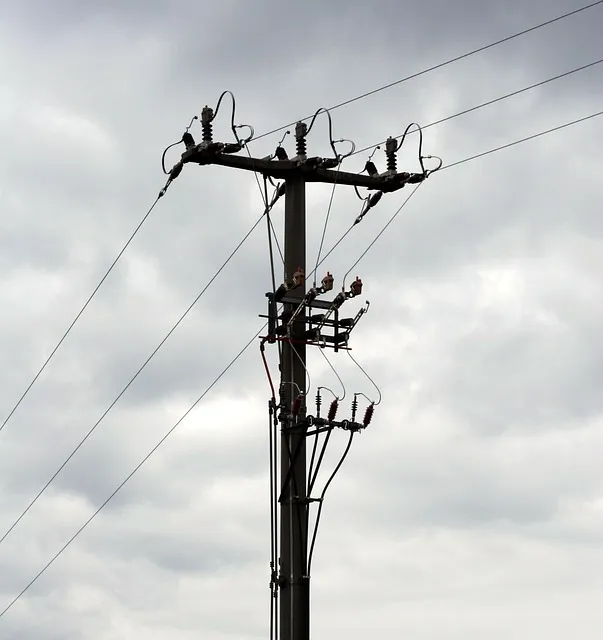
Modern environments are saturated with artificial electromagnetic fields — power lines, appliances, wireless devices, building wiring. These fields can induce small electric currents in the body. When the body is electrically isolated from the Earth (rubber-soled shoes, a non-conductive mattress), those induced currents have nowhere to drain. They accumulate, creating small but measurable voltage differentials relative to the Earth’s surface.
Studies by Karol and Pawel Sokal, Polish physicians who published in the journal Biomedical Research International, found that grounding eliminated these body voltages, bringing them to near-zero relative to ground potential. Their experiments measured biological effects including changes in thyroid hormone levels, glucose metabolism, and immune parameters following extended grounding protocols in diabetic and non-diabetic subjects.
Their work needs replication with larger samples. Still, the findings suggest the body’s electrical environment — not just its oxidative environment — may be biologically significant.
Chevalier has published data showing that ungrounded people working near computers or other electronics can accumulate body voltages of several hundred millivolts relative to ground. Contact with a grounded surface drops that voltage to near zero within milliseconds. Whether these body voltages cause harm at levels typical of modern indoor environments is still an open question. The physics of electron flow from Earth to body once contact is established is not.
How to Ground: The Practical Architecture
The physics of grounding is simple. Conductive contact between skin and Earth’s surface, or a conductive material connected to the Earth. Ranked by conductivity: wet soil or grass (highest), dry grass, sand, concrete (retains ground moisture), wood (low but nonzero), asphalt (negligible). Rubber, plastic, most synthetics: zero.
Timing matters less than consistency. Most researchers used sessions of thirty minutes to two hours in their protocols, though the cortisol and sleep studies used continuous overnight grounding. A reasonable starting protocol: twenty to thirty minutes of barefoot contact with soil or grass daily. Morning is convenient — bare feet on dewy grass with coffee hits both the circadian light exposure and the grounding targets at once. Evening walks on grass or sand work about as well biochemically.
Grounding products — conductive mats, sheets, patches — allow indoor grounding and are electrically legitimate. They work by connecting a conductive surface to the grounding port of a standard electrical outlet (the round hole at the bottom of a three-prong outlet, which is literally wired to a metal rod driven into the Earth).
In well-designed products, the connection runs through a 100-kilohm resistor, which permits the slow DC electron flow that provides the health benefits while blocking any meaningful AC current from flowing through the user. The Chevalier sleep studies used these indoor systems, providing evidence they produce the same physiological effects as outdoor grounding.
Water is an excellent conductor and also connected to the Earth. Swimming in the ocean, lakes, or rivers provides grounding. Open natural water bodies — streams and rivers included — generally provide excellent grounding due to their physical connection with the ground.
Who Benefits Most: Clinical Populations
Not everyone needs grounding equally. The biological benefits are probably universal, but the practical gap between baseline and optimized is widest for specific populations.
Athletes under heavy training loads are one clear high-priority group. The Brown et al. study on post-exercise inflammation provides direct evidence. Several mechanisms stack here: reduced oxidative stress from exercise-generated free radicals, faster inflammatory resolution allowing more complete recovery, improved sleep quality enhancing the growth hormone release and protein synthesis that drive adaptation. For an endurance athlete training twice daily, even a ten to fifteen percent improvement in recovery speed compounds dramatically across a season.
People with chronic inflammatory conditions — autoimmune disease, inflammatory bowel disease, rheumatoid arthritis, psoriasis — are another priority group. The anti-inflammatory mechanism is precisely what these conditions require, and grounding’s safety profile is close to perfect. The only documented concern is for people with surgically implanted insulin pumps or pacemakers, who should consult their physicians before using grounding devices.
People with sleep disorders and HPA axis dysregulation — the chronically stressed, the overtrained, the trauma-exposed — benefit from the cortisol normalization and parasympathetic upregulation. Sleeping on a grounded sheet costs essentially nothing, produces no side effects, and multiple lines of evidence suggest it shifts the nervous system toward the parasympathetic dominance restorative sleep requires.
Older adults benefit from grounding’s effects on blood viscosity and cardiovascular markers. Age-related increases in blood thickness and inflammatory markers carry increased cardiovascular risk, and grounding addresses both — through the zeta potential mechanism and the electron-donor antioxidant pathway.
The Skeptic’s Objections: What Critics Get Right and Wrong

Fair criticisms, all of them. Sample sizes in most grounding studies range from ten to sixty subjects — adequate for detecting large effects, inadequate for small ones. The journals where most of this work lands are not Nature Medicine or the New England Journal of Medicine. And yes, some researchers have financial interests in grounding products.
But the counterarguments carry weight too. The mechanism — electron flow from Earth to body, subsequent free radical quenching — is physically plausible in ways plenty of pharmaceutical mechanisms are not. The safety profile is close to perfect: the intervention is walking barefoot on grass. And the studies that exist, small as they are, are remarkably consistent in direction across diverse outcome measures.
The absence of large RCTs reflects funding realities more than biological implausibility. Pharmaceutical companies fund drug trials because they can patent drugs. Nobody can patent the Earth’s surface. The National Institutes of Health hasn’t prioritized grounding research. That doesn’t mean the mechanism fails — it means the incentive structure of biomedical research funding systematically underinvests in interventions nobody can monetize at scale.
Ancestral Context: The Evolutionary Argument
There’s a separate line of reasoning about grounding that doesn’t depend on the clinical trial evidence at all — the evolutionary continuity argument. For roughly six million years of hominid evolution, barefoot contact with the Earth was universal and continuous. Ancestors slept on the ground, walked barefoot or in leather-soled footwear, waded in streams, and spent most of every day in direct conductive contact with the planet’s surface.
That contact was interrupted abruptly, in evolutionary terms, by the invention of rubber-soled shoes, raised beds, carpeted floors, and elevated buildings. Rubber soles went mass-market in the mid-twentieth century. In a species whose genome reflects six million years of ground contact, a fifty-year interruption is a blink. Electrochemistry hasn’t had time to adapt to electrical isolation, because evolution doesn’t move that fast.
This doesn’t prove grounding provides health benefits — absence of ancestral exposure doesn’t necessarily cause harm. But it shifts the burden of proof. The default assumption should be that continuous ground contact is the biological baseline, and the onus falls on anyone claiming departure from that baseline is harmless. The precautionary principle favors reestablishing ground contact.
Integration with Other Health Practices
Grounding doesn’t exist in isolation from other health practices — it interacts with them, sometimes synergistically. The interactions worth understanding:
With exercise: outdoor exercise — trail running, hiking, beach volleyball, barefoot training — combines the anti-inflammatory benefits of movement with grounding’s post-exercise recovery benefits. Moving exercise outdoors and removing shoes where terrain allows isn’t just pleasant. It’s mechanistically distinct from indoor exercise, in ways the data actually supports.
With sleep: the evidence for grounded sleep is among the strongest in the whole literature. A grounding mat or sheet connected to a proper ground adds minimal friction to an existing behavior (sleeping) and produces the most consistently replicated benefits — cortisol normalization, HRV improvement, sleep quality enhancement. For anyone struggling with sleep, arguably the first intervention worth trying before pharmaceutical options.
With meditation and breathwork: practices that promote parasympathetic activation — slow breathing, body scan meditation, progressive muscle relaxation — likely synergize with grounding’s parasympathetic-promoting effects. Outdoor barefoot contact combined with meditative breathing may produce additive effects on HRV and cortisol beyond either intervention alone.
With an anti-inflammatory diet: grounding’s antioxidant mechanism complements dietary antioxidants. Both donate electrons to reactive oxygen species, through different delivery mechanisms — dietary antioxidants via the gut and bloodstream, ground electrons via the conductive tissue network. Additive pathways, not competing ones.
The Schumann Resonance Hypothesis: Going Deeper
Beyond the free electron antioxidant story sits a secondary hypothesis in the grounding literature involving the Schumann resonances — natural electromagnetic frequencies generated in the cavity between the Earth’s surface and the ionosphere. The fundamental Schumann resonance sits around 7.83 Hz, with harmonics near 14.3, 20.8, 27.3, and 33.8 Hz.
These frequencies overlap with biological frequency ranges in provocative ways. Alpha brainwave activity (relaxed alertness, meditation) runs 8 to 12 Hz. Theta waves (deep relaxation, REM sleep) run 4 to 7 Hz. The Schumann fundamental at 7.83 Hz sits precisely at the alpha-theta border — the frequency tied to the transition from alert wakefulness into deep relaxation.
Researcher Robert Becker documented the connection between geomagnetic activity (which modulates Schumann resonances) and human physiological and psychological states in his book The Body Electric. During periods of geomagnetic disturbance — solar flares, magnetic storms — hospital admissions for cardiac events and psychiatric episodes measurably increase. The converse also appears true: geomagnetic calm correlates with improved physiological stability in sensitive populations.
The hypothesis that Schumann resonances serve as a biological timing signal — helping entrain human circadian and ultradian rhythms — remains speculative but isn’t implausible. The hypothalamus, which contains magnetite crystals as documented by Kirschvink and colleagues at Caltech, could in principle respond to the extremely weak but consistent electromagnetic signals of the Schumann resonances.
If grounding re-establishes exposure to these signals after the shielding of modern buildings, the biological effects might reach beyond the free electron mechanism into circadian entrainment and neuroendocrine regulation.
Measuring Your Response: Biomarkers and Tracking
Anyone implementing grounding as a health practice deserves an evidence-based answer to the obvious question: is it working. The biomarkers most sensitive to grounding’s effects, ranked by accessibility:
Heart rate variability is the most sensitive and accessible measure. Modern consumer devices — Oura Ring, WHOOP, Polar H10 — measure HRV during sleep with reasonable accuracy. A two to four week grounding protocol should produce measurable HRV improvements in people with low baseline HRV (below 50ms RMSSD).
If HRV doesn’t budge after a month, either the grounding isn’t being implemented correctly (check the electrical continuity of the mat or sheet), or baseline HRV impairment has other primary drivers that need addressing first.
Sleep quality tracking via the same consumer devices gives subjective and objective sleep architecture data. Grounding’s cortisol normalization effects should show up as improved deep sleep percentage and improved sleep efficiency scores, since elevated nocturnal cortisol suppresses slow-wave sleep.
C-reactive protein (CRP) and interleukin-6 can be measured via standard blood panels available through direct-to-consumer lab services. A high-sensitivity CRP below 1.0 mg/L is generally considered optimal. A baseline above 3.0 mg/L with no other obvious inflammatory driver is a reasonable indication for grounding as an anti-inflammatory intervention, with repeat testing at eight to twelve weeks.
For athletes, creatine kinase measured 24 to 48 hours post-training gives a direct measure of muscle damage and inflammation. The Brown et al. findings suggest grounding should reduce post-exercise CK elevations by a meaningful percentage — tracking this over multiple training cycles provides personalized evidence of grounding’s recovery benefits.
The most profound discoveries in medicine often turn out to be embarrassingly simple in retrospect. Taking off your shoes might be one of them. Not because of mysticism or energy healing or any of the other frameworks that wellness culture has wrapped around this practice — but because electrons are real, free radicals are real, conductivity is real, and the Earth has been sitting there the whole time offering a solution we’ve been insulating ourselves from for seventy years.
Marcus, the cyclist from the opening, eventually had a conversation with his cardiologist about what he’d been doing. The doctor’s response wasn’t dismissive — cautiously interested, if anything. The physiological mechanisms made sense to him. The blood viscosity data tracked with what he understood about red cell electrokinetics. He didn’t recommend it to every patient on the spot, but he didn’t dismiss it either. He asked Marcus to keep tracking his numbers.
Probably the right posture. Not credulity, not dismissal. Careful attention to what the body is telling you, with biomarkers to back up or contradict the story. The electrons are free. The grass is outside. The experiment costs nothing to run.
Electrical Body Isnt: Your Questions Answered
How long does it take to see measurable effects from grounding?
The HRV and cortisol studies show measurable changes within forty minutes of initial grounding contact, with cumulative improvements developing over two to eight weeks of consistent practice. Sleep quality improvements tend to show up within the first week for people with moderate-to-severe sleep dysregulation. Anti-inflammatory biomarker changes — CRP and cytokines — typically need four to twelve weeks to show statistically meaningful trends.
The fastest responders tend to be those with the highest baseline inflammation and the lowest baseline HRV, because they have the most room to move.
Are grounding mats and sheets as effective as outdoor barefoot grounding?
The Chevalier sleep studies, which constitute the strongest clinical evidence base in the grounding literature, used indoor conductive systems connected to electrical outlet ground ports. That suggests indoor grounding products are physiologically equivalent to outdoor barefoot contact, provided they’re manufactured with proper grounding connections and current-limiting resistors. The key variable is electrical continuity between skin and Earth, achievable through either pathway.
Verify the home’s electrical ground is functioning — a simple outlet tester from any hardware store confirms this — before trusting an indoor grounding product.
Does grounding work through shoes or socks?
Rubber and synthetic soles are effectively insulators — they block electron flow completely. Natural leather soles, with some moisture content and conductive properties, allow modest grounding. Wet cotton socks on damp grass may allow some electron flow. Direct skin contact is most reliable, leather soles provide partial grounding, and any rubber or synthetic sole provides essentially zero grounding benefit.
Which is why the modern athletic shoe, with its thick rubber midsole and outsole, represents a complete electrical break from the Earth regardless of how “natural” the running style claims to be.
Is there any risk to grounding?
Outdoor barefoot grounding carries the usual risks of walking barefoot — puncture wounds, cuts, exposure to environmental contaminants. For indoor grounding products, the primary safety question is whether the product uses proper current-limiting resistors. Reputable products include a 100-kilohm resistor in the grounding circuit, allowing DC electron flow while blocking the AC currents that run through household wiring. People with implanted electronic medical devices — pacemakers, insulin pumps, neurostimulators — should consult their physicians before using indoor grounding products.
No documented adverse effects in the published literature for otherwise healthy individuals.
What’s the best surface for outdoor grounding?
Electrical conductivity of natural surfaces correlates with moisture content. Wet grass or soil provides the best conductivity — morning dew on grass makes early morning barefoot walking particularly effective. Dry sand at the beach is moderately conductive. Dry concrete (not painted or sealed) retains some ground moisture and provides modest conductivity. Ocean swimming and wading in natural water bodies — streams, rivers, lakes — provide excellent grounding due to water’s high conductivity. Avoid asphalt and all synthetic materials.
The barefoot tradition of beach and lakeside communities may have conferred inadvertent health benefits beyond cardiovascular exercise and vitamin D exposure.
References
- Walk barefoot on grass, soil, or sand for a minimum of twenty minutes daily, preferably in the morning when surfaces are still damp from dew.
- If outdoor access is limited, invest in a quality grounding mat or sheet with a proper current-limiting resistor and verify your outlet’s ground is functional with an inexpensive tester.
- Track HRV and sleep quality for four weeks before and after implementing grounding to assess your individual response objectively.
- Combine grounding with outdoor exercise — trail running, hiking, or barefoot training — to compound recovery benefits from multiple angles simultaneously.
- Consider baseline and follow-up high-sensitivity CRP testing if you have reasons to suspect elevated systemic inflammation, and repeat at eight to twelve weeks.
- Gaetan Chevalier’s 2004 double-blind study found grounded sleep normalized cortisol curves and improved sleep quality in sixty subjects over an extended protocol.
- The Earth’s surface carries a net negative charge, providing an essentially unlimited supply of free electrons that act as natural antioxidants within biological tissue.
- Red blood cell surface charge (zeta potential) increased with grounding, reducing blood viscosity and improving cardiovascular flow dynamics in dark-field microscopy studies.
- HRV improvements following grounding indicate parasympathetic upregulation — the shift away from chronic fight-or-flight activation that most modern people desperately need.
- Post-exercise inflammation resolved significantly faster in grounded athletes versus controls in a randomized crossover study by Brown, Chevalier, and Hill.
Editorial StandardsCorrectionsMedical DisclaimerAbout Our ContentAffiliate DisclosureSite Map