
The Diet Nobody Told You About When You Got Diagnosed

Bipolar disorder affects roughly 2.8% of American adults. Sounds small on paper. In practice it’s 7 million people cycling between highs that feel like god-mode and lows that feel like being buried alive. Mood stabilizers, antipsychotics, talk therapy — this combination helps some people substantially. For others it manages the edges while the core dysfunction keeps grinding along underneath, mostly untouched.
Here’s what a growing body of research shows: food directly modulates the neurobiological mechanisms that drive mood cycling. Not as a substitute for anything clinical. As a lever that most people with bipolar disorder never even know is available to pull.
This is the nutrition guide that didn’t come with the diagnosis.
What Bipolar Disorder Actually Is (Beyond the Diagnosis)
Before getting to food, the biology needs establishing. Because “mood swings” undersells what’s actually happening, and undersells why nutrition would even be relevant.
Bipolar disorder is, at its core, a disorder of mitochondrial function, inflammatory dysregulation, and circadian rhythm disruption — all three interacting with neurotransmitter systems in ways that produce the characteristic cycling between states. This isn’t a fringe reading of the condition. Research published in the Journal of Psychiatric Research has documented elevated inflammatory markers in both manic and depressive phases. Studies in Bipolar Disorders have identified mitochondrial dysfunction as a core feature of the disorder, not some downstream side effect.
Why should nutrition matter, given all that? Because every one of those systems — mitochondrial function, inflammation, circadian rhythm — is directly and powerfully shaped by what a person eats.
The brain consumes roughly 20% of the body’s total energy despite being about 2% of its mass. It runs almost exclusively on glucose, though it can shift to ketone bodies under the right conditions. It needs a steady supply of fatty acids, amino acids, vitamins, and minerals to synthesize neurotransmitters, maintain myelin sheaths, and keep the inflammatory response calibrated correctly.
Feed it garbage — processed sugar, refined carbohydrates, industrial seed oils — and the gut isn’t the only thing taking the hit. The neurobiological machinery that’s supposed to keep mood cycling under some kind of control gets actively disrupted in the process.
“The emerging field of nutritional psychiatry reveals that dietary patterns have a direct and measurable impact on mental health outcomes — including in serious conditions like bipolar disorder where the brain’s metabolic demands are chronically dysregulated.”
The Inflammation Connection: Why Your Brain Is on Fire
- Eliminate industrial seed oils (canola, soybean, corn oil) — the primary dietary source of excess omega-6. Replace with olive oil, butter, and coconut oil.
- Increase omega-3 intake dramatically — fatty fish at least three times weekly, plus supplementation (more on this below).
- Cut processed sugar — sugar drives inflammatory cytokine production through multiple pathways, including AGE formation and gut microbiome disruption.
- Load polyphenols — berries, dark chocolate, green tea, turmeric all contain compounds that inhibit inflammatory signaling cascades.
A 2019 meta-analysis in the Journal of Affective Disorders pulled together studies measuring inflammatory biomarkers across mood episodes in bipolar disorder. The findings were stark. Interleukin-6 (IL-6), tumor necrosis factor-alpha (TNF-α), and C-reactive protein (CRP) all showed up significantly elevated during both manic and depressive phases compared to healthy controls.
This isn’t coincidental. Neuroinflammation disrupts synaptic plasticity, impairs the blood-brain barrier, and alters HPA axis response — all of it feeding directly into mood dysregulation. The real question is where the inflammation originates.
Part of it is the disorder itself, doing what the disorder does. But a substantial part is dietary. The Western diet — heavy in omega-6 fatty acids, refined carbohydrates, processed foods — is about as potent an inflammatory stimulus as anything humans routinely put in their bodies. The ratio of omega-6 to omega-3 fatty acids in the average American diet runs approximately 15:1 to 20:1. Human physiology evolved on something closer to 4:1. That imbalance systematically pushes the body toward a pro-inflammatory state through arachidonic acid metabolism.
For someone with bipolar disorder, this chronic dietary inflammation is essentially gasoline poured on a fire that was already lit.
The flip side holds up just as well. Anti-inflammatory dietary patterns — high in omega-3s, polyphenols, fiber, and micronutrients — measurably reduce these same inflammatory markers. A 2021 trial in Nutritional Neuroscience found that an anti-inflammatory dietary intervention reduced CRP levels in bipolar patients and tracked with improvements in depressive symptom scores.
Mitochondrial Function: The Energy Crisis Nobody’s Treating

Here’s the blunt version: mitochondria that aren’t functioning properly can’t maintain the electrochemical gradients neurons need for stable firing patterns. The result is more or less what anyone would predict — a dysregulated excitatory/inhibitory balance that shows up as mood cycling.
Mitochondria are exquisitely sensitive to nutritional input. The entire ATP-production machinery runs on a continuous supply of B vitamins, magnesium, CoQ10, alpha-lipoic acid, and L-carnitine. None of these are exotic. They’re nutrients that ought to be abundant in a reasonably designed diet — and are systematically depleted by the Western dietary pattern instead.
B12 and folate deficiency, common among people eating a processed-food diet, impair the methylation cycle that produces SAM-e, a critical methyl donor for neurotransmitter synthesis. Magnesium deficiency — affecting an estimated 45% of Americans — impairs over 300 enzymatic reactions, including those involved in mitochondrial ATP synthesis.
The research on mitochondrial nutrients in bipolar disorder is still emerging, but promising. A 2012 study in the Australian and New Zealand Journal of Psychiatry found that N-acetylcysteine (NAC), which supports mitochondrial function and reduces oxidative stress, produced significant improvements in bipolar depressive symptoms. Several subsequent trials have replicated the finding.
CoQ10, a central electron carrier in the mitochondrial respiratory chain, has been studied specifically in bipolar disorder. A 2018 randomized controlled trial found that CoQ10 supplementation at 200mg/day improved depressive symptoms and reduced fatigue in bipolar patients already on standard treatment.
The Ketogenic Diet: Radical Intervention or Legitimate Tool?
Time for the most controversial nutritional intervention in the bipolar research literature: the ketogenic diet.
The ketogenic diet — very high fat, very low carbohydrate, moderate protein — was originally developed in the 1920s to treat epilepsy. The neurological parallels to bipolar disorder haven’t escaped researchers. Both conditions involve dysregulated neuronal excitability. Both respond to some of the same anticonvulsant medications (valproate, lamotrigine). The open question is whether the metabolic shift of ketosis might similarly stabilize mood cycling.
The theoretical mechanisms are compelling enough to take seriously. Ketone bodies (primarily beta-hydroxybutyrate) serve as a more efficient energy substrate for neurons than glucose, potentially compensating for mitochondrial dysfunction. Ketosis reduces glutamate signaling — hyperactive in mania — while increasing GABA signaling. It also reduces inflammation by inhibiting the NLRP3 inflammasome and lowering oxidative stress.
The clinical evidence is preliminary but striking. A 2023 pilot trial at Stanford, published in Psychiatry Research, enrolled 28 participants with treatment-resistant bipolar or schizoaffective disorder on a ketogenic diet for four months, continuing their existing medications throughout. Results showed significant improvements in psychiatric symptom severity, global functioning, and metabolic health markers. Six participants achieved clinical remission — a word rarely applied to this population.
Individual case reports have been even more dramatic. Psychiatrist Georgia Ede has documented multiple cases of bipolar disorder reaching full remission on ketogenic diets after years of partial response to medication. Case reports aren’t clinical trials, granted. But the biological plausibility combined with the growing pilot data makes this worth serious investigation rather than dismissal.
A few caveats worth stating plainly: the ketogenic diet isn’t appropriate for everyone with bipolar disorder. It requires careful medical supervision, particularly around interactions with existing medications. It can precipitate mania in some individuals, possibly through increased norepinephrine synthesis. And it carries significant compliance challenges that make long-term adherence difficult for a lot of people. Not a DIY project — this is a conversation to have with a prescribing physician, not a decision to make alone at the grocery store.
“The ketogenic diet represents the most mechanistically plausible nutritional intervention for bipolar disorder currently in the research pipeline. The early clinical data is promising enough that dismissing it would be intellectually dishonest.”
Omega-3 Fatty Acids: The Evidence Is Stronger Than You Think
Of every nutritional intervention studied in bipolar disorder, omega-3 fatty acids have the strongest evidence base by a comfortable margin. Not a wellness trend. Multiple randomized controlled trials back it up.
A 1999 landmark study by Stoll and colleagues, published in the Archives of General Psychiatry, randomly assigned 30 bipolar patients to either fish oil (9.6g/day of EPA+DHA) or olive oil placebo, added on top of standard treatment. The trial got stopped early — the fish oil group showed such dramatic improvements in depression and such extended periods of remission that continuing to run the placebo arm was considered unethical.
Subsequent meta-analyses have confirmed the antidepressant effects of omega-3 supplementation in bipolar disorder, with the strongest evidence specifically for EPA. A 2012 Cochrane review and a 2016 meta-analysis both found significant reductions in depressive (though not manic) symptoms with omega-3 supplementation.
The mechanisms are multiple and overlapping. EPA competes with arachidonic acid for incorporation into cell membranes and for enzymatic metabolism, reducing production of pro-inflammatory eicosanoids. DHA is a structural component of neuronal membranes, affecting membrane fluidity and receptor function. Both EPA and DHA modulate gene expression via PPARγ receptors, reducing inflammatory cytokine production.
What doses are actually being used? The research points to a minimum of 2-3g/day of combined EPA+DHA for clinically meaningful effects, with some studies running as high as 6-9g/day. That’s dramatically more than most people get from diet alone, even with regular fish consumption baked in, which is why the trials ran on concentrated fish oil rather than on dietary change.
Fish oil quality matters more than most people assume. Oxidized fish oil can actually increase oxidative stress, making the underlying problem worse rather than better. Look for products third-party tested for oxidation markers (TOTOX score). Store it in the refrigerator. Take it with a meal containing fat for optimal absorption.
Blood Sugar, Insulin, and Mood Cycling: The Metabolic Connection
- Eliminate refined carbohydrates — white bread, pasta, rice, and especially sugar-sweetened beverages cause rapid blood glucose spikes that stress the system.
- Prioritize protein at every meal — protein blunts the glycemic response and provides amino acid precursors for neurotransmitter synthesis.
- Don’t skip meals — hypoglycemia triggers cortisol release and sympathetic nervous system activation, which can destabilize mood.
- Time carbohydrate intake strategically — if carbohydrates are consumed, pair them with protein and fat to slow glucose absorption.
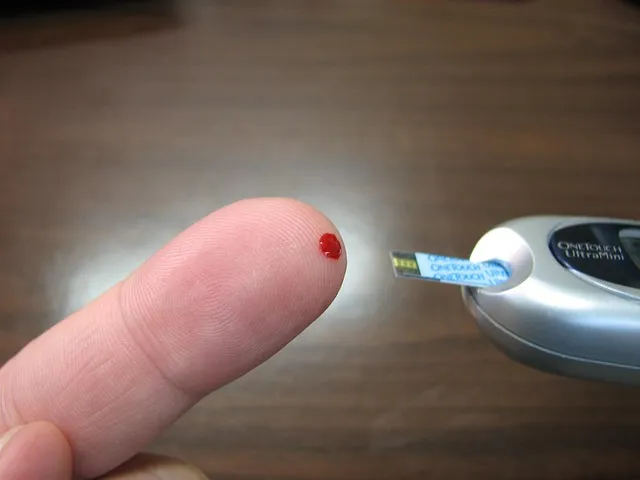
Insulin receptors sit densely throughout the limbic system, including the hippocampus and prefrontal cortex — regions central to mood regulation. Insulin signaling in the brain modulates dopamine and serotonin transporter function. When blood sugar runs chronically dysregulated, insulin signaling in the brain gets impaired right along with it, directly disrupting the neurotransmitter systems most relevant to mood.
The clinical data here is sobering. People with bipolar disorder show significantly elevated rates of metabolic syndrome, insulin resistance, and type 2 diabetes compared to the general population. Historically this got attributed mostly to antipsychotic medication side effects. That’s partly true. But more recent research suggests metabolic dysfunction may be intrinsic to bipolar disorder itself — present before medication even enters the picture.
A 2020 study in Bipolar Disorders found that insulin resistance predicted worse long-term outcomes in bipolar disorder, including greater depressive severity and more frequent hospitalizations, independent of medication status.
The practical implication: blood sugar management isn’t just a metabolic health concern for people with bipolar disorder. It functions as a psychiatric intervention in its own right. Which means:
Micronutrient Deficiencies That Masquerade as Bipolar Symptoms
Before attributing every symptom to the disorder itself, it’s worth systematically ruling out micronutrient deficiencies that can either cause or significantly worsen mood cycling. These deficiencies are common in the general population and even more common among people with bipolar disorder — often driven by medication effects, dietary restriction, or gut malabsorption.
Vitamin D. A 2020 meta-analysis found vitamin D deficiency significantly more prevalent in people with bipolar disorder than in matched healthy controls. Vitamin D receptors are distributed throughout the brain, and vitamin D directly regulates genes involved in dopamine synthesis, serotonin synthesis, and neuroinflammation. Supplementation studies in bipolar disorder show mixed results, but correcting a deficiency is close to a no-brainer given how broad its biological effects are.
Magnesium. Magnesium is a natural NMDA receptor antagonist — the same receptor targeted by ketamine, which has shown rapid antidepressant effects. Magnesium also regulates calcium influx into neurons, directly relevant to the calcium signaling dysregulation implicated in bipolar pathology. Multiple studies document lower magnesium levels in bipolar disorder patients, and supplementation has shown improvements in depressive symptoms in some trials.
Zinc. Zinc modulates glutamatergic and GABAergic neurotransmission — both implicated in bipolar disorder. A 2013 study found significantly lower serum zinc in bipolar patients compared to controls. Zinc is also critical for immune function and serves as a cofactor for superoxide dismutase, a key antioxidant enzyme.
Folate and B12. The methylation cycle, dependent on adequate folate and B12, produces SAM-e and is required for synthesizing serotonin, dopamine, and norepinephrine. MTHFR gene variants that impair folate metabolism show up more prevalently in bipolar disorder. L-methylfolate, the active form, has shown efficacy as an adjunctive treatment for depression in bipolar disorder.
Iron. Iron is essential for dopamine synthesis as a cofactor for tyrosine hydroxylase. Iron deficiency can produce profound fatigue, cognitive impairment, and dysphoria that mimics or worsens bipolar depression. Women of reproductive age with bipolar disorder who eat plant-predominant diets face particular risk here.
The Gut-Brain Axis in Bipolar Disorder
The gut produces approximately 90% of the body’s serotonin and contains a neural network — the enteric nervous system — comprising 500 million neurons. Calling the gut a second brain isn’t a figure of speech. It communicates bidirectionally with the central nervous system via the vagus nerve, immune signaling, hormonal pathways, and neurotransmitter precursor production.
The gut microbiome — roughly 38 trillion bacteria inhabiting the gastrointestinal tract — sits at the center of all these communication pathways. It modulates vagal tone, regulates intestinal permeability, produces neurotransmitter precursors including tryptophan (serotonin precursor) and GABA, and directly influences systemic inflammation.
A 2019 study published in Bipolar Disorders found significant differences in gut microbiome composition between people with bipolar disorder and healthy controls, including reduced abundance of beneficial bacteria and altered Firmicutes/Bacteroidetes ratios. A follow-up study found that microbiome diversity correlated with symptom severity.
This is a rapidly developing area, but the directional evidence suggests gut microbiome support belongs in any comprehensive nutritional approach to bipolar disorder. In practice:
Prebiotic fiber — feeding beneficial bacteria the fuel they require. Onions, garlic, leeks, asparagus, green bananas, and oats are excellent prebiotic sources. Most people fall dramatically short on prebiotic fiber, which starves the very bacteria they’re trying to cultivate.
Fermented foods — yogurt, kefir, sauerkraut, kimchi, and kombucha provide live bacterial cultures that can modulate the gut microbiome. A 2021 randomized trial in Cell found fermented food consumption significantly increased microbiome diversity and reduced inflammatory markers.
Avoiding gut disruptors — antibiotics (when avoidable), artificial sweeteners, emulsifiers like carboxymethylcellulose and polysorbate-80 (common in processed foods), and pesticide residues all negatively affect the gut microbiome.
Circadian Rhythm Nutrition: Eating With Your Biological Clock

Less commonly known: when a person eats matters almost as much as what they eat for circadian rhythm regulation. Peripheral clocks in the liver, gut, and metabolic tissues get synchronized partly by food timing. Irregular eating patterns, late-night eating, eating out of sync with the light-dark cycle — all of it can destabilize these peripheral clocks and compound the circadian disruption already present in bipolar disorder.
Time-restricted eating — limiting food intake to a consistent 8-12 hour window during the active part of the day — has emerged as a powerful circadian synchronization tool. A 2020 study in Cell Metabolism found that time-restricted eating improved circadian rhythm markers, reduced inflammation, and improved metabolic parameters even without any change in caloric intake or food composition.
For practical implementation: aim to eat the first meal within 1-2 hours of waking, and the last meal at least 2-3 hours before sleep. Avoid eating between midnight and 6am. Consistency matters more than precision — eating at the same times every day provides a powerful zeitgeber, a time signal, for synchronizing the circadian system.
“Circadian-aligned eating may be one of the most underutilized interventions in bipolar disorder management — it’s free, has no side effects, and directly targets one of the core biological disruptions of the condition.”
The RW Metabolic Stability Protocol: A Framework
Time to consolidate all of this into a practical framework. Not a replacement for existing treatment — a structured approach to the nutritional variables that directly influence the biological systems underlying mood cycling.
Phase 1 — Elimination (Weeks 1-2): Remove the biggest neurobiological disruptors. Refined sugar, industrial seed oils (replace with olive oil, butter, coconut oil), alcohol, highly processed foods — all of it. These aren’t negotiable. They’re actively destabilizing systems the whole protocol is trying to stabilize.
Phase 2 — Foundation Building (Weeks 3-4): Build the nutritional foundation for neurobiological stability. Prioritize protein at every meal (minimum 30g per meal from animal or high-quality plant sources), add fatty fish three times per week, dramatically increase vegetable diversity (30+ different plant foods per week is the target for microbiome diversity), and add 1-2 servings of fermented foods daily.
Phase 3 — Supplementation: Add targeted supplementation based on an individual deficiency profile, ideally informed by blood work — concentrated fish oil for EPA and DHA, magnesium glycinate at night, vitamin D3 titrated by a clinician against your actual serum level rather than a number off the label, and zinc taken with food. NAC is worth raising with whoever manages your treatment, given its specific trial evidence in bipolar depression.
Phase 4 — Circadian Optimization: Implement consistent meal timing within a 10-hour eating window. Aim for the eating window to align with daylight hours. Cut out late-night eating entirely. Combine with consistent sleep/wake times for maximum circadian benefit.
Phase 5 — Advanced Intervention: For those not achieving adequate symptom management through standard treatment plus the above, a conversation about the ketogenic diet with a psychiatrist is worth having. The evidence is preliminary but mechanistically compelling, and for carefully supervised, treatment-resistant cases, the risk-benefit ratio may tilt favorable.
Working With Your Treatment Team on Nutrition
One more thing before closing out, and it matters. Everything in this piece is meant to complement clinical psychiatric care, not stand in for it. Bipolar disorder carries real risks — suicide risk during depressive phases, impaired judgment during manic phases — and any decision to adjust medications, add interventions, or make significant dietary changes belongs in partnership with a prescribing clinician, not attempted solo.
Nutritional psychiatry is still catching on in mainstream clinical training, and not every clinician will be up to speed on it. That’s a gap in the field, not evidence the underlying research is wrong. Bringing studies to an appointment, asking direct questions, or seeking out a practitioner with specific training in integrative or nutritional medicine are all reasonable ways to close that gap.
Organizations like the International Society for Nutritional Psychiatry Research (ISNPR), along with practitioners trained in functional or integrative medicine, are useful resources here. The field is moving fast — what looked fringe five years ago is edging toward mainstream, and the people engaging with it now are ahead of the curve rather than outliers.
The practical conclusion: the brain runs on what it’s fed. In bipolar disorder, where the brain’s metabolic machinery is demonstrably dysregulated, nutritional optimization isn’t optional or supplementary. It’s a core component of comprehensive care that most people never receive.
What People Ask About Diet Nobody Told
Can nutrition cure bipolar disorder? No. Bipolar disorder is a complex neurobiological condition that typically requires ongoing management. Nutrition can significantly improve symptom management and quality of life, but it isn’t a cure and shouldn’t replace evidence-based psychiatric treatment.
Should medications be stopped to try a nutritional approach? No. Stopping bipolar medications abruptly can trigger severe mood episodes and carries real danger. Any changes to a medication regimen need to happen in consultation with a prescribing physician. Nutritional interventions are add-ons, not replacements, for standard treatment.
How long before nutritional changes show effects? Micronutrient deficiency correction can show effects within weeks. Anti-inflammatory dietary changes typically take 4-8 weeks to produce measurable reductions in inflammatory markers. Full benefits from dietary pattern changes usually emerge over 3-6 months. Patience is required — there’s no shortcut here.
Is the ketogenic diet safe for bipolar disorder? For some people, yes, but only with careful medical supervision. Keto can potentially precipitate mania in vulnerable individuals, and interactions with medications need monitoring. Never attempt this without discussing it with a psychiatrist first.
What’s the single most important nutritional change for bipolar disorder? If forced to prioritize one intervention based on evidence quality and effect size, it would be omega-3 fatty acid supplementation at the kind of concentrated intakes the trials above used — far beyond dietary fish. The evidence base is strongest, the biological mechanisms are well understood, and the risk profile is favorable.
Are there foods to specifically avoid during a manic episode? Caffeine, alcohol, and stimulant substances can worsen mania. Very high-sugar foods that spike blood glucose may also aggravate the picture. Keeping food simple and regular during episodes supports circadian stability at exactly the moment it’s most under threat.
What blood tests are worth requesting to assess nutritional status? At minimum: vitamin D (25-OH), B12, folate, ferritin/iron panel, zinc, magnesium (RBC magnesium is more accurate than serum), and a full metabolic panel including fasting glucose and HbA1c. A functional medicine practitioner can run more comprehensive panels if needed.
The Gut-Brain Axis in Autoimmune and Mood Conditions
The bidirectional communication pathway between the gut microbiome and the brain — the gut-brain axis — has become one of the most productive areas of psychiatric and autoimmune research over the past decade. For someone managing an autoimmune diagnosis that affects the brain directly (lupus cerebritis, MS-related cognitive symptoms) or indirectly through systemic inflammation, understanding and optimizing the gut-brain axis adds a useful point that most conventional treatment protocols leave unaddressed.
The gut microbiome produces several neurologically active compounds directly: short-chain fatty acids (SCFAs) like butyrate, which cross the blood-brain barrier and directly modulate microglial activity (the brain’s immune cells); precursors to serotonin (approximately 90% of the body’s serotonin is produced in the gut by enterochromaffin cells responding to microbiome signals); GABA; and various tryptophan metabolites that influence the kynurenine pathway — a central pathway in inflammation-related depression. When the gut microbiome is dysbiotic, these neurologically beneficial compounds are underproduced, and inflammatory metabolites are overproduced instead. The clinical expression is often exactly the mood, cognition, and fatigue symptoms that overlap between gut disorders and psychiatric conditions.
For autoimmune conditions specifically, the microbiome plays a regulatory role in immune tolerance — the mechanism that prevents the immune system from attacking self tissue. Several autoimmune conditions including lupus, rheumatoid arthritis, multiple sclerosis, and inflammatory bowel disease show distinct dysbiotic microbiome signatures compared to healthy controls. Whether the dysbiosis causes the autoimmune condition, results from it, or both (likely) remains under investigation. What’s established is that microbiome-targeted interventions can modulate immune activity in measurable ways.
The practical interventions that support a healthy gut-brain axis overlap significantly with the dietary framework described throughout this article. Dietary diversity (30+ different plant foods per week) is the most evidence-supported driver of microbiome diversity, and microbiome diversity is consistently the strongest predictor of microbiome health in the research. Fermented foods (sauerkraut, kimchi, kefir, yogurt, miso, tempeh) provide live bacteria that modulate the microbiome and have shown, in randomized trials, reductions in inflammatory markers. Prebiotic fiber (from onions, garlic, leeks, asparagus, green bananas, legumes) feeds the beneficial bacterial species that produce SCFAs. Eliminating ultra-processed foods removes the emulsifiers and artificial sweeteners that most directly damage gut epithelial integrity and disrupt microbiome composition.
For anyone on immunosuppressive medications for an autoimmune condition, probiotic supplementation is worth a conversation with the treating physician — immunocompromised individuals have specific considerations around live bacterial supplements that healthy individuals don’t. But dietary prebiotic and fermented food strategies are generally safe and represent the most evidence-supported, food-first approach to microbiome optimization regardless of medication status.
Anti-Inflammatory Foods That Genuinely Earn the Label
“Anti-inflammatory” has been applied so broadly in health media that it’s nearly lost meaning. Everything from turmeric lattes to alkaline water claims the label at this point. The evidence actually supporting meaningful anti-inflammatory effects from dietary foods and patterns is far more selective. This section covers the dietary components with the strongest mechanistic and clinical evidence for reducing the specific inflammatory pathways relevant to autoimmune and mood conditions.
Omega-3 fatty acids from fatty fish (salmon, sardines, mackerel, anchovies, herring) are the most evidence-validated anti-inflammatory dietary intervention available. EPA and DHA compete with arachidonic acid (the precursor of pro-inflammatory prostaglandins and leukotrienes) for the same enzymatic pathways, effectively reducing production of the inflammatory mediators that drive both systemic autoimmune inflammation and neuroinflammation. Multiple meta-analyses confirm that high omega-3 intake reduces CRP, IL-6, TNF-alpha, and other markers of systemic inflammation in clinical populations. Three to four servings of fatty fish per week, or concentrated EPA+DHA in the range the intervention trials employed, produces clinically meaningful effects.
Polyphenol-rich foods — specifically berries, dark chocolate (85%+ cacao), green tea, extra-virgin olive oil, and cruciferous vegetables — contain phytochemical classes that activate the Nrf2 pathway, which upregulates the body’s endogenous antioxidant and anti-inflammatory systems. Quercetin, resveratrol, EGCG (from green tea), and oleocanthal (from extra-virgin olive oil) all have documented effects on inflammatory pathways in vitro and in clinical research. The extra-virgin olive oil data is particularly compelling: oleocanthal has measurable COX-1 and COX-2 inhibitory activity similar to ibuprofen — not equivalent in dose, but mechanistically meaningful — and the PREDIMED trial showed that high olive oil consumption (4 tablespoons daily) as part of a Mediterranean diet significantly reduced cardiovascular inflammatory markers and improved metabolic outcomes.
Magnesium, beyond the neurological benefits discussed elsewhere in this article, has direct anti-inflammatory effects. Magnesium deficiency activates NF-κB (the master inflammatory transcription factor) and increases production of substance P, a pro-inflammatory neuropeptide. Multiple clinical studies find an inverse relationship between magnesium status and CRP levels. Given that most adults fall below the RDA for magnesium through diet alone, and given magnesium’s dual role in neurological and immune regulation, optimizing magnesium status is one of the highest-return interventions available for anyone managing inflammatory or mood-related conditions. Magnesium glycinate taken in the evening is the form to look for if you want the sleep, mood, and anti-inflammatory effects in one.
The key anti-inflammatory dietary principle, beyond any individual food or supplement, is food quality and minimizing ultra-processed products. Ultra-processed foods contain emulsifiers, artificial colors, preservatives, and modified starches that directly damage gut epithelial integrity and activate innate immune pathways. The proportion of calories from ultra-processed foods is the single dietary variable most consistently associated with elevated inflammatory markers in population research. Reducing that proportion — regardless of which specific “healthy” foods take its place — is the highest-use dietary change available for reducing systemic inflammation relevant to both autoimmune and mood conditions.
Sleep Architecture and Autoimmune Flares: The Night-Time Connection
The relationship between sleep disruption and autoimmune disease activity runs bidirectional and carries clinical significance that standard rheumatological and psychiatric management often fails to address. Sleep isn’t merely a symptomatic casualty of autoimmune disease — it’s an active immunological process, and disrupting it directly amplifies the inflammatory and immune dysregulation that drives flares and mood episodes.
During normal deep sleep (slow-wave sleep, stages 3 and 4), the glymphatic system — a waste-clearance system in the brain involving cerebrospinal fluid flow — becomes highly active, clearing metabolic byproducts including amyloid-beta and other proteins that accumulate during waking brain activity. At the same time, pro-inflammatory cytokines including IL-1, IL-6, and TNF-alpha peak during deep sleep as part of the immune system’s normal tissue repair and surveillance activity — a controlled, regulated inflammatory process that’s part of recovery, not a malfunction. Growth hormone secretion also peaks during deep sleep, driving cellular repair.
When sleep is disrupted — by pain, mood disturbance, medication effects, or simply poor sleep hygiene — this controlled nocturnal inflammatory process becomes dysregulated. Incomplete deep sleep cycles leave inflammatory cytokines elevated without completing their repair function. Glymphatic clearance stays incomplete. Growth hormone secretion gets blunted. The following day, systemic inflammatory markers run measurably higher compared to well-rested nights, and the pain and fatigue sensitivity of autoimmune conditions worsens. For conditions like lupus, rheumatoid arthritis, and fibromyalgia, poor sleep consistently predicts flare severity — not just a symptom, but an active driver.
Sleep optimization priorities for autoimmune conditions combine standard sleep hygiene with condition-specific modifications. Temperature regulation: many autoimmune conditions involve dysregulated temperature control and night sweats; room temperature between 65-68°F and moisture-wicking bedding materially improves sleep quality for these individuals. Pain management before sleep: if pain is the primary sleep disruptor, addressing its timing through medication management in collaboration with the treating physician is a medical priority. Magnesium glycinate in the hour before sleep measurably improves sleep architecture and has direct relevance to both muscle relaxation and nocturnal inflammatory regulation. Consistent sleep and wake times anchor the circadian regulation of the immune system — irregular sleep patterns amplify the immune dysregulation that drives flare activity.
The Practical Framework: Applying Diet Nobody Told About In Real Life
FROM THE LIBRARY ›
References
Editorial StandardsCorrectionsMedical DisclaimerAbout Our ContentAffiliate DisclosureSite Map