
Sarah couldn’t explain why certain smells made her freeze. A particular cologne. A car backfiring two blocks away. The way afternoon light cuts through venetian blinds at a certain angle. These sensory fragments would short-circuit her whole day without warning. Eighteen months after the assault, she’d done the therapy, taken the medication, rebuilt her life in ways that showed up on paper. Her gut stayed a war zone regardless. Bloating, cramping, unpredictable urgency. Her gastroenterologist called it post-infectious IBS and left it there, chart closed.
Nobody connected the night that changed everything to the rebellion happening in her digestive tract every single day. Nobody told her that the 100 trillion microorganisms living in her gut were reading her trauma as clearly as her therapist was — and responding with a crisis of their own.
That connection, between unprocessed psychological trauma and the microbial ecosystem living in the gut, is one of the more significant emerging frontiers in both trauma science and gut biology. It isn’t a metaphor. It’s a measurable, mechanistic, bidirectional relationship, and it’s changing how researchers think about where psychiatric disorders come from and how people actually heal from them. Understanding it doesn’t just add nuance to trauma recovery. It reframes the whole enterprise.
The Gut as a Trauma Archive
The intestinal tract houses somewhere between 100 trillion and 1 quadrillion microorganisms — bacteria, fungi, archaea, viruses — collectively weighing around 2 kilograms and carrying roughly 150 times more genetic material than the human genome itself. This community, the gut microbiome, is not a passive bystander to anyone’s psychological life.
It’s an active participant in it, constantly monitoring physiological state and signaling back to the brain through pathways most people — and until fairly recently, most doctors — knew nothing about.
The gut-brain axis, the bidirectional communication highway connecting the enteric nervous system with the central nervous system, transmits signals continuously in both directions. The enteric nervous system embedded in the gut wall contains approximately 500 million neurons, more than the spinal cord carries, which is why it earned the nickname “the second brain.” Not hyperbole. Not a cute metaphor for a magazine headline.
The enteric nervous system can coordinate digestive function entirely independent of brain input, and it processes sensory information, integrates emotional states, and modulates immune responses with real autonomy of its own.
The vagus nerve is the primary anatomical connection in this axis, running from the brainstem down through the thorax and into the abdomen. Here’s the part that surprises most people: roughly 80-90% of vagus nerve fibers carry information from gut to brain, not the other direction. The brain receives vastly more from the gut than it ever sends back down. From a hierarchical systems view, the brain is, in a very real sense, downstream of the digestive tract. Sit with that for a second.
When the gut is dysregulated, the brain receives dysregulated signals. And it responds accordingly.
Trauma — the kind that meets clinical criteria for PTSD or complex PTSD — doesn’t stay confined to memory. It reorganizes the nervous system at a fundamental level, recalibrates the stress response, alters gene expression in brain cells, and — as the last decade of research has increasingly shown — fundamentally alters the microbial ecosystem living in the intestines. The gut keeps its own record of what happened, encoded not in narrative memory but in the species composition of its microbial tenants.
A landmark 2017 study in Psychosomatic Medicine examined stool samples from 64 women, comparing those with PTSD to trauma-exposed controls without it. PTSD was associated with significantly lower abundance of three key bacterial phyla: Actinobacteria, Lentisphaerae, and Verrucomicrobia. More strikingly, the severity of PTSD symptoms tracked the degree of microbial depletion — the worse the hyperarousal, the more depleted the Actinobacteria; the more pronounced the emotional numbing, the lower the Verrucomicrobia counts.
The microbiome wasn’t just altered. It was altered in ways that lined up precisely with specific symptom dimensions. That’s not noise. That’s signal.
Subsequent research has replicated and extended these findings. A 2021 study in Nature Communications, examining 1,054 participants, found that gut microbiome composition could predict psychological resilience to stress with better than 75% accuracy — rivaling psychological questionnaires for predictive validity. The bacteria weren’t merely responding to trauma. They appeared to be part of the biological infrastructure determining whether a person develops lasting psychological damage from a traumatic exposure in the first place.
How Stress Physically Rewrites Microbial Populations
To understand why trauma so reliably disrupts the microbiome, you need to understand what the physiological stress response actually does to the digestive environment — not at some vague hormonal hand-wave level, but at the granular level of intestinal ecology.
When the threat-detection system fires — a predator, a traumatic memory, a flashback triggered by a stranger’s cologne in a grocery store — the hypothalamic-pituitary-adrenal axis triggers a cascade of hormonal releases that ends with cortisol and adrenaline flooding the system. Blood shunts from digestive organs to muscles. Intestinal motility changes, sometimes speeding up (diarrhea), sometimes slowing down (constipation), often doing both in sequence within the same week.
The mucus layer lining the gut wall — a critical habitat for commensal bacteria — thins dramatically. Intestinal permeability increases as tight junction proteins between enterocytes loosen, a phenomenon colloquially called “leaky gut” but more precisely described as tight junction dysfunction, or increased intestinal permeability if you want to sound like the paper.
In acute stress, this whole cascade is entirely adaptive. The body is prioritizing survival over digestion, which is exactly the right call if there’s genuine physical danger in the room. The intestinal thinning and permeability increase even allow for rapid immune surveillance — the body opening windows to check for pathogens while simultaneously prepping for fight or flight. For a 30-minute acute threat, the system works beautifully.
The problem is duration and repetition. Traumatized nervous systems don’t distinguish well between past and present threat. The same physiological cascade that was appropriate during the original trauma fires again — sometimes just as intensely — the moment a sensory trigger activates the traumatic memory. Each replay physically rewrites the gut environment: thinner mucus, a more permeable barrier, altered motility, different bacterial conditions than existed the week before.
Over months and years, chronic HPA axis dysregulation creates a gut environment chronically hostile to the microorganisms that support mental health, and chronically hospitable to opportunistic, inflammatory species. Which is exactly backwards from what anyone would want.
Research published in PNAS in 2015 found that social defeat stress in mice — a well-validated animal model for depression and PTSD — produced significant reductions in Lactobacillus species within 48 hours of the stressor. The changes were dose-dependent: more severe stress, more rapid and complete depletion. When researchers colonized stress-resilient mice with gut bacteria from stress-susceptible mice, the resilient animals started showing depressive-like behaviors within days. The microbiome transplant transferred the psychological vulnerability, full stop.
Reciprocally, colonizing susceptible mice with bacteria from resilient mice dampened their stress responses. This was among the first direct causal evidence that microbial communities could drive, not merely accompany, psychiatric states.
The mechanism runs through several independent but mutually reinforcing pathways. Stress-induced cortisol directly alters bacterial gene expression through glucocorticoid receptor-like elements in bacterial cell walls — the bacteria, in other words, have molecular receptors for mammalian stress hormones and change their behavior in response. Changes in gut pH from altered motility create selective pressure favoring acid-tolerant pathogenic species over pH-sensitive commensal ones.
Immune activation from a leaky gut creates inflammatory cytokines that circulate systemically and cross the blood-brain barrier, directly affecting neurotransmitter synthesis and receptor sensitivity. The gut, under chronic trauma-related stress, becomes an inflammation factory with a direct line running to the prefrontal cortex.
The Serotonin Connection Nobody Talks About
Here’s a fact that tends to surprise anyone who’s sat through a psychiatrist’s tidy explanation of how antidepressants supposedly work: roughly 90-95% of the body’s serotonin gets produced in the gut, not the brain. Enterochromaffin cells in the intestinal lining synthesize serotonin mainly from dietary tryptophan, and the process is dramatically and specifically shaped by the bacteria living right alongside those cells.
The serotonin the gut produces doesn’t cross the blood-brain barrier in meaningful quantities — the brain makes its own from scratch. But gut serotonin plays a critical role in regulating intestinal motility, immune function, and the sensory signals sent up the vagus nerve to the brain. Disrupt gut serotonin signaling and the communication quality between gut and brain degrades. The brain starts receiving distorted information about the body’s internal state.
Specific Lactobacillus and Bifidobacterium species produce short-chain fatty acids that stimulate enterochromaffin cells into increasing serotonin synthesis. These bacteria also produce enzymes that regulate how dietary tryptophan gets routed between competing metabolic pathways. Under healthy microbial conditions, a good chunk of tryptophan goes down the serotonin pathway. Under dysbiotic conditions — the kind trauma reliably produces — tryptophan is more likely to get shunted down the competing kynurenine pathway instead.
That alternative pathway produces metabolites including quinolinic acid, which has well-documented neurotoxic properties, and kynurenic acid, which modulates glutamate receptors in ways that impair cognitive function. The bacteria, in effect, decide which chemical fate awaits whatever tryptophan gets eaten at dinner.
A landmark 2019 study in Cell found that germ-free mice, raised without any gut bacteria at all, had approximately 60% lower intestinal serotonin levels than conventionally raised mice. When researchers colonized these mice with spore-forming bacteria from conventional mouse feces, serotonin levels normalized within weeks. The bacteria weren’t producing serotonin directly. They were creating the biochemical environment that let the gut’s own cells produce it.
The implications for trauma survivors are significant: if trauma depletes the bacterial species supporting tryptophan-to-serotonin conversion, it creates a downstream deficit in gut serotonin signaling that standard psychiatric medications — which manage serotonin reuptake but do nothing for the production impairment — don’t touch.
Which builds a coherent biological story for the antidepressant partial-response problem that frustrates clinicians and patients in roughly equal measure. Serotonin reuptake inhibitors increase the functional availability of whatever serotonin is already being produced, but they can’t compensate for substantially reduced production upstream. A traumatized person with a badly dysbiotic microbiome may be producing considerably less serotonin than their pre-trauma baseline, and an SSRI working on that reduced substrate has less material to work with. This is the part psychiatry, for the most part, still refuses to look at.
It’s not that the medication doesn’t work. It’s that it’s working on a system with a different upstream problem entirely — one no pill addresses.
Childhood Adversity and Lifelong Microbial Consequences
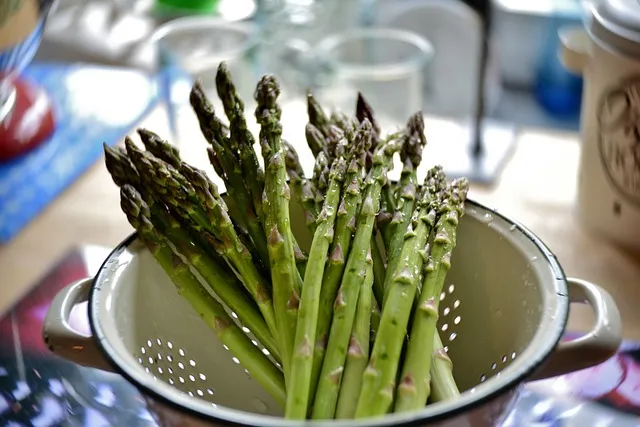
Adverse childhood experiences during those windows can create microbial disruptions that persist for decades — a kind of biological scar tissue that shapes vulnerability to stress and psychiatric illness long after the childhood adversity itself has ended.
A 2020 study from the University of British Columbia examined gut microbiome composition in adults who reported high versus low childhood adversity on the ACE questionnaire. Those with high adversity scores showed persistent differences in microbial diversity, with particular depletion of Faecalibacterium prausnitzii — a bacterium consistently linked to lower inflammatory markers and better mental health outcomes across multiple independent studies.
Importantly, these differences held regardless of current stress levels, which suggests early adversity created stable, lasting alterations to microbial ecology — not simply tracking present-day psychological state. The childhood experience left a biological fingerprint in the gut that the adult was still carrying around decades later, whether or not they had any conscious memory of the events themselves.
The mechanism involves epigenetic changes — alterations in how genes get expressed without touching the underlying DNA sequence. Severe early stress alters DNA methylation patterns in genes regulating immune function, mucus secretion, tight junction proteins, and the signaling molecules that shape microbial habitat. These changes create a gut environment with altered properties favoring different bacterial populations, for decades on end.
Disturbingly, some of these epigenetic changes appear heritable — meaning they can pass to the next generation through alterations in the germ cells that form offspring.
This mechanism offers a partial biological explanation for the intergenerational transmission of trauma observed in populations ranging from Holocaust survivors’ children to families with documented histories of severe domestic violence. The transmission doesn’t operate only through psychological modeling — a child learning stressed behaviors from a stressed parent, the story everyone’s already heard. It appears to operate partly through literally inherited gut environments that prime the next generation’s inflammatory and neurological systems from birth. Before the kid has done a single thing.
Research from Translational Psychiatry, documented in 2021, found that mothers who experienced high childhood adversity were significantly more likely to have infants with reduced gut microbial diversity at 6 weeks of age — before those infants had experienced any independent adverse events, before they’d developed the psychological awareness to model maternal behavior, before any conscious learning could possibly have occurred.
The altered maternal microbiome, transmitted during birth (via colonization through the birth canal) and through breast milk (which carries maternal bacteria and bacterial growth factors), appeared to be a key transmission route for adversity’s biological legacy. The mother’s childhood trauma was shaping her infant’s gut ecology before that infant could form a single memory of anything.
Specific Species, Specific Symptoms
As microbiome research has grown more sophisticated, researchers have started mapping specific bacterial species to specific psychiatric symptoms with increasing precision. The mapping isn’t complete — causal relationships are harder to pin down than correlations, and individual variation is enormous. But the patterns hold up consistently enough across studies and populations to warrant serious attention, and to start informing clinical thinking about which targeted interventions might address which specific symptom clusters.
Lactobacillus rhamnosus JB-1 has been shown in animal studies to reduce anxiety-like behavior by modulating GABA receptor expression in the brain — specifically reducing GABA-A receptor subunit expression in regions tied to anxiety and stress response, including the cortex and hippocampus. The effect vanished completely when researchers surgically severed the vagus nerve, confirming the gut-brain axis as the primary communication route rather than systemic circulation.
Which matters mechanistically: it shows bacteria don’t need to produce brain-active chemicals that enter the bloodstream to affect brain function. They can send messages straight through the neural communication highway.
When UCLA researchers translated this to humans in a 2013 study, women who consumed L. rhamnosus-containing fermented dairy showed different brain activity patterns in response to emotional face stimuli compared to controls, with reduced activity in the insula and somatosensory cortex. These are regions involved in processing internal emotional states, and reduced activation in them is associated with less emotionally reactive processing — directly relevant to PTSD’s hyperarousal symptoms, worth underlining.
Bifidobacterium longum 1714, in a 2016 randomized controlled trial published in Translational Psychiatry, reduced subjective stress and improved cognitive performance under stress in healthy volunteers. The mechanism appeared to involve reduced cortisol output and measurable changes in frontal EEG activity — altered brain electrical patterns from ingesting a single bacterial strain for 4 weeks. Four weeks. One strain.
The EEG changes were particularly interesting because they showed reduced delta wave power during cognitive tasks, a pattern tied to better attentional focus and reduced cognitive reactivity to stress.
On the pathogenic side of the ledger, elevated levels of Prevotella copri have been consistently associated with inflammatory conditions and, more recently, with elevated depressive symptoms and stress reactivity across multiple independent cohort studies. Ruminococcus gnavus overgrowth has been linked to excess histamine production and mast cell activation — a pattern seen with particular frequency in people with trauma histories who experience chronic pain, skin reactivity, and sensory hypersensitivity.
The connection makes mechanistic sense: trauma-induced dysbiosis creates conditions that favor histamine-producing species, which then drive mast cell activation and systemic inflammatory hypersensitivity, which amplifies the sensory hyperreactivity that’s characteristic of PTSD in the first place.
Akkermansia muciniphila — a keystone species living in the mucus layer of the intestinal wall — deserves special mention. This organism, which makes up roughly 1-4% of gut bacteria in healthy people, maintains the mucus layer integrity critical for barrier function and microbial habitat. Research from the Pasteur Institute found A. muciniphila abundance is among the best predictors of metabolic health, and more recent psychiatric research has tied it to stress resilience and lower anxiety scores.
Chronic stress reliably depletes it. Restoring A. muciniphila — which responds to polyphenol-rich diets and prebiotic fiber — appears to restore barrier function and reduce inflammatory signaling through several pathways at once.
PTSD’s Metabolic Footprint
PTSD is not purely a psychological disorder, whatever the DSM committee wants to believe. It’s a whole-body metabolic disorder that happens to express itself most visibly through psychological symptoms, and the metabolic disruptions it creates — many mediated through the gut microbiome — have consequences extending well past mental health.
People with PTSD show systematically altered metabolic profiles. Research published in Biological Psychiatry in 2018, analyzing data from over 700 veterans, found PTSD associated with elevated inflammatory markers including IL-6, TNF-alpha, and C-reactive protein at levels comparable to those seen in inflammatory diseases outright. The same research showed altered lipid metabolism, insulin resistance patterns consistent with metabolic syndrome even after controlling for body weight, and mitochondrial dysfunction markers suggesting reduced cellular energy production efficiency.
The gut microbiome is a primary driver of every one of these metabolic disruptions. Dysbiotic populations — particularly ones producing excess lipopolysaccharide (LPS), a component of gram-negative bacterial cell walls that triggers intense immune activation — appear central to the inflammatory picture. LPS produced by gut bacteria crosses the impaired intestinal barrier and enters systemic circulation, where it activates toll-like receptor 4 (TLR4) on immune cells throughout the body.
The result is a state of low-grade systemic inflammation touching every metabolically active tissue, the brain included.
Short-chain fatty acids — butyrate, propionate, acetate, produced by bacterial fermentation of dietary fiber — are among the most important regulators of this inflammatory process and its metabolic consequences. Butyrate serves as the primary energy source for colonocytes, maintaining the intestinal lining integrity that prevents LPS translocation in the first place. It regulates immune cell maturation in the gut, favoring regulatory T cells over inflammatory T cell lineages.
It also crosses the blood-brain barrier, where it acts as an HDAC inhibitor — a class of epigenetic regulator that modifies gene expression in neurons in ways that reduce neuroinflammation and support synaptic plasticity.
PTSD patients consistently show reduced SCFA-producing bacteria. A 2020 study from the Weizmann Institute found PTSD associated with significantly lower Firmicutes-to-Bacteroidetes ratios, alongside specific depletion of butyrate producers including Roseburia intestinalis and Coprococcus eutactus. These weren’t subtle differences hiding at the statistical margins. The depletion was substantial enough to significantly impair butyrate availability throughout the body — meaning less energy for colonocytes, less immune regulation, less barrier integrity, and less neuroprotective signaling, all at once.
The microbiome wasn’t just a bystander to PTSD’s metabolic consequences. It was a primary driver of them.
Fecal Microbiota Transplantation and Psychiatric Applications
A 2019 study in Microbiome described a case series in which patients undergoing FMT for gastrointestinal indications reported spontaneous, unrequested improvements in depression, anxiety, and sleep quality. These patients weren’t enrolled in any psychiatric trial. Nobody told them to expect mood changes. The psychological improvements showed up as apparent side effects of gut microbial restoration, specific enough across the cases to rule out simple placebo attribution.
The researchers who published the series were gastroenterologists, not psychiatrists. The finding genuinely surprised them.
These observations prompted systematic investigation. A subsequent randomized controlled trial at the University of Basel found FMT from psychologically healthy donors produced measurable reductions in Hamilton Depression Rating Scale scores in patients with irritable bowel syndrome and comorbid depression. At 8 weeks, effect sizes were comparable to antidepressant medications — remarkable, given that FMT is a single intervention targeting the gut while antidepressants directly modulate brain neurotransmission.
Animal studies have established causality more directly. A 2017 paper in Psychopharmacology found that transplanting gut bacteria from clinically depressed humans into germ-free rats produced the full behavioral phenotype of depression in previously normal animals — including anhedonia (reduced preference for sucrose, a reward), anxiety-like behavior in open field tests, and cognitive rigidity in reversal learning tasks. The bacteria transferred the psychiatric state across species boundaries. Reciprocally, transplanting gut bacteria from healthy controls reversed depressive behaviors in already-affected animals.
The microbiome wasn’t just correlating with psychological state. It was driving it, in both directions.
FMT is not clinically ready as a standalone trauma treatment. The field is nascent, donor selection criteria for psychiatric applications are undeveloped, long-term safety data is incomplete, and the regulatory landscape is a mess. But the research establishes a principle that should change how psychological recovery gets thought about at a fundamental level: altering the microbial environment produces reliable changes in psychological states, not as a side effect, but as a primary and predictable mechanism.
If bacteria from depressed humans cause depression in healthy animals, then the inverse — restoring healthy microbial communities in dysbiotic trauma survivors — isn’t some speculative leap. It’s a logical therapeutic target sitting right there in plain sight.
Dietary Interventions That Actually Move the Needle
While FMT waits on clinical development for psychiatric use, dietary interventions are available right now — safe, and backed by increasingly solid evidence for both microbiome restoration and psychiatric benefit. For trauma survivors looking to support recovery through the gut-brain axis, the dietary evidence offers several well-grounded starting points.
The Mediterranean diet has the strongest evidence base for the combination of microbiome improvement and psychiatric benefit. The landmark SMILES trial, published in BMC Medicine in 2017, randomly assigned 67 adults with major depression to either dietary support (Mediterranean-style diet coaching) or social support (equivalent contact time with a clinician, discussing topics of interest) for 12 weeks. The dietary group showed significantly greater reductions in depression scores on the Montgomery-Åsberg Depression Rating Scale.
Critically, 32.3% of the dietary support group achieved full remission versus only 8% of the social support group — a four-fold difference. The trial had an active control, meaning the benefit couldn’t be waved away as simple attention from a healthcare provider. The food itself was driving the improvement.
A 2019 replication (the HELFIMED trial) showed similar results in a different population, and added microbiome analysis on top. Participants who showed the greatest improvements in depression scores also showed the greatest increases in beneficial bacterial populations, including Lactobacillus and Bifidobacterium species. Microbiome change was a mediator of the psychiatric benefit — not just a correlated variable sitting off to the side, but part of the actual causal chain.
The mechanistic explanation runs directly through microbial ecology. The Mediterranean diet is high in dietary fiber (fermentable prebiotic substrate for beneficial bacteria), polyphenols (plant compounds that selectively feed beneficial species and inhibit pathogenic ones), olive oil (monounsaturated fats supporting anti-inflammatory prostaglandin synthesis), and fermented foods (direct microbial inoculation). It’s characteristically low in ultra-processed foods and refined sugars, which feed pathogenic species, drive inflammation, and impair tight junction integrity — the exact opposite of what’s needed here.
Specific dietary elements deserve individual mention. Resistant starch — found in cooked and cooled potatoes, green bananas, legumes, and oats — is one of the most potent prebiotics known. It resists digestion in the small intestine and arrives intact in the colon, where it serves as fermentation substrate for butyrate-producing bacteria.
A 2020 crossover trial found resistant starch supplementation significantly increased Faecalibacterium prausnitzii abundance and reduced markers of intestinal permeability within 4 weeks — hitting two of the key deficits consistently seen in PTSD patients, at once.
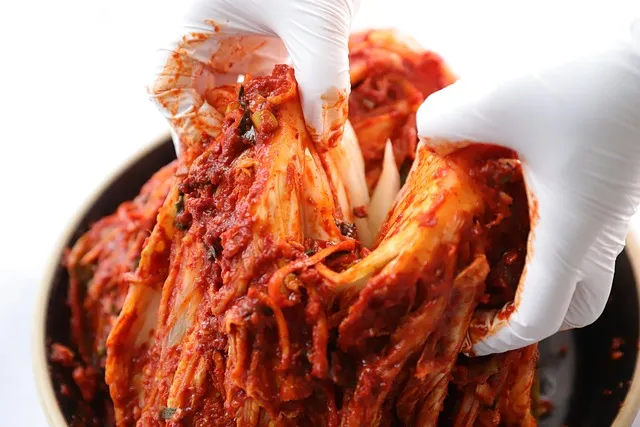
Fermented foods — yogurt with live cultures, kefir, sauerkraut, kimchi, kombucha, miso — directly inoculate the gut with living bacterial communities and create fermentation byproducts that modulate the existing microbial ecosystem. A 2021 randomized trial in Cell, from Stanford University researchers, assigned 36 adults to either a high-fermented food diet or a high-fiber diet for 10 weeks.
The high-fermented food group showed significant increases in microbiome diversity — a consistently protective factor for mental health — and reductions in 19 inflammatory proteins including IL-6 and IL-12. The high-fiber group showed no comparable diversity increase, suggesting fermented foods carry unique microbiome-modulating properties beyond simply supplying prebiotic substrate.
Psychobiotics: Targeted Microbiome Psychiatry
The term “psychobiotic” was coined by researchers Ted Dinan and John Cryan in 2013 to describe any live organism that, ingested in adequate amounts, produces a mental health benefit in a healthy host. The field has grown from a theoretical framework into a substantial body of clinical evidence, though the gap between laboratory findings and commercial product quality is still wide and, frankly, annoying.
The strains with the strongest clinical evidence for psychological outcomes include Lactobacillus rhamnosus R0011, Lactobacillus helveticus R0052, and Bifidobacterium longum R0175. A combination of the latter two, in a 2011 randomized controlled trial, reduced psychological distress, anger-hostility, and depression scores compared to placebo in healthy volunteers — with concurrent reductions in urinary free cortisol confirming a genuine biological effect rather than reporting bias.
A 2019 replication using the same strains confirmed stress-reducing effects with larger cortisol reductions, and showed the benefit was greatest in participants who started with the highest stress scores — suggesting a dose-response relationship between starting dysregulation and treatment benefit.
For PTSD specifically, a 2021 pilot trial from researchers at the Medical University of Vienna tested a multispecies probiotic formulation in patients meeting DSM-5 criteria for PTSD. After 8 weeks, the probiotic group showed significantly greater reductions in PTSD symptom severity on the Clinician-Administered PTSD Scale (CAPS-5), with particular improvements in hyperarousal symptoms — intrusion, hypervigilance, exaggerated startle.
Gut microbiome analysis confirmed successful engraftment of supplemented species and significantly increased overall diversity in the treatment group versus placebo. The effect size was modest but consistent — not a cure, but a genuine movement of the needle in a population that often finds standard treatments leave them with incomplete relief.
The commercial probiotic landscape is considerably less impressive than the clinical trial literature suggests it could be. Plenty of shelf products contain strains with minimal psychiatric research behind them, at doses that don’t survive gastric acid transit to the colon, in formulations lacking the prebiotic substrate needed for temporary colonization and ecological effect. Quality standards vary enormously, and independent testing by organizations like ConsumerLab has found a substantial share of probiotic products contain fewer viable organisms than the label claims. Read that twice.
For anyone pursuing psychobiotic supplementation on the strength of the clinical evidence, strain specificity and product quality control matter as much as dose.
Exercise, the Microbiome, and the Convergent Recovery Pathway
A 2018 systematic review in Oxidative Medicine and Cellular Longevity, examining the published literature on exercise and microbiome composition, found consistent evidence across animal and human studies that regular aerobic exercise increases microbial diversity, specifically increases Lactobacillus and Bifidobacterium populations, increases butyrate-producing bacterial abundance, and reduces inflammatory species tied to systemic inflammation. The effects were dose-dependent — athletes showed more pronounced changes than moderately active people, who showed more pronounced changes than sedentary controls.
The mechanisms are multiple and mutually reinforcing. Exercise increases intestinal motility, which creates selective pressure for different bacterial species — favoring the ones that thrive in higher-turnover environments and disfavoring slow-growing pathogenic species that benefit from intestinal stasis. It increases secretory immunoglobulin A production in the gut, an immune molecule that shapes microbial community composition by selectively binding certain bacterial species and influencing their replication.
Exercise-induced lactate serves as an energy substrate for beneficial Veillonella species that convert it to propionate, creating a positive feedback loop between physical exertion and SCFA production.
For trauma survivors, the crossover here is striking. A 2014 meta-analysis in Clinical Psychology Review, examining 12 studies, found exercise reduced PTSD symptom severity with effect sizes of 0.58 — comparable to established first-line psychological treatments. Comparable. Worth repeating.
The microbiome pathway likely contributes to this benefit alongside direct neurobiological mechanisms: increased BDNF from exercise promotes hippocampal neurogenesis and supports extinction learning; normalized HPA axis reactivity reduces the cortisol burden on the gut; improved sleep quality from regular exercise lets microbial circadian rhythms stabilize. The exercise benefit on PTSD may run substantially larger than just its direct neurobiological effects, with the gut-mediated component making up a real chunk of the total therapeutic power.
Sleep, Circadian Alignment, and Microbial Synchrony
Sleep disruption is one of the most consistent and debilitating features of PTSD — nightmares, hyperarousal that prevents sleep onset, early morning awakening, non-restorative sleep, leaving many trauma survivors in a state of chronic partial sleep deprivation that compounds every other part of the condition. What rarely gets discussed is that this sleep disruption creates a second wave of microbiome disruption through circadian rhythm pathways, stacked right on top of the direct trauma-related dysbiosis.
The gut microbiome is not static across the 24-hour cycle. Bacterial populations oscillate rhythmically, with different species peaking in abundance and metabolic activity at different times of day, synchronized with the host’s own circadian rhythms.
This synchrony runs through multiple mechanisms: light-dark cycles perceived through circadian clocks in intestinal cells; feeding patterns creating temporal windows of nutrient availability; melatonin secretion, which directly modulates intestinal motility and gut immune function; and cortisol rhythms, which directly alter bacterial gene expression in circadian patterns. Research published in Cell in 2016 found approximately 60% of gut bacterial species show significant daily oscillations under normal conditions.
The microbiome, in other words, has a daily rhythm it coordinates with the host’s own physiological cycles. It keeps its own clock.
When sleep gets disrupted — shift work, jet lag, or the fragmented sleep of PTSD — these microbial oscillations fall out of sync. The bacteria keep cycling, just out of phase with the host’s actual metabolic needs. A 2019 controlled study found that just two days of partial sleep deprivation (6 hours a night instead of 8) altered gut microbiome composition in ways resembling patterns seen in metabolic disease and depression, including reduced Faecalibacterium prausnitzii and Bifidobacterium species.
These changes reversed after normal sleep was restored in the healthy volunteers studied. For PTSD patients living with months or years of disrupted sleep, no such recovery window ever opens on its own. The sleep disruption stacks a chronic second layer of microbiome stress right on top of the direct trauma-related disruption.
Time-restricted eating — confining all caloric intake to an 8-10 hour window aligned with daylight hours — appears to help resynchronize microbial circadian rhythms even when sleep quality stays compromised. A 2020 study in Cell Metabolism found time-restricted eating in shift workers (a population with chronic circadian disruption) produced significantly improved microbiome diversity, reduced inflammatory markers, and improved metabolic parameters compared to unrestricted eating, despite equivalent sleep disruption in both groups.
The temporal feeding signal appears powerful enough to drive microbial rhythm synchrony even without normal sleep-wake cycles — a potentially useful lever for trauma survivors whose sleep disruption is hard to directly treat while PTSD symptoms are still active.
Building a Gut-Informed Trauma Recovery Plan
The standard trauma treatment protocol — trauma-focused CBT, EMDR, or prolonged exposure — remains the foundation of evidence-based care and shouldn’t get displaced by microbiome interventions. Those treatments work. The question is how to create the biological conditions that maximize their effectiveness, and what complementary interventions can address the layers of the problem psychological therapy doesn’t directly reach on its own.
A gut-informed trauma recovery plan starts with assessment, not assumption. Not every trauma survivor carries the same microbiome deficits, and not every microbiome deficit produces the same symptom pattern. Ideally, microbiome testing (comprehensive stool analysis from clinical-grade laboratories) combined with inflammatory marker assessment (CRP, IL-6, intestinal permeability markers like I-FABP) and HPA axis evaluation (cortisol awakening response, diurnal cortisol rhythm) would characterize an individual’s biological landscape before recommending anything specific.
Personalized gut-brain medicine isn’t standard practice yet. But the tools for it exist, and they’re getting more accessible by the year.
At a practical level, the interventions with the strongest evidence line up well and reinforce each other. Dietary quality — moving toward Mediterranean-style eating with emphasis on fiber diversity, fermented foods, and polyphenol-rich plant foods — addresses the microbial substrate problem directly. Regular exercise, particularly moderate-intensity aerobic work done consistently, drives microbial diversity improvement and BDNF-mediated neuroplasticity at the same time. Targeted probiotic supplementation with well-studied strains adds specific beneficial species to the ecosystem.
Sleep hygiene and, where possible, direct treatment of PTSD-related sleep disruption (including prazosin for nightmares, which has good evidence behind it) lets the microbial circadian system restabilize. Time-restricted eating adds another circadian anchor on top.
The body is not a passive container for psychological experience. It is an active co-author of that experience, and the microbial community living in your gut is writing paragraphs in that story whether you are paying attention to it or not. Trauma recovery that ignores the gut is operating with incomplete information.
None of these interventions replace the hard psychological work of processing trauma. The neuroscience is clear that the brain has to form new memories of safety, new associations between cues and the absence of threat, new regulatory capacities. That work happens in the therapeutic relationship, through exposure and reprocessing, through narrative and meaning-making. What gut restoration provides is a more capable, less inflamed, more neuroplastic brain to do that work in.
It’s the difference between rehabbing an injury with adequate nutritional support versus depleted nutritional support. The rehab is still necessary either way. The biological context just determines how much of it actually takes.
Sarah’s story doesn’t have a tidy ending. Real recovery never does, whatever the magazine profiles want you to believe. Her care team added a gut-focused protocol alongside her existing therapy — a dietary overhaul, targeted probiotic supplementation, a structured sleep and exercise regimen, time-restricted eating — and it wasn’t smooth. The first few weeks she hated the dietary changes and half-abandoned them twice. But something shifted by month three anyway. The gut symptoms quieted. The freeze responses came less often. Her therapist noted the EMDR sessions were producing faster, more durable processing than they had in the months before.
The biology was changing. And as the biology changed, the psychological work became more possible.
- Dietary quality (Mediterranean-style) — fermented foods, diverse fiber, polyphenols, and fatty fish to restore microbial substrate
- Targeted probiotic supplementation with evidence-based strains (Lactobacillus helveticus R0052, Bifidobacterium longum R0175)
- Regular aerobic exercise (3-5 times weekly) to increase microbial diversity and BDNF simultaneously
- Sleep hygiene and circadian alignment — time-restricted eating helps synchronize microbial rhythms even with disrupted sleep
- Trauma-focused psychotherapy (CBT, EMDR, prolonged exposure) remains the foundation, with gut restoration optimizing the neural substrate for that work
That connection was always there.
The science to see it clearly just needed time to catch up.
Gut Trauma Archive Q&A
Q: Can gut dysbiosis cause PTSD, or does it only make existing PTSD worse?
The current evidence supports bidirectionality — trauma causes dysbiosis, and dysbiosis worsens the severity and persistence of trauma symptoms. Whether dysbiosis alone, without a preceding traumatic event, could cause a PTSD-like syndrome is theoretically possible based on animal model data, but it hasn’t been established in humans. What the research does establish clearly is that dysbiosis shapes biological vulnerability — people with impoverished microbiomes appear to develop more severe PTSD after traumatic exposure, and recover more slowly.
The biological landscape a person brings into trauma partly determines how much damage that trauma does. Gut health is a component of that landscape, whether or not the field has caught up to saying so plainly yet.
Q: Should trauma survivors take probiotics?
The evidence is promising but not yet definitive enough for blanket recommendations. PTSD-specific clinical trials are small and preliminary. What can be said: the safety profile of high-quality probiotics is very good in the absence of immunocompromise, the theoretical rationale is strong and mechanistically coherent, and there’s meaningful clinical evidence for specific strains producing measurable psychological benefits.
Given the favorable safety-to-potential-benefit ratio, discussing probiotic supplementation with a knowledgeable clinician is reasonable for trauma survivors already engaged in evidence-based treatment. Quality matters enormously here — strain specificity, manufacturing standards, and viability through gastric transit vary wildly between products.
Q: How long does it take for dietary changes to affect the microbiome and mood?
Research suggests significant compositional shifts can occur within 3-5 days of dietary changes, but these early changes are somewhat unstable and can revert if the dietary changes aren’t maintained. More durable structural changes to microbial ecology — the kind reflecting genuinely altered community composition rather than temporary fluctuation — take 8-12 weeks of consistent dietary practice. Functional changes (SCFA production, inflammatory markers, intestinal permeability) can show up within 2-4 weeks, before the full ecological shift is established.
For psychiatric outcomes, the research suggests significant improvement in depression and anxiety scores at 8-12 weeks on dietary protocols, with some benefit emerging as early as 4 weeks in more responsive individuals.
Q: Are some people’s microbiomes more resilient to trauma than others?
Yes, substantially, and it’s an active area of research. Baseline microbiome composition — shaped by birth method, breastfeeding history, antibiotic exposure, childhood diet, and genetic factors — determines the ecological resilience or fragility that decides how severely a stressor disrupts the microbial community. Higher baseline diversity is consistently tied to greater resilience against stress-induced dysbiosis.
People born vaginally, breastfed, raised on diverse whole-food diets, and not heavily exposed to antibiotics in childhood tend to carry more diverse, more resilient microbiomes. This biological advantage may partly explain why identical traumatic exposures produce PTSD in some people and not others — the pre-existing gut ecology is part of the differential vulnerability equation nobody mentions at the intake appointment.
Q: Can microbiome restoration replace trauma-focused psychotherapy?
No. Trauma-focused CBT, EMDR, and prolonged exposure remain the most effective available treatments for PTSD by a significant margin, with effect sizes microbiome interventions alone don’t come close to. The gut-brain axis research doesn’t challenge this. It adds a layer underneath it. What gut restoration appears to offer is an improved biological substrate for psychological treatment — better mood regulation, reduced hyperarousal, improved sleep, reduced neuroinflammation, all of which make the brain more responsive and neuroplastic.
The framing that captures it best is optimization: optimizing the conditions for healing, not replacing the healing itself. The two approaches aren’t competitors. They’re complementary layers in a more comprehensive treatment model.
Q: Does the trauma-microbiome connection explain why trauma survivors so often have GI problems?
Substantially, yes. IBS, functional dyspepsia, and inflammatory bowel conditions are significantly more prevalent in trauma survivors — research estimates suggest 2-3 times higher rates compared to trauma-naive populations. For decades these got treated as separate comorbidities managed by separate specialists — the gastroenterologist handling the gut, the psychiatrist handling the mind, neither one talking to the other. The gut-brain axis research reframes them as different expressions of the same underlying system disruption.
When trauma dysregulates the stress-response system, it simultaneously disrupts psychological processing and the intestinal environment, because the enteric nervous system and the central nervous system are two branches of the same integrated biological tree. Treating them as separate problems is an artifact of how medicine organized its specialties on an org chart a hundred years ago. It isn’t a reflection of how the body actually works.
References
Editorial StandardsCorrectionsMedical DisclaimerAbout Our ContentAffiliate DisclosureSite Map