

What makes that maddening is that roughly 80% of strokes are preventable. Not theoretically, in some health-utopian sense — preventable through specific, measurable interventions on known risk factors. The science of stroke prevention isn’t new or speculative. It’s decades old and remarkably actionable. The gap was never knowledge. It’s application.
Stroke kills more than 140,000 Americans annually and is the leading cause of serious long-term disability in the country. Survivors often contend with paralysis, speech loss, cognitive impairment, and depression. The quality-of-life stakes are as high as almost any medical condition. This is about preventing the event — not managing what comes after.
The RAPID Framework: Understanding Stroke Risk Architecture
- R — Risk factor quantification (atrial fibrillation detection, blood pressure monitoring, lipid profiling)
- A — Arterial health (carotid stenosis, atherosclerosis burden, arterial stiffness)
- P — Plaque and clot dynamics (antiplatelet vs anticoagulation decisions based on stroke mechanism)
- I — Inflammation and insulin (metabolic syndrome, systemic inflammation, blood sugar dysregulation)
- D — Daily behaviors (diet, physical activity, smoking, alcohol, sleep)
Stroke prevention starts with understanding that not all strokes are the same. Prevention for an ischemic stroke (blocked blood vessel, 87% of cases) differs from prevention for a hemorrhagic stroke (ruptured blood vessel, 13% of cases). Get that distinction wrong and it’s not just reduced effectiveness — certain interventions that lower ischemic risk actually raise hemorrhagic risk.
The RAPID framework organizes the thinking:
The mechanism distinction matters practically: an ischemic stroke from atrial fibrillation is primarily prevented with anticoagulation. One from large-artery atherosclerosis calls for statins and antiplatelet therapy. One from small-vessel disease (lacunar stroke) puts blood pressure control front and center. These are not interchangeable strategies.
Atrial Fibrillation: The Hidden Stroke Risk Most People Miss
Atrial fibrillation (AF or AFib) causes roughly 15-20% of all ischemic strokes. It’s the single most powerful modifiable stroke risk factor most people have never heard discussed in a prevention context. And here’s the problem: roughly 700,000 Americans have undiagnosed AF. Walking around with an arrhythmia that dramatically elevates stroke risk, completely unaware.
AFib produces strokes through a specific mechanism. Chaotic electrical activity in the atria causes inefficient, quivering contractions instead of coordinated pumping. Blood pools in the left atrial appendage, where it can clot. Those clots can get ejected into circulation and travel to the brain. The resulting strokes — cardioembolic strokes — tend to be large and severely disabling, since the clots block major cerebral vessels.
The CHA₂DS₂-VASc score quantifies stroke risk in patients with known AFib, assigning points for Congestive heart failure, Hypertension, Age ≥75 (2 points), Diabetes, prior Stroke/TIA (2 points), Vascular disease, Age 65-74, and female Sex. A score of 2 or higher in men (3 or higher in women) typically warrants oral anticoagulation — which cuts AFib-related stroke risk by approximately 64% compared with no treatment.
The prevention implication: anyone with unexplained palpitations, intermittent shortness of breath, or known risk factors (age over 65, hypertension, diabetes, heart failure) should get screened for AFib. Newer smartwatches and wearable ECG devices show reasonable sensitivity for AFib detection in studies — not a replacement for medical evaluation, but a useful screening prompt. The Apple Heart Study found a smartwatch-based algorithm detecting irregular pulse and leading to AF confirmation in 0.5% of over 400,000 participants — catching cases that would otherwise have gone unnoticed.
“Atrial fibrillation is the cardiovascular equivalent of a ticking clock. Every year of undetected, untreated AFib represents cumulative clot risk that anticoagulation could have prevented. The window between ‘asymptomatic AF’ and ‘devastating stroke’ is the intervention opportunity we keep missing.” — Adapted from multiple cardiology consensus statements
Blood Pressure: The Dominant Modifiable Stroke Risk Factor
Hypertension is the single most important modifiable stroke risk factor. Doesn’t matter which type — ischemic or hemorrhagic, large vessel or small vessel — elevated blood pressure drives risk across the board. The relationship is log-linear, continuous, and starts at blood pressures well below what was historically considered “high.”
For every 10 mmHg drop in systolic blood pressure, stroke risk falls by approximately 27%. An extraordinary effect size for a single intervention. Someone who drops systolic from 160 to 130 mmHg through lifestyle change or medication has potentially cut their stroke risk by nearly half. That math should alarm anyone who casually accepts blood pressure numbers in the 140s as “not bad for my age.”
Hypertension damages stroke risk through three mechanisms running at once. First, it accelerates atherosclerosis in the carotid and vertebral arteries — the vessels feeding the brain — causing stenosis that can either throw emboli or block flow entirely. Second, it causes small artery disease (lipohyalinosis) in the perforating arteries deep in the brain, driving lacunar infarcts and white matter changes that produce the “silent strokes” and progressive cognitive decline many people write off as normal aging. Third, it weakens arterial walls, setting up the rupture that causes hemorrhagic stroke — the deadliest, most disabling type.
The SPRINT trial found intensive blood pressure management targeting systolic under 120 mmHg (versus the standard under 140 mmHg) reduced cardiovascular events including stroke by 25% in high-risk patients. That came with an average of three blood pressure medications, and increased risk of side effects like kidney injury and fainting. The clinical translation: for most patients, the question isn’t whether to treat hypertension, it’s how aggressively — calibrated against individual risk and tolerance for medication side effects.
Carotid Artery Disease: The Pipeline to Your Brain
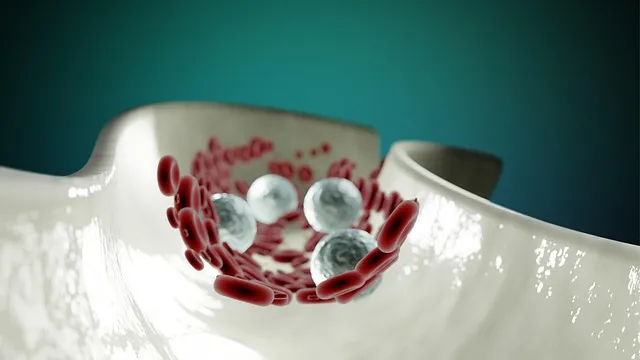
Carotid intima-media thickness (CIMT) — the thickness of the inner two layers of the carotid artery wall, measured by ultrasound — is a validated surrogate marker for subclinical atherosclerosis. CIMT above age- and sex-adjusted thresholds predicts cardiovascular and cerebrovascular events independently of traditional risk factors. It can catch atherosclerosis before any stenosis develops, opening a window for intervention during the subclinical phase.
Symptomatic carotid stenosis — 50% or greater narrowing in a patient who’s already had a TIA or stroke in that territory — is a medical and potentially surgical emergency. Carotid endarterectomy, surgical removal of the plaque, cuts stroke risk by approximately 65% versus medical therapy alone in patients with symptomatic stenosis above 70%. The benefit in asymptomatic stenosis is more modest and less certain, especially now that medical therapy has improved so much.
The prevention implication: aggressive risk factor management — blood pressure control, statin therapy, antiplatelet therapy, smoking cessation — is the foundation of carotid disease prevention. The same interventions slow or halt plaque progression and reduce rupture risk even in patients who already have established stenosis.
Cholesterol and Statins in Stroke Prevention
The cholesterol-stroke relationship is more layered than the cholesterol-coronary disease relationship. For ischemic stroke from large-artery atherosclerosis, elevated LDL-C and ApoB are established risk factors, and statin therapy is proven to reduce risk. For cardioembolic stroke from atrial fibrillation, lipids matter less to the mechanism, and anticoagulation rather than lipid-lowering is the primary prevention strategy.
Interestingly, very low LDL-C may be tied to a modest increase in hemorrhagic stroke risk. The SPARCL trial — testing high-dose atorvastatin in patients who’d already had a stroke — found overall stroke reduction but a slight uptick in hemorrhagic stroke in the statin group. Later analyses have linked LDL-C below 70 mg/dL to mildly elevated hemorrhagic stroke risk. That doesn’t mean aggressive LDL lowering is wrong. It does illustrate why hemorrhagic and ischemic stroke prevention need separate strategic thinking.
For patients with prior ischemic stroke or TIA from atherosclerotic disease, high-intensity statin therapy — atorvastatin or rosuvastatin, in the intensity tier defined by cutting LDL-C roughly in half or better — is standard of care. SPARCL showed a 16% overall reduction in recurrent stroke with high-dose atorvastatin versus placebo. Beyond lipid-lowering, statins reduce stroke risk through anti-inflammatory, plaque-stabilizing, and endothelial-function effects independent of LDL changes.
Diabetes and Blood Sugar: Silent Vascular Damage Accumulating
Diabetes roughly doubles ischemic stroke risk. The mechanisms stack: hyperglycemia damages the vascular endothelium, promotes inflammation, accelerates atherosclerosis in large and small vessels alike, and increases blood viscosity and platelet aggregation. The small vessel disease diabetes causes is particularly relevant to lacunar stroke — the type from occlusion of the tiny perforating arteries deep in the brain.
Insulin resistance, even before frank diabetes shows up, carries elevated stroke risk through many of the same mechanisms. The “metabolic syndrome” cluster — abdominal obesity, hypertension, high triglycerides, low HDL, impaired fasting glucose — raised stroke risk by roughly 150% in the INTERSTROKE study, the largest case-control study of stroke risk factors ever run globally.
Intensive blood sugar control has produced more modest cardiovascular benefits than originally hoped, in large trials like ACCORD and ADVANCE. ACCORD was actually stopped early because intensive glycemic control (targeting HbA1c under 6%) increased all-cause mortality compared to standard control. Current consensus favors moderate blood sugar control — HbA1c 7-8% for most patients — with lifestyle intervention, which improves insulin sensitivity without the hypoglycemia risk of aggressive pharmacotherapy, as the preferred route when possible.
The Lifestyle Interventions with Strongest Stroke Prevention Evidence

Smoking cessation cuts stroke risk by roughly 50% within 2-4 years of quitting. Smoking is the single most powerful lifestyle stroke risk factor in people under 65. Multiple pathways: nicotine’s vasoconstrictive and platelet-activating effects, carbon monoxide’s direct vascular damage, smoke-induced LDL oxidation and endothelial dysfunction.
Physical activity at recommended levels (150 minutes moderate-intensity per week) reduces stroke risk by roughly 25-30% compared to sedentary behavior. Consistent across cohort studies. Aerobic exercise specifically improves blood pressure, lipids, insulin sensitivity, weight, and atrial fibrillation risk — hitting multiple stroke risk factors at once.
Dietary patterns aligned with Mediterranean or DASH approaches show consistent stroke risk reduction of 20-30% in prospective studies. The PREDIMED trial, randomizing over 7,000 high-risk individuals to Mediterranean diet with olive oil, Mediterranean diet with nuts, or a low-fat control diet, found a 39% reduction in stroke in the olive oil group and 33% in the nuts group versus control. Clinically meaningful numbers from a diet intervention.
Moderate alcohol consumption has a J-shaped relationship with stroke risk worth understanding precisely. Light-to-moderate drinking (up to 1 drink daily for women, up to 2 for men) appears to modestly reduce ischemic stroke risk, likely through effects on HDL and platelet function. But heavy drinking — more than 5 drinks per occasion, or consistent heavy intake — dramatically raises both ischemic and hemorrhagic stroke risk. The “moderate alcohol is cardioprotective” message gets used constantly to justify drinking patterns that are actually harmful. The safest cardiovascular position is not drinking at all, or drinking very little.
Weight management influences stroke risk mainly through blood pressure, blood sugar, atrial fibrillation risk (obesity is a major AF trigger), sleep apnea (another AF and stroke risk factor), and inflammation. A 10-kg weight loss in obese individuals typically drops systolic blood pressure 5-10 mmHg and cuts AF burden substantially.
Sleep Apnea: The Stroke Risk Factor Nobody Talks About
Obstructive sleep apnea shows up in roughly 70% of stroke patients. Patients with untreated moderate-to-severe sleep apnea carry roughly twice the stroke risk of those without it. These numbers haven’t gotten the public awareness they deserve.
The mechanisms connecting sleep apnea to stroke are well established. Each apnea episode produces hypoxia (low blood oxygen), hypercapnia (elevated CO2), and arousal — with sympathetic nervous system activation, blood pressure surges (sometimes 40-60 mmHg above baseline), and increased platelet aggregation riding along. Repeat that across hundreds of episodes a night and the result is chronic hypertension, endothelial dysfunction, systemic inflammation, and elevated atrial fibrillation risk — all independent stroke risk factors in their own right.
CPAP therapy for obstructive sleep apnea lowers blood pressure, improves endothelial function, reduces inflammatory markers, and reduces AF burden. Whether CPAP reduces incident stroke has been harder to nail down in randomized trials, partly because adherence is tough and partly because most trials have been underpowered for stroke outcomes specifically. But the biological plausibility, plus the indirect evidence through risk factor improvement, is compelling. Anyone with stroke risk factors who hasn’t been evaluated for sleep apnea has an incomplete risk assessment.
Recognizing a Stroke: The FAST-BE Protocol
Prevention is the goal. But recognizing a stroke while it’s happening — in yourself or someone else — is a critical secondary skill, because the treatment window is narrow and delay gets measured in permanent disability.
The traditional FAST acronym (Face drooping, Arm weakness, Speech difficulty, Time to call emergency services) captures the most common large-vessel stroke presentations. But strokes in the posterior circulation — cerebellum and brainstem — often present differently. An expanded mnemonic, FAST-BE, adds Balance problems and Eye disturbances (double vision, vision loss in one eye, or a visual field cut).
“Time is brain” isn’t a marketing slogan. For acute ischemic stroke, thrombolytic therapy (tPA/alteplase) given within 4.5 hours of symptom onset significantly improves outcomes. Mechanical thrombectomy — physically removing a clot from a large cerebral vessel — has a treatment window up to 24 hours in selected patients. Every 15-minute delay correlates with worse outcomes. Calling emergency services immediately — even for symptoms that seem to resolve — is the correct move.
Transient ischemic attacks (TIAs) — “mini-strokes” that resolve within 24 hours without permanent damage — aren’t reassuring events. They’re warnings. The 90-day stroke risk following a TIA runs approximately 10-15%, with roughly half of those occurring within 2 days. A TIA calls for emergency evaluation. Not “watch and wait.” Not delayed outpatient follow-up.
Emerging Risk Factors and Future Prevention

Chronic kidney disease carries elevated stroke risk through mechanisms including hypertension, accelerated atherosclerosis, abnormal platelet function, and increased AF prevalence. Patients with GFR below 60 mL/min/1.73m² sit in elevated stroke risk territory even without other traditional risk factors.
Inflammatory conditions — rheumatoid arthritis, lupus, psoriasis, inflammatory bowel disease — are associated with elevated stroke risk through systemic inflammation, accelerated atherosclerosis, and increased AF risk. Managing the underlying inflammatory disease reduces cardiovascular risk in these populations, not just the disease-specific outcomes.
Air pollution has emerged as a meaningful population-level stroke risk factor. Fine particulate matter (PM2.5) increases acute stroke risk, particularly on high-pollution days. Not primarily a personally modifiable variable, but it does argue for air quality awareness and filtration where possible in high-pollution environments.
RAPID Framework Understanding: Your Questions Answered
What’s the most important thing I can do to prevent a stroke?
Control blood pressure. Quit smoking, if that applies. If atrial fibrillation is present, make sure it’s diagnosed and treated properly. These three interventions, applied consistently, prevent more strokes than anything else in the toolkit. The vast majority of strokes occur in people with at least one of these three inadequately controlled.
How do I know if I have atrial fibrillation?
Many people with AFib have no symptoms at all. Some notice palpitations, irregular heartbeat, shortness of breath, fatigue, or reduced exercise tolerance. A standard 12-lead ECG during a clinic visit only catches AF if it’s happening in that moment — intermittent AF gets missed easily. Prolonged cardiac monitoring (event monitor, Holter monitor, implantable loop recorder) and consumer wearables with ECG capability can catch paroxysmal (intermittent) AF. Over 65 with any traditional risk factors, asking specifically about AF screening is reasonable.
Can young people have strokes?
Yes. Roughly 10-15% of strokes occur in people under 45. In younger stroke patients, less common causes become more important: patent foramen ovale (a hole in the heart present from birth in about 25% of people), spontaneous arterial dissection (tearing of the carotid or vertebral artery), illicit drug use (cocaine, methamphetamine), and rare clotting disorders. Young patients with unexplained stroke warrant thorough investigation for these causes alongside the traditional risk factors.
Is aspirin useful for stroke prevention?
Aspirin’s role has been significantly refined by recent evidence. For primary prevention (preventing a first stroke in someone with no prior event), aspirin is no longer generally recommended in guidelines, given the balance between modest ischemic stroke reduction and meaningful bleeding risk, including hemorrhagic stroke. For secondary prevention (preventing a second stroke after a prior ischemic stroke or TIA from atherosclerosis), antiplatelet therapy with aspirin, clopidogrel, or their combination (dual antiplatelet therapy short-term after TIA/minor stroke) is strongly supported. For cardioembolic stroke from AFib, anticoagulation rather than aspirin is the right choice.
Does the Mediterranean diet really prevent stroke?
The evidence is strong. The PREDIMED trial — randomized, not just observational — showed 33-39% stroke reduction with Mediterranean-pattern eating versus low-fat dietary advice. Multiple large prospective cohort studies consistently show lower stroke risk in Mediterranean-adherent populations. Several plausible mechanisms: improved lipid profile, reduced blood pressure, better insulin sensitivity, reduced inflammation, beneficial effects on AFib risk. About as strong as dietary evidence gets in cardiovascular medicine.
What should I do after a TIA?
Call emergency services or go to an emergency department immediately, even if symptoms have fully resolved. Don’t drive there. A TIA is a medical emergency — the 48-hour stroke risk after TIA runs approximately 3-10%. Emergency evaluation includes brain imaging (CT/MRI), cardiac monitoring for AF, carotid imaging, and blood work. Urgent antiplatelet or anticoagulant therapy, chosen based on the TIA mechanism, dramatically reduces subsequent stroke risk. “Wait and see how it goes” is not appropriate TIA management.
The opportunity to prevent stroke exists at every stage of the risk continuum — years before the first event, in the brief window after a TIA, even after a first stroke in preventing a second. The interventions aren’t exotic. Blood pressure control, atrial fibrillation detection and treatment, lipid management, smoking cessation, physical activity, dietary quality, sleep apnea treatment, weight management. Specific, measurable, actionable. The gap between knowing this and doing this is where most strokes live. Close it.
The Stroke Prevention Audit: What Your Doctor Should Be Checking
Many people see their physician annually and leave without a complete picture of their stroke risk. Partly time constraints — a 15-minute appointment can’t comprehensively cover prevention. Partly that stroke risk, unlike acute chest pain, doesn’t command urgency until it’s too late. The proactive patient needs to know what to ask for.
A complete stroke risk assessment includes blood pressure (measured properly — seated, both arms, after 5 minutes rest), lipid panel including triglycerides, fasting glucose and HbA1c, cardiac rhythm evaluation (standard ECG, and extended monitoring if palpitations or other symptoms suggest intermittent AF), and a careful conversation about family history, smoking status, alcohol use, and sleep quality.
Over 50, or younger with family history of early stroke or established cardiovascular disease, additional testing adds value: carotid ultrasound for CIMT and plaque assessment, echocardiogram to evaluate cardiac structure and function (sources of emboli), and possibly ambulatory blood pressure monitoring to catch masked hypertension — normal clinic BP with elevated home BP, a genuinely dangerous and frequently missed pattern.
The brain itself can be imaged for subclinical stroke burden. Brain MRI with FLAIR sequences detects white matter hyperintensities — the radiological signature of chronic small vessel disease from hypertension and aging. The extent of these changes correlates with future stroke and cognitive decline risk, and for patients with borderline risk factor control, seeing the evidence of ongoing vascular damage on an MRI scan is a genuinely powerful motivator for tighter blood pressure management. Sometimes the most effective intervention is making the invisible visible.
Stroke prevention is not passive. It requires knowing the numbers, acting on them when they’re abnormal, seeking complete evaluations rather than accepting incomplete ones, and maintaining the lifestyle habits that protect vascular health across decades. The brain being protected is the one that will carry a person through the final decades of life — reasoning clearly, forming memories, connecting with people they love. Worth fighting for.
Consider what’s actually at stake. The brain isn’t simply an organ. It’s the substrate of identity — memory, personality, the capacity to work and love and make meaning. Stroke is uniquely devastating precisely because it attacks that substrate directly. A severe stroke doesn’t just shorten a life. It can fundamentally alter who someone is, leaving a person who recognizes the face in the mirror but can’t quite reach the one who used to live there.
The neuroplasticity research in stroke recovery is genuinely encouraging — the brain can reorganize and recover function to a meaningful degree, particularly with intensive rehabilitation begun early. But recovery from a severe stroke is months to years of exhausting work, with permanent deficits common. The prevention calculus isn’t close. Thirty minutes of aerobic exercise five days a week, a diet built around vegetables and whole grains, blood pressure managed to target, atrial fibrillation detected and treated — none of that is a heroic ask. It’s basic maintenance on the most important organ system anyone has.
The global INTERSTROKE study, which included over 26,000 participants across 32 countries, found that just five risk factors — hypertension, current smoking, abdominal obesity, diet quality, physical inactivity — accounted for more than 80% of global stroke risk. Five factors. Not twenty. Not some complex constellation of obscure biomarkers. Five things, all at least partially under behavioral control. That kind of concentration of risk demands a concentrated response.
Understanding personal stroke risk isn’t about inviting anxiety in. It’s about gaining agency over one of the most catastrophic events that can happen to a human body. The RAPID framework, the critical importance of AF detection, the quantified benefit of blood pressure reduction, the evidence for specific lifestyle patterns — all of it is knowledge with direct behavioral implications. Knowledge that, acted on, can genuinely change a trajectory. That’s not common in medicine. Use it accordingly.
Medication Options Beyond Statins and Antihypertensives
For high-risk individuals — those who’ve already had a TIA or stroke, those carrying multiple major risk factors — lifestyle modification alone may not be enough to adequately reduce stroke risk. Understanding the pharmacological toolkit helps patients have informed conversations with their physicians about treatment decisions.
Antiplatelet therapy is the foundation of secondary prevention for atherosclerotic ischemic stroke. Aspirin reduces recurrent ischemic stroke risk by roughly 13-22%. Clopidogrel produces similar or slightly greater benefit than aspirin and is used in aspirin-intolerant patients. Dual antiplatelet therapy with aspirin plus clopidogrel — started within 24 hours of a minor ischemic stroke or high-risk TIA — reduces 90-day stroke risk by roughly 32% compared to aspirin alone, based on the POINT and CHANCE trials. Dual antiplatelet therapy beyond 3 months increases bleeding risk without additional stroke benefit and isn’t recommended long-term.
Direct oral anticoagulants (DOACs — apixaban, rivaroxaban, dabigatran, edoxaban) have largely replaced warfarin for stroke prevention in atrial fibrillation. More convenient (no regular INR monitoring), predictably dosed, and comparable or superior stroke reduction with significantly lower intracranial hemorrhage rates. That intracranial hemorrhage advantage over warfarin matters a great deal, given how catastrophic hemorrhagic stroke is.
Antihypertensive therapy choice deserves specific mention here. ACE inhibitors and ARBs appear to reduce stroke risk through mechanisms beyond blood pressure lowering — anti-inflammatory, anti-remodeling, and endothelial-protective effects. The PROGRESS trial found perindopril with indapamide reduced recurrent stroke by 43% versus placebo in patients with prior stroke — a larger effect than blood pressure lowering alone would predict.
The point of reviewing pharmacological options isn’t to advocate for any specific drug — those decisions require individual clinical evaluation and physician guidance. The point is that stroke prevention medicine isn’t static. New evidence keeps refining treatment algorithms, and patients who understand the rationale behind recommendations are better positioned to stick with them and participate meaningfully in shared decision-making. Stroke risk doesn’t get managed optimally through passive deference to whatever happens at the annual physical. It takes active engagement with one’s own biology.
The Psychology of Prevention: Why People Don’t Act on Known Risk
Behavioral science has a term for the cognitive distortion that keeps people from acting on cardiovascular risk: optimism bias. The consistent finding across dozens of studies is that people systematically underestimate their personal risk relative to accurate statistical estimates, and overestimate everyone else’s. “I know the statistics, but that won’t happen to me” isn’t a rational evaluation. It’s an emotional defense mechanism that happens to be lethal here.
Abstract risk numbers — “your 10-year stroke risk is 12%” — don’t move people the way vivid, personalized information does. The brain is bad at responding to probability. Much better at responding to concrete, emotionally resonant images. Which is why meeting a stroke survivor, understanding exactly what a major stroke takes away, or visualizing a personal post-stroke life can carry more motivational weight than any statistic.
The temporal discounting problem runs alongside this. The costs of stroke prevention behaviors — exercise is effortful, diet change is inconvenient, medications carry side effects — are immediate. The benefits, reduced stroke risk 10-30 years out, are abstract and distant. Humans are wired to overweight immediate costs and discount future benefits. Successful prevention needs either a lower immediate cost (make exercise more enjoyable, make healthy eating more convenient) or a future benefit that feels more immediate and personal.
Implementation intentions — specific “when-then” plans for health behaviors — dramatically outperform vague intentions in behavioral research. Not “I will exercise more” but “when I finish work at 5pm on Monday, Wednesday, and Friday, I will immediately change into workout clothes and walk for 30 minutes before doing anything else.” The specificity converts intention into automatic behavior, sidestepping the willpower depletion that derails vague resolutions.
The stroke prevention evidence base is unambiguous about what reduces risk. Applying that evidence in an individual life is where the science ends and the psychology of behavior begins. Both matter. Knowing what to do isn’t sufficient. Building the systems and habits that make the right behaviors default — that’s the actual work. Unglamorous, incremental, ongoing. And that work is what separates the people who keep their neurological integrity into old age from those who lose years of good cognitive life to a preventable vascular event.
Start with blood pressure. Right now. Not at the next annual physical eight months out. Get a validated home blood pressure monitor (roughly $30-50 for an AHA-recommended device), measure it tomorrow morning before coffee or exercise, measure it again the following day, and average the readings. Above 130/80 consistently? That’s actionable information — the beginning of the prevention conversation, not the end of it. Everything else — diet changes, AF screening, lipid panel, lifestyle audit — builds from knowing where things actually stand.
Stroke is not random. Not inevitable. It’s the measurable, predictable consequence of specific biological processes that respond to specific interventions. The RAPID framework — risk quantification, arterial health, plaque dynamics, inflammation and insulin, daily behaviors — gives a structure for working through all five domains systematically instead of randomly. Work each one. Know the numbers. Act on what’s found. The neurological future being protected is the one that will ultimately determine the quality of whatever decades remain.
Prevention is not passive. It’s not the absence of disease but the active, ongoing maintenance of vascular health across a lifetime. Every meal that keeps blood pressure down, every workout that improves cardiovascular fitness, every night of adequate sleep that lowers sympathetic tone and inflammatory burden — none of that is sacrifice. It’s investment in a neurologically intact future. Worth making with the full understanding of what’s actually being protected.
The Practical Framework: Applying RAPID Framework Understanding Stroke In Real Life
References
Editorial StandardsCorrectionsMedical DisclaimerAbout Our ContentAffiliate DisclosureSite Map