
Her cardiologist told her to resume gradual exercise. Her physical therapist put her on a graded activity program. Her primary care doctor said she was deconditioned. She tried three times to follow their advice, and each time the outcome was identical: collapse, days of disability, then a slow crawl back to her fragile new baseline.
Nina had post-exertional malaise. And the advice she’d been given — from well-meaning, credentialed professionals — wasn’t just wrong. It was actively making her sicker.
What Post-Exertional Malaise Actually Is
- Delayed onset: PEM typically begins 12-48 hours after the triggering activity — not immediately. This delay is one reason it’s frequently missed: patient and clinician don’t connect the collapse on Wednesday to the walk on Monday.
- Disproportionate severity: The degree of symptom worsening is grossly disproportionate to the activity that triggered it. A 10-minute walk producing three days of incapacity is the hallmark pattern.
- Multi-symptom flare: PEM doesn’t just increase fatigue — it worsens all symptoms simultaneously. Cognitive function, pain, sleep quality, autonomic symptoms (heart rate, blood pressure regulation), immune symptoms (sore throat, swollen lymph nodes) all worsen in parallel.
- Prolonged recovery: Recovery from a PEM episode takes days to weeks, not hours. The recovery period is itself a form of incapacity, not just residual tiredness.
- Triggered by both physical and cognitive exertion: Physical activity is the most obvious trigger, but cognitive work, emotional stress, sensory overload, and social interaction can all trigger PEM in severely affected individuals.
Post-exertional malaise (PEM) is a pathological worsening of symptoms following physical or cognitive exertion that would previously have been within a person’s normal tolerance. It’s the cardinal feature of ME/CFS (Myalgic Encephalomyelitis/Chronic Fatigue Syndrome) and shows up in a significant share of long COVID patients — estimates range from 40-58%.
PEM is not ordinary tiredness after exercise. Not delayed-onset muscle soreness. Not general deconditioning. It’s a distinct pathological response pattern with specific characteristics:
The International Consensus Criteria (2011) and the Institute of Medicine (2015) report both recognize PEM as the defining clinical feature of ME/CFS — the symptom most specific to this condition and most reliably separating it from other fatigue disorders. PEM present, ME/CFS or something closely related is almost certainly present too. No PEM, probably no ME/CFS.
The Biology of PEM: Why Exertion Breaks You
Understanding PEM means understanding what goes wrong biologically when ME/CFS patients exercise. A decade of research has produced a coherent picture:
Impaired Oxygen Extraction
Two-day CPET (Cardiopulmonary Exercise Testing) is the gold standard objective PEM assessment. Patients perform maximal exercise tests on two consecutive days. Healthy individuals reproduce their performance on day two. ME/CFS patients, uniquely, show significant reductions in key measures on the second test — VO2 max, oxygen extraction at ventilatory threshold, work capacity, among them. This objective reduction on repeated testing is pathognomonic for ME/CFS, and it demonstrates that PEM involves real physiological impairment, not psychological unwillingness to exercise.
A 2016 study by Vanness et al. in Work confirmed two-day CPET abnormalities in ME/CFS patients with statistical significance and clinical meaningfulness. The ventilatory threshold — the exercise intensity at which anaerobic metabolism begins — was significantly lower in ME/CFS patients and dropped further on day two, while controls reproduced day-one performance without issue.
Mitochondrial Dysfunction Under Load
ME/CFS cells appear to have impaired mitochondrial function specifically under metabolic demand. Research by Tomas and colleagues (2017, PLOS ONE) demonstrated that natural killer cells from ME/CFS patients showed significantly reduced mitochondrial membrane potential and ATP production compared to controls — a cellular energy crisis that becomes pathologically amplified under demand.
This explains PEM’s delayed onset: the initial exercise depletes cellular ATP and damages mitochondrial membrane integrity through oxidative stress. The full damage manifests over the following 24-48 hours as the cell’s recovery mechanisms prove inadequate and inflammatory cascades propagate through the system.
Immune System Activation
Exercise in ME/CFS patients triggers abnormal immune activation. A 2020 study by Natelson and colleagues in Brain, Behavior, and Immunity documented elevated pro-inflammatory cytokines in ME/CFS patients 24 hours following exercise — a pattern not seen in healthy controls. The immune system appears to respond to exertion as though it were an infectious threat, triggering the sick behavior — fatigue, cognitive impairment, pain, social withdrawal — that is, biologically, the whole point of illness-type immune activation.
Gut Permeability and Lipopolysaccharide Translocation
Exercise transiently increases intestinal permeability in most people — a normal physiological response that resolves quickly. In ME/CFS patients, this permeability increase may be exaggerated and prolonged, letting bacterial lipopolysaccharide (LPS) translocate into circulation. LPS is a potent activator of the innate immune system, and its post-exercise translocation may be the mechanism connecting exercise to immune activation and the multi-symptom PEM flare.
Ion Channel Dysregulation
Researchers at UC Davis, led by Bhupesh Prusty, have found evidence that ME/CFS patients have abnormal calcium channel function in immune cells — transient receptor potential (TRP) channels that may be dysregulated, contributing to the cellular energy crisis under metabolic demand. The specifics remain under investigation, but ion channel dysfunction may represent one of the underlying pathological mechanisms behind the mitochondrial impairment seen in PEM.
The Graded Exercise Therapy Disaster: Why Bad Science Caused Real Harm
This needs to be stated plainly, because a great deal of harm has come from a deeply flawed treatment approach.
For decades, the dominant medical treatment for ME/CFS — including in official guidelines from NICE (UK) and CDC (US) — was Graded Exercise Therapy (GET) and Cognitive Behavioral Therapy (CBT). This approach rested on a biopsychosocial model that interpreted ME/CFS as largely perpetuated by fear of exercise, deconditioning, and maladaptive illness beliefs. The treatment: gradually increase exercise while addressing the psychological “perpetuating factors.”
The primary evidence base for this approach was the PACE trial (2011), a large RCT that claimed GET and CBT produced “recovery” in significant proportions of ME/CFS patients. The PACE trial has since become one of the most publicly criticized clinical trials in modern medicine — criticized by patients, statisticians, and researchers alike for outcome measure changes made after the trial began, outcome definitions so broad that participants could deteriorate on objective measures and still count as “recovered,” and a failure to report objective outcomes (step counts) that showed no improvement at all.
The patient-reported harms from GET are extensive and documented. Multiple surveys — including a 2020 survey of 1,500 ME/CFS patients by the ME Association — found GET made patients worse at rates of 50-74%. Some patients describe permanent deterioration following GET programs. NICE revised its guidelines in 2021 to remove GET from recommended treatments and to warn explicitly against it for ME/CFS patients with PEM.
Not a minor quibble. A situation where an official medical treatment, built on flawed science and a disease model that denied the biological reality of PEM, caused measurable harm to hundreds of thousands of patients over 20-plus years. It deserves to be named as exactly that.
PEM is not a belief. It is not deconditioning. It is not psychological avoidance of activity. It is a measurable, reproducible, biologically characterized pathological response to exertion — and the medical system’s failure to understand this has caused enormous suffering that could have been avoided.
Pacing: The Evidence-Based Management Strategy for PEM

Pacing is not the same as doing nothing. It’s active, deliberate management of activity aimed at maximum sustainable daily functioning without triggering PEM. For many patients, that requires a fundamental restructuring of how the day gets approached.
Heart Rate Pacing (Anaerobic Threshold Monitoring):
The ventilatory anaerobic threshold (VAT) is the exercise intensity above which the body shifts into anaerobic metabolism. In ME/CFS patients, exceeding the VAT consistently triggers PEM. The practical approach: estimate the anaerobic threshold heart rate and use heart rate monitoring to stay below it during all physical activity.
The Keller formula for estimating the ME/CFS anaerobic threshold: (220 – age) × 0.6 = approximate upper heart rate limit. For a 40-year-old: (220 – 40) × 0.6 = 108 BPM. All physical activity should stay under this heart rate — which for many patients means walking very slowly, or limiting walking entirely during flares.
This is the exact opposite of standard exercise prescription, which targets elevated heart rates for cardiovascular conditioning. For PEM patients, the logic runs backward.
Cognitive Pacing:
Cognitive effort is metabolically demanding, and it triggers PEM. Cognitive pacing means: scheduled mental rest periods between cognitively demanding activities, external memory aids (notes, calendars, reminders) to reduce working memory load, spreading cognitively demanding tasks across multiple days rather than cramming them into single sessions, and treating screen time, reading, and conversation as activities with real energy costs that have to be budgeted.
The Energy Envelope Concept:
Leonard Jason and colleagues at DePaul University developed the energy envelope theory — the idea that ME/CFS patients have a specific energy envelope, and exceeding it produces PEM, while staying within it allows gradual potential expansion. A 2013 study in Psychology & Health found ME/CFS patients who practiced envelope pacing had better quality of life and less functional impairment than those who didn’t, though the RCT evidence base remains limited.
Practical energy envelope tracking: rate energy at the start and end of each activity (1-10 scale). Identify activities that consistently produce end-of-day energy below 5/10 — these exceed the envelope. Also identify the “post-exertional red zone” — activities that reliably trigger a PEM episode in the following 24-48 hours.
The RWS PEM Severity Classification: Know Your Level
PEM severity exists on a spectrum, and management should be calibrated to it:
- Mild PEM: Triggered by significant exertion (vigorous exercise, very full days). Recovery within 24 hours. Can maintain most daily activities with modification. Energy envelope extends to light-to-moderate activity. Pacing focus: avoid vigorous exercise, maintain light activity below anaerobic threshold.
- Moderate PEM: Triggered by moderate activity (walking, grocery shopping, social outings). Recovery 1-3 days. Cannot maintain full-time work or household responsibilities without consistent triggering. Pacing focus: strict heart rate monitoring, cognitive pacing, scheduled rest periods, activity planning with rest-day buffers after demanding activities.
- Severe PEM: Triggered by minimal activity (showering, brief conversation, sitting upright). Recovery multiple days to weeks. Largely housebound. Pacing focus: horizontal rest management, split showering (sit-down showers, not standing), minimal cognitive engagement, environmental sensitivity management (light, sound).
- Very Severe PEM: Triggered by any activity including eating, digestion, light exposure. Bedbound. Requires caregiver support for basic functions. This level requires specialist ME/CFS care — general management advice is inadequate at this severity.
Monitoring Tools: Tracking Without Triggering
Managing PEM requires data. Several tools help patients track their patterns:
Heart rate monitors: Continuous HR monitoring during activity is essential for heart rate pacing. A chest strap (Polar H10) provides real-time HR data. Many smartwatches provide continuous HR monitoring adequate for pacing purposes. The goal is an alert or regular checks to confirm heart rate stays below the estimated anaerobic threshold.
Wearables for step count and activity: Oura Ring, Garmin watches, and Fitbit devices track daily activity levels and sleep quality. For PEM management, consistency of daily step count — not maximizing it — is the goal. Wild variation in activity days predicts PEM episodes. Aim for activity that doesn’t vary more than 20-30% day to day.
Symptom tracking apps: Manage My Pain, Symple Symptom Tracker, and CFS My Tracker let patients log symptoms and activity and identify PEM triggers through correlation analysis. Pattern recognition over weeks and months reveals individual-specific PEM thresholds more accurate than any population average.
Two-day CPET (diagnostic): For objective evidence of PEM — disability documentation, diagnostic confirmation — two-day CPET at a specialized facility provides the clearest data available. Not for general management. Requires specialist ordering and a facility experienced with the protocol.
Supplements and Medications with PEM Relevance
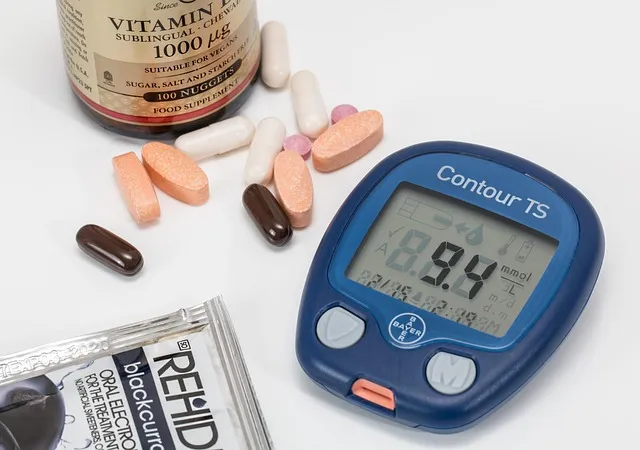
Low-dose naltrexone (LDN): taken nightly, at a fraction of the amount naltrexone is normally prescribed at. Anti-neuroinflammatory and potentially mitochondrial-supportive. Multiple observational reports of PEM reduction with LDN in ME/CFS. Requires physician prescription. The proposed mechanism includes microglial modulation reducing the neuroinflammatory component of PEM crashes.
D-ribose: Specifically relevant for PEM, because the cellular energy depletion of ATP resynthesis is exactly the post-exercise substrate problem D-ribose addresses. Taken in divided doses across the day, and most relevant as a post-exertion intervention — some patients use it as an “emergency” measure after unavoidable PEM triggers, to accelerate recovery.
CoQ10/ubiquinol: Mitochondrial electron transport support is directly relevant to the post-exercise energy crisis of PEM. Ubiquinol rather than plain ubiquinone, and a long-term intervention rather than an acute one.
Beta-alanine (controversial): Some ME/CFS practitioners have explored beta-alanine (carnosine precursor) for buffering the lactic acid accumulation at anaerobic threshold, potentially raising the threshold in ME/CFS patients. Clinical evidence is minimal, and the “pins and needles” side effect (paresthesia) can be distressing for people with pre-existing sensory sensitivities. Not a first-line approach.
Antihistamines for MCAS-driven PEM: In patients with mast cell activation syndrome (MCAS) as a component, antihistamines (H1 + H2 combination) may reduce the immune activation cascade driving some PEM episodes. A subset-specific intervention, relevant when MCAS is part of the clinical picture.
What Recovery Looks Like (And What It Doesn’t)
The trajectory of ME/CFS and long COVID with PEM is variable. Research on long-term outcomes is sobering: a systematic review by Cairns and Hotopf (2005) in Occupational Medicine found only 5% of ME/CFS patients returned to full pre-illness health over follow-up periods. A more optimistic 2017 review found 25-40% experiencing clinically meaningful improvement over years.
These statistics shouldn’t be read fatalistically. They describe natural history without modern interventions — including the PEM management approaches, anti-inflammatory strategies, and emerging pharmacological treatments now changing the trajectory for some patients. Long COVID outcomes may differ from longstanding ME/CFS given the different temporal context and the emergence of specific treatments (antihistamines, LDN, HBOT).
What improvement looks like in PEM conditions: not a dramatic sudden resolution, but gradual, nonlinear expansion of the energy envelope. Triggers that previously caused PEM at lower activity levels, requiring more recovery time, become better tolerated at higher thresholds with shorter recovery. This happens over months to years. Not weeks. The path: consistent pacing, management of inflammatory drivers, treatment of any identifiable comorbidities (sleep apnea, POTS, MCAS), and patience measured in seasons rather than weeks.
Common Questions About PostExertional Malaise Actually
Is post-exertional malaise the same as being out of shape? No. Deconditioning produces exercise intolerance that improves with training — fit people need less recovery, can do more with less, and don’t crash catastrophically from activity they could previously handle. PEM runs the opposite pattern: prior fitness is irrelevant, small activities trigger massive crashes, and exercise training makes the condition worse rather than better. Former athletes with ME/CFS often have worse PEM responses than previously sedentary individuals — prior fitness provides no protection whatsoever.
How do I know if I have PEM vs. just being fatigued? The key differentiators: delayed onset (12-48 hours, not during activity), disproportionate severity relative to the activity, multi-system worsening (not just tiredness — all symptoms worsen together), and prolonged recovery (days, not hours). Consistent experience of these patterns following activity that was previously no issue points squarely at PEM.
Can PEM be permanent? PEM severity changes over time in most patients — most commonly, the energy envelope expands gradually with appropriate management. “Permanent” in the sense of never improving isn’t well-supported by outcome data. “Chronic” in the sense of lasting years to decades is well-supported. Management that prevents PEM-driven deterioration protects the trajectory toward recovery.
What’s the connection between PEM and long COVID? A significant minority of long COVID patients (estimated 40-58% across various studies) have PEM as part of their presentation. These patients appear to have an ME/CFS-like syndrome triggered by COVID-19 infection. PEM in long COVID appears to share characteristics and management requirements with ME/CFS PEM — the graded exercise caution applies equally. Whether long COVID PEM resolves at different rates than ME/CFS PEM is still being studied.
What is the “boom-bust cycle” in PEM? The common pattern where ME/CFS/PEM patients overexert on good days (energy higher than usual), trigger PEM, spend days in crash, recover to baseline, have another good day, overexert again — cycling without net improvement. Pacing breaks this by preventing the boom that causes the bust, creating a more stable, potentially improving baseline over time. Recognizing this cycle is one of the most important conceptual shifts in PEM management.
Nina doesn’t run marathons anymore. She walks — carefully, with a heart rate monitor, staying below 108 BPM, for 20-30 minutes on days her HRV is adequate. Some weeks she doesn’t walk at all. She tracks her steps with obsessive consistency and keeps them within 20% variation day-to-day. At 28 months post-infection, her energy envelope has expanded meaningfully — she worked part-time for three months before a viral upper respiratory infection set her back significantly. She’s rebuilding again. The marathon runner’s instinct — the one that says push harder, go further, pain is weakness leaving the body — is the exact instinct that makes PEM worse. Relearning that her body requires a completely different relationship with exertion may be the hardest part of all of this.
Orthostatic Intolerance and PEM: The POTS Connection
A significant share of ME/CFS patients — and an even larger share of long COVID patients — have orthostatic intolerance as a concurrent condition that significantly worsens PEM and is often the hidden driver making exercise impossible. Orthostatic intolerance means the body can’t adequately regulate blood pressure and cerebral blood flow when transitioning from lying or sitting to standing, producing dizziness, lightheadedness, racing heart, cognitive impairment, and near-fainting triggered by upright posture and worsened by exertion. Postural Orthostatic Tachycardia Syndrome (POTS), the most common form of orthostatic intolerance, is present in an estimated 25-60% of long COVID patients and a significant minority of classical ME/CFS patients.
POTS creates a cruel interaction with PEM: when a POTS patient attempts any upright activity, the hemodynamic instability that follows — blood pools in the lower extremities, cardiac output drops, cerebral blood flow falls — demands enormous physiological compensation just to stay conscious, before any actual physical work happens. The energy envelope gets spent fighting gravity. Activities that would be mild for a healthy person become major cardiovascular challenges, triggering the kind of physiological stress that precipitates PEM at activity levels far below the expected threshold. Many patients and clinicians who watch apparently low activity trigger severe PEM don’t realize the PEM threshold has been artificially lowered by concurrent POTS — treating the POTS can dramatically expand the PEM-free activity window.
Identifying POTS: the simplest clinical screen is the NASA Lean Test — lie flat for 10 minutes, record heart rate; stand (or lean against a wall at 70 degrees) for 10 minutes, recording heart rate each minute. A sustained increase in heart rate of 30 beats per minute or more (40+ in those under 19) without significant blood pressure drop is diagnostic for POTS. Unexplained symptoms worsening with standing, paired with a PEM pattern disproportionately severe for activity level, makes this test worth running. Many ME/CFS and long COVID patients go years without POTS identification simply because standard medical evaluation doesn’t routinely screen for it.
Management of POTS in the context of ME/CFS/PEM: the toolkit includes deliberately increased sodium and fluid intake, well above what general dietary advice suggests — it increases plasma volume and reduces the hemodynamic instability of upright posture, and how far above is a number for the treating physician, compression garments for lower extremities (reducing blood pooling), recumbent exercise (starting with horizontal exercise — supine cycling, rowing, swimming — to build cardiovascular fitness without the orthostatic challenge of upright exercise), and medications including midodrine (alpha-1 agonist that increases vascular resistance), fludrocortisone (mineralocorticoid that increases sodium and fluid retention), and beta-blockers (which reduce the heart rate surge). Treating POTS doesn’t cure PEM, but it can meaningfully raise the activity threshold at which PEM triggers — a genuinely life-altering improvement for patients who’ve been housebound by the combination of POTS and PEM.
The Emerging Research Landscape: What Is Coming for PEM and ME/CFS
The science of ME/CFS has moved faster in the past five years than in the previous three decades, driven substantially by the COVID-19 pandemic’s creation of millions of new ME/CFS-like cases and the corresponding surge in research funding and scientific attention. Where the research frontier is moving helps contextualize what might change in management over the next five years, and offers realistic hope without overstating current certainty.
The metabolomics research of Robert Naviaux and colleagues at UC San Diego identified the hypometabolic signature of ME/CFS in 2016 and spawned a research program around suramin — an antiparasitic drug that inhibits purinergic signaling, theorized to be pathologically active in ME/CFS’s cell danger response. A small pilot RCT in 2017 found dramatic but highly variable responses to a single suramin infusion in ME/CFS patients with autism spectrum disorder comorbidities. Larger trials are underway. Not a near-term clinical intervention. But the underlying biology — that ME/CFS may involve a fundamentally dysregulated cellular signaling state rather than just metabolic dysfunction — carries profound implications for how the field conceptualizes and treats the condition.
Microclotting research (primarily from Resia Pretorius’s group, now extended to classical ME/CFS beyond long COVID) has opened an entirely new therapeutic avenue: anticoagulant and fibrinolytic strategies targeted at the platelet hyperactivation and fibrinogen amyloid microclots that appear to impair microvascular oxygen delivery. A clinical trial evaluating triple anticoagulation therapy (aspirin + clopidogrel + apixaban) in long COVID patients with documented microclotting produced dramatic symptom improvement in initial case reports, though controlled trials are still ongoing. Nattokinase (a fibrinolytic enzyme derived from fermented soybeans) is being investigated as a safer, less monitored alternative that may reduce microclot burden — and is already being used by long COVID patient communities based on the mechanistic rationale. The science here is promising but premature; anyone pursuing aggressive anticoagulation therapy needs physician supervision and appropriate monitoring.
Low-dose naltrexone (LDN) is the most immediately accessible emerging treatment for ME/CFS/PEM, with the best current evidence-to-risk profile among investigational approaches. At these small nightly amounts LDN works through a mechanism distinct from naltrexone’s full-dose opioid antagonism: the transient opioid receptor blockade produces a compensatory upregulation of endogenous opioid production and reduces neuroinflammation through microglial TLR4 antagonism. Multiple observational studies and several small controlled trials show consistent improvements in fatigue, pain, and cognitive symptoms in ME/CFS patients on LDN, with an excellent safety profile at these doses. It requires a physician prescription, is available from compounding pharmacies, and runs roughly $30-50 monthly. For any ME/CFS patient who’s completed the foundational supplement protocol and still has significant PEM-driven disability, LDN evaluation with a knowledgeable physician is a reasonable and accessible next step.
The Clinical Reality of PostExertional Malaise Actually
What the textbook version misses is the lived experience — how this plays out in real bodies, real schedules, real circumstances. Working with men navigating exactly this territory turns up three patterns consistently, patterns the research literature addresses only partially.
What’s missing isn’t information. It’s implementation architecture — a structured system that converts knowledge into daily behavior without leaning on motivation, which is by definition unreliable. Research on implementation intentions, published extensively by Peter Gollwitzer at NYU, shows that simply deciding what to do is roughly forty percent less effective than specifying when, where, and how it’ll get done.
Hormones affect metabolism. Metabolism affects energy. Energy affects exercise capacity. Exercise affects sleep. Which is why the guided learning paths cross multiple verticals, and why the assessment tools evaluate multiple domains simultaneously.
Where to Go From Here
A foundation for understanding postexertional malaise actually is a starting point — the next step is figuring out how it applies to a specific situation. Start with one of the interactive assessment tools to identify baseline, then explore the relevant topic hubs for deeper reading. For the podcast companion to this material, browse the episode archive — many of these topics get discussed in a conversational depth written articles can’t fully capture.
For research methodology and content standards, see Editorial Standards. For questions or corrections, contact us.
The Mechanisms That Drive PostExertional Malaise Actually
Understanding the biological mechanisms underlying postexertional malaise actually transforms the approach from guesswork to precision. Surface-level advice — do this, avoid that — is a useful starting point but insufficient for optimization. The men who get the best outcomes understand why a protocol works, which lets them troubleshoot when it doesn’t and adapt when circumstances change.
At the cellular level, the processes involved in postexertional malaise actually are governed by signaling cascades that respond to environmental inputs — what gets eaten, how the body moves, when sleep happens, what stressors show up. These cascades aren’t static. They adapt over days to weeks based on the signals they receive. Which is why a protocol that works for the first month may lose effectiveness: the biology has adapted to the stimulus, and the signal needs to change. Periodization — systematic variation of stimulus over time — isn’t just a training concept. It applies to nutrition, supplementation, stress management, and virtually every other health intervention.
The inflammatory dimension deserves particular attention. Chronic low-grade inflammation — sometimes called inflammaging in the context of biological aging — is implicated in virtually every chronic disease state relevant to postexertional malaise actually. The markers most clinicians track (CRP, ESR) capture only the most obvious systemic inflammation. More sensitive markers — IL-6, TNF-alpha, oxidized LDL — often reveal inflammatory activity that standard testing misses entirely. Labs that look normal while nothing feels normal is frequently where that discrepancy hides.
How Post-Exertional Malaise Disrupts Your Hormones
Hormones are not isolated actors. They operate in cascades where upstream changes propagate downstream through multiple systems at once. When evaluating postexertional malaise actually, hormonal context matters enormously. Cortisol dysregulation alone can explain symptoms ranging from fatigue and weight gain to poor sleep and cognitive decline — all of which may get attributed to other causes if cortisol is never measured.
The cortisol-testosterone relationship is particularly relevant for men. Chronic cortisol elevation suppresses testosterone production through the pregnenolone steal mechanism — the shared precursor diverted toward cortisol at the expense of testosterone, DHEA, and progesterone. Meaning: a man with low testosterone may not have a testicular problem at all. He may have a stress problem manifesting hormonally. Treating the testosterone without addressing the cortisol treats the effect while ignoring the cause.
Thyroid function adds another layer. The conversion of T4 to active T3 happens primarily in the liver and gut, not the thyroid itself. Which means liver health, gut health, and nutrient status (particularly selenium, zinc, and iron) all influence effective thyroid function. A standard TSH test may read normal while the patient is functionally hypothyroid, because the conversion process itself is impaired. Which is why comprehensive thyroid panels — free T3, free T4, reverse T3, and TPO antibodies, not just TSH — are worth insisting on. See the diagnostics hub for the complete testing framework.
Your Post-Exertional Malaise Action Plan
A protocol for postexertional malaise actually should be built in phases, not implemented all at once. Phase one — typically weeks one through four — establishes the foundation: sleep optimization, dietary cleanup (removing processed foods and inflammatory seed oils), basic supplementation (vitamin D, magnesium, omega-3), and daily movement. Phase two — weeks five through eight — adds targeted interventions based on specific lab work and symptom profile. Phase three — weeks nine through twelve and beyond — introduces advanced protocols and fine-tuning based on response data.
The most common mistake is attempting Phase three interventions without completing Phase one. Advanced protocols — peptides, specialized supplementation, intensive training programs — assume a functioning biological foundation already exists. Without adequate sleep, basic nutrition, and stress management, these interventions either fail to produce expected results or produce paradoxical effects that create confusion and frustration.
For personalized guidance on where to start, use the interactive assessment tools to identify a specific baseline. For the complete evidence base, explore the topic directory. And for the conversational depth written articles can’t fully capture, the podcast archive covers many of these topics across 395 episodes.
References
Editorial StandardsCorrectionsMedical DisclaimerAbout Our ContentAffiliate DisclosureSite Map