

The public health investigation revealed that several homes on the block had lead solder in their plumbing joints — a common feature of homes built before 1986, when lead solder was still legal for potable water systems. Sandra’s filter was a sediment filter. It did not remove lead. She’d been drinking lead-contaminated water for three years while believing she had the situation handled.
Sandra’s situation is not unusual. It’s actually the dominant pattern. Most Americans concerned about their drinking water don’t test it — they either trust the utility entirely or add a filter and trust that instead. Both responses treat water quality as a binary question (safe or not safe) and a one-time decision, when the evidence shows something considerably more complicated.
Water quality varies by location, by season, by infrastructure age, by local geology, and by the specific contaminants present in any given home’s supply. A filter that addresses one set of concerns may do nothing about others.
The starting point for any serious engagement with home water quality is testing. Not buying a filter. Not reading marketing materials about what various filter technologies claim to address. Testing — actual laboratory analysis of your specific water supply for the contaminants most relevant to your situation. Sounds obvious. It is not how most people approach it.
The EPA estimates that less than 15 percent of American households have tested their private well water in the past year, and the proportion testing municipal water beyond reviewing the annual utility-provided Consumer Confidence Reports is probably smaller still.
This is a practical guide to home water quality testing: what the options are, what different tests detect, what levels of various contaminants are concerning, and how to use test results to make informed decisions about filtration and treatment. Not a guide to general water fear — which the market is very willing to sell — but to specific, evidence-based concern calibrated to what your water actually contains.
Why Municipal Treatment Doesn’t Mean Your Water Is Clean at the Tap
Water utilities in the United States treat source water to meet EPA standards under the Safe Drinking Water Act. For the vast majority of large municipal systems, the treatment process is effective, and the water leaving the plant meets federal standards. Understanding what happens between the plant and the tap, though, is essential context for home water testing decisions.
Distribution system contamination is the primary concern for municipal water customers. The EPA regulates water quality at the point of entry to the distribution system, not at the consumer’s tap. What happens in the miles of pipes between these two points can significantly alter water chemistry.
Chlorine and chloramine, added at the plant as disinfectants, react with organic matter in distribution pipes to form disinfection byproducts (DBPs) — trihalomethanes (THMs) and haloacetic acids (HAAs) — that weren’t present when the water left the plant. Iron and manganese leach from older cast iron pipes. Corrosive water chemistry attacks lead solder and brass fixtures throughout the distribution network and in homes.
The Flint, Michigan crisis — in which the source water switch to the Flint River without adequate corrosion control treatment caused lead to leach from distribution pipes at levels causing documented neurological harm in children — brought lead service lines and distribution system corrosion control to national attention. But Flint wasn’t unique in having lead infrastructure. Only unique in the severity of the problem and the public attention it received.
The EPA estimates that lead service lines — the pipes connecting the water main to individual homes — serve approximately 6 to 10 million homes nationwide. Homes built before 1986 are most likely to have lead solder at pipe joints and lead in brass fixtures. Homes built before 1950 are the highest risk group.
Your utility’s annual Consumer Confidence Report (CCR) — which you likely receive as a mailed or emailed document each year — provides information about contaminants detected in the treated water supply. This is genuinely useful information and should be reviewed rather than discarded.
But it has limitations: it reports average levels across the system, not specific levels at individual addresses; it’s required to report only EPA-regulated contaminants, which doesn’t include all contaminants of potential health concern; and it provides no information about the condition of your home’s internal plumbing, which is the primary lead exposure source for most municipal water customers.
Private Wells: A Fundamentally Different Situation
Approximately 45 million Americans use private wells as their primary drinking water source. Private wells aren’t regulated by the EPA — they’re entirely the owner’s responsibility for maintenance, monitoring, and safety. There’s no federal requirement to test private well water at any interval, and guidance on testing frequency and target contaminants is inconsistent across states. The result: many private well users have little to no knowledge of what’s in their water.
The contaminants relevant to private wells differ substantially from municipal water concerns, reflecting the local geology, agricultural activity, and land use around the well rather than treatment byproducts.
The most clinically significant private well contaminants include nitrates (from agricultural fertilizer runoff and septic systems, particularly concerning for infants), coliform bacteria and E. coli (indicating fecal contamination from septic system failure or surface water intrusion), arsenic (naturally occurring in certain geological formations, particularly in New England, the Southwest, and Great Plains regions), radon (a radioactive gas that dissolves into groundwater in uranium-bearing geology), volatile organic compounds (from industrial or agricultural contamination), and pesticides.
The EPA recommends testing private wells at least annually for total coliform bacteria, nitrates, total dissolved solids, and pH — the basic indicators of well water safety and integrity. In addition to this annual baseline, testing is recommended any time there’s flooding near the well, following well repairs or nearby construction, if members of the household experience recurring gastrointestinal illness, or when there’s a change in the water’s taste, odor, or appearance.
The U.S. Geological Survey’s national groundwater quality survey has found that approximately 20 percent of private wells contain at least one contaminant above health-based limits — a striking prevalence for a resource that many rural families consume without any testing at all.
Geographic risk factors for specific private well contaminants are well characterized and should inform a targeted testing approach. Arsenic is elevated in well water across large portions of New England, the upper Midwest, the Great Plains, and the Southwest. Radon is elevated in the granitic geology of New England, Appalachia, and the Carolinas. High nitrate areas correspond closely to agricultural regions in the Midwest and Central Valley of California.
State environmental or health agencies typically publish maps of groundwater quality risk areas by county, and cross-referencing your location with these maps is a useful first step in prioritizing which contaminants to test for.
Types of Water Tests: Choosing the Right Level of Analysis
The water testing market ranges from simple single-parameter test strips you can buy at a hardware store for a few dollars to comprehensive certified laboratory analyses that cost several hundred dollars and detect hundreds of compounds. Navigating this range requires understanding what different test types actually measure and what level of precision is required for meaningful decision-making.
Test strips provide qualitative or semi-quantitative measurements of a limited panel of parameters — typically pH, hardness, chlorine, nitrates, and a few heavy metals. They’re useful for rough screening and for ongoing monitoring of specific parameters after treatment installation. Not adequate for characterizing the full contaminant profile of a water supply or for making health-based decisions about filtration needs.
A test strip that shows “low lead” isn’t telling you the lead is below 1 ppb or below 5 ppb or below 10 ppb. It’s giving you a colored band that corresponds to a rough concentration range, often with significant analytical uncertainty.
Certified laboratory testing provides quantitative results with known analytical uncertainty from laboratories accredited under NELAC (National Environmental Laboratory Accreditation Conference) or equivalent state programs. Results are expressed in specific concentration units (parts per billion, micrograms per liter, colony forming units per 100 mL), allow comparison to specific health-based standards, and provide the evidentiary basis for treatment decisions. Certified labs use validated analytical methods with documented quality control procedures.
If you’re making a decision that matters — installing a filtration system, evaluating a health concern, managing an identified contamination problem — certified lab testing is the only appropriate choice.
The choice of which parameters to test in a certified lab analysis depends on your water source, local risk factors, and specific concerns. A baseline private well analysis for the EPA-recommended parameters costs approximately $100 to $150. A comprehensive private well panel including metals, organic compounds, bacteria, and agricultural chemicals runs $200 to $400.
Targeted single-parameter tests for high-concern contaminants like lead, arsenic, or radon are available in the $15 to $50 range and are appropriate when a specific concern has been identified. State drinking water programs often offer free or reduced-cost testing for certain contaminants — particularly lead and nitrates for low-income households — and are worth contacting before purchasing private laboratory testing.
Mail-in testing kits from companies like Tap Score, National Testing Laboratories, and SimpleLab provide certified lab analysis combined with consumer-friendly result reporting and interpretation guidance. These services collect a water sample using their provided materials, mail it to a partner certified laboratory, and return results with explanatory context comparing detected levels to health standards.
They range from $50 for focused panels to $400 for comprehensive analyses and represent a reasonable approach for homeowners who want professional-grade results without navigating the laboratory procurement process independently.
Lead in Drinking Water: The Most Important Single Concern for Many Homes

The EPA’s action level for lead in drinking water is 15 parts per billion (ppb). This isn’t a health-based standard — it’s an operational standard that triggers regulatory action by utilities. The EPA’s maximum contaminant level goal (MCLG) for lead is zero, acknowledging that no level of lead exposure is without risk. The World Health Organization’s guideline value for lead in drinking water is 10 ppb.
The American Academy of Pediatrics has recommended that all steps be taken to reduce children’s drinking water lead exposure to below 1 ppb. These distinctions matter: a home with lead at 8 ppb would satisfy the EPA action level while exceeding WHO guidelines and far exceeding pediatric safety recommendations.
Testing for lead in home drinking water requires specific protocols, because lead levels vary with water temperature and standing time in pipes. The standard first-draw test — collecting water that’s stood in the pipes overnight — captures the maximum likely lead concentration from internal plumbing. A flush test — collecting water after running the tap for 30 seconds — captures distribution-system lead levels.
The comparison between these two samples helps localize the lead source: if the first-draw sample is high and the flush sample is low, the primary source is internal plumbing (lead solder, brass fixtures, lead service line). If both are high, there may be a distribution system contribution.
Mitigation options for lead in drinking water range from simple to expensive. Flushing the tap before use — running cold water for 30 seconds to two minutes before drinking — flushes out lead that’s accumulated from standing in lead-containing plumbing. This is free, immediately available, and reduces exposure substantially.
Point-of-use filters certified by NSF International under Standard 53 for lead removal (look for the specific certification, not just “certified” or “reduces lead”) can reduce lead to near-zero at the tap. Whole-house treatment for lead isn’t appropriate — lead enters from internal plumbing, not from the distribution system in most cases, and treating all water for lead filtration including toilet water is unnecessary and expensive.
Service line replacement — for homes with lead service lines — is the only permanent solution for distribution system lead contributions and is increasingly supported by utility programs in many municipalities.
Other High-Priority Contaminants to Know About
PFAS — per- and polyfluoroalkyl substances, sometimes called “forever chemicals” — have become a high-profile water quality concern since the EPA’s 2024 finalization of maximum contaminant levels for several PFAS compounds at concentrations as low as 4 parts per trillion. PFAS are associated with increased cancer risk, immune system effects, thyroid disruption, and developmental effects.
They’re most commonly found in water supplies near military bases that used PFAS-containing firefighting foam, industrial facilities that manufactured PFAS or PFAS-containing products, and some agricultural areas where PFAS-containing biosolids were applied as fertilizer. The EPA’s new MCLs will require utilities to test and address PFAS contamination, but the timeline for compliance extends through the late 2020s.
Private well owners in areas with known PFAS contamination should test now rather than waiting for regulatory timelines that don’t apply to them.
Arsenic is a confirmed human carcinogen with no safe threshold for long-term exposure. The EPA’s MCL for arsenic is 10 ppb, reduced from 50 ppb in 2001. Arsenic occurs naturally in the geology of certain regions and concentrates in groundwater; it has no taste, odor, or color and is undetectable without testing. Long-term arsenic exposure above 10 ppb is associated with bladder, skin, and lung cancer, cardiovascular disease, and type 2 diabetes.
Private well owners in high-arsenic geology should test at baseline and periodically thereafter. Effective treatment technologies include reverse osmosis and activated alumina filtration, both of which reduce arsenic to below detection limits.
Nitrates are primarily a concern for infant health — concentrations above the EPA MCL of 10 mg/L as nitrogen cause methemoglobinemia (blue baby syndrome) in infants under six months, because nitrates are reduced to nitrites in the infant gut and interfere with hemoglobin’s oxygen-carrying capacity. Adults aren’t at significant health risk from nitrate at concentrations near the MCL.
Private well owners in agricultural areas with known nitrate contamination should test annually and avoid using the well water for infant formula preparation if levels are elevated. Nitrate cannot be removed by carbon filtration or water softeners; reverse osmosis and distillation are effective treatment options.
Radon dissolved in water is an exposure concern primarily for private well users in high-risk geology. The radon is released from the water when it’s heated or agitated — showering, dishwashing, running hot water — and becomes an indoor air quality issue rather than an ingestion issue. Testing for radon in water and for radon in indoor air are both relevant for well owners in radon-prone areas.
Aeration treatment systems effectively remove radon from water; activated carbon filtration can also reduce radon but creates a disposal problem when the carbon filter becomes radioactive enough to require special handling.
Interpreting Your Results: What the Numbers Mean
Receiving water test results requires knowing how to interpret the numbers against meaningful benchmarks. Regulatory MCLs are the most commonly cited reference points, but as the lead example illustrates, MCLs aren’t always health-based limits at a zero-risk threshold. Understanding the difference between regulatory action levels, health advisory levels, maximum contaminant level goals, and practical quantification limits allows more detailed interpretation.
For most regulated contaminants, results below the MCL indicate compliance with federal standards. Reassuring context for most contaminants. For lead specifically, results below the EPA action level of 15 ppb but above WHO guidelines of 10 ppb should prompt mitigation consideration, particularly in households with young children or pregnant women. For unregulated contaminants — PFAS prior to the new MCL implementation, for example — comparison to EPA Health Advisory levels provides the most appropriate reference point.
The context of test results matters enormously. A single first-draw lead sample of 8 ppb from a home with children warrants mitigation, even though it’s below the EPA action level. The same result from the kitchen tap of a home with no young children and no pregnant occupants warrants monitoring and awareness but may not require immediate intervention.
Your household composition, the ages of occupants, pregnancy status, and any known vulnerabilities all affect the risk-informed interpretation of a given result.
Bacterial contamination results are binary in their practical implication. Total coliform bacteria at any detectable level in drinking water requires immediate response: don’t drink the water, identify and address the contamination source, retest after addressing the source. E. coli detection is a public health emergency — it indicates fecal contamination and requires immediate boil-water advisory until repeat testing confirms the contamination has been resolved. There’s no “low enough” level of E. coli in drinking water that’s acceptable.
Matching Filtration Technology to Your Specific Problem
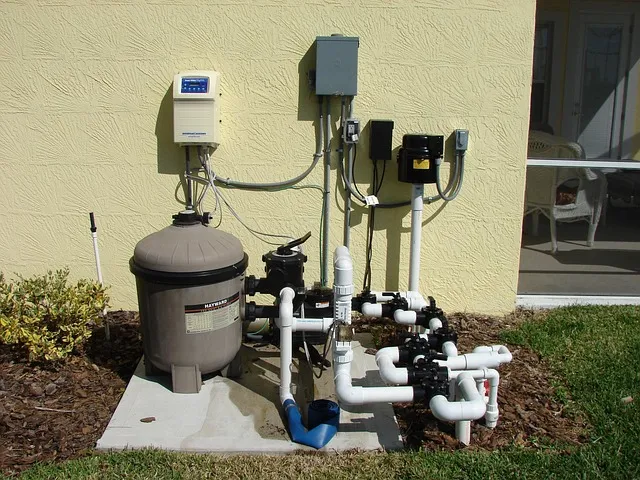
NSF/ANSI Standard 42 covers aesthetic effects including chlorine taste and odor reduction, and most activated carbon filters achieve this certification easily. NSF/ANSI Standard 53 covers health effects contaminants including lead, cysts, and certain organic compounds — certification under this standard for lead removal is specifically what you need to confirm for lead mitigation.
NSF/ANSI Standard 58 covers reverse osmosis systems, which are the most comprehensive point-of-use treatment available and effectively remove lead, arsenic, nitrates, PFAS, most organic compounds, and many other contaminants. Standard 177 applies to shower filters, which don’t have meaningful health effect claims in most cases but may reduce chlorine for aesthetic preference.
Reverse osmosis systems deserve specific discussion because they’re the most broadly effective treatment technology for point-of-use applications. RO systems force water through a semi-permeable membrane under pressure, rejecting a high percentage of dissolved contaminants including heavy metals, PFAS, nitrates, and most organic compounds. Modern under-sink RO systems produce water that meets or exceeds bottled water quality standards for virtually all the contaminants that concern private well and municipal water users.
The trade-offs: wastewater production (typical RO systems produce 2-4 gallons of waste water per gallon of treated water, though efficiency has improved substantially in modern systems), slow production rate (one to five gallons per hour), membrane replacement requirements (typically every 2-5 years depending on source water quality), and the removal of some beneficial minerals along with contaminants.
Water Testing During Real Estate Transactions
Real estate transactions involving homes with private wells typically require water testing as a condition of the mortgage, but the required testing is often a minimal panel that doesn’t capture the full range of relevant contaminants. Buyers of properties with private wells should understand what their required testing does and doesn’t cover and should order supplemental testing for contaminants relevant to the local geology and land use around the property.
A standard real estate water test in most states covers total coliform, E. coli, nitrates, and in some states lead. This panel addresses acute health concerns but misses arsenic, radon, VOCs, pesticides, PFAS, and many other contaminants that may be present depending on location.
The relatively small additional cost of a comprehensive private well analysis — typically $150 to $300 more than the basic panel — is a trivial investment relative to the purchase price of a property and provides information that can be both a health protection and a negotiating tool if significant contamination is found.
Municipal water buyers should review the most recent Consumer Confidence Report for the utility serving the property and should test for lead specifically using a first-draw sample from the property’s internal plumbing, particularly if the home was built before 1986. The CCR will not tell you about lead from your home’s specific plumbing — it reports distribution system averages.
Lead testing at the tap requires collecting a sample from the tap after water has stood in the pipes, which you can do independently or as part of a professional pre-purchase inspection.
Common Questions About Municipal Treatment Doesnt
How often should I test my private well water?
The EPA recommends testing private well water at minimum annually for total coliform bacteria, nitrates, pH, and total dissolved solids. In addition to this annual baseline, test after any flooding near the well, after well repairs or modifications, after nearby construction or excavation, when the taste or odor of water changes, and when any nearby agricultural or industrial activity changes.
Testing for contaminants beyond the basic panel — arsenic, radon, VOCs, PFAS — should be done at baseline and periodically thereafter based on local risk factors. If you have never tested your well, the first test should be a comprehensive analysis to establish a complete baseline.
Does my Brita filter remove lead?
Standard Brita pitchers using Brita’s “Standard” filter are not certified to remove lead. Brita’s “Longlast” filter is NSF/ANSI Standard 53 certified for lead reduction. The certification is listed on the filter packaging and on NSF International’s website. Check the specific filter model’s certification, not just the brand name. Under-sink and countertop filters certified to NSF/ANSI Standard 53 or NSF/ANSI Standard 58 (RO) for lead reduction are the most reliable options for point-of-use lead mitigation.
Is my municipal water safe without additional home filtration?
For most municipal water customers, the utility-treated water meets EPA standards and is safe to drink for healthy adults. The primary exception is lead from internal plumbing, which is not addressed by treatment at the plant. If your home was built before 1986, you should test for lead at your tap specifically.
Other considerations include disinfection byproducts (addressed by activated carbon filtration if at elevated levels), chlorine taste (addressed by any carbon filter), and PFAS (which may or may not be an issue depending on your utility’s source water and current compliance status). Review your utility’s CCR and make targeted decisions based on what is actually in your water rather than filtering everything as a precaution.
What’s the most important thing to test for first if I’ve never tested my water?
For municipal water: lead, using a certified first-draw sample from your tap. For private well water: a comprehensive basic analysis including total coliform, E. coli, nitrates, pH, hardness, and lead, supplemented by any locally relevant contaminants based on your state’s groundwater quality maps and any known local contamination sources. If you have young children or are pregnant, lead and nitrates are the highest priority regardless of source.
Contact your state drinking water program — most have hotlines and free resources to help prioritize testing based on your location and circumstances.
Are home water test kits accurate enough to trust?
Test strips and basic home kits provide rough screening information useful for general awareness but should not be relied upon for health-based decisions. For decisions that matter — choosing a filtration system, evaluating a health concern, managing an identified contamination problem — certified laboratory analysis from an NELAC-accredited laboratory is the appropriate standard. Mail-in testing services that use certified laboratories provide professional-grade analytical results with consumer-friendly reporting at accessible prices.
The cost difference between a rough home test strip and a certified lab analysis is typically $50 to $150 — a small investment for reliable health information.
We spend significant money filtering our air, monitoring our food, and scrutinizing our personal care products. Most of us have never tested the water we drink every day. The contaminants that matter most in drinking water — lead, arsenic, PFAS — have no taste, no odor, and no color. You cannot sense them. You can only test for them. Everything else is assumption.
Understanding Your Consumer Confidence Report

The CCR must include: the source of the water (surface water, groundwater, or purchased from another utility), the results of required testing for regulated contaminants, and the Maximum Contaminant Level (MCL) for each regulated contaminant detected. For each contaminant detected above the minimum reporting threshold, the report must show the highest single-sample result, the average annual result, the MCL, and the MCLG (Maximum Contaminant Level Goal — the health-based target that the regulatory MCL is supposed to approach).
It must also note any violations that occurred during the reporting year.
Several things the CCR does not tell you: the condition of your home’s internal plumbing (which is where most residential lead exposure comes from); the levels of contaminants below the detection threshold of the reporting requirement (which can still have biological effects); contaminants that are not currently regulated under the Safe Drinking Water Act (including many emerging contaminants like some PFAS compounds, pharmaceutical residues, and microplastics); and real-time data from the current calendar year (the CCR reports on the previous year’s testing data).
When reading the CCR, pay particular attention to: the source water quality section (which describes the watershed or aquifer and lists potential contamination sources in the area); any health advisory language that appears in the report (indicating concerns about specific contaminants); the disinfection byproduct levels (trihalomethanes and haloacetic acids, which are the main regulatory categories for chlorination byproducts); and whether any violations occurred in the reporting year and what the utility did in response.
Compare the reported contaminant levels not just to the MCL but to the MCLG — contaminants detected between zero and the MCL but with an MCLG of zero warrant more attention than contaminants where the MCL equals the MCLG.
Emerging Contaminants: The Regulatory Gap
The Safe Drinking Water Act requires the EPA to maintain a Contaminant Candidate List (CCL) — a list of contaminants not currently regulated but known or anticipated to occur in public water systems and which may require regulation in the future. The current CCL-5, finalized in 2022, includes over 100 contaminants including multiple PFAS compounds, pharmaceuticals, and disinfection byproducts not covered by existing regulations.
This list illustrates the gap between the universe of potentially concerning water contaminants and the much smaller universe of currently regulated contaminants.
Pharmaceuticals in drinking water represent a category that has received significant scientific attention but limited regulatory action. A comprehensive USGS survey of streams across the country has found pharmaceutical compounds — antibiotics, hormones, antidepressants, anti-inflammatory drugs — in essentially all major waterways tested.
These compounds enter the water supply from human excretion (pharmaceuticals are excreted in urine and feces and pass through wastewater treatment that is not designed to remove them), agricultural use, and disposal of unused medications into sewers and trash. Municipal water treatment removes some pharmaceutical compounds but not all, and current drinking water regulations do not require testing or limits for pharmaceutical compounds.
The health implications of long-term, low-level pharmaceutical exposure through drinking water are not well characterized. Concentrations in drinking water are typically orders of magnitude below therapeutic doses, and the toxicological significance of chronic low-dose exposure to pharmaceutical mixtures is an active research question without definitive answers. Point-of-use treatment with reverse osmosis or activated carbon has been shown to reduce pharmaceutical compound concentrations substantially, providing some mitigation for individuals with specific concerns.
This is an area where the precautionary principle has some rational application, particularly for vulnerable populations like pregnant women and infants, though the risk magnitude remains uncertain.
Seasonal Variation and Well Water Testing
Private well water quality is not static — it changes with seasonal patterns that reflect precipitation, agricultural cycles, and geological dynamics. Understanding this variability is essential for designing an appropriate testing schedule and for interpreting test results that may be significantly different from one season to the next.
Spring and early summer represent the highest-risk period for bacterial contamination of private wells in most temperate regions. Snowmelt and spring rainfall increase surface water flow and groundwater recharge, which can carry surface bacteria and fecal contamination into shallow aquifers and through imperfectly sealed well casings. Wells in low-lying areas, in flood-prone locations, or with casings that extend less than 12 inches above ground level are most vulnerable to this seasonal contamination.
Testing shortly after major precipitation events — and particularly after flooding that comes within any distance of the well — provides the most conservative picture of bacterial contamination risk.
Late fall testing, after agricultural application seasons have ended and fall precipitation has begun, captures the peak of agricultural chemical infiltration into groundwater — nitrates, herbicides, and pesticides applied during the growing season that have had time to move through the soil profile. Wells in agricultural areas should include nitrate and pesticide panel testing in late fall or early winter as part of a regular monitoring schedule.
Water table depth changes with seasonal precipitation affect which geological strata the well is drawing from, which can alter mineral content, hardness, and exposure to geological contaminants like arsenic and radon. Dramatic changes in water taste, odor, or appearance between seasons are not merely aesthetic — they are signals of changed water chemistry that warrant investigation with targeted laboratory testing.
A well that tested below action levels for arsenic in summer may draw from a different water table level in winter drought that brings it into contact with higher-arsenic geology. Annual baseline testing, supplemented by targeted testing when appearance or taste changes, provides the ongoing monitoring that static one-time testing cannot.
Point-of-Use vs. Whole-House Filtration: Choosing the Right Approach
The choice between point-of-use filtration (treating water at a specific tap where drinking water is obtained) and whole-house filtration (treating all water entering the home before it reaches any fixture) reflects the difference between treating a specific contaminant concern at the point of consumption versus improving all water throughout the house. Both approaches have appropriate applications, and understanding which serves your specific situation avoids expensive over-treatment or inadequate targeted treatment.
Whole-house filtration is appropriate when the contaminant creates risks through exposure pathways beyond drinking — through skin absorption during bathing, through inhalation of steam in the shower, or through the contact of all household water with plumbing and fixtures. Chlorine and chloramine fall into this category: the trihalomethanes formed from these disinfectants during hot showers are inhalable, and skin absorption of chlorine compounds is a documented exposure pathway.
Whole-house carbon filtration that removes these compounds protects against shower and bath exposure that point-of-use kitchen filtration cannot. Similarly, hard water that causes scale buildup in water heaters, dishwashers, and washing machines warrants whole-house water softening for appliance protection, even if the treated water itself does not present a health concern at the tap.
Point-of-use filtration is appropriate when the contaminant concern is specific to ingested water — lead from internal plumbing that does not affect bathing water exposure meaningfully, fluoride removal for drinking and cooking water, PFAS reduction for consumption. Installing a sophisticated point-of-use RO system under the kitchen sink addresses these concerns at the relevant exposure point without the significantly higher cost of whole-house treatment.
For lead specifically, treating all household water — including toilet, garden hose, laundry — for lead removal is unnecessary and expensive, given that lead is primarily a drinking water risk from internal plumbing contact with standing water, not a significant dermal or inhalation exposure.
The two-stage approach — whole-house carbon prefiltration for aesthetic quality and shower/bath protection, combined with point-of-use RO or carbon filtration for drinking water — provides comprehensive coverage for households with both concerns at a lower total cost than whole-house RO while matching the treatment intensity to the actual exposure pathway for each contaminant. This approach is worth discussing with a certified water treatment professional who can evaluate your specific test results and design an appropriate system.
References
Editorial StandardsCorrectionsMedical DisclaimerAbout Our ContentAffiliate DisclosureSite Map