
Marcus had been on an albuterol inhaler since he was nine. At thirty-eight he added a daily inhaled corticosteroid, then a long-acting beta-agonist. His pulmonologist managed the escalating medication list competently enough but never once asked what was keeping his airways chronically inflamed in the first place. The medications worked — until they stopped working quite as well, and a stronger formulation got added to the stack.
Asthma affects 300 million people worldwide, and the standard medical approach — bronchodilators, corticosteroids — manages symptoms without touching why the airways are hyperreactive and inflamed to begin with. For a lot of patients, particularly those with adult-onset asthma or asthma that got worse in adulthood, the hyperreactivity traces back to modifiable factors nobody ever investigated. Reducing that inflammatory burden doesn’t eliminate the need for medication. But it reduces how much is needed, and it improves quality of life in ways medication tweaks alone don’t reach.
The Airway Inflammation Model
Asthma is a chronic inflammatory condition marked by airway hyperresponsiveness, episodic bronchoconstriction, mucus hypersecretion, and airway remodeling that builds over time. The inflammation runs primarily eosinophilic in allergic asthma — the most common type — and neutrophilic in the non-allergic variety tied to pollution, obesity, or other non-atopic triggers.
The unified airway concept matters here. Nasal passages and lungs are continuous structures sharing epithelium and immune cell populations. Untreated allergic rhinitis directly worsens asthma — post-nasal drip carries inflammatory mediators to the lower airways, nasal inflammatory signals trigger reflex bronchoconstriction, and the nose stops properly warming, humidifying, and filtering inspired air. Treat the nose, treat the lungs — and the reverse holds too. People who aggressively manage allergic rhinitis consistently see their asthma control improve alongside it.
The Gut-Lung Axis in Asthma
The gut microbiome exerts real influence over airway immune function. A Westernized gut microbiome — low diversity, depleted in fiber-fermenting bacteria, enriched in inflammatory species — promotes the Th2 polarization underlying eosinophilic asthma. Multiple cohort studies have found infants with lower gut microbiome diversity in year one develop asthma at higher rates by age five.
Stein et al. (New England Journal of Medicine, 2016) found farm children carried dramatically higher gut microbiome diversity than urban children, with Lactobacillus and Clostridiales species nearly absent in the urban group. These rural microbiome species were inversely correlated with asthma prevalence. The mechanism: short-chain fatty acids from bacterial fiber fermentation — butyrate and propionate especially — directly regulate regulatory T cell development and suppress eosinophilic airway inflammation.
For adults with existing asthma, gut microbiome restoration doesn’t reverse established disease. It can reduce the inflammatory drive that keeps airway hyperreactivity going, though. Probiotic supplementation trials in asthmatic adults show modest improvements in lung function and quality of life — nowhere near as dramatic as in the early-life prevention window, but real and clinically meaningful. The therapeutic target is total inflammatory burden on the airways, and gut-derived inflammatory signaling is a significant piece of that total.
The Asthma Management Protocol
- Aggressive allergic rhinitis management: The single most impactful intervention for allergic asthma is often thorough treatment of the co-occurring rhinitis. Daily intranasal corticosteroid, antihistamine as needed, nasal irrigation after allergen exposure, and consideration of allergen immunotherapy if sensitizations turn up. Multiple studies confirm optimal rhinitis treatment improves asthma outcomes independent of any lower-airway intervention.
- Anti-inflammatory diet: Cut industrial seed oils (linoleic acid excess drives arachidonic acid production and leukotriene synthesis), raise omega-3 intake (EPA and DHA reduce leukotriene B4 and 4-series prostaglandin production), and build a high-vegetable, high-fiber diet that supports microbiome diversity. The GINA guidelines acknowledge diet as a modifiable factor in asthma — the evidence is stronger than clinical practice reflects.
- Vitamin D optimization: Vitamin D deficiency tracks with increased asthma severity, worse lung function, and reduced response to inhaled corticosteroids. Brehm et al. (American Journal of Respiratory and Critical Care Medicine, 2010) found each 10 ng/mL increment in vitamin D level associated with improved lung function and fewer hospitalizations in asthmatic children. Adults with severe asthma are disproportionately deficient. Target 50-80 ng/mL.
- Address obesity if present: Obesity is an independent driver of asthma severity through several mechanisms — mechanical compression of the airway, increased systemic inflammation from adipose-derived cytokines, altered diaphragm mechanics. Even modest weight loss (10-15%) dramatically improves asthma control in overweight asthmatic patients. No medication intervention matches the magnitude of benefit from correcting obesity in this population.
- Environmental trigger reduction: Identify and address specific triggers — dust mites, pet dander, cockroaches, mold, occupational exposures. The same bedroom allergen-reduction protocol used for rhinitis applies equally here. Occupational asthma is underdiagnosed; if symptoms reliably worsen during work weeks and ease on vacation, that warrants occupational evaluation.
- Exercise optimization: Exercise-induced bronchoconstriction affects roughly 90% of asthmatic patients. That said, regular aerobic exercise training improves asthma control, reduces airway hyperresponsiveness, and reduces medication use over time. The key is proper warm-up (to prevent pre-exercise bronchoconstriction), reliever inhaler use before exercise if needed, and building aerobic fitness through gradual progression. Avoiding exercise entirely is counterproductive.
- Magnesium supplementation: Magnesium is a bronchodilator — intravenous magnesium is standard in emergency departments for severe acute asthma. Oral magnesium has evidence for reducing airway hyperresponsiveness in patients with low magnesium status. Britton et al. (Lancet, 1994) found dietary magnesium intake inversely correlated with airway reactivity in a large epidemiological study. Form matters as much as quantity here — the oxide salts that dominate the cheap end of the shelf are poorly absorbed, and much of what they contain passes straight through.
- Omega-3 fatty acid supplementation: EPA and DHA reduce the 4-series leukotrienes driving bronchoconstriction and airway inflammation, competing with the arachidonic acid metabolites that dominate the pro-inflammatory leukotriene pool in asthmatic airways. Multiple small trials show improved lung function and reduced reliever inhaler use with high-dose omega-3 supplementation (3-4g EPA+DHA daily). The effect runs stronger in exercise-induced bronchoconstriction than in resting airway hyperresponsiveness.
“Asthma isn’t just an airway problem. It’s a whole-body inflammation problem that happens to express itself in the airways. Fix the inflammation, and the airways stop being the target.”
Vitamin C and Asthma
Vitamin C’s role here is more specific than its general antioxidant reputation suggests. Airways generate significant oxidative stress during bronchoconstriction and inflammation. Airway epithelial lining fluid runs rich in vitamin C as an antioxidant defense; asthmatic airways have depleted epithelial vitamin C compared to healthy ones. Several studies have shown supplemental vitamin C (2g/day) reducing the severity and duration of exercise-induced bronchoconstriction.
The mechanism includes direct antioxidant protection of airway tissue, anti-inflammatory effects on arachidonic acid metabolism, and antihistaminic properties through accelerated histamine degradation. The evidence isn’t strong enough to replace standard asthma medication — nobody’s claiming that — but as an adjunct to the broader protocol, particularly for athletes dealing with exercise-induced symptoms, the evidence supports adding it in.
FAQ
Q: Can asthma be cured naturally?
Complete remission without medication is possible for some asthmatics — particularly those with mild to moderate allergic asthma who achieve strong allergen control through immunotherapy and environmental management, correct modifiable drivers like obesity or vitamin D deficiency, and stick with an anti-inflammatory lifestyle. It’s not guaranteed for everyone, and maintaining appropriate medication throughout the root-cause work is a safety essential, not optional. The goal is meaningful symptom reduction and reduced medication dependence, with complete remission as the best-case scenario, not the baseline expectation.
Q: Is it safe to reduce asthma medications while trying natural approaches?
Any medication reduction needs to go through your prescribing physician — never unilaterally. The right sequence: implement lifestyle modifications, wait for demonstrated symptom improvement over several months, then discuss stepping down medications with your doctor using objective measures (spirometry, asthma control test scores). Abrupt discontinuation is dangerous and can trigger severe exacerbations.
Q: Does dairy cause asthma?
Dairy increases mucus production in some people, and some asthmatics find eliminating it reduces symptom burden. There’s no strong evidence dairy causes asthma in people without a dairy allergy, but for individuals who notice a correlation between dairy intake and worse control, a two-to-four-week elimination trial is reasonable. Dairy allergy — distinct from lactose intolerance — can be a genuine asthma trigger in sensitized individuals.
Q: What is the role of stress in asthma?
Psychological stress triggers airway hyperresponsiveness through HPA axis and autonomic nervous system pathways. Chronically high cortisol impairs corticosteroid receptor function — potentially blunting the effectiveness of the inhaled corticosteroids many asthmatics depend on. Stress management is a legitimate asthma control intervention, not a soft add-on. Mindfulness-based interventions have shown modest improvements in asthma quality-of-life scores across several trials.
The Microbiome Restoration Approach to Asthma

The restoration protocol: cut processed food and add 30-plus grams of varied fermentable fiber daily from cooked-and-cooled potatoes and rice (resistant starch), green bananas, oats, legumes, onions, garlic, and a genuine diversity of vegetables. Add a high-dose probiotic with Lactobacillus and Bifidobacterium strains. Introduce fermented foods gradually — kefir, sauerkraut, kimchi. Give this four to six months before expecting inflammatory consequences to show up, measured through symptom frequency and reliever inhaler use.
The timeline runs slow because airway remodeling — the structural changes that build up over years in asthmatic airways — doesn’t reverse quickly. What improves faster, within weeks, is the acute inflammatory tone driving exacerbation frequency. Fewer exacerbations, better baseline symptom control, gradual reduction in reliever inhaler dependence — these are the early markers of success. Spirometric improvement, the actual lung function numbers, tends to take longer.
Exercise and the Asthmatic Athlete
Exercise-induced bronchoconstriction affects 90% of asthmatic patients and roughly 10% of the general population. It’s marked by bronchoconstriction starting five to twenty minutes after intense exercise, peaking five to ten minutes post-exercise, and typically resolving within thirty minutes. The mechanism involves hyperpnea — increased breathing rate — that cools and dries airways past their conditioning capacity, triggering mast cell degranulation and airway smooth muscle constriction.
Managing EIB lets asthmatic athletes train and compete effectively. Pre-exercise inhaled albuterol fifteen to twenty minutes ahead of activity gives the most reliable acute protection. Nasal breathing at lower exercise intensities cuts airway water loss. A proper warm-up — ten to fifteen minutes of progressive intensity before full effort — can induce a refractory period of reduced airway reactivity through prostaglandin E2 release, offering partial protection through the rest of the workout.
Omega-3 supplementation specifically reduces EIB. Mickleborough et al. (Journal of Allergy and Clinical Immunology, 2003) found a fish-oil-enriched diet significantly reduced EIB severity, post-exercise bronchoconstriction, and inflammatory mediators in competitive athletes. The mechanism is a shift from 4-series leukotrienes (bronchoconstrictors) to 5-series leukotrienes (weaker bronchoconstrictors) as EPA and DHA compete with arachidonic acid for leukotriene synthesis. Dose needed for the effect: at least 3g EPA+DHA daily — well above the standard recommendation.
Regular aerobic training improves asthma control through several mechanisms: better aerobic efficiency reduces ventilatory demand for any given activity (less hyperpnea per unit of work), anti-inflammatory systemic effects lower baseline airway inflammation, improved respiratory muscle strength improves breathing economy, and the psychological boost in self-efficacy reduces the fear-avoidance behavior that often stops asthmatics from exercising enough to reach these benefits in the first place.
Air Quality and Indoor Environment
Asthmatic airways stay hyperresponsive not just to allergens but to any irritant. Particulate matter, volatile organic compounds, nitrogen dioxide, second-hand smoke — all of it triggers airway inflammation and bronchoconstriction in asthmatic patients at concentrations healthy people tolerate without noticing. Managing indoor air quality is a high-priority intervention for that reason alone.
The EPA estimates indoor air quality often runs two to five times worse than outdoor air — cooking fumes, cleaning product chemicals, off-gassing from furniture and building materials, combustion products from gas stoves and fireplaces all accumulate in enclosed spaces without adequate ventilation. Gas stoves generate nitrogen dioxide at concentrations exceeding outdoor air quality standards and have been specifically linked to worse asthma control in multiple studies. Cooking over gas without ventilation is a measurable asthma trigger for plenty of people who’ve never connected the two.
HEPA air purification in the bedroom — where eight hours a night get spent — and adequate ventilation during cooking meaningfully cut indoor particle and irritant concentrations. Swapping gas cooking for electric or induction eliminates one of the most consistent indoor air quality concerns for asthmatic households. Unscented cleaning and personal care products eliminate VOC exposure from synthetic fragrance. None of this is an inconvenient lifestyle aspiration. It’s a documented trigger reduction with measurable asthma control consequences.
The Role of Acid Reflux in Asthma
Gastroesophageal reflux disease shows up in roughly 75% of difficult-to-control asthmatic patients and is often missed, because reflux in asthmatics can be “silent” — no heartburn, just worsening asthma. The mechanisms connecting reflux to asthma run several directions: microaspiration of acidic gastric content into the airways, an esophago-bronchial reflex where esophageal acid triggers reflex bronchoconstriction through shared vagal innervation, and increased vagal tone that heightens airway reactivity generally.
In patients whose asthma doesn’t respond well to standard medication, screening for and treating underlying GERD can produce a dramatic swing. That doesn’t necessarily mean proton pump inhibitors — the functional medicine approach to GERD looks at root causes (hiatal hernia, low stomach acid paradoxically causing bacterial overgrowth and fermentation pressure, poor esophageal sphincter function from dietary factors) rather than acid suppression that treats symptoms without touching the underlying cause.
Practical evaluation: a trial of GERD management measures — elevating the head of the bed fifteen degrees, avoiding food within three hours of sleep, cutting common reflux triggers — combined with monitoring for asthma improvement suggests a GERD-asthma connection worth pursuing with your physician. Formal evaluation with pH monitoring or endoscopy confirms reflux contribution objectively.
Marcus’s Outcome: From Escalating Medication to Controlled Disease
Marcus had never had his vitamin D checked. Turned out it was 19 ng/mL — severely deficient. He had undiagnosed dust mite allergy that twenty-nine years of asthma management had somehow never surfaced through actual testing. His diet ran high in industrial seed oils, low in omega-3s. He had GERD he’d chalked up to stress and never specifically treated.
Over eighteen months he corrected vitamin D to 68 ng/mL, started allergen immunotherapy for dust mite, addressed GERD through dietary intervention and head-of-bed elevation, added omega-3 supplementation at 4g EPA+DHA daily, and adopted an anti-inflammatory dietary pattern. He kept his inhaled medications throughout, tracking with peak flow measurements the whole way.
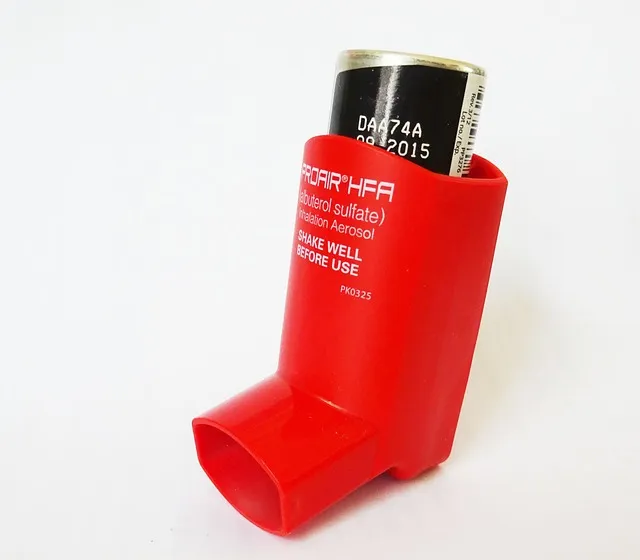
At eighteen months, his pulmonologist reviewed the spirometry — the first significant improvement in ten years. Reliever inhaler use had dropped from daily to occasional. He stepped down from the long-acting beta-agonist, then eventually from the inhaled corticosteroid down to the lowest effective dose. He still carries an albuterol inhaler. He’s used it twice in the last six months.
This is the asthma story evidence-based functional medicine makes possible. Not magic — Marcus still has asthma. But the disease expression changed dramatically once someone finally addressed the underlying inflammatory drivers that twenty-nine years of pharmaceutical management had never touched. Most of the investigation and intervention here is stuff his general practitioner could have run at any point along the way. Nobody ever did.
Additional Supplements With Evidence

Ginkgo biloba: Has platelet-activating factor (PAF) antagonist activity. PAF is a phospholipid mediator that amplifies eosinophilic airway inflammation and runs elevated in asthmatic airways. Li et al. (Clinica Chimica Acta, 1997) showed Ginkgo extract reducing airway eosinophilia in asthmatic patients. Standard dose: 120-240mg standardized extract daily. Not first-line, but a reasonable option for patients wanting comprehensive anti-inflammatory coverage.
Boswellia (Boswellic acids): Inhibits 5-lipoxygenase — the enzyme producing pro-inflammatory leukotrienes from arachidonic acid. Same enzymatic target as montelukast (Singulair), reached through a different mechanism. Gupta et al. (European Journal of Medical Research, 1998) showed 300mg three times daily significantly improving FEV1 and reducing asthma frequency versus placebo. Useful as a botanical complement to, or replacement for, leukotriene modifiers in mild to moderate asthma.
N-acetylcysteine (NAC): Mucolytic and antioxidant. Reduces mucus viscosity in airways, boosts glutathione production in airway cells, cuts airway oxidative stress. Particularly relevant in asthma with mucus plugging — a subset where thick mucus obstructs small airways and responds poorly to bronchodilators alone. Long-term airway use is split across the day rather than taken as a single serving, which holds plasma levels steadier.
Selenium: Airway epithelial cells need high selenium levels for glutathione peroxidase activity, which neutralizes the reactive oxygen species generated during airway inflammation. Low selenium status correlates with worse asthma outcomes. Two Brazil nuts carry roughly a day’s worth of selenium, which is why food usually closes this gap without a capsule at all; where it doesn’t, selenomethionine is the better-absorbed supplemental form. Sustained intakes above 400 mcg/day are not supported by the evidence.
Immunotherapy for Allergic Asthma
Allergen immunotherapy is the only disease-modifying treatment for allergic asthma — it reduces the underlying IgE sensitization and Th2 reactivity rather than just managing symptoms. For asthmatic patients with documented allergic sensitizations (positive skin prick test or specific IgE to environmental allergens), immunotherapy deserves consideration as a primary option, not something reached for only after years of medication escalation.
The evidence base for subcutaneous immunotherapy in allergic asthma is substantial. Mowat et al. and the meta-analyses that followed confirm significant reduction in asthma symptoms, medication use, and airway hyperresponsiveness after completing standard three-to-five-year courses. The effect holds after treatment ends, which is the fundamental thing that separates it from medication management requiring ongoing administration for ongoing benefit.
Sublingual immunotherapy for asthma has growing evidence — smaller effect sizes than subcutaneous for most outcomes, but an acceptable safety profile for self-administration, and particularly useful for children where injection compliance is a barrier. The house dust mite SLIT tablet (Odactra) has FDA clearance specifically for house dust mite allergic rhinitis and asthma — the best-studied SLIT product for asthma, and the most reasonable starting point for patients with dust mite sensitization.
Who should be referred for asthma-specific allergen immunotherapy evaluation: any asthmatic with documented environmental allergen sensitizations, particularly those needing more than low-dose inhaled corticosteroid for control, those with frequent exacerbations, and children with mild to moderate allergic asthma — immunotherapy in childhood may prevent progression to more severe asthma and reduce the risk of developing new sensitizations, and the “preventive” argument is strongest early in life.
The Breath Work and Asthma Connection
Breathing pattern dysfunction — mouth breathing, upper chest breathing, chronic hyperventilation — is both a consequence and a driver of asthma. Asthmatics often develop dysfunctional breathing patterns in response to airway obstruction, and those patterns then perpetuate airway hyperresponsiveness through cold/dry air challenge and carbon dioxide dysregulation.
The Buteyko method is the most studied breathing retraining technique for asthma. It focuses on nasal breathing, reduced breathing volume to normalize CO2, and specific techniques for managing breathlessness without reaching for the emergency bronchodilator. Multiple randomized trials, including work by Bowler and colleagues, show significant quality-of-life improvement and reduced reliever inhaler use with Buteyko training — without changes in objective lung function markers, which suggests the benefit runs through reduced anxiety and dysfunctional breathing rather than structural airway changes.
Nasal breathing during exercise is a fundamental Buteyko principle. Nasal breathing warms and humidifies inspired air before it reaches the lower airways, cutting the airway cooling that triggers EIB. Athletes shifting from mouth to nasal breathing during moderate-intensity exercise frequently report reduced EIB severity. The transition takes weeks of adjustment as breathing efficiency catches up to oxygen demand through the nose, but most people reach comfortable nasal breathing up to moderate-to-vigorous intensity within four to six weeks of practice.
The diaphragm is the primary breathing muscle — upper chest breathing bypasses it and increases the work of breathing. Asthmatic patients with chronic accessory muscle use (neck and shoulder muscles recruited for ordinary breathing) benefit substantially from diaphragmatic breathing retraining. It reduces respiratory muscle fatigue, lowers perceived breathing effort, and eases the thoracic pressure dynamics that can worsen GERD and vagal airway reactivity. Any physiotherapist with respiratory training can teach it; it’s appropriate for virtually all asthmatic patients.
Building a Comprehensive Asthma Management Plan
The conventional asthma management model — stepwise medication escalation based on symptom severity — is a necessary foundation, not something to abandon. Maintaining appropriate pharmaceutical control while implementing root-cause interventions is the correct approach, not an either-or. The lifestyle and nutritional protocol enhances medication effectiveness, reduces medication requirements over time, and addresses the drivers of progressive airway remodeling that medications don’t reverse on their own.
A comprehensive asthma management plan integrates: medication management (appropriate stepped therapy per GINA guidelines), allergen assessment and immunotherapy for documented sensitizations, indoor environment optimization, dietary anti-inflammatory intervention, gut microbiome restoration, vitamin D and nutritional optimization, exercise rehabilitation with EIB management, GERD evaluation and treatment if present, and breathing pattern retraining.
The primary care or pulmonology clinic rarely delivers all of this. A functional medicine provider can coordinate the non-pharmaceutical layers while the pulmonologist manages medication decisions. That team approach produces outcomes neither clinician reaches alone — comprehensive asthma management needs more than a prescription pad, and it needs more than supplements alone too.
For Marcus, twenty-nine years of medication-only management wasn’t his pulmonologist’s fault — it was the system’s failure to fold evidence-based lifestyle medicine into respiratory care. That gap is closing, slowly. The patients benefiting most from it now are the ones who go looking for practitioners willing to address the whole picture instead of managing the most measurable symptom with whatever tool is closest to hand.
Final FAQ for Asthma
Q: Should children with asthma follow this protocol?
Many components apply with modification: anti-inflammatory diet, vitamin D optimization, allergen management, and gut microbiome support are all appropriate and safe for children. The supplement protocol needs adjustment for pediatric weight and age-appropriate dosing, and should be coordinated with the child’s pediatrician or pediatric pulmonologist. Allergen immunotherapy in childhood has particularly strong evidence for preventing disease progression and should come up early in pediatric asthma management conversations.
Q: Can asthma go away on its own?
Childhood asthma remits in roughly 50% of cases by adulthood — more common in boys than girls, more common with mild than severe disease. Airway hyperresponsiveness often persists even when symptoms remit, and remitted asthma frequently re-emerges with respiratory infections, occupational exposures, or hormonal shifts in adulthood. True complete remission of adult-onset asthma without intervention is less common. The functional medicine approach aims to induce remission through root causes rather than waiting around for spontaneous resolution that may never come.
Q: Is air pollution causing more asthma?
Yes — air pollution is an established independent risk factor for asthma development and exacerbation. Particulate matter, ozone, nitrogen dioxide, diesel exhaust are all specifically implicated. Rising global asthma prevalence tracks with urbanization and air quality changes across many populations. This is a population-level problem needing policy solutions alongside the individual-level interventions covered here. Asthmatics living in high-pollution areas benefit from HEPA filtration at home, air quality monitoring, and adjusting outdoor activity on high-pollution days.
Q: What’s the relationship between asthma and eczema?
Asthma and atopic dermatitis (eczema) are part of the same atopic immune dysregulation — the Th2-skewed immune program underlying all three legs of the atopic triad (eczema, allergic rhinitis, asthma). People with severe early eczema carry a three-to-five-times higher risk of developing asthma. Aggressively treating eczema early in childhood — skin barrier repair, microbiome support, allergen management — may reduce progression to asthma; the concept of “proactive atopic march prevention” is gaining traction in pediatric allergy research. Shared root-cause interventions (gut microbiome support, vitamin D, anti-inflammatory diet) address all three conditions at once.
Environmental Triggers Checklist
Identifying and systematically eliminating environmental asthma triggers can produce improvements no medication change achieves on its own. A thorough trigger assessment covers the following:
Allergens: Dust mites (bedroom-focused mattress covers, hot-wash bedding), animal dander (pets, particularly cats, which produce the most potent dander), mold (water damage assessment, bathroom exhaust ventilation, dehumidification below 50%), cockroach (particularly in urban housing), and outdoor pollens (monitoring app-guided outdoor time during peak counts).
Irritants: Cigarette and cigar smoke (active and second-hand), wood-burning fireplace smoke, scented candles and air fresheners (VOCs), cleaning products with bleach, ammonia, or strong fragrances, pesticides, paints, and industrial chemicals in occupational settings.
Physical factors: Cold air (nasal breathing, scarf over nose and mouth in winter), dry air (bedroom humidification to 40-50%), exercise (see EIB management above), stress (vagal activation increases airway reactivity), and respiratory infections (annual influenza vaccination and staying current with recommended vaccines reduces infective exacerbation risk).
Medications and foods: Aspirin and NSAIDs (roughly ten percent of asthmatics have aspirin-exacerbated respiratory disease — a serious trigger requiring complete NSAID avoidance and specialist management), beta-blockers (contraindicated in most asthmatics, since they block the beta-2 receptors bronchodilators act on), sulfites in wine and processed foods, MSG, and food additives in sensitive individuals.
Documenting when exacerbations happen and what preceded them for two to three months creates a trigger profile worth more than any single test. Most asthmatic patients who keep detailed symptom diaries discover two to four dominant triggers accounting for most of their exacerbations. Eliminating those handful of triggers often produces more improvement than escalating medication further.
The Long View: Asthma and Aging
Untreated or inadequately managed asthma drives progressive airway remodeling — subepithelial fibrosis, smooth muscle hypertrophy, goblet cell hyperplasia, angiogenesis — structural changes that are largely irreversible and reduce the maximum lung function achievable over decades. The cumulative loss from undertreated asthmatic inflammation is a significant driver of respiratory impairment in older adults who’ve carried asthma for thirty-plus years.
Which is the long-game argument for root-cause asthma management: every year of well-controlled asthma with minimal airway inflammation slows the rate of remodeling and preserves lung function for the decades ahead. The lifestyle and nutritional interventions that reduce airway inflammation work through the same anti-remodeling pathways inhaled corticosteroids do, adding to — not replacing — the structural protection appropriate pharmaceutical therapy provides.
Adults with asthma who maintain optimal vitamin D, an anti-inflammatory diet, regular moderate exercise, and excellent allergen control preserve lung function better than those managing symptoms with medication alone while ignoring the underlying inflammatory burden. The data here is indirect — no large RCT has combined all these interventions at once — but the mechanistic evidence is clear: reduce airway inflammation through every available means, and the airways remodel less. Start early, and more lung function stays available for later.
Marcus understood this, eventually. The thirty-eight years of not addressing root causes had consequences in airway remodeling that couldn’t be fully undone. But the eighteen months of comprehensive intervention arrested further decline and produced more improvement than he’d thought possible. The trajectory changed. That’s what functional asthma medicine actually offers — not erasure of the past, but a meaningfully different future, one with fewer medications, better function, and airways treated as the integrated biological system they are rather than just target organs for the next bronchodilator prescription.
Monitoring Tools for Self-Management
Effective asthma self-management needs monitoring tools that provide objective data between clinic visits. The two most useful: peak flow monitoring and a symptom diary.
A peak flow meter measures peak expiratory flow rate — the maximum speed of exhaled air — in liters per minute. It’s inexpensive, under twenty dollars, and gives a daily objective measure of airway status. Peak flow values drop before symptoms become noticeable in a lot of patients; daily monitoring catches early deterioration before it turns into an exacerbation. The asthma action plan system — green/yellow/red zones based on percentage of personal best peak flow — gives clear decision guidance on when to adjust medication and when to seek emergency care.
Symptom and trigger diaries, ideally through a dedicated asthma tracking app, document symptom frequency, reliever inhaler use, sleep disruption from asthma, exercise tolerance, and any likely triggers on symptomatic days. Six months of this data builds a baseline for measuring protocol effectiveness and communicating meaningfully with your healthcare provider. It also surfaces patterns neither patient nor provider would spot from three-month clinic-visit recollections alone — human memory for symptom frequency isn’t reliable, and objective records genuinely change clinical decision-making.
Modern spirometry is available at home now through devices like Spire Health Tag and similar connected-app tools measuring FEV1. Not yet standard self-monitoring gear, but advancing quickly. Home peak flow monitoring, a symptom diary, and regular clinical spirometry together give the comprehensive picture needed for optimal, evidence-based asthma management.
The self-management data does double duty: it empowers the patient to recognize and respond to changes before they become emergencies, and it gives the clinical team the objective data needed for rational medication decisions rather than reactive prescribing based on incomplete information. That’s collaborative medicine — and it beats both passive patient reception of prescriptions and self-directed supplement protocols run without any medical oversight. Both halves of the team need to be doing their job.
The net assessment on asthma and functional medicine: it’s a chronic inflammatory disease with multiple modifiable drivers. Standard medication management addresses airway hyperresponsiveness without touching the inflammatory environment sustaining it. The lifestyle and nutritional protocol described here — anti-inflammatory diet, gut microbiome restoration, vitamin D optimization, allergen management, environmental trigger reduction, exercise rehabilitation — directly reduces the inflammatory burden medications are working against. The combination produces outcomes neither approach reaches alone. This isn’t alternative medicine set against conventional care. It’s the comprehensive care evidence-based medicine already supports, implemented by practitioners willing to go past the prescription pad and address the whole system driving the disease.
The Practical Framework: Applying Asthma Functional Approaches In Real Life
References
Editorial StandardsCorrectionsMedical DisclaimerAbout Our ContentAffiliate DisclosureSite Map