
When the Blender Became a Tool
Priya Mehta bought her first high-powered blender during a January health kick and spent the next three months making smoothies that tasted like sugared fruit juice with the consistency of baby food. She was drinking 60-70 grams of sugar in the morning and feeling worse by mid-morning than before the blender. By March, the blender sat on the counter as a reminder of good intentions poorly executed.
The problem wasn’t smoothies. It was her smoothie template. She had been told that smoothies were healthy and that fruit was the ingredient that made them healthy. Nobody had told her that without protein, fat, and fiber to slow glucose absorption, a fruit smoothie is metabolically similar to drinking a glass of juice. Nobody had told her that the volume of fruit needed to make a “good-tasting” smoothie typically delivered 40-70 grams of sugar with almost no protein or fat.
The functional smoothie — the smoothie that actually does something useful — is built on a different template entirely. It uses fruit as a flavoring agent, not the primary ingredient. It anchors on protein and fat. It includes fiber that slows digestion. And it delivers a nutrient density that makes it genuinely competitive with whole food meals rather than a sugary beverage wearing health marketing’s clothing.
The Problem with Most Health Smoothies
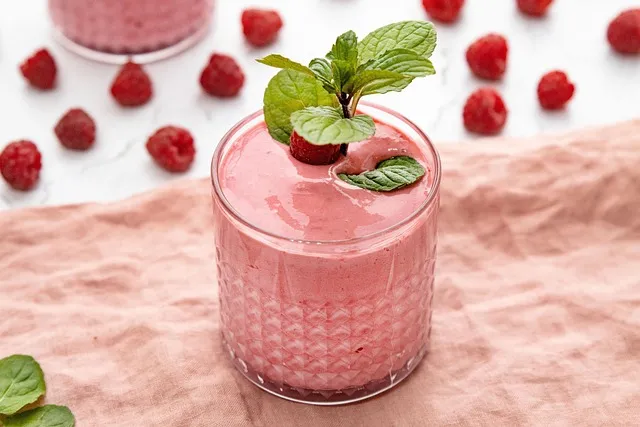
1 banana + 1 cup mango + 1/2 cup pineapple + 1 cup orange juice + “superfood powder” = approximately 90 grams of sugar, 3 grams of protein, 2 grams of fat, and 600 calories from sugar.
This is not a health food. It is a dessert with better marketing. The glycemic response — the blood glucose spike — from this “smoothie” is similar to drinking several cans of soda in rapid succession. The tropical fruits are high-sugar, high-fructose foods; the orange juice provides liquid sugar without fiber; the banana adds additional sugar and starch with minimal fiber benefit in blended form (blending disrupts the intact cell walls that slow glucose absorption from whole fruit).
The superfood powder — typically a blend of spirulina, wheatgrass, and adaptogens — provides minimal actual nutrition relative to its marketing cost and provides negligible amounts of any specific beneficial compound relative to what the label implies. Most superfood powders provide 200-400mg of their featured compounds per serving — useful for the lab certificate but not clinically meaningful doses.
The caloric architecture of the typical health smoothie is problematic: high caloric density (300-700 calories), almost entirely from liquid sugar, with negligible protein, fat, or fiber. The result is a beverage that the satiety system doesn’t recognize as a meal — liquid calories bypass normal satiety signaling — leaving you hungry within 60-90 minutes despite having consumed substantial calories.
The Functional Smoothie Template
- Greek yogurt (full-fat or 2%): 170g provides 17g protein, probiotic cultures, calcium
- Cottage cheese: 1/2 cup provides 14g protein with a creamy texture
- Protein powder: whey isolate, pea protein, or hemp protein — 25-30g of protein per scoop
- Silken tofu: 1/2 cup provides 8g protein with neutral flavor and creamy texture
- Hemp seeds: 3 tablespoons provide 10g protein with all essential amino acids and omega-3s
The functional smoothie template is built on five core elements, each serving a specific nutritional purpose. Master the template, then customize endlessly within it.
Element 1: Protein (25-40g)
Protein is the non-negotiable foundation of a functional smoothie. It’s what distinguishes a meal from a beverage. Sources:
For most smoothies, combining Greek yogurt (17g) plus hemp seeds (10g) provides 27g of protein — adequate for a meal without protein powder. When using protein powder, use it to boost a base that already contains some whole food protein rather than relying on powder exclusively.
Element 2: Fat (15-25g)
Dietary fat in a smoothie serves three functions: it slows glucose absorption (reducing the glycemic response), it improves the absorption of fat-soluble nutrients (particularly the fat-soluble vitamins and polyphenols in vegetables and fruits), and it provides sustained energy that prevents the 90-minute hunger return typical of protein-poor, fat-free smoothies. Sources:
- Nut butters (almond, cashew, sunflower seed): 1-2 tablespoons, 9-16g fat
- Avocado: 1/4 to 1/2 avocado, 5-12g fat, plus 4-6g fiber and potassium
- MCT oil: 1 tablespoon, 14g fat, with ketogenic properties (see MCT oil article)
- Full-fat coconut milk: 1/4 cup, 12g fat, creaminess
- Flaxseed (ground): 1-2 tablespoons, 4-6g fat including omega-3 ALA, plus lignans and fiber
- Walnuts: small handful, omega-3 ALA and vitamin E
Element 3: Greens (1-2 cups)
Leafy greens are the nutrient density powerhouse of the functional smoothie. Properly handled, they’re invisible in flavor (especially in a well-flavored smoothie) and provide enormous micronutrient return. Sources:
- Baby spinach: mildest flavor, highest practicality. 2 cups: 80mg magnesium, 580mcg vitamin K, 140mcg folate, 2g protein
- Kale: more nutrient-dense than spinach, slightly more bitter. 1 cup: 90mg vitamin C, 100mcg vitamin K, 2g protein
- Swiss chard: rich in magnesium and potassium, mild flavor when blended
- Romaine: extremely mild, high vitamin K and folate
- Frozen cauliflower: neutral flavor, adds creaminess and fiber without a strong vegetable taste
The trick for green-averse people: start with 1 cup of baby spinach. In a smoothie with adequate fruit flavoring, spinach is genuinely undetectable. Over weeks, increase to 2 cups. The green color is not avoidable, but the flavor essentially is.
Element 4: Low-Sugar Fruit (1/2 to 1 cup)
This is where the template diverges most dramatically from conventional smoothie recipes. Fruit is used here as flavoring rather than the primary ingredient — 1/2 to 1 cup rather than 2-3 cups.
Best choices by glycemic load and polyphenol density:
- Frozen berries (blueberries, raspberries, blackberries, strawberries): lowest sugar, highest polyphenol content of any fruit. 1/2 cup delivers 2-5g sugar with 100-150mg anthocyanins.
- Cherries (frozen): anti-inflammatory anthocyanins and melatonin precursors
- Green apple (1/4): quercetin, pectin fiber, modest sugar
- Kiwi: vitamin C, serotonin precursors, digestive enzymes (actinidin)
Use less ripe banana (greenish, not spotted) and in small amounts (1/4 banana) when needed for creaminess and sweetness. Avoid high-fructose fruits (mango, pineapple, watermelon) as primary ingredients — use them only in tablespoon quantities for flavoring.
Element 5: Functional Additions (1-2 targeted add-ins)
This is the category that justifies calling it a “functional” smoothie — targeted additions of compounds with specific physiological effects:
- Ground flaxseed: ALA omega-3s, lignans (phytoestrogens with hormonal balancing effects), soluble fiber
- Chia seeds: ALA, soluble fiber that gels and slows digestion
- Turmeric (1/2 tsp) with black pepper pinch: curcumin for anti-inflammatory effects (needs fat in the smoothie for absorption)
- Ginger (1/2 inch fresh or 1/4 tsp powdered): gingerols for anti-nausea and gut motility
- Cinnamon (1/2 tsp): cinnamaldehyde for insulin sensitization
- Cacao powder (1 tbsp): flavanols for cardiovascular and cognitive benefits
- Collagen peptides (1 tbsp): additional glycine and proline for gut and joint support
- Spirulina (1 tsp): concentrated chlorophyll and protein — use carefully as it strongly affects flavor
The liquid base: unsweetened almond milk, oat milk (check for added sugar), full-fat coconut milk, kefir (adds probiotics), or simply water. Not juice. The liquid base is not a caloric or nutritional contributor — it’s a texture adjuster. Keep it from adding sugar.
The Smoothie Template in Practice: 8 Complete Recipes
Recipe 1: The Anti-Inflammatory Classic
1 cup baby spinach, 1/2 cup frozen blueberries, 1 tbsp ground flaxseed, 170g Greek yogurt, 1 tbsp almond butter, 1/4 tsp turmeric, pinch black pepper, 3/4 cup unsweetened almond milk. Blend until smooth.
Nutrition: ~320 calories, 24g protein, 16g fat, 22g carbs (8g sugar, 6g fiber)
Recipe 2: The Post-Workout Recovery Smoothie
2 cups baby spinach, 1/2 cup frozen cherries, 1/4 cup frozen blueberries, 1 scoop vanilla whey isolate (25g protein), 1 tbsp hemp seeds, 1 tbsp MCT oil, 1 cup coconut water (electrolytes), 1/2 cup water. Blend until smooth.
Nutrition: ~380 calories, 32g protein, 18g fat, 26g carbs (16g sugar from coconut water and cherries, 4g fiber)
Recipe 3: The Fat-Burning Fasted Smoothie (minimal sugar)
1.5 cups baby spinach, 1/2 cup frozen raspberries (lowest sugar berry), 1/4 avocado, 1 tbsp MCT oil, 170g full-fat Greek yogurt, 1/4 tsp cinnamon, 3/4 cup unsweetened almond milk. Blend until smooth.
Nutrition: ~340 calories, 20g protein, 24g fat, 15g carbs (4g sugar, 8g fiber)
Recipe 4: The Brain-Boosting Morning Smoothie
1 cup kale (stripped from stems), 1/2 cup frozen blueberries, 1/4 cup walnuts (omega-3s for brain), 1 tbsp cacao powder (flavanols), 1 scoop protein powder or 1/2 cup cottage cheese, 1 tsp ground coffee or cold brew (caffeine + chlorogenic acids), 3/4 cup unsweetened almond milk. Blend thoroughly.
Nutrition: ~380 calories, 28g protein, 20g fat, 24g carbs (8g sugar, 6g fiber)
Recipe 5: The Gut-Healing Green Smoothie
1.5 cups baby spinach, 1/2 cup kefir (live probiotics), 1/2 cup frozen mango (small amount for flavor), 1 tbsp ground flaxseed (fiber + ALA), 1 tbsp collagen peptides, 1 tsp ginger, 1 tbsp hemp seeds, 1/2 cup water. Blend until smooth.
Nutrition: ~280 calories, 22g protein, 12g fat, 24g carbs (14g sugar, 5g fiber)
Recipe 6: The Hormone-Support Smoothie (women’s health focus)
1 cup spinach, 1 tbsp ground flaxseed (lignans for estrogen metabolism), 1 tbsp hemp seeds (GLA and omega-3), 1/4 avocado, 1/2 cup frozen berries, 170g Greek yogurt, 1/4 tsp cinnamon, pinch turmeric and pepper, 3/4 cup almond milk. Blend until smooth.
Nutrition: ~320 calories, 22g protein, 20g fat, 18g carbs (6g sugar, 8g fiber)
Recipe 7: The Maximum Nutrient Density Smoothie
2 cups baby spinach, 1/2 cup frozen blueberries, 1/4 cup frozen cauliflower, 1 scoop vanilla protein powder, 1 tbsp ground flaxseed, 1 tbsp chia seeds, 1 tsp spirulina (start very small — strong flavor), 1/4 tsp turmeric, pinch black pepper, 1 tsp fresh ginger, 3/4 cup unsweetened almond milk. Blend very thoroughly.
Nutrition: ~350 calories, 32g protein, 14g fat, 26g carbs (6g sugar, 10g fiber). The highest micronutrient density recipe in this list.
Recipe 8: The Simple Weekday Standard
1 cup baby spinach, 1/2 cup frozen berries (any), 170g Greek yogurt, 1 tbsp almond butter, 1 tbsp ground flaxseed, 3/4 cup unsweetened almond milk. Five ingredients, three minutes, done.
Nutrition: ~300 calories, 22g protein, 15g fat, 22g carbs (8g sugar, 5g fiber)
The Smoothie Template: Why Each Element Matters
Understanding the why behind the template allows customizing it intelligently rather than following recipes mechanically.
- Why protein is non-negotiable: Without protein, a smoothie is a beverage. With protein, it’s a meal. The satiety difference between a 20g-protein smoothie and a 5g-protein smoothie is measurable, physiologically real, and determines whether hunger returns by 10 AM or function holds until lunch. The research on protein and satiety is unambiguous — protein activates gut hormone release (GLP-1, PYY) that signals fullness to the brain more potently than any other macronutrient.
- Why fat improves nutrition: The polyphenols in berries, the curcumin in turmeric, and the fat-soluble vitamins (A, D, E, K) in leafy greens are all fat-soluble — they require dietary fat for absorption. A fat-free green smoothie absorbs dramatically less of its nutrients than one containing healthy fats. This is particularly relevant for the anti-inflammatory polyphenols that are the functional point of the greens and berries: they need the fat to get where they’re going.
- Why fiber matters more than people think: Blending destroys the intact cell walls of whole fruit that slow glucose absorption. This is why blended banana has a higher effective glycemic index than whole banana — the physical structure that moderates digestion is disrupted. Adding back fiber through flaxseed, chia, and avocado partially compensates for this effect. The soluble fiber in chia and flaxseed forms a gel that slows gastric emptying and glucose absorption, moderating the glycemic response of even relatively high-sugar smoothies.
- Why low-sugar fruit preserves the benefit: The polyphenols in berries are concentrated in the pigments — the blue in blueberries (anthocyanins), the red in raspberries (ellagitannins), the dark purple in blackberries (cyanidin-3-glucoside). These are the compounds with the strongest evidence for cardiovascular, cognitive, and anti-inflammatory effects. High-sugar tropical fruits (mango, pineapple) provide less of these specific polyphenols per gram of sugar. Choosing berries over tropical fruits maximizes the polyphenol-to-sugar ratio — a critical optimization for anyone using smoothies as a health vehicle rather than a dessert substitute.
Common Smoothie Mistakes and How to Fix Them
Beyond the basic template errors (too much fruit, no protein, no fat), here are the specific mistakes that make smoothies less functional than they could be.
- Mistake 1: Using protein powder as the only protein source. Protein powders provide protein but miss the whole-food co-nutrients of dairy sources (calcium, probiotics from yogurt, choline from eggs) and plant sources (omega-3s from hemp, fiber from seeds). Use protein powder as an amplifier — adding to a base that already contains whole food protein — rather than as the only protein source.
- Mistake 2: Using flavored or sweetened protein powders. Many protein powders contain artificial sweeteners (sucralose, acesulfame potassium) that may disrupt the gut microbiome (Suez 2014 in Nature found sucralose changed microbiome composition in ways that impaired glucose tolerance). Choose unsweetened or stevia-sweetened powders. Read ingredient lists — “0 sugar” products are sometimes heavily sweetened with sucralose.
- Mistake 3: Ignoring the oxidation window. The nutrients in leafy greens and berries oxidize over time once blended. A smoothie is most nutritious when consumed immediately after blending. Making smoothies the night before for the next morning means a portion of the polyphenols and vitamins have oxidized. If batch prepping, store immediately in airtight containers (mason jars, filled to the brim to minimize air contact) and consume within 24 hours.
- Mistake 4: Over-blending. Extended blending generates heat from friction. At sufficient heat (above 50-60°C), heat-sensitive vitamins (vitamin C, B vitamins, some polyphenols) begin to degrade. Most high-powered blenders can heat a smoothie during extended runs. Blend for 60-90 seconds — enough to fully break down ingredients — not for 3-4 minutes.
- Mistake 5: Treating smoothies as a daily requirement. Smoothies are convenient, nutrient-dense, and effective for specific goals (post-workout recovery, greens delivery, fasted mornings). They’re not superior to whole food meals in satiety (liquid versus solid food), digestive engagement (blending pre-processes what digestion would do), or social pleasure. Use smoothies where they serve your life — typically mornings and post-exercise — not as a replacement for all meals on the theory that more nutrition processing is better.
Functional Smoothie Guide: Your Questions Answered About Functional Smoothies
Q: Should I eat a smoothie or drink it?
A: Research on eating pace and satiety suggests that chewing is involved in satiety signaling in ways that drinking is not. Some practitioners recommend “eating” smoothies — holding each sip in the mouth briefly to engage salivary enzymes and slow down consumption — rather than quickly drinking them. Whether this meaningfully affects satiety versus protein and fiber content is debated. The practical answer: don’t chug a smoothie. Consume it at a reasonable pace over 10-15 minutes. This gives gut hormone release time to register before the entire volume is gone.
Q: Are smoothies good for weight loss?
A: Functional smoothies (with adequate protein, fat, and fiber) can support weight loss by providing a satisfying, nutrient-dense meal with controlled caloric density. The typical sugar-bomb smoothie actively impairs weight loss by delivering excess calories with poor satiety. The version in this article — 280-380 calories with 20-32g protein and substantial fat and fiber — is a legitimate weight management meal, particularly for people who find high-protein whole food breakfasts difficult to prepare in the morning.
Q: How do I make smoothies taste better without adding sugar?
A: The flavor upgrade without sugar: use vanilla extract (1/4 tsp) for sweetness perception, frozen banana in small amounts (the cold temperature and sweetness reads as more intense when frozen), ripe fresh fruit rather than under-ripe, high-quality nut butter (the fat and flavor carry the smoothie significantly), cinnamon (creates sweetness perception), and choose protein powders with good flavor profiles. Most importantly: high-quality frozen berries taste significantly better than cheap, freezer-burned ones. The fruit quality determines the smoothie quality at a fundamental level.
Q: Can I use a regular blender instead of a high-powered one?
A: Yes, with adjustments. Regular blenders don’t fully break down kale, whole flaxseeds, or nuts. Use baby spinach instead of kale (much softer), ground flaxseed instead of whole, and nut butter instead of whole nuts. Pre-blend greens with the liquid base before adding frozen ingredients. A regular blender can produce functional smoothies; it just requires adapting to its limitations.
Q: What’s the environmental cost of daily smoothies?
A: Frozen berries have a significantly lower carbon footprint than fresh out-of-season berries transported long distances. Greek yogurt and protein powder have different footprints depending on sourcing. The most environmentally conscious functional smoothie uses seasonal fruit (fresh in summer, frozen off-season), local dairy when available, and plant-based protein sources that have lower land and water use than dairy proteins. This is worth considering as part of the overall food choices picture, even if it’s not the primary optimization for most people.
Priya’s Revised Morning
Priya dusted off the blender in April, having found the functional smoothie template in a nutrition article. She made Recipe 1 — the anti-inflammatory classic — with baby spinach, frozen blueberries, Greek yogurt, almond butter, flaxseed, turmeric, and almond milk. She was skeptical of the color (green-purple, not exactly appetizing). She drank it in 12 minutes while reading the news.
She wasn’t hungry until 1 PM. This had never happened before. Her previous smoothies left her famished by 10. She made the same smoothie the next day, and the day after that. By the end of the month, she had three or four rotating recipes she alternated through. The blender was no longer a reminder of failed health intentions. It was a useful tool doing a specific job efficiently.
The functional smoothie isn’t a revelation. It’s just the application of basic nutrition principles — protein, fat, fiber, polyphenols, low-glycemic-load fruit — to a convenient delivery format. The blender is the vehicle. The template is the map. The destination is a breakfast that fuels the morning rather than derailing it.
Three minutes. Twenty-four grams of protein. Six grams of fiber. A cup and a half of greens. One hundred and fifty milligrams of anthocyanins. The anti-inflammatory compounds of turmeric. The omega-3 fatty acids of flaxseed. All in a glass, consumed before the day begins. Scaled up across years, this is what functional nutrition actually looks like — not the dramatic interventions and expensive protocols, but the consistent, modest, evidence-based daily choices that accumulate into the health outcomes that matter.
The Green Powder Trap
Before leaving the smoothie topic, it’s worth addressing the billion-dollar “green powder” supplement category — products like AG1 (Athletic Greens), Organifi, and dozens of similar formulations that promise to replace vegetables in a single scoop.
These products are marketed aggressively, often through podcast sponsorships and “functional health” influencer partnerships. They’re presented as a daily nutritional foundation — one scoop covers greens, adaptogens, probiotics, enzymes, and assorted superfoods in a convenient powder. They typically cost $80-150 per month.
The honest assessment: green powder supplements contain a wide variety of plant extracts, vitamins, and probiotics, but at doses that are almost universally sub-therapeutic for specific clinical benefits. When a product contains 47 different ingredients in a 12-gram serving, the average amount per ingredient is 250mg. For most botanical compounds, 250mg is insufficient for any documented clinical effect.
The combination of many marginal-dose compounds in one product creates the impression of comprehensiveness without the substance of efficacy.
Compare this to putting 2 cups of fresh baby spinach into a functional smoothie. Two cups of spinach provides approximately 2mg of iron, 80mg magnesium, 580mcg vitamin K, 140mcg folate, and dozens of polyphenols in their whole-food, bioavailable matrix. This cannot be replicated with 50mg of spinach powder — the mathematics of food processing don’t permit it. The physical bulk of the fresh vegetable is part of what makes it nutritionally valuable (fiber content, water content, intact cell structure).
For a person who doesn’t eat vegetables and won’t eat them, a greens powder beats nothing. For someone willing to put 2 cups of spinach in a smoothie — which can’t be tasted — the smoothie beats the powder in every nutritional metric while costing a fraction of the price. The most expensive greens powder costs $5 per day. The spinach for a smoothie costs $0.30.
The smoothie template in this article is, in other words, the answer to the greens powder question. Putting real greens into a real smoothie with real protein and fat is the high-value version of what green powder supplements approximate at high cost and low effectiveness.
Smoothie Timing for Specific Goals
When a smoothie gets consumed matters as much as what goes into it for specific functional goals.
For post-exercise recovery: The post-workout window benefits from rapid-absorbing protein and carbohydrates to replenish muscle glycogen and initiate muscle protein synthesis. A smoothie with whey protein (fast-absorbing), banana or coconut water (fast carbohydrates), and berries (polyphenols to reduce exercise-induced inflammation) is physiologically appropriate within 30-60 minutes of training. The liquid format is advantageous here — faster absorption than solid food when recovery speed matters.
For fasted mornings and cognitive focus: For intermittent fasting with the benefits of greens and some light nutrition during the fast window, a smoothie with minimal carbohydrates (heavy on greens and fat, minimal fruit) provides micronutrients while minimally disrupting the fasted state. The fat and protein cause some insulin release but far less than a carbohydrate-heavy smoothie. Some practitioners consume a “fat smoothie” — just MCT oil, collagen, and leafy greens in water — that is close enough to fasting to preserve most of the metabolic benefits.
For pre-sleep recovery: A casein-protein smoothie (slow-digesting) consumed 45-60 minutes before sleep supports overnight muscle protein synthesis. Tart cherry (melatonin and anthocyanins) in a late smoothie may improve sleep quality. The fat from nut butter slows absorption further, creating a sustained overnight amino acid release. Keep carbohydrates low in a pre-sleep smoothie to avoid disrupting blood glucose during sleep.
For general daily nutrition: The smoothie as a weekday breakfast or lunch replacement works best when consumed at a consistent time, built to a consistent template that meets daily protein and fiber targets for that meal, and eaten (not chugged) at a reasonable pace. Consistency in the template allows tracking its nutritional contribution reliably and adjusting other meals accordingly.
The Science of Blending vs. Eating Whole Foods
A persistent question in functional nutrition circles: does blending food reduce its nutritional value compared to eating it whole? The research on this is detailed and worth addressing directly.
Fiber: Blending does not destroy dietary fiber — the fiber molecules remain intact. However, blending disrupts the physical structure of plant cell walls, releasing the fiber from its matrix in a way that may affect how it moderates glucose absorption. A smoothie with 6g of fiber may have a higher glycemic response than whole food with 6g of fiber because the physical barrier to digestion has been mechanically reduced. This is why adding back fiber (flaxseed, chia) to a smoothie that already contains fruit matters — it rebuilds some of the structural resistance that blending removed.
Enzymes: Some raw fruits and vegetables contain digestive enzymes (papain in papaya, bromelain in pineapple, actinidin in kiwi) that degrade when heated or blended at high speed. The research on whether these enzymes survive blending and have any clinically relevant effect on human digestion is limited. The practical impact is likely small for most people.
Oxidation: As noted above, blending exposes previously protected cellular components to oxygen, initiating oxidation reactions. Some vitamins (C, E) and polyphenols degrade when exposed to air for extended periods after blending. This is the strongest argument for drinking smoothies immediately after making them rather than storing them. If storage is unavoidable, fill the container completely (minimizing air space), seal tightly, and consume within 12-18 hours.
Protein denaturation: Protein molecules are denatured (their structure is disrupted) by heat and mechanical force. Blending doesn’t generate enough heat to meaningfully denature protein in most circumstances. Protein denaturation doesn’t reduce nutritional value anyway — denatured proteins are often more easily digested than native proteins because the unfolded structure is more accessible to digestive enzymes.
Overall verdict: The nutritional value difference between a smoothie and the equivalent whole foods consumed directly is modest — certainly not large enough to negate the smoothie’s convenience advantage when that convenience means 2 cups of greens and 28g of protein actually get consumed at breakfast rather than skipped entirely. The optimal choice is the whole food meal that actually gets eaten, not the theoretical nutritional maximum that never makes it to the table.
Special Populations: Adjusting the Template
The standard functional smoothie template works for most healthy adults, but specific populations benefit from targeted modifications.
Athletes in high-volume training: Increase carbohydrate content post-workout (add half a banana, a tablespoon of honey, or coconut water). Protein climbs into the 35-45g range in this version, usually by pairing protein powder with yogurt or cottage cheese. Creatine is flavorless, which is why a post-workout smoothie is such a common vehicle for it in the sports nutrition literature. Time consumption within 30-60 minutes of training completion for maximum recovery benefit.
Older adults (60+) focusing on muscle preservation: Emphasize leucine-rich protein sources — whey protein has the highest leucine content of any common protein and is the best choice for the muscle protein synthesis signal in the aging body. The muscle protein synthesis signal blunts with age, so this version of the template leans heavier on protein than the baseline one does. Add vitamin D3 drops (especially in winter months when sun exposure is limited) to a fat-containing smoothie for optimal absorption. Include magnesium-rich ingredients (spinach, hemp seeds) to support the neuromuscular function that’s most at risk with aging.
People managing type 2 diabetes or pre-diabetes: Minimize fruit to 1/4-1/2 cup of low-sugar berries. Maximize protein (30-40g). Use a significant fat component (avocado, nut butter) to further blunt glycemic response. Consider a tablespoon of apple cider vinegar in the smoothie — research shows it reduces postprandial blood glucose response when consumed with a meal. Use a continuous glucose monitor or standard glucose test strip 90 minutes after a new smoothie recipe to confirm glycemic response is acceptable.
Pregnant or breastfeeding women: Focus on choline (if not eating eggs separately) through the addition of collagen peptides and select protein powders formulated for pregnancy. Avoid large amounts of spirulina, high-dose herbs, and adaptogens — many herbal compounds have insufficient safety data for pregnancy. Increase folate through leafy greens. The functional smoothie is an excellent vehicle for micronutrient delivery during pregnancy when appetite may be variable.
The template is a starting structure. Adjust it for specific biology, goals, and health context. The five elements (protein, fat, greens, low-sugar fruit, functional additions) remain the framework; the specific ingredients within each category flex to match individual needs. This flexibility is what makes the template genuinely functional rather than just a recipe — it adapts to the person rather than requiring the person to adapt to it.
Batch Ingredient Prep: The Two-Minute Morning
The best smoothie preparation system is one that reduces the morning decision-making to near zero. Waking up at 6:30 AM needing to blend and leave by 7:15 is not the moment for measuring flaxseed and portioning nut butter. Everything should already be ready.
The Sunday prep approach: spend 20 minutes creating smoothie packs. Portion frozen greens, frozen berries, and dry ingredients (flaxseed, chia, hemp seeds, protein powder if using) into individual freezer bags or mason jars. Seven bags takes 15-20 minutes. Each morning, dump one bag into the blender, add the liquid base, add yogurt or nut butter from the fridge, and blend. Total morning time: under 3 minutes.
Keep these stocked consistently: frozen spinach and frozen berries in the freezer (always available, no spoilage), Greek yogurt and almond butter in the fridge, a bag of ground flaxseed and chia seeds in the pantry, a bottle of unsweetened almond milk. With these five items consistently stocked, a functional smoothie is always available without planning. The system runs on autopilot.
The functional smoothie, ultimately, is a compressed nutrition delivery system optimized for convenience without sacrificing quality. It’s not the pinnacle of culinary experience. It’s not the most socially enjoyable way to eat. It is, however, one of the most efficient tools available for consistently delivering protein, healthy fats, micronutrients, and anti-inflammatory compounds in the first meal of the day — at a cost and time investment lower than almost any comparable whole-food approach. A valuable tool in a demanding life, used correctly.
The Practical Framework: Applying Functional Smoothie Guide In Real Life
Evidence-Based Healthy Smoothie Recommendations
Men come to this topic having already consumed the surface-level information — the blog posts, the podcast clips, the social media summaries — wanting to know what actually works when the marketing and the wishful thinking get stripped away. The answer is almost always the same: it depends on the individual’s specific starting point, specific biology, and willingness to measure rather than guess.
The research reflects this — effect sizes in studies of functional smoothie guide vary enormously based on participant characteristics, baseline health status, and concurrent interventions. Universal recommendations offered without knowing individual context are selling simplicity at the expense of accuracy.
The remaining twenty percent — supplements, advanced protocols, biohacking interventions — only becomes meaningful once the fundamentals are genuinely dialed in.
This identity shift is what the discipline library and learning paths are designed to facilitate.
For a personalized starting point, one of the interactive assessment tools is the place to start. They identify specific gaps and point toward the most relevant content for a given situation. For the broader evidence base behind everything discussed here, the complete topic directory covers the rest.
References
Editorial StandardsCorrectionsMedical DisclaimerAbout Our ContentAffiliate DisclosureSite Map