

And yet most mornings she felt behind before she’d even started.
Her physician mentioned autogenic training almost as an afterthought — heard about it from a colleague in integrative medicine, brought it up offhandedly at the end of an appointment. Maria, trained in pharmacology, went home and looked it up properly. What she found: a technique developed by a German neurologist in the 1920s, studied across thousands of clinical subjects over a century, an evidence base spanning anxiety, hypertension, psychosomatic disorders, performance enhancement. No side effects. No cost. No prescription. She found it strange, genuinely strange, that she’d never once heard of it.
Six weeks later her resting heart rate had dropped seven beats per minute. Sleep latency — how long it took her to fall asleep — had dropped from a chronic 40-plus minutes to under fifteen. Her husband, home for a weekend, asked if she’d started some new medication. She hadn’t. She was practicing autogenic training twice daily, eleven minutes a session. The intervention her physician had mentioned almost apologetically had done what nothing else had managed.
THE HISTORY AND DEVELOPMENT OF AUTOGENIC TRAINING
Autogenic training (AT) was developed by Johannes Heinrich Schultz, a German neurologist and psychiatrist, and formally described in his 1932 book “Das Autogene Training.” Schultz had been influenced by the work of Oskar Vogt, a neurologist who studied self-hypnosis and observed that his subjects — who practiced inducing states of mental and physical relaxation — showed significant reductions in fatigue, tension, and psychosomatic symptoms.
Schultz wanted something more systematic. A teachable method for self-regulation of physiological states, grounded in physiology rather than suggestion, usable independently without a hypnotist standing over you.
What he built was a series of six standard formulas — verbal phrases directing attention to specific physiological experiences — practiced in sequence while resting comfortably. The formulas: heaviness (the limbs feel heavy), warmth (the limbs feel warm), cardiac regulation (the heart beats calmly and regularly), breathing (breathing is calm and regular), solar plexus warmth (the abdomen is warm), and forehead cooling (the forehead is cool and clear).
Each formula gets repeated mentally for 60-90 seconds, attention directed to the specified bodily experience, the physiological response allowed to arise on its own rather than forced.
None of this is arbitrary. Heaviness corresponds to reduced skeletal muscle tone — the actual feeling of muscular relaxation as proprioceptive tension signals drop. Warmth corresponds to peripheral vasodilation — increased blood flow to the extremities as sympathetic vasoconstriction eases off. Heaviness and warmth together are the physiological signature of the parasympathetic state — the same state every effective relaxation technique is chasing, one way or another.
By directing attention to these specific sensations and cultivating them through voluntary attention, AT trains voluntary access to the parasympathetic nervous system through an interoceptive attention pathway.
THE PHYSIOLOGICAL MECHANISMS: HOW AT WORKS
The physiological changes produced by autogenic training have been documented through multiple measurement modalities. Skin temperature during AT sessions consistently rises 1-3°C in the hands and feet — direct evidence of peripheral vasodilation and reduced sympathetic vasoconstriction. EMG measurements show reductions in muscular electrical activity consistent with the reported heaviness. Heart rate slows. Respiratory rate decreases. Heart rate variability increases. All markers of parasympathetic shift.
The cortisol response is well documented. A 2006 study by Kanji and colleagues, published in Complementary Therapies in Medicine, measured salivary cortisol before and after 8-week AT programs in healthcare workers and found significant cortisol reductions (average 19%) alongside significant improvements in self-reported anxiety and sleep quality. The reductions held at 4-week follow-up — suggesting lasting HPA axis effects, not just an acute relaxation response that fades the moment the session ends.
The brain mechanisms behind AT are less thoroughly mapped than those for mindfulness meditation, but the EEG evidence is consistent: shifts toward alpha-wave and theta-wave dominance during AT sessions, patterns consistent with deep relaxation and hypnagogic states. A 2017 study by Watanabe and colleagues used fMRI to examine brain activity during AT in experienced practitioners and found decreased amygdala and anterior insula activity (threat and arousal regions) alongside increased anterior cingulate cortex activity (a regulatory region).
Less aroused and more regulated at the same time. That’s the pattern. The physiological signature of parasympathetic dominance, visible at the neural level.
The specificity of AT’s effects may be mediated by interoceptive attention — the brain’s processing of signals from the body’s interior. By directing deliberate attention to warmth and heaviness, states associated with safety and parasympathetic activation, AT may engage interoceptive pathways that feed back to the autonomic regulatory centers in the brainstem and hypothalamus, amplifying the very states it’s designed to notice.
Which would explain why AT tends to produce larger, faster physiological effects than plain relaxation without a specific somatic focus.
THE EVIDENCE BASE: ANXIETY, STRESS, AND PSYCHOSOMATIC DISORDERS
Autogenic training has accumulated one of the broadest clinical evidence bases of any mind-body technique in existence, spanning over nine decades of research.
A comprehensive 2002 meta-analysis by Stetter and Kupper in Applied Psychophysiology and Biofeedback — still the largest systematic review of AT — examined 60 studies across 19 clinical conditions and found significant, consistent effects across anxiety (effect size d = 0.58), depression (d = 0.44), psychosomatic disorders including functional cardiovascular complaints, irritable bowel syndrome, and tension headache (d = 0.49-0.65), sleep disorders (d = 0.52), and performance enhancement in athletes and students (d = 0.38-0.48).
That breadth is unusual. AT appears to help across a wider range of conditions than most specific interventions manage, which suggests its physiological targets — autonomic regulation, cortisol modulation, peripheral blood flow — sit underneath pathological processes across a diverse array of conditions. This transdiagnostic efficacy fits AT’s fundamental mechanism: restoring autonomic balance where chronic sympathetic dominance is driving pathology across multiple organ systems at once.
For anxiety disorders specifically, a 2014 RCT by Kanji and colleagues randomized 40 patients with generalized anxiety disorder to AT or progressive muscle relaxation over 8 weeks. Both groups showed significant anxiety reductions, AT producing comparable results to PMR on the primary outcome (Hamilton Anxiety Scale) while showing advantages on secondary measures of sleep quality and somatic symptom burden.
The physiological specificity of AT — its direct targeting of the peripheral vascular and muscular components of the stress response — appears to give it a particular edge for anxiety with prominent somatic symptoms.
CARDIOVASCULAR APPLICATIONS: BLOOD PRESSURE AND HEART DISEASE
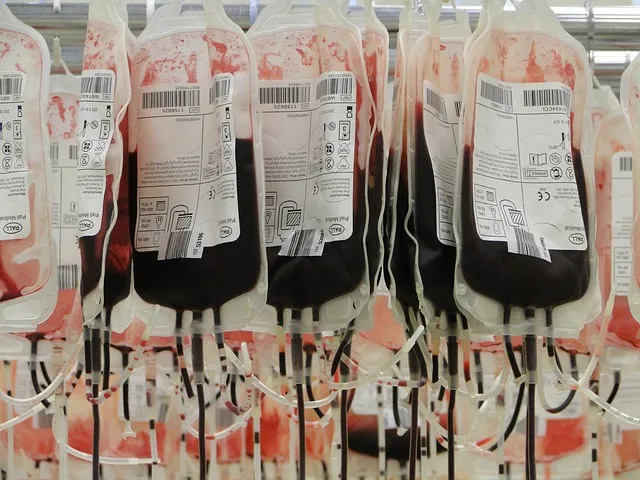
A 2001 study by Kluemper and Carruth, published in Occupational Health Nursing, examined AT in hypertensive healthcare workers and found mean systolic blood pressure reductions of 11.3 mmHg and diastolic reductions of 6.8 mmHg after 8 weeks of AT practice — clinically significant, comparable to low-dose antihypertensive monotherapy.
The mechanism here is unusually well characterized compared to other relaxation techniques. The warmth formula specifically trains peripheral vasodilation — reducing the sympathetic vasoconstriction in peripheral arteries and arterioles that drives essential hypertension in many patients.
By repeatedly inducing and reinforcing vasodilation, AT may produce lasting changes in sympathetic vasomotor tone that outlast the formal practice sessions themselves — analogous to the lasting cardiovascular adaptations of regular aerobic exercise, but through a neurological rather than mechanical pathway.
Cardiac rehabilitation applications for AT date back to the 1970s. A 1980 study by Luthe and Schultz examining AT in post-myocardial infarction patients found significant reductions in cardiac arrhythmia frequency, blood pressure, and anxiety compared to standard cardiac rehab. Subsequent research has used AT in heart failure management, finding improvements in quality of life, exercise tolerance, and sympathovagal balance.
The cardiac formula — “my heart beats calmly and regularly” — directly addresses the cardiac hyperreactivity that characterizes anxiety-related cardiac disease, and AT’s broader autonomic balancing produces heart rate variability improvements that are independently predictive of better cardiac outcomes.
“Autogenic training is perhaps the most thoroughly studied self-regulation technique in the Western medical literature, yet it remains largely unknown to the physicians who could best use it. This is not a failure of evidence — it is a failure of medical education.” — Dr. Kai Kermani, author of “Autogenic Training: The Effective Holistic Way to Stop Stress,” 1996.
SLEEP AND INSOMNIA: THE HEAVINESS-WARMTH PATHWAY TO REST
The connection between AT and sleep runs deep, because the physiological states AT induces — peripheral warmth, muscular heaviness, slow breathing, cardiac calm — are precisely the states associated with sleep onset. Core body temperature drops at sleep onset as blood flow redistributes to the periphery; the extremities warm as peripheral blood flow rises and core temperature falls.
Which is why warm baths before bed help — they accelerate the same peripheral vasodilation that’s part of natural sleep-onset physiology. AT’s warmth formula produces the same effect through voluntary attention rather than a thermal stimulus.
A 2015 systematic review by Nakamura and colleagues examining AT specifically for insomnia found significant improvements in sleep onset latency (averaging 12 minutes faster), wake time after sleep onset, and subjective sleep quality across 11 studies. Effect sizes were moderate (d ≈ 0.5) and consistent across populations that included both primary insomnia and insomnia secondary to anxiety, depression, and chronic pain.
The sleep benefits seem strongest in insomnia characterized by physiological hyperarousal — racing heart, temperature dysregulation, muscle tension at bedtime — rather than purely cognitive arousal (rumination without much somatic component), where CBT-I tends to perform better.
A practical advantage worth flagging: AT’s standard practice position — lying down, comfortable, eyes closed — is identical to the sleep-initiation position. Unlike PMR, which involves active tension-release cycles that can be arousing, or mindfulness meditation, which demands active attentional management, AT’s passivity — simply letting warmth and heaviness arise through directed attention — sits naturally alongside the passive letting-go that sleep requires.
Plenty of insomnia patients fall asleep mid-session. That’s therapeutically fine. A sign the technique is working, not a sign of insufficient diligence.
PERFORMANCE ENHANCEMENT: AT IN SPORTS AND HIGH-STAKES PROFESSIONS
Autogenic training has a well-documented history in elite sports and high-performance professional settings, particularly in German-speaking Europe, where its clinical tradition runs deepest. German and Swiss Olympic programs used AT extensively through the 1970s and 80s, and it’s still embedded in some national sports science programs as a standard part of psychological performance prep.
The performance application extends Schultz’s standard six formulas with “intentional formulas” — positive self-statements tied to the individual’s performance goals, introduced once the physiological formulas have established the parasympathetically dominant state. The theory: positive messages delivered to a relaxed, receptive nervous system integrate more effectively than the same messages delivered during ordinary waking arousal.
Conceptually close to hypnotic suggestion in hypnotherapy, minus the dependency on an external hypnotist. AT stays self-directed throughout.
Research on AT in sports performance has documented improvements in motor skill acquisition, reaction time, fine motor precision under pressure, recovery from injuries and heavy training loads, and pre-competition anxiety management.
A 1990 study by Nideffer examined AT in competitive shooters and found significant improvements in shooting accuracy under pressure compared to control groups, alongside improved heart rate stability during shooting — evidence that AT’s cardiac regulation effects directly improve performance in precision sports where cardiovascular arousal wrecks motor control.
In medical education — another high-performance domain with real psychological demands — AT has been studied for managing procedural anxiety, exam stress, and the chronic occupational stress of medical training. A 2019 study by Koehl and colleagues examined AT in medical students during clinical rotations and found significant improvements in state anxiety, performance self-efficacy, and objective performance on clinical skills assessments compared to a waiting-list control.
The benefit for clinical performance — not just subjective anxiety but objective technical skill in high-stakes simulated patient encounters — matters specifically for a profession where performance anxiety touches patient safety directly.
THE ADVANCED FORMULAS: BEYOND THE STANDARD SIX

Practitioners learn formulas for gastric motility (relevant to irritable bowel syndrome), cardiac rhythm stability (relevant to arrhythmia and cardiac neurosis), and respiratory regularity (relevant to asthma and hyperventilation syndrome). The clinical research here, smaller than the standard-formula literature, suggests practitioners who reach this level of physiological self-regulation get substantially larger effects on organ-specific symptoms than those using the standard formulas alone.
The advanced level — “autogenic neutralization” and “autogenic meditation” — moves into territory that overlaps with psychotherapy and contemplative practice. Autogenic neutralization lets whatever psychological material arises during deep AT states get expressed and processed without deliberate direction — a structured way of allowing unconscious material to surface in a physiologically calm, regulated state.
Luthe documented that this process, used therapeutically, could process traumatic material difficult to access in ordinary waking states — an application that conceptually anticipates contemporary trauma treatments like EMDR and somatic experiencing, which also work through altered physiological states to reach and process psychological material.
History Development Autogenic: Your Questions Answered ABOUT AUTOGENIC TRAINING
How long does it take to learn autogenic training?
The standard learning curve runs three to four months of daily practice to get reliable voluntary induction of the warmth and heaviness responses. Most practitioners notice heaviness within the first one to two weeks; warmth typically develops over weeks two to four with consistent daily practice.
The cardiac, respiratory, solar plexus, and forehead formulas get introduced progressively over weeks two to eight — usually one new formula every one to two weeks, once the preceding one is established. Learning from a trained instructor, individually or in group classes, accelerates acquisition and corrects the early errors (forcing the sensations instead of allowing them) that slow everyone down. Self-directed learning from books is possible. Just less efficient.
How does autogenic training differ from self-hypnosis?
The distinction mattered a great deal to AT’s developers and is somewhat blurred in practice. Self-hypnosis typically involves an induction procedure (progressive relaxation, counting down, visual imagery) meant to produce a “hypnotic state,” followed by suggestion delivery. Schultz specifically designed AT to be non-suggestive — the formulas describe physiological states (“my arms feel heavy and warm”) rather than suggesting the practitioner will feel a certain way.
AT assumes directing attention to a physiological experience allows its natural development; hypnosis assumes suggestion can create the experience outright. In practice both techniques produce broadly similar physiological states and lean on both mechanisms to some degree — though AT’s emphasis on physiological specificity (actual warmth and heaviness, not imagined) makes its outcomes more objectively measurable.
Is autogenic training effective for IBS and functional gastrointestinal disorders?
The evidence is modest but consistently positive. AT’s effects on the autonomic nervous system target the dysregulated gut-brain axis underlying functional GI disorders directly — increased parasympathetic tone improves gut motility and reduces the visceral hypersensitivity that characterizes IBS. Several studies have found significant improvements in IBS symptom severity, bowel frequency, and quality of life following AT programs, effect sizes in the moderate range.
AT appears particularly effective for IBS-D (diarrhea-predominant), where sympathetic hyperactivation speeds up colonic transit, and for functional dyspepsia, where autonomic dysregulation delays gastric emptying and produces hypersensitivity to gastric distension. The solar plexus warmth formula — targeting the epigastric and upper abdominal region specifically — may add a focused mechanism on top of the general autonomic effects of the other formulas.
Can autogenic training help with migraine prevention?
Yes — one of AT’s better-supported clinical applications. A 2007 meta-analysis by Nestoriuc and Martin in Cephalalgia examined relaxation-based interventions for migraine and found AT produced significant reductions in migraine frequency (average 45% reduction), duration, and severity — effects comparable to the preventive pharmacological options typically prescribed, minus the side effects. The mechanism runs through AT’s normalization of peripheral vascular reactivity.
Migraine involves abnormal vasomotor reactivity — the cortical spreading depression that initiates migraine is preceded by vascular changes, and the pain phase involves marked vasodilation of meningeal vessels. AT’s warmth formula, by training voluntary peripheral vasodilation, appears to reduce the vasomotor instability that predisposes to migraine initiation.
Does autogenic training work for menopause-related hot flashes?
The evidence here is genuinely interesting. Hot flashes — the sudden vasodilation events that produce heat, sweating, and anxiety in perimenopausal and postmenopausal women — are essentially episodes of peripheral vasodilation triggered by hypothalamic thermoregulatory dysfunction. AT’s warmth formula specifically trains voluntary peripheral vasodilation, and some practitioners have found it paradoxically reduces hot flash frequency and severity — possibly by improving the voluntary regulation of peripheral vascular tone that lowers the threshold for these dysregulation events.
A 2012 RCT by Wyatt and colleagues found AT practice significantly reduced hot flash frequency and severity in breast cancer survivors (who cannot use hormonal therapy), effects maintained at 3-month follow-up. Larger trials in menopausal populations specifically are still needed, but the preliminary evidence and theoretical rationale both support further investigation of AT as a non-hormonal hot flash management strategy.
THE RESEARCH LANDSCAPE: METHODOLOGICAL STRENGTHS AND LIMITATIONS
The AT research literature spans over 90 years and includes controlled trials, cohort studies, case series, and one of the largest single meta-analyses in the mind-body medicine literature. Its methodological strengths are considerable: well-validated outcome measures, physiological as well as self-report assessments, and follow-up periods long enough to assess lasting effects. The Stetter and Kupper meta-analysis’s 60 studies across 19 conditions represent an unusual scope of evidence for any behavioral intervention.
The limitations deserve equal airtime. Many older studies lack adequate control conditions — comparisons often run against waitlist rather than active comparators, making it hard to isolate AT’s specific effects from the general non-specific effects of attention, expectation, and therapeutic contact. Standardization of AT protocols across studies is imperfect — session length, instructor training level, formula sequence, follow-up frequency all vary considerably.
A large body of German-language research forms much of AT’s historical base and is less accessible to English-language systematic reviewers, which means some meta-analyses may underestimate the evidence by excluding unpublished or non-English studies.
Recent decades have seen improved methodological quality — larger samples, randomized designs, active control conditions, validated outcome measures becoming standard.
The clinical evidence base as it stands is sufficient to recommend AT as a first-line or adjunctive treatment for anxiety disorders, hypertension, insomnia, migraine, and psychosomatic disorders in clinical guidelines — and indeed AT is included in clinical guidelines for these conditions in Germany and other central European countries where its clinical tradition is strongest, though it’s less systematically adopted in English-speaking medical systems.
LEARNING AUTOGENIC TRAINING: A PRACTICAL GUIDE

Position matters more in AT than in most meditation techniques.
The three standard positions: supine on a firm surface, arms slightly separated from the body, legs uncrossed (the most effective for complete muscular unloading); the “coachman position” — seated upright but slightly hunched forward, head hanging loosely, arms resting on thighs — which works in any chair without needing a surface to lie on; and a fully supported sitting position in a reclining chair, which many practitioners find optimal for daytime practice.
Common thread across all three: complete bilateral symmetry, no postural effort, every joint resting, every muscle unloaded as much as possible.
Eyes closed. A brief preparatory settling phase of 30-60 seconds lets ordinary mental activity quiet before the formulas begin. Each formula gets delivered as a slow, passive mental repetition — not forceful affirmation, gentle noticing. “My right arm is heavy. My right arm is heavy. My right arm is heavy and warm.” Then the left arm, the right leg, the left leg, both arms, both legs, shoulders and neck.
The experience of heaviness typically starts as a subtle pulling sensation in the forearm or calf — easy to miss at first, unmistakable after practice. Warmth typically begins as a tingling in the fingertips or a subtle flushing in the palm.
Interruptions to the developing state — intrusive thoughts, outside sounds, physical discomfort — get treated like interruptions in any meditation practice: noticed without frustration, allowed to pass, attention returned to the formula without self-criticism. The key error to avoid is trying to force the sensations. AT is fundamentally passive — the physiological responses arise naturally when attention is directed appropriately, and effort to make them happen interferes with the process rather than speeding it up.
That passivity is its own practice. The willingness to direct attention to an experience and wait for it to arrive, rather than forcing or controlling the outcome, is both the skill and the lesson of autogenic training.
Maria, the pharmaceutical researcher from the opening, eventually trained formally in AT and added it to the wellness programs she helped design for colleagues in high-stress research positions.
She discovered, in the process, that the most resistant adopters were people like her former self: scientifically sophisticated, evidence-oriented, and therefore particularly surprised to find that something so apparently simple — lying still, directing attention to warmth and heaviness — could produce changes in cortisol, heart rate, and sleep architecture as well-documented as many of the compounds she’d studied for a living. The evidence was there.
It was the willingness to be a practitioner rather than a researcher that had taken the longest to develop.
AUTOGENIC TRAINING AND THE NERVOUS SYSTEM: POLYVAGAL PERSPECTIVES
Stephen Porges’ Polyvagal Theory offers a useful contemporary framework for understanding why AT’s specific physiological targets produce such broad clinical benefits. Porges’ hierarchy — ventral vagal (safe, social), sympathetic (mobilized, threatened), dorsal vagal (shutdown, overwhelmed) — maps directly onto AT’s physiological effects. The warmth and heaviness formulas produce vasodilation and muscular unloading that are physiological markers of the ventral vagal state: the body in safety, resources available for growth and connection rather than defense and damage control.
When the nervous system is in chronic sympathetic dominance — as it was for Maria, and for a substantial share of the modern adult population managing chronic stress, anxiety, or pain — its regulatory flexibility takes a hit. Transitions between states get sluggish and distorted: the system overreacts to minor stressors, under-recovers between challenges, loses the fluid adaptability of healthy autonomic function.
AT’s repeated induction of the ventral vagal state trains the nervous system’s regulatory circuits, improving the flexibility and speed of state transitions in both directions — easier access to calm when needed, but preserved capacity for vigorous sympathetic activation when genuinely warranted.
The cardiac formula — “my heart beats calmly and regularly” — is particularly interesting in Polyvagal terms. Heart rate variability, the beat-to-beat variation that indexes autonomic flexibility, is regulated partly by the vagal brake: the moment-to-moment modulation of vagal tone that allows rapid heart rate changes in response to environmental demands.
AT’s cardiac formula appears to train awareness of cardiac rhythmicity in a way that strengthens the voluntary component of vagal cardiac control — practitioners develop an unusual degree of awareness of, and to some extent voluntary influence over, their cardiac rhythm that most people never develop. The clinical consequence: the heart rate stability under stress that AT research consistently documents in performance applications.
COMPARATIVE ANALYSIS: AUTOGENIC TRAINING VERSUS PROGRESSIVE MUSCLE RELAXATION
Autogenic training and progressive muscle relaxation are the two most established, evidence-supported self-regulation relaxation techniques in Western clinical practice, and they’re frequently compared. Both produce reliable autonomic relaxation responses, both have broad clinical evidence across anxiety, pain, hypertension, and insomnia, both are teachable skills rather than passive interventions. Their differences are mechanistic and practical.
PMR is active: deliberate muscular tension-release cycles that produce the relaxation response through post-contraction inhibition and kinesthetic contrast. AT is passive: attentional direction to naturally arising physiological states, no deliberate physical action. That distinction has real consequences. PMR is generally more accessible to beginners because the tension phase creates a clear, unmistakable somatic experience from the first session; AT requires a learning period before heaviness and warmth become reliably perceptible.
But AT applies more broadly to populations with physical limitations (chronic pain, recent surgery, severe cardiovascular disease) because it requires no muscular effort. It also offers a richer somatic vocabulary — warmth, cardiac calm, respiratory regularity, abdominal warmth — that makes it more versatile beyond muscular tension specifically.
For most healthy adults, the optimal approach is learning both and applying them selectively: PMR when the primary need is rapid muscular tension reduction (post-work unwinding, pre-sleep body quieting, tension headache management), AT when the need is deeper physiological recalibration across multiple systems (chronic anxiety management, sustained cardiovascular benefit, performance preparation).
Both address the same fundamental problem — chronic sympathetic dominance — through different routes, and combining them may produce synergistic rather than merely additive benefits for practitioners who build competence in both.
CULTURAL AND INTERNATIONAL CONTEXTS
AT’s relatively limited adoption in English-speaking countries stands in sharp contrast to its status in German-speaking Europe, Japan, and parts of Scandinavia, where it’s integrated into standard medical practice and health insurance reimbursement systems. In Germany, AT is formally recognized by the national health insurance system (GKV) as a reimbursable preventive intervention, with group AT courses offered by health insurance funds at minimal patient cost.
In Japan, a modified form of AT developed by Ikemi and colleagues in the 1960s is widely used in corporate wellness programs and medical settings. In Switzerland and Austria, AT is routinely taught in psychosomatic medicine and pain management programs.
Which raises a fair question: is the English-speaking world’s relative ignorance of AT a reflection of its evidence base, or of something else? The evidence base isn’t the limiting factor — as the Stetter and Kupper meta-analysis shows, it’s among the most extensive for any mind-body technique.
The limiting factors look cultural and economic. AT lacks the commercial infrastructure — apps, branded programs, celebrity associations — that drove mindfulness and yoga adoption in English-speaking markets. It requires sustained commitment to a learning process before benefits become reliable, which conflicts with the immediate-results expectation of wellness consumers. And it lacks advocates in medical education who’d introduce it to the clinicians best positioned to deploy it.
These are addressable barriers. The technique itself is in the public domain, requires minimal resources, and produces benefits that justify the time investment to learn it. Why something this effective and this well-studied remains so little known is worth asking — not as a complaint, but as a practical observation that should push both patients and clinicians to look past the familiar names in wellness for interventions whose evidence predates their current cultural invisibility.
ADDITIONAL CLINICAL APPLICATIONS: BEYOND THE CORE INDICATIONS
Research on autogenic training keeps expanding into new clinical territory. For type 2 diabetes management, AT’s cortisol-reducing effects produce meaningful improvements in insulin sensitivity — cortisol is diabetogenic, and reducing it through regular AT practice addresses one of the primary stress-related drivers of glycemic dysregulation.
A 2014 study by Nickel and colleagues found that 12 weeks of AT practice in type 2 diabetes patients produced significant HbA1c reductions and improvements in self-care behaviors — suggesting both direct physiological and indirect behavioral mechanisms at play.
For irritable bowel syndrome, AT’s effects on the enteric nervous system through vagal activation address the gut-brain dysregulation underlying this common condition. The enteric nervous system — sometimes called the “second brain” for its 100 million neurons and semi-autonomous function — is bidirectionally connected to the central nervous system via the vagus nerve, and the dysregulated gut motility, visceral hypersensitivity, and pain of IBS are substantially driven by central and autonomic nervous system dysfunction.
AT’s restoration of autonomic balance directly improves enteric nervous system regulation, and multiple small trials have documented significant IBS symptom improvements following AT programs.
In gerontological medicine, AT offers an underexplored tool for the multiple age-related conditions driven by autonomic deterioration. HRV declines with age as vagal tone decreases, and this autonomic aging contributes to cardiovascular disease risk, cognitive decline, immune senescence, and sleep deterioration in older adults. AT’s demonstrated effects on vagal tone and HRV suggest regular practice could slow at least some components of autonomic aging, with cascading benefits across the cardiovascular, cognitive, and immune systems simultaneously.
Long-term cohort studies comparing health outcomes in elderly AT practitioners versus matched non-practitioners are still missing — a meaningful research gap given the potential magnitude of benefit in the most vulnerable population.
What all these applications share is the fundamental mechanism Schultz identified a century ago: chronic sympathetic dominance is pathological across a wide range of conditions, the body has a natural parasympathetic counterbalancing capacity, and that capacity can be trained through systematic interoceptive attention practice. Autogenic training is the systematic development of that capacity through the oldest training principle in human learning: directed attention, practice, feedback from the body itself. The technique is old. The evidence is extensive.
The application is immediate and personal. That combination — ancient wisdom, modern validation, practical accessibility — is rare in medicine. Worth knowing about.
References
Editorial StandardsCorrectionsMedical DisclaimerAbout Our ContentAffiliate DisclosureSite Map