

The CDC named community water fluoridation one of the ten great public health achievements of the 20th century.
By 2024, a federal judge in San Francisco had ordered the EPA to take regulatory action on fluoride, based on a court finding that community water fluoridation poses an unreasonable risk of neurodevelopmental harm to children.
That ruling drew on a 2020 systematic review by the National Toxicology Program finding “moderate confidence” that fluoride exposure is associated with lower IQ scores in children at levels above 1.5 mg/L — higher than the US recommended level of 0.7 mg/L, but lower than levels in some communities with naturally high fluoride.
Few topics in public health generate more heat with less detailed understanding. On one side, major health organizations — WHO, CDC, ADA, AMA — endorse community water fluoridation as safe and effective at current doses. On the other, a growing constituency ranging from serious health-conscious researchers to conspiracy theorists wants fluoride out of the water entirely. The scientific truth, as it usually is when everyone’s fighting loudly, sits somewhere more complicated than either camp fully admits.
And for anyone who wants to make an informed decision about removing fluoride from their personal water supply, the relevant questions are practical and specific.
What Fluoride Is and What It Does in the Body
Fluoride is an ionic form of fluorine, the most electronegative element on the periodic table. It occurs naturally in soil, water, air, most foods, at varying concentrations. The primary route of human exposure is ingestion — drinking water, food, and to a lesser extent, toothpaste.
Fluoride absorbs mainly from the gastrointestinal tract and distributes through the body with preferential accumulation in calcified tissues: teeth and bone, which hold roughly 99 percent of the body’s total fluoride stores.
Fluoride’s dental benefit works through two mechanisms. Systemic fluoride — ingested during tooth development — gets incorporated into developing tooth enamel’s crystalline structure as fluorapatite, which is harder and more acid-resistant than hydroxyapatite, the dominant mineral in unfluoridated enamel. That makes the tooth more resistant to demineralization by the lactic acid oral bacteria produce during carbohydrate fermentation — the primary mechanism behind cavity formation.
Topical fluoride — from fluoridated toothpaste, professional treatments, fluoride in drinking water contacting teeth directly — promotes remineralization of early demineralized, pre-cavity lesions and inhibits bacterial enzyme function. Combined, systemic and topical fluoride action have made water fluoridation one of the most cost-effective public health interventions ever implemented, with population-level caries reduction of 25 to 40 percent in most studies.
At high doses, fluoride causes well-characterized harm. Dental fluorosis — white spots, pitting, or brown staining on developing tooth enamel from fluoride exposure during tooth formation — occurs when children ingest excessive fluoride in their first 6 to 8 years.
Mild dental fluorosis (barely visible white streaks) is estimated to affect roughly 25 percent of American children on fluoridated water; moderate-to-severe fluorosis (real pitting, brown staining) is substantially rarer at current fluoridation levels, though more common before the recommended level dropped from 1.0 mg/L to 0.7 mg/L in 2015.
Skeletal fluorosis — bone thickening, joint pain, potential neurological compromise — shows up at chronic exposures well above 4 mg/L, and is primarily a concern in countries with extremely high natural groundwater fluoride. Not a concern within US fluoridation programs.
The Neurotoxicity Debate: What the Evidence Actually Shows
The central controversy right now: is fluoride neurotoxic at the exposures children in fluoridated communities actually experience? Legitimate scientific question. Fluoride crosses the blood-brain barrier and has been detected in brain tissue in animal studies. It affects thyroid function at high doses. Developmental neurotoxicity at doses lower than those causing overt toxicity is a recognized phenomenon across multiple chemicals — not unique to fluoride.
The question is whether the effect exists at 0.7 to 1.5 mg/L — the range relevant to US fluoridated drinking water.
The NTP systematic review, initiated 2020 and published in final form in 2024, is the most comprehensive synthesis of the epidemiological evidence available. It examined 72 studies of fluoride and neurodevelopment, mostly from areas with naturally high fluoride in China, India, and other countries where concentrations often exceed 2 mg/L. The reviewers found “moderate confidence” that higher fluoride exposure is associated with lower IQ scores in children, based on that body of evidence.
Here’s the critical limitation: most of those studies came from high-fluoride exposure areas, and the evidence specifically for effects at 0.7 to 1.5 mg/L runs thinner — the review found only “low confidence” for a neurotoxic effect below 1.5 mg/L.
The “Green et al.” study, published in JAMA Pediatrics in 2020, drew significant attention as a Canadian study examining fluoride effects at doses relevant to North American fluoridated water. It found a small but statistically significant association between higher maternal urinary fluoride during pregnancy and lower IQ in children, particularly boys. Methodologically more rigorous than many of the Chinese studies dominating the NTP review.
It’s also drawn criticism — fluoride exposure measurement in urine is subject to confounding, the IQ difference was small (averaging about 4 points), and the effect showed up primarily in boys, a sex-by-fluoride interaction lacking a clear biological explanation.
So the epidemiological evidence for neurotoxicity at US fluoridation levels lands here: concerning enough to warrant continued research, insufficient to establish causation at current levels, not so weak that dismissing it outright is justified either. An uncomfortable position for both sides. “Fluoride is completely safe” is less defensible than it was ten years ago, given the accumulating epidemiological signal.
“Fluoride is poisoning children” exceeds what the evidence at US exposure levels actually supports. Both positions, in the end, serve institutional interests more than they serve accuracy.
The Regulatory Landscape After the 2024 Ruling
The September 2024 federal district court ruling — Food and Water Watch v. EPA — ordered the EPA to regulate fluoride under the Toxic Substances Control Act (TSCA), based on the judge’s finding that plaintiffs had shown, by a preponderance of the evidence, that fluoride at current fluoridation levels poses an unreasonable risk of neurodevelopmental harm. A significant legal finding, with major potential public health implications.
The ruling doesn’t ban community water fluoridation — can’t, because it requires the EPA to take regulatory action, not halt fluoridation immediately. EPA rulemaking takes years, involves public comment, and will get appealed at every stage. Immediate practical impact on fluoridated water for most American consumers: zero.
The long-term impact — whether the EPA changes the recommended concentration, adds precautionary measures, or faces a drawn-out proceeding — genuinely remains uncertain.
Several communities and some states have already acted independently. Calgary, Canada, removed fluoride from its water in 2011 (and saw a subsequent rise in childhood caries rates sufficient to prompt reconsideration), as did several other Canadian cities. Utah became the first US state to ban community water fluoridation in 2025. These policy decisions reflect local political and public health values more than a definitive scientific resolution of the neurotoxicity question — which remains contested among researchers.
The WHO still recommends water fluoridation at levels not exceeding 1.5 mg/L. The US HHS guideline of 0.7 mg/L is the current standard, lower than WHO’s upper limit. The CDC continues to endorse community water fluoridation at the recommended level.
These positions reflect a judgment that dental caries reduction benefits outweigh the uncertain (at 0.7 mg/L) neurodevelopmental risks — a judgment reasonable public health professionals and policymakers can hold on the current evidence. The counter-position — that even uncertain risks at the population level, affecting 240 million Americans, are significant enough to warrant precaution — is also defensible.
Fluoride Removal Technologies: What Actually Works
Not all filtration removes fluoride. That’s the single most important practical fact in this section. Standard activated carbon filters — the most commonly used home filtration technology — do not effectively remove fluoride. Pitcher filters like standard Brita and Pur don’t remove fluoride. Refrigerator filters don’t. Carbon block filters don’t. Countertop carbon filters don’t.
Anyone using one of these under the assumption it’s protecting against fluoride: it isn’t.
Reverse osmosis is the most effective, most accessible fluoride removal technology for home settings. RO membranes reject roughly 85 to 95 percent of dissolved fluoride, taking typical tap water from 0.7 mg/L down to below 0.1 mg/L in most systems. Under-sink RO units certified to NSF/ANSI Standard 58 run $150 to $400, produce 50 to 100 gallons a day, and need membrane replacement every 2 to 5 years depending on source water quality.
RO is the most practical, cost-effective, and well-documented approach to residential fluoride removal.
Activated alumina is a fluoride-specific adsorbent with high selectivity for fluoride removal. In water treatment applications, it can bring fluoride down from high natural levels (>4 mg/L) to below 1 mg/L — its primary use in high-fluoride regions of India and Africa.
In point-of-use home cartridges, activated alumina can hit 90 to 95 percent fluoride removal under the right conditions — but performance degrades as the media saturates, and regeneration requires sodium hydroxide solution, impractical for most home users. Point-of-use activated alumina systems need careful monitoring of effluent fluoride levels to catch when the media’s exhausted.
Distillation removes fluoride effectively — evaporating and condensing water leaves virtually all dissolved solids, fluoride included, behind in the distillation vessel. Home distillers run $100 to $300, produce low-mineral water (similar to RO in that regard), and run energy-intensive and slow — typically 1 gallon per 5 to 6 hours. Regular cleaning is needed to prevent concentrated mineral buildup.
Practical for small volumes where high purity is the priority.
Water softeners (ion exchange for calcium and magnesium removal) don’t remove fluoride. Bone char — charcoal made from animal bones, containing hydroxyapatite that selectively adsorbs fluoride — shows up in some specialty filter products and has a legitimate evidence base for fluoride removal. Not widely available in US consumer products, and needs replacement when saturated, similar to activated alumina.
Fluoride Intake Sources Beyond Drinking Water
Understanding fluoride removal from drinking water requires understanding how much drinking water actually contributes to total fluoride exposure relative to other sources — removing it from drinking water matters more for people whose fluoride intake is dominated by water, and less for people whose exposure comes mostly from elsewhere.
Tea is the biggest dietary fluoride source beyond drinking water for regular drinkers. Tea plants (Camellia sinensis) are fluoride accumulators — they concentrate fluoride from soil and water into their leaves, older leaves carrying more than young ones. Black tea, using more mature leaves than green, typically runs 1 to 3 mg fluoride per 8-ounce cup, depending on brewing strength and water fluoride content.
Three to four cups of black tea a day can deliver as much fluoride as fluoridated drinking water. For regular tea drinkers, fluoride intake from tea may exceed intake from water, regardless of whether the water is fluoridated at all.
Processed foods and beverages made with fluoridated water carry fluoride that’s hard to quantify from labels. A 2004 survey of fluoride content in US foods found some processed foods reflecting the fluoridated water used in production. Chicken products mechanically processed from bones can run elevated fluoride from bone fragments. Grape juice and wine can carry elevated fluoride from fluoride-containing pesticide residues.
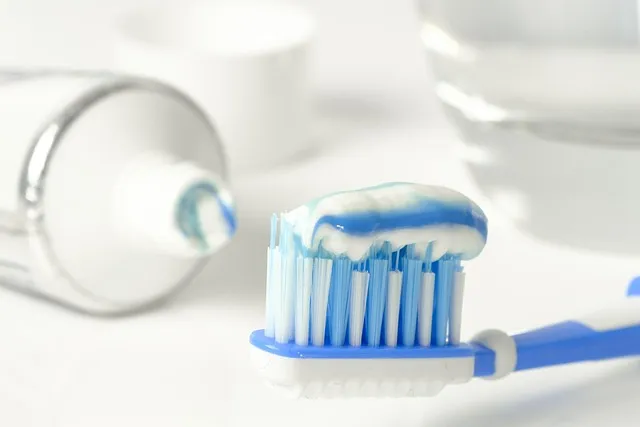
Toothpaste fluoride ingestion is the primary concern for young children who haven’t learned to spit reliably. The FDA requires toothpaste for kids under two to carry an accidental-ingestion warning. Children under six who swallow toothpaste while brushing can take in significant fluoride relative to their body weight. A pea-sized amount, supervised brushing, encouraged spitting — that reduces toothpaste ingestion to negligible levels in most kids.
Infant formula prepared with fluoridated water is a significant exposure source for formula-fed infants, who consume large volumes of water per kilogram of body weight. The American Dental Association’s guidance on infant formula and fluoride says that if dental fluorosis is a concern, formula can occasionally be prepared with low-fluoride water — most bottled or filtered water — but frames this as precautionary, not a statement that fluoridated water is unsafe for infants.
The updated ADA guidance doesn’t recommend systematically avoiding fluoridated water for formula, noting the dental protection benefit may outweigh the cosmetic fluorosis risk in most situations.
Who Might Have the Strongest Case for Removing Fluoride
Given the scientific uncertainty, who has the most defensible reason to remove fluoride from their water — and who’s making a choice more precautionary than the evidence strictly demands?
The strongest case applies to formula-fed infants in their first year of life. Infants consume the highest water volume per kilogram of body weight of any age group, and get their entire fluid intake from formula when exclusively formula-fed. The NTP’s stated concern about fluoride neurotoxicity is specifically about prenatal and early childhood exposure.
The dental benefit of fluoride intake for infants before teeth erupt is limited — fluoride ingested before tooth development provides little benefit — while the potential risk, if the neurodevelopmental signal holds at US exposure levels, is real. Using low-fluoride water (RO filtered or appropriate bottled water) for formula preparation is a low-cost precaution with no identified downside.
Pregnant women are a second group where precaution is defensible given the NTP findings. Green et al. found the effect during maternal pregnancy exposure, not just postnatal intake. If the association is real, reducing fluoride exposure during pregnancy could matter. Using RO filtered water for drinking and cooking during pregnancy is low-cost relative to the potential benefit, if the signal holds.
People with thyroid dysfunction may have specific reason to consider fluoride reduction. Fluoride interferes with thyroid iodine uptake at high concentrations, and some studies have linked fluoride exposure to elevated TSH (indicating reduced thyroid function) in populations with marginal iodine intake. The US population is generally iodine-sufficient, which reduces but doesn’t eliminate the concern.
Individuals with diagnosed hypothyroidism or thyroid autoimmunity, consuming iodine at the lower end of adequacy, may have reason to discuss fluoride reduction with their endocrinologist.
For healthy adults without specific vulnerabilities, the case for fluoride removal at US fluoridation levels is a precautionary choice grounded in scientific uncertainty rather than demonstrated harm. Legitimate personal choice — reasonable people can reasonably decide to reduce exposure to a chemical where the safety evidence carries genuine uncertainty. It isn’t supported by evidence of clear harm at current US levels.
Framing it as precautionary rather than defensive — “reducing an uncertain risk” rather than “protecting my family from poison” — is both more accurate and less anxiety-provoking.
The Dental Health Trade-Off: What You Give Up
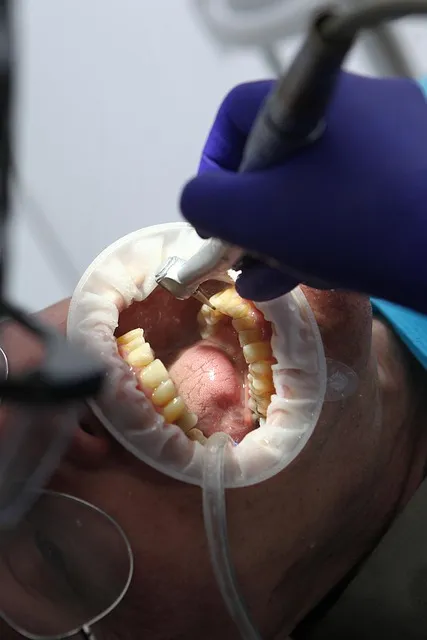
For anyone removing fluoride from their water, maintaining caries prevention requires alternative strategies. Fluoride toothpaste, used properly twice daily, provides topical benefit that partially substitutes for the systemic benefit lost from water. Professional fluoride treatments — varnish or gel from a dentist — provide high-dose topical fluoride several times a year. Dietary modifications, less sugar especially sticky and refined carbohydrates, reduce the substrate for cavity-forming acid production.
Xylitol gum or mints reduce the oral bacteria producing that acid. Together, these can substantially compensate for the loss of water fluoride, but they demand sustained adherence and don’t carry the effortless population-wide reach of water fluoridation.
For people with high caries risk — frequent cavities historically, dry mouth from medications or medical conditions, poor dental care access, diets with frequent sugar exposure — the dental cost of removing fluoride runs higher than for people with low baseline risk. Worth factoring into individualized decision-making, beyond the straightforward exposure-reduction calculation.
Fluoride Does Body: Your Questions Answered
Does a Brita or similar pitcher filter remove fluoride?
No. Standard activated carbon filters in pitcher filters, faucet filters, most refrigerator filters do not remove fluoride. It passes through carbon filter media essentially unchanged. For fluoride removal, reverse osmosis, activated alumina, distillation, or bone char filtration is needed — none of which are the standard filter types sold as pitcher or faucet filters. Verify a filter’s specific contaminant removal certification before assuming it handles this.
Is fluoride removal important for my baby’s formula?
The evidence suggests precautionary fluoride reduction for infant formula is reasonable and low-cost. Infants take in the highest fluoride dose per kilogram of any age group when formula’s prepared with fluoridated water, and the potential neurodevelopmental risk window identified in the NTP review overlaps with this exposure period. The ADA’s guidance acknowledges the concern while stopping short of a universal recommendation against fluoridated water.
Using RO filtered water or low-fluoride bottled water for formula preparation is a defensible precaution with no identified downside, and potentially meaningful risk reduction if the neurodevelopmental signal proves real at US exposure levels.
Can I taste fluoride in water?
No. Fluoride at community water fluoridation concentrations (0.7 mg/L) is tasteless, odorless, colorless. You can’t detect it by sensory evaluation — laboratory analysis is required. Relevant context for taste preferences: if you prefer the taste of spring or filtered water over tap, the preference is driven by chlorine taste, mineral content differences, or temperature — not fluoride detection. Fluoride has no perceptible sensory signature at drinking water concentrations.
What’s the difference between naturally occurring fluoride and added fluoride?
Chemically, sodium fluoride added in fluoridation programs and naturally occurring fluoride from geological dissolution are both fluoride ion (F⁻) in aqueous solution — the same chemical species, processed identically by the body. No meaningful biological distinction once they’re in dissolved ionic form. Some anti-fluoridation arguments emphasize that added fluoride is an “industrial byproduct” — referring to hexafluorosilicic acid used in some fluoridation systems — implying contamination.
The relevant question is the final water chemistry: fluoride ion at 0.7 mg/L, regardless of source, not the industrial precursor compounds used in dosing systems.
How much does a reverse osmosis system reduce fluoride?
Under-sink RO systems certified to NSF/ANSI Standard 58 typically reduce fluoride by 85 to 95 percent, bringing typical tap water from 0.7 mg/L down to below 0.1 mg/L. Actual removal efficiency varies by membrane type, source water temperature, and system operating pressure. Verify NSF 58 certification on any specific product, and check the system’s performance data sheet for fluoride removal efficiency. Membrane replacement on schedule (typically every 2 to 5 years) is necessary to maintain performance.
The fluoride debate is a microcosm of modern public health decision-making: a genuine scientific controversy with real uncertainty, institutional positions that have not moved as fast as the evidence, and a public discourse dominated by both excessive reassurance and excessive alarm. The honest position is that fluoride at 0.7 mg/L probably does some dental good, possibly carries some neurodevelopmental risk for infants and fetuses that the evidence suggests warrants precaution, and can be removed from drinking water by well-characterized affordable technology for people who prefer to reduce their exposure while the science continues to develop.
Naturally High Fluoride Areas: A Different Problem
The public health fluoride debate is mostly about deliberately added fluoride at 0.7 mg/L. A distinct but related problem: naturally occurring fluoride at concentrations far exceeding that level — a major public health issue in much of the world, and in some US aquifers where geological fluoride concentrations exceed 4 mg/L, the EPA’s MCL for naturally occurring fluoride.
Globally, high natural fluoride groundwater affects an estimated 200 million people across more than 25 countries, with the worst-affected populations in India, China, Ethiopia, Pakistan, the East African Rift Valley. Above 4 mg/L with chronic lifetime exposure, skeletal fluorosis — bone pain, joint stiffness, dental fluorosis, in severe cases spinal cord compression — is endemic.
At 6 to 10 mg/L, neurological effects including cognitive impairment, IQ reduction in children, motor coordination problems are well-documented and not scientifically contested in the way effects at 0.7 mg/L are. The WHO’s 4 mg/L guideline value marks the threshold above which skeletal fluorosis becomes a significant public health concern.
In the US, natural fluoride above the 4 mg/L MCL turns up in parts of Texas, Oklahoma, Idaho, the upper Midwest, where geological formations contribute fluoride to groundwater at levels requiring treatment before distribution. Utilities in these areas must treat water to bring fluoride below 4 mg/L.
Private well owners in high-fluoride geology are responsible for their own testing and treatment — the same technologies (RO, activated alumina, distillation) that remove artificially added fluoride also remove naturally occurring fluoride. Private well testing in high-fluoride regions should include fluoride measurement as a standard part of the baseline analysis.
The existence of genuine, well-documented fluoride toxicity at high natural concentrations sometimes gets invoked to support concerns about the much lower concentrations of added fluoride in US water. That extension requires careful logic — the dose-response relationship is fundamental to toxicology, and demonstrating harm at 6 mg/L doesn’t linearly predict harm at 0.7 mg/L in any simple way.
The NTP’s finding of neurodevelopmental effects above 1.5 mg/L represents the current best evidence for effects closer to the US fluoridation range, and the evidence below 1.5 mg/L remains limited and disputed. The high-natural-fluoride evidence is contextually informative, not directly applicable to the debate over US fluoridation levels.
The Public Health Equity Dimension

Community water fluoridation delivers its strongest comparative benefit precisely where individual alternative fluoride delivery — professional treatments, consistent fluoride toothpaste use, regular dental visits — is least accessible. The middle-class family with dental insurance and a pediatric dentist applying fluoride varnish twice a year loses relatively little from non-fluoridated water; they have alternative delivery mechanisms.
The low-income child without dental insurance, in a household where preventive visits are rare and the school-provided fluoridated tap water is the primary exposure, loses substantially more.
The policy implication: fluoridation decisions can’t be made on individual grounds alone. They require weighing population-level benefits and risks distributed unequally across socioeconomic groups. A wealthy person who installs an RO filter and drinks non-fluoridated water can simultaneously benefit from fluoridated public water’s dental protection — through topical contact via cooking, brushing, food preparation — while reducing their ingested dose.
A population-level decision to remove fluoridation on precautionary grounds affects the dental health of millions of children for whom community water fluoridation is the primary caries preventive measure, without proportionately affecting the children of families who can afford individual alternatives.
None of which means the precautionary principle should be dismissed. It means policy decisions about population-level interventions have to weigh all the evidence-based consequences — equity included — of removing an intervention whose disease-prevention burden falls disproportionately on vulnerable populations.
Individual choices about home water treatment happen in a different context, where the individual can maintain alternative fluoride sources while reducing ingested fluoride — which makes the cost-benefit calculation more favorable for personal precaution than for population-level removal.
The History of Water Fluoridation: Context for the Current Debate
The political and public health history of water fluoridation offers relevant context for why the debate generates such strong positions, and why institutional credibility is both central to and limited in resolving it. Water fluoridation got implemented at a time when public health interventions were frequently population-wide and paternalistic by contemporary standards — the regulatory process didn’t involve the public consultation, risk communication, or informed consent frameworks modern environmental health interventions employ.
Initial opposition to fluoridation in the 1950s and ’60s came from several sources: genuine scientific concern about an understudied additive, political libertarianism about government interference with individual choice, and — most visibly — conspiracy thinking that framed fluoridation as a Communist plot to weaken the American population.
That association with conspiracy theory has made subsequent legitimate scientific concern about fluoride’s effects hard to voice without getting lumped in with the paranoid fringe — which hasn’t served honest scientific discourse on the topic.
The modern scientific critique of fluoridation is categorically different from the mid-century political opposition. It’s grounded in accumulating epidemiological evidence from multiple independent research groups about neurodevelopmental effects at doses closer to the fluoridation range than previously studied — reviewed and partially validated by the National Toxicology Program, the US government’s own authoritative research body. The scientists raising concern about fluoride neurotoxicity include mainstream epidemiologists at Harvard, Michigan, and the NTP itself.
Treating this concern as equivalent to the 1950s Communist-plot framing is not honest engagement with the evidence.
The institutional response to the 2024 federal court ruling and the NTP findings has been slow to update official positions — reflecting both the genuine complexity of the evidence and the institutional inertia of large public health bureaucracies. The CDC, ADA, AAP have maintained their endorsement of water fluoridation at 0.7 mg/L while acknowledging the need for more research.
That “endorse while studying” position is defensible, if frustrating, for parents wanting clearer guidance for their specific children right now. Individual household decisions can’t wait for the decades-long process of evidence accumulation and institutional position-updating that characterizes major public health policy change.
Making an Informed Personal Choice
Pulling this article’s evidence together supports a tiered approach to fluoride and home water decisions, calibrated to actual risk profiles rather than blanket acceptance or blanket rejection. The key variables: who’s in the household, what the baseline fluoride exposure from water and other sources looks like, how much the decision matters given available alternatives.
For households with no infants, no pregnant members, no documented thyroid concerns: the evidence doesn’t establish harm from fluoridated water at 0.7 mg/L in healthy adults. The dental benefit is real and ongoing. Removing fluoride is a reasonable precautionary choice a person can make after understanding the evidence — but it isn’t urgently indicated by documented harm.
Maintain good dental hygiene, fluoride toothpaste included, regardless of the water fluoride decision — topical fluoride benefit is supported by strong evidence independent of the systemic debate.
For households expecting a baby or with children under 8: the precautionary case for reducing ingested fluoride — formula preparation especially — is stronger, given the NTP’s concerns about developmental exposure timing. An under-sink RO system at the kitchen tap for drinking and cooking water is a reasonable, evidence-consistent precaution. The cost is modest relative to the potential benefit if the neurodevelopmental signal proves real at US exposure levels.
This doesn’t require catastrophizing about existing exposure. It requires a forward-looking precautionary choice, made with the evidence available.
For anyone making this call: get specific. Find the actual fluoride level in your utility’s water from the Consumer Confidence Report (listed in the chemical parameters section). Assess total fluoride exposure across all sources — water, tea, processed foods, toothpaste (which shouldn’t be swallowed). Make a decision reflecting actual exposure and actual household risk profile, not a binary “fluoride is fine” or “fluoride is poison” framework.
The truth, as the evidence actually shows, is more specific and more detailed than either position.
The Practical Framework: Applying Fluoride Does Body In Real Life
References
Editorial StandardsCorrectionsMedical DisclaimerAbout Our ContentAffiliate DisclosureSite Map