
Derek had been doing 16:8 intermittent fasting for three months and was getting good results. But every morning, around 7am, he faced the same dilemma standing at his coffee machine: he wanted his coffee. He needed his coffee, if he was honest. But his fasting app said anything other than water broke the fast, and his colleague at work had told him black coffee was totally fine, and a YouTube video he’d watched insisted even black coffee spiked insulin and ruined everything.
So he went down the research rabbit hole. Four hours later, he’d read contradictory things in approximately twelve different forums, two of which cited actual studies and the rest of which cited each other. He was more confused than when he started. And he still hadn’t had his coffee.
This is the coffee-while-fasting question in microcosm: genuinely complicated biology, heavily distorted by the fasting community’s tendency toward absolutism, and made more confusing by the fact that the answer actually depends on what the fast is for.
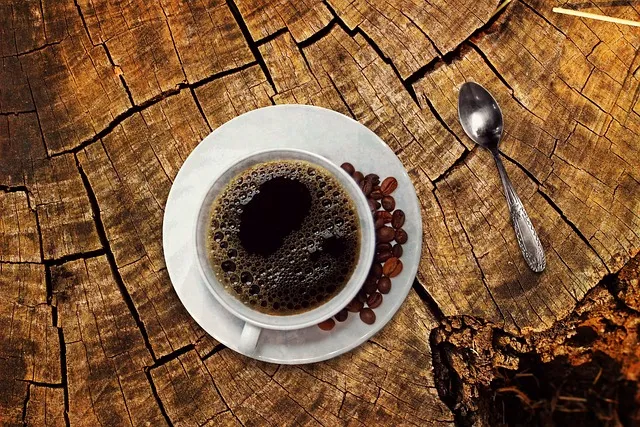
This guide works through all of it, covering the actual research on coffee and fasting, the specific mechanisms by which coffee interacts with the physiological state of fasting, the controversial questions (cream, does it really matter?), and a structured decision framework for figuring out what coffee protocol serves specific fasting goals.
The Calorie Question: Does Black Coffee Break a Fast?
Start with the simplest version of the question. Black coffee — no cream, no sugar, no sweeteners of any kind — contains approximately 2-5 calories per 8-ounce cup. This comes primarily from trace amounts of protein and very small quantities of carbohydrates from coffee solids. The glycemic load of black coffee is essentially zero. At 2-5 calories, it represents less than 0.1-0.25% of typical daily calorie needs.
From a caloric standpoint, black coffee during a fast is a non-issue. The 2-5 calories are metabolically insignificant. If the fasting goal is caloric restriction — simply eating less total food — black coffee has no meaningful impact.
The insulin question is slightly more complex. Caffeine has a mild direct effect on insulin sensitivity — it can slightly reduce cellular insulin sensitivity in some studies, though the effect is modest and temporary. The relevant question for fasting is whether black coffee raises insulin enough to interrupt the metabolic state of fasting. The answer is no, with nuance. Multiple studies, including work by Van Dam et al. in the European Journal of Clinical Nutrition, have measured postprandial insulin in response to coffee and found that black coffee does not produce meaningful insulin elevation in healthy adults. Insulin stays low and the body remains in the fasting metabolic state when black coffee is consumed.
This matters because insulin is the primary gatekeeper of fat burning. When insulin is elevated, the body prioritizes glucose utilization and suppresses lipolysis (the release of fatty acids from fat tissue). When insulin is low — as it is during fasting — fat burning runs uninhibited. Black coffee does not meaningfully raise insulin and therefore does not interrupt this fat-burning state.
Coffee and Autophagy: The Pietrocola Research
This is the finding that separates coffee from other substances commonly debated in the “does it break a fast?” conversation. A 2014 study by Pietrocola et al. published in Cell Cycle found that coffee — specifically caffeine — induces autophagy through a mechanism independent of caloric restriction.
The study used a variety of models (cell cultures, mice, and human data) to demonstrate that both caffeinated and decaffeinated coffee induced autophagic flux — the measurable process of autophagy — in cardiac muscle, liver, and skeletal muscle cells. The effect was observed even in the absence of nutrient deprivation, suggesting coffee compounds activate autophagy pathways through a distinct mechanism from simple starvation.
The primary mechanism appears to involve coffee’s inhibition of mTOR (mechanistic target of rapamycin) — the master nutrient-sensing kinase that suppresses autophagy when active. mTOR activation signals “nutrients are abundant, build and grow.” mTOR suppression signals “nutrients are scarce, recycle and repair.” Fasting suppresses mTOR through nutrient deprivation. Coffee, separately, appears to suppress mTOR through polyphenol-mediated mechanisms, potentially additive with the nutrient-deprivation signal of fasting.
The implication: coffee during a fast may actually enhance one of fasting’s primary cellular benefits rather than interrupting it. The opposite of the “coffee breaks your fast” narrative common in fasting communities, and it’s supported by direct experimental evidence.
Important caveats on the Pietrocola research: the study wasn’t designed as a human clinical trial on coffee combined with fasting specifically. The animal and cell culture results may not translate directly to the magnitude of effect in humans. The coffee doses used in some experimental conditions were higher than typical human consumption. But the mechanistic evidence that coffee enhances autophagy through mTOR suppression is solid and has been replicated in subsequent work.
A 2020 study by Paternain et al. in Nutrients further examined the coffee-autophagy relationship and found that chlorogenic acids — a family of polyphenols found in high concentrations in coffee — were significant contributors to autophagy induction, independent of caffeine. This suggests decaffeinated coffee may provide autophagy benefits similar to regular coffee for people sensitive to caffeine.
Coffee and Fat Oxidation: The Fat Burning Advantage
The effect of caffeine on fat oxidation is one of the better-documented findings in sports nutrition. Multiple meta-analyses have confirmed that caffeine supplementation (at doses equivalent to 1-3 cups of coffee) increases fat oxidation during moderate-intensity exercise by 10-30%. The mechanism involves caffeine’s inhibition of adenosine receptors, which indirectly increases catecholamine (epinephrine and norepinephrine) signaling, which directly promotes lipolysis — the breakdown of triglycerides into free fatty acids available for energy.
During fasting, the body is already in an elevated fat-oxidation state. Insulin is low, glycogen is partially or fully depleted (depending on fast duration), and the metabolic machinery is oriented toward fat burning. Coffee’s catecholamine-mediated lipolysis enhancement adds to this effect.
A 1985 study by Acheson et al. in the American Journal of Clinical Nutrition showed that caffeine increases metabolic rate by 3-11% over several hours, with the effect being greater in lean individuals and smaller in obese individuals. This thermogenic effect is modest but real, and combined with the metabolic state of fasting, it contributes to the energy expenditure advantage of fasted-with-coffee protocols.
The fat oxidation benefit of fasted coffee has practical implications for exercise. Multiple studies have found that caffeine consumed before fasted aerobic exercise increases the proportion of energy derived from fat, potentially sparing glycogen and enhancing endurance performance. Athletes and exercisers who train in the fasted state during IF protocols have good evidence for drinking black coffee before their fasted training sessions.
Coffee and Appetite Suppression During Fasting
One of the most practically useful effects of coffee during fasting is appetite suppression. The mechanism involves multiple pathways: caffeine’s adenosine antagonism reduces hunger signaling, coffee’s peptide YY (PYY) stimulation increases satiety hormone levels, and the thermal effect of hot liquid provides short-term stomach distension that reduces hunger sensations.
Research by Greenberg et al. in a 2014 review in Obesity Reviews confirmed that caffeine consumption reduces acute energy intake by suppressing appetite and increasing satiety. For people struggling with the hunger challenges of extended fasting windows, this is a meaningful practical benefit. Many intermittent fasting practitioners report that a single cup of black coffee in the mid-morning eliminates the hunger they would otherwise feel and makes the remaining fasting hours manageable.
The appetite suppression effect appears to be dose-dependent up to moderate caffeine intake (2-3 cups equivalent), after which additional coffee produces diminishing appetite suppression returns while increasing cortisol and anxiety side effects. The practical sweet spot for most people is 1-2 cups of black coffee spread across the fasting window, not 4-5 cups.
The Cortisol Problem: When Coffee Hurts Your Fast
- People with high chronic stress: Already elevated cortisol + fasting cortisol + caffeine cortisol = potential HPA axis dysregulation, anxiety, sleep disruption, and muscle catabolism. Stress levels already high (8+ out of 10) means morning fasted coffee may be making everything worse.
- People with anxiety disorders: Caffeine’s adenosine antagonism and catecholamine stimulation directly exacerbates anxiety. Fasted caffeine on an empty stomach produces faster absorption and a higher peak blood caffeine level than caffeine taken with food, intensifying the anxiogenic effect.
- Poor sleepers: Cortisol elevation from fasted morning coffee can disrupt the normal cortisol decline that facilitates sleep onset, particularly if coffee is consumed late in the morning (10am+). Caffeine’s half-life of 5-7 hours means 10am coffee is still 50% active at 3-5pm for most people.

Caffeine stimulates cortisol secretion. A well-established finding — a 1994 study by Lovallo et al. in Pharmacology Biochemistry and Behavior showed that caffeine consumption increases cortisol levels by 30-50% in men and women under controlled conditions. Subsequent research has confirmed this and added nuance: the cortisol response to caffeine is larger in (1) people who are caffeine-naïve or low-habitual caffeine consumers, (2) people under high baseline stress, and (3) people who consume caffeine in the morning when the cortisol awakening response is already peaking.
Fasting itself elevates cortisol — as discussed in the OMAD guide, cortisol is a key counter-regulatory hormone during fasting that drives gluconeogenesis to maintain blood glucose. Combining the cortisol-elevating effects of fasting with the cortisol-elevating effects of coffee stacks two sources of cortisol stimulus.
For the average healthy person, this combined cortisol elevation is manageable and temporary. The body’s cortisol response to caffeine adapts with regular consumption — habitual coffee drinkers show a significantly blunted cortisol response compared to non-habitual consumers. Regular coffee drinkers see a cortisol spike from morning coffee that’s substantially smaller than what a first-time or occasional drinker experiences.
But for specific populations, the combined cortisol loading of fasting plus morning coffee is genuinely problematic:
The practical solution for cortisol-sensitive individuals: delay morning coffee by 90-120 minutes after waking. The cortisol awakening response peaks in the first 20-30 minutes after waking and declines over the following 1-2 hours. Consuming caffeine during this natural cortisol peak amplifies the spike. Consuming it once the cortisol awakening response has started to decline produces less total cortisol elevation. Neuroscientist Andrew Huberman has popularized this 90-minute delay protocol, and while the direct research on its fasting-specific implications is limited, the basic cortisol-stacking logic is sound.
The Cream Debate: Does Adding Fat to Coffee Break a Fast?
This is one of the most contentious questions in the intermittent fasting community, and the answer depends entirely on which of fasting’s benefits is being optimized for.
The case for cream not “breaking” a fast: heavy cream (1-2 tablespoons, approximately 50-100 calories) contains essentially zero carbohydrates and zero protein. Its insulin response is minimal to nonexistent. It doesn’t disrupt ketosis for most people. It doesn’t disrupt the low-insulin metabolic state of fasting. If the primary goal is insulin management and fat burning, 50-100 calories of pure fat in coffee has a negligible effect on the relevant metabolic state.
The case against cream during fasting: even pure fat calories stimulate some digestive activity, activate some caloric sensing pathways, and technically constitute eating. From an autophagy perspective, the amino acid suppression of mTOR requires the absence of both glucose and amino acids, but fat’s effect on mTOR signaling is minimal. From a caloric restriction perspective, 50-100 calories is small but not zero. From a gut-rest perspective, any intake activates some degree of digestive processes.
The practical answer: the cream-in-coffee debate is less important than the fasting community makes it. 50-100 calories of fat in coffee is not going to meaningfully disrupt fat burning, insulin management, or autophagy for most people. Adding heavy cream to coffee while fasting, if it’s the difference between maintaining the fasting protocol and abandoning it, is worth doing.
The theoretical purity of absolute zero calorie intake during a fast abandoned at day two is worth less than a slightly impure fast sustained for months.
What definitely does break a fast: adding sugar. Even a single teaspoon of sugar (16 calories, 4 grams of carbohydrates) produces a meaningful insulin response. Flavored syrups, sweetened creamers, honey, and any form of added sugar in coffee definitively interrupts the insulin-lowering and fat-burning state of fasting. Not debatable — the insulin spike from even small amounts of sugar breaks the fasting metabolic state.
What about artificial sweeteners? The research is mixed and context-dependent. Sweeteners like stevia and monk fruit appear to have minimal insulin response in most people. Sucralose (Splenda) may produce a small insulin response in some individuals. The gut microbiome effects of artificial sweeteners during fasting are less studied. The conservative approach is to avoid sweeteners entirely during a fasting window, but the evidence that they meaningfully compromise fasting goals is limited.
The Bulletproof Coffee Question
Bulletproof coffee — black coffee blended with 1-2 tablespoons of butter (or ghee) and 1-2 tablespoons of MCT oil — became popular as a “fasting-compatible” breakfast replacement. The claim was that the combination of caffeine and fat maintained the metabolic benefits of fasting while providing enough calories to sustain energy levels and reduce hunger.
Let’s be honest about what bulletproof coffee actually is: a 400-600 calorie meal in liquid form. Not fasting. It doesn’t provide the caloric restriction benefits of fasting. Doesn’t provide the gut-rest benefits of fasting. Doesn’t replicate the hormonal milieu of an extended fast.
What it does provide: sustained fat-derived energy from MCT oil (which rapidly converts to ketones), caffeine’s cognitive benefits, appetite suppression from fat and caffeine combined, and the absence of carbohydrate-driven insulin spikes. For people transitioning to a fat-adapted metabolic state, it can be a useful tool. For people who find breakfast skipping difficult, it can bridge to a true fasting protocol.
But calling it “fasted” is marketing, not physiology. Starting a 16:8 eating window at 10am with bulletproof coffee is 16:8. Calling a 400-calorie butter-coffee breakfast “fasting” is using the word in a way that doesn’t match its metabolic meaning.
Coffee Types and Their Fasting Compatibility
Not all coffee is created equal when fasting, and the differences matter.
- Espresso: Highly concentrated, but in small volumes (30ml typical shot). 2-5 calories. Compatible with all fasting goals. The concentrated caffeine provides strong appetite suppression and cognitive benefit. Americano (espresso + water) extends the volume without adding calories.
- Cold brew concentrate: Typically higher caffeine than regular brewed coffee. Compatible with fasting when consumed black. Some commercial cold brews add sugar — check labels.
- Instant coffee: Acceptable. Most instant coffees are 2-5 calories per cup, black. The quality of polyphenols is lower than freshly brewed coffee, which may reduce the autophagy-enhancing effects slightly.
- Decaffeinated coffee: Contains all the polyphenols (chlorogenic acids) of regular coffee without caffeine. The autophagy-enhancing effects of coffee’s polyphenols are present in decaf. The appetite suppression and fat oxidation benefits of caffeine are reduced or absent. For people who are caffeine-sensitive or who fast in the evening, decaf provides the autophagy benefits with reduced cortisol and sleep disruption concerns.
- Lattes, cappuccinos, macchiatos: These contain milk, which contains lactose (carbohydrates) and protein — both of which stimulate insulin and break the fasting metabolic state. A typical latte (8oz milk + 1 shot espresso) contains approximately 8-12 grams of carbohydrates and 8 grams of protein — enough to produce a meaningful insulin response and interrupt fasting. Not compatible with a strict fasting window.
- Flavored coffees: Many commercially flavored coffees contain added sugars or syrups. Check labels. Even “sugar-free” flavored options often contain maltodextrin or other carbohydrate fillers. The clean choice is unflavored black coffee, taste and all.
The Fasting Beverage Decision Guide

Goal 1: Caloric Restriction (eating less total food)
If calorie restriction is the primary mechanism, any beverage under 50 calories that doesn’t stimulate hunger or subsequent overeating is acceptable. Black coffee, plain tea, water, and sparkling water are all compatible. Even a splash of cream (50 cal) has negligible impact on daily caloric restriction. The only thing that matters is total daily calorie balance.
Goal 2: Insulin Management and Fat Burning
If insulin suppression and fat oxidation are the primary goals, the threshold question is: does this beverage raise insulin? Black coffee: no. Plain tea: no. Water: no. Cream (1-2 tbsp): no meaningful response. Artificial sweeteners: probably not, with caveats. Sugar or milk: yes, interrupts insulin management. Fruit juice: yes. Flavored syrups: yes.
Goal 3: Autophagy Maximization
If autophagy is the primary goal — fasting specifically for cellular regeneration, longevity, or disease prevention — the standard is stricter. Water: fully compatible. Black coffee: compatible and potentially enhancing (Pietrocola 2014). Plain herbal tea: compatible. Caffeinated teas (green, black): compatible and potentially autophagy-enhancing. Cream: uncertain — fat has minimal mTOR activation but introduces some digestive activity. Safest choice for autophagy maximization is water, plain coffee, and plain tea only.
Goal 4: Gut Rest (digestive system recovery)
If allowing the digestive system to rest is the goal — common for people with IBS, IBD, or SIBO — the standard is strictest. Water only. Coffee, even black, stimulates gastric acid production and gut motility. For gut-rest purposes, black coffee is likely incompatible. Water and certain herbal teas (peppermint, ginger) are the appropriate choices.
Goal 5: Weight Loss (sustained protocol adherence)
If long-term adherence is the goal above all, the answer is: whatever keeps the fast going. Adding a splash of cream to coffee, if it’s the difference between maintaining a 16:8 protocol for years and abandoning it after three weeks, is worth doing. The impure fast sustained over time beats the theoretically perfect fast abandoned in a week. Pragmatic adherence optimization beats metabolic perfectionism.
Practical Coffee Protocol for Different Fasting Schedules
Translating the above into practical guidance:
- 16:8 (eating window 12pm-8pm): Black coffee from waking through 12pm. Delay first coffee 90 minutes after waking to reduce cortisol stacking. 1-2 cups maximum in the fasting window. After 12pm, the eating window is open and coffee can be consumed with or without additions.
- OMAD (single meal at 6pm): Black coffee in the morning and afternoon. Given the longer fasting window, the cortisol management recommendation (delay first coffee 90 minutes) matters even more. Afternoon energy crashes in the 2-4pm window can be bridged with a second cup of black coffee at 2pm (not later, to protect sleep). Consider switching to decaf for any coffee after 2pm.
- Extended fasting (48-72+ hours): Black coffee is compatible throughout. The autophagy-enhancing effects documented in Pietrocola 2014 are particularly relevant during extended fasts where autophagy is a primary goal. The cortisol-elevating effect of caffeine is something to monitor — increased anxiety, heart racing, or sleep disruption during the extended fast are signs to reduce or eliminate caffeine and switch to decaf or plain herbal tea. Electrolytes in water remain the priority; coffee is supplemental.
Coffee While Fasting: Your Questions Answered: Coffee While Fasting
Does adding MCT oil to coffee break a fast?
MCT oil (medium-chain triglycerides) contains approximately 130 calories per tablespoon — virtually all from fat. It does not raise insulin. It does produce significant ketone elevation, which can maintain and even enhance the ketotic state of fasting. However, it does contribute calories and does activate some digestive processes. Whether this “breaks” a fast depends on the goal: for insulin management and fat burning, MCT oil in coffee has minimal impact. For caloric restriction, 130 calories per tablespoon is real and cumulative. For strict autophagy goals, any caloric intake adds uncertainty. The pure fat status of MCT oil makes it the most fasting-compatible calorie source available, but it’s not the same as zero-calorie black coffee.
I feel sick when I drink coffee on an empty stomach. What should I do?
Nausea from fasted coffee is common and has two main causes: gastric acid stimulation (coffee is highly acidic and stimulates gastric acid production, which on an empty stomach can cause significant discomfort) and blood sugar sensitivity (the caffeine-catecholamine effect lowers blood sugar in some people, producing nausea as a hypoglycemic symptom). Solutions: try lower-acid coffee (cold brew has significantly lower acidity than hot-brewed), eat a very small amount of fat (a few nuts, a spoon of nut butter) before coffee to buffer gastric acid, or delay coffee until 2-3 hours into the waking day when stomach acid levels have stabilized. If nausea persists regardless, fasted coffee may simply not suit that particular digestive physiology — switch to tea.
Can coffee cause insulin resistance over time?
The relationship between habitual coffee consumption and insulin resistance is complex and somewhat counterintuitive. While acute caffeine ingestion temporarily reduces insulin sensitivity (making cells less responsive to insulin), long-term observational studies — including a 2014 meta-analysis by Ding et al. in Diabetes Care covering 1.1 million participants — found that habitual coffee consumption is associated with significantly REDUCED risk of Type 2 diabetes. Regular coffee drinkers have 25-35% lower diabetes risk. The chlorogenic acids and other polyphenols in coffee appear to provide protective effects on glucose metabolism that outweigh the acute caffeine-insulin sensitivity effect. The acute and chronic effects run opposite directions, and the chronic effects dominate the long-term picture.
Does green tea work the same as coffee for fasting?
Green tea contains caffeine (25-50mg per cup, versus 80-120mg for coffee) and catechins — particularly EGCG (epigallocatechin gallate) — which have independent effects on fat oxidation and autophagy. Research by Bhatt et al. and others suggests EGCG promotes autophagy through mechanisms similar to coffee polyphenols. Green tea has a lower cortisol-elevating effect due to the L-theanine content, which modulates caffeine’s stimulant effects. For cortisol-sensitive individuals, green tea during fasting may provide many of coffee’s autophagy and appetite-suppression benefits with less of the cortisol and anxiety risk. Black tea falls between green tea and coffee in caffeine content and polyphenol composition.
I’ve heard that coffee breaks a fast because it activates the vagus nerve. Is this true?
Coffee does stimulate the vagus nerve and gut motility — this is why many people experience the urge to have a bowel movement after morning coffee. This gut stimulation constitutes a partial interruption of the gut-rest aspect of fasting. However, the metabolic effects of fasting (insulin reduction, fat burning, autophagy) are not meaningfully disrupted by coffee’s vagal stimulation. The gut-motility effect is relevant for specific gut-health-focused fasting goals, not for the metabolic benefits most intermittent fasting practitioners are seeking. For more on what genuinely interrupts fasting at the metabolic level, see the complete guide at what breaks a fast, and for the full framework on fasting protocols, the intermittent fasting complete guide.
What’s the best time to have coffee during a fast?
For most fasting protocols, optimal coffee timing is 90 minutes after waking (to avoid cortisol stacking with the cortisol awakening response), mid-morning (to bridge the late-fasting hunger window), and no later than early afternoon (to protect sleep quality given caffeine’s 5-7 hour half-life). For most people that means: first coffee at approximately 7-8am (waking at 6am), second coffee optional around 10am, nothing caffeinated after 1-2pm. This timing maximizes the appetite suppression and fat oxidation benefits while minimizing cortisol stress and sleep disruption.
Does the quality of coffee matter for fasting?
Yes, somewhat. Higher-quality coffee generally contains more polyphenols, particularly chlorogenic acids, which are the primary contributors to coffee’s autophagy-enhancing and metabolic-protective effects. Freshly roasted, freshly ground coffee (light to medium roast — darker roasts destroy more polyphenols) consumed shortly after brewing has the highest polyphenol content. Organic coffee reduces exposure to pesticide residues that may affect the gut microbiome. For dedicated health-focused fasters, the investment in high-quality coffee is meaningful. For most people, the difference between good coffee and great coffee matters less than consistently choosing black over sweetened.
Coffee, Gut Microbiome, and Fasting: The Emerging Research
One dimension of the coffee-and-fasting question that’s rapidly evolving is the relationship between coffee, fasting, and the gut microbiome. Less settled science than the insulin and autophagy research — but worth covering, since it adds complexity to the “does coffee break a fast?” question for people fasting specifically for gut health reasons.
Coffee is a significant driver of gut microbiome diversity. Multiple observational studies have found that regular coffee consumption is associated with greater gut microbial diversity — generally considered a marker of gut health. The mechanism involves coffee’s prebiotic-like effects: its unabsorbed polyphenols reach the colon where they’re metabolized by gut bacteria, and some of these metabolites (including short-chain fatty acids) serve as fuel for beneficial bacteria. A 2020 study by Barrientos et al. in Nutrients found that chlorogenic acids from coffee promoted the growth of beneficial Lactobacillus and Bifidobacterium species while inhibiting certain potentially harmful species.
The fasting-microbiome interaction is separately interesting. Fasting allows the gut microbiome to “rest” and rebalance — the absence of food input shifts microbiome populations and may reduce populations of bacteria that thrive on the specific substrates in a regular diet. This microbial remodeling during fasting has potential benefits for inflammatory bowel conditions, gut permeability, and systemic inflammation. Research by Thaiss et al. in Cell found that the gut microbiome has its own circadian rhythm — it fluctuates in composition and activity across the 24-hour cycle — and that eating patterns that respect circadian biology (time-restricted eating with a significant overnight fasting window) are associated with healthier microbiome composition.
The interaction between coffee’s microbiome effects and fasting’s microbiome effects appears to be largely complementary rather than conflicting. Coffee’s prebiotic effects enhance beneficial bacterial populations; fasting’s gut-rest effects reduce pathogenic overgrowth and allow microbial rebalancing. However, coffee’s gut-motility stimulation (the gastrocolic reflex) does activate the digestive system partially, which is a genuine interruption of the gut-rest benefit of fasting. For people fasting specifically to address gut dysbiosis, SIBO, or inflammatory bowel conditions, the conservative approach is to delay coffee until the eating window opens and rely on water and herbal teas during the fasting period.
For everyone else — people fasting for metabolic health, fat loss, autophagy, or cognitive benefits — the microbiome effects of fasted coffee are a secondary consideration that doesn’t change the fundamental compatibility of black coffee with fasting goals. The net effect is likely positive: coffee enhances the microbial diversity benefits that fasting’s eating-window compression produces over the long term.
The Honest Bottom Line on Coffee and Fasting
After walking through all the biology, the research, and the edge cases, here’s the honest synthesis. The coffee-and-fasting debate is ultimately a proxy for a broader question: is fasting being treated as a dogmatic identity or as a practical metabolic tool? People who treat fasting as an identity tend to argue endlessly about whether X or Y technically “breaks” the fast, missing the larger point that the value of any dietary practice lies in the outcomes it produces over time. People who use fasting as a tool focus on whether their protocol is producing the results they want and adjust accordingly. Black coffee, on the evidence, is a tool-user’s choice — it fits well in a fasting protocol optimized for outcomes rather than purity.
Black coffee is compatible with fasting for virtually all standard fasting goals. It doesn’t raise insulin. It doesn’t interrupt fat burning. It enhances autophagy through independent mechanisms. It suppresses appetite, making the fast more comfortable. It may enhance fat oxidation when combined with fasted exercise. The cortisol interaction is real and relevant for stress-sensitive individuals, but manageable through timing (delay 90 minutes after waking) and volume (1-2 cups, not 5).
Adding cream is a pragmatic compromise for adherence that has minimal metabolic impact. Adding sugar definitively breaks the fasting metabolic state. Adding artificial sweeteners is probably fine but introduces unnecessary uncertainty.
The fasting purity debate — where some communities insist on absolute zero calorie intake during the fasting window, including water with electrolytes, or even coffee — conflates biological mechanisms with moral principles. Fasting is a metabolic tool, not a spiritual practice. The goal is the physiological state it produces. Black coffee doesn’t meaningfully compromise that state, and insisting otherwise optimizes for protocol purity rather than outcomes.
Choose whatever coffee protocol makes the fasting sustainable. If black coffee helps maintain a 16:8 protocol consistently for years, drink the black coffee. A consistently maintained imperfect protocol beats an occasionally practiced perfect one every single time. The research base for fasting as a health practice is built on people who actually did it — not on perfect theoretical protocols that no one can sustain.
The Practical Framework: Applying Coffee While Fasting Does In Real Life
FROM THE LIBRARY ›
References
Editorial StandardsCorrectionsMedical DisclaimerAbout Our ContentAffiliate DisclosureSite Map