
Call him Ryan. A high-performing financial analyst, 38, who’d convinced himself stress was a performance advantage. “I work better under pressure,” he’d say. And for a while, he did — or at least he appeared to. His testosterone told a different story: 271 ng/dL. His cortisol, drawn at 8am on a standard panel, sat in the upper quartile of normal. His doctor called it “stress,” handed him sleep hygiene tips, sent him home.
What Ryan needed wasn’t sleep hygiene tips. He needed to understand what chronic cortisol was actually doing to his hormones at the biochemical level — not a vague “stress is bad” platitude, but a mechanistic explanation of exactly where his testosterone was disappearing to, and how to get it back.
The cortisol-testosterone relationship is one of the most direct and consequential hormonal interactions in the male body. It runs through a mechanism called pregnenolone allocation — a biochemical competition for the same raw material — and understanding it turns stress management from a lifestyle preference into a biological imperative.
The Common Precursor: Pregnenolone and the Steroid Cascade
Steroid hormones — testosterone, cortisol, estrogen, progesterone, DHEA, aldosterone — all share a common origin. All synthesized from cholesterol through a branching cascade of enzymatic reactions. The first and rate-limiting step is the conversion of cholesterol to pregnenolone in the mitochondria of steroidogenic cells (Leydig cells in the testes for testosterone, cells of the zona fasciculata in the adrenal cortex for cortisol).
Pregnenolone is then the branching point. The body routes it down different pathways depending on current physiological demand. One major branch leads to cortisol (via progesterone → 17-hydroxyprogesterone → cortisol). Another leads to testosterone (via DHEA → androstenedione → testosterone).
Here’s the critical insight: the body’s allocation of pregnenolone down these competing pathways isn’t neutral or static. It responds to demand signals. Cortisol demand runs high — as under chronic stress — and the adrenal glands upregulate the enzymes directing pregnenolone toward cortisol production. Net shift in steroid hormone allocation: more toward cortisol, less available for testosterone and other anabolic hormones.
Sometimes called “pregnenolone steal” — though the mechanism is more accurately described as preferential allocation under stress than theft. The body is making a logical survival decision: cortisol (the stress hormone) gets prioritized because, from the body’s perspective, acute survival (managed by cortisol) outranks long-term reproductive function (managed by testosterone). The problem is this system was built for acute stressors, not the chronic, unrelenting low-grade stress that characterizes modern professional and social life.
“Cortisol and testosterone aren’t just inversely correlated on a chart. They’re competing for the same raw material. Every time your stress response runs hot, your steroidogenic machinery is diverting pregnenolone away from testosterone. It’s not a coincidence. It’s allocation.”
The Cumming Data: Exercise, Cortisol, and Testosterone Suppression
In 1983, D.C. Cumming and colleagues published research demonstrating exercise-induced cortisol elevation suppresses testosterone production — one of the clearest experimental illustrations of the inverse cortisol-testosterone relationship in humans. Exercise is generally testosterone-supportive, but extremely high-volume or high-intensity exercise producing sustained cortisol elevation actually reverses that benefit — cortisol rises enough to suppress hypothalamic-pituitary-gonadal (HPG) axis activity and cut testosterone output.
The observation has been replicated and extended in numerous subsequent studies. Overtrained athletes — those accumulating more training stress than their recovery capacity can manage — consistently show the signature cortisol-testosterone pattern: elevated resting cortisol, suppressed testosterone, poor recovery, declining performance. The technical name is overtraining syndrome; the biochemical reality is a prolonged stress response consuming pregnenolone faster than the body can restore normal hormonal allocation.
Importantly, none of this is specific to exercise. Cumming’s work and the subsequent literature make clear that the cortisol-testosterone suppression mechanism operates regardless of the cortisol source. Psychological stress produces cortisol. Sleep deprivation produces cortisol. Caloric restriction and excessive dieting produce cortisol. Illness and inflammatory states produce cortisol. Each stream competes with testosterone production through the same pregnenolone allocation mechanism.
Which means total allostatic load — the sum of every cortisol-producing stressor in a man’s life — is what matters for testosterone, not any single stressor in isolation. Ryan’s case illustrated this: chronically stressed at work (cortisol), sleeping only six hours nightly (more cortisol), doing hard two-hour CrossFit sessions five days a week to “de-stress” (still more cortisol), eating at a slight caloric deficit trying to lose weight (cortisol again). Each stream was moderate on its own. The combined allostatic load was enormous. His testosterone had no chance.
Direct Mechanisms: How Cortisol Actively Suppresses Testosterone
Beyond the pregnenolone allocation competition, cortisol suppresses testosterone through several additional direct mechanisms. Understanding these builds a more complete picture of why the relationship is so strong and why chronic stress is such a reliable testosterone destroyer.
HPG Axis Suppression: Cortisol directly inhibits the hypothalamus’s release of gonadotropin-releasing hormone (GnRH). Less GnRH means less LH from the pituitary. Less LH means less stimulation of Leydig cells. Less Leydig cell activity means less testosterone. A top-down suppression of the entire testosterone production cascade, running in parallel with the pregnenolone allocation effect at the bottom of the chain. Suppression from both ends at once.
Leydig Cell Sensitivity Reduction: Glucocorticoids (the steroid hormone class that includes cortisol) directly reduce the number and sensitivity of LH receptors on Leydig cells. Even with LH secreted at normal levels, chronically elevated cortisol makes Leydig cells less responsive to LH’s stimulation signal. Same message arriving. Receiving equipment turned down.
SHBG Elevation: Cortisol elevates sex hormone-binding globulin (SHBG), the protein that binds testosterone in circulation and renders it biologically inactive. Higher SHBG means more total testosterone bound and unavailable to tissues — reducing free testosterone even when total testosterone is measurable. Which is why free testosterone and the testosterone-to-SHBG ratio matter more than total testosterone alone, and why chronically stressed men often carry more severe functional testosterone deficiency than their total T numbers suggest.
Cortisol-Androgen Receptor Competition: Glucocorticoid receptors and androgen receptors (the receptors mediating testosterone’s effects in tissues) share some cross-reactivity and compete for cellular machinery. High cortisol can blunt the cellular response to whatever testosterone is present, reducing testosterone’s functional impact at the tissue level independent of its circulating concentration.
The Sleep Depletion Multiplier
No discussion of cortisol and testosterone is complete without a dedicated look at sleep deprivation — because insufficient sleep is the most common cortisol-driving, testosterone-suppressing habit pattern in modern life, and it creates a vicious cycle that’s difficult to break once established.
Testosterone production is primarily a nocturnal process. The largest pulse of testosterone release occurs during REM sleep in the early morning hours, driven by LH pulses that coincide with sleep stage cycling. Cut sleep short, and these morning testosterone pulses get truncated. Studies have measured this directly: men restricted to five hours of sleep per night for one week showed testosterone levels 10-15% lower than baseline. One week. Five hours. Those numbers are startling given how common six-hour sleep is among working professionals who consider it “normal.”
The cortisol angle compounds this. Sleep deprivation significantly elevates cortisol, particularly evening cortisol, which should be low to allow the nocturnal testosterone production pulse to proceed. Chronically elevated evening cortisol disrupts the nocturnal LH pulsing that drives testosterone synthesis — a direct competition between the stress response and the testosterone production cycle at exactly the window when testosterone production is most active.
Sleep deprivation also increases insulin resistance, inflammation, and appetite (particularly for high-calorie foods), all of which independently suppress testosterone through their own pathways. A cascading failure in slow motion.
The testosterone implications of sleep are dose-dependent and were made starkly clear by Leproult and Van Cauter (2011) in JAMA: young men whose sleep was restricted to five hours per night for one week showed testosterone decreases of 10-15%. Equivalent to aging 10-15 years in terms of the testosterone reduction. And this was in healthy young men — the population with the most testosterone to lose. For men already in the borderline range, losing another 10-15% from sleep restriction can be the difference between functional and symptomatic.
Psychological Stress and the Testosterone Floor
Psychological stress — work pressure, relationship conflict, financial anxiety, social threat — activates the same HPA (hypothalamic-pituitary-adrenal) axis as physical stress and produces the same cortisol response. The body doesn’t distinguish between a predator and a difficult quarterly review. The neurological threat signal triggers cortisol production either way.
Research has documented this in detail. Men in high-demand occupations consistently show lower testosterone than men in lower-stress roles with similar age and health profiles. Studies of men facing acute psychological stressors — anticipating painful medical procedures, receiving public criticism, undergoing competitive challenges they feel ill-prepared for — show measurable acute testosterone decreases following the stressor. Chronic exposure to these patterns sustains the cortisol elevation and sustains the testosterone suppression.
The perceived control dimension is particularly important. Not just stress volume that determines the cortisol response — it’s the ratio of demands to perceived control. A man with high workload but a strong sense of agency and mastery over his work produces less cortisol than a man with the same workload but minimal perceived control. Which is why job strain (high demands plus low control) reliably predicts health problems, hormonal disruption included.
For Ryan, the insight was this: his stress level wasn’t primarily about how much he was doing. It was about how much of what he was doing felt out of his control. Restructuring his work environment to reclaim decision-making autonomy — a management and process change, not a meditation retreat — produced as much stress reduction as any lifestyle intervention.
The Adaptogen Question: Do They Actually Work

Research quality varies significantly across these compounds, but some have reasonably good evidence for cortisol-modulating effects.
Ashwagandha (Withania somnifera) has the strongest evidence in this class. Multiple randomized controlled trials have demonstrated significant cortisol reduction with ashwagandha supplementation. A 2012 study by Chandrasekhar et al. in the Indian Journal of Psychological Medicine found 300mg of KSM-66 ashwagandha extract twice daily reduced serum cortisol by 27.9% over 60 days in chronically stressed adults. A subsequent study found ashwagandha supplementation associated with significant increases in testosterone (about 15-17% in men with low testosterone) alongside the cortisol reduction — supporting the mechanistic link between cortisol suppression and testosterone restoration.
Rhodiola rosea has good evidence for reducing fatigue and improving stress resilience, with some evidence for cortisol modulation under acute stress. The testosterone-specific data is less developed than for ashwagandha but consistent with the cortisol-testosterone relationship — studies showing reduced stress fatigue with rhodiola also generally show improved hormonal markers.
Important caveats: adaptogens are adjuncts, not replacements for the foundational lifestyle changes. Ashwagandha won’t meaningfully compensate for sleeping five hours a night, training into the ground with insufficient recovery, and maintaining chronically toxic work-life patterns. A modest modulatory effect layered on top of a properly managed allostatic load. Not a substitute for managing that load.
Exercise: The Goldilocks Problem
- Resistance training: three to four sessions per week, compound movements at 70-85% of one-rep max, at least 48 hours recovery between sessions targeting the same muscle groups.
- Session duration: 45-75 minutes is the optimal range. Beyond 60-75 minutes, the acute testosterone-to-cortisol ratio during training starts shifting unfavorably as testosterone drops and cortisol keeps rising.
- Avoid combining training with caloric restriction — this maximally elevates cortisol while maximally suppressing testosterone.
- Doing cardio, keep it moderate intensity (conversational pace) and moderate volume (30-45 minutes, three to four days per week maximum during strength training phases).
- Recovery days aren’t rest from performance; they’re mandatory components of the testosterone-building stimulus. Treat them as seriously as training days.
Exercise is one of the most powerful testosterone-supporting habits a man can develop — and simultaneously one of the most reliable testosterone-suppressing habits if taken too far. The Goldilocks problem of exercise for hormonal health.
Moderate resistance training (three to four sessions per week of compound movements at appropriate intensity) reliably increases testosterone acutely after exercise and produces long-term testosterone elevation through its effects on body composition, insulin sensitivity, and lean mass. Moderate-intensity cardio provides cardiovascular benefits without cortisol-driven testosterone suppression. The sweet spots.
Where men get into trouble is excessive volume without adequate recovery. Daily two-hour training sessions, six-day training weeks without meaningful recovery protocols, aggressive cuts combining heavy training with severe caloric restriction — these push cumulative cortisol far beyond what recovery can manage, and the testosterone consequences are measurable and predictable.
Practical guidelines for training that supports rather than suppresses testosterone:
The Pregnenolone Allocation Protocol
The Pregnenolone Allocation Protocol is the systematic framework for reducing total allostatic load — the sum of every cortisol-producing stressor — to create conditions where the body can allocate pregnenolone toward testosterone rather than cortisol production.
It operates across five domains simultaneously, because cortisol load is almost always multisource in chronically stressed men. Addressing only one domain while leaving the others untouched typically produces insufficient total load reduction for meaningful hormonal change.
Domain 1: Sleep Restoration
Non-negotiable foundation. Target minimum 7.5 hours in bed, prioritizing 8. Focus on sleep timing consistency — same bedtime and wake time seven days a week — because testosterone-producing sleep architecture requires stable circadian alignment. Reduce evening cortisol-elevating inputs: screens, bright light, and stimulants in the 90 minutes before bed. Keep the bedroom cool (65-68°F — growth hormone and testosterone production occur preferentially in cool temperatures).
Domain 2: Training Load Management
Use the training guidelines above. Currently training more than five days a week, start by cutting to four with proper recovery structure. Add back volume only after establishing that recovery is keeping pace with training demand (indicators: resting heart rate not chronically elevated, consistent performance improvements, morning testosterone symptoms improving, not getting sick every month).
Domain 3: Psychological Stress Architecture
Focus on two levers: increasing perceived control and reducing demand-to-capacity imbalances. For perceived control: restructure where possible to reclaim decision-making authority, eliminate commitments carrying high responsibility and low control, develop competence in the areas that currently feel most out of control. For demand reduction: calendar blocking, task batching, ruthless elimination of low-value activities, explicit scheduling of recovery periods in the day.
Mindfulness and meditation have genuine evidence for reducing cortisol. A meta-analysis of mindfulness-based interventions found significant cortisol reductions across studies. Even 10-15 minutes of daily practice produces measurable HPA axis downregulation over 8-12 weeks. The mechanism isn’t “relaxation” — it’s training the prefrontal cortex to modulate amygdala reactivity, reducing the frequency and intensity of stress-hormone-triggering threat responses.
Domain 4: Nutritional Anti-Cortisol Strategy
Several nutritional factors directly influence cortisol production and clearance. Vitamin C, at the supplemental levels used in the exercise studies, blunts exercise-induced cortisol elevation. Phosphatidylserine has evidence for reducing exercise-induced cortisol by roughly 20%. Magnesium in the glycinate or malate form, taken before bed, reduces HPA axis reactivity and is essential for normal cortisol clearance. Ashwagandha as a standardized KSM-66 extract provides the most evidence-backed adaptogenic cortisol modulation there is — and the trials behind that claim are described above, which is where any figure worth knowing comes from.
Domain 5: Acute Recovery Practices
Cold exposure (cold showers, cold water immersion) has paradoxical effects: a brief acute stress that trains the body’s stress response toward faster cortisol clearance and greater resilience over time. Regular cold exposure reduces basal cortisol and increases norepinephrine — a different catecholamine with beneficial rather than testosterone-suppressive effects. HRV (heart rate variability) monitoring provides real-time feedback on autonomic nervous system recovery status — low HRV is a reliable early warning of inadequate recovery before cortisol-driven testosterone suppression becomes measurable.
For deeper context on the full testosterone optimization framework and how to implement these strategies alongside nutrition and supplementation, see the complete guide to increasing testosterone naturally and the broader functional health content.
Cortisol, Inflammation, and the Testosterone-Recovery Cycle
Beyond the pregnenolone allocation mechanism and direct HPG axis suppression, chronic cortisol elevation creates a third major pathway of testosterone suppression: systemic inflammation. This pathway operates through different mechanisms and responds to partially different interventions, making it a distinct lever to pull in any comprehensive cortisol-testosterone protocol.
Cortisol is, in its acute form, anti-inflammatory — in fact one of its primary physiological functions. The stress response triggers inflammation (to prepare for injury and infection), and cortisol serves as the counter-regulatory brake. But chronically elevated cortisol turns this well-designed acute regulatory system dysregulated. Tissues become resistant to cortisol’s anti-inflammatory signals (similar to insulin resistance in diabetes), and paradoxically, chronically stressed individuals end up with elevated inflammatory markers (CRP, IL-6, TNF-alpha) despite carrying high cortisol.
These inflammatory cytokines directly suppress testosterone production at multiple points. IL-1 and TNF-alpha inhibit Leydig cell steroidogenesis directly. They also suppress GnRH release from the hypothalamus and reduce LH receptor expression in the testes. Elevated CRP (C-reactive protein) — the most commonly measured inflammatory marker — correlates inversely with testosterone across multiple epidemiological studies.
Which means inflammation management becomes part of the cortisol-testosterone protocol. The same lifestyle interventions that reduce cortisol — adequate sleep, appropriate exercise, stress management — rank among the most potent anti-inflammatory interventions available. But additional anti-inflammatory nutrition strategies (concentrated omega-3 rather than the trace amounts in a mixed diet, curcumin with piperine, a polyphenol-rich diet centered on vegetables and berries) can further reduce the inflammatory load suppressing testosterone through the cytokine pathway.
Men whose testosterone is low in the context of high body fat, poor diet, inadequate sleep, and chronic stress typically run elevated inflammatory markers alongside elevated cortisol. Addressing both simultaneously — rather than focusing only on cortisol or only on body composition — produces the most comprehensive hormonal restoration.
The HPA Axis Burnout Pattern: When Cortisol Goes the Other Direction
Extended periods of chronic stress can eventually produce a pattern sometimes called HPA axis dysregulation. Instead of persistently elevated cortisol, some chronically overstressed men show flattened cortisol curves — blunted morning cortisol awakening response, low cortisol throughout the day — alongside severe fatigue, low motivation, poor recovery, and testosterone suppression.
This pattern reflects a system that’s been chronically overdemanded to the point where the HPA axis’s regulatory capacity is impaired. The testosterone suppression here operates through slightly different mechanisms than the high-cortisol phase: with low cortisol, DHEA (an androgen precursor produced by the adrenal glands) also tends to run low, reducing one of the indirect precursor contributions to testosterone. Additionally, the fatigue and functional impairment of this state drives reduced physical activity, worse sleep quality, and poorer diet — all independently suppressing testosterone.
The distinction between high-cortisol testosterone suppression and low-cortisol (dysregulated HPA) testosterone suppression matters because the interventions differ somewhat. High-cortisol states respond to cortisol-lowering interventions: stress reduction, adaptogen use, sleep prioritization. Low-cortisol dysregulation states require rebuilding HPA axis regulation — eliminating the chronic overdemand (the fundamental trigger), supporting adrenal function nutritionally (vitamin C, B vitamins, pantothenic acid), and allowing extended recovery time — months, not weeks.
Running at maximum stress for years, extreme fatigue disproportionate to sleep and training, testosterone low with a sense of complete depletion rather than just suppression — four-point salivary cortisol testing to map the diurnal cortisol pattern is worth pursuing before implementing a stress management protocol. The protocol looks different depending on which phase of HPA dysregulation is in play.
Measuring Cortisol: What Standard Testing Misses
- Four-point salivary cortisol testing: samples taken at waking, noon, afternoon, and evening to map the full diurnal pattern. Reveals evening cortisol elevation (suppresses nocturnal testosterone production), blunted morning cortisol response (suggests adrenal fatigue from chronic overstimulation), or a flattened overall curve (indicates HPA axis dysregulation).
- DUTCH (Dried Urine Test for Comprehensive Hormones) testing: measures cortisol metabolites alongside free cortisol, providing information about cortisol clearance rates and whether the body is producing excess cortisol it’s successfully breaking down versus failing to clear. Also measures testosterone and its metabolites, providing a more complete picture of the cortisol-testosterone relationship.
- HRV monitoring: heart rate variability is an indirect but real-time proxy for autonomic nervous system stress load and recovery status. Chronically low HRV correlates with chronic HPA activation and predicts testosterone suppression in athletes. Accessible with modern wearables (WHOOP, Garmin, Apple Watch).

Cortisol follows a circadian pattern: highest upon waking (the “cortisol awakening response” or CAR), gradually declining through the day, lowest in late evening, with a small rise in early morning that helps initiate waking. A single morning draw captures only the CAR phase and can look normal even when the overall daily cortisol pattern is dysregulated — perhaps with high evening cortisol disrupting sleep and nocturnal testosterone production.
More informative testing options:
Relationships and Cortisol: The Overlooked Social Stress Driver
Most discussions of cortisol and testosterone focus on professional stress, training load, and sleep — the variables easiest to quantify and most comfortable to discuss. But one of the most reliable and potent cortisol-driving situations in adult male life rarely makes it into the clinical literature or the health optimization content: chronically difficult relationships.
The same neurological threat response that activates the HPA axis in response to work pressure or physical danger responds equally to social threat — conflict with a partner, ongoing interpersonal tension, social isolation, rejection, relationship instability. From the hypothalamus’s perspective, a hostile interaction with a spouse or a threatening conversation with a difficult colleague triggers the same cortisol cascade as a physical confrontation. The difference is that relationship stress tends to be continuous, ambient, and difficult to compartmentalize — it follows a man to bed, activates at random moments during the day, and doesn’t turn off with a workout or a good night’s sleep.
Research on the cortisol effects of relationship quality consistently finds men in chronically conflicted or distressed relationships show elevated cortisol, worse sleep quality, and lower testosterone compared to men in satisfying relationships. The direction of causality runs genuinely both ways: low testosterone makes men more irritable and reactive (worsening relationship quality), and relationship conflict elevates cortisol (suppressing testosterone further). This loop is as difficult to break as the body fat-aromatase loop, and for similar reasons: each side feeds the other.
The practical message isn’t “fix your relationship to fix your hormones” — that’s more easily said than done. It’s this: don’t treat relationship stress as outside the scope of a hormone optimization protocol. Ignoring a chronic relationship stressor while assiduously optimizing sleep, training, and supplements is like trying to fill a bucket that has a large hole in it. The hole needs addressing alongside the filling.
Concrete tools: couples communication frameworks (like those from John Gottman’s research) for improving conflict resolution, individual therapy or coaching for processing chronic stress patterns, and — not insignificantly — the testosterone improvements from lifestyle optimization themselves tend to reduce emotional reactivity and improve interpersonal functioning, which can initiate positive cycles in relationship quality that further reduce cortisol.
Cortisol Testosterone Inverse: Your Questions Answered
Does high cortisol always mean low testosterone?
Not always — the relationship is probabilistic rather than absolute. Acute cortisol spikes (from a hard workout, a stressful meeting) produce transient testosterone suppression that reverses within hours as cortisol clears. It’s chronic cortisol elevation — sustained day after day without adequate recovery — that produces the lasting testosterone suppression discussed here. One bad week won’t tank testosterone permanently. Six months of consistently elevated cortisol with no recovery will.
How long does it take to restore testosterone after reducing chronic stress?
The HPG axis recovers relatively quickly once cortisol load is genuinely reduced — typically 6-12 weeks of consistently lower stress load produces measurable testosterone improvements. Sleep restoration tends to show the fastest return (4-8 weeks of adequate sleep can measurably improve testosterone). The challenge is that “reducing stress” is rarely a single intervention — it’s a systemic restructuring of multiple life patterns at once, which takes sustained commitment before the hormonal changes show up.
Can I just take testosterone supplements to overcome high cortisol?
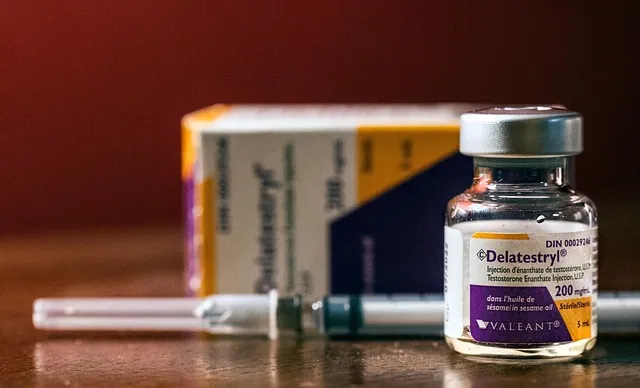
Testosterone replacement therapy (TRT): yes, exogenous testosterone raises blood testosterone levels regardless of cortisol status. But it won’t address the suppressive mechanism, and TRT becomes an indefinite commitment because the body’s own production stays suppressed by the same cortisol load. Additionally, the other hormonal and health consequences of chronic high cortisol — immune suppression, metabolic dysfunction, sleep disruption, cardiovascular risk — continue unaddressed. TRT replaces the symptom while leaving the cause running.
Is cortisol always bad? Should I try to eliminate it?
Absolutely not. Cortisol is essential for life — it mobilizes energy, manages inflammation, regulates blood pressure, and enables the stress response that allows peak performance. The goal isn’t zero cortisol; it’s appropriate cortisol — high when needed (acute stress, exercise), efficient clearance afterward, low at rest, especially in the evening. The problem is chronic baseline elevation, not acute spikes. Training the stress response toward faster cortisol clearance (cold exposure, meditation, regular exercise with adequate recovery) is more valuable than trying to blunt cortisol across the board.
Does coffee raise cortisol and hurt testosterone?
Caffeine does produce modest cortisol elevation, particularly on an empty stomach or in the morning. But the magnitude is small compared to sleep deprivation, psychological stress, or overtraining, and the evidence for coffee having meaningful negative effects on testosterone in men with otherwise healthy lifestyles is weak. Two to three cups of coffee daily is unlikely to produce clinically significant cortisol-driven testosterone suppression. High intake (4+ cups) combined with other cortisol stressors may be worth reducing, but coffee isn’t a primary lever in the cortisol-testosterone equation for most men.
What’s a realistic testosterone increase from reducing chronic stress?
Men who successfully implement the full Pregnenolone Allocation Protocol — addressing sleep, training load, psychological stress, nutrition, and acute recovery simultaneously — typically see testosterone improvements of 20-40% over 12-16 weeks when chronic stress was a primary driver of suppression. The magnitude depends on baseline cortisol load and how thoroughly the intervention is executed. Men whose low testosterone is primarily cortisol-driven (identifiable by the characteristic combination of high-stress lifestyle, poor sleep, overtraining, and elevated evening cortisol on testing) tend to see the most dramatic responses.
Does DHEA supplementation help counter the cortisol-testosterone competition?
DHEA is an intermediate in the steroid cascade sitting closer to testosterone than cortisol in the pathway. In men with documented low DHEA-S (the sulfated, measured form), DHEA supplementation can support testosterone production. However, DHEA is a precursor the body can route toward either testosterone or estrogen, so results vary. More importantly, supplementing DHEA addresses a downstream symptom while the pregnenolone steal driving the depletion continues. A reasonable adjunct in men with confirmed DHEA-S deficiency, particularly older men, but not a substitute for reducing the cortisol load driving the allocation problem in the first place.
Nutrition Strategies That Directly Reduce Cortisol Production
The dietary dimension of cortisol management extends beyond the adaptogen and supplement layer to foundational nutritional patterns that either support or undermine the body’s ability to regulate cortisol production and clearance. Most men optimize their diet for muscle building or fat loss without considering the hormonal stress axis — a gap that costs meaningful testosterone without anyone noticing.
Carbohydrate intake and cortisol: Cortisol is glucogenic — it raises blood glucose as part of its mobilization function. In very low carbohydrate diets (ketogenic or near-ketogenic patterns), the body upregulates cortisol production to maintain blood glucose through gluconeogenesis (making glucose from non-carbohydrate sources, primarily amino acids). Some men thrive on low-carbohydrate approaches; many find chronically very low carbohydrate intake produces elevated baseline cortisol, poorer sleep quality, and reduced testosterone — particularly combined with high training volumes. Including moderate carbohydrates, particularly around training (30-50g pre or post-workout), blunts the exercise-induced cortisol spike and supports recovery.
Protein adequacy: Protein is required for the synthesis of adrenal hormones and for cortisol clearance pathways in the liver. Chronic protein restriction (below 0.6g per pound of body weight in active men) impairs these pathways, potentially reducing cortisol clearance and prolonging its suppressive effects on testosterone. More fundamentally, protein adequacy supports muscle mass maintenance — and lean muscle mass buffers against the insulin resistance and metabolic dysfunction that drives chronic inflammatory cortisol elevation.
Vitamin C and cortisol: Vitamin C concentrates in the adrenal glands at levels higher than almost any other tissue in the body. During acute and chronic stress, adrenal vitamin C depletes rapidly. High-dose vitamin C (1,000-3,000mg) taken around intense exercise has been shown in multiple studies to reduce exercise-induced cortisol elevation by roughly 30-40%. Not a small effect — for men overtrained or in high-volume training phases, post-exercise vitamin C supplementation may meaningfully reduce the cumulative cortisol load from training while supporting adrenal function broadly.
Omega-3 fatty acids: Chronic inflammation (driven by elevated cortisol and poor diet) suppresses testosterone through cytokine-mediated inhibition of Leydig cell function. Omega-3 fatty acids — EPA and DHA from fish oil, at the gram-scale intakes these trials run on — reduce pro-inflammatory cytokine production, improve cell membrane fluidity (which affects hormone receptor function), and have been shown to reduce cortisol reactivity to acute stress. A 2021 study in Psychoneuroendocrinology found a higher omega-3 index associated with lower cortisol reactivity to laboratory stress tasks. The anti-inflammatory and anti-cortisol effects of omega-3s complement every other intervention in the Pregnenolone Allocation Protocol.
Polyphenols: Berries, dark chocolate (85%+ cocoa), green tea, and olive oil rank among the richest dietary sources of polyphenols — compounds with documented anti-inflammatory, antioxidant, and HPA axis modulating effects. A diet rich in polyphenol-containing whole foods reduces the chronic inflammatory burden that drives cortisol production and impairs testosterone, while simultaneously providing the micronutrients and fiber that support gut health and hormonal detoxification. Not exotic supplementation — just making food quality a deliberate priority rather than an afterthought.
Ryan’s Results and the Larger Lesson
Ryan made four specific changes: sleep extended from six to eight hours (via a firm 10pm bedtime and outsourcing evening work obligations), training reduced from daily two-hour sessions to four sessions per week at 60 minutes each, ashwagandha added twice daily, and a structured 20-minute mindfulness practice installed in his morning routine.
Twelve weeks later: testosterone 271 to 446. Morning serum cortisol dropped from 23 mcg/dL to 16 mcg/dL. He described feeling “like a different person.” Not because he became less ambitious or less driven — if anything, his work output improved with better recovery — but because the hormonal environment supporting his performance was no longer being cannibalized by the chronic stress response he’d mistaken for edge.
The pregnenolone allocation story is ultimately about a biological priority system built for a world that no longer exists. The body still thinks the most pressing demand on its steroid budget is survival stress. Until it gets signaled otherwise through adequate recovery, sleep, controlled training, and genuine psychological restoration, it will keep routing pregnenolone toward cortisol and away from testosterone.
The clinically relevant point is that this system responds quickly to the right inputs. Cortisol isn’t a permanent sentence. It’s a recalibration problem. And the body is remarkably good at recalibrating when given the conditions to do so.
FROM THE LIBRARY ›
References
Editorial StandardsCorrectionsMedical DisclaimerAbout Our ContentAffiliate DisclosureSite Map