
Nina had a ritual. Every October, when the first wave of colds swept through her open-plan office, she’d pull out a bottle of elderberry syrup — dark purple, viscous, tasting vaguely of grape juice mixed with ambition. She’d been doing this for six years after her naturopath recommended it, and she was convinced it worked. She’d had exactly two significant colds in those six years. Her colleague David, who sat three feet away and never took elderberry, had also had exactly two significant colds. Nina attributed this coincidence entirely to elderberry. David attributed it to basic immune competence. Neither thought to ask whether a controlled trial might settle the question, because both had already decided what they believed. The difference was that Nina was paying eighteen dollars a month for the privilege of her certainty, and David was just walking around with it for free. Elderberry deserves better than this — it’s a plant compound with genuine research behind it, being misused by people who either believe it’s magic or dismiss it as nonsense, when the data indicates something considerably more interesting and considerably more limited.
What Elderberry Actually Is: The Chemistry Behind the Claims
Sambucus nigra — European black elderberry — is a flowering plant native to Europe and western Asia that has been used in folk medicine for centuries across many cultures. References to elderberry preparations appear in ancient Egyptian records, in the writings of Hippocrates, and throughout medieval European herbal traditions. Cultural longevity in folk medicine doesn’t prove efficacy — plenty of ineffective remedies have persisted for centuries through confirmation bias and the self-limiting nature of the conditions they claim to treat — but it does suggest that something about this plant has led people to find it useful enough to keep using across many generations.
The berries contain a complex mix of biologically active compounds. The most-studied are anthocyanins — particularly cyanidin-3-glucoside and cyanidin-3-sambubioside — the pigments giving the berries their characteristic deep purple-black color. These sit in the same flavonoid family as the compounds found in blueberries, blackberries, and red wine, and have demonstrated antioxidant, anti-inflammatory, and antiviral properties in laboratory studies across many research groups.
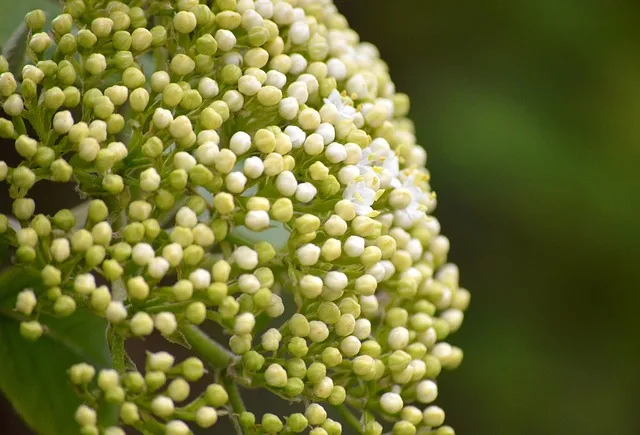
Critically, raw elderberries contain sambunigrin — a cyanogenic glycoside that releases hydrogen cyanide when metabolized. Consuming raw elderberries causes nausea, vomiting, and diarrhea, and in large quantities could cause more serious toxicity. All commercial elderberry products use heat processing during extraction that destroys sambunigrin, making them safe. Worth knowing explicitly, since some people attempt to make their own preparations from garden elder plants or wild elderberries without understanding the toxicity risk. Don’t forage and process elderberry products without researching this thoroughly first.
Folk medicine is a starting point for hypothesis generation, not a substitute for evidence. The fact that humans have used elderberry for centuries tells us it’s been culturally persistent — not necessarily that it works in the way its advocates claim. Lots of ineffective remedies have cultural persistence. Sacred geometry has cultural persistence. The test is whether the compound survives rigorous examination under conditions designed to separate real effects from placebo, expectation, and self-limited natural illness.
The Tiralongo Study: Understanding the Best Evidence We Have
The most-cited elderberry clinical trial is Tiralongo et al., published in Nutrients in 2016. It’s genuinely good research that deserves careful reading — not the simplified version elderberry marketers prefer, which typically leads with “elderberry cuts cold duration in half!” while omitting everything that would help make sense of what that finding actually means and when it applies.
The study design: a randomized, double-blind, placebo-controlled trial — the gold standard design for this type of question. Participants were 312 economy-class passengers on long-haul international flights from Australia to overseas destinations. They were randomized to receive either 300mg of a standardized elderberry extract (using the Sambucol formulation) or matching placebo twice daily for 10 days before travel, throughout the flight, and for four to five days after arrival at their destination. The primary outcomes were cold duration and cold severity, measured through standardized symptom diaries.
Results: the elderberry group had significantly shorter cold duration — an average of 2.0 days shorter than the placebo group when they did develop an illness. On a cold that would have lasted 7 days, elderberry users recovered in 5 days on average. Nearly a 30% reduction in duration, which is clinically meaningful — the difference between missing one day of work and missing three, or between being functional through a travel obligation and being miserable for it. The elderberry group also reported meaningfully lower cold severity scores throughout their illness. These findings were statistically significant with appropriate sample size to detect clinically meaningful differences.
The finding that cold incidence — whether anyone got sick at all — wasn’t significantly different between groups is important context. Elderberry appears to reduce how bad and how long illness runs, not whether infection happens in the first place. A meaningfully different claim from “elderberry prevents colds” — an intervention that affects the course of infection rather than preventing establishment of infection.
Now for the critical limitations the marketing materials always skip: this was a single trial. It used one specific, standardized extract (Sambucol). The population was air travelers — a specific high-stress, high-exposure context where immune function is already compromised by circadian disruption, altitude, hypoxia, and close proximity to large numbers of potentially sick strangers. The findings may generalize to other elderberry products and other populations, or they may not — there genuinely aren’t enough trials yet to be confident. A single well-designed trial is good evidence. Not definitive. Replication in different contexts with different products would strengthen the case substantially.
A 2016 meta-analysis by Zakay-Rones and colleagues reviewed four randomized trials specifically examining elderberry effects on influenza and found significant reductions in duration and severity, consistent with the Tiralongo findings in a different infectious context. The convergent finding from multiple trial types — air travel respiratory infections and laboratory-confirmed influenza — adds credibility to the broad signal, even if each individual study has limitations.
The Hawkins Research and the Cytokine Stimulation Question
In 2019, Hawkins et al. published research in the journal Phytochemistry that became the basis for one of the most persistent and anxious concerns about elderberry supplementation: that it stimulates cytokine production in ways that could potentially be dangerous, particularly in the context of severe respiratory infections where immune overactivation is a mechanism of death.
The Hawkins paper used human monocytes — a type of white blood cell — in cell culture conditions, exposing them to elderberry extract and measuring the cytokines they produced. They found that elderberry extract stimulated production of several pro-inflammatory cytokines including TNF-alpha, interleukin-1 beta (IL-1β), interleukin-6 (IL-6), interleukin-8 (IL-8), and interleukin-12 (IL-12). These cytokines are associated with both appropriate inflammatory immune responses (necessary for killing pathogens) and, when present in excessive amounts, the “cytokine storm” phenomenon — a dysregulated hyperinflammatory state that contributes significantly to the most severe outcomes from respiratory infections including influenza and COVID-19.
This finding spawned a wave of concern during the early COVID-19 pandemic. Should elderberry be avoided during active respiratory infections? Would it make COVID-19 worse by amplifying the immune response? Should people with autoimmune conditions avoid it entirely? The internet was full of confident answers in both directions.
Here’s where the intellectual discipline of not running too far with in vitro data becomes essential. In cell culture studies, immune cells behave differently than they do in the integrated, regulated environment of a whole organism. The cytokine regulation systems that prevent in vivo cytokine storms — negative feedback loops, regulatory T cells, anti-inflammatory cytokines, hormonal modulation — don’t exist in a petri dish of isolated monocytes. The concentrations of elderberry extract used in cell culture experiments typically far exceed what reaches target tissues after oral supplementation and first-pass metabolism. And stimulating cytokine production from resting immune cells to appropriate activation levels is not the same as causing cytokine storm — which requires not just activation but runaway, unregulated escalation that overwhelms regulatory systems.
A 2020 review specifically examining the cytokine storm concern concluded that while the theoretical risk is real and warrants ongoing investigation, the available clinical trial data does not show adverse immune amplification events in healthy individuals taking standard elderberry doses. Participants in the Tiralongo trial, for example, didn’t experience any adverse events consistent with enhanced inflammatory responses. But the absence of adverse effects in a trial of healthy adults doesn’t prove there’s no risk for vulnerable populations — it just means healthy people appeared to tolerate standard doses without problems.
Who Should Be Specifically Cautious About Elderberry
The cytokine stimulation findings, while requiring appropriate translation from bench to clinical context, do create legitimate grounds for caution in specific populations. Not blanket prohibition — targeted risk awareness for situations where the concern carries more weight.
Autoimmune conditions: the highest-concern category. People with rheumatoid arthritis, systemic lupus erythematosus, multiple sclerosis, inflammatory bowel disease, psoriasis, Sjögren’s syndrome, and other conditions characterized by immune dysregulation have immune systems already insufficiently regulated and partially attacking self-tissue. Adding an immune stimulant — even a relatively mild one — to that environment is a different proposition than adding it to a healthy, well-regulated immune system. The theoretical risk of amplifying the self-directed immune response is biologically plausible. The clinical data to confirm or refute it in autoimmune populations specifically is essentially absent. When clinical data is absent and theoretical risk is plausible, conservative recommendations are appropriate. For autoimmune patients: stay at lower doses if using elderberry at all, and have the conversation with a physician who understands both the condition and the elderberry pharmacology before making decisions about use during flares.
Organ transplant recipients: the clearest contraindication. People on immunosuppressive therapy — cyclosporine, tacrolimus, mycophenolate, high-dose corticosteroids — following organ transplantation have their immune systems deliberately suppressed to prevent rejection of transplanted tissue. An immune stimulant that promotes cytokine production and lymphocyte activation works directly against the pharmacological goal of these medications. Elderberry supplementation is contraindicated in this population without explicit physician oversight.
People with active severe infection: the cytokine storm concern is most clinically relevant when an infection is already driving significant systemic inflammation. Hospitalized with severe influenza, bilateral pneumonia, or signs of systemic inflammatory response from any infection — this is not the moment to add an immune-stimulating supplement. The appropriate intervention is medical management. Elderberry as prevention or mild illness management is a very different risk-benefit calculation than elderberry during a severe illness already characterized by inflammatory dysregulation.
Pregnancy: insufficient data exists on elderberry safety during pregnancy. The default position of avoiding inadequately studied supplements during pregnancy is appropriate here. The anti-inflammatory and cytokine-stimulating effects of elderberry have unknown implications for pregnancy maintenance, which depends on complex immune tolerance mechanisms. Until safety data exists for pregnant women specifically, avoidance is the correct default.
Product Quality: Why the Research Doesn’t Transfer to Most Products
Here’s a critical problem undermining the clinical relevance of the elderberry research for most consumers: the trials used standardized, quantified extracts — primarily Sambucol and BerryPharma formulations with documented anthocyanin concentrations — and commercial elderberry products vary so dramatically in their actual active compound content that drawing conclusions from the research about most commercial products is scientifically unwarranted.
ConsumerLab, an independent testing organization that analyzes supplement quality, has examined elderberry products multiple times and found substantial variation. Some products contained far less anthocyanin than their labels claimed. Some were adulterated with other berry extracts. Some elderberry gummies contained so little actual elderberry extract — buried under sugar, gelatin, and flavoring — that describing them as elderberry supplements required extremely creative accounting. The product a given consumer buys from a pharmacy shelf may bear essentially no relationship to the product used in the Tiralongo trial.
This is the endemic quality control problem in the supplement industry, and elderberry is not immune to it. The industry is regulated largely through labeling claims rather than pre-market efficacy or quality verification, which means any manufacturer can put “elderberry” prominently on a label and sell a product that contains trace amounts of elderberry along with primarily cheap filler ingredients. Without third-party testing verification, there’s no reliable way to know what’s actually in the bottle.
The practical implication: using elderberry based on the Tiralongo and influenza meta-analysis evidence means the specific products used in those trials have the strongest claim to efficacy. Sambucol (the most studied brand) is available in many markets and is the closest to a research-validated product. Any product chosen should specify its anthocyanin content per serving, have third-party quality verification from NSF International, USP, or Informed Sport, and not rely primarily on elderberry gummies as the delivery format — gummies are the worst performer in quality testing, typically heavily diluted with sugar and poorly standardized.
Influenza vs. Common Cold: Different Mechanisms, Different Evidence
Most elderberry research conflates two distinct infectious categories — influenza (caused by influenza A and B viruses) and rhinovirus-mediated common colds — that have different viral biology, different immune responses, and potentially different susceptibility to elderberry’s proposed mechanisms of action. Understanding this distinction helps interpret the evidence more accurately.
The laboratory evidence for elderberry’s antiviral properties is actually considerably stronger for influenza than for rhinovirus. Multiple in vitro studies have demonstrated that elderberry extract can directly inhibit influenza virus replication. The proposed mechanism involves elderberry flavonoids — particularly quercetin and the anthocyanins — binding to viral hemagglutinin and neuraminidase proteins, the surface proteins that allow influenza to attach to and enter host cells and to spread between cells after replication. Binding to these proteins prevents cellular entry and limits viral spread. Kong (2009, published in Phytochemistry) demonstrated that elderberry extract inhibited H1N1 influenza specifically through hemagglutinin binding in cell culture experiments, providing a mechanistic explanation for the clinical findings.
Rhinovirus — responsible for the majority of common colds — uses different surface proteins (ICAM-1 receptor interactions) to enter cells. Whether elderberry’s compounds interact with rhinovirus entry mechanisms as effectively as they appear to interact with influenza surface proteins is less established. The Tiralongo travel study measured general upper respiratory infections without specific viral typing, so participants’ illnesses likely included a mix of influenza, rhinovirus, coronavirus, and other respiratory pathogens. The observed benefit may have been driven primarily by the influenza component of those infections.
This distinction has practical implications. Specific worry about influenza — during influenza season, or when known exposure has occurred — makes the anti-influenza evidence more mechanistically specific and clinically supported. For the generic common cold, the evidence is more extrapolated. Getting the annual influenza vaccine (which is worth doing regardless) doesn’t preclude elderberry use — they work through completely different mechanisms, antibody-mediated versus antiviral compound-mediated, and aren’t substitutes for each other.
Dosing, Timing, and the Most Effective Forms
The clinical trials used varying doses that make definitive universal recommendations impossible, but the data supports a reasonable framework for standardized dosing based on the trial parameters that produced positive results.
For the prevention context (Tiralongo model): 300mg of standardized elderberry extract twice daily during the high-risk period. For most commercial Sambucol products, this corresponds to roughly 2 tablespoons (30mL) of the syrup formulation daily, taken in two divided doses. Start 2-3 days before anticipated high-exposure (international travel, crowded event attendance) and continue through the exposure period and 3-5 days afterward.
For acute treatment during illness: higher doses appear more appropriate for active illness management. Most of the influenza trials used approximately 4 tablespoons (60mL) of Sambucol syrup daily in adults, or equivalent extract doses, taken in 4 divided doses throughout the day. The critical timing consideration: begin treatment at the absolute earliest sign of illness — the scratchy throat, unusual fatigue, or subtle sense that something is developing. The antiviral mechanism suggests elderberry works best early in the infection when viral load is still building, before viral replication has established a significant reservoir. Starting on day 3 of a full-blown cold is less likely to produce the benefit observed in trials that began treatment early.
Capsule and tablet forms with documented standardized extract content are generally more reliable than liquid syrups in terms of dose consistency, since syrups require careful measurement and can vary in concentration. Elderberry lozenges vary widely in active compound content. Elderberry gummies are almost universally among the worst options — high sugar, low and poorly standardized elderberry content, often with elderberry far down the ingredient list after sugar, tapioca syrup, and citric acid. Using elderberry at all means using a properly standardized extract form, not whatever gummy is on sale because it has an attractive color.
The Elderberry Protocol Framework
Rather than taking elderberry randomly “for immunity” as a year-round background supplement, treating it as a targeted intervention for specific high-risk contexts produces both better evidence-alignment and more efficient use of a supplement that has real effects in the right conditions and less convincing effects when used indiscriminately.
Phase 1 — Prophylactic High-Risk Use: Deploy elderberry during periods of genuinely elevated infection risk. This means international air travel (ideally beginning 2-3 days before departure), the peak of cold and flu season in the relevant geographic area (typically October through March in the Northern Hemisphere), known exposure to someone with confirmed influenza, and periods of immune stress — severe sleep deprivation, major life stressors, or any situation where immune competence is temporarily reduced. Standard dose: 150-300mg standardized extract or 1-2 tablespoons Sambucol syrup once daily during the risk period. Duration: for the active risk period only, not indefinitely.
Phase 2 — Acute Response Protocol: At the absolute first sign of illness — that initial scratchy throat, the slightly runny nose, the vague fatigue that precedes full symptoms — shift immediately to acute dosing. Acute dosing runs 300mg standardized extract twice daily, or the Sambucol adult acute dose (typically 4 tablespoons per day in 4 divided doses per their label). Continue for 5 full days. The earlier the start, the more the mechanism can work — elderberry’s antiviral compounds need to be present when viral replication is at its fastest, not after the viral load has already peaked.
Phase 3 — Discontinue During Severe Illness: If a respiratory illness escalates beyond mild upper respiratory symptoms — significant systemic fever (above 103°F), chest involvement, extreme fatigue suggesting systemic illness, or any respiratory distress — discontinue elderberry and pursue appropriate medical care. This is when the cytokine stimulation concern becomes most relevant: severe respiratory infections are partly characterized by dysregulated inflammation, and elderberry’s immune-stimulating properties are unhelpful (and potentially harmful) in that context. Elderberry is an adjunct for mild illness prevention and early intervention, not a treatment for severe infections.
Quality Verification as Non-Negotiable: Only use elderberry products with documented standardized anthocyanin content, third-party quality testing, and elderberry extract as the primary active ingredient rather than as a minor component in a proprietary blend. Sambucol, Nature’s Way Sambucus (standardized), and similar products with documented research behind specific formulations are the appropriate choices. When in doubt, Sambucol has the longest research track record and is the closest to a research-validated product in common retail availability.
Contextualizing Elderberry in the Immune Supplement Landscape
Zinc has more extensive evidence for shortening cold duration than elderberry does. A 2017 Cochrane review found that zinc lozenges or syrup taken within 24 hours of cold onset reduced cold duration by approximately 33% — a larger effect size than the 29% reduction observed in Tiralongo. The mechanism is different (zinc directly interferes with rhinovirus binding to nasal epithelium and inhibits viral proteases needed for replication), and zinc lozenges require specific formulations (ionic zinc, not zinc gluconate or certain other forms) to achieve the antiviral effect. Zinc and elderberry work through different mechanisms and can reasonably be used together for acute illness.
Vitamin D has strong evidence as a baseline immune regulator — deficiency significantly impairs multiple aspects of immune function, and repletion in deficient populations produces meaningful benefits. The research on vitamin D supplementation for cold prevention is more mixed than elderberry’s acute treatment evidence, but vitamin D is a foundation-level intervention everyone should optimize regardless of other supplementation choices. Elderberry without adequate vitamin D status is optimizing the periphery while neglecting the foundation.
Echinacea has a much larger body of research than elderberry and consistently weaker results. Multiple systematic reviews have found equivocal evidence — some trials show benefit, others don’t, and the heterogeneity between products and preparations makes meta-analysis difficult. Compared to elderberry’s more consistent positive signal from quality trials, echinacea’s evidence base is less convincing despite being older and larger.
Vitamin C, covered separately, has good evidence for modest benefits in appropriate contexts. It’s complementary with elderberry rather than competing — they work through entirely different mechanisms.
Nina’s elderberry ritual wasn’t irrational — it was just operating without an accurate model. She was using it wrong (daily year-round rather than targeted high-risk periods), buying whatever her pharmacy stocked (no quality verification), and crediting it for outcomes produced by everything else in her life. With a better framework — targeted deployment, quality-verified product, appropriate acute dosing when actually sick — elderberry becomes a rational tool rather than a folk medicine comfort blanket whose primary function is making people feel like they’re doing something.
Elderberry Immunity Studies: Your Questions Answered
- Does elderberry actually shorten colds?
The Tiralongo 2016 randomized trial found that elderberry reduced cold duration by approximately 2 days in air travelers who developed illness — a roughly 29% reduction. A real, statistically significant finding from a well-designed trial. The meta-analysis data on influenza specifically shows similar reductions. The effect appears stronger for influenza than for rhinovirus colds, and stronger when treatment begins early in illness rather than after symptoms are fully established. Not magic — a modest, real effect that’s most valuable when illness would otherwise create significant disruption. - Can elderberry cause a cytokine storm?
The concern is legitimate but requires careful translation from lab to clinical context. Cell culture research shows elderberry stimulates pro-inflammatory cytokine production from immune cells. In healthy adults in clinical trials, adverse immune events haven’t been observed. However, theoretical risk is real for specific vulnerable populations: autoimmune disease patients, organ transplant recipients on immunosuppression, and people with already-severe systemic infections. For healthy adults using standard doses for mild illness prevention and early treatment, the evidence suggests acceptable safety. For the listed vulnerable populations, caution is warranted and physician consultation before use is appropriate. - What’s the best elderberry product to buy?
Sambucol has the most extensive research behind its specific formulation and is the closest to a research-validated product in common retail availability. Look for products specifying their standardized anthocyanin content per serving, carrying third-party quality certification (NSF, USP, or Informed Sport), and listing elderberry extract as the primary active ingredient rather than as part of a proprietary blend buried under other components. Elderberry gummies are almost universally the worst form — high sugar, poorly standardized, and the elderberry content is typically minimal relative to the serving size of the overall product. - Should I take elderberry every day year-round?
No — daily year-round prevention use lacks evidence and likely reduces cost-effectiveness. The prevention evidence is specifically from high-risk, high-stress contexts like international air travel where immune function is already compromised. Daily year-round use makes elderberry an expensive background supplement without clear benefit for the everyday healthy adult. Strategic deployment — during peak respiratory illness season, before and during travel, when exposed to sick contacts, when immune function is temporarily reduced — produces better evidence alignment and more targeted use of a supplement with real but context-dependent effects. - Does elderberry interact with any medications?
Yes, with important interactions. Immunosuppressive medications (cyclosporine, tacrolimus, prednisone, mycophenolate) — elderberry’s immune-stimulating properties directly oppose the pharmacological goal of these drugs. Diuretics — elderberry has mild diuretic properties that can compound diuretic drug effects. Diabetes medications — elderberry may have mild blood glucose effects that could interact with insulin or oral hypoglycemics. Laxatives — elderberry can have mild laxative properties at high doses. Anyone on regular prescription medications for a chronic condition should check interactions with a pharmacist before starting elderberry supplementation. - Is elderberry safe for children?
Sambucol and similar commercial products have been used in pediatric clinical research without significant safety signals in the published trials. The main caveat for any age is using properly processed commercial products rather than home-made preparations from raw or inadequately processed berries — the naturally occurring cyanogenic glycosides are destroyed by appropriate heat processing but not by simple preparations that don’t reach adequate temperatures. Dosing for children is typically adjusted downward — half adult dose for children over 5, manufacturer guidance for younger children. Consult with a pediatrician for children under 2 years. - How does elderberry compare to zinc for shortening colds?
Zinc has stronger evidence for a larger effect on cold duration — approximately 33% reduction in duration (Cochrane review) versus approximately 29% for elderberry (Tiralongo trial), and the zinc evidence is from multiple studies across different contexts. The mechanisms are entirely different and non-overlapping: zinc directly inhibits rhinovirus replication and neuraminidase activity, while elderberry works through flavonoid-mediated antiviral binding and immune cytokine stimulation. They can rationally be used together for acute illness management. Zinc lozenges do have more gastrointestinal side effects (nausea, taste disturbance) and long-term high-dose zinc depletes copper — elderberry’s safety profile for short-term use is better. Zinc is the higher-evidence, higher-side-effect option; elderberry the more modest-evidence, more tolerable one.
The elderberry story is ultimately about what rational health optimization looks like when a folk remedy actually has real evidence behind it — not overwhelming evidence, not magic, but real enough to justify targeted use in appropriate contexts. The Tiralongo trial earned elderberry a place in a smart immune toolkit. The cytokine research earned it some appropriate caution flags. The product quality problem means selectivity matters. The mechanism research suggests it works best early and for influenza specifically. The Elderberry Protocol above integrates all of this into a coherent approach. Nina’s ritual wasn’t wrong, it was just unsophisticated. David’s dismissal wasn’t right either. The evidence sits between them, more interesting than either position accommodates.
Related reading: The Complete Guide to Immune System Optimization
The Practical Framework: Applying Elderberry Immunity Peer-reviewed findings show In Real Life
Evidence-Based Elderberry Benefits Recommendations
Most people arrive having already consumed the surface-level information — the blog posts, the podcast clips, the social media summaries — wanting to know what actually works once the marketing and wishful thinking get stripped away. The honest answer is almost always the same: it depends on the specific starting point, the specific biology, and the willingness to measure rather than guess.
The research backs that caution up — effect sizes in studies of elderberry immunity studies vary enormously based on participant characteristics, baseline health status, and concurrent interventions. Anyone handing out universal recommendations without knowing individual context is selling simplicity at the expense of accuracy.
The remaining twenty percent — supplements, advanced protocols, biohacking interventions — only becomes meaningful once the fundamentals are genuinely dialed in.
This identity shift is what the discipline library and learning paths are built to support.
For a personalized starting point, one of the interactive assessment tools is worth taking. They identify specific gaps and point toward the most relevant content for a given situation. For the broader evidence base behind everything discussed here, the complete topic directory is the place to look.
Elderberry Beyond Colds: The Broader Immune Signaling Research
Most elderberry coverage focuses narrowly on cold duration and flu symptom severity — the endpoints used in the studies most frequently cited by supplement manufacturers. This framing understates the scope of the current research into Sambucus nigra’s bioactive compounds. Anthocyanins — the dark pigment flavonoids concentrated in elderberries — are among the most extensively studied plant compounds in immunology, and their effects extend beyond acute viral illness into the regulation of inflammatory signaling that underlies chronic disease risk.
The cyanidin-3-glucoside and cyanidin-3-sambubioside found in black elderberry inhibit the NF-κB inflammatory pathway — one of the master regulatory switches that controls the expression of pro-inflammatory cytokines including TNF-alpha, IL-1β, and IL-6. This is clinically significant because chronic low-grade NF-κB activation is implicated in cardiovascular disease, metabolic syndrome, neurodegenerative disorders, and accelerated cellular aging. Elder anthocyanins’ ability to modulate this pathway in vitro has been documented in multiple cell culture studies, though the translation to in vivo human outcomes at typical dietary doses remains an area of active investigation rather than settled science.
A 2016 randomized controlled trial published in Nutrients examining elderberry supplementation in air travelers found not only a 2-day reduction in cold duration but also a reduction in cold severity scores suggesting broader symptomatic benefit than a purely antiviral mechanism would predict. The authors proposed that the anti-inflammatory component of elderberry’s activity — reducing the intensity of the symptomatic immune response as well as the viral load — may account for the multi-dimensional benefit. A mechanistically coherent hypothesis that distinguishes elderberry from purely antiviral interventions like zinc, which works primarily by inhibiting viral replication rather than modulating the host inflammatory response.
Where the research is genuinely underpowered is in long-term chronic supplementation for non-acute outcomes — cardiovascular risk reduction, cognitive preservation, metabolic health. The mechanistic rationale is plausible, the in vitro data is supportive, but the long-term randomized controlled trial data in humans is not yet sufficient to make confident outcome claims. An honest assessment of where the science stands. Elderberry is robustly supported for acute respiratory illness. Its role in chronic disease prevention is biologically plausible but not yet confirmed at the clinical trial level.
Elderberry Sourcing and Standardization: What the Label Doesn’t Tell You
The elderberry supplement market is one of the most commercially crowded in the immune-support category, and product quality varies so substantially that comparing elderberry products by dose alone is almost meaningless without understanding the standardization and extraction method behind each product. Raw elderberry preparations, standardized anthocyanin extracts, and elderberry-containing proprietary blends are not equivalent — the effective dose of bioactive compounds in a given product depends on the anthocyanin content, which is not disclosed on most labels.
The research studies most frequently cited for elderberry’s efficacy used standardized preparations — primarily Sambucol (a research-grade black elderberry extract standardized to a specific anthocyanin concentration) or Bioveris elderberry extract at doses of 600–800mg of standardized extract daily. Consumer products ranging from gummy bears to flavored syrups sold at drugstores typically use raw elderberry concentrate of unknown anthocyanin potency, mixed with sweeteners and preservatives, at doses and concentrations that may not match those used in clinical trials. A gummy containing 200mg of elderberry juice concentrate with an unknown anthocyanin percentage is categorically different from the 600mg standardized extract used in the randomized controlled trial cited online.
The European Medicines Agency’s 2014 assessment of elder recommends preparations equivalent to 3.6 grams of dried elderberry herb (aerial parts and berries) as the traditional use dose. Supplement manufacturers rarely provide the standardized extract-to-raw herb equivalence ratio needed to evaluate whether their product approaches this range. The most transparent elderberry products disclose the total anthocyanin content per dose — look for this on the Supplement Facts panel. If it is absent, the dose of the bioactive compound is unknown regardless of what the marketing claims on the front panel.
Homemade elderberry syrup from dried berries — a popular DIY alternative — introduces additional variables including the need to cook the berries adequately (raw elderberries contain sambunigrin, a cyanogenic glycoside that causes nausea and vomiting; proper cooking deactivates it) and uncertainty about the anthocyanin content of the specific berry lot used. Commercially prepared elderberry products from reputable manufacturers have undergone the heating process and third-party testing for contaminants that homemade preparations lack. For most people, a standardized commercial extract from a manufacturer that publishes third-party testing results is the more reliable option than homemade syrup, despite the latter’s appeal as a natural preparation.
The Cytokine Storm Controversy: Setting the Record Straight
In 2020, a concern circulated widely in natural health communities that elderberry’s immune-stimulating properties might worsen COVID-19 outcomes by contributing to the cytokine storm — the pathological immune overactivation that characterizes severe COVID-19. This concern was based on a plausible-sounding but mechanistically misunderstood extrapolation from elderberry’s documented effects on cytokine production. Understanding why this concern was largely unfounded requires distinguishing between immune stimulation and immune dysregulation.
Elderberry does stimulate cytokine production — specifically, it increases production of IL-6, IL-8, and TNF-alpha in controlled in vitro studies using peripheral blood mononuclear cells. This is part of its normal antiviral mechanism. However, the cytokine storm in severe COVID-19 was not caused by a modest healthy-immune-stimulation signal — it was caused by pathological dysregulation of immune response in patients with specific comorbidities and immune vulnerabilities, driven primarily by the SARS-CoV-2 virus itself. Conflating routine immune activation from a berry extract with the pathological cytokine cascade in severe viral pneumonia involves a category error: one is a controlled, short-duration, adaptive immune response; the other is a systemic, dysregulated, self-destructive inflammatory cascade.
A 2021 review in the journal Phytomedicine examined the elderberry-cytokine storm concern directly and concluded that the in vitro data showing elderberry-induced cytokine production does not translate to clinically meaningful cytokine storm risk in healthy individuals, and that elderberry also shows anti-inflammatory activity through NF-κB inhibition that would, if anything, provide a counterbalancing effect. The review’s conclusion — that elderberry does not meaningfully increase cytokine storm risk and should not be contraindicated in healthy individuals based on this concern — aligns with the consensus position of most clinical researchers in the field.
This episode illustrates a broader principle in supplement evaluation: in vitro findings about molecular mechanisms do not automatically translate to clinical outcomes in whole humans. Elderberry increases cytokine production in isolated cells. This fact does not mean elderberry causes dangerous immune overactivation in healthy people taking it for a cold. The bridge between cell culture findings and patient outcomes requires clinical trial data — and in elderberry’s case, the clinical trial data shows benefit, not harm, in healthy populations. Evaluating supplements requires the same standard of evidence demanded from pharmaceuticals: the right study design, the right population, the right outcome measures.
References
Editorial StandardsCorrectionsMedical DisclaimerAbout Our ContentAffiliate DisclosureSite Map