

Not just get tested. Actually change the probability. His physician paused and said, honestly, that most of the lifestyle guidance he’d gotten in medical school on this topic was out of date and that the science had moved considerably. He suggested Marco look into it himself.
That conversation — honest about uncertainty, open to patient engagement — is the right one. Prostate cancer prevention is an active area of research with emerging evidence that dietary, lifestyle, hormonal, and pharmacological interventions can meaningfully reduce risk, particularly for aggressive and lethal prostate cancer. Not a field where researchers throw up their hands and say “it’s genetic.” Genetics creates susceptibility; environment, diet, and behavior influence whether that susceptibility becomes disease.
And enough is known now to give men like Marco substantive, evidence-based guidance.
This article covers the full landscape of prostate cancer prevention — what we know about modifiable risk factors, what the clinical trial evidence says, how to think about chemoprevention with medications, and how to integrate these strategies into a practical, sustainable approach to reducing risk without living in fear of a number on a lab slip.
The Biology of Prostate Cancer Development: Why Prevention Is Possible
Understanding prevention requires understanding pathogenesis — how prostate cancer actually develops. A multi-step process unfolding over years to decades, creating multiple windows for intervention.
The earliest identifiable precursor lesion is high-grade prostatic intraepithelial neoplasia (HGPIN) — abnormal cells within the ductal and acinar structures of the prostate that haven’t yet broken through the basement membrane. HGPIN is considered the most likely precursor to invasive prostate cancer, though not all HGPIN progresses. A second putative precursor, proliferative inflammatory atrophy (PIA), has been proposed as a source of prostate cancer in areas of chronic prostatic inflammation.
The transition from normal epithelium to HGPIN to invasive cancer involves the accumulation of somatic mutations in key genes. Interestingly, many of these mutations target DNA repair genes — particularly BRCA2, BRCA1, and mismatch repair genes — in hereditary cases, and alterations in PTEN, TP53, and the androgen receptor pathway in sporadic cases. Epigenetic changes — DNA methylation of tumor suppressor genes, histone modifications — also play a major role and are reversible, unlike genetic mutations.
This epigenetic component is one of the reasons diet and lifestyle can potentially influence cancer risk at the molecular level.
Androgens are central to the entire process. The prostate is an androgen-dependent organ, and prostate cancer cells retain androgen receptor signaling well into advanced disease — the basis for androgen deprivation therapy as a primary treatment for metastatic disease. DHT (dihydrotestosterone, derived from testosterone by 5-alpha reductase) is the primary intraprostatic androgen driving prostate cell growth.
Factors that modify intraprostatic DHT levels — including body weight, physical activity, diet composition, and pharmacological 5-alpha reductase inhibition — theoretically affect the androgenic environment in which prostate cells exist.
Inflammation is increasingly recognized as a driver of prostate cancer development. Chronic prostatic inflammation — whether from infection, dietary factors, urinary reflux of urine into prostatic ducts, or autoimmune mechanisms — creates a microenvironment of reactive oxygen species and cytokines that promote DNA damage, cellular proliferation, and epigenetic changes that facilitate malignant transformation. This inflammation-cancer connection is the mechanism underlying many of the dietary associations in prostate cancer epidemiology.
Dietary Patterns and Prostate Cancer Risk: The Big Picture
Population-level variation in prostate cancer rates provides some of the most compelling evidence that lifestyle and diet influence prostate cancer risk. Japanese men living in Japan have prostate cancer incidence rates approximately ten times lower than American men. When Japanese men migrate to the United States, their prostate cancer rates rise progressively over one to two generations toward the American baseline.
This migrant study pattern — repeated across multiple Asian immigrant populations — demonstrates powerfully that the dramatically lower prostate cancer rates in Asian countries are not primarily genetic. The Japanese genome doesn’t change when someone moves to San Francisco. The diet does.
The traditional Japanese diet and Asian diets more broadly differ from the Western diet in several ways that have been specifically linked to prostate cancer risk: very high soy food consumption, very high green tea consumption, lower meat consumption (particularly red and processed meat), lower dairy consumption, higher fish consumption, and much lower caloric density and obesity rates.
Teasing apart which specific dietary factors drive the risk difference is difficult — it may be the combined effect of multiple dietary elements rather than any single food or nutrient.
Western dietary pattern analyses consistently associate the typical Western diet (high in red and processed meat, refined carbohydrates, saturated fat, and sugar, low in vegetables and fiber) with higher prostate cancer risk. A 2015 analysis in JNCI found that high adherence to a healthy dietary pattern (high vegetables, fruits, fish, whole grains, and legumes) was associated with significantly lower risk of aggressive prostate cancer — the clinically important category — compared to low adherence.
The association was strongest for fatal prostate cancer, suggesting dietary pattern influences the biology of aggressive tumor development rather than just indolent cancer formation.
The Mediterranean dietary pattern specifically has been associated with lower prostate cancer risk in several epidemiological studies. A meta-analysis published in Nutrients in 2021 found a 14% lower risk of prostate cancer overall and a stronger reduction (approximately 19%) for advanced prostate cancer with high Mediterranean diet adherence. Given the Mediterranean diet’s overall cardiovascular and metabolic benefits, recommending it for prostate cancer prevention is consistent with broad health optimization rather than a narrow single-disease focus.
Tomatoes and Lycopene: The Evidence in Detail
Lycopene — the carotenoid pigment that gives tomatoes their red color — is one of the most studied individual dietary components in prostate cancer prevention, with a mechanistically plausible story backed by consistent epidemiological associations, though randomized trial evidence remains limited.
The landmark epidemiological study was a 1995 analysis by Giovannucci and colleagues in the Health Professionals Follow-Up Study, published in JNCI. This prospective study of 47,000 men found that those with the highest tomato and tomato-product consumption had approximately 35% lower risk of prostate cancer compared to those with the lowest consumption, after controlling for multiple confounders. The association was strongest for advanced and metastatic prostate cancer. This study generated enormous interest in lycopene specifically.
Multiple subsequent studies have examined this association with variable results. The overall evidence from meta-analyses supports a modest but consistent inverse association between tomato product consumption and prostate cancer risk — a 2014 meta-analysis in Cancer Epidemiology, Biomarkers & Prevention found approximately 19% lower risk for all prostate cancer and 28% lower risk for fatal prostate cancer with high tomato consumption.
The association is more consistent for tomato products (sauce, paste, juice) than for raw tomatoes, consistent with the fact that cooking tomatoes in oil dramatically increases lycopene bioavailability (lycopene bioavailability from tomato paste is four to seven times higher than from raw tomatoes).
The mechanisms are multiple. Lycopene is a potent antioxidant that may reduce oxidative DNA damage in prostate cells. It inhibits IGF-1 signaling, which promotes prostate cell proliferation. It modulates cell cycle progression and induces apoptosis in prostate cancer cell lines in vitro. It may also influence androgen receptor signaling.
What’s notable is that lycopene supplementation trials have generally been less impressive than food-based tomato consumption studies — suggesting that lycopene in its food context, surrounded by other tomato phytochemicals, may be more effective than isolated supplementation.
Practical implications: two to four servings per week of cooked tomato products (tomato sauce, tomato paste, tomato soup, pizza sauce) provides substantial lycopene in its most bioavailable form. This can be incorporated into Mediterranean-style eating naturally — sautéed vegetables in tomato sauce, tomato-based soups, homemade pizza with real tomato sauce — providing lycopene in a matrix of other beneficial compounds including potassium, vitamin C, and folate.
Selenium and Vitamin E: The Important Cautionary Tale

The initial evidence was compelling. The Nutritional Prevention of Cancer trial (1996) tested selenium supplementation in patients with skin cancer and found a striking secondary finding: selenium supplementation was associated with a 63% reduction in prostate cancer incidence among men with lower baseline selenium levels. This was a secondary endpoint in a study not designed to detect prostate cancer outcomes, but it was striking enough to motivate a large definitive trial.
The Selenium and Vitamin E Cancer Prevention Trial (SELECT) enrolled over 35,000 men across the US, Canada, and Puerto Rico and randomized them to selenium (200 mcg/day), vitamin E (400 IU/day), both, or placebo. It was one of the largest cancer prevention trials ever conducted. The results, published in JAMA in 2009 and updated in 2011, were not what researchers hoped. Selenium showed no benefit for prostate cancer prevention.
Vitamin E showed no benefit and in the updated analysis was associated with a statistically significant 17% increase in prostate cancer risk. The combination also showed no benefit and possible harm.
The SELECT results effectively ended the case for selenium or vitamin E supplementation as prostate cancer prevention strategies. The vitamin E finding is particularly concerning — a 17% increased risk from supplementation with a nutrient that was expected to protect is a significant adverse signal. This result is consistent with other data showing that synthetic alpha-tocopherol supplementation at high doses may paradoxically increase cancer risk by displacing other forms of vitamin E (particularly gamma-tocopherol) that have anti-cancer properties.
The lesson isn’t that selenium and vitamin E are harmful in food — they’re not. Food sources of selenium (Brazil nuts, fish, whole grains, meat) and vitamin E (nuts, seeds, vegetable oils, leafy greens) provide these nutrients in their natural forms with other cofactors, and dietary adequacy of both nutrients is associated with lower prostate cancer risk in observational studies.
The lesson is that isolating single nutrients from their food matrix and giving them at pharmacological doses can have unpredictable and potentially harmful effects. A finding with implications well beyond prostate cancer — it’s a fundamental lesson about the difference between food and supplements.
Soy, Isoflavones, and Phytoestrogens
Soy foods are one of the most consistent components of Asian diets associated with lower prostate cancer risk, and the biological mechanisms involving phytoestrogens have been characterized in sufficient detail to make the association plausible rather than merely coincidental.
Soy isoflavones — primarily genistein and daidzein — are phytoestrogens that bind estrogen receptors (particularly ERβ, which is expressed in prostate cells and tends to have anti-proliferative effects) and modulate androgen receptor signaling. Genistein inhibits multiple kinases involved in cancer cell proliferation, inhibits angiogenesis (the blood vessel formation tumors require to grow), and promotes apoptosis in prostate cancer cell lines at concentrations achievable through dietary soy consumption.
Epidemiological evidence is consistent: a meta-analysis in Cancer Prevention Research (2009) found that soy food consumption was associated with a 26% lower risk of prostate cancer overall in Asian populations and a 31% lower risk in Western populations, with stronger effects for soy food than for isolated isoflavone supplements. Intervention studies have shown that soy supplementation in men with high-grade PIN (a prostate cancer precursor) reduces progression to invasive cancer compared to placebo in some (though not all) trials.
PSA reductions with soy supplementation have been reported in men with biochemical recurrence after prostate cancer treatment.
Equol, a metabolite of daidzein produced by gut bacteria, may explain some of the individual variation in soy’s effects. Approximately 30-40% of Americans and Europeans can convert daidzein to equol (compared to 50-60% of Asians), and equol appears more potent than its parent compound. Equol binds DHT directly, potentially reducing intraprostatic androgen activity beyond the estrogen receptor effects of isoflavones themselves. Gut microbiome composition, partly influenced by diet, determines equol-producer status.
Practical guidance: regular consumption of traditional soy foods (tofu, tempeh, edamame, miso, soy milk) provides isoflavones in a food matrix that appears more beneficial than isolated supplement forms. One to two servings of soy foods per day, consistent with Asian dietary patterns associated with low prostate cancer rates, is a reasonable approach. Highly processed soy protein isolates in protein bars and protein shakes are not equivalent to traditional soy foods and have not shown the same epidemiological associations.
Green Tea and Epigallocatechin Gallate (EGCG)
Green tea is consumed in enormous quantities in Japan and other Asian countries with low prostate cancer rates, and the primary active compound — epigallocatechin-3-gallate (EGCG) — has one of the most extensive mechanistic profiles of any dietary anti-cancer compound studied in prostate cancer biology.
EGCG inhibits multiple cancer-relevant pathways in prostate cells: it inhibits NF-κB (a master transcription factor driving inflammation and cancer cell survival), suppresses androgen receptor signaling, inhibits the enzyme histone deacetylase (relevant to epigenetic modulation of cancer-suppressor genes), inhibits VEGF-driven angiogenesis, and induces apoptosis through both mitochondrial and death-receptor pathways. In vitro and animal model evidence for EGCG anti-prostate-cancer effects is extensive, though human clinical trial evidence is more limited.
An Italian randomized trial by Bettuzzi and colleagues (Cancer Research, 2006) randomized men with HGPIN (the prostate cancer precursor) to 600 mg/day of a green tea catechin preparation or placebo for twelve months. After one year, only 3% of the green tea group had progressed to prostate cancer versus 30% of the placebo group — a dramatic result that has been cited extensively.
However, this trial was small (62 men) and the result has not been definitively replicated in larger studies. A subsequent larger trial showed more modest effects.
Japanese men in Japan have prostate cancer death rates approximately ten times lower than American men. Japanese men who move to the United States and adopt American dietary habits see their rates rise toward the American average within one to two generations. The genes traveled but the rates changed. That gap is an opportunity — one measured in cups of tea, servings of tofu, and years of physical activity.
Epidemiological data from Japan show consistent inverse associations between green tea consumption and prostate cancer risk in prospective studies. The Ohsaki National Health Insurance Cohort Study found that men who consumed five or more cups of green tea per day had significantly lower prostate cancer mortality compared to those who consumed less than one cup per day. The dose-response relationship across studies suggests amounts of three to five cups per day may be most beneficial.
The practical appeal of green tea is that it’s a simple dietary addition with an excellent safety profile and multiple other health benefits (cardiovascular, metabolic, potentially neuroprotective). Three to five cups a day, or a standardized extract for anyone who won’t drink that much tea, represents a reasonable prevention strategy with plausible mechanistic support and consistent epidemiological evidence, acknowledging that definitive clinical trial evidence is still accumulating.
Obesity, Insulin, and IGF-1: The Metabolic Pathway
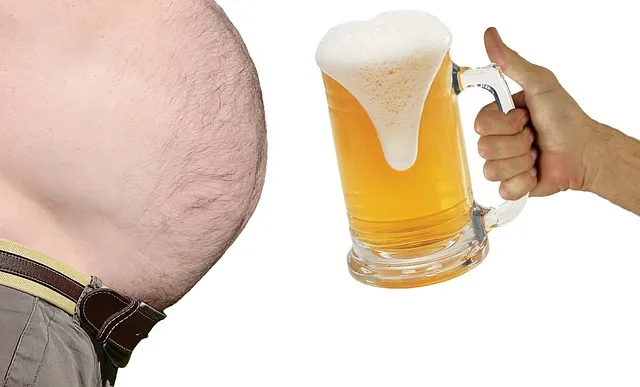
Obesity is associated with modest increases in overall prostate cancer incidence in most studies, but the strongest and most consistent association is with high-grade, advanced, and fatal prostate cancer. The Cancer Prevention Study II found that the most obese men had approximately 34% higher risk of fatal prostate cancer. A meta-analysis of 31 studies found that each 5 kg/m² increase in BMI was associated with a 12% increased risk of advanced prostate cancer.
The association is particularly strong for aggressive cancer and cancer-specific mortality.
Paradoxically, obesity is associated with lower PSA levels in overweight men — probably because the larger blood volume in obese individuals dilutes PSA — which means PSA screening is less sensitive in obese men, potentially delaying diagnosis. This is one reason the BMI-prostate cancer mortality association exists independent of cancer incidence: obese men are more likely to be diagnosed at later stages when cancer has already spread.
The mechanisms connecting obesity to aggressive prostate cancer include elevated insulin and IGF-1 signaling. IGF-1 (insulin-like growth factor 1) promotes cell survival and proliferation through the PI3K/AKT/mTOR pathway — the same pathway that drives cancer cell resistance to apoptosis. Obese, insulin-resistant men have chronically elevated IGF-1, creating a hormonal environment that favors cancer cell growth. A meta-analysis in Annals of Oncology found that higher circulating IGF-1 levels were associated with significantly increased prostate cancer risk, particularly for aggressive cancer.
Weight loss intervention studies provide the most direct evidence that this relationship is causal rather than confounded. Caloric restriction and weight loss programs in overweight men reduce IGF-1 levels, reduce inflammatory markers, and have been associated with PSA reductions. The evidence supports intentional weight management as a genuine prostate cancer prevention strategy, not just general health advice.
5-Alpha Reductase Inhibitors as Chemoprevention
The Prostate Cancer Prevention Trial (PCPT) and Reduction by Dutasteride of Prostate Cancer Events (REDUCE) trial provided definitive evidence that 5-alpha reductase inhibitors can reduce prostate cancer incidence, generating both enthusiasm and controversy about pharmacological chemoprevention in prostate cancer.
The PCPT enrolled over 18,000 men 55 and older with normal PSA and DRE and randomized them to finasteride (5 mg/day) or placebo for seven years. Finasteride reduced the period prevalence of prostate cancer by 24.8% — a highly statistically significant result. REDUCE enrolled over 6,700 men at elevated prostate cancer risk and found dutasteride (0.5 mg/day) reduced prostate cancer risk by 22.8% over four years.
However, both trials showed a concerning signal: an increase in the proportion of high-grade (Gleason 7-10) cancers in the treatment groups, from approximately 6% to approximately 7% of biopsies in PCPT. This finding was initially interpreted as a safety signal — 5-ARIs possibly causing more aggressive cancers.
Subsequent analyses, including a ten-year follow-up of PCPT published in NEJM in 2013, showed no significant difference in prostate cancer-specific survival or overall survival between finasteride and placebo groups, and suggested the high-grade signal may have been a detection artifact (5-ARIs shrink the prostate, making biopsies sample a higher proportion of remaining tissue and detect high-grade foci that would otherwise be missed).
The FDA approved a label update in 2011 noting that 5-ARIs are associated with an increased risk of high-grade prostate cancer — a label that many experts consider overcautious given the subsequent data. Current guidance supports discussing 5-ARI chemoprevention with men at elevated prostate cancer risk (elevated PSA, family history, high-grade PIN), acknowledging the overall risk reduction and the unresolved high-grade cancer question.
For men who are already using 5-ARIs for BPH, the prostate cancer risk-reduction benefit is a welcome side effect of treatment they’re taking for other indications.
Exercise as Prevention: Mechanisms and Evidence
The preventive effects of physical activity on prostate cancer are among the most consistent in the epidemiological literature, and the mechanisms are sufficiently understood to explain why the effect is real rather than confounded by healthier lifestyle overall.
A 2016 meta-analysis in the European Journal of Epidemiology pooled data from 25 prospective studies and found that the highest category of recreational physical activity was associated with approximately 10% lower risk of prostate cancer overall and approximately 27% lower risk of advanced prostate cancer compared to the lowest activity category. These are meaningful reductions, particularly for aggressive disease.
The strongest evidence is for vigorous physical activity rather than moderate activity. Studies consistently find stronger associations between vigorous exercise (running, cycling, swimming at high intensity, vigorous sports) and reduced prostate cancer risk than between walking or light activity and prostate cancer risk. This dose-response characteristic — with more intense exercise showing stronger protection — suggests a genuine biological relationship rather than confounding by general health behaviors.
The mechanisms operate through multiple pathways. Exercise reduces insulin resistance and IGF-1 levels — the metabolic pathway discussed above. Exercise reduces systemic inflammation via multiple anti-inflammatory mechanisms. Exercise affects androgen metabolism — regular vigorous exercise modestly reduces testosterone levels and may reduce intraprostatic DHT availability. Exercise may directly alter epigenetic marks on cancer-relevant genes through AMPK activation and related pathways.
And exercise promotes immune surveillance — natural killer cell activity and other cancer-relevant immune functions are enhanced by regular physical activity.
For prostate cancer prevention, the evidence supports at least 150 minutes per week of moderate-to-vigorous aerobic exercise, with additional benefits from vigorous intensity exercise. Resistance training provides complementary metabolic benefits (improved insulin sensitivity, body composition) and may have independent prostate cancer prevention effects through its effects on testosterone kinetics and inflammation. The most comprehensive prevention approach combines both modalities.
Integrating Prevention: Building a Practical Strategy

Dietary framework: adopt a Mediterranean or traditional Asian-influenced dietary pattern with high vegetables (especially cruciferous), regular tomato products cooked in olive oil, soy foods several times per week, green tea daily, minimized processed meat, whole grains replacing refined grains, and adequate fiber. Not a restrictive diet — one of the most enjoyable and varied dietary patterns in the world when done properly.
Physical activity: 150+ minutes per week of moderate-to-vigorous aerobic exercise, with at least some vigorous-intensity sessions. Resistance training two or more times per week for metabolic health and body composition. Avoiding prolonged sedentary behavior through walking breaks or standing desk use.
Weight management: achieving and maintaining healthy body weight, with particular attention to visceral adiposity. Waist circumference below 40 inches in men is a reasonable target. The dietary and exercise recommendations above will move weight in the right direction without requiring dedicated weight-loss protocols for most men.
Chemoprevention consideration: for men at elevated prostate cancer risk with BPH symptoms already warranting treatment, finasteride or dutasteride provides dual benefit. For men purely interested in cancer prevention without BPH, the discussion of 5-ARI chemoprevention is detailed enough to warrant an individualized conversation with a urologist or preventive oncologist.
Screening: consistent with current guidelines, initiating shared decision-making about PSA screening at age 40-45 for high-risk men (Black men, family history) and 50 for average-risk men. Screening allows early detection of any cancers that develop despite prevention efforts, improving the treatability of anything found.
Marco made the changes. He started running three times a week after years of intention without action. His diet shifted gradually over six months toward the pattern above — more fish, more tomato-based dishes, green tea replacing his afternoon coffee, and significantly less processed meat. His PSA at his next annual check was 1.8 — down from 2.1 the year before, consistent with the weight loss and anti-inflammatory dietary changes.
His physician, who had finally read the literature after that first conversation, mentioned it approvingly. He also mentioned that a PSA decrease from lifestyle changes doesn’t definitively prevent cancer. But it suggests the biology is moving in the right direction. That’s all prevention can ever really promise.
Reader Questions About Biology Prostate Cancer About Prostate Cancer Prevention
Can I prevent prostate cancer if I have a family history?
Family history increases susceptibility, but it doesn’t make prostate cancer inevitable. The literature confirms clear evidence that lifestyle factors modify prostate cancer risk even in genetically predisposed populations — the Asian migrant studies demonstrate that the same genetic backgrounds produce dramatically different prostate cancer rates in different environments.
For men with strong family history (multiple affected relatives, early-onset cases, or known BRCA2/HOXB13 mutations), the prevention strategies described in this article are even more important, combined with consistent, early PSA monitoring and potentially genetic counseling to characterize the specific hereditary risk.
Do statins prevent prostate cancer?
Observational studies have consistently found that statin users have approximately 15-30% lower risk of advanced prostate cancer compared to non-users. The mechanisms are plausible — statins inhibit the mevalonate pathway, which provides intermediates for both cholesterol synthesis and prenylation of Ras and Rho signaling proteins involved in cancer cell proliferation. Multiple laboratory studies show statins have direct anti-cancer effects on prostate cancer cells.
However, clinical trials specifically designed to test statins for prostate cancer prevention have not yet been completed, and the observational association could reflect confounding. Using statins specifically for prostate cancer prevention is not currently guideline-recommended, but for men who are already taking statins for cardiovascular indications, this potential additional benefit is worth knowing about.
Is there any benefit to pomegranate juice for prostate cancer?
Pomegranate juice became very popular for prostate cancer after a 2006 study by Pantuck et al. (Clinical Cancer Research) found that pomegranate juice consumption in men with rising PSA after prostate cancer treatment was associated with a significant prolongation of PSA doubling time (mean increase from 15 to 54 months), suggesting slowing of cancer progression. This was a single-arm study without a placebo group, which significantly limits interpretation.
A subsequent randomized phase II study found no significant effect of pomegranate extract on PSA doubling time in a similar population. The current state of evidence doesn’t support pomegranate juice as a prostate cancer treatment or proven prevention strategy, though it’s a nutrient-rich food with no known harms.
Does fish oil help prevent prostate cancer?
The omega-3 fatty acid and prostate cancer relationship is complex and somewhat counterintuitive. A 2013 JNCI paper by Brasky et al. found that men with the highest circulating EPA and DHA levels in the SELECT trial had a 43% higher risk of prostate cancer, and particularly high-grade prostate cancer, compared to men with the lowest levels. This finding contradicted the general expectation and generated significant controversy.
Subsequent meta-analyses have found mixed results, with some showing protective effects and others null or positive associations. The biological mechanism for a potential adverse effect of omega-3s on prostate cancer is not established. Given this uncertainty, prioritizing dietary omega-3 sources (fatty fish) over high-dose fish oil supplementation for prostate cancer prevention is the most defensible approach — the epidemiological concerns have been with circulating levels (which high-dose supplementation raises dramatically), not with dietary fish consumption.
Do NSAIDs or aspirin reduce prostate cancer risk?
Given the inflammation-prostate cancer connection, anti-inflammatory medications have been investigated for prostate cancer prevention. The evidence is mixed and insufficient to recommend aspirin or NSAIDs specifically for prostate cancer prevention. Some studies show modest reductions in prostate cancer risk with regular aspirin use; others show no effect. COX-2 selective inhibitors (celecoxib) have shown some promise in small clinical trials but carry their own cardiovascular risks at doses required for cancer prevention.
The anti-inflammatory benefits of dietary and lifestyle interventions discussed in this article provide inflammation reduction without the gastrointestinal and cardiovascular risks associated with long-term NSAID use. Until more definitive trial data is available, aspirin or NSAID chemoprevention for prostate cancer is not a recommendation that evidence currently supports.
Ethnic and Geographic Variation: Learning From Population Data
The dramatic variation in prostate cancer rates across ethnic groups and geographic regions provides natural experiments that reveal which risk factors are most modifiable. Black men in the United States have the highest prostate cancer incidence and mortality of any racial or ethnic group in the world — roughly 70% higher incidence and over twice the mortality compared to white American men. Hispanic and Asian American men have lower rates than white men.
These differences are partly genetic and partly environmental, and teasing them apart matters for prevention targeting.
Genome-wide association studies have identified multiple variants at higher frequency in men of African ancestry that are associated with elevated prostate cancer risk, including variants near the 8q24 locus — the most replicated prostate cancer susceptibility region in the genome. However, genetic differences don’t fully explain the Black-white disparity: Black men in Nigeria have prostate cancer rates below Black American men, suggesting that the American dietary and lifestyle environment significantly amplifies the genetic susceptibility.
When African-born men migrate to the United States, their prostate cancer rates rise toward the American Black average within one to two generations — the same migration pattern seen with Asian immigrants and general prostate cancer rates.
This convergence toward American rates with Westernization of diet and lifestyle is evidence that environmental factors are powerful enough to override much of the underlying genetic risk differential — or amplify it.
For Black men specifically, this suggests that the evidence-based prevention strategies discussed throughout this article — Mediterranean dietary pattern, regular vigorous exercise, weight management, smoking cessation — are at least as relevant, and possibly more impactful, than for men of other backgrounds, given the combination of elevated genetic susceptibility and environmental risk amplification they face in the American context.
Asian men in the United States who maintain traditional dietary patterns — high soy, green tea, fish, vegetables, low red meat — consistently show lower prostate cancer rates than those who fully adopt Western dietary patterns. This provides a natural experiment for the dietary prevention hypothesis: same ethnic background, different dietary exposure, different prostate cancer risk.
The divergence begins to appear within the first generation of immigration and is clear by the second generation, when dietary Americanization is typically more complete. Population-level dietary data tracking Japanese American diet Westernization over the twentieth century provides some of the most compelling natural evidence that diet matters for prostate cancer prevention in ways that interventional trials will eventually either confirm or refine.
The Practical Framework: Applying Biology Prostate Cancer Development In Real Life
References
Editorial StandardsCorrectionsMedical DisclaimerAbout Our ContentAffiliate DisclosureSite Map