
James was 36 and had been depressed for three years. Not the kind that keeps you in bed — the functional kind, where you show up, do the work, and feel nothing. His therapist had helped him understand his childhood. His psychiatrist had tried two SSRIs. Neither did much. He’d read about gut health online and dismissed it as wellness noise. Then his gastroenterologist — treating him for IBS — mentioned offhand that gut bacteria produce most of the body’s serotonin. James, three years into chasing his brain chemistry, had been ignoring the organ manufacturing the largest share of it.
The gut-brain connection isn’t new biology. It’s been studied for decades. But the realization that the gut microbiome directly influences mood through neurotransmitter production, immune signaling, vagal nerve communication, and the HPA stress axis has transformed how researchers — and some clinicians — think about depression treatment. Probiotic supplementation for depression sits at the intersection of these fields, with a growing body of RCT evidence strong enough to take seriously, though the field remains young enough that the full clinical picture isn’t settled yet.
This covers the biology of how gut bacteria influence mood, reviews the clinical evidence for probiotics in depression, identifies the strains and doses with the best evidence base, and explains who’s most likely to benefit from this approach. It isn’t an argument that probiotics replace conventional care for serious depression. It is an argument that they deserve serious consideration as a component of comprehensive treatment.
How Gut Bacteria Influence the Brain

The vagus nerve is the most direct highway. It runs from the brainstem to the colon, innervating every organ in between. Roughly 80-90% of vagal fibers are afferent — carrying information from gut to brain, not the other way around. Gut bacteria communicate with vagal nerve endings through the metabolites they produce. Short-chain fatty acids (SCFAs) from bacterial fermentation of fiber, for instance, directly stimulate enterochromaffin cells to release serotonin, which activates vagal afferent neurons, which send signals straight to the brainstem regions involved in mood regulation.
The serotonin connection: roughly 90-95% of the body’s serotonin is produced in the gut, primarily by enterochromaffin cells in the intestinal wall. Gut bacteria regulate the expression of tryptophan hydroxylase 1 (TPH1), the enzyme that synthesizes serotonin from tryptophan. Germ-free mice — raised without gut bacteria — have dramatically altered serotonin metabolism and show anxiety-like and depression-like behavior that normalizes when they’re colonized with bacteria. The gut isn’t a minor player in serotonin biology. It’s the primary manufacturing site.
GABA production: certain Lactobacillus strains produce gamma-aminobutyric acid (GABA) directly. The landmark 2011 study by Bravo et al. in the Proceedings of the National Academy of Sciences found that Lactobacillus rhamnosus JB-1 increased GABA receptor expression in the brain, reduced corticosterone (stress hormone) levels, and produced anxiolytic and antidepressant effects in mice — effects that disappeared when the vagus nerve was severed. That proved the bacterial-vagal-brain pathway mechanistically, not just correlatively.
The HPA axis and immune pathways: gut bacteria regulate the permeability of the intestinal barrier. When permeability increases — the loosely-named “leaky gut” — bacterial lipopolysaccharides (LPS) from gram-negative bacteria enter circulation, activating the innate immune system. The resulting inflammatory cytokine production crosses the blood-brain barrier and disrupts serotonin, dopamine, and GABA metabolism — the cytokine model of depression discussed elsewhere. Healthy gut microbiome diversity maintains the tight junctions of the intestinal barrier, limiting this inflammatory pathway.
Together, these pathways explain why the gut microbiome can be a meaningful contributor to mood disorders, and why interventions targeting the microbiome — probiotic supplementation, dietary changes that support bacterial diversity — show signals in clinical depression research.
The Clinical Evidence: Probiotics and Depression
The evidence base for probiotics in depression has grown substantially over the past decade. Here’s an honest read on where it stands.
The 2019 meta-analysis by Reis et al. in General Hospital Psychiatry is the most comprehensive review to date. Analyzing 34 controlled trials with 1,710 participants, it found probiotic supplementation significantly reduced both depressive and anxiety symptoms compared to placebo, with a standardized mean difference of approximately 0.3 — a small-to-moderate effect size, comparable to some second-line pharmacological augmentation strategies. The analysis included both clinical populations (diagnosed depression) and healthy populations with subclinical symptoms, finding effects in both.
A 2016 systematic review by Huang et al. in Nutritional Neuroscience analyzed 5 randomized controlled trials specifically in depressed patients — not just stressed or anxious ones. Four of five found significant improvement in depressive symptoms with probiotic supplementation. Effect sizes were modest but consistent. No studies found probiotics worsened depression, and adverse events were minimal.
The most striking clinical trial is the 2017 study by Jacka et al. — not technically a probiotic trial, but the SMILES trial: a dietary intervention RCT in 67 patients with major depressive disorder. Patients randomized to a Mediterranean-style dietary intervention (which supports microbiome diversity) achieved twice the remission rate of those in social support control: 32% versus 8%. A massive effect size for any depression intervention. The study doesn’t isolate the microbiome effect specifically, but the dietary pattern producing this result is precisely the one that supports microbiome health through diverse fiber and fermented food intake.
The limitations: most probiotic depression trials are small (under 100 participants), short (8-12 weeks), and use heterogeneous strains and doses. Which makes precise strain and dose recommendations difficult. Effect sizes are modest — probiotics shouldn’t be framed as primary treatment for severe depression. And individual response varies substantially, likely tied to individual microbiome composition at baseline.
Which Strains Have the Best Evidence
Not all probiotics are the same. Strain specificity matters — the research on Lactobacillus rhamnosus JB-1 doesn’t automatically extend to any product labeled “Lactobacillus rhamnosus.” When evaluating a product for mood support, strain-level identification is essential.
Lactobacillus rhamnosus JB-1 has the most mechanistically characterized evidence. The Bravo 2011 PNAS study established vagal-dependent anxiolytic and antidepressant effects in animal models. The 2013 human pilot study by Tillisch et al. at UCLA found that Bifidobacterium animalis and Streptococcus thermophilus combined with L. bulgaricus (in a fermented dairy product) altered brain activity in resting-state fMRI, specifically in regions associated with emotional processing — the first neuroimaging evidence of probiotic effects on brain function in humans.
Lactobacillus helveticus R0052 and Bifidobacterium longum R0175 have been studied together in multiple human trials for stress and mood. The combination (marketed as Probio’Stick by Lallemand) reduced psychological distress, anxiety, and urinary cortisol in stressed volunteers in a 2010 controlled trial by Messaoudi et al. in Gut Microbes. A 2011 follow-up study confirmed the cortisol-reducing effect. One of the better-studied pairings for HPA axis regulation.
Lactobacillus acidophilus and Bifidobacterium bifidum in combination have been evaluated in patients with major depressive disorder specifically. A 2019 RCT by Kazemi et al. in Clinical Nutrition found probiotic supplementation significantly reduced depressive symptoms on the Beck Depression Inventory and also reduced serum hs-CRP (inflammatory marker), supporting the inflammatory mechanism.
The practical challenge: the specific strain combinations with the best evidence often aren’t sold as standalone products. Most commercial probiotics are multi-strain blends chosen more for manufacturing convenience than clinical evidence. When selecting a product for mood support, look for one that specifies strain designations (not just species), contains research-validated strains at trial doses (typically 1-10 billion CFU per strain), and uses refrigerated storage for stability.
Psychobiotics: The Emerging Research Paradigm
The term “psychobiotics” was coined in 2013 by Ted Dinan, John Cryan, and Timothy Brendan — researchers at University College Cork whose work has driven much of the scientific legitimacy in this field. They defined psychobiotics as “live organisms that, when ingested in adequate amounts, produce a health benefit in patients suffering from psychiatric illness.” The term encompasses probiotics but also prebiotics (fibers that feed mood-relevant bacteria) and postbiotics (biologically active compounds produced by bacteria).
The psychobiotic research paradigm has produced some of the most mechanistically rich findings in the field. Cryan and Dinan’s work on the microbiota-gut-brain axis established that gut bacteria influence not just peripheral serotonin but central brain chemistry through the vagal-HPA pathway, demonstrating that microbiome manipulation in humans produces measurable changes in emotional processing, stress reactivity, and cognitive function.
Prebiotic evidence is emerging as equally important. A 2015 study by Schmidt et al. in Psychopharmacology found that a galactooligosaccharide prebiotic supplement reduced cortisol awakening response and enhanced attentional vigilance to positive versus negative stimuli — a pattern associated with lower depression risk. Mechanism: prebiotics increase abundance of Bifidobacteria, which in turn increase GABA production and reduce cortisol pathway activity. Feeding existing beneficial bacteria may be as effective as supplementing new ones.
The fermented food data is particularly compelling. The 2021 Stanford study by Wastyk et al. in Cell found that a high-fermented food diet over 10 weeks significantly increased microbiome diversity and reduced inflammatory markers, with the diversity increase directly correlated with the inflammatory reduction. A companion paper found high-fiber and high-fermented food diets reshape the microbiome through distinct mechanisms, with fermented food providing microbial diversity more reliably than fiber alone. For mood, diversity matters — richer microbiome diversity correlates with lower depression risk across multiple population studies.
The GUT-MOOD Protocol
GUT-MOOD stands for Gut-barrier support, Utilize fermented foods, Target specific strains, Make prebiotic fiber a daily habit, Optimize diet diversity, Observe and track response, and Drop foods that disrupt the microbiome.
G — Gut-Barrier Support: The intestinal barrier is the physical interface between gut contents and systemic circulation. Strengthening it reduces bacterial LPS translocation and the inflammatory cascade it triggers. Key supports: glutamine (primary fuel for enterocytes), zinc carnosine (protects mucosal integrity), and removing the primary barrier disruptors — alcohol, NSAIDs, antibiotic overuse.
U — Utilize Fermented Foods Daily: Yogurt with live cultures, kefir, sauerkraut, kimchi, miso, tempeh, and kombucha each provide different bacterial strains. Diversity of fermented food sources correlates better with microbiome diversity than relying on one. Aim for at least one fermented food daily; two or three types gives broader strain coverage.
T — Target Research-Backed Strains: For depression specifically, seek products containing Lactobacillus helveticus R0052 plus Bifidobacterium longum R0175, or products with Lactobacillus acidophilus plus Bifidobacterium bifidum at 1-10 billion CFU per strain. Refrigerated products with published stability data are preferable. Start with a single course (8-12 weeks) to assess response before committing to long-term supplementation.
M — Make Prebiotic Fiber a Daily Habit: Prebiotics are food for mood-relevant bacteria. Inulin and FOS from chicory root, garlic, onion, leeks; beta-glucan from oats; resistant starch from cooled cooked potatoes and green bananas; pectin from apples and pears. The figure to work toward is 25-35g total fiber daily, with variety across fiber types for bacterial diversity. Increase gradually to avoid gas and bloating as the microbiome adapts.
O — Optimize Dietary Diversity: The strongest dietary predictor of microbiome diversity is the number of distinct plant foods consumed per week. Research suggests 30+ different plant foods weekly is associated with the highest microbiome diversity. Vegetables, fruits, legumes, whole grains, nuts, seeds all count. Diversity — not just quantity — is what matters for microbiome richness.
O — Observe and Track Response: Microbiome effects on mood are slower than pharmaceutical effects — expect 4-8 weeks before meaningful changes. Track mood, energy, sleep quality, and digestive symptoms weekly. Some people show rapid improvement; others need different strain combinations or dietary approaches. Systematic observation helps identify what’s actually working.
D — Drop Microbiome Disruptors: Identify and limit the primary microbiome-damaging inputs: ultra-processed foods with emulsifiers (polysorbate 80, carboxymethylcellulose directly damage intestinal mucus), artificial sweeteners (particularly sucralose, which reduces Lactobacillus and Bifidobacteria), alcohol above moderate levels, and antibiotic use when alternatives are clinically appropriate.
Common Questions About Health Post 625
- Can probiotics replace antidepressant medication? No. Probiotics have small-to-moderate effects on depressive symptoms and are best positioned as adjunctive support alongside appropriate care, not as primary treatment for moderate-to-severe depression. For mild depressive symptoms, dietary and probiotic approaches may function as meaningful primary interventions. For clinical depression affecting daily function, they’re one component of a comprehensive approach.
- How long does it take for probiotics to affect mood? Most clinical trials showing mood effects run 8-12 weeks. Microbiome composition shifts are detectable within days to weeks of dietary or probiotic intervention, but the downstream neurological effects appear more gradually. Expecting mood changes within 2 weeks isn’t realistic. Commit to 8-12 weeks of consistent use before evaluating response.
- Are higher CFU counts better for mood effects? Not necessarily. Most clinical trials showing mood effects used 1-10 billion CFU per strain. Some trials use up to 50 billion CFU total without showing proportionally greater benefit. Strain identity and viability (whether the bacteria are alive at time of consumption) matter more than raw CFU count.
- Do I need to take probiotics forever? No clear evidence establishes how long probiotic supplementation needs to continue for sustained mood benefit. The underlying evidence suggests dietary patterns supporting microbiome diversity — fermented foods, high fiber, plant diversity — are more sustainable long-term approaches than indefinite supplementation. Probiotics are often most useful as a “jump start” while establishing those dietary foundations.
- Can the wrong probiotics worsen mood? Theoretically possible but rarely documented in clinical trials. Some people experience temporary gas, bloating, or digestive discomfort when starting probiotics — usually resolving within 1-2 weeks. A small subset with SIBO (small intestinal bacterial overgrowth) may experience worsened symptoms from some Lactobacillus strains. If symptoms worsen significantly and persistently, discontinue and reassess with a clinician.
- Is there any point in probiotic supplementation if I’m already eating a healthy diet? Less clear benefit in this case. Probiotics are most effective in people with depleted or dysbiotic microbiomes — which correlates with poor dietary history, antibiotic exposure, and chronic stress. Someone already eating diverse whole foods with regular fermented foods and high fiber may have a microbiome strong enough that supplemental probiotics provide minimal additional benefit. The dietary foundation matters more than supplementation stacked on top of it.
Your gut is not a side note to your brain — it’s a co-author of your mood. The bacteria living in your intestine produce neurotransmitter precursors, regulate your stress response, and communicate directly with your brain through the vagus nerve. Ignoring this while optimizing everything else is like tuning an engine while leaving the fuel line kinked. The gut matters. The evidence is real. Feed it accordingly.
The Microbiome-Depression-Inflammation Triangle
The relationship between gut bacteria and depression runs most strongly through the inflammation pathway, and understanding this triangle clarifies who’s most likely to benefit from microbiome-targeted interventions.
Depression with elevated inflammatory markers is a distinct subtype. Patients with elevated CRP, IL-6, and TNF-alpha show different symptom profiles (more fatigue, anhedonia, and psychomotor slowing; less classical sadness) and respond less well to serotonin reuptake inhibitors but potentially better to anti-inflammatory interventions. The microbiome connects to this phenotype through multiple routes.
Gut dysbiosis — imbalanced microbiome composition with reduced beneficial bacteria and overgrowth of potentially pathogenic species — increases intestinal permeability. This lets bacterial LPS enter circulation, activating toll-like receptor 4 (TLR4) on innate immune cells, triggering IL-1 beta, IL-6, and TNF-alpha production. Those cytokines activate the kynurenine pathway, diverting tryptophan away from serotonin synthesis toward kynurenine production. Elevated kynurenine and reduced serotonin synthesis is one of the most consistent neurochemical findings in inflammatory depression.
Restoring microbiome health through diet and probiotics can reverse this cascade. Reduced LPS translocation reduces chronic low-grade inflammation. Inflammatory cytokine levels fall. The kynurenine pathway normalizes. Serotonin synthesis resumes at adequate rates. For patients in the inflammatory depression subtype — identifiable by elevated CRP and the symptom profile above — this mechanism may explain why dietary and probiotic interventions show effects in their subgroup even when they fail to show consistent effects across unselected depressed populations.
The practical takeaway: anyone with depression should request a CRP level alongside the routine workup. Elevated CRP above 1 mg/L suggests the inflammatory subtype, pointing toward diet quality, gut health, omega-3 status, and sleep (a major driver of inflammation) as therapeutic priorities. Normal CRP depression may respond better to conventional psychological approaches. Matching the intervention to the mechanism is the future of psychiatric care. A single blood test gets you there now.
Fermented Foods vs. Probiotic Supplements: The Evidence Comparison
One of the most clinically relevant questions for anyone trying to improve mood through microbiome health is whether to focus on fermented foods, probiotic supplements, or both. The evidence, while not definitive, suggests the hierarchy may be more detailed than either the supplement industry or food-first advocates want to admit.
Fermented foods offer several advantages over supplements: a wider variety of bacterial strains, the metabolic products of fermentation (organic acids, vitamins, bioactive peptides) that supplements don’t capture, and the probiotic delivery embedded within a food matrix that affects how the bacteria survive and colonize. The 2021 Wastyk Cell study specifically found a high-fermented food diet increased microbiome diversity in ways a high-fiber diet alone did not — suggesting fermented food provides something qualitatively different from fiber feeding existing bacteria.
Probiotic supplements offer different advantages: precise strain identification, standardized dosing, the ability to include specific strains not commonly found in traditional fermented foods, and convenience for people who can’t or don’t enjoy fermented foods regularly. The clinical trials showing mood effects used supplements, not fermented foods — so the direct evidence for mood benefit sits in the supplement literature specifically.
The practical recommendation: prioritize fermented food integration into daily eating as the sustainable foundation, and use targeted probiotic supplementation as an adjunct when specific evidence-based strains are indicated or when the dietary approach isn’t producing adequate microbiome diversity. Not competing strategies. Complementary routes to the same system.
James’s Outcome: What Changed and What Didn’t
James added daily kefir to his breakfast, started eating kimchi at lunch, and took a probiotic supplement containing Lactobacillus helveticus and Bifidobacterium longum for twelve weeks. He also increased his dietary fiber substantially — switching to whole grains, eating more legumes, adding garlic and onion to most meals. He didn’t change his therapy attendance, his medication, or his sleep schedule.
At eight weeks, he noticed he was waking up less often feeling dull and heavy. At twelve weeks, he told his therapist something had shifted — he wasn’t quite sure what. The functional depression hadn’t vanished. But the days where he felt nothing had become less common, and the days where he felt engaged with his own life had become more common. His IBS symptoms — which he’d never connected to his mood — had also improved substantially.
He didn’t stop therapy. Didn’t stop his medication, though eventually he and his psychiatrist reduced the dose. But he’d found a layer of intervention that had been missing: the biological substrate of his mood wasn’t just neurotransmitters in his brain but the complex ecology of organisms influencing those neurotransmitters from the gut up. Addressing that ecology hadn’t cured his depression. It had shifted the biological conditions making recovery harder.
That shift — even a modest one — matters more than it sounds like it should. Depression’s cruelest feature is that it makes recovery feel impossible from inside the state. Reducing the biological load, even partially, can create enough neurological space for the psychological work to gain traction. A complete cure from a dietary intervention isn’t the bar. Enough improvement in the underlying conditions that the other work being done can actually take effect — that’s the bar.
The Tryptophan-Serotonin-Gut Connection in Detail
Tryptophan is the dietary amino acid serving as the precursor for serotonin synthesis. Found in protein-containing foods: turkey, chicken, eggs, dairy, nuts. After absorption, tryptophan competes with other large neutral amino acids for transport across the blood-brain barrier via the LAT1 transporter. Once in the brain, it’s hydroxylated to 5-HTP by tryptophan hydroxylase 2 (TPH2), then decarboxylated by aromatic amino acid decarboxylase (AAAD, requiring B6/P5P) to form serotonin.
The gut complicates this picture significantly. In the intestinal wall, tryptophan faces a metabolic fork: it can go toward serotonin synthesis via TPH1 (producing gut serotonin that doesn’t cross the blood-brain barrier but signals via vagal afferents), or toward the kynurenine pathway via indoleamine 2,3-dioxygenase (IDO). IDO is upregulated by inflammatory cytokines — which brings the story back to the gut-inflammation-depression triangle.
When gut inflammation is elevated, IDO activity increases. More tryptophan diverts to kynurenine. Less remains available for either gut serotonin or brain serotonin synthesis. The kynurenine metabolites themselves are neuroactive: quinolinic acid is an NMDA agonist contributing to excitotoxicity and depression; kynurenic acid is an NMDA antagonist that can impair cognition. The balance of kynurenine metabolites shifts toward the neurotoxic end in inflammatory states.
Healthy gut microbiome composition modulates IDO activity. Certain bacteria — Lactobacillus species particularly — directly inhibit IDO expression in intestinal epithelial cells. Microbiome intervention can thus protect tryptophan availability for serotonin synthesis by reducing the inflammatory diversion of tryptophan toward kynurenine. One of the most mechanistically direct pathways from gut bacteria to brain serotonin — operating whether or not anyone’s heard of it.
For practical application: foods high in tryptophan raise brain serotonin more effectively when consumed with sufficient carbohydrate (which drives insulin release, clearing competing amino acids from blood, improving tryptophan’s relative access to the LAT1 transporter) and when gut inflammation is under control. Tryptophan-rich foods plus microbiome health plus low systemic inflammation together provide the optimal conditions for serotonin synthesis from the ground up.
Prebiotics and Dietary Fiber: The Overlooked Half of Microbiome Medicine
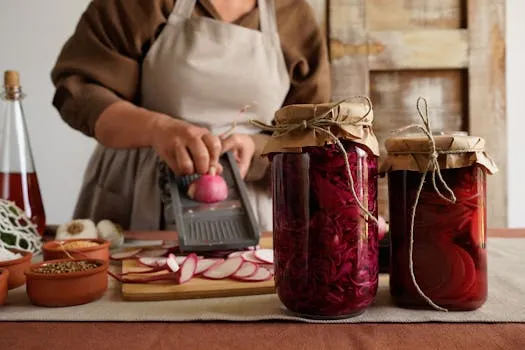
Specific fiber types have specific effects on mood-relevant bacteria. Inulin-type fructans (from chicory, garlic, onion, leeks) selectively feed Bifidobacteria and Lactobacillus species — precisely the bacteria most associated with GABA production and vagal mood signaling. The 2015 Schmidt study mentioned earlier found galactooligosaccharide (GOS) supplementation reduced cortisol awakening response and shifted attention toward positive emotional stimuli in healthy adults — effects mediated by the Bifidobacteria increase GOS produces.
Beta-glucan from oats increases Faecalibacterium prausnitzii — one of the most anti-inflammatory bacteria in the human gut. F. prausnitzii runs consistently lower in depressed individuals compared to healthy controls across multiple microbiome studies, and its reduction correlates with elevated CRP. Oats aren’t just a breakfast choice. They’re beta-glucan delivery vehicles feeding one of the most depression-protective gut bacteria identified so far.
Resistant starch (from cooled cooked potatoes, green bananas, retrograded rice) feeds butyrate-producing bacteria. Butyrate is a short-chain fatty acid that reduces intestinal permeability, inhibits inflammatory NF-kB signaling, and crosses the blood-brain barrier to influence histone deacetylase activity in neurons — regulating gene expression in ways that affect neuroplasticity and mood. The brain literally responds to what the gut bacteria produce from the fiber eaten that day.
The 30-plant-foods-per-week benchmark from the American Gut Project bears repeating: the dietary diversity level consistently associated with highest microbiome diversity in population-scale microbiome studies. Not a difficult target — beans, nuts, seeds, herbs, and spices each count. Plant food diversity may be the single strongest dietary predictor of the microbiome composition associated with mental health resilience.
When to Consider Professional Microbiome Testing
Consumer microbiome testing (Viome, Thryve, Biomesight, uBiome before its collapse) offers 16S rRNA sequencing of gut bacteria from stool samples. The appeal is obvious: personalized information about specific microbiome composition. The clinical utility is more limited than the appeal suggests.
What consumer microbiome testing can tell you: relative abundance of major bacterial phyla and genera, presence or absence of specific bacteria with known associations to health or disease, and rough diversity metrics. What it can’t reliably tell you: what your microbiome should look like for optimal mood, how to specifically modify it based on the result, or whether the result will even hold up next week given the microbiome’s day-to-day variability.
For most people interested in microbiome and mood, the evidence-based approach doesn’t require knowing specific microbiome composition. The interventions that support microbiome health in general — dietary diversity, fermented foods, prebiotic fiber, limiting microbiome disruptors — apply regardless of where anyone starts. They apply regardless of whether a specific test suggests a deficiency or excess of particular bacteria, because the dietary approach corrects in both directions.
Consumer testing becomes more useful for people with significant digestive symptoms alongside mood symptoms, where specific dysbiosis (SIBO, C. diff colonization, Candida overgrowth) may be driving both. In those contexts, testing can identify targets for more directed intervention. For the average person interested in optimizing microbiome health for mood, the dietary and probiotic protocol above doesn’t require a microbiome test to implement effectively.
Safety, Populations, and Special Considerations
Probiotics are among the safest interventions in medicine for healthy adults. Serious adverse events from commercial probiotic supplementation are extremely rare. The most common side effects — gas, bloating, loose stools — typically resolve within one to two weeks as the gut adapts. Specific populations, though, need caution.
Immunocompromised individuals (chemotherapy recipients, post-transplant patients, severe immune deficiencies) face theoretically elevated risk of bacterial translocation and should use probiotics only under medical supervision. SIBO (small intestinal bacterial overgrowth) can be worsened by certain Lactobacillus strains, which may colonize the small intestine and exacerbate symptoms — with SIBO symptoms (bloating immediately after eating, not just later), address the SIBO before adding probiotics.
For people in acute depressive episodes with suicidal ideation or severe functional impairment: probiotic and dietary approaches are supportive interventions working on the timescale of weeks to months. Not appropriate as sole treatment in that context. This isn’t an either-or argument — it’s that addressing the microbiome is one layer of a comprehensive approach that includes appropriate professional care.
For healthy adults interested in mood optimization and resilience rather than treatment of established depression: the risk-benefit calculation strongly favors trying the dietary and supplemental interventions described here. The downside risk is essentially zero. The potential benefit — a more strong biological foundation for mood regulation — is meaningful. One of the rare cases where the precautionary principle actually supports action instead of inaction.
Integrating the Evidence: Building Your Protocol
Microbiome-targeted intervention for mood works best as part of a comprehensive nutritional approach, not an isolated tactic. The most productive framing: gut health is one system in the larger system of brain chemistry, and optimizing it works synergistically with optimizing the others.
The integration looks like this: omega-3 fatty acids provide the neuronal membrane substrate for receptor function; B vitamins provide the methylation machinery for neurotransmitter synthesis; magnesium regulates NMDA receptor excitability; the gut microbiome produces serotonin precursors, GABA, and anti-inflammatory metabolites, and regulates the HPA axis. Each layer supports the others. Deficiencies in any one create drag on the whole system.
Starting sequentially makes sense: gut health first, because it affects absorption of every other nutrient. A dysbiotic gut that isn’t absorbing magnesium, B vitamins, and tryptophan efficiently impairs every other nutritional intervention. Restoring gut barrier integrity and microbiome diversity sets the stage for dietary and supplement interventions to actually work.
The comprehensive starting protocol: three servings of fermented food weekly (work toward daily); 30+ plant foods per week for microbiome diversity; prebiotic-rich foods daily (garlic, onion, oats, legumes); probiotic supplement with L. helveticus R0052 and B. longum R0175 for 12 weeks; EPA-dominant fish oil 2g daily; magnesium glycinate 300mg at night; quality B-complex with methylated forms. That’s it. Not a complex protocol — basic nutritional foundations most people can implement without much difficulty.
The harder part is consistency over the weeks and months it takes to see effects. Microbiome shifts are gradual. Neurological changes downstream are slower still. But the trajectory matters as much as the destination — this is building the biological conditions for better mood regulation, not taking a mood-improving pill. That takes time. It takes consistency. Both are achievable. James’s outcome isn’t exceptional. It’s what the biology predicts for anyone willing to do the work.
The Future of Psychobiotic Medicine
The psychobiotic field is moving fast. What was fringe science in 2010 — the idea that gut bacteria could meaningfully influence psychiatric conditions — is now a legitimate research priority at major institutions with substantial NIH and private funding. The pace of discovery is accelerating, and clinical translation is following.
Several directions look most promising. Precision psychobiotics: rather than prescribing generic probiotic blends, next-generation interventions will tailor strain selection to individual microbiome composition and specific symptom profiles. The convergence of microbiome sequencing, metabolomics, and psychiatric phenotyping is building the data infrastructure for this personalization. Phase II trials are already using baseline microbiome composition to predict probiotic response.
Postbiotic interventions: rather than delivering live bacteria, using the specific metabolites those bacteria produce — butyrate, GABA, indoles, short-chain fatty acids — as direct supplements. This bypasses the colonization challenge (whether introduced bacteria actually establish in an existing microbiome) and delivers the active molecules directly. Several postbiotic products are already in development for mood applications.
Fecal microbiota transplantation (FMT) for psychiatric conditions: FMT has demonstrated remarkable efficacy for recurrent C. difficile infection and is being investigated for IBD. Small open-label studies have found FMT associated with improvements in depressive and anxiety symptoms. The challenges — standardization, safety, regulatory hurdles — are substantial, but the field is moving forward. Within a decade, FMT for treatment-resistant depression may be an approved option.
For now, the available tools — dietary diversity, fermented foods, prebiotic fiber, targeted probiotic supplementation — are evidence-based, safe, and underutilized. The gut-brain connection is no longer a hypothesis. It’s an established biological reality with growing clinical evidence. The question isn’t whether to address it anymore. It’s how deliberately to do so.
The Practical Framework: Applying Health Post 625 In Real Life
References
Editorial StandardsCorrectionsMedical DisclaimerAbout Our ContentAffiliate DisclosureSite Map