
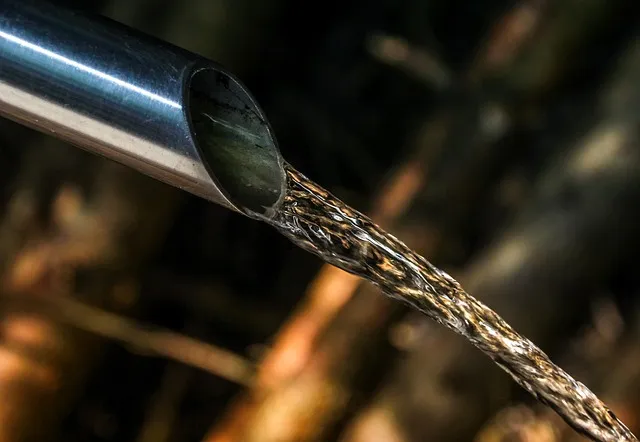
What makes well water fundamentally different from municipal water — beyond the rural association — is this: there’s no regulatory oversight. No government agency monitors well water quality. No annual report is required. No maximum contaminant level is enforced. The well owner is entirely responsible for knowing what’s in the water, assessing its safety, and addressing any problems found.
This isn’t inherently a crisis. Millions of wells provide safe, high-quality water for generations of families. But it does mean the “set and forget” relationship many people have with municipal water is catastrophically inappropriate for well owners. And the consequences of neglect — from nitrate poisoning of infants to cancer from chronic arsenic exposure to acute illness from bacterial contamination — are real, severe, and preventable.
How Well Water Works: Source, Aquifer, Geology
Understanding well water requires understanding hydrogeology — how water moves through and is stored in underground rock formations:
Aquifers: Underground layers of permeable rock, sediment, or soil that store and transmit water. Two major types:
- Unconfined aquifers (water table aquifers): The uppermost saturated zone, directly below the unsaturated soil zone. The water table rises and falls with precipitation and seasonal variation. Shallow wells typically draw from unconfined aquifers. Highly vulnerable to surface contamination — agricultural runoff, septic systems, fuel spills, chemical dumping — because there’s no protective impermeable layer between the surface and the water-bearing zone.
- Confined aquifers (artesian aquifers): Deeper water-bearing zones bounded above by impermeable rock or clay layers. Much better protected from surface contamination but may contain naturally elevated minerals or contaminants derived from the surrounding rock — arsenic, radium, radon, and iron are common in confined aquifers in certain geological settings. Water pressure is often sufficient to push water to the surface without pumping (true artesian wells).
Well construction: The construction quality of the well itself critically affects water quality. Modern drilled wells with steel or PVC casing, sealed wellhead caps, and proper grouting between the casing and the borehole wall prevent surface water and contaminants from bypassing the aquifer and entering the well directly. Dug wells — shallower, often older construction — are particularly vulnerable to surface contamination and biological content.
Wellhead protection zone: The area of land surface that contributes water to a well. Activities within this zone — septic systems, fuel tanks, fertilizer application, pesticide use, animal operations — directly influence what enters the well. Understanding this zone and managing activities within it is a primary preventive strategy.
The Contaminant Landscape: What’s Actually in Well Water
Coliform bacteria: The presence of coliform bacteria — particularly E. coli — in well water indicates fecal contamination from septic systems, animal operations, or surface water intrusion. The most urgent well water concern, because bacterial contamination can cause acute, severe illness. Approximately 23% of US private wells tested in national surveys have detectable coliform bacteria. Annual testing for total coliform and E. coli is the minimum acceptable monitoring standard.
Nitrates: The leading agricultural contamination concern for shallow wells. Nitrogen fertilizers and animal waste introduce nitrate into groundwater through leaching. Infants under 6 months are acutely vulnerable — nitrate interferes with hemoglobin’s oxygen-carrying capacity, causing methemoglobinemia (“blue baby syndrome”). Adults are generally tolerant of nitrate levels that harm infants, but chronic elevated nitrate exposure is associated with colorectal cancer and thyroid dysfunction in some research. EPA MCL is 10 mg/L as nitrogen.
Arsenic: Naturally occurring in many US geological formations, particularly in the Southwest, Midwest (glacial sediments), and New England granites. Arsenic in well water is the leading naturally-occurring contaminant concern by chronic health risk. Chronic ingestion above 10 μg/L (EPA MCL) is a Group 1 human carcinogen associated with bladder, skin, kidney, lung, and liver cancers. Perhaps 10% of US wells exceed the EPA MCL for arsenic — concentrated in specific geological regions but distributed nationally.
Radon: A naturally occurring radioactive gas produced by uranium decay in bedrock. Enters wells in dissolved form from surrounding rock. Granitic formations (New England, Southeast, parts of the Midwest and West) have the highest radon potential. Radon in well water contributes to both waterborne (ingestion) and airborne (volatilization during showering and cooking) exposure. The EPA estimates radon from drinking water causes approximately 168 cancer deaths per year (primarily lung cancer from inhalation, not ingestion) in the US. No currently enforced EPA MCL exists for radon in drinking water, but the EPA has proposed a recommended action level of 4000 pCi/L.
Hard metals (iron, manganese, calcium, magnesium): High iron causes red-orange staining of plumbing fixtures and laundry, unpleasant metallic taste, and can accelerate bacterial growth. Manganese at elevated levels has raised neurological concerns in some studies, particularly for infant exposure. Common aesthetic and nuisance issues with high mineral content wells, generally addressable with water softeners or ion exchange. High calcium and magnesium — beneficial at moderate levels — can cause scale buildup in plumbing and appliances at very high concentrations.
Volatile organic compounds (VOCs): Petroleum products (from underground storage tank leaks), dry cleaning chemicals (perchloroethylene), industrial solvents, and agricultural chemicals can contaminate wells near their sources. VOCs are typically localized (near a specific contamination source) rather than widespread, but warrant testing in appropriate geographic contexts.
Pesticides and herbicides: Atrazine, chlordane, and other agricultural chemicals leach through soil into shallow groundwater in agricultural areas. Testing for a comprehensive herbicide/pesticide panel is warranted for shallow wells in areas with significant agricultural activity.
PFAS: Increasingly detected in rural well water, particularly near military bases (AFFF foam), industrial facilities, airports, and landfills. PFAS groundwater plumes can extend miles from source areas. Within 3-5 miles of any of these potential sources, PFAS testing is warranted.
“The difference between a municipal water customer and a well owner isn’t just geography. It’s the entire regulatory and monitoring infrastructure that stands between an unsafe aquifer and your glass. Without that infrastructure, you are the quality control department.”
The Well Water Testing Protocol
Testing should be systematic, not random. Here’s a structured approach based on your specific situation:
Baseline testing (every new well owner, every 1-2 years thereafter):
- Coliform bacteria and E. coli — the non-negotiable biological safety test
- Nitrates — particularly important if there are infants, pregnant women, or agricultural activity nearby
- pH — indicates corrosivity (low pH dissolves plumbing metals including lead)
- Hardness (total dissolved minerals) — guides softening/treatment decisions
- Iron, manganese — guides aesthetic and plumbing protection decisions
- Arsenic — if you’re in a high-arsenic geological region (check USGS arsenic maps)
Situation-specific additional testing:
- Radon — New England, Southeast, Appalachian, or other granite/uranium-bearing geology
- PFAS — within 3-5 miles of military base, airport, industrial facility, or landfill
- VOCs — near industrial sites, gas stations, dry cleaners, or highways
- Pesticide/herbicide panel — in agricultural areas with shallow wells
- Lead — if plumbing includes lead pipes or lead-soldered copper (pre-1988 construction) and water is acidic (pH below 7)
Testing after events:
- Flooding or significant storms (always test coliform after flooding)
- Well service, pump replacement, or any work on the well system
- Nearby construction or drilling
- New agricultural activity, industrial activity, or fuel storage in your wellhead protection zone
- Unexplained change in water taste, smell, color, or turbidity
- Any illness in the household with possible waterborne cause
How to test:
- Contact your state’s department of environmental quality or health — many states offer low-cost or free basic well water testing
- National Testing Laboratories (ntllabs.com), Pace Analytical, or Tap Score for comprehensive panels
- Always collect samples following specific protocols — flushing times, sterile containers, and temperature management affect results
- For coliform testing, use a sterile sample bottle (don’t transfer to another container) and deliver to the lab within 24-48 hours under refrigeration
Treatment Options for Common Well Water Problems

Nitrates: RO effectively removes nitrates (90-95% reduction). Ion exchange with anion exchange resin specifically designed for nitrate removal is also effective. Distillation works. Standard carbon filters do NOT remove nitrates — critical, since many people assume their basic filter is protective against nitrates.
Arsenic: RO removes arsenic effectively (93-96%). Activated alumina specifically adsorbs arsenate (the primary form in most groundwater). Iron coagulation/filtration at the whole-house level for higher-concentration situations. Water softeners and standard carbon filters do NOT effectively remove arsenic.
Radon: Point-of-entry aeration (exposing water to air allows radon gas to escape) is highly effective — removing 95%+ of dissolved radon. Granular activated carbon filtration can also remove radon from drinking water but creates a secondary radiation hazard as radon decays on the filter media (which must be disposed of as low-level radioactive waste). For radon in well water primarily concerned about inhalation, whole-house aeration combined with household ventilation is the most effective approach.
Iron and manganese: Water softeners (ion exchange) effectively remove iron and manganese at moderate concentrations. Oxidizing filters (using greensand, birm, or air injection with catalytic filtration) are used for higher iron concentrations and are more effective for oxidized iron forms. Sediment filters for colloidal (turbid) iron. Manganese at higher concentrations requires oxidizing treatment rather than simple ion exchange.
PFAS: RO (NSF 58 certified) removes >95% of PFAS. PFAS-specific activated carbon (NSF 53 with PFAS certification) removes 70-80%+ of many PFAS compounds. Standard carbon filters do NOT adequately remove PFAS — certification matters.
Well Maintenance: Preventing Problems Before They Start
A properly maintained well lasts indefinitely and maintains water quality. Critical maintenance practices:
- Annual inspection of the wellhead — verify the cap is sealed, no cracks in the casing, positive slope away from the wellhead to prevent surface water pooling
- Keep the wellhead above grade level — prevents flooding and surface water intrusion
- Maintain minimum separation distances — septic systems should be 50+ feet from wells (100+ feet is preferred), fuel tanks should be 100+ feet from wells
- Never dump chemicals, fuel, paint, or other materials near the wellhead
- Pesticide and herbicide application should avoid the immediate wellhead protection zone
- Annual pump and pressure system inspection by a licensed well contractor
- When servicing the well system, shock chlorinate afterward and test before returning to use
What People Ask About Well Water Works
My well water looks and tastes fine — do I still need to test it?
Yes, absolutely. The most dangerous well water contaminants — coliform bacteria, nitrates, arsenic, radon, pesticides — are completely undetectable by taste, smell, or appearance. Clear, clean-tasting water can be heavily contaminated. “Looks fine” is not water safety data.
How do I find a certified well water testing lab?
Your state environmental or health agency maintains a list of state-certified laboratories. The EPA also provides a lab certification database. Use a certified lab — not a hardware store test kit — for results that are accurate and legally defensible if needed for property disclosure or legal proceedings.
My neighbor’s well was contaminated — does that mean mine is too?
Not necessarily — different wells draw from different parts of the aquifer and can have very different water quality even at close proximity. That said, a neighboring well contamination event is a strong trigger for testing your own well immediately. Contaminant plumes in groundwater move in specific directions based on hydraulic gradient, and your well may be up-gradient (less risk) or down-gradient (more risk) depending on the contamination source location relative to your well.
Is a home water quality test accurate enough for safety decisions?
Consumer home test kits for bacteria and nitrates have high false-negative rates and are not reliable for safety decisions. Use a state-certified laboratory with proper collection protocols. Home test strips are appropriate only for rough orientation (like checking pH) — not for health safety determinations.
What happens if my well water tests positive for bacteria?
Stop using the water for drinking and cooking immediately (bottled water or boiling as interim). Shock chlorinate the well (instructions available from your state department of health or EPA). Retest after shock chlorination and flushing. If contamination recurs, have the well professionally inspected for structural problems (cracked casing, improper grouting) that are allowing surface water intrusion. Persistent contamination may require professional well rehabilitation or replacement.
Aquifer Types and Their Water Quality Fingerprints
The quality of well water begins with the geology — specifically, the type of aquifer being accessed and the rock types through which the water has traveled. Different aquifer systems have distinct water quality signatures that reflect the minerals, sediments, and organic matter they contact during recharge and transit. Understanding the aquifer type beneath a property is the first step toward predicting what the water is likely to contain and which testing priorities make sense.
Unconfined aquifers (also called water table aquifers) are the most widespread and the most vulnerable to contamination. In an unconfined aquifer, the saturated zone directly underlies the ground surface, separated by only an unsaturated (vadose) zone that varies in thickness from a few feet to tens of feet. Rainwater and snowmelt infiltrate through this unsaturated zone relatively quickly — weeks to months in many settings — carrying dissolved substances from the surface with them. Agricultural chemicals, road salt, septic system effluent, pet waste, oil spills, and industrial contaminants deposited on the ground surface all have direct pathways to unconfined aquifer groundwater. Nitrate contamination is the most widespread quality problem in unconfined aquifers in agricultural regions; bacterial contamination is most significant where population density is high and septic systems are old or poorly maintained.
Confined (artesian) aquifers are bounded above and below by relatively impermeable layers (aquitards) — typically clay, shale, or unfractured bedrock — that restrict vertical water movement. Recharge to confined aquifers occurs only at specific recharge zones (often at higher elevations where the confining layer is absent or breached), and water in confined aquifers may have been isolated from the surface for hundreds to thousands of years. The great advantage of confined aquifers is protection from surface contamination — the confining layer acts as a physical barrier to downward migration of agricultural chemicals, surface pathogens, and other surface-derived contaminants. The natural water quality in confined aquifers is largely determined by the deep geological setting rather than surface land use.
The geological chemistry of confined aquifer water can be excellent or problematic depending on the rock types. Sandstone aquifers cemented with iron-bearing minerals often produce water with elevated dissolved iron and manganese — not a health hazard at typical concentrations but a water quality nuisance (orange staining, metallic taste) that requires treatment. Limestone and dolomite aquifers produce naturally hard water high in calcium, magnesium, and bicarbonate — generally favorable for health but creating scaling in pipes and appliances. Shale aquifers and certain sandstone formations may contain naturally elevated levels of barium, strontium, radium, or uranium, mobilized from the rock by water over geological timescales. Radium in particular is a naturally occurring radioactive material (NORM) present at elevated concentrations in certain deep aquifer formations across the central United States, particularly in parts of Illinois, Iowa, Wisconsin, and the upper Midwest.
Karst aquifers deserve special attention because they violate the normal rules of aquifer protection. Karst geology — formed in soluble rock (typically limestone or dolomite) that has been partially dissolved by acidic groundwater over millennia — is characterized by an interconnected network of caves, conduits, and fractures through which water moves rapidly and directly. In karst terrain, rainfall can travel from the surface to a well hundreds of feet away through underground conduits within hours rather than the months required for typical porous media flow. A karst aquifer provides essentially no filtration or attenuation of surface contaminants — bacteria, viruses, sediment, and agricultural chemicals can all appear in wells and springs with minimal lag time after contamination events. Wells in karst terrain require the most protective wellhead construction, the most vigilant ongoing testing, and typically the strongest point-of-use treatment systems.
Fractured rock aquifers in crystalline bedrock (granite, gneiss, schist, basalt) present a different profile. Water flows through fractures and joints in the rock rather than through pore spaces between sediment grains. Fracture flow can be rapid and can transmit surface contamination quickly, similar to karst. The natural geochemistry of crystalline rock water often includes elevated silica and may include naturally occurring arsenic (particularly in areas with arsenic-bearing mineral veins), radon, and uranium. The northeastern United States, particularly New England, the Mid-Atlantic Piedmont, and parts of the upper Midwest, has widespread crystalline bedrock aquifer use with naturally elevated arsenic and radon unrelated to any agricultural or industrial contamination.
Contamination Pathways: How Pollutants Actually Reach Your Well
The most direct and most underappreciated contamination pathway is the well casing itself. A well casing that’s cracked, corroded, improperly grouted at the surface, or not capped adequately allows surface water to flow directly down the annular space between the casing and the formation into the aquifer. This surface water carries surface contamination — bacteria, viruses, sediment, agricultural chemicals — directly past all the natural filtration capacity of the soil. Many older wells were constructed with inadequate surface grouting, which seals the annular space to prevent this pathway; building and health codes in most states now require proper grouting to a minimum depth of approximately 10 feet, but older wells may have no grout at all. A well that repeatedly shows bacterial contamination that resolves after chlorination but then recurs is often experiencing surface water intrusion through a defective casing or grout seal.
Nitrogen contamination from agricultural, lawn, and septic sources travels primarily as nitrate (NO₃⁻), which is highly soluble in water and doesn’t bind significantly to soil particles — it moves with groundwater at approximately the velocity of the groundwater itself. The direction of nitrate contamination plume travel is determined by the hydraulic gradient of the aquifer, meaning contamination moves from areas of higher water table elevation to lower elevation. A county’s agricultural extension service or state geological survey can often provide maps of the regional water table gradient that allow an assessment of whether upgradient agricultural or septic sources pose contamination risk to a given well.
Gasoline and petroleum products create a particularly complex contamination pattern because they consist of multiple compounds with different physical properties. The light non-aqueous phase liquid (LNAPL) fraction — which includes BTEX compounds (benzene, toluene, ethylbenzene, and xylene) — floats on the water table because it’s less dense than water. BTEX compounds slowly dissolve from this floating layer into the groundwater, creating a dissolved-phase plume that migrates downgradient. Benzene (a known human leukemogen) is the most soluble and most mobile of the BTEX compounds and travels furthest from the original release site. A leaking underground storage tank at a gas station upgradient from a property can create benzene groundwater contamination that reaches a well years after the original release, even after the tank has been replaced. The EPA’s LUST (Leaking Underground Storage Tank) cleanup database contains documented contamination sites and is publicly searchable.
PFAS contamination reaches private wells primarily from three sources: aqueous film-forming foam (AFFF) use at military installations and airports (the dominant source in terms of concentration and geographic extent), industrial discharge from PFAS manufacturing and use facilities, and diffuse application of PFAS-containing biosolids (treated wastewater sludge used as agricultural fertilizer, which contains concentrated PFAS from industrial and consumer sources). PFAS are extremely water-soluble, don’t bind strongly to most soil types, and travel readily with groundwater at near-groundwater velocity. Once PFAS reach an aquifer, they persist essentially indefinitely — no natural degradation occurs under typical groundwater conditions. The detection of PFAS in private wells near former military bases and airports has created significant public health concern, and EPA’s ongoing PFAS monitoring data can help identify whether a given area has documented PFAS groundwater contamination.
Naturally occurring arsenic represents a contamination pathway with nothing to do with human activity, and it catches many well owners off guard. Arsenic is naturally present in many rock types — particularly iron-bearing minerals and certain sulfide ore deposits. Under oxidizing conditions (when water contacts oxygen), arsenic-bearing minerals are slowly oxidized and arsenic dissolves into groundwater. This natural release process operates on geological timescales but produces groundwater arsenic at concentrations that, in affected areas, can substantially exceed the EPA’s MCL of 10 parts per billion. The highest naturally occurring arsenic concentrations in US groundwater are found in the western states (particularly Idaho, Nevada, Arizona, and California), parts of New England, and the upper Midwest — areas where arsenic-bearing mineral deposits are widespread. Anyone on a private well in these regions should include arsenic in their first-time water test and retest periodically, as arsenic concentrations can change as water table levels fluctuate with drought and wet cycles.
Comprehensive Well Water Testing Protocols: What to Test, When, and Why
The standard recommendation to test a private well every one to three years for a basic bacterial and nitrate panel represents the absolute minimum — designed for identifying acute, high-risk contamination events, not for comprehensive health-protective monitoring. A more complete testing protocol, informed by the specific risks of aquifer type, geographic setting, and nearby land use, provides substantially better protection and can detect problems before they become acute health events.
New well owners — whether building on a new parcel or purchasing a property with an existing well — should always conduct a full comprehensive baseline test before relying on the well as their drinking water source. The baseline panel should include: total coliform bacteria, E. coli, nitrate, nitrite, pH, total dissolved solids, hardness, turbidity, iron, manganese, copper, lead, sodium, chloride, sulfate, arsenic, and any region-specific parameters identified by the state’s drinking water program as relevant to local geology (radon in granitic terrain, uranium in certain sandstone aquifers, radium in parts of the central US). This comprehensive baseline costs approximately one hundred to two hundred and fifty dollars from a state-certified laboratory and establishes the chemical and microbiological fingerprint of a specific well.
Annual testing for bacterial indicators (total coliform and E. coli) and nitrate should be considered the ongoing minimum for any occupied residence. These tests are inexpensive (typically fifteen to forty dollars combined), detect the most immediately dangerous contamination types, and should be performed after any event that could affect well integrity — flooding events that submerge the wellhead, periods of particularly heavy rainfall, any work on the well or distribution system, or extended periods of non-use.
Expanded testing every three to five years should add volatile organic compounds (VOCs), selected pesticides and herbicides based on local land use, and any emerging contaminants of area-specific concern. In agricultural areas, an annual pesticide screen during or immediately after application season (spring and early summer) captures the window of highest pesticide concentrations in runoff events. Near any of the approximately 40,000 Superfund sites or documented groundwater contamination sites in the United States, site-specific contaminants identified in the EPA’s remedial investigation data for that site should be added to the panel.
PFAS testing has become an important addition to well water testing protocols in affected areas, but PFAS analysis is significantly more expensive than conventional parameters — a comprehensive PFAS panel analyzing 40-100+ individual compounds costs two hundred to five hundred dollars. Whether to test is informed by proximity to known PFAS sources (military bases, airports, industrial sites, areas with biosolid applications). The EPA’s PFAS monitoring database, the Environmental Working Group’s PFAS contamination map, and state environmental agency records of documented PFAS contamination can help identify whether an area warrants PFAS testing priority.
Sample collection protocol is as important as test selection. Bacterial samples must be collected in sterile containers provided by the lab, after sterilizing the tap with alcohol or flame, with a specific flushing protocol to ensure the sample represents the aquifer water rather than plumbing water. Chemical samples for metals may require first-draw collection (no flushing, to capture lead and copper from plumbing contact) or flushed collection (to represent groundwater composition) depending on what question is being answered. Following lab-provided sample collection instructions precisely is not optional — a sample collected with incorrect technique will produce unreliable results regardless of how sophisticated the analytical equipment is.
Well Water Treatment Systems: Matching Technology to Contamination
Well water treatment is genuinely more complex than municipal water treatment optimization, because the range of possible contaminants is broader and the appropriate treatment depends entirely on what the testing reveals. There’s no universal well water treatment system that addresses all possible contamination types. The following is a framework for matching treatment technology to specific well water problems.
Bacterial and viral contamination is addressed by disinfection — either chlorination, UV treatment, or both. Continuous chlorination (a chemical feed pump that adds a controlled amount of sodium hypochlorite to the pressure tank) provides a residual disinfectant throughout the distribution system and is appropriate for situations with persistent or recurring bacterial contamination. UV treatment provides instant inactivation at the point of treatment but no distribution system residual — appropriate for wells with generally good microbiological quality that need protection against occasional contamination events. For maximum security — particularly in karst terrain or shallow wells with surface water vulnerability — a UV-plus-carbon combination system provides both immediate disinfection and residual protection after the UV stage.
Iron and manganese treatment is one of the most common well water needs, particularly in deeper confined aquifers with reducing chemistry. The standard approach is oxidation (converting dissolved iron and manganese to their insoluble precipitate forms) followed by filtration to remove the precipitated particles. Air injection systems, chemical oxidation with chlorine or potassium permanganate, and catalytic oxidation filters (using manganese dioxide media) are the primary oxidation options, with different advantages for different iron and manganese concentrations and co-occurring water chemistry. Whole-house treatment is typically required because iron and manganese affect every tap and appliance, not just drinking water.
Nitrate removal requires either reverse osmosis (effective at the point of use for drinking and cooking water) or anion exchange resin (effective for whole-house treatment but with operational complexity — the resin requires regeneration with brine and produces high-nitrate waste regenerant that requires proper disposal). For households where nitrate is a health concern primarily for infants or formula preparation, a point-of-use RO system under the kitchen sink is the most practical and affordable solution. Distillation also removes nitrate completely but requires more energy and produces water slowly.
Arsenic removal at the point of use is effectively accomplished by reverse osmosis (typically 90-95% reduction across a quality membrane) or by adsorption onto iron oxide or iron hydroxide media (activated alumina is less effective for arsenic than iron-based media despite being commonly marketed for this purpose). Whole-house arsenic treatment using iron-based adsorption media is available and appropriate where all water uses (cooking, bathing, even laundry) are a concern, though current epidemiological evidence focuses primarily on ingestion routes. For most households, an under-sink RO system providing treated water for drinking and cooking addresses the arsenic exposure route that matters most.
PFAS removal from well water requires either reverse osmosis (removing approximately 90-99% of most PFAS compounds across quality membranes) or granular activated carbon with long contact time (effective for longer-chain PFAS like PFOA and PFOS, less effective for shorter-chain PFAS and PFAS alternatives). The NSF P473 certification specifically covers drinking water treatment units for PFAS reduction. Given that PFAS contamination tends to affect entire communities, the EPA’s PFAS enforcement actions may result in remediation funding for affected areas — contacting the state environmental agency when PFAS is detected in a well is a priority both for accessing support resources and for contributing to documentation of contamination extent.
Hard water treatment through ion exchange water softeners addresses the nuisance effects of calcium and magnesium hardness (scale, soap inefficiency) but should be set up with a bypass for drinking water — water softeners substitute sodium for calcium and magnesium, increasing sodium content and removing beneficial minerals from drinking water. The drinking water should be taken either from the bypass or from a separate reverse osmosis system that works off the softened water (the softening pre-treatment actually improves RO membrane life). This simple bypass configuration is the standard approach for households with water softeners who also want optimized mineral content in their drinking water.
The Deeper Mechanisms Most Guides Skip
The surface-level recommendations on most health sites — drink more water, filter your tap, check your source — are necessary but not sufficient. The deeper mechanisms governing how water interacts with biology run more detailed and more consequential than the simplified version suggests.
Water chemistry isn’t static. Water is a solvent, a transport medium, a reactant, and a structural component of virtually every biological process in the body. The minerals dissolved in water don’t simply pass through — they interact with enzymes, affect cellular signaling cascades, influence the electrical potential across cell membranes, and modulate the transport proteins regulating what enters and exits every cell. The distinction between water that merely hydrates and water that actively supports biological function lies in these details.
Consider the magnesium content of drinking water as a case study. A 2021 systematic review in the European Journal of Nutrition analyzed 25 epidemiological studies and found that populations with higher magnesium concentrations in their drinking water had significantly lower rates of cardiovascular mortality. The effect size wasn’t trivial — a 10 mg/L increase in water magnesium tracked with a 4.9% reduction in cardiovascular death risk. Given that an estimated 50-60% of Americans are subclinically magnesium deficient, the water being drunk is either helping close that gap or doing nothing about it.
Practical Testing: What to Measure and Why
The first step in optimizing water is knowing what’s currently being drunk. Home water testing has become remarkably accessible and affordable, but the range of available tests can be overwhelming. Here’s what actually matters and what’s safe to skip.
At minimum, test for: total dissolved solids (TDS), pH, lead, copper, chlorine/chloramine residual, nitrates, and hardness (calcium + magnesium). On well water, add coliform bacteria, E. coli, arsenic, radon, and volatile organic compounds (VOCs). Living in an area with known PFAS contamination — which by now includes most of the United States — means adding a PFAS panel too. A comprehensive home test kit covering these parameters runs forty to one hundred and fifty dollars and can be ordered online from certified laboratories.
TDS is the most misunderstood metric. Reverse osmosis enthusiasts celebrate a TDS of zero. But TDS measures everything dissolved in water — including beneficial minerals. A TDS of zero means the water’s been stripped of calcium, magnesium, potassium, and every other mineral the body needs. The WHO has stated water with TDS below 100 mg/L may be inadequate for mineral intake, and water below 50 mg/L is considered nutritionally deficient. The optimal range for health generally runs 150-500 mg/L, depending on mineral composition.
Filtration Technology: Matching Your System to Your Contaminants
No single filtration system optimally addresses all contaminants. Each technology has a specific target profile, and the right choice depends entirely on what’s in the water. Using an expensive reverse osmosis system when the primary concern is chlorine taste is like using a sledgehammer to hang a picture frame. Using a basic carbon pitcher when the water contains lead or PFAS is like putting a bandaid on a fracture.
Activated carbon filters — pitcher filters, faucet-mount filters, under-sink carbon blocks — are effective for chlorine, chloramine, some VOCs, and improving taste and odor. Not effective for heavy metals, PFAS, fluoride, nitrates, or dissolved minerals. The minimum viable intervention for anyone on municipal water. Cost: twenty to sixty dollars per year in filter replacements.
Reverse osmosis systems remove virtually everything — heavy metals, PFAS, fluoride, nitrates, and most dissolved solids. The trade-off: they also remove all beneficial minerals and produce significant wastewater, typically 3-4 gallons of waste per gallon of filtered water. Using RO means remineralization isn’t optional — it’s necessary. A quality RO system with remineralization runs three hundred to six hundred dollars installed, plus fifty to one hundred dollars per year in membrane and filter replacements.
Whole-house systems provide filtered water to every tap, shower, and appliance. This matters because chlorine and chloramine exposure through shower steam (inhalation) and skin absorption can be significant — some estimates suggest a ten-minute hot shower exposes a person to as much chlorine as drinking eight glasses of the same unfiltered water. A whole-house carbon filter addresses this for five hundred to fifteen hundred dollars installed.
The Environmental Context: Why This Matters More Than It Used To
Water quality is not improving. The EPA’s Safe Drinking Water Act regulates 90 contaminants out of an estimated 86,000 chemicals in commercial use. The most recent comprehensive assessment of American drinking water, published by the Environmental Working Group in 2023, detected 56 contaminants linked to cancer, 44 linked to reproductive toxicity, and 28 linked to developmental harm — all below legally enforceable limits but above health-based guidelines. The gap between what’s legal and what’s safe is substantial and growing.
PFAS contamination alone now affects an estimated 200 million Americans. These synthetic chemicals — dubbed forever chemicals because they don’t break down in the environment — have been linked to thyroid disease, kidney cancer, testicular cancer, immune suppression, and endocrine disruption at concentrations measured in parts per trillion. The EPA’s proposed PFAS limits (4 parts per trillion for PFOA and PFOS individually) would require filtration upgrades at an estimated 6,000 to 10,000 water systems nationwide. The timeline for compliance remains uncertain.
Infrastructure age compounds the problem. An estimated 6-10 million homes in the United States still receive water through lead service lines. The EPA’s Lead and Copper Rule Revisions, finalized in 2024, require utilities to replace all lead service lines within ten years — but that decade has barely begun, and funding gaps remain. A home built before 1986 carries a meaningful probability that lead is entering the water from the pipes between the street main and the faucet.
The key conclusion: A Practical Water Protocol
Simple, evidence-based, and scaled to different budgets.
Minimum viable intervention (under one hundred dollars per year): A high-quality activated carbon filter (NSF 42 and 53 certified) for the primary drinking water source. Removes chlorine, improves taste, reduces some organic contaminants. Test the water once to establish a baseline.
Optimal intervention (three hundred to five hundred dollars plus fifty per year): An under-sink reverse osmosis system with a remineralization stage for drinking and cooking water, plus a whole-house carbon filter for shower and bathing water. Test annually. Addresses the full spectrum of common contaminants while maintaining mineral content.
On well water: Test comprehensively every year — not every five years, as commonly recommended. Add UV disinfection for bacterial protection. Consider an iron/manganese filter if the water stains fixtures. Well water can be the best or worst water a person will ever drink. Testing is the only way to know which category it falls into.
The most important thing isn’t which filter gets bought. It’s testing the water, knowing what’s in it, and making an informed decision based on the specific results. Generic advice is nearly useless here, because water quality varies enormously by geography, source, infrastructure age, and seasonal conditions. A neighbor’s water may be fundamentally different even sharing the same municipal supply.
For the complete evidence on each of these topics, explore our Water & Hydration library. For testing and diagnostics guidance, see our Testing & Diagnostics hub.
FROM THE LIBRARY ›
References
Editorial StandardsCorrectionsMedical DisclaimerAbout Our ContentAffiliate DisclosureSite Map