
The Marathon Runner Who Couldn’t Understand Her Times
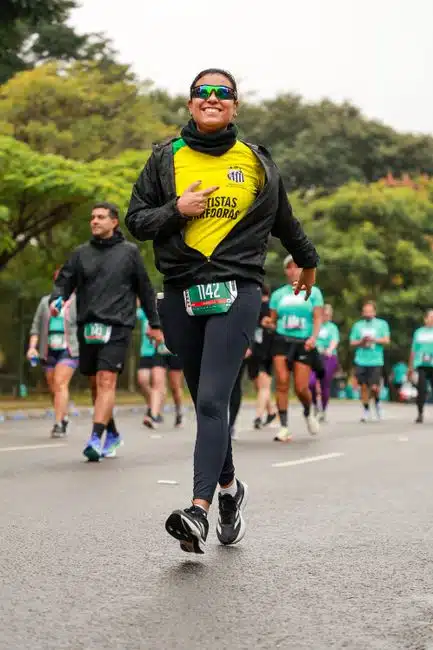
Her sports physician ran a comprehensive metabolic panel. The results landed on his desk like a small revelation: ferritin at 11 ng/mL. Hemoglobin at 11.2 g/dL. Her body had been quietly, progressively, systematically starving her muscles of oxygen for months, and nobody had checked the obvious thing to check.
Iron deficiency in athletes — particularly female endurance athletes — is one of the most common, most impactful, and most underdiagnosed performance-limiting conditions in sport. The conservative prevalence estimates suggest that 30-50% of female athletes and 15-35% of male endurance athletes have iron status below optimal for athletic performance. Many of these athletes have no clinical anemia — their hemoglobin is technically within the laboratory normal range — but their ferritin (iron storage) is low enough to limit oxygen delivery, mitochondrial function, and fatigue resistance in ways that are entirely real and measurable in performance terms.
Worth noting how ordinary Elena’s story actually is within sports medicine circles. Coaches have a name for the pattern before they’ve even seen a blood panel — the athlete whose training log shows all the right numbers, whose subjective effort keeps climbing while objective output keeps falling. It gets called overtraining syndrome more often than it gets called iron deficiency, mostly because overtraining doesn’t require a blood draw to diagnose and iron deficiency does. Which is backwards, given how cheap and simple the test actually is.
Why Iron Is Central to Athletic Performance
The most well-known role is oxygen transport. Iron is the central atom of the heme group in hemoglobin — the protein in red blood cells that binds oxygen in the lungs and releases it to tissues. Each hemoglobin molecule contains four iron atoms, and each can carry four oxygen molecules. Without adequate iron, hemoglobin production drops, oxygen-carrying capacity falls, VO2max declines, and aerobic performance suffers in direct proportion to the severity of the deficiency.
Myoglobin, the oxygen-storing protein within muscle cells themselves, is similarly iron-dependent. Myoglobin serves as a local oxygen reservoir within muscle tissue, storing oxygen during rest and releasing it during intense contractions when demand outpaces the delivery rate from blood. Iron deficiency reduces myoglobin concentrations in muscle, impairing this buffering capacity and making muscles more sensitive to acute oxygen shortfalls during exercise.
Iron’s role in the mitochondrial electron transport chain (ETC) is perhaps less appreciated but equally critical for athletic performance. The ETC — the molecular machinery responsible for generating 36-38 ATP molecules from each glucose molecule oxidized — contains multiple iron-sulfur cluster proteins. Iron is a structural component of complexes I, II, and III of the ETC. Iron deficiency impairs ETC efficiency before hemoglobin levels drop to anemic levels, creating “iron deficiency without anemia” that reduces mitochondrial ATP production capacity even when the athlete’s blood work looks superficially normal.
This last point is worth dwelling on, because it’s the crux of why so many iron-deficient athletes get cleared by standard testing. Complex I alone contains eight iron-sulfur clusters. When cellular iron availability drops, the cell prioritizes iron allocation to hemoglobin synthesis — the most immediately life-critical use — well before it prioritizes mitochondrial enzyme assembly in skeletal muscle. Which means the muscle-level energy production machinery can be measurably compromised while circulating hemoglobin still looks fine, sometimes for months. A 2002 study by Brownlie and colleagues at Penn State, published in the American Journal of Clinical Nutrition, demonstrated exactly this in non-anemic iron-deficient women: despite normal hemoglobin, iron-depleted subjects showed significantly reduced endurance capacity that improved with iron repletion, isolating the mitochondrial and enzymatic mechanism from the hemoglobin mechanism entirely.
Ribonucleotide reductase, the enzyme responsible for DNA synthesis and therefore cell division, requires iron. Iron deficiency impairs red blood cell production (erythropoiesis) not just through reduced hemoglobin synthesis but also through slowed cell division in bone marrow. This is one reason recovery from iron deficiency takes months rather than weeks — rebuilding the erythropoietic pipeline requires time even after iron stores are restored.
Thyroid hormone metabolism involves iron-dependent enzymes (thyroid peroxidase uses heme iron as a cofactor). Iron deficiency can impair thyroid hormone production and conversion, which secondarily affects metabolic rate, body temperature regulation, and substrate utilization during exercise. Athletes with combined iron deficiency and borderline thyroid function may have synergistic impairment of metabolic capacity that exceeds what either deficit alone would produce.
The Three Stages of Iron Deficiency and Why Standard Testing Misses Them

Stage 1: Iron depletion. Serum ferritin begins to fall as iron stores are depleted from the reticuloendothelial system (bone marrow, liver, spleen). Hemoglobin remains normal. Standard indices of red blood cell size and hemoglobin content (MCV, MCH) remain normal. The athlete may notice subtle fatigue and reduced training motivation, but these are easily attributed to overtraining, stress, or inadequate sleep. Most sports medicine laboratories use ferritin cutoffs of 12-20 ng/mL as “low normal” — a range derived from sedentary populations. For athletes, ferritin below 30 ng/mL is generally considered suboptimal, and below 50 ng/mL may impair performance in endurance sports.
Stage 2: Iron-deficient erythropoiesis. Iron stores are now critically low, and red blood cell production is compromised. Ferritin is clearly low (typically <12 ng/mL). Red blood cells are beginning to be produced with reduced hemoglobin content (serum iron falls, transferrin saturation falls below 16%). Hemoglobin itself may still be in the normal range, though — the system is compensating by drawing down reserves. Standard “complete blood count” testing, which measures hemoglobin and RBC indices, appears normal. The athlete feels meaningfully fatigued, and performance is measurably impaired, but the test result says “normal.”
Stage 3: Iron deficiency anemia. Hemoglobin falls below 12 g/dL in women, 13 g/dL in men (World Health Organization criteria). Red blood cells are small (microcytic) and pale (hypochromic). VO2max is directly reduced. Fatigue is overt. This is the stage conventional medicine targets for treatment — but athletes who have reached stage 3 have been significantly impaired for weeks to months during stages 1 and 2.
Peeling et al. (2008), in a comprehensive review of iron and the athlete in the International Journal of Sport Nutrition and Exercise Metabolism, addressed the diagnostic gap explicitly: the ferritin threshold for “deficiency” in athletes should be higher than the clinical cutoff used for sedentary populations, because athletes’ increased iron demands mean sub-clinical depletion of stores impairs performance before hemoglobin falls. Their review recommended ferritin monitoring in regular blood testing panels for athletes, with intervention at ferritin below 30-35 ng/mL for endurance athletes rather than waiting for the standard clinical cutoff of 12-15 ng/mL.
A soluble transferrin receptor (sTfR) test, less commonly ordered than ferritin but increasingly used in sports medicine settings, adds diagnostic precision at the Stage 2 boundary. sTfR rises when cells are actively starved of iron for erythropoiesis, and — unlike ferritin — it isn’t elevated by inflammation, which matters because ferritin is an acute-phase reactant that rises during infection, injury, or the inflammatory stress of a hard training block, potentially masking a true iron deficiency underneath an artificially “normal-looking” ferritin value in an athlete coming off intense training. The sTfR-ferritin index, calculated by combining the two values, is considered by some sports hematologists to be the single most sensitive marker for distinguishing true iron deficiency from the inflammation-driven ferritin elevation athletes can develop after heavy training blocks or minor illness.
Why Athletes Are Uniquely Vulnerable to Iron Depletion

Foot-strike hemolysis is one of the most distinctive iron loss mechanisms in sport. Repeated mechanical impact in running — foot striking the ground thousands of times per training session — physically destroys red blood cells in the plantar capillaries of the foot. The mechanical trauma from each footstrike ruptures some percentage of RBCs passing through foot vessels at the moment of impact. The liberated hemoglobin gets filtered by the kidneys and excreted in urine (hemoglobinuria), representing real iron loss. This mechanism was first described in marathon runners and historically called “march hemoglobinuria” after foot soldiers. Most significant in high-mileage runners, and identifiable by characteristic red or brown urine following long runs.
The condition was first documented not in athletes at all but in military recruits — a German physician named Fleischer described dark urine in soldiers after long marches in 1881, more than a century before sports scientists connected the same mechanism to distance runners. The historical continuity is a reminder that repetitive foot impact, whatever the context, produces the same basic hematologic insult. Modern research using labeled red blood cells has confirmed that a single marathon can destroy roughly 10-15% of circulating red blood cells passing through the feet during the race, though the body’s compensatory mechanisms recycle most of the released iron rather than losing all of it — the net loss through urinary excretion is smaller than the total hemolysis figure suggests, but still meaningful when repeated across a high-mileage training block.
Sweat losses contribute measurably to iron balance in high-volume training. Sweat iron concentration runs approximately 0.1-0.4 mg/L — modest per liter but significant when training produces 2-4 liters of sweat daily. Elite endurance athletes training in hot environments can lose 0.5-1mg of iron daily through sweat alone, a meaningful fraction of the recommended dietary intake.
Gastrointestinal blood loss occurs in endurance athletes, particularly runners, through mechanisms including splanchnic ischemia (reduced blood flow to the gut during intense exercise) causing mucosal damage, mechanical trauma from running motion on the colon, and NSAID use. Research by Stewart et al. (1984) and subsequent studies demonstrated measurable fecal blood loss after marathon running, with iron loss on the order of 1-3mg per race. Regular NSAID use — common in athletes for pain management — dramatically increases GI blood loss and is a significant, often overlooked contributor to iron deficiency in active individuals.
Hepcidin elevation from training-induced inflammation is a particularly insidious mechanism. Hepcidin is the liver-derived master regulator of iron absorption and release. Exercise, particularly high-intensity and long-duration training, elevates interleukin-6 (IL-6), which stimulates hepatic hepcidin production. Elevated hepcidin blocks iron absorption from the GI tract (by degrading ferroportin, the intestinal iron export protein) and inhibits iron release from the reticuloendothelial system. The practical implication is that iron supplementation taken immediately after hard training sessions has reduced efficacy — hepcidin sits at its highest and blocks iron absorption most strongly 3-6 hours post-exercise. Taking iron supplements in the morning on rest days or light training days substantially improves absorption.
Hepcidin itself is a relatively recent discovery in the history of iron science, which is part of why so much clinical practice still lags behind the research. Tomas Ganz’s group at UCLA identified hepcidin’s role as the master iron regulatory hormone in the early 2000s — a 25-amino-acid peptide originally identified as an antimicrobial protein before its iron-regulatory function was recognized. Peeling and colleagues, at the Australian Institute of Sport, were among the first to apply this newly understood hormone specifically to athletic iron regulation, publishing a series of studies through the mid-2010s establishing the post-exercise hepcidin spike and its practical implications for supplement timing. Most iron supplementation guidance predating roughly 2010 — including a fair amount of advice still circulating in generic multivitamin marketing — simply doesn’t account for this mechanism, because the mechanism itself wasn’t understood yet.
Dietary inadequacy completes the picture. Female athletes in particular frequently don’t consume enough iron to replace these elevated losses. Average dietary iron intake in premenopausal women is approximately 11-12mg/day against a recommended intake of 18mg/day — already below adequate for non-athletes. Female athletes with elevated iron losses from the mechanisms above, eating a calorie-restricted or plant-based diet that further limits dietary iron, face a widening gap between intake and need that can only close through targeted dietary intervention or supplementation.
Female Athletes: Why the Prevalence Is So High
Prevalence estimates for iron deficiency in female athletes range from 30-60% depending on the sport, level of competition, and diagnostic threshold used. This rate is substantially higher than the 12-16% prevalence in non-athletic premenopausal women. Multiple compounding factors drive this disparity.
Menstrual blood loss is the quantitatively dominant iron loss pathway for premenopausal women, with each cycle typically costing 14-25mg of iron (approximately 0.5-1mg per day averaged over the cycle). Women with heavy menstruation (menorrhagia) can lose 50-80mg per cycle — pushing iron balance negative regardless of training status. Female athletes who develop functional hypothalamic amenorrhea (loss of menstruation due to energy deficiency) paradoxically eliminate this iron loss pathway, but often do so by developing RED-S (Relative Energy Deficiency in Sport), which has its own consequences including reduced iron absorption secondary to gut hormone dysregulation.
The female athlete triad — disordered eating behaviors, menstrual dysfunction, and low bone density — has been recognized as a syndrome in which iron deficiency co-occurs with the energy availability problems that drive the triad. Athletes with restricted caloric intake consume less total iron and have impaired iron absorption secondary to reduced stomach acid production and altered gut transit time. The triad and iron deficiency therefore share drivers, and many athletes with low ferritin also have the other components of the triad, making comprehensive evaluation important.
Dietary patterns in female athletes contribute substantially. Many female athletes consume diets low in red meat (the most bioavailable iron source) either voluntarily or due to cultural food choices, and have high consumption of polyphenol-rich foods (tea, coffee, wine) that inhibit non-heme iron absorption. Plant-based female athletes are at the highest risk: they consume exclusively non-heme iron (from plant sources), which has 2-3 times lower bioavailability than heme iron from meat, and frequently consume inhibitors of non-heme iron absorption alongside their iron-containing foods.
The Athletic Iron Protocol Framework
Managing iron status in athletes requires systematic monitoring, targeted dietary optimization, and strategic supplementation when needed. The Athletic Iron Protocol provides a structured approach for identifying, addressing, and preventing iron deficiency.
- Baseline testing and monitoring schedule. Athletes — particularly female endurance athletes — should have ferritin tested as part of routine blood work at minimum twice yearly: pre-season (to identify deficiency before it compromises training adaptations) and mid-season (to catch depletion developing during high training loads). The panel should include: serum ferritin, complete blood count (hemoglobin, hematocrit, MCV, MCH), serum iron, and transferrin saturation. Use ferritin <30 ng/mL as the intervention threshold for athletes, not the standard clinical cutoff of 12-15 ng/mL. Ferritin 30-50 ng/mL warrants dietary optimization. Ferritin >50 ng/mL is generally adequate for athletic performance.
- Dietary iron optimization as first-line intervention. Red meat (beef, lamb) provides heme iron at highest bioavailability (~25-35% absorption rate). Three to four servings per week substantially increases iron intake for meat-eaters. For non-meat eaters, dietary iron strategy focuses on: pairing high non-heme iron foods (legumes, fortified cereals, tofu, leafy greens) with vitamin C-rich foods (citrus, bell peppers, berries) to enhance non-heme iron absorption 2-3 fold; avoiding coffee, tea, and calcium-rich foods within 1-2 hours of iron-rich meals; consuming moderate amounts of fermented foods to support gut microbiome diversity and GI health.
- Iron supplementation strategy for depleted athletes. Ferrous sulfate has the best cost-efficacy ratio of the available forms. Frequency turns out to matter more than most people expect: Moretti et al. (2015) showed alternate-day dosing beating daily dosing, because the gap lets hepcidin fall back and absorption improves accordingly. Empty stomach, well before breakfast, away from coffee, tea, calcium supplements and antacids. Not immediately after training, which is a high-hepcidin window. Vitamin C alongside it further enhances absorption.
- Hepcidin timing optimization. For athletes who are supplementing, timing relative to exercise matters. Hepcidin peaks 3-6 hours after training. Taking iron supplements in the morning on rest days or before training (not after) maximizes absorption efficiency. Peeling et al. (2014) specifically examined iron supplementation timing in athletes and confirmed this window effect — morning pre-exercise or rest day supplementation produced superior ferritin elevation compared to post-exercise supplementation.
- Monitor for resolution and adjust. Ferritin recovery from deficiency takes 3-6 months with consistent supplementation and dietary optimization. Re-testing ferritin after 3 months of intervention documents progress. Ferritin failing to rise despite apparent supplementation compliance warrants consideration of: celiac disease (impairs iron absorption), H. pylori infection (competes for iron, produces hepcidin-stimulating inflammation), chronic low-grade GI blood loss (NSAID use, GI pathology), or very heavy menstrual losses requiring gynecological evaluation.
- IV iron for athletes with severe deficiency or malabsorption. Intravenous iron (iron sucrose, ferric carboxymaltose) bypasses GI absorption entirely and produces rapid ferritin restoration over 4-8 weeks. Indicated for athletes with severe iron deficiency anemia, documented GI malabsorption, inability to tolerate oral iron (significant GI side effects), or competitive situations where ferritin restoration is urgent. IV iron has been increasingly used in professional sports and has a good safety profile when administered in appropriate clinical settings. Not a first-line approach, and should be used under medical supervision.
“Ferritin below 30 ng/mL in an endurance athlete is a performance-limiting condition regardless of whether the hemoglobin looks normal. The standard clinical threshold for iron deficiency was designed for sedentary populations. Using it for athletes is like using a walking pace to evaluate a sprinter’s conditioning — the benchmark is wrong for the context.” — Synthesis of Peeling et al. 2008 and subsequent athletic iron literature
Iron Overload: The Other End of the Spectrum
The focus on deficiency can create a counterproductive tendency to supplement aggressively without monitoring. Iron overload — particularly in individuals with hereditary hemochromatosis — is a serious condition, and even moderate iron overload in individuals without this genetic condition can produce harmful effects through oxidative stress.
Hereditary hemochromatosis (HH) affects approximately 1 in 200-300 individuals of Northern European ancestry and causes progressive iron accumulation in organs including the liver, heart, pancreas, and joints. Regular blood donation effectively prevents iron accumulation in people with HH, but unsupervised high-dose iron supplementation in an individual with undiagnosed HH is genuinely harmful. This is a reason iron supplementation should be guided by testing — not taken prophylactically based on perceived risk factors alone.
Even without HH, chronic iron supplementation in iron-replete individuals elevates reactive oxygen species production. Free iron catalyzes the Fenton reaction, generating hydroxyl radicals — among the most reactive and damaging free radicals in biological systems. Athletes supplementing with iron when ferritin is already adequate aren’t getting a performance benefit and may be generating unnecessary oxidative stress that impairs recovery.
The practical recommendation is test-based supplementation. Supplement when ferritin is below 30-35 ng/mL. Discontinue supplementation when ferritin reaches 50-80 ng/mL. Re-test every 3-6 months during supplementation. Don’t supplement iron based on fatigue alone without confirming deficiency — fatigue has many causes, and unnecessary iron supplementation is not benign.
Sport-Specific Iron Demands
Iron requirements are not equal across sports. Understanding which sports create the highest iron demands helps prioritize monitoring and prevention efforts.
Distance running has the highest risk of iron deficiency among endurance sports primarily due to foot-strike hemolysis. Marathon and ultra-marathon runners face combined losses from hemolysis, sweat, GI blood loss, and elevated training volumes that make iron balance difficult to maintain without deliberate dietary attention. Cross-country running and track athletes also have elevated risk, particularly during high-mileage training phases.
Swimming is lower risk than running for iron deficiency because foot-strike hemolysis is absent — no impact loading. But high-volume elite swimmers still have elevated demands from heavy training loads, sweat losses, and potential menstrual losses in female athletes. The absence of impact hemolysis means swimmers have one fewer iron loss pathway compared to runners, reducing but not eliminating the deficiency risk.
Team sports athletes — soccer, basketball, rugby — occupy a middle ground. Sprint-heavy sports with significant running volume (soccer in particular) create meaningful iron demands including some impact hemolysis. Rugby forwards with high training volume and high body mass have significant absolute iron needs. Basketball players with high-impact training run moderate risk. Team sport athletes are less consistently monitored for iron status than endurance athletes, potentially leading to under-identification of performance-limiting iron deficiency in these populations.
Combat sports athletes face unique challenges during weight-cutting phases. Aggressive caloric restriction reduces iron intake and may increase GI mucosal damage through stress-related mechanisms. Athletes competing in weight-class sports who regularly cut weight through dietary restriction should include iron status monitoring in their health management protocols, particularly if they experience unexplained fatigue or performance decline during competition preparation.
Cyclists sit in an interesting middle position — no foot-strike hemolysis given the non-impact nature of the sport, but professional road cyclists log training volumes that rival or exceed distance runners, with correspondingly elevated sweat and dietary iron demands. Cycling also carries a specific, if less common, iron loss pathway: saddle-related trauma has occasionally been implicated in low-grade chronic blood loss in male cyclists, an underappreciated contributor that sports physicians working with competitive cyclists have flagged in case reports, though it hasn’t been studied at the scale of the running literature.
Common Mistakes Athletes Make Managing Iron Status
Beyond the diagnostic gap already covered, a handful of implementation errors recur often enough in sports medicine practice to warrant specific attention.
Supplementing based on symptoms rather than testing. Fatigue is a nonspecific symptom with dozens of possible causes — inadequate sleep, underfueling, overtraining, thyroid dysfunction, depression, viral illness, vitamin D deficiency, and iron deficiency all present similarly. Athletes who start iron supplementation based on how they feel, without a ferritin test confirming actual deficiency, are essentially guessing. If the fatigue has a different cause, the iron does nothing, and if ferritin happens to already be adequate, unnecessary supplementation risks the oxidative stress discussed above.
Stopping supplementation the moment hemoglobin normalizes. Because hemoglobin recovers faster than ferritin, athletes who retest only hemoglobin and stop supplementing once it looks normal are stopping before iron stores — and the performance benefits tied to ferritin specifically — have actually recovered. This is the single most common reason athletes cycle repeatedly through deficiency: partial treatment followed by premature discontinuation followed by re-depletion once training resumes at full volume.
Taking iron with the wrong things, at the wrong time. Coffee with breakfast alongside an iron tablet, a calcium-fortified orange juice chaser, a daily multivitamin containing both iron and calcium in the same pill — all of these routinely undercut absorption in athletes who are otherwise doing everything else right. The interactions aren’t subtle: calcium can reduce iron absorption by roughly 30-50% when taken simultaneously, and tannins in tea can reduce it by a similar margin. Small logistical fixes — iron first thing on an empty stomach, coffee an hour later — recover most of that lost absorption without changing the supplement or the dose at all.
Ignoring the underlying cause of ongoing losses. Repleting iron stores without addressing why they emptied in the first place — heavy menstrual bleeding, chronic NSAID use, an undiagnosed GI issue — sets up the same depletion to recur. Iron supplementation treats the deficit. It doesn’t treat the leak.
The evidence-based answer: Test, Don’t Guess
Elena, from the opening, supplemented with ferrous sulfate every other day for twelve weeks, paired with vitamin C, taken before morning training. She modified her diet to include three servings of red meat per week and began pairing her lentil-heavy meals with bell peppers rather than tea. At the twelve-week retest, her ferritin had risen from 11 to 48 ng/mL. Her hemoglobin normalized. More importantly — her training felt completely different. She described it as “the lights coming back on.” She ran her fourth marathon six months later and PR’d by fourteen minutes.
It wasn’t a straight line, though. Around week five the GI discomfort from the ferrous sulfate got bad enough that she quietly stopped taking it for close to two weeks without telling her physician — a fairly common pattern, and one worth naming rather than glossing over. She only mentioned it at a follow-up when her coach asked why her energy had dipped again after an initial improvement. Switching to iron bisglycinate at the same elemental dose resolved the tolerability issue and she resumed the protocol without further gaps. The lesson buried in that detour matters as much as the headline PR: adherence problems are the norm, not the exception, and a supplement that gets quietly abandoned because of stomach cramping does nothing for ferritin no matter how well-designed the protocol looks on paper.
Iron deficiency is a silent performance thief. It doesn’t announce itself with dramatic symptoms until the deficiency is severe. In the moderate stages most commonly found in athletes, it presents as gradually worsening performance, unexplained fatigue, and reduced training adaptability — symptoms that get attributed to overtraining, inadequate recovery, or insufficient mental toughness before the obvious biological cause is checked.
The lesson is not to supplement iron prophylactically — it’s to test iron status consistently, use athlete-appropriate cutoffs (ferritin below 30 ng/mL warrants action, not the sedentary-population clinical cutoff of 12 ng/mL), and address deficiencies strategically with the combination of dietary optimization and timed supplementation that the research supports. For female endurance athletes in particular, this should be as routine a part of performance management as training load monitoring.
Reader Questions About Iron Athletes Performance
Q: What ferritin level is considered optimal for athletic performance?
A: Research suggests ferritin above 50 ng/mL is adequate for most athletic performance purposes, with some sports medicine practitioners targeting 70-100 ng/mL for elite endurance athletes. Ferritin below 30 ng/mL is considered suboptimal for athletes even if hemoglobin is normal, and ferritin below 20 ng/mL is likely limiting performance significantly. The standard clinical cutoff of 12 ng/mL is appropriate for sedentary populations but is too low for athletes — it catches only the most severe iron depletion cases.
Q: Why do I need to take iron supplements on alternate days rather than daily?
A: Daily iron supplementation triggers a hepcidin spike each day that reduces absorption of the next day’s dose by as much as 35-45%. Alternate day dosing allows hepcidin to normalize between doses, resulting in superior total iron absorption over a supplementation period compared to daily dosing. Research by Moretti et al. (2015) specifically demonstrated this in a randomized trial of different dosing frequencies, finding that alternate day supplementation produced 40-50% greater fractional absorption than daily supplementation at the same total dose.
Q: Can I test for iron deficiency with a home blood test?
A: Several direct-to-consumer blood testing services allow ordering a ferritin test without a physician’s order. A reasonable starting point for athletes concerned about iron status. But interpreting the results correctly — using athlete-appropriate cutoffs, understanding the full picture (ferritin alone doesn’t distinguish between iron deficiency and the anemia of chronic disease) — benefits from guidance from a sports medicine physician or sports dietitian who works with athletes regularly.
Q: I’m a vegan athlete. How do I get enough iron from plant foods?
A: Plant-based athletes need approximately 1.8 times the standard dietary iron recommendation to compensate for lower non-heme iron bioavailability — roughly 32 mg/day for premenopausal women, 14 mg/day for men. Key strategies: consume high-iron plant foods (legumes, fortified cereals, tofu, pumpkin seeds, quinoa, dark leafy greens) at every meal; always pair non-heme iron sources with vitamin C foods (the enhancement is 2-4 fold); avoid tea, coffee, and dairy within 1-2 hours of iron-rich meals; cook in cast iron (which leaches small amounts of iron into food); consider regular ferritin monitoring every 6 months to catch depletion early.
Q: How long does it take to recover from iron deficiency anemia?
A: With appropriate iron supplementation and dietary optimization, hemoglobin typically normalizes within 6-8 weeks. Ferritin (iron stores), though, takes considerably longer to fully restore — typically 3-6 months. Performance improvements generally track ferritin recovery more closely than hemoglobin, meaning athletes may continue to improve for several months after their hemoglobin has normalized. Full performance recovery requires patience and continued supplementation until ferritin reaches the target range, not just until hemoglobin normalizes.
Q: Does altitude training change iron requirements?
A: Yes, significantly. Training at altitude stimulates erythropoietin (EPO) production, which drives rapid erythropoiesis (new red blood cell production). This accelerated red blood cell production consumes iron at a substantially higher rate than sea-level training. Athletes traveling to altitude training camps with borderline iron status frequently develop frank deficiency within days to weeks as their expanded erythropoietic demand depletes residual stores. Iron status should be optimized (ferritin >50 ng/mL, ideally >70 ng/mL) before beginning altitude training, and iron supplementation during altitude blocks is generally recommended for athletes without elevated ferritin.
Q: Is there a difference between men’s and women’s iron needs beyond menstrual losses?
A: The recommended dietary allowance already accounts for most of the gap through the menstrual loss calculation — 18mg/day for premenopausal women versus 8mg/day for men. But the practical difference runs deeper than the RDA numbers suggest. Male athletes are far less likely to be routinely screened for iron status at all, on the assumption that iron deficiency is a “female athlete issue,” which means male endurance athletes with genuine deficiency from foot-strike hemolysis, heavy sweat losses, or GI blood loss frequently go undiagnosed for longer than female athletes, simply because nobody thought to order the test.
Iron and Immune Function in Athletes
The relationship between iron status and immune function adds another dimension to iron deficiency’s performance impact in athletes. Iron is not merely a component of oxygen-transport proteins — it is also essential for the proliferation and activity of immune cells, the function of natural killer cells, and the production of reactive oxygen species used by neutrophils and macrophages to destroy pathogens.
Athletes with iron deficiency have increased susceptibility to upper respiratory tract infections (URTIs) — a pattern well-documented in the sports medicine literature. This susceptibility is multifactorial: immune cells require iron for DNA replication during the proliferative response to infection, iron-dependent enzymes are critical for T-cell activation and differentiation, and iron-deficient athletes often have impaired natural killer cell cytotoxicity. The athlete who gets sick repeatedly during a training block, particularly with URTIs, should have iron status checked as part of their assessment.
There’s an important nuance, though: pathogens also require iron. When the immune system detects infection, it deliberately sequesters iron (via hepcidin and other mechanisms) to deprive bacteria and viruses of the iron they need to replicate. This is called “nutritional immunity” — a deliberate physiological strategy to create iron deficiency in infected tissues. Which means aggressively supplementing iron during active infection can theoretically fuel pathogen replication. The general guidance is to avoid high-dose iron supplementation during acute illness and resume supplementation once the acute infection has resolved.
The iron-immune-training triangle creates a complex optimization problem for athletes in high training loads who are simultaneously at risk for iron deficiency, immunosuppression from training, and frequent infections. The solution involves: monitoring iron status before it becomes deficient (ferritin testing), maintaining adequate protein and energy intake to support immune function, managing training load to avoid immunosuppressive overtraining, and strategic supplementation timed appropriately around both exercise sessions and any infection episodes.
Dietary Iron Sources: A Practical Reference
Understanding which foods deliver meaningful iron in bioavailable forms is essential for both dietary optimization and making intelligent decisions about when supplementation is warranted versus when dietary changes alone are sufficient.
Heme iron sources (highest bioavailability, 15-35% absorption): Beef liver provides the highest iron content of any common food at approximately 6.5mg per 3oz serving. Other organ meats (kidney, heart) are similarly iron-dense. Red meat (ground beef, steak, lamb) provides approximately 2-3mg per 3oz serving. Dark-meat poultry (chicken thigh, turkey leg) provides approximately 1.5-2mg per 3oz. Seafood varies widely: oysters are exceptional at 5-8mg per 3oz; clams at 3-4mg; sardines and tuna at approximately 1-2mg per 3oz.
Non-heme iron sources (lower bioavailability, 2-8%, enhanced by vitamin C): White beans and lentils provide 3-4mg per cooked cup. Tofu provides approximately 3mg per half-cup. Fortified cereals vary dramatically — some provide up to 18mg per serving (100% DV), others much less. Pumpkin seeds provide approximately 2.5mg per ounce. Quinoa provides approximately 3mg per cooked cup. Spinach provides approximately 3.7mg per cooked cup (much less from raw due to volume and oxalate content). Dark chocolate (70%+) provides approximately 3.4mg per ounce — the most enjoyable iron source on the list.
Enhancers and inhibitors of non-heme iron absorption: Vitamin C dramatically enhances non-heme iron absorption (2-4 fold) through reduction of ferric to ferrous iron and formation of iron-ascorbate complexes that remain soluble in the alkaline small intestine. The practical application: squeeze lemon on spinach, eat bell pepper with lentil soup, consume iron-fortified cereal with orange juice rather than milk. Inhibitors include tannins (tea, coffee, red wine), calcium (dairy, calcium supplements), phytates (bran, whole grains, legumes), and polyphenols (chocolate, soy). These inhibitors can reduce non-heme iron absorption by 50-70%. Consuming tea or coffee within 1-2 hours of iron-rich meals is one of the most consistent and correctable dietary behaviors that contributes to iron deficiency in athletes who otherwise eat adequate iron-containing foods.
Long-Term Performance Impact and the Full Recovery Timeline
One of the most important practical points about iron deficiency in athletes — and one that often generates frustration — is the extended timeline for full performance recovery, which lasts well beyond the correction of blood markers.
The sequence of recovery follows a predictable pattern: serum ferritin begins to rise within 2-4 weeks of adequate supplementation. Hemoglobin normalizes within 6-8 weeks of iron repletion therapy in iron deficiency anemia. Red blood cell quality (MCV, MCH, reticulocyte count normalization) follows over 8-12 weeks as abnormal iron-deficient cells are replaced by new, iron-replete cells. VO2max and aerobic performance improvements lag the blood marker improvements, tracking more closely with ferritin restoration than with hemoglobin normalization. Full mitochondrial enzyme recovery — restoration of the iron-sulfur cluster proteins in the electron transport chain — may take 3-6 months after ferritin normalization.
This timeline has practical significance for athletic planning. An athlete identified with iron deficiency anemia in September who competes in a spring marathon season may need to begin iron repletion immediately to have full aerobic capacity available for race-specific training in January. Waiting to “see how the season develops” before checking iron status, or treating iron deficiency as a minor nutritional detail, misses the months of suboptimal performance and adaptation that occur during the deficiency period and the extended recovery period afterward.
Prevention through monitoring is vastly more efficient than treating established deficiency. A twice-yearly ferritin test costs less than one decent restaurant meal. The performance benefit of maintaining ferritin above 50 ng/mL year-round versus cycling through periods of deficiency and recovery is compounded across training years. Athletes who treat iron monitoring as a standard part of their performance management — not an emergency measure when things go wrong — have consistently better performance histories than those who only investigate iron status after significant performance decline has already occurred.
The Connection Between Iron, Mood, and Cognitive Function
Athletes and coaches focus primarily on the aerobic performance dimensions of iron deficiency — oxygen transport, VO2max, endurance capacity. The cognitive and mood dimensions are equally real but less discussed, and they affect athletic performance through the mental side of competition as profoundly as the physiological side.
Iron is essential for dopamine and norepinephrine synthesis and metabolism. Tyrosine hydroxylase, the rate-limiting enzyme in catecholamine synthesis, requires iron as a cofactor. Monoamine oxidase, the enzyme that degrades catecholamines, also contains iron. Iron deficiency alters the dopaminergic system in ways that reduce motivation, impair reward-seeking behavior, and reduce the drive to train. Athletes who describe “not wanting to train” or “going through the motions” during a period of iron deficiency are often experiencing a real neurochemical change in their motivation architecture, not a psychological weakness.
Myelination of nerve fibers — the fatty sheath that insulates nerve axons and enables rapid nerve conduction — depends on adequate iron during development. In adults, iron deficiency impairs the maintenance of existing myelin and reduces the efficiency of neural transmission, affecting reaction time, fine motor coordination, and cognitive speed. These are precisely the neural capacities that determine performance in technically demanding sports. A study by Bruner et al. (1996) demonstrated cognitive impairment in iron-deficient adolescents that was reversible with iron supplementation — including impairments in attention, memory, and problem-solving that mirror the cognitive demands of athletic competition.
The practical bottom line: iron deficiency doesn’t just make the legs feel heavy. It makes the brain slower, motivation lower, emotional regulation less reliable. The complete athlete addresses iron status as a mental performance issue as much as a physical one. When iron is restored and the full complement of cognitive and mood benefits emerges alongside the aerobic improvements, many athletes describe it as having a clearer head, more training enthusiasm, and better competitive focus — effects they hadn’t attributed to iron because the deficiency developed so gradually they couldn’t identify when “normal” had shifted.
Iron Supplementation Protocols: Forms, Timing, and Managing Side Effects
When dietary iron optimization is insufficient to correct iron deficiency — as is frequently the case in athletes with established Stage 2 or Stage 3 iron deficiency — supplementation becomes necessary. The decision to supplement, the choice of iron form, the dose, and the timing all significantly influence both efficacy and tolerability. The approach that produces the fastest, most complete iron repletion with the fewest gastrointestinal side effects requires understanding the pharmacology of iron supplementation rather than simply buying the cheapest product.
Ferrous sulfate is the standard, most widely available iron supplement. At 325mg tablet (65mg elemental iron), it is inexpensive and effective — but notoriously poorly tolerated by many users. The gastrointestinal side effects of ferrous sulfate — nausea, constipation, dark stools, stomach cramping — are dose-dependent and related to the amount of unabsorbed ionic iron that passes into the colon where it irritates the mucosal lining and disrupts the gut microbiome. These side effects are the primary driver of iron supplementation non-adherence, common even in patients motivated to improve their iron status.
Alternative forms with better tolerability profiles: ferrous gluconate (12% elemental iron) and ferrous fumarate (33% elemental iron) cause fewer GI side effects than ferrous sulfate at equivalent elemental iron doses. Ferric iron preparations (ferric citrate, ferric carboxymaltose for IV use) have different absorption kinetics and generally better tolerability. Iron bisglycinate chelate — iron bound to two glycine molecules — has particularly favorable tolerability in multiple head-to-head comparisons with ferrous sulfate, with studies showing comparable absorption at lower elemental iron doses with significantly reduced GI side effects. Iron bisglycinate is available in many athletic and premium supplement lines and is the preferred form for athletes prioritizing both efficacy and tolerability.
Dose and timing are as important as form. A 2015 study by Moretti and colleagues in Blood demonstrated that alternate-day iron supplementation (every other day rather than daily) produces higher fractional iron absorption than daily supplementation — because the hepcidin surge triggered by each dose lasts approximately 24 hours, suppressing absorption of the next dose if taken the following day. Athletes who had been taking iron daily with modest results often improve significantly when shifting to alternate-day dosing at the same total dose. The body gets more from iron taken every other day than from the same amount divided into daily doses.
Timing within the day is equally important. Taking iron first thing in the morning in a fasted state, at least 30 minutes before any food, drink (except water), or other supplements, maximizes absorption. Post-exercise hepcidin elevation suppresses iron absorption for 3-6 hours — training in the morning and taking iron in the evening, or training in the afternoon and taking iron in the morning, are both strategies that minimize this post-exercise absorption interference. Never take iron with calcium supplements, dairy, tea, coffee, or multivitamins containing calcium — these inhibit iron absorption through competitive mechanisms and physical complexing.
Intravenous iron — ferric carboxymaltose (Ferinject), iron sucrose, or low-molecular-weight iron dextran — bypasses GI absorption entirely and can replenish iron stores far more rapidly than oral supplementation. IV iron is increasingly used in elite sport settings for athletes with severe deficiency, significant absorption limitations, or who cannot tolerate oral supplementation. A single IV iron infusion can restore ferritin from depleted to replete levels within 1-2 weeks — a speed that oral supplementation over 3-6 months cannot match. This rapid timeline can be critically important for athletes facing an imminent competition window. IV iron requires medical supervision but is increasingly accessible through sports medicine clinics in high-performance athletics environments. The side effects with modern iron preparations are minimal, and severe adverse reactions are rare with current formulations.
Monitoring the response to iron supplementation guides adjustments. Ferritin should be rechecked 4-6 weeks after initiating supplementation to confirm adequate response. An increase of 10-15 ng/mL per month suggests good absorption and adherence. Inadequate ferritin response despite documented supplementation should prompt investigation of absorption issues (GI pathology, celiac disease, Helicobacter pylori infection — which impairs iron absorption through acid suppression and direct competition), ongoing losses exceeding supplementation (occult GI bleeding, very heavy menstrual bleeding), or supplement form and timing issues. Continuing supplementation until ferritin exceeds 50 ng/mL (ideally 70-100 ng/mL for endurance athletes) rather than stopping at the first “normal” lab result prevents the recurrence cycle that many athletes experience — replacing iron, reaching borderline normal, stopping supplementation, and depleting again within two to three months of increased training.
FROM THE LIBRARY ›
References
Editorial StandardsCorrectionsMedical DisclaimerAbout Our ContentAffiliate DisclosureSite Map