
James had been researching nootropics for three months before he stumbled across lion’s mane mushroom. He’d already cycled through the usual suspects — racetams, modafinil obtained with questionable legality from a gray-market pharmacy, various mushroom blend powders with names that sounded like rock band aliases. Most delivered nothing discernible. The modafinil kept him awake for eighteen hours, which he’d mistaken briefly for productivity before realizing he was awake and producing low-quality work for eighteen hours instead of sleeping.
Lion’s mane was different, he’d read. Not a stimulant. Not a dopamine agonist. Something that actually rebuilt neural infrastructure. He was skeptical. He was also, at 38, starting to notice the cognitive edges that had always been sharp beginning to show wear. Names took a beat longer to surface. Complex reasoning felt slightly more effortful than it used to.
He started lion’s mane at 1g per day, dual-extracted. After six weeks, he wasn’t sure. After three months, he was.

James was experiencing the NGF effect. What follows explains the mechanism, the evidence, and the protocol for making it work.
Nerve Growth Factor: What It Is and Why Your Brain Needs It
Nerve growth factor (NGF) was discovered in the 1950s by Rita Levi-Montalcini, work for which she received the 1986 Nobel Prize in Physiology or Medicine. It’s one of a family of proteins called neurotrophins — alongside BDNF, NT-3, and NT-4 — that support the survival, development, and function of neurons.
NGF matters most for the survival of cholinergic neurons — specifically the basal forebrain cholinergic neurons (BFCNs) that project to the hippocampus and cortex. These neurons are the primary producers of acetylcholine in the cerebral cortex and hippocampus, and acetylcholine is the neurotransmitter most directly tied to memory encoding, attention, and cognitive sharpness. Degeneration of BFCNs is one of the earliest, most consistent pathological findings in Alzheimer’s disease, and NGF deficiency is believed to contribute directly to it.
NGF binds to two receptors: TrkA (high-affinity) and p75NTR (low-affinity). TrkA binding promotes neuronal survival, growth, and differentiation. p75NTR binding can, under certain conditions, promote apoptosis — programmed cell death, a mechanism that prunes excessive or damaged neurons. The balance between pro-survival and pro-death signaling depends on the ratio of mature NGF to its precursor (proNGF) and the relative expression of TrkA versus p75NTR.
In healthy brains with adequate NGF, TrkA signaling wins out: neurons survive, maintain their projections, produce acetylcholine efficiently. In aging brains or brains under chronic stress, NGF declines, TrkA expression drops, and p75NTR signaling rises — an environment where cholinergic neurons grow more vulnerable to degeneration. This progressive loss of cholinergic tone produces the gradual memory and attention deficits tied to normal aging, and accelerates in pathological aging, i.e. Alzheimer’s.
Stimulating NGF production is therefore a legitimate cognitive maintenance strategy — not just for preventing disease, but for maintaining peak cognitive function across a lifetime.
Lion’s Mane Chemistry: Hericenones and Erinacines
Hericium erinaceus — lion’s mane mushroom — is a distinctive white, shaggy fungus used in traditional Chinese and Japanese medicine for centuries. It contains two classes of bioactive compounds unique in the plant/fungal kingdom for their NGF-stimulating properties: hericenones and erinacines.
Hericenones show up in the fruiting body — the mushroom itself. Diterpenes that stimulate NGF synthesis in cultured neurons, with demonstrated neuroprotective effects in animal models. They cross the blood-brain barrier and directly induce NGF gene expression in astrocytes and neurons.
Erinacines live in the mycelium — the root-like filamentous structure. Terpenoids with a demonstrated ability to stimulate NGF synthesis in the brain and peripheral nervous system. In animal studies, oral erinacine supplementation produces measurable increases in hippocampal NGF and promotes growth of new neuronal processes — axons and dendrites.
The distinction between fruiting body and mycelium matters enormously for supplementation. Many commercial lion’s mane products are mycelium-only, grown on grain and containing substantial grain starch rather than the active mycelial compounds. Dual-extraction products — hot water extraction (for polysaccharides and beta-glucans) plus ethanol extraction (for hericenones and terpenoids) of both fruiting body and mycelium — provide the broadest spectrum of bioactive compounds. When evaluating products, look for: “dual extracted,” specification of both fruiting body and mycelium, third-party testing for beta-glucan content (a proxy for overall mushroom compound quality).
The Mori 2009 Study: What the Evidence Actually Shows
The most cited clinical trial of lion’s mane for cognitive function is the 2009 study by Mori et al., published in Phytotherapy Research. Double-blind, parallel-group, placebo-controlled trial of 30 Japanese adults aged 50–80 with mild cognitive impairment (MCI). Participants received either lion’s mane powder (3g/day, approximately 96% Hericium erinaceus) or placebo for 16 weeks, followed by a 4-week observation period after treatment stopped.
Significant results: the lion’s mane group showed significantly higher cognitive function scores (Revised Hasegawa Dementia Scale) at weeks 8, 12, and 16 versus placebo. The improvement was clinically meaningful, not merely statistically significant. And crucially, the effect reversed after cessation — by the end of the 4-week post-treatment period, scores had drifted back toward baseline in the lion’s mane group.
That reversal matters. It tells two things. First, lion’s mane was genuinely producing the improvement — a placebo effect wouldn’t specifically decline after cessation. Second, lion’s mane doesn’t permanently alter NGF biology. It stimulates NGF production while being consumed, and that stimulation has to continue to maintain the benefit. Not a cure. Not a permanent fix. A maintenance supplement, like exercise or sleep, producing benefits proportional to continued use.
The limitation of the Mori study is its population: elderly adults with MCI. Whether lion’s mane produces meaningful cognitive improvement in cognitively healthy younger adults — the population most likely reading a nootropics article — is less thoroughly established. A 2020 study by Saitsu et al. in Biomedical Research found 12 weeks of lion’s mane supplementation improved cognitive test performance in healthy Japanese adults with mild cognitive decline (not classified as MCI). Other small trials have shown anxiety reduction and improved sleep quality. The full picture in healthy younger adults stays incomplete, but the mechanistic rationale — NGF support for cholinergic function — is credible, and the safety profile is excellent.
Practical Supplementation: Dose, Form, and Timing
- Form: Dual-extracted powder or capsules from both fruiting body and mycelium. Avoid cheap mycelium-on-grain products. Check for third-party beta-glucan and active compound testing.
- Dose: the published trials cluster between half a gram and three grams a day of extract, and the ones that pushed higher show diminishing returns rather than added benefit. Extract quality and the eight-week assessment window matter more than where inside that range a given product sits.
- Timing: With food, to improve absorption of fat-soluble terpenoid compounds. Time of day doesn’t seem to matter much — morning dosing with breakfast is convenient and well-tolerated.
- Duration: Minimum 8 weeks to assess meaningful cognitive effects. NGF-mediated changes are slow — this is growing neural infrastructure, not chasing an acute pharmacological effect. Full benefit typically needs 3–6 months. Given the reversal-upon-cessation finding, continuous use is required to maintain benefits.
- Cycling: Some practitioners recommend periodic breaks (1 month off every 3–6 months) to prevent receptor habituation, but the research basis for that specific recommendation is limited. Given the mechanism — stimulating endogenous NGF rather than mimicking a neurotransmitter — receptor downregulation is less of a concern than with direct agonists. Continuous use appears reasonable.
Clinical trial doses in the research literature range from 500mg to 3g per day of lion’s mane extract. The Mori 2009 study used 3g of lion’s mane powder daily — not extract, powder, meaning total active compound content was lower than an equivalent weight of extract. Most quality dual-extract supplements deliver meaningful hericenone and erinacine content at 1–3g of extract per day.
Recommendations for supplementation:
Lion’s Mane and the Peripheral Nervous System
NGF’s role extends beyond the brain. Peripheral nerves — carrying signals to and from muscles, organs, sensory organs — also depend on NGF for maintenance and repair. Implications here go beyond cognitive performance.
Peripheral neuropathy — damage to peripheral nerves — is common in people with diabetes, metabolic syndrome, chronic alcohol use, and certain autoimmune conditions. It produces numbness, tingling, pain in the extremities. NGF is required for peripheral nerve repair and regeneration, and lion’s mane has shown promising effects in animal models of peripheral nerve injury, significantly accelerating nerve repair versus controls.
A 2012 study by Wong et al. in Evidence-Based Complementary and Alternative Medicine found lion’s mane extract significantly promoted proliferation of Schwann cells (the cells that myelinate peripheral nerves) and nerve fiber growth in rats. Human trials in peripheral neuropathy are limited, but the mechanism is solid, and the anecdotal evidence across functional medicine practices is consistent enough to warrant consideration for anyone with peripheral nerve issues.
For cognitively healthy individuals, this peripheral NGF effect is a nice additional benefit: better peripheral nerve maintenance supports proprioception (the sense of body position in space), fine motor control, and sensory acuity — all of which decline subtly with age and can be partially preserved through adequate NGF signaling.
Synergies: Combining Lion’s Mane with Other Brain Health Protocols
Lion’s mane isn’t a standalone intervention — it works best as a component of a broader brain health protocol. Understanding how it interacts with other interventions helps calibrate expectations and the protocol architecture:
Lion’s mane + exercise. Exercise stimulates BDNF; lion’s mane stimulates NGF. Both are neurotrophins promoting neuronal survival and synaptic plasticity, operating through different pathways (BDNF via TrkB, NGF via TrkA) and supporting different neuronal populations (BDNF broader; NGF particularly relevant to cholinergic neurons). The combination provides dual neurotrophin support and likely produces additive neuroprotective effects. Animal studies combining exercise with lion’s mane show greater hippocampal structural benefits than either alone.
Lion’s mane + choline. Since NGF supports the survival and function of cholinergic neurons, and choline is required to synthesize the acetylcholine those neurons produce, combining lion’s mane with adequate choline intake (eggs, liver, or alpha-GPC supplementation) maximizes the functional output of the cholinergic system. Growing more resilient cholinergic neurons without adequate choline substrate is like building more generators without securing the fuel supply. The combination makes biological sense.
Lion’s mane + sleep. NGF synthesis and NGF-dependent plasticity processes get enhanced during sleep. Many users report improved sleep quality on lion’s mane, possibly through NGF-mediated support of sleep-regulating neural circuits. Whether that’s a direct effect or an indirect consequence of better cholinergic function modulating sleep architecture is unclear, but the anecdotal consistency suggests a real interaction worth monitoring.
Lion’s mane + other medicinal mushrooms. Reishi, cordyceps, and turkey tail each have distinct bioactive profiles — immune modulation, VO2 max improvement, gut microbiome support, respectively. None directly potentiate lion’s mane’s NGF mechanism, but they address different health dimensions that indirectly support brain health. Multi-mushroom complexes are popular, but for cognitive optimization a meaningful amount of lion’s mane matters more than splitting the same total across five different species.
The NGF Stimulation Protocol: A Systematic Framework
The NGF Stimulation Protocol is a comprehensive approach to supporting the cholinergic system, preserving neuronal architecture, and maintaining the cognitive sharpness NGF-dependent systems provide.
“There is no magic mushroom that rebuilds a degraded brain overnight. There is a systematic protocol that, applied consistently over months, provides the neurochemical signals that a brain needs to maintain and rebuild itself. Lion’s mane is one input in that system — an important one, but only one.”
Foundational Inputs (Required): Regular aerobic exercise (BDNF and cerebral blood flow). 7–9 hours sleep (NGF synthesis windows). Adequate dietary choline from eggs or supplementation. Elimination of chronic stress where possible — stress suppresses neurotrophin expression broadly.
Primary Supplementation: lion’s mane, dual-extracted, with food, taken continuously rather than cycled. The only supplement with direct NGF stimulation evidence in humans. Allow 8–12 weeks before evaluating effects.
Supporting Supplementation: omega-3 DHA for neuronal membrane health and TrkA receptor sensitivity. Alpha-GPC or CDP-choline as additional choline substrate for the cholinergic neurons NGF is supporting. Bacopa monnieri, standardized to its bacoside content, for additional cholinergic support through a different mechanism — acetylcholinesterase inhibition, slowing the breakdown of acetylcholine.
Lifestyle Additions: Morning sunlight (serotonin → NGF signaling pathway). Social engagement (isolation reduces neurotrophin expression). Cold exposure (norepinephrine-mediated neurotrophin stimulation). Intermittent fasting where appropriate (ketone-mediated neurotrophin support).
Monitoring: Cognitive self-assessment at 8 weeks and 16 weeks. Track verbal recall, focus duration, and any subjective changes in mental clarity. No detectable change at 16 weeks of quality lion’s mane at adequate dose means discontinue and redistribute supplement budget to other well-evidenced interventions. Not everyone responds identically — the reversal-upon-cessation finding in Mori 2009 demonstrates the effect is real for those who respond, but individual variation in absorption, baseline NGF status, and genetic neurotrophin sensitivity means some people get more from lion’s mane than others.
What Lion’s Mane Won’t Do
Honest evaluation means acknowledging what lion’s mane is not. Supplement marketing around it has gone hyperbolic in the way supplement marketing always eventually does — claims of “rewiring your brain,” “reversing cognitive decline,” “unlocking your brain’s full potential” are everywhere and unsupported by evidence.
Lion’s mane will not produce acute focus effects within hours of ingestion. Not a stimulant, doesn’t produce stimulant-like effects. Anyone expecting a “clean Adderall” experience will be disappointed. The mechanism — stimulating NGF synthesis and the subsequent growth of neural infrastructure — is inherently slow. Weeks to months. Not minutes to hours.
Lion’s mane will not reverse established Alzheimer’s disease or significant cognitive impairment from advanced neurodegeneration. The neurons NGF is meant to protect have to be present for protection to happen. Late-stage neurodegeneration has progressed past what NGF-based neuroprotection can address. Prevention and early intervention are where lion’s mane is most relevant.
Lion’s mane will not substitute for exercise, sleep, and diet. Those remain the primary inputs for neurological health. Lion’s mane is supplementary — meaningful for people who respond and maintain quality supplementation, but incapable of compensating for absent behavioral foundations.
With those caveats on the table: within its mechanism, for the right population, at adequate quality and dose, lion’s mane is one of the more credible cognitive supplements available. The Mori 2009 study is real. The reversal-upon-cessation finding validates the mechanism. The safety profile is excellent — no significant adverse effects in any published trial. And the biological story — NGF stimulation → cholinergic neuron survival → maintained acetylcholine production → preserved memory and attention → slowed cognitive aging — is coherent, plausible, and mechanistically consistent with what’s observed.
Lions Mane Brain: Your Questions Answered
Q: Is lion’s mane safe for long-term daily use?
A: The published safety data is reassuring. No serious adverse effects reported in clinical trials. Rare cases of skin rash have been reported, possibly allergic reaction in people with mushroom sensitivities. Gastrointestinal discomfort at high doses shows up in a minority of users and typically resolves with dose reduction. Across the published trials, daily use over several months produced no serious adverse effects in healthy adults. Those with mushroom allergies or autoimmune conditions should consult a physician before starting.
Q: Can I eat lion’s mane as food rather than taking it as a supplement?
A: Yes. Fresh or dried lion’s mane mushroom can be cooked and eaten. Culinary preparation — sautéed in butter or olive oil — delivers some of the bioactive compounds, though hericenone and erinacine content in food may run lower than in standardized dual-extract products depending on preparation and sourcing. Reliable access to fresh lion’s mane makes 30–50g per day (cooked weight) a legitimate and enjoyable delivery method. Most people find supplementation more convenient for consistent daily dosing.
Q: How do I know if a lion’s mane product is high quality?
A: Look for: (1) specification of both fruiting body and mycelium extraction; (2) dual extraction process (hot water + ethanol); (3) stated beta-glucan content (25–40% or higher in quality products); (4) third-party testing for heavy metals and purity; (5) no grain filler listed in ingredients. Brands that have been third-party tested and publish their COAs (certificates of analysis) are preferable. Price is a rough proxy — quality dual-extraction from quality mushroom substrate costs money; sub-$20 products for 60 servings are almost always cutting corners somewhere on this list.
Q: Does lion’s mane improve mood as well as cognition?
A: There’s evidence for mood benefits. A 2010 study by Nagano et al. found lion’s mane supplementation for 4 weeks reduced self-reported anxiety and depression in a sample of menopausal women. The proposed mechanism involves NGF’s role in maintaining the serotonergic system — serotonin neurons in the raphe nuclei depend on NGF for normal function. Several rat studies have shown lion’s mane reversing depressive behavior induced by social isolation, again through NGF-mediated serotonergic pathways. The mood evidence is less strong than the cognitive evidence but directionally consistent.
Q: At what age should I start taking lion’s mane?
A: No established “right age.” The case for starting is strongest when cognitive symptoms are already present — memory lapses, focus difficulties, mental fog — or when entering the age range where preventive intervention is most impactful, typically 35–45. For cognitively healthy people under 35, the behavioral foundations (exercise, sleep, diet) likely produce sufficient NGF support without supplementation. That said, the safety profile is benign enough that earlier supplementation isn’t contraindicated — the question is mainly one of priority and cost-benefit absent current cognitive concerns.
Q: Is lion’s mane better than other nootropics on the market?
A: Compared to most marketed “nootropic” products, yes — lion’s mane has a specific, well-understood mechanism (NGF stimulation), published human clinical trial data (not just rat studies or theory), and a credible safety profile built from decades of use in traditional medicine combined with modern clinical evaluation. It’s not better than exercise — nothing is — and it operates through a different pathway than caffeine or other acute stimulants. Within the specific domain of long-term neurotrophin support and cholinergic system maintenance, it’s the best-evidenced intervention available outside of a prescription pad.
Q: Can lion’s mane help with post-COVID brain fog?
A: An emerging area with limited formal evidence specific to post-COVID cognitive effects. The mechanism is plausible: post-COVID neuroinflammation and autonomic dysfunction may affect NGF signaling and cholinergic function. Several functional medicine practitioners have reported anecdotally positive outcomes using lion’s mane as part of long-COVID cognitive rehabilitation protocols. Given the benign safety profile, it’s a reasonable addition to a long-COVID recovery protocol built around the behavioral foundations. Formal clinical trials are underway as of this writing.
The Acetylcholine System: Why NGF Ultimately Matters
Understanding why lion’s mane is worth caring about means understanding the cholinergic system more concretely — specifically, what acetylcholine does and what happens when the system degrades.
Acetylcholine in the brain isn’t a simple “more is better” system. It’s a modulator — it changes how other neural systems operate based on context. During tasks requiring focused attention, acetylcholine release in the neocortex increases, sharpening the signal-to-noise ratio of sensory processing and selectively amplifying the neural representations most relevant to the current task. This is the neurochemical basis of focused attention: not the absence of distraction, but the active amplification of the signal being processed.
In the hippocampus, acetylcholine plays a different role: gating the encoding of new memories. High hippocampal acetylcholine during a learning experience signals “this is important, encode it.” Low acetylcholine during the same experience produces poor encoding. This is why drugs that block acetylcholine receptors (scopolamine, used in research as an amnestic agent) produce immediate, dramatic memory impairment — they cut the encoding signal entirely.
As cholinergic neurons degenerate — through normal aging, chronic stress, inadequate sleep, or the accelerated degeneration of Alzheimer’s — both functions suffer. Attention grows less precise. Memory encoding grows less reliable. The brain processes the world in a fuzzier, less discriminating way. Not a dramatic cliff. A gradual slope, and most people don’t notice the early decline until it’s already meaningful.
NGF prevents and partially reverses that slope by maintaining the health and function of the cholinergic neurons that produce acetylcholine. Lion’s mane, by stimulating NGF synthesis, is therefore addressing the cholinergic system one level upstream from acetylcholine itself. Rather than directly supplying acetylcholine precursors (what choline and alpha-GPC do) or slowing acetylcholine breakdown (what drugs like donepezil do), lion’s mane keeps the neurons themselves healthier, so they produce and release acetylcholine more effectively throughout the day.
The full stack for cholinergic optimization involves all three levels: NGF support (lion’s mane) for neuron health, choline/alpha-GPC for acetylcholine synthesis substrate, and behavioral practices (exercise, sleep) for overall system maintenance. Each layer addresses a different link in the same chain.
Sourcing Lion’s Mane: Growing Your Own vs. Buying Supplements
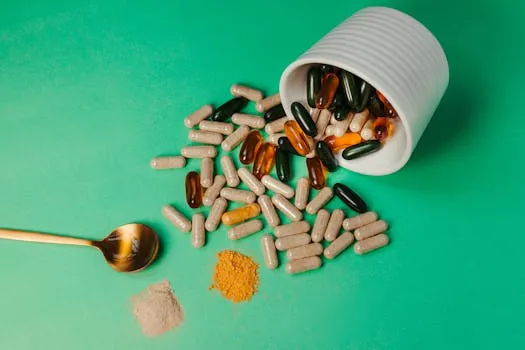
The tradeoff is time and consistency. A grow kit produces 150–300g of fresh mushrooms over 2–3 flushes, which at the culinary dose of 30–50g/day lasts 3–10 days. For ongoing supplementation, growing works more as a supplementary source than a reliable primary one. Growing in cycles — one kit per month — combined with a quality extract supplement provides both culinary enjoyment and supplementation consistency.
When buying commercially grown fresh lion’s mane (specialty grocery stores, farmers markets), verify the product is Hericium erinaceus specifically. Other Hericium species (H. coralloides, H. americanum) are edible but lack the specific hericenone and erinacine content of H. erinaceus. The distinctive shaggy white appearance makes species identification fairly straightforward.
For dried supplements, extraction method matters more than brand name. Hot water extraction (HWE) yields polysaccharides and beta-glucans — important for immune function, not the primary cognitive compounds. Ethanol or alcohol extraction yields hericenones and terpenoids — the NGF-stimulating fraction. Dual extraction yields both. Products listing only “1:1 extract” or specifying only hot water extraction are missing the ethanol-soluble fraction and will deliver less NGF-stimulating activity than a properly dual-extracted product.
James’s Follow-Up: Six Months In
When James completed six months on lion’s mane at 2g/day of a quality dual-extract, the changes he’d noticed at three months had consolidated. Verbal recall was reliably faster. The cognitive drift in conversations had largely disappeared. He’d also added regular exercise (4 days/week) and fixed his sleep from six hours to seven and a half during the same stretch — so crediting the improvement entirely to lion’s mane would be scientifically naive.
That’s the honest answer for most people who improve on lion’s mane within the context of a broader brain health protocol: lion’s mane is one contributing variable among several that moved together. Isolating its specific contribution requires a controlled experiment most people don’t run on themselves.
What James said when asked directly: “I don’t care which thing is responsible. Everything is better. My brain works better than it did a year ago. I’m going to keep doing all of it.”
Probably the right practical conclusion. The mechanistic case for lion’s mane as an NGF stimulator is solid. The human evidence for cognitive benefit in people with cognitive impairment is established. Evidence in cognitively healthy adults is more limited but directionally positive. The safety profile is excellent. The cost is modest. The alternative — doing nothing, watching cognitive function gradually erode through aging while waiting for a “more proven” intervention — isn’t obviously superior.
Use the NGF Stimulation Protocol. Exercise. Sleep. Eat choline-rich foods. Take quality lion’s mane at an adequate dose. Maintain it for months, not days. The biology responds to consistent inputs, not occasional gestures.
Build the inputs. Trust the process. The brain is more adaptable than most people have been led to believe.
Neuroinflammation: The Silent Enemy of Cholinergic Function
One of the lesser-discussed reasons cholinergic neurons are particularly vulnerable to degeneration is their relationship to neuroinflammation. Microglia — the brain’s immune cells — when chronically activated by systemic inflammation, oxidative stress, or metabolic dysfunction, release inflammatory cytokines selectively toxic to cholinergic neurons. The basal forebrain cholinergic neurons NGF maintains are unusually susceptible to inflammatory damage compared to other neuronal populations.
This creates a clear pathway from common modern health problems to cognitive decline: metabolic dysfunction (insulin resistance, obesity) → chronic systemic inflammation → blood-brain barrier compromise → neuroinflammation → cholinergic neurodegeneration → cognitive impairment. It also explains why Type 2 diabetes is the single strongest known risk factor for Alzheimer’s disease — some researchers have begun calling Alzheimer’s “Type 3 diabetes,” reflecting the central role of brain insulin resistance in the disease pathology.
Lion’s mane addresses neuroinflammation through mechanisms beyond NGF. Its polysaccharide fraction (beta-glucans and other complex carbohydrates) has documented anti-inflammatory and immunomodulatory effects. Animal studies have shown lion’s mane extract reducing inflammatory markers in the brain — TNF-alpha, IL-1beta, IL-6 — independently of its NGF-stimulating effects. This anti-inflammatory action may explain some of its observed benefits in depression and anxiety, since neuroinflammation contributes to the pathophysiology of both.
The anti-inflammatory case complements the NGF case: it’s not just stimulating neuronal growth support while the environment stays inflammatory. It’s also reducing the inflammatory pressure that was degrading the neurons in the first place. For people with metabolic dysfunction, chronic systemic inflammation, or high-stress lifestyles — all three of which raise baseline neuroinflammation — this dual action may be particularly relevant.
Addressing the upstream drivers of neuroinflammation — metabolic health, sleep quality, diet quality, chronic stress management — remains more important than any supplement. But within a comprehensive approach, lion’s mane provides neuroinflammation reduction alongside NGF stimulation, making it a more versatile brain health intervention than its reputation as simply a “nootropic” typically suggests.
Research Limitations and the Honest Assessment
Honest evaluation of lion’s mane means acknowledging the limitations of the current evidence base alongside its genuine strengths. The field is young, the number of randomized controlled trials in humans is small — fewer than 20 as of this writing — and most trials have been conducted in Asian populations, which raises questions about generalizability to other genetic and dietary backgrounds.
The Mori 2009 study, frequently cited as it is, involved 30 participants over 16 weeks. Adequate to establish proof-of-concept and direction of effect. Not sufficient to pin down effect magnitude precisely or identify which subpopulations benefit most. Larger, longer, stronger trials with cognitive endpoints relevant to healthy adults — rather than MCI populations — are needed.
The mechanism — hericenones and erinacines stimulating NGF synthesis — is well-established in cell culture and animal studies. Translation to meaningful human outcomes at practical supplement doses involves assumptions about bioavailability, blood-brain barrier penetration, and dose-response relationships that remain partially estimated rather than precisely mapped.
The quality control problem in the supplement industry is real. Studies showing disappointing results from lion’s mane sometimes turn out to use products later found to contain little of the active compounds. That confounds the literature and makes it hard to draw clean conclusions from meta-analyses pooling data across studies using products of wildly variable quality.
None of this invalidates the practical case for quality lion’s mane supplementation. It contextualizes it. The honest recommendation stands: quality dual-extract at adequate dose, within a complete brain health protocol, maintained for months, evaluated empirically. Works for you — as evidenced by subjective cognitive improvement — keep going. Genuinely doesn’t, after 16 weeks at proper dose — discontinue without regret. The evidence supports trying it. It doesn’t guarantee universal benefit.
Science is always incomplete. The question is never whether to act in the presence of uncertainty, but how much uncertainty is tolerable given a benign risk profile and a sound theoretical basis. For lion’s mane, by that framework, the case for a structured trial is clear. Run the protocol. Give it a real timeline. Measure what can be measured. Then decide based on what actually shows up rather than what was expected.
The brain rewards investment. The compounding nature of neurotrophin-supported cognitive maintenance — better neurons now, better cognitive function next year, better neurological aging in a decade — makes the time horizon matter enormously. The people who take their brain health seriously at 35 are the ones who are sharp at 65. The people who dismiss it as something to worry about later are the ones for whom “later” arrives ahead of schedule.
Start now. Use quality products. Be patient. The biology cooperates, given what it needs.
The Practical Framework: Applying Lions Mane Brain Health In Real Life
References
Editorial StandardsCorrectionsMedical DisclaimerAbout Our ContentAffiliate DisclosureSite Map