

Lung health lives in the background until it doesn’t. And here’s the cruel part: by the time most people notice the decline, significant damage has already accumulated. Knees complain early. Lungs don’t. They compensate, adapt, and quietly lose capacity until one day the deficit is impossible to ignore.
This isn’t a piece about quitting smoking — though that’s obviously in the picture, somewhere in the background of everything that follows. This is about the full architecture of lung health: what degrades it, what preserves it, what measurably improves it, drawing on the best available evidence alongside the practical reality of how people actually live. Functional and energetic into your 70s and 80s requires lungs that are part of the plan, not an afterthought.
How Your Lungs Actually Work (And Why the System Is More Fragile Than You Think)
The lung is essentially a massive gas exchange membrane. Roughly 300 million alveoli — tiny air sacs at the end of the bronchial tree — each surrounded by capillaries so thin that oxygen diffuses directly into red blood cells. Spread flat, total lung surface area comes to approximately 70 square meters. That’s a studio apartment, folded into your chest.
The mechanics: the diaphragm contracts and drops, creating negative pressure in the chest cavity. Air rushes in. Oxygen crosses the alveolar membrane, binds to hemoglobin, gets carried to every tissue in the body. Carbon dioxide travels the reverse route — blood into alveoli — and gets expelled on the exhale. Less than a second, start to finish.
The system has redundancies built in. More lung capacity exists than gets used at rest. The average healthy adult has a total lung capacity of about 6 liters but uses only 0.5 liters per breath during quiet breathing. That reserve is called critical capacity — the difference between a full inhale and a full exhale — and it’s the physiological buffer against stress, exertion, and disease.
Here’s where it gets important: lung capacity peaks in the mid-20s and declines from there. The rate is roughly 1% per year in healthy non-smokers after age 35. By 65, up to 30-40% of peak capacity may be gone. Normal aging, all of it. What makes the decline abnormal — and what this article is actually about — is how modern lifestyle choices accelerate that curve well past what biology alone would produce.
The structural integrity of lung tissue depends on a protein called elastin, which gives it recoil. Destroy the elastin — smoking, pollution, chronic inflammation, oxidative stress, take your pick — and the small airways start collapsing on exhalation, trapping air and reducing effective ventilation. This is the foundation of emphysema and, more broadly, of the gradual breathlessness that plagues millions of people who never got a formal diagnosis and probably never will.
The Six Pillars of Lung Decline
Before building something better, it helps to know what’s tearing the current thing down. Lung function deteriorates through six primary mechanisms. Understanding them changes how prevention actually gets approached.
Chronic inflammation is the master villain. Cigarette smoke, air pollution, allergens, systemic inflammatory conditions — doesn’t much matter which one triggers it. Inflammation in the airways causes structural remodeling. Bronchial walls thicken. Mucus production increases. Over years and decades, a clear, flexible airway becomes a narrowed, rigid tube. Research published in the journal Thorax found that elevated systemic inflammatory markers (specifically IL-6 and CRP) predicted accelerated FEV1 decline independent of smoking status.
Oxidative stress damages lung tissue at the cellular level. The lungs are uniquely vulnerable — constant contact with atmospheric oxygen means any imbalance between oxidant exposure and antioxidant defense creates cumulative damage. Cigarette smoke delivers approximately 10^15 free radicals per puff. Air pollution — particularly particulate matter smaller than 2.5 microns (PM2.5) — generates similar oxidative cascades, and billions of people are breathing it daily without ever choosing to.
Respiratory muscle weakness is underappreciated. The diaphragm and intercostal muscles do the mechanical work of breathing. Like any muscle, they atrophy from disuse. Sedentary behavior, poor posture, chronic shallow breathing — all of it weakens the respiratory pump. Studies have shown inspiratory muscle weakness is an independent predictor of exercise intolerance and is associated with worse outcomes in cardiovascular disease.
Microbiome disruption in the lung is a frontier most people don’t even know exists. The lung has its own microbiome, distinct from the gut, and dysbiosis there contributes to chronic airway inflammation. Antibiotic overuse, poor diet, and recurrent infections all alter the lung microbiome in ways that promote inflammatory states. Research from the American Journal of Respiratory and Critical Care Medicine has linked lung microbiome composition to COPD severity.
Structural decline from aging involves decreased lung elastic recoil, chest wall stiffening from calcification of the costal cartilages, and reduced diaphragm strength. Partly inevitable. Substantially modifiable anyway. People who maintain physical activity into later decades show lung function measures 20-30% better than sedentary age-matched controls.
Environmental exposures accumulate silently. Second-hand smoke, occupational dust, indoor air pollutants (formaldehyde from new furniture, VOCs from paint and cleaning products, mold), radon in basements — all of it adds to cumulative lung burden. The World Health Organization estimates indoor air pollution causes 3.8 million premature deaths annually. More than outdoor air pollution. Worth sitting with that one for a second.
Measuring Lung Health: The Numbers That Actually Matter
Spirometry is the gold standard for measuring lung function, and it’s shockingly underutilized in primary care. A spirometry test measures two key values: FVC (forced critical capacity — the total air forcefully exhaled) and FEV1 (forced expiratory volume in 1 second — how much of that air gets expelled in the first second).
The FEV1/FVC ratio is the critical number. Above 0.70 is normal. Below 0.70 suggests obstructive lung disease. A low FVC with a normal ratio suggests restrictive lung disease. These distinctions matter enormously — they point toward completely different causes and completely different interventions.
Predicted FEV1 — expressed as a percentage of what’s expected for age, height, sex, and ethnicity — shows where someone stands relative to healthy peers. 80% or above is normal. 50-79% is moderate impairment. Below 50% is severe. Research from the Framingham Heart Study found FEV1 is a stronger predictor of cardiovascular mortality than many traditional cardiac risk factors. That’s not a small claim.
Peak flow meters offer a simpler home option. They measure peak expiratory flow rate — the maximum speed of exhalation — and are particularly useful for monitoring asthma. Not diagnostic, but a decent trend monitor. A consistent downward trend in peak flow values is a signal worth taking seriously.
VO2 max, while primarily a cardiovascular metric, also reflects lung efficiency. At high workloads, the lungs can become the limiting factor in oxygen delivery. A VO2 max above 35 mL/kg/min (for middle-aged adults) suggests reasonable cardiorespiratory fitness. Below 25 is associated with significantly elevated mortality risk across multiple prospective studies.
The six-minute walk test is a pragmatic functional measure. How far can someone walk at comfortable pace in six minutes? Normal values for adults aged 40-80 range from roughly 400-700 meters depending on age and sex. Distances below 400 meters correlate with worse outcomes in chronic lung disease. A stopwatch and a measured corridor is all this test requires.
The Exercise Prescription for Lung Health
- Zone 2 cardio (3-4x/week, 30-45 minutes): Jogging, cycling, rowing at conversational pace. Builds aerobic base and reduces chronic inflammation.
- High-intensity intervals (1-2x/week): 4-8 bouts of 30-60 seconds at high effort. Develops respiratory muscle endurance and VO2 max.
- Nasal breathing practice: During low-intensity work, commit to nasal-only breathing. This strengthens the diaphragm, humidifies air, produces nitric oxide, and improves CO2 tolerance.
- Respiratory muscle training (3-5x/week): Dedicated IMT (inspiratory muscle training) using a device like a POWERbreathe or similar threshold resistance trainer, 30 breaths at 50-75% of maximum inspiratory pressure.

First: exercise doesn’t increase lung capacity the way it increases muscle mass. FVC and FEV1 don’t dramatically change with aerobic training in healthy adults. What changes is the efficiency of oxygen extraction at the tissue level — muscles get better at pulling oxygen from blood, meaning the lungs work less hard to maintain adequate oxygenation at a given workload.
Second: exercise strengthens respiratory muscles. The diaphragm and intercostals respond to training loads just like skeletal muscles do. High-intensity interval training in particular creates respiratory demands that specifically tax these muscles. Studies on HIIT protocols have shown measurable improvements in diaphragm thickness and function.
Third: exercise reduces systemic inflammation — one of the primary drivers of lung deterioration. Regular moderate exercise downregulates inflammatory cytokines, reduces oxidative stress, and improves the antioxidant defense systems that protect lung tissue. A meta-analysis in Sports Medicine found exercise training significantly reduced IL-6, TNF-alpha, and CRP in previously sedentary individuals.
Fourth: exercise improves mucociliary clearance — the lung’s self-cleaning mechanism. The bronchial tubes are lined with cilia that beat rhythmically to sweep mucus and trapped particles upward for removal. Exercise accelerates this process. Literally helps the lungs clean themselves more effectively.
The practical prescription: 150 minutes per week of moderate aerobic exercise (enough to make conversation somewhat difficult), with 2-3 sessions of higher intensity work. Swimming and cycling are particularly lung-friendly — minimal joint loading, significant respiratory demand. Resistance training contributes through systemic inflammation reduction and respiratory muscle support from core strengthening.
Nutrition and Lung Health: The Evidence Is Stronger Than You’d Expect
The nutrition-lung connection is less intuitive than the exercise-lung connection, but the research is surprisingly strong. Several dietary patterns and specific nutrients have demonstrated measurable effects on lung function in large population studies.
The Mediterranean diet consistently appears in the lung health literature. A study following 2,000+ adults over 20 years found higher Mediterranean diet adherence associated with significantly less FEV1 decline with aging. The anti-inflammatory and antioxidant properties of the pattern appear to directly protect lung tissue from oxidative and inflammatory damage.
Antioxidant nutrients deserve specific mention. Vitamin C is found in particularly high concentrations in the lung epithelial lining fluid, suggesting functional importance there. Studies have correlated higher dietary vitamin C intake with better lung function parameters, particularly FVC and FEV1. The mechanism involves direct quenching of oxidative radicals before they can damage lung tissue.
Vitamin D deficiency has been linked to both increased risk of respiratory infections and worse outcomes in COPD and asthma. It has immunomodulatory properties in lung tissue — regulates the differentiation of immune cells in the airways, reduces airway hyperresponsiveness, appears to support the integrity of the epithelial barrier. Supplementation trials have shown correcting deficiency reduces acute exacerbations in patients with chronic lung disease.
Magnesium has been underappreciated in respiratory health. It acts as a bronchodilator — relaxes bronchial smooth muscle. IV magnesium sulfate is actually used in emergency management of severe asthma attacks. Dietary magnesium intake has been correlated with FEV1 and airway hyperresponsiveness in population studies. Most adults are chronically insufficient in it and don’t know it.
Omega-3 fatty acids reduce airway inflammation through their conversion to resolvins and protectins — specialized pro-resolving mediators that actively terminate inflammatory responses rather than just suppressing them. A clinical trial found fish oil supplementation in asthma patients reduced both symptom frequency and the need for rescue bronchodilators.
What to minimize matters just as much. Processed foods high in refined carbohydrates promote systemic inflammation. Dairy — particularly in individuals with asthma or significant mucus production — can increase mucus viscosity in some people, though evidence here is more mixed. Excess alcohol impairs mucociliary clearance and weakens the immune response in the lung. Sulfites in wine trigger bronchoconstriction in susceptible individuals.
Air Quality: The Battle You’re Fighting Without Knowing It
Uncomfortable truth: most people have no idea what they’re breathing most of the time. Indoor air quality in modern homes and offices can be two to five times worse than outdoor air in many cities, and the pollutants differ from outdoor sources in ways that make them particularly hazardous.
Volatile organic compounds (VOCs) off-gas from furniture, paint, carpet, cleaning products, and air fresheners. Formaldehyde from engineered wood products. Benzene from attached garages. Mold spores in damp basements. Radon — a naturally occurring radioactive gas — seeps into homes from soil and is the second leading cause of lung cancer in the US after smoking. Pet dander. Combustion products from gas stoves.
The data on gas stoves is worth knowing. A 2022 study in Environmental Science & Technology found gas stoves emit methane and nitrogen dioxide even when off, and cooking with gas significantly elevates indoor NO2 levels — a respiratory irritant associated with asthma exacerbations. A 2023 analysis estimated 12.7% of childhood asthma cases in the US are attributable to gas stove use.
Practical indoor air quality improvements: test the home for radon — kits run $15-30 and could identify a serious hazard. Run HEPA filtration in bedrooms and primary living spaces. Maximize ventilation when cooking and after cleaning. Choose low-VOC products when replacing furniture or paint. Control humidity between 30-50% to prevent mold growth.
Outdoor air quality is tracked in most urban areas via AQI (Air Quality Index). On days when PM2.5 or ozone is elevated, reduce outdoor exercise intensity or time it for early morning when traffic-related pollution is lowest. People with existing lung conditions should have a specific action plan for high-AQI days.
One more source that’s often overlooked: wildfire smoke. Even hundreds of miles from a fire, smoke can elevate PM2.5 to hazardous levels. The particles in wildfire smoke are small enough to penetrate deep into the alveoli and have been shown to cause acute lung inflammation even in previously healthy individuals. Track AirNow.gov (US) or equivalent local services during fire season.
The LUNGS Framework: A Systematic Approach to Pulmonary Optimization
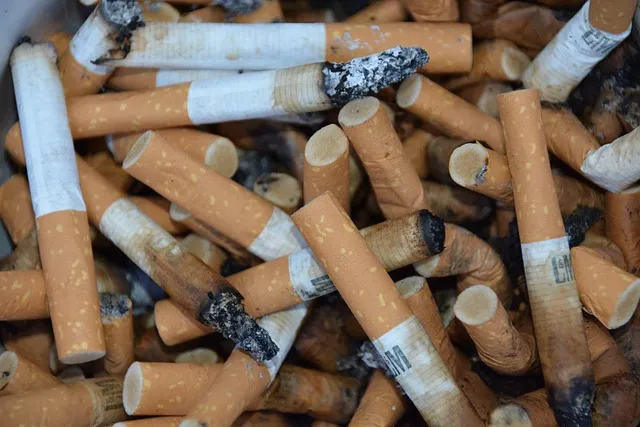
L — Load. The lungs need regular respiratory loads to maintain capacity and strength. Deliberate aerobic exercise with real respiratory challenge — not just walking. Zone 2 cardio and HIIT aren’t optional for long-term lung health. They’re maintenance. Additionally, inspiratory muscle training (IMT) applies specific resistance to the breathing muscles in a way general exercise doesn’t fully replicate.
Thirty minutes of IMT three times per week for eight weeks has been shown in meta-analyses to reduce breathlessness and improve exercise capacity even in healthy adults.
U — Upstream inputs. What goes into the lungs matters. Air quality (indoor and outdoor), allergen load, infectious exposures, and even breathing pattern (nasal vs. mouth, depth, rate) all shape long-term lung health. Nasal breathing filters, warms, and humidifies incoming air and generates nitric oxide — a potent bronchodilator. This lever is about controlling what can be controlled and intelligently managing what can’t.
N — Nutrition and inflammation. The anti-inflammatory diet isn’t a trend — it’s a documented factor in lung function trajectory. The Mediterranean pattern, adequate antioxidant intake, omega-3 sufficiency, vitamin D adequacy: the non-negotiables. Conversely, ultra-processed food consumption is independently associated with worse lung function in population studies.
G — Gas exchange optimization. This lever focuses on the biochemistry of breathing: CO2 tolerance, hemoglobin function (iron, B12, folate status), altitude adaptation. The ability to effectively exchange and use respiratory gases is partly determined by nutritional status and breathing habits, not just lung structure.
S — Sleep and recovery. The lungs do substantial repair work during sleep. Sleep apnea — affecting an estimated 10-30% of adults, most undiagnosed — creates nightly cycles of hypoxia and reoxygenation that generate significant oxidative stress and inflammation in lung tissue. Waking unrefreshed, snoring, daytime fatigue — screening for sleep apnea is not optional at that point. Sleep position affects respiratory function too — people with certain lung conditions breathe better on their sides than their backs.
Breathing Mechanics: The Most Overlooked Variable
Most people breathe poorly. Not a criticism — an observation, based on the consistent finding in respiratory research that a large proportion of adults use dysfunctional breathing patterns: chest-dominant breathing instead of diaphragmatic, mouth breathing instead of nasal, hyperventilation patterns with respiratory rates too high and tidal volumes too shallow.
The diaphragm is supposed to do 80% of the work of breathing. In most sedentary adults, it does far less — accessory muscles of the neck and upper chest compensate, creating chronic tension in those areas and reducing ventilatory efficiency. Not just an aesthetic concern.
Chronic accessory muscle breathing increases the energy cost of respiration, reduces lung base ventilation (the bases of the lungs are where most gas exchange happens), and contributes to chronic neck and shoulder tension that restricts chest expansion.
Relearning diaphragmatic breathing is genuinely therapeutic. The protocol: lie on your back, one hand on chest, one on belly. Breathe so the belly hand rises first and most. The chest hand should be largely still. Five minutes daily until the pattern becomes automatic. Then practice sitting, standing, and eventually during exercise.
Nasal breathing deserves its own emphasis. The nose performs critical air conditioning: warming air to body temperature, humidifying it to near 100% relative humidity, filtering particles above 10 microns. The nasal turbinates generate turbulent flow that increases contact time between air and mucous membranes, enhancing these functions. Nitric oxide produced in the nasal sinuses (paranasal sinuses produce 250 mL/hour) is carried into the lungs with each nasal breath, where it acts as a bronchodilator and antiviral agent.
Mouth breathing bypasses all of this. It delivers cold, dry, unfiltered air directly to the lower airways, triggering bronchoconstriction, increasing airway reactivity, reducing defense against inhaled pathogens. Chronic mouth breathing restructures oral-facial anatomy, narrows the palate, and worsens nasal airway patency in a self-reinforcing cycle.
Transitioning to nasal breathing can be uncomfortable initially, particularly during exercise. The CO2 tolerance protocol — spending time in mild hypercapnia by breathing less than the urge demands — builds the tolerance for this transition. Typically 2-4 weeks of consistent practice to make nasal breathing comfortable at moderate exercise intensities.
Lung Infections and Long-Term Damage
Respiratory infections aren’t just short-term misery. Repeated or severe infections leave lasting structural changes in the lung that compound over decades. A mechanism of lung decline that doesn’t get nearly enough attention in the general health conversation.
Post-infectious bronchiectasis — permanent dilation and scarring of the bronchial tubes following severe infection — affects an estimated 340 per 100,000 adults in the US, though many cases are subclinical. Each bout of bacterial infection in damaged airways creates more damage, in a progressive cycle that, untreated, leads to significant functional impairment.
COVID-19 added a new dimension to this concern. Post-acute sequelae of SARS-CoV-2 (PASC) frequently involves persistent lung symptoms: dyspnea, cough, reduced exercise tolerance. Pulmonary CT findings in long COVID patients have revealed abnormalities in ground-glass opacity, air trapping, and reduced vascular density that persist months after acute infection. The long-term trajectory of these changes is still being characterized.
Pneumonia — even when “successfully treated” — leaves residual changes. A study following pneumonia survivors for five years found approximately 30% had persistent abnormalities on CT scan and reduced pulmonary function testing. The message: treat respiratory infections aggressively and early, prioritize recovery (including physical rehabilitation when needed), and don’t consider the job done just because the fever broke.
Vaccination is lung health. Influenza and pneumococcal vaccines reduce the incidence of severe lower respiratory tract infections that cause structural lung damage. In people over 65, pneumococcal vaccination reduces hospitalization for pneumonia by roughly 45%. The protection isn’t perfect, but the risk-benefit calculation is straightforward.
Supplements With Legitimate Evidence for Lung Health
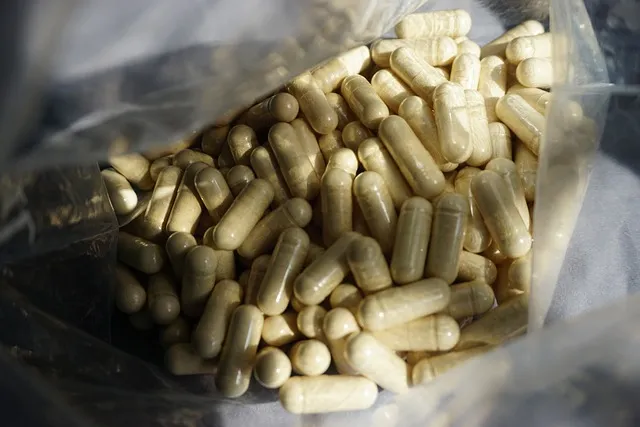
N-Acetylcysteine (NAC): A precursor to glutathione — the lung’s primary antioxidant — NAC has been studied extensively in respiratory conditions. At doses of 600-1200mg daily, it has been shown to reduce acute exacerbations in chronic bronchitis, improve mucociliary clearance, and reduce oxidative damage markers in bronchoalveolar lavage fluid. Also a potent mucolytic, breaking down the disulfide bonds that make mucus thick and sticky. Evidence grade: B (good quality, multiple RCTs).
Quercetin: A flavonoid found in onions, capers, and green tea, quercetin has demonstrated anti-inflammatory effects in airway epithelium, inhibits mast cell degranulation (relevant for allergic airway disease), and has antiviral properties studied in influenza and coronavirus models. Typical research doses are 500-1000mg daily. Evidence grade: B- (promising mechanistic and some clinical data, fewer large RCTs).
Vitamin D3: In individuals with deficiency (25-OH vitamin D below 30 ng/mL), correction with supplementation reduces the frequency of acute respiratory infections and, in lung disease patients, reduces exacerbation rates. The target range of 40-60 ng/mL is supported by the lung health literature. Evidence grade: A for deficiency correction, B for supplementation in replete individuals.
Magnesium glycinate or malate: Given its bronchodilatory properties and the prevalence of dietary insufficiency, magnesium supplementation is reasonable for anyone with airway hyperresponsiveness or chronic bronchospasm. Evidence grade: B for asthma-related applications.
Omega-3 (EPA + DHA): 2-4g combined EPA/DHA daily has demonstrated anti-inflammatory effects in airway tissue. Most relevant for asthma and those with elevated inflammatory markers. Evidence grade: B+.
“The most important thing you can do for your lungs today isn’t in a bottle. It’s the work you do to breathe — literally. The breath is the one autonomic function you can consciously control, and that control is an entrance point to nearly every system that governs how your lungs perform over a lifetime.”
The Lung Health Action Plan: Implementation by Priority
Information without implementation is just entertainment. Here’s how to sequence the interventions above based on impact-to-effort ratio.
Priority 1 (This week): Test the home for radon if that hasn’t happened yet. Get a baseline spirometry through a doctor if over 40 or experiencing any respiratory symptoms. One-time actions that create a foundation for everything else.
Priority 2 (Next two weeks): Establish a HEPA filter in the bedroom. Practice five minutes of diaphragmatic breathing daily. Begin tracking resting breathing rate — it should be 12-16 breaths per minute. Above 20 is a significant finding worth addressing.
Priority 3 (First month): Build aerobic exercise to 150 minutes per week with real intensity. Begin nasal breathing during low-intensity exercise. Address any vitamin D deficiency with appropriate supplementation after testing.
Priority 4 (Ongoing): Eat an anti-inflammatory diet as the default. Manage sleep quality and rule out sleep apnea. Add IMT 3x/week for specific respiratory muscle development. Monitor air quality on high-pollution days.
Lung health is slow-motion. The decisions made today don’t show up in FEV1 tomorrow — they accumulate over years and decades. Which is also why starting now, regardless of current standing, is worth exactly this much effort. The lungs a person will have at 70 are being built right now, twenty-three thousand breaths at a time.
What People Ask About Lungs Actually Work
Can you rebuild lung capacity once it’s lost? Partial recovery is possible for some types of loss. Airways damaged by chronic inflammation can improve with anti-inflammatory interventions. Respiratory muscle weakness is highly trainable. Functional capacity can improve substantially even when structural changes are irreversible — through improved fitness, better breathing mechanics, reduced inflammatory burden. Significant emphysema or fibrosis represents permanent structural change, but functional optimization around that damage remains valuable.
How do I know if I have mild lung disease? Many people with mild obstruction are asymptomatic at rest and only notice reduced capacity during exertion — getting winded on stairs or hills more than peers their age. The only reliable way to know is spirometry. Request a baseline if over 40 or with any history of smoking, significant pollution exposure, recurrent chest infections, or asthma.
Is running bad for lungs if you live in a polluted city? A real concern. Exercise increases the dose of pollutants delivered to the lungs by increasing respiratory rate and volume. On high-AQI days (above 100), reduce intensity and duration of outdoor exercise. Consider timing workouts for early morning when traffic is lower. The long-term benefits of regular exercise generally outweigh pollution risks for most people, but pollution-day modifications are appropriate.
Do essential oil diffusers hurt lung health? Potentially, yes. Essential oils release VOCs that can irritate airways in susceptible individuals. Some terpenes in essential oils have demonstrated airway-sensitizing effects at high concentrations. Unlikely to cause harm during occasional use in well-ventilated spaces, but daily use in enclosed rooms is less clearly safe, particularly for anyone with existing airway sensitivity.
What’s the best test for monitoring lung health at home? A peak flow meter costs $15-30 and gives a daily trend line on expiratory capacity. Not as informative as spirometry, but catches meaningful declines. Pulse oximetry (a finger clip device, $15-20) measures oxygen saturation — values consistently below 95% at rest warrant medical evaluation. For true trend monitoring, annual spirometry is the gold standard.
Does altitude exposure improve lung health? Short-term altitude exposure (1-4 weeks at moderate altitude of 2000-3000m) increases red blood cell mass, improves oxygen-carrying capacity, and may strengthen respiratory muscles. Effects persist for weeks to months after returning to sea level — which is why many elite athletes train at altitude. For people without chronic lung disease, occasional altitude exposure appears broadly beneficial.
How does sleep position affect lung function? Side sleeping (specifically, lateral decubitus position) generally improves oxygenation compared to supine in people with certain lung conditions, because gravity reduces compression of the dependent lung. For sleep apnea, side sleeping significantly reduces apnea frequency. The “good lung down” principle — positioning the healthiest lung down — can improve gas exchange in people with unilateral lung disease.
Are breathing exercises like Wim Hof or box breathing evidence-based for lung health? Different mechanisms entirely. Wim Hof breathing (cyclic hyperventilation followed by breath retention) temporarily increases lung volumes, may stimulate sympathetic activation, and has shown immune modulation effects in clinical trials. Box breathing and similar slow-paced breathing practices (4-6 breaths per minute) activate the parasympathetic nervous system, reduce respiratory rate, and improve heart rate variability.
Neither directly increases lung capacity in the structural sense, but both improve breathing mechanics, CO2 tolerance, and autonomic function. Useful tools — with the caveat that cyclic hyperventilation should never be practiced in or near water due to risk of loss of consciousness.
What’s the relationship between gut health and lung health? The gut-lung axis is an active research area. Gut microbiome composition influences lung immunity through systemic immune modulation — short-chain fatty acids produced by gut bacteria appear to reduce airway inflammation. Conversely, lung infections alter gut microbiome composition. Probiotic supplementation has shown modest benefits in reducing respiratory infection frequency and severity in clinical trials.
Dietary fiber — the primary food source for beneficial gut bacteria — appears in some studies to be associated with better lung function, likely through this indirect immune-modulatory pathway.
Long-Term Lungs Actually Work Strategy of Lung Health
The lungs reward consistent, unsexy effort over decades. No dramatic intervention reverses years of accumulated damage overnight. No supplement stack substitutes for regular aerobic exercise and clean air. What works is the accumulation of good decisions — breathing well, moving regularly, eating anti-inflammatorily, managing exposures, sleeping properly — applied consistently over years.
The data on this is unambiguous. People who maintain high physical fitness into later decades show lung function measures that look 15-20 years younger than sedentary age-matched peers. Not because fitness freezes time, but because it slows the curve dramatically. A person with an FEV1 of 90% predicted at 65 has a fundamentally different quality of life than someone at 60% — even if neither has a diagnosis.
There’s also something psychologically important about understanding the lungs as trainable rather than fixed. The prevailing cultural narrative around lung health is entirely defensive — don’t smoke, avoid pollution, hope for the best. The evidence suggests a more active posture is warranted. Respiratory reserve can be built through training. Inflammatory burden can be reduced through diet. Breathing mechanics can improve through practice.
These aren’t marginal gains. They’re potentially the difference between functional and breathless in the later decades.
Twenty-three thousand breaths today. Twenty-three thousand opportunities to do this right or do it poorly. The aggregate of those choices, made over a lifetime, becomes the lung function a person is living with. That accounting is worth taking seriously — not with anxiety, but with the kind of methodical attention that treats the respiratory system as the extraordinary, life-sustaining infrastructure it actually is.
The Practical Framework: Applying Lungs Actually Work System In Real Life
References
Editorial StandardsCorrectionsMedical DisclaimerAbout Our ContentAffiliate DisclosureSite Map