
Not all omega-3 fatty acids treat depression. The clinical evidence points to one specific molecule: eicosapentaenoic acid (EPA). DHA, the other major omega-3, shows almost no antidepressant effect in controlled trials. This distinction — invisible on most supplement labels — is the difference between a treatment that works and an expensive placebo.
James had been doing his own research. He came in one day with a printed copy of a meta-analysis — Sublette et al., published in the Journal of Clinical Psychiatry in 2011. The study analyzed the ratio of EPA to DHA in fish oil trials and found something striking: the antidepressant effect of omega-3 supplements appeared specifically associated with high-EPA formulations. Supplements with EPA constituting at least 60% of total omega-3 content showed significant antidepressant effects. Supplements dominated by DHA showed none.
His psychiatrist, to his credit, read the paper. They added 1.5g of pure EPA daily to James’s existing regimen. Within six weeks, James was describing something he hadn’t felt in years — a sense of genuine interest in things. Not euphoria. Just normal caring about his life again.
The Omega-3 Family: EPA vs. DHA
Most people think of omega-3s as a monolith. They’re not. The three primary omega-3 fatty acids have distinct structures, distinct metabolism, and increasingly distinct clinical applications.
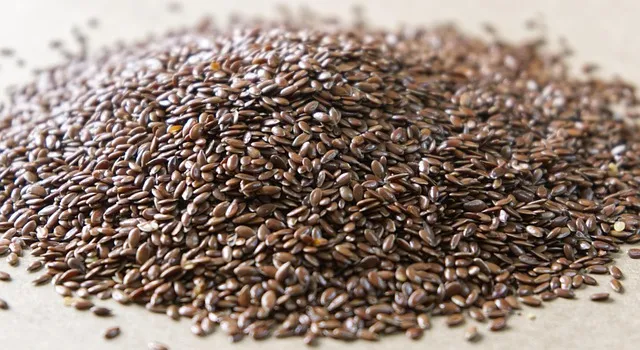
- Alpha-linolenic acid (ALA): The plant-based omega-3 found in flaxseed, chia seeds, and walnuts. The body can theoretically convert ALA to EPA and then to DHA, but conversion rates are notoriously poor — typically less than 5% to EPA and less than 0.5% to DHA. For practical purposes, ALA is not a meaningful source of the biologically active long-chain omega-3s for most people. Vegetarians and vegans relying on ALA as their omega-3 source are essentially omega-3 deficient in the clinically relevant sense.
- Eicosapentaenoic acid (EPA): The 20-carbon omega-3 found primarily in fatty fish and fish oil supplements. EPA has potent anti-inflammatory effects, primarily through its competition with arachidonic acid (the omega-6 precursor to pro-inflammatory eicosanoids) for the COX and LOX enzymes that produce inflammatory mediators. EPA-derived eicosanoids are generally less inflammatory than their arachidonic acid-derived equivalents. EPA also modulates mood-relevant neurotransmitter function and gene expression through mechanisms still being worked out.
- Docosahexaenoic acid (DHA): The 22-carbon omega-3, the primary structural omega-3 in brain tissue. DHA makes up roughly 40% of the fatty acids in the cerebral cortex and is critical for neuronal membrane fluidity, synaptogenesis, and neurotransmitter receptor function. DHA deficiency during fetal brain development is associated with impaired cognitive outcomes. DHA is essential for brain structure and function — but for mood regulation specifically, it appears to be a different molecule doing a different job than EPA.
This distinction matters enormously for supplementation decisions. Which is exactly why the Sublette et al. finding is so clinically important.
The Sublette 2011 Meta-Analysis: What It Found and Why It Matters
The 2011 meta-analysis by M. Elizabeth Sublette and colleagues, published in the Journal of Clinical Psychiatry, was a landmark in the omega-3/depression literature precisely because it introduced methodological rigor the prior research had lacked.
Earlier meta-analyses of omega-3 and depression had produced mixed results. Some showed significant antidepressant effects; others didn’t. The problem was that these analyses were pooling studies using very different omega-3 formulations — some high-EPA, some high-DHA, some mixed — and treating them as equivalent. A bit like pooling studies of whiskey and beer and concluding that “alcohol” has a certain effect, when the compounds under study are meaningfully different.
Sublette et al. addressed this by stratifying studies based on EPA percentage. When they split trials into those where EPA constituted 60% or more of total omega-3 content versus those where EPA was less than 60%, the results were striking:
High-EPA preparations (≥60% EPA): statistically significant antidepressant effect with a moderate effect size (Cohen’s d approximately 0.6–0.8 depending on analysis specification).
Low-EPA / high-DHA preparations (<60% EPA): no statistically significant antidepressant effect.
This finding has been replicated and extended since. A 2019 meta-analysis by Liao et al. in the Journal of Clinical Psychiatry analyzed 26 randomized controlled trials and found a significant antidepressant effect of omega-3 supplementation that was substantially stronger when the EPA dose exceeded 1g/day and when EPA predominated over DHA.
EVIDENCE: A 2020 paper by Bos and colleagues, specifically studying pure EPA supplementation without DHA, found an effect size comparable to antidepressant medication in patients with major depression, with better tolerability.
Generic fish oil capsules purchased at a drug store may contain a 2:1 or 1:1 EPA:DHA ratio — nowhere near EPA-predominant enough to capture the mood benefit. What’s needed is either a high-EPA concentrated fish oil or pure EPA ethyl ester (available as pharmaceutical prescriptions like Vascepa, which is pure EPA, or as OTC concentrated EPA supplements).
The clinical implication is direct: supplementing omega-3s for depression requires a high-EPA formulation.
Why EPA and Not DHA? The Mechanistic Theories
The EPA-DHA distinction for depression is now fairly well established empirically, but the mechanistic explanation is still being worked out. Several non-mutually-exclusive theories are in play:
- Anti-inflammatory pathway theory: As discussed in post 435, inflammatory depression involves elevated IL-6, TNF-α, and IDO activation. EPA is a more potent inhibitor of the inflammatory signaling that drives these pathways than DHA. EPA competes with arachidonic acid at COX-2, reducing pro-inflammatory prostaglandin E2 and thromboxane A2 production. EPA also promotes production of anti-inflammatory resolvins (specifically the E-series resolvins, while DHA produces the D-series). The E-series resolvins have been specifically associated with anti-depressive effects in animal models.
- Phospholipid competition theory: EPA and DHA compete for incorporation into cell membrane phospholipids. When DHA predominates, it may actually displace EPA from membranes. Since EPA has functional effects at the membrane level (on ion channels, receptor sensitivity, and lipid raft composition), DHA-dominant supplementation may paradoxically reduce EPA membrane concentrations. Which could explain why pure EPA sometimes outperforms EPA+DHA mixtures in depression trials.
- Serotonin system modulation: EPA has been shown to increase the responsiveness of 5-HT1A receptors (the primary serotonin autoreceptors) in animal models, potentially amplifying serotonin signaling without requiring more serotonin synthesis. DHA does not appear to have the same effect.
- HPA axis modulation: EPA supplementation has been shown to reduce cortisol reactivity to psychological stress in some human studies. This blunting of the stress cortisol response — and its downstream inflammatory consequences — may be an important mechanism for EPA’s antidepressant effects.
- BDNF upregulation: Both EPA and DHA increase BDNF (brain-derived neurotrophic factor), the growth factor associated with neuroplasticity and antidepressant effects. Some animal research, however, suggests EPA’s effect on BDNF runs through different pathways and may be additive with exercise-induced BDNF elevation in ways DHA’s effects may not be.
What the Trials Actually Delivered
The clinical evidence converges on a fairly narrow band, and knowing where that band sits is what makes a supplement facts panel readable.
Where the signal starts: trials delivering under roughly a gram of EPA a day returned inconsistent results, and the Liao meta-analysis found the antidepressant effect concentrated above that line. In every case the figure refers to EPA specifically — not total omega-3, not combined EPA+DHA.
Where the evidence is thickest: most of the positive clinical trials clustered between one and two grams of EPA daily.
High-dose range: Some studies have used 3–4g/day EPA with additional benefit for treatment-resistant cases, but the evidence above 2g/day is thinner and the bleeding risk from very high-dose omega-3 supplementation (relevant if on anticoagulants or with upcoming surgery) increases.
Maximizing EPA from typical fish oil supplements: Most standard fish oil capsules (1g total omega-3 per capsule) contain roughly 300mg EPA + 200mg DHA. Matching what the trials delivered from capsules like these takes three or more a day. Better to use concentrated omega-3 supplements specifically formulated for high EPA content instead.
Product considerations: Look for supplements that list EPA and DHA separately on the label. High-EPA formulations include: Nordic Naturals Ultimate Omega (roughly 640mg EPA per 2-capsule serving), Nordic Naturals EPA (predominantly EPA), Carlson Super Omega-3 Gems, or prescription Vascepa (pure EPA, but requires prescription and is expensive without insurance). Verify through the supplement facts panel — marketing copy on the front of the bottle is not reliable.
Form considerations: Fish oil comes in several molecular forms. Triglyceride form (re-esterified TG) generally shows better bioavailability than ethyl ester form. The pharmaceutical pure-EPA products (Vascepa), though, are ethyl ester form and still show strong effects in trials — so form may matter less than dose and EPA percentage. Take fish oil with a fat-containing meal to maximize absorption.
The Omega-3 Mood Protocol: A Systematic Framework

Step 1: Establish Your Baseline
- Test the omega-3 index (the percentage of EPA+DHA in red blood cell membranes). OmegaQuant offers this test direct-to-consumer. An index below 4% is associated with significantly higher depression risk. The target for mood support is generally 8% or above. This test reveals how omega-3 depleted a person actually is and helps track treatment response over time.
- Test hsCRP (if accessible) to assess inflammatory burden — this determines whether EPA’s anti-inflammatory mechanisms are likely to be particularly relevant to the depression at hand.
Step 2: Optimize Diet First
- Increase fatty fish consumption. Wild salmon, mackerel, sardines, anchovies, and herring are the highest-EPA sources. Two to three servings per week provides roughly 1.5–3g EPA, sufficient in many people to meaningfully raise the omega-3 index.
- Reduce omega-6 fatty acid intake. The Western diet runs an omega-6:omega-3 ratio of roughly 15:1 to 20:1. The historically adaptive ratio is roughly 4:1 to 1:1. Omega-6s (primarily from seed oils — sunflower, soybean, corn, cottonseed, canola in large amounts) compete with omega-3s for the same enzymatic pathways. Reducing seed oil consumption while increasing fish consumption shifts the ratio toward reduced inflammation and better mood simultaneously.
Step 3: Supplement Strategically
- Choose a high-EPA fish oil supplement. Verify EPA constitutes at least 60% of total omega-3 content, and read EPA per serving off the supplement facts panel rather than the omega-3 total on the front of the bottle.
- Take it with food — the largest fat-containing meal of the day, since absorption depends on it.
- Give it four to eight weeks before judging. That is the window in which most people who respond to EPA show improvement, and adjusting inside it mostly produces confusion about what worked.
- Retest omega-3 index at 3 months to verify a therapeutic index level (8%+) has actually been reached.
Step 4: Assess Response
- Use a validated depression scale (PHQ-9) to track symptoms objectively. Rate at baseline, 4 weeks, and 8 weeks.
- Look for improvements in energy, anhedonia (ability to feel pleasure), irritability, and concentration as early indicators — these often improve before overall mood scores change.
- If eight weeks of consistent supplementation produce no response, consider whether inflammatory depression was actually the primary mechanism at play — or whether other interventions should be prioritized instead.
Safety considerations: Across the range used in the trials above, omega-3 supplementation has an excellent safety profile in healthy adults. The main considerations: fish oil can have blood-thinning effects and may potentiate anticoagulants (worth discussing with a physician if on warfarin or direct oral anticoagulants); high-dose fish oil can cause GI distress (reduce dose or freeze capsules to minimize); quality matters (rancid fish oil is oxidized and may do more harm than good — buy from reputable manufacturers with third-party testing, and store in the refrigerator after opening).
EPA in Clinical Context: When It Works Best
EPA supplementation is not a universal antidepressant. Understanding when it’s most likely to work helps set appropriate expectations.
Best candidates for EPA supplementation as primary intervention:
Mild-to-moderate depression in otherwise healthy individuals who prefer to try evidence-based nutritional approaches first. People with depression and elevated inflammatory markers. People with depression and low omega-3 dietary intake. People with atypical depression features (as noted in post 435, these overlap with inflammatory depression).
Best candidates for EPA as augmentation:
Partial responders to antidepressants. A 2010 pilot study by Gertsik et al. in the Journal of Clinical Psychopharmacology found EPA augmentation of citalopram produced additional antidepressant benefit. Multiple subsequent studies have shown additive effects when EPA is added to existing antidepressant regimens — without significant pharmacokinetic interactions.
Where EPA is less likely to help:
Severe major depression with melancholic features (this typically requires more intensive intervention). Depression driven primarily by structural or psychosocial factors — trauma, relationship dysfunction, occupational stressors — without much biological component. Bipolar disorder (the omega-3 evidence is weaker here, though some positive trials exist — this requires psychiatric supervision).
The Broader Research Picture: Other Omega-3 and Mental Health Findings
While the EPA-depression relationship is the most clinically actionable omega-3 finding for mood, it’s worth situating within the broader omega-3/brain research picture.
EPA for anxiety: The evidence is thinner than for depression, but a 2018 meta-analysis by Su et al. in JAMA Network Open — primarily focused on stress but including anxiety measures — found significant anxiety-reducing effects from omega-3 supplementation at doses above 2g/day. The mechanism likely overlaps with the anti-inflammatory and HPA-axis modulating effects discussed above.
DHA for cognitive function: While DHA doesn’t appear to carry the same acute antidepressant properties as EPA, its role in brain structure means DHA deficiency has meaningful cognitive consequences. DHA is particularly important during pregnancy and early childhood — fetal brain development requires substantial DHA, and maternal supplementation during pregnancy is associated with better cognitive outcomes in offspring (Hibbeln 2007). For adults, DHA supplementation has shown modest benefits for age-related cognitive decline.
Omega-3 and ADHD: Some research suggests EPA supplementation may help with attention and impulse control in ADHD, though the evidence is considerably weaker than for depression. A 2012 meta-analysis by Bloch and Qawasmi in the Journal of the American Academy of Child & Adolescent Psychiatry found a small but significant effect.
Omega-3 and postpartum depression: Postpartum depression is associated with omega-3 depletion — fetal brain development depletes maternal DHA stores significantly. Multiple observational studies indicate inverse correlations between maternal omega-3 status and postpartum depression rates. Supplementation trials in peripartum women have shown encouraging results.
Omega-3 index as cardiovascular biomarker: The omega-3 index (% EPA+DHA in red blood cells) predicts cardiovascular events at least as well as HDL cholesterol and is more modifiable. Maintaining an omega-3 index above 8% is associated with a 90% lower risk of sudden cardiac death in some epidemiological studies (Harris & Von Schacky 2004). Which makes routine monitoring of omega-3 status one of the higher-value preventive health tests available, full stop.
Food Sources vs. Supplements: Making the Case for Both
Food-first is a reasonable principle in nutrition. Whole food contains nutrients in their natural matrix, with co-occurring compounds that may affect bioavailability and metabolism. The question for omega-3s is whether food alone can deliver the therapeutic EPA doses the depression evidence suggests are necessary.
A 6-ounce serving of wild Atlantic salmon contains roughly 1.8g combined EPA+DHA, with roughly 0.8–1.0g EPA. A meaningful contribution — roughly at the lower end of the therapeutic range for depression. But it requires eating fatty fish multiple times per week, which isn’t feasible for many people (cost, access, preference for other proteins).
Even for people already eating fatty fish 2–3 times per week, diet alone tends to land under what the antidepressant trials delivered, so a concentrated high-EPA product still adds something on top. For people eating minimal fatty fish, supplementation is essentially the only practical path to therapeutic EPA levels.
The case for whole-food omega-3 sources goes beyond EPA content. Wild-caught fatty fish also provides vitamin D, selenium, iodine, high-quality protein, and astaxanthin (the carotenoid that gives salmon its pink color, with its own antioxidant and anti-inflammatory properties). These co-occurring nutrients make whole fish a richer intervention than isolated EPA supplementation on its own.
The practical answer: both. Two to three servings of fatty fish per week as a dietary foundation, with a high-EPA fish oil closing whatever gap diet leaves.
Quality Matters: The Fish Oil Rancidity Problem
- Smell it: Fresh fish oil should smell mildly of the ocean. It should NOT smell strongly fishy, rancid, or like paint. If it smells bad, it’s oxidized.
- Burp test: Fishy burps are a classic sign of rancid fish oil. Fresh, quality fish oil in enteric-coated form should not cause significant fishy burps.
- Look for third-party testing: IFOS (International Fish Oil Standards) certification and NSF certification indicate the product has been independently tested for oxidation, purity (heavy metals, PCBs), and label accuracy. Nordic Naturals and Carlson are consistently rated well. Store-brand and discount supplements are more frequently rancid.
- Storage: After opening, refrigerate liquid fish oil. Capsule forms are more stable but should still be stored away from heat and light. Skip the giant economy bottles if they won’t get used within 3 months of opening.
This section exists because most fish oil on the market is rancid, and rancid fish oil may be harmful rather than helpful.
Omega-3 fatty acids are polyunsaturated — they carry multiple double bonds that are chemically reactive, which makes them vulnerable to oxidation. Oxidized (rancid) fish oil contains lipid peroxidation products that are pro-inflammatory and potentially pro-atherogenic — the exact opposite of the goal.
EVIDENCE: A 2015 study by Jackowski et al. in the Journal of Nutritional Science found that a significant percentage of fish oil supplements sold at retail exceeded acceptable oxidation thresholds for rancidity. A 2020 Norwegian study found similar results in a large sample of retail fish oil products.
How to identify quality fish oil:
Omega3 Depression EPA Q&A

No, not for the antidepressant effect. Flaxseed and chia provide ALA, which converts to EPA at less than 5% efficiency in most adults. Even high doses of flaxseed oil don’t produce meaningful increases in EPA blood levels. Algae-based omega-3 supplements (which provide DHA and some EPA) are a viable option for strict vegans who won’t take fish oil, but the EPA content of algae supplements is typically lower than fish oil — check the label carefully and choose algae-based products specifically formulated with high EPA content.
Q: Is there a difference between fish oil and krill oil for depression?
Krill oil provides EPA and DHA in phospholipid form rather than triglyceride form, which may improve absorption. However, krill oil products typically contain lower total doses of EPA and DHA per capsule than concentrated fish oil, and are considerably more expensive per gram of EPA. The specific EPA dose matters for antidepressant effects, and it’s harder to reach 1–2g EPA/day from krill oil at a reasonable cost. Fish oil remains the better-evidenced choice for therapeutic EPA dosing.
Q: How long does it take to feel the antidepressant effect of EPA?
Most clinical trials showing antidepressant effects ran 8–12 weeks. Some people notice changes earlier (4–6 weeks), particularly in energy and irritability. The omega-3 index takes roughly 4 months to fully reflect supplementation, because red blood cells have a 120-day lifespan — the index reflects the average composition of cells circulating, not just newly formed ones. Which is why 3-month retesting of the omega-3 index is the standard recommendation.
Q: Does EPA interact with antidepressant medications?
No significant pharmacokinetic interactions are established between fish oil and SSRIs, SNRIs, or other antidepressants. The primary caution is with anticoagulants (warfarin, dabigatran, rivaroxaban) — fish oil at high doses has mild anticoagulant effects and may potentiate prescription blood thinners. Worth discussing with a physician before surgery as well. Otherwise, adding EPA to an existing antidepressant regimen is generally well-tolerated and supported by augmentation trial evidence.
Q: What about EPA for anxiety specifically?
The evidence is less strong for anxiety than depression, but promising. The Su et al. 2018 meta-analysis mentioned above found significant effects on anxiety symptoms in clinical populations at doses above 2g/day. The proposed mechanisms — reduction of inflammatory cytokines, modulation of cortisol reactivity, HPA axis regulation — are all relevant to anxiety pathophysiology. A reasonable approach is pursuing EPA supplementation for both mood and anxiety simultaneously, using the same high-EPA approach, while also addressing other anxiety levers (sleep, caffeine, glucose management — see posts 439 and 440).
Q: Should I take EPA with or without DHA?
For depression specifically, the evidence suggests EPA is the active molecule, and DHA may not add benefit. DHA, however, is essential for brain structure and function, and most people in Western populations are also DHA-insufficient. A pragmatic approach: use a high-EPA product (where EPA constitutes at least 60% of combined EPA+DHA), which will typically also provide some DHA. This captures the antidepressant effect of EPA while maintaining adequate DHA for structural purposes. Avoid DHA-only or DHA-dominant supplements for mood purposes specifically.
The Broader Context: Integrating This Into a Complete Mental Health Approach
Individual interventions — whether omega-3s, magnesium, gut microbiome optimization, glucose stabilization, or caffeine management — are most effective when understood as components of a comprehensive biological approach to mental health rather than isolated silver bullets. The post series covering functional health and mental health (posts 434–450) represents a systematic framework for addressing the modifiable biological drivers of anxiety and depression simultaneously.
The hierarchical approach that makes clinical sense given the available evidence:
Foundation (highest use, apply universally): Sleep optimization (7–9 hours, consistent sleep/wake timing, darkness and temperature optimization); exercise (150 minutes moderate-intensity per week minimum — post 450); dietary quality (Mediterranean pattern, reduced ultra-processed food, glucose stabilization — post 448); alcohol management (reduction or elimination, particularly for anxiety — post 449).
Targeted nutritional support (apply based on deficiency assessment and symptom pattern): Magnesium glycinate for anxiety, muscle tension, and sleep (post 437); high-EPA omega-3 for inflammatory and mood components (post 436); vitamin D correction for deficient individuals (post 443); B vitamin optimization through food or supplementation; caffeine management calibrated to CYP1A2 genotype (post 440).
Advanced interventions (apply for specific conditions or treatment-resistant cases): Gut microbiome optimization for anxiety-gut overlap (post 438); saffron supplementation for mild-to-moderate depression (post 444); NAC for OCD spectrum, bipolar depression, or addiction (post 446); inositol for panic disorder and OCD (post 445); metabolic psychiatry approaches for treatment-resistant cases with metabolic features (post 447).
The compounding effect of implementing multiple interventions simultaneously is consistently greater than what any single intervention produces alone. Someone who improves their sleep, begins regular exercise, eliminates reactive hypoglycemia, corrects magnesium deficiency, and adds EPA supplementation will see anxiety reduction exceeding the sum of the parts — because these interventions address the same neurobiological systems from different angles, with reinforcing effects on each other.
The biological foundation of mental health deserves the same seriousness typically reserved for other clinical tools. A brain that is well-nourished, metabolically healthy, adequately rested, and physically active responds differently to life’s stressors — and to whatever else is layered on top of that foundation.
Working with Healthcare Providers: How to Have the Conversation
One of the practical challenges in applying functional health approaches to mental health is dealing with conventional healthcare providers who may be unfamiliar with the evidence base or skeptical of nutritional interventions. A few strategies for productive conversations.
Come with data, not ideology: The difference between “I want to try natural approaches” (sounds ideological) and “I’ve been tracking my PHQ-9 weekly for eight weeks and it correlates with these dietary changes, and I’d like to explore whether there’s a biological component we haven’t addressed” (sounds like a collaborating patient) is enormous in terms of the clinical response received.
Request specific tests by name: “Can we check my hsCRP, fasting insulin, 25-hydroxyvitamin D, and omega-3 index?” is more productive than “I think inflammation is causing my depression.” Specific test requests are actionable; general theories are debatable.
Frame it as data-gathering, not confrontation: Presenting nutritional and lifestyle optimization as a way to gather more information about what’s driving symptoms — rather than as a rejection of anything else already in place — tends to receive a better reception from most providers.
Find providers who integrate this evidence: Functional medicine physicians, integrative psychiatrists, and naturopathic doctors with research training are more likely to be familiar with the evidence base in this series. Organizations like the Institute for Functional Medicine (IFM) and the American Board of Integrative Medicine maintain practitioner directories. Not all functional medicine practitioners are equally rigorous — look for those with conventional medical training who have added functional and integrative expertise, rather than those with primarily alternative medicine backgrounds.
Tracking Progress: The Case for Data-Driven Mental Health Management
One of the most significant differences between managing mental health with a functional approach versus a purely reactive approach is the role of tracking. Symptom management without data is binary in practice — either things feel better or they don’t, on a given day, filtered through whatever mood happens to be present that day. Nutritional and lifestyle interventions produce gradual, cumulative changes that are difficult to perceive intuitively, particularly from inside the condition being improved.
Depression and anxiety impair metacognition — the ability to accurately assess one’s own state. Depressed people underestimate their improvements. Anxious people overestimate their risk. Without objective data, the question “is this working?” gets answered with a measurement instrument carrying a known, systematic bias. Which is an argument for data collection. Not more introspection.
A practical tracking system for functional mental health management:
Daily tracking (takes less than 2 minutes): A mood rating (1–10), an anxiety rating (1–10), a sleep quality rating (1–10), and a brief note on major dietary deviations from the protocol. Over weeks, this data reveals patterns that subjective memory misses entirely. Michael Pollan has written that journaling compresses time — it makes the invisible visible. Daily tracking does the same for mental health trends.
Weekly tracking: A validated symptom scale (PHQ-9 for depression, GAD-7 for anxiety). These 7-question scales take 2–3 minutes to complete and produce a number that can be tracked over time and compared against baseline and against published effect sizes for various interventions. A PHQ-9 that’s dropped from 18 to 10 over 8 weeks of combined dietary and exercise intervention is a clinically meaningful improvement (from moderately severe to moderate depression range) — one that equals or exceeds what many pharmaceutical trials achieve as their primary outcome.
Monthly tracking: Major behavioral metrics — exercise sessions per week, alcohol drinks per week, caffeine intake, sleep hours. Supplement adherence. These are the input variables; mood and anxiety scores are the output variables. Tracking both allows correlation analysis revealing which inputs are most predictive of the output — the basis of the individualized, precision medicine approach that functional health aspires to.
Quarterly tracking: Biomarkers. hsCRP, fasting insulin, 25-hydroxyvitamin D, omega-3 index, HbA1c, RBC magnesium. These biological measurements track the mechanistic targets of the interventions and confirm whether the biochemical changes being aimed for are actually occurring. Someone doing everything right behaviorally but whose hsCRP hasn’t moved may need a different intervention (sleep apnea evaluation, gut dysbiosis treatment, medication interaction review) that behavioral changes alone aren’t reaching.
The combination of subjective daily tracking, weekly validated scales, monthly behavioral metrics, and quarterly biomarkers creates a feedback system that turns mental health management from an art based on intuition into a data-informed practice based on evidence. This is how athletes train. It’s how businesses manage performance. It’s how the most important organ in the body deserves to be managed too.
Long-Term Omega3 Depression EPA Strategy: Neuroplasticity, Resilience, and Building a Brain That Handles Stress
The interventions discussed throughout this series are not quick fixes. They are investments in neurological infrastructure — in the biological capacity for resilience that makes the difference between someone who gets knocked down by adversity and recovers quickly, versus someone who stays down.
Resilience is not a personality trait. It is a biological state. The prefrontal cortex — the brain region responsible for emotional regulation, rational deliberation, and inhibition of amygdala-driven reactivity — is physically larger and better connected in resilient people. BDNF levels run higher. Hippocampal volume is preserved. Inflammatory markers sit lower. Autonomic nervous system flexibility (measured by heart rate variability) is greater. Mitochondrial function in neurons is stronger.
All of these biological markers of resilience are modifiable. Exercise grows the prefrontal cortex and hippocampus through BDNF-driven neuroplasticity. Sleep restores the prefrontal cortex’s regulatory capacity that stress depletes. EPA reduces the neuroinflammation that impairs synaptic plasticity. Magnesium supports the NMDA receptor-mediated processes that consolidate new neural patterns. A healthy gut microbiome maintains the vagal tone that keeps the autonomic nervous system balanced. Adequate vitamin D supports the neurotrophin expression that keeps neurons alive and connected.
Someone who consistently implements the protocols in this series — exercising regularly, sleeping well, managing blood glucose, maintaining adequate omega-3 and magnesium status, limiting the neurological toxins of excessive alcohol and caffeine — isn’t just managing symptoms. They’re building a different brain. Not dramatically different in months, but meaningfully different across years. The compounding effects of neuroplasticity, like the compounding effects of financial investment, produce returns that dramatically exceed what any individual contribution would suggest.
This is the long game. The only game worth playing if the goal is durable mental health rather than symptom management. The biology doesn’t negotiate. But it does respond, reliably and predictably, to the right inputs applied with consistency over time.
The Practical Framework: Applying Omega3 Depression EPA Evidence In Real Life
References
Editorial StandardsCorrectionsMedical DisclaimerAbout Our ContentAffiliate DisclosureSite Map